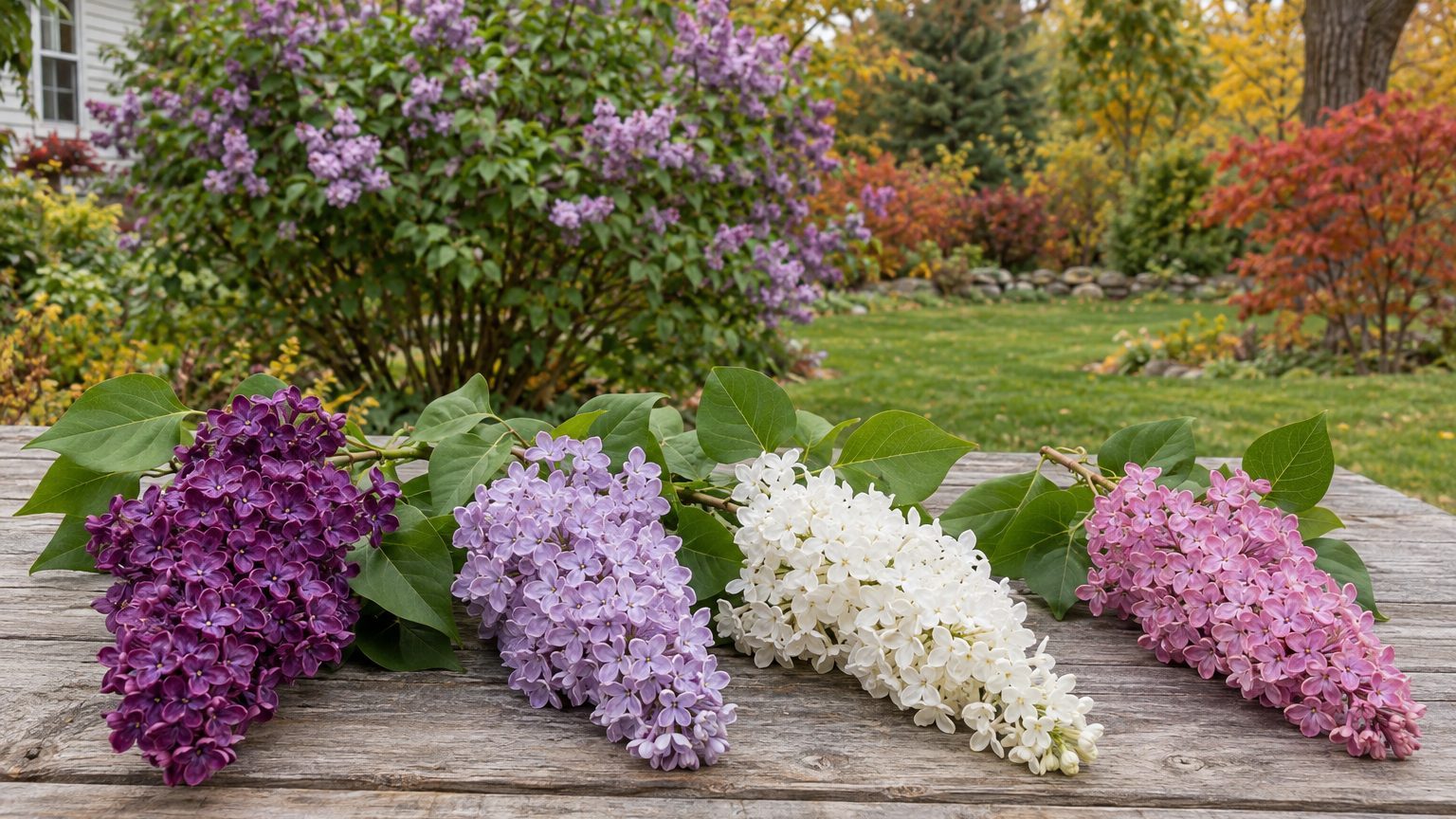
A lilac in full bloom in late May or June is a lovely sight in a North Dakota yard, and the shrubs that get you there are the ones built for hard winters. The right choice here is a cold-hardy type that flowers late enough to dodge spring frost, and the lilacs that fit that description are the ones worth planting.
Best Lilacs to Grow in North Dakota

North Dakota’s USDA hardiness range suits lilacs. They also need a cold winter rest to mature their flower buds, so North Dakota winters work in their favor. Give lilacs sun and good air circulation.
Preston Lilacs

Preston lilacs (Syringa x prestoniae) are hybrid crosses between Late Lilac (S. villosa) and Nodding Lilac (S. reflexa). This group is a natural place to start in North Dakota. Plant it in full sun with room for air to move through the branches.
Early Lilac Hybrids

Hybrids between S. oblata and S. vulgaris are well suited to cold climates. They bloom early, which can expose the flowers to spring frost. In North Dakota, where last spring frost at the reference city of Bismarck falls between May 4 and May 15, an early opener can lose its flowers, so plant it in a sheltered spot.
Hyacinthiflora Lilacs
These vigorous hybrids look like French hybrids but bloom earlier. The shrubs are very hardy. Plant them only where spring frosts are less frequent, especially in yards that catch late cold.
Common Lilac
Syringa vulgaris, the common lilac, opens first in the main season, in May. It is the classic garden lilac and fits the cold-winter rest that sets its buds. If blight has hit lilacs in your area, buy a blight-resistant selection.
Littleleaf Lilac
Syringa microphylla is the littleleaf lilac, and it is one of the species that has shown resistance to lilac blight. That matters because blight is difficult to control once it arrives. Choosing a resistant plant at planting time is easier than treating a sick one later.
Late and Tree Lilacs
The late lilacs and tree lilacs bring the season to a close in June. The June blooms of the Japanese tree lilac bring a brilliant finish to lilac season. In a North Dakota yard, they stretch the flowering window past the common lilac.
North Dakota — the year and the numbers
- State
- North Dakota
- USDA zones
- 3a-4b
- Last spring frost
- May 4 to May 15
- First fall frost
- September 25 to October 5
- Annual rain
- 24 in
- Lawn zone
- cool-season
- Source
- NOAA NCEI U.S. Climate Normals 1991-2020, 32F freeze probabilities · Fargo
How to Choose a Lilac for a North Dakota Garden
Start with your situation, since a lilac that suits one yard can disappoint in another. Winter cold is rarely the problem here, but lilacs struggle in hot, humid summers. Spring frost timing, summer weather and the space you have decide most choices.
Frost dates come from Bismarck. Your own county may see the last spring frost later, so check locally before you pick an early bloomer.
| Your situation | What suits it in North Dakota | Why |
|---|---|---|
| Very cold winter | Common lilac or Preston lilac | Winter cold helps lilac buds mature |
| Concern about lilac blight | Littleleaf lilac | It has shown resistance to blight, which is hard to control |
| Late spring frosts | A locally proven late-blooming lilac | Early bloomers are vulnerable where spring frosts are frequent |
| Little time for care | Blight-resistant selections | Preventing blight at planting beats treating it later |
| A dense, rounded form | Meyer lilac | It is slow growing, with dense foliage and a broadly rounded shape |
| Need for winter cold | Any hardy lilac in full sun | Cold winters help the flower buds mature |
Early lilac (Syringa oblata) is worth knowing too. It flowers in shades of purple, so check its mature size and watch for frost.
Which Lilacs Suit Different Parts of North Dakota
Frost timing and exposure shift from one part of the state to another, and that changes how safe an early bloomer is.
- Red River Valley: Springs here can bring late frosts, so put early bloomers in a sheltered spot and ask locally which cultivars flower after the frost risk eases.
- Bismarck area: Last spring frost at the reference city falls between May 4 and May 15, so check local conditions before choosing an early bloomer.
- Western badlands: Elevation pushes frost later, so a late-blooming hybrid is the safer pick.
Check with your county office for your own frost timing before choosing an early bloomer.
Lilac Buying Mistakes to Avoid in North Dakota
Choosing an Early Bloomer for a Frosty Yard
Hyacinthiflora lilacs open ahead of French hybrids, which can put their flowers in the path of spring frosts. The result can be no blooms that season. Plant them only where spring frosts are less frequent, and choose a late bloomer if your yard sits low.
Skipping Blight Resistance
Lilac blight is difficult to control once it arrives. Buy blight-resistant varieties whenever you plant new lilacs. Littleleaf lilac is one species that has shown resistance.
Ignoring Mature Size
A small pot can hide a large shrub, as early lilac does. Crowding it later means a hard cut, and an overgrown lilac cut hard in late winter will not flower for a few years afterward. Check the adult size before you buy; slow growth alone does not guarantee that a shrub will fit a tight spot.
Where to Get Lilac Advice in North Dakota
Local advice settles questions about frost timing and plant choice better than a general list can. Local advice is worth a call or a visit.
- NDSU Extension offers lilac and shrub guidance for North Dakota growers, and spring is a good time to ask before you buy.
- Your county extension office can tell you how your local frost timing compares, so contact it before choosing between early and late bloomers.
Common Questions
When Do Lilacs Bloom in North Dakota?
Lilacs bloom in May and June. The common lilac opens first, and the late and tree lilacs follow in June.
When Should You Prune a Lilac in North Dakota?
Prune in June, right after the flowers fade; waiting until late summer, fall or winter removes the next spring’s flowers. Late winter, in March or April while the plant is dormant, also works, at the price of that spring’s flowers.
How Do You Renew an Overgrown Lilac?
Cut the whole plant back hard in March or April. The cut costs the next flowers, so expect a wait before it blooms again.