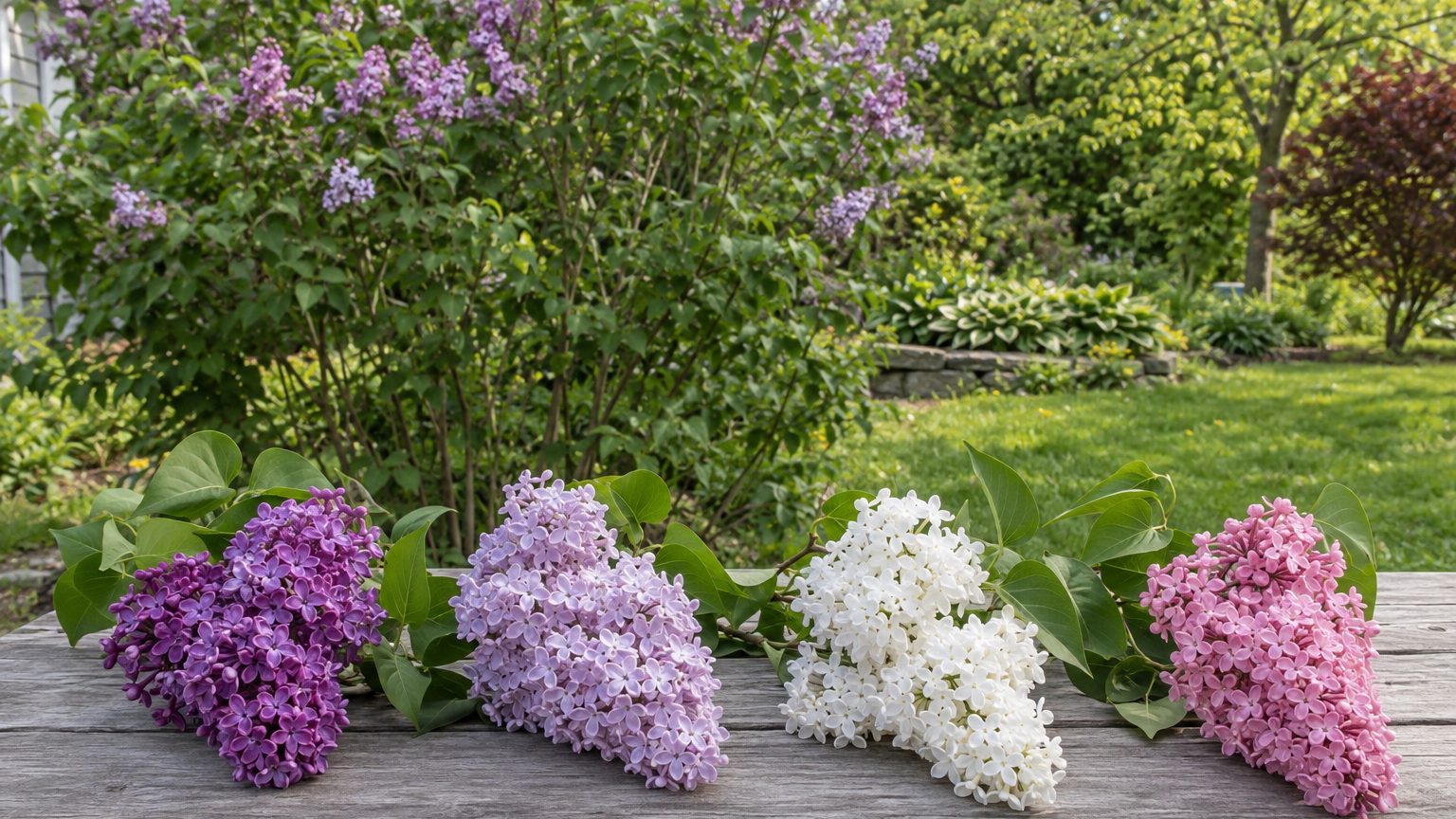
Walk past an old farmstead in Iowa in May and the lilac by the porch may be in full bloom, heavy with scent. The state suits lilacs because winters are cold enough to ripen their flower buds. The best choices are common lilacs and cold-hardy hybrids, planted in sun.
Best Lilacs to Grow in Iowa

Lilacs belong in Iowa. Iowa ranges from zone 4b to 6a in the USDA system, and its winter cold generally suits lilacs. The needs are a sunny site with good air circulation and a plant that matches the space you have.
Common Lilac

This is the lilac most people picture, Syringa vulgaris, a European species now naturalized across North America. It is the one sold in stores, and it is not picky about soil, rarely needs fertilizer and has few pest problems.
Cold is no obstacle for this cold-hardy lilac. Powdery mildew is a regular complaint, so choose cultivars that resist it. Gardeners get an incredible number of cultivars to pick from.
Early Hybrid Lilacs
These are crosses between S. oblata and S. vulgaris, and they are well suited to cold climates. They bloom in mid to late April, which opens the lilac season before most common types.
Plant one if you want flowers to start early. Give it the same sunny, airy spot as any lilac.
Late Blooming Lilacs
Some lilacs flower late, after the common lilacs and before the tree lilacs. Later species and cultivars carry bloom into June, so a mix of types extends the display after common lilacs fade.
They suit a yard where you want color after the main display has faded. Borers and scale insects can attack lilacs, but some species are less troubled by them than others.
Reblooming Lilacs
Many nice cultivars rebloom, adding more flowers after the main spring show. They fit a border or a privacy screen, and pollinators are highly attracted to them.
Like every lilac, they need a cold winter rest to mature their buds, and Iowa winters supply it.
Iowa — the year and the numbers
- State
- Iowa
- USDA zones
- 4b-6a
- Last spring frost
- April 12 to April 24
- First fall frost
- October 14 to October 25
- Annual rain
- 37 in
- Lawn zone
- cool-season
- Source
- NOAA NCEI 1991-2020 Climate Normals, 32F freeze probabilities · Des Moines
How to Choose a Lilac for an Iowa Garden
Start with the job the shrub has to do. Lilacs work well as border shrubs, privacy screens and vertical interest, so the right type depends on the space and the effort you want to spend.
Cold is rarely the limit in Iowa. Heat and humidity are the things to watch, because lilacs struggle in hot, humid summers.
| Your situation | What suits it in Iowa | Why |
|---|---|---|
| Very cold winter | Common lilac | Cold-hardy, so it overwinters well |
| Hot, humid summer | Mildew-resistant cultivars | Powdery mildew is a very common problem on common lilac |
| Little time for upkeep | Common lilac in a sunny, airy spot | Rarely needs fertilizer and has few pest or disease problems |
| Want flowers early | Early hybrids | They bloom in mid to late April |
| Need a cold rest | Any lilac in full sun | Cold winters mature the flower buds |
Lilacs that stay low on borers and scale are a good match if you would rather not spray. Check the label for mildew resistance before you buy, since that single trait saves the most upkeep.
Which Lilacs Suit Different Parts of Iowa
Iowa ranges from zone 4b to zone 6a, and the colder parts give lilacs better conditions than the warmer parts.
- Northern Iowa: Northern Iowa is the colder end of the state. Common lilacs and early hybrids sit comfortably here, since they are built for cold.
- Southern Iowa: Winters are milder and summers feel hotter and more humid. Mildew-resistant cultivars and an airy, sunny site matter more here.
Planting with room around the shrub helps throughout the state.
Lilac Buying Mistakes to Avoid in Iowa
Pruning at the Wrong Time
A lilac sets next spring’s flower buds in summer, soon after it flowers. Prune in May or June, right after the blooms fade, and not in late summer, fall or winter, which cuts off the coming flowers.
Cutting an Overgrown Lilac Too Soon
An overgrown lilac can be cut back hard in late winter, in March or April. It will not flower for a few years afterward, so do it only when the shrub is truly too big or too bare.
Planting in Shade or Crowded Spots
A lilac bought in a pot can outgrow a tight spot and needs sun and moving air. Shade and cramped planting invite powdery mildew and weak bloom. Leave room for the adult size before digging the hole.
Where to Get Lilac Advice in Iowa
Local help fits the details of your own yard. Iowa State University Extension publishes lilac guides written for Iowa gardens, and your county office can answer questions about your soil and site.
- Extension guides cover lilac species suited to Iowa gardens, so read them before you shop in late winter or early spring.
- The county office can advise on mildew or borers when you see leaf or stem damage during the growing season.
Common Questions
When Do Lilacs Bloom in Iowa?
Depending on the species, blooms begin in late April and early May and continue through mid-June.
Do Lilacs Need Fertilizer?
Rarely. Lilacs are not picky about soil, and extra feeding is seldom needed.
Why Is My Lilac Not Blooming?
Look for shade, since lilacs want sun, and think back to when it was last pruned. A cut made in late summer, fall or winter removes the buds for the next spring.