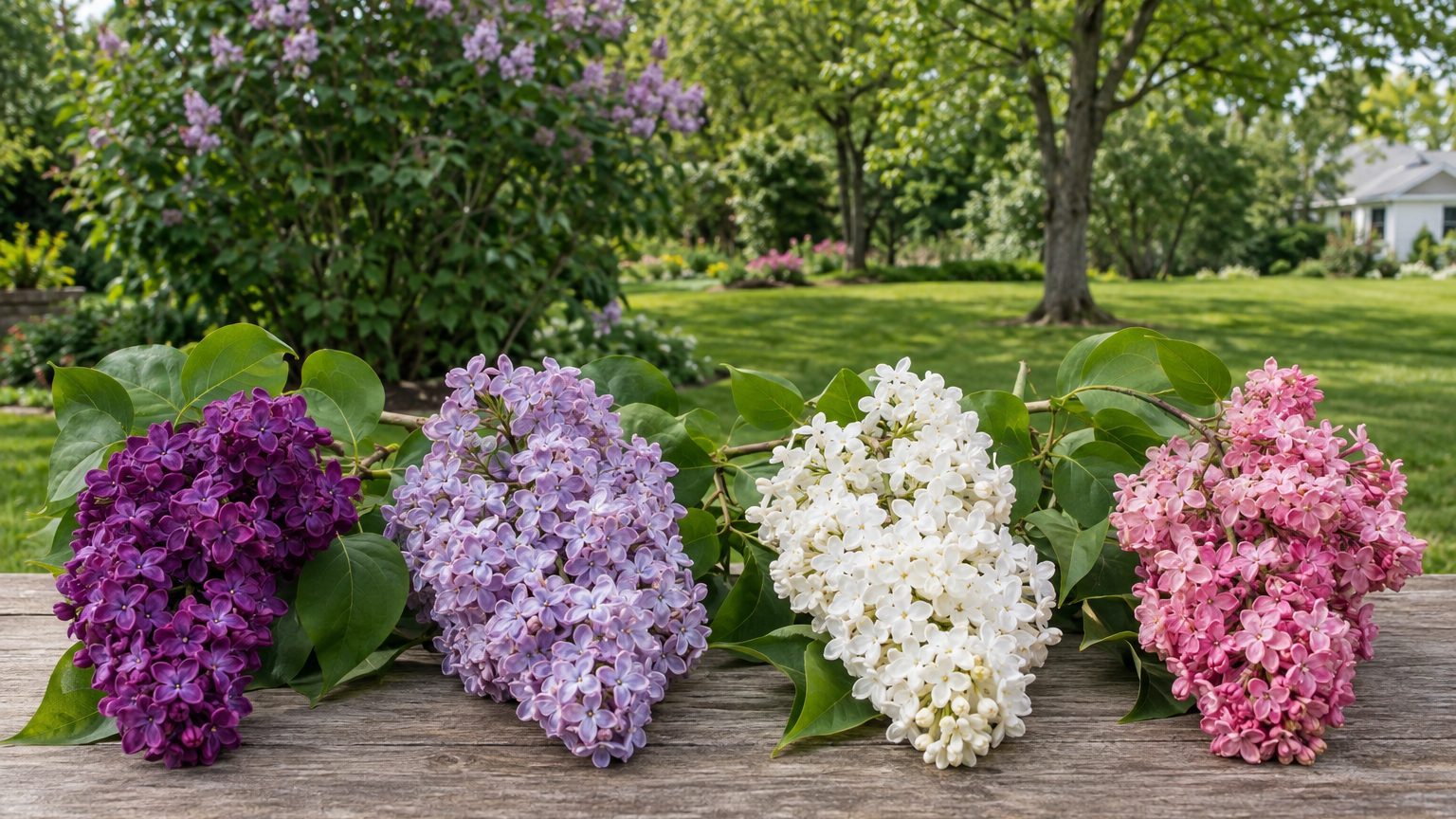
A lilac in full flower in late spring is a welcome sign that a cold-winter yard is doing something right. Manitoba gives lilacs the long winter rest they want, so the question is less whether they grow and more which type fits your site. Common French lilacs, a compact Korean shrub and a few hardy hybrids lead the list.
Best Lilacs to Grow in Manitoba

Lilacs suit Manitoba because they need a cold winter rest to mature their flower buds, and Winnipeg sits in zone 3b of the Canadian hardiness system, a separate scale from the USDA map with no simple conversion. The climate is not too mild for them. The real trouble comes from hot, humid summers, so a sunny spot with good air circulation matters.
French Lilacs

French lilacs are selections of the common lilac, Syringa vulgaris, and they are the best known of the group. Hundreds of cultivars exist, in many colors and floret shapes, so you can pick a shade you like and still get the same cold-hardy, fragrant shrub.
Plant one in full sun where air moves freely around the branches. Flowering runs from May into June.
Sensation
Sensation has purple flowers edged with white, which makes it easy to spot in a nursery row. It is a French lilac, so it handles a cold winter the way its relatives do.
It also appears on a list of varieties that resisted bacterial blight in a four-year trial. A resistant variety is the surest protection against that disease, and humid summers invite it.
Dwarf Korean Lilac
Syringa meyeri, the dwarf Korean lilac, is also called the little-leaf lilac. It usually grows about 5 ft tall and just as wide, though occasionally it reaches 8 ft.
It blooms profusely, with small violet flowers, and breeders have used it often because it is reasonably small and compact. That suits a front yard where a full-size French lilac would swallow the walkway. It also appears on the same blight-resistance list.
Hyacinthiflora Hybrids
These vigorous hybrids look like French lilacs but bloom earlier. The shrubs themselves are very hardy, but because they open ahead of the others, they belong only where late spring frosts are less frequent.
In Winnipeg the last spring frost falls on May 23 on average. That is a midpoint, and in one year out of two the frost comes later, so an early bloomer can lose its flowers. Plant these on a sheltered, well-drained site rather than in a low frost pocket.
Japanese Tree Lilac
Tree lilacs flower in June, after the common lilac has finished, and they bring the lilac season to a close. That makes them a good partner for a French lilac, stretching the show across a longer part of the season.
Manitoba — the year and the numbers
- State
- Manitoba
- Hardiness zones
- 3b
- Last spring frost
- May 23
- First fall frost
- September 22
- Annual rain
- 21 in
- Lawn zone
- cool-season
- Source
- Environment and Climate Change Canada — Canadian Climate Normals 1981-2010, station WINNIPEG RICHARDSON INT'L A · Winnipeg
How to Choose a Lilac for a Manitoba Garden
Start with the problem your yard poses, because lilacs are forgiving about almost everything except heat, humidity and a spot with no sun. A winter that suits them is already built into the province.
Size and bloom timing narrow the list further. Match those two to your site and the variety usually settles itself.
| Your situation | What suits it in Manitoba | Why |
|---|---|---|
| Very cold winter | French lilacs | They are common-lilac selections adapted to cold-winter climates. |
| Need for winter cold | A cold-hardy lilac in a sunny spot | Flower buds mature only after a cold winter rest. |
| Hot, humid summer | Sensation or dwarf Korean lilac | Both resisted blight in a trial, and humid summers are when lilacs struggle. |
| Small space | Dwarf Korean lilac | It stays compact, usually about 5 ft tall and wide. |
| Late spring frost risk | French lilacs over Hyacinthiflora hybrids | Hyacinthiflora hybrids bloom earlier and are vulnerable to May frosts. |
If you want a lilac that blooms after the others, a Japanese tree lilac is the plant to look at, since its flowers come in June.
Which Lilacs Suit Different Parts of Manitoba
Manitoba is not one climate, so the same lilac behaves differently across the province, mostly in how late frost comes.
- Winnipeg and the Red River Valley: this is the setting the frost date above describes, and French lilacs, the dwarf Korean and the tree lilac all fit. Hyacinthiflora hybrids can work with a sheltered spot.
- Northern Manitoba and upland districts: frost comes later than in the valley, so early bloomers carry more risk. Favor later-flowering French lilacs and keep the compact types in a protected corner.
If you live outside the valley, expect bloom to shift later and plan around your own last frost rather than the valley’s.
Lilac Buying Mistakes to Avoid in Manitoba
Buying a Tender Lilac
A tender lilac may suffer winter damage in Manitoba. The cost is a shrub that leafs out and does not flower. Choose French lilacs, a dwarf Korean or a hardy hybrid, and check the label against the Canadian hardiness zone rather than the USDA one.
Picking an Early Bloomer
A variety that opens early can lose its flowers to a late frost, especially in a low spot or in the north. You pay in a year without bloom. Plant Hyacinthiflora hybrids only on a sheltered, higher site, and choose a later French lilac for exposed ground.
Ignoring Adult Size
A lilac in a pot looks modest, but it grows into a large shrub that crowds a walkway or a window. The dwarf Korean stays near 5 ft, while many French lilacs grow much larger. Read the tag for mature size and set the plant where it can reach it.
Where to Get Lilac Advice in Manitoba
Manitoba has no local extension page on lilac timing. Manitoba Agriculture is the provincial ministry to start with, and local growers can fill in the rest.
- Its provincial gardening guidance can help before you choose a variety.
- A local master gardener group can tell you which lilacs thrive in your neighborhood, and spring plant sales are a good time to ask.
- A garden center or garden society can confirm local bloom timing, so ask there before you plant.
Common Questions
When Do Lilacs Bloom in Manitoba?
Lilacs flower from May into June, with the common lilac first and the late and tree lilacs in June. Dates follow the nearest comparable cold-plains climate, so confirm the local timing with a garden center before you plan around it.
When Should You Prune Lilacs in Manitoba?
Prune in June, right after the flowers fade, because a lilac blooms on last year’s wood and sets next year’s buds in summer. Pruning in late summer, fall or winter cuts off the next spring’s flowers. March or April, while the plant is dormant, also works, at the price of that spring’s flowers.
How Do You Renovate an Overgrown Lilac?
Cut the whole plant back hard in March or April, while it is dormant. The shrub will not flower for a few years afterward, so do it only when the plant is beyond a gentle trim.