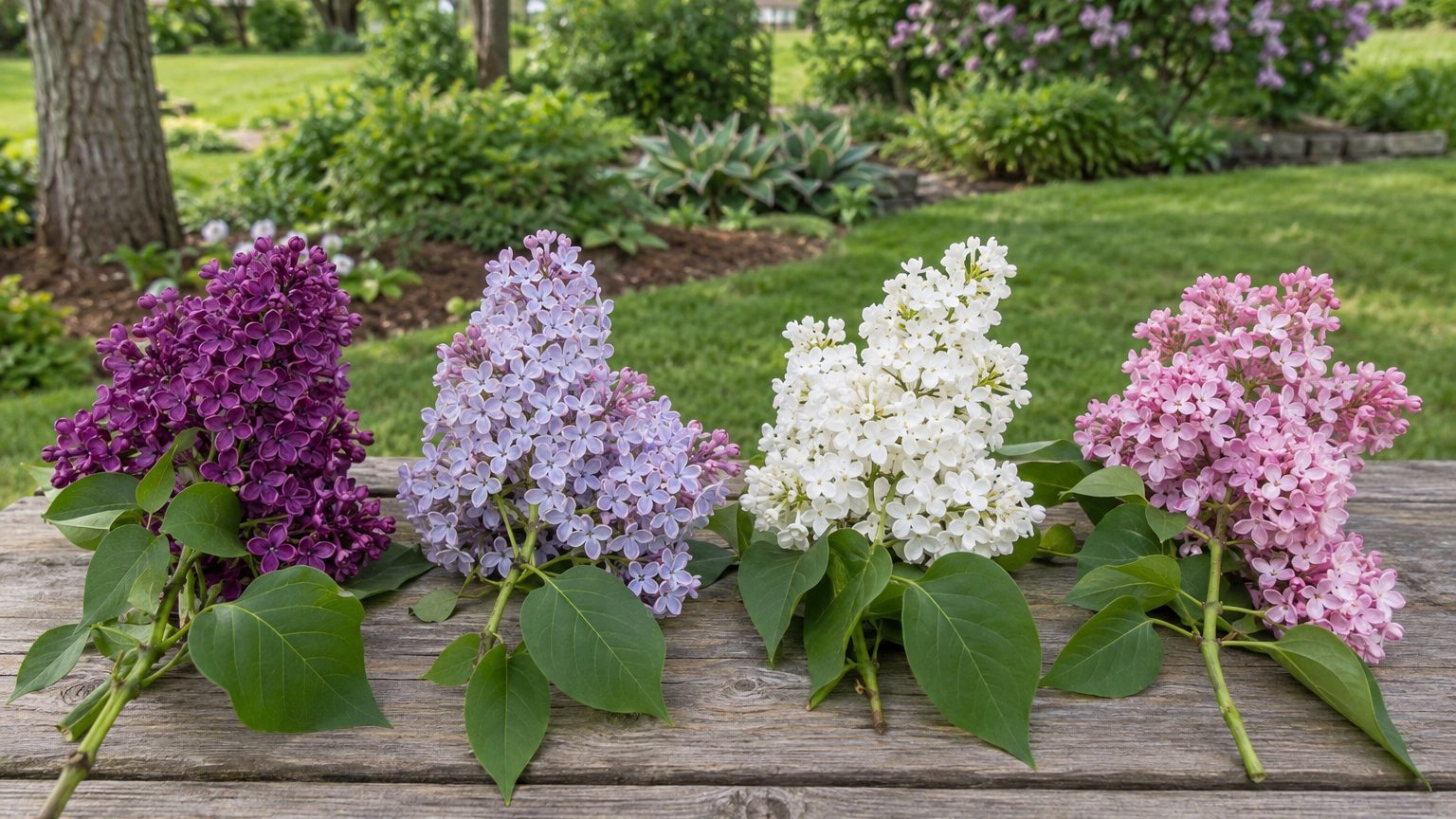
Where Hawaii’s winters stay mild, lilacs may bloom poorly or not at all. In Hawaii the plant is a gamble, because the winters never give it the chill it expects. The lilacs worth trying are the ones bred for warm winters and hot summers.
Best Lilacs to Grow in Hawaii

Southern lilacs, Descanso hybrids, low-chill cultivars and heat-tolerant picks like Superba are the ones that stand a chance here. Hawaii is too mild for the common lilac, which needs a cold winter rest to mature its flower buds. Expect poor bloom or none, and choose plants bred for the South and for warm winters.
The mildness is real. No freeze occurs in the inhabited areas, and frost shows up only on the high volcanic summits where nobody gardens. The USDA hardiness zone system, which rests on the average annual extreme minimum temperature, places the territory anywhere from 9a to 13a, so conditions differ by island and elevation.
Southern Lilacs

Plants labeled Southern lilacs, or lilacs for the South, bloom early and cope with warmth far better than ordinary common lilacs. They usually grow and flower in mild places. Look for that wording on the tag, and skip any plant sold only for cold-winter gardens.
Descanso Hybrids

These hybrids were bred for warm-winter gardens, which makes them worth trying here. The white Angel White, the blue Blue Boy and the pink California Rose are the named ones. Plant them where they get good airflow, since humid weather invites mildew.
Low-Chill Cultivars
Some cultivars have been developed to bloom with little winter chilling. Even these perform best after an extended cold rest, so treat them as a trial. Try a plant and see whether your spot suits it.
Superba
Superba is heat tolerant and mildew resistant, with dark pink, single flowers. Mildew is the usual trouble when summers turn hot and humid, so a variety that shrugs it off saves you from spraying. It is a sensible first try for a warm, damp garden.
Meyer Lilac
Syringa meyeri, the Meyer lilac, grows slowly, with dense foliage and a broadly rounded shape. That slow pace keeps it tidy in a small bed. It is a neat shrub to try where air moves freely, though it too is a plant of cooler places.
Hawaii — the year and the numbers
- State
- Hawaii
- USDA zones
- 9a-13a
- Frost
- none in an average year
- Annual rain
- 16 in
- Lawn zone
- warm-season
- Source
- NOAA NCEI 1991-2020 Climate Normals: not-computable flag for every freeze percentile at 32F and 36F, zero days per year at or below 32F, station USW00022521 — https://www.ncei.noaa.gov/access/services/data/v1?dataset=normals-annualseasonal&stations=USW00022521 · Honolulu
How to Choose a Lilac for a Hawaii Garden
Start with your summers, not your winters. Hawaii has no freeze season to plan around, so the real questions are heat, humidity and how much space and time you have.
Common lilacs struggle in hot, humid weather, which brings on powdery mildew. Match the plant to the problem you expect to face.
| Your situation | What suits it in Hawaii | Why |
|---|---|---|
| Hot, humid summers | Southern lilacs | Bred to grow and bloom in warm places, though less fragrant |
| Little time for care | Superba | Heat tolerant and mildew resistant |
| Small space | Manchurian lilac | Dense foliage |
| Mild winters, no chill | Low-chill cultivars or Descanso hybrids | Bred to bloom with little chilling |
For a bed with room to spare, the slow, rounded Meyer lilac is another option. Whatever you pick, expect the best flowering from the plants that were bred for mild winters.
Which Lilacs Suit Different Parts of Hawaii
Rainfall, elevation and windward or leeward exposure decide how a lilac fares, since frost plays no part where people garden.
- Hilo: The windward side stays wet and humid, so mildew is the worry. Favor Superba or other mildew-resistant picks.
- Kona: The leeward side is drier, which eases mildew. Southern lilacs and Descanso hybrids have the best odds here.
- Mauna Kea, Mauna Loa and Haleakala: Frost does occur on these high summits, but not where anyone gardens, so it does not change which lilac you plant at home.
Higher ground inside a garden zone runs cooler, which can help a low-chill lilac a little.
Lilac Buying Mistakes to Avoid in Hawaii
Buying a Cold-Climate Lilac
Most common lilac cultivars are sold for cold-winter regions. In Hawaii they struggle through hot, humid summers and sulk without a cold rest, so you pay for a shrub that rarely flowers. Choose Southern lilacs or Descanso hybrids instead.
Trusting a Heat-Tolerant Label
Many common lilacs are sold with claims of heat tolerance, yet they often fail to thrive in hot, humid places. The cost is a mildewed, leggy plant. Look for named varieties with a record of heat and mildew resistance, such as Superba.
Ignoring Adult Size
A lilac in a pot tells you little about its future size. A lilac crowded against a wall or walkway will need constant cutting. Check the mature height and width on the tag, and match the shrub to the space before you plant.
Where to Get Lilac Advice in Hawaii
Local growers know which lilacs have survived in your neighborhood and on your side of the island. Ask them before you buy.
- The CTAHR Cooperative Extension at the University of Hawaii offers guides on shrubs for warm, humid gardens, and spring is a good time to browse them.
- Your county extension office can tell you what grows at your elevation, so call before you choose a plant.
Common Questions
When Should You Prune a Lilac in Hawaii?
Prune right after the last flowers fade. A lilac blooms on last year’s wood and sets next year’s buds in summer, so pruning later in the year cuts off the coming flowers.
Why Do Lilac Leaves Turn White and Powdery?
White powder on the leaves, along with hot, humid weather, points to powdery mildew. Common lilacs struggle in such conditions. A mildew-resistant variety such as Superba and good airflow around the shrub reduce the trouble.
Will a Lilac Grown in Hawaii Smell as Sweet?
Southern lilacs usually grow and bloom in mild places, but they are not as fragrant as the lilacs grown in colder gardens.