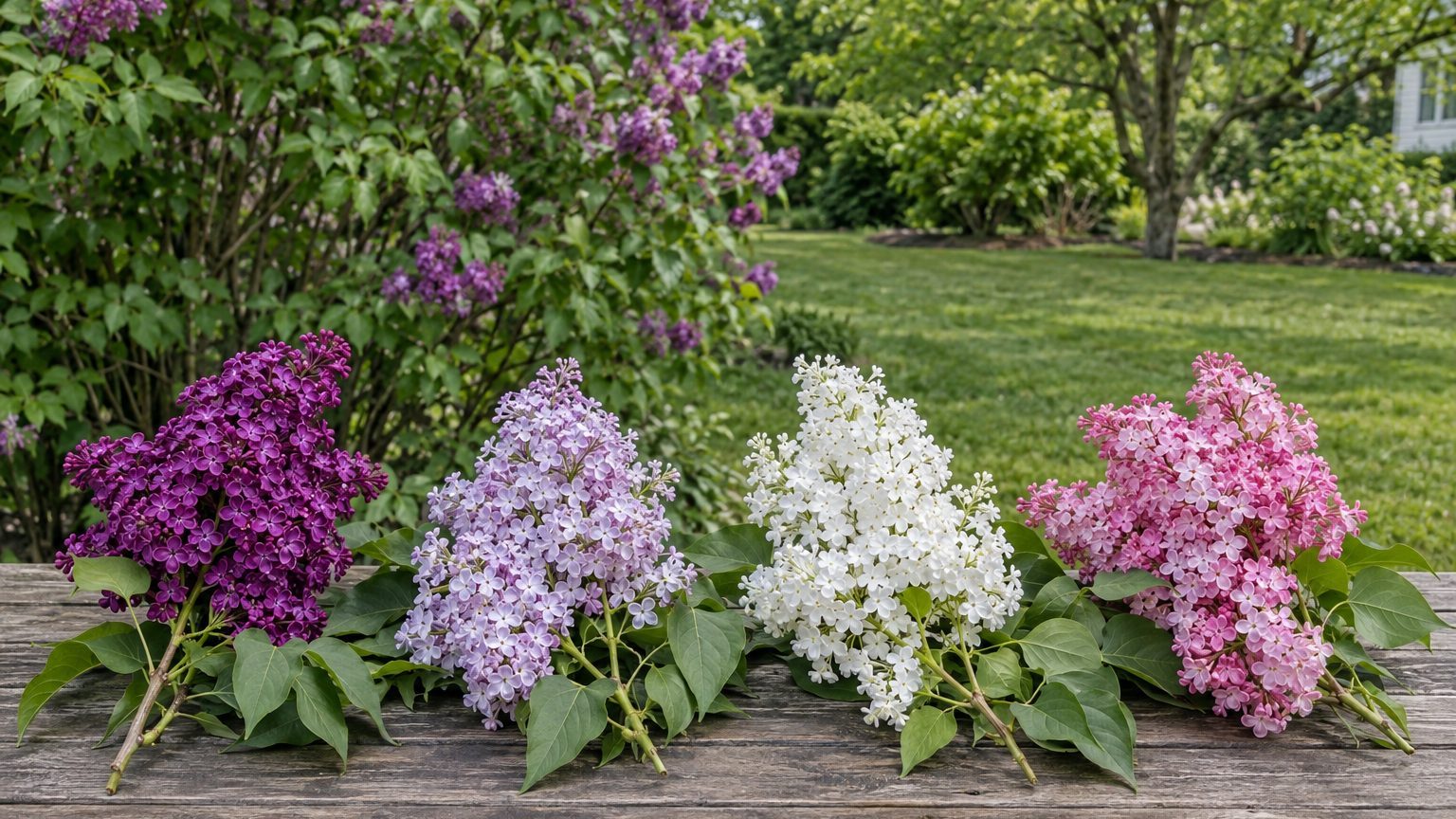
A lilac in full bloom on a cool May morning is a great reason to own a yard in Colorado, and the plant is well matched to the state’s cold winters. Common lilacs, French hybrids, early-flowering hyacinth types and tree lilacs all earn a place here, and the choice comes down to your elevation, your space and how much pruning you want to do.
Best Lilacs to Grow in Colorado

Lilacs belong in Colorado because they need a cold winter rest to mature their flower buds, and the state’s hardiness zones run from 3b to 7b on the USDA system. They struggle in hot, humid summers, which is rarely the Colorado problem. Give them sun and good air circulation, and they bloom in May and June.
Common Lilac

Syringa vulgaris is one of the hardiest shrubs and adapts to almost any soil and watering condition. It has produced hundreds of cultivars, with flowers from white to deep purple, wine red and light pink.
Plan for size. The common lilac becomes a large, spreading shrub, so give it room along a fence or at the back of a bed.
French Hybrid Lilacs

The French hybrids are the same species, Syringa vulgaris, and are best known for big blooms and strong fragrance. They suit a spot where you will stand close to the flowers, such as by a patio or front walk.
Look for plants growing on their own roots. Lilacs on their own roots are far more hardy than grafted lilacs, which matters in a Colorado cold snap.
Hyacinthiflora Lilacs
Syringa × hyacinthiflora, the early-flowering lilac, blooms before the French hybrids. The shrubs are very hardy and vigorous, and they look much like French hybrids.
Early bloom has a catch. Plant them only where late frosts are less frequent, because a freeze can nip the open flowers.
Preston Hybrids
Preston hybrids generally flower more reliably in colder, windy areas than early-blooming hyacinthiflora types. That makes them a sensible thought for exposed Colorado sites where spring weather swings.
Tree Lilac
Syringa reticulata, the tree lilac, is an option for a water-wise landscape. Its June blooms close out the lilac season. It suits a yard where you want a tree form rather than a wide, suckering shrub.
Colorado — the year and the numbers
- State
- Colorado
- USDA zones
- 3b-7b
- Last spring frost
- May 1 to May 11
- First fall frost
- September 30 to October 12
- Annual rain
- 15 in
- Lawn zone
- transition-season
- Source
- NOAA NCEI 1991-2020 Climate Normals, 32F freeze probabilities · Denver
How to Choose a Lilac for a Colorado Garden
Start with the place the shrub will live: how cold the winter gets, how hot the summer runs and how much room is free. Then match the type to that spot.
Planting several kinds stretches the show. Planting different species can extend the display because they do not all flower at the same time.
| Your situation | What suits it in Colorado | Why |
|---|---|---|
| Very cold winter | Common lilac on its own roots | Own-root lilacs are far hardier than grafted ones, making them a sensible choice for colder sites. |
| Hot, humid summer | Choose a sunny, airy site | Lilacs struggle in hot, humid summers and thrive with good air circulation |
| Little time to spare | Common lilac | It adapts to almost any soil and watering condition |
| Preference for a tree form | Tree lilac | It grows as a tree rather than a broad, suckering shrub. |
| Need for winter cold | Any lilac in a cold-winter spot | The winter rest matures the flower buds |
For a windy, cold site where spring frost can bite, Preston hybrids are worth a look. If you grow a common lilac for fragrance, keep the flowers at about nose height by pruning regularly.
Which Lilacs Suit Different Parts of Colorado
Colorado’s elevation changes the choice more than any single type does, so think about where your yard sits.
- Denver and the Front Range plains: Denver sits at 5,280 feet, and the last spring frost falls between May 1 and May 11. Early hyacinthiflora lilacs can be caught by a late freeze, so site them in a sheltered spot.
- Mountain towns: Seasons run far shorter and frost can arrive in July. Favor the hardiest common lilacs on their own roots and expect later bloom.
- Western Slope: Conditions differ again from the Front Range, so a local nursery or the county extension office can say which lilacs have done well nearby.
The common thread is cold: the colder and windier the site, the more you should lean on own-root plants and reliable bloomers.
Lilac Buying Mistakes to Avoid in Colorado
Choosing a Fragile Grafted Plant
A grafted lilac is less hardy than one on its own roots, and a hard Colorado winter can set it back. Ask whether the plant is grafted or own-root before you pay, and pick own-root for cold sites.
Planting an Early Bloomer in a Frosty Spot
Hyacinthiflora lilacs open before French hybrids, which exposes the flowers to late frost. Put them in a sheltered spot where late frosts are less frequent, or choose a later bloomer for a cold hollow or open, windy ground.
Ignoring Adult Size
A small pot can hide a shrub that becomes large at maturity. Planted too close to a house or walk, it demands constant cutting, and cutting at the wrong time costs flowers. Prune right after the blooms fade, in June, or in July at the latest, because next year’s buds form then. An overgrown lilac can be cut back hard in March or April, but it will not flower for a few years afterward. Check the mature size on the tag first.
Where to Get Lilac Advice in Colorado
The state extension service can help with plant questions under local conditions. Colorado State University Extension is a good first stop before you buy.
- The extension website has guides on shrubs and pruning that you can read before you shop in spring.
- Your county extension office can tell you which lilacs do well at your elevation, so call before planting.
- Local garden centers can show own-root plants in person, so visit in May or June when lilacs are in bloom.
Common Questions
When Do Lilacs Bloom in Colorado?
Lilacs bloom in May and June, running from late spring into June. Early hyacinthiflora types open first and common lilacs follow.
When Should You Prune Lilacs in Colorado?
Prune in June, right after the flowers fade. July also works. Pruning in late summer, fall or winter removes next spring’s flower buds.
Can You Cut Back an Overgrown Lilac?
Yes. Cut the whole plant back hard in March or April, while it is dormant. Expect no flowers for a few years afterward.