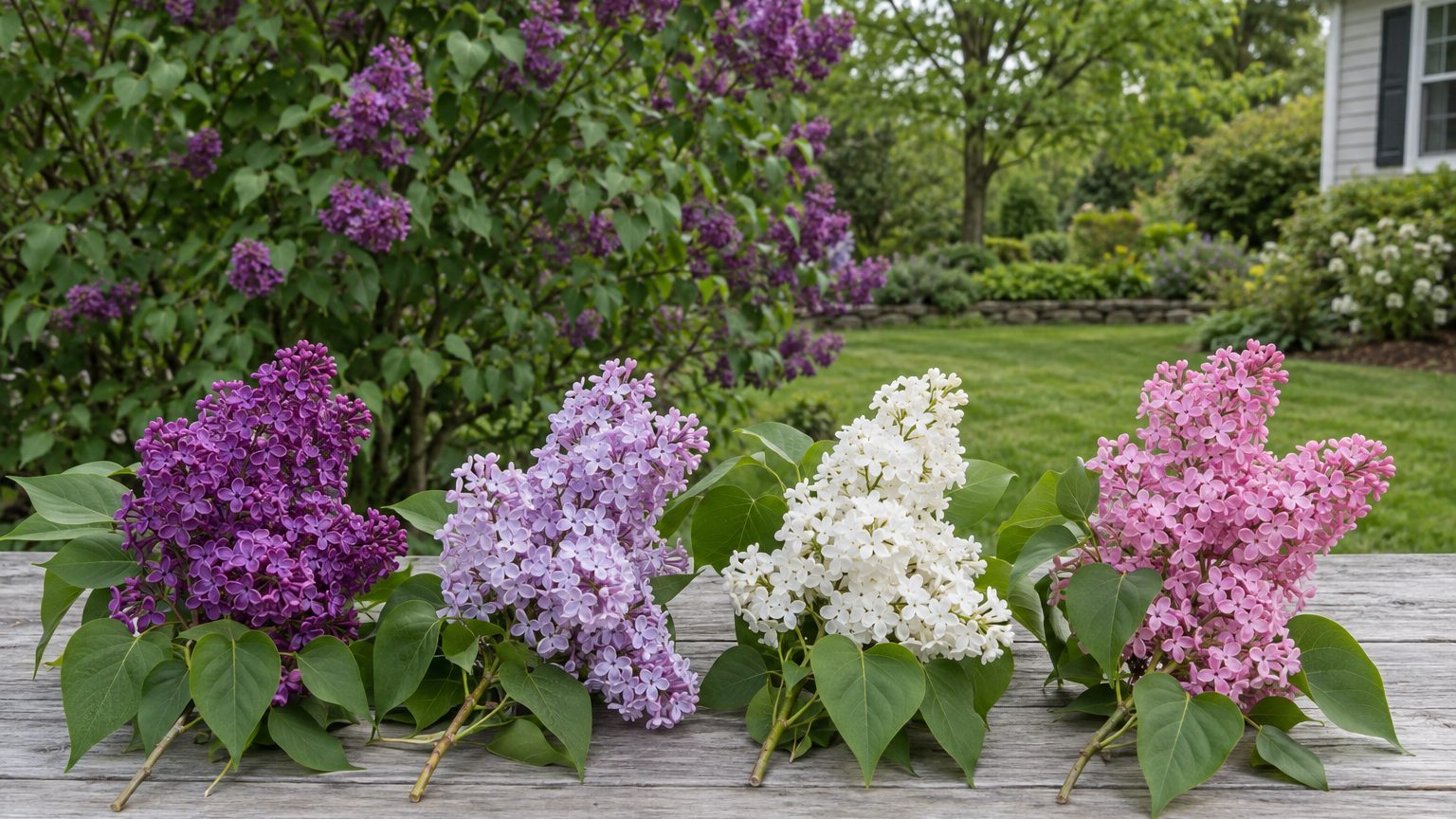
When lilacs open in a Fairbanks yard, the scent usually arrives well after the snow has gone and the birches have leafed out. Alaska gardeners can grow lilacs, but the choice of plant matters far more here than in a milder state.
Best Lilacs to Grow in Alaska

Late lilac, Syringa villosa, is the one to look for first, with common lilac as a fallback only in the milder spots. Alaska’s winters are cold enough to ripen lilac buds, and USDA hardiness zones run from 1a to 8a depending on where you live. The question is whether the plant survives your particular winter, and some common lilacs do not.
Late Lilac

Syringa villosa is the lilac most often planted in Fairbanks. It is extremely hardy, and it is the one lilac recommended for the Tanana Valley.
It flowers after common lilac, so it also stretches the season. If you want one reliable shrub for a cold yard, start here.
Sensation Common Lilac

Sensation is a common lilac, and like most common lilacs it is winter hardy to USDA Zone 3. That is enough for many yards, but it is not the right pick for North Pole or the colder parts of Fairbanks.
Plant it only where winters are milder, and choose late lilac if your site sits in a cold pocket.
Early, Midseason and Late Bloomers
Lilacs come in early, midseason and late-blooming varieties, and a yard planted with a mix can have flowers over an extended stretch. Check the bloom time on the tag before you buy.
Pairing a late lilac with a hardy common lilac is a simple way to spread the show across the season.
Alaska — the year and the numbers
- State
- Alaska
- USDA zones
- 1a-8a
- Last spring frost
- May 3 to May 12
- First fall frost
- September 22 to October 1
- Annual rain
- 16 in
- Lawn zone
- cool-season
- Source
- NOAA NCEI 1991-2020 Climate Normals, 32F freeze probabilities · Anchorage
How to Choose a Lilac for an Alaska Garden
Start with how cold your site gets in winter, because that decides which lilacs are safe. Then think about when you want flowers. Winter cold is rarely the problem for bud ripening here, since lilacs need a cold rest to set flowers.
| Your situation | What suits it in Alaska | Why |
|---|---|---|
| Very cold winter, such as North Pole or colder parts of Fairbanks | Late lilac, Syringa villosa | It is extremely hardy and is recommended for the Tanana Valley |
| Milder site where USDA Zone 3 hardiness is enough | Sensation common lilac | Like most common lilacs, it is winter hardy to USDA Zone 3 |
| Want flowers for as long as possible | A mix of early, midseason and late bloomers | Staggered bloom times can give lilacs over an extended stretch. |
| Worried winters are too cold for flowers | Any lilac hardy for your site | Lilacs need a cold winter rest to mature their flower buds |
Long summer daylight helps the plant make up for a short growing season.
Which Lilacs Suit Different Parts of Alaska
The right lilac changes with the winter your yard actually gets, and Alaska’s regions differ a lot.
- Fairbanks and North Pole: Choose late lilac. Sensation is not well suited to North Pole or the colder areas of Fairbanks.
- Anchorage: The season is milder than in the Interior, with about 143 frost-free days. Hardy common lilacs become a more reasonable option here.
- Farther north: Seasons are far shorter than in Anchorage, so stay with the late lilac and avoid anything marginal.
Wherever you live, pick the plant for your coldest spot, not your average one.
Lilac Buying Mistakes to Avoid in Alaska
Planting Sensation in the Cold
A common lilac like Sensation is not well suited to North Pole or the colder areas of Fairbanks. Planting it there risks a shrub that struggles through winter. Choose late lilac instead if your site is in the cold Interior.
Ignoring Adult Size
A lilac in a pot looks small, but some species grow into large shrubs. Manchurian lilac, for example, reaches 5 to 8 feet high. Check the mature size before planting and leave room for it.
An overgrown lilac can be cut back hard later, but it takes time to recover, so give it space from the start.
Pruning After Midsummer
A lilac blooms on last year’s wood and sets next year’s flower buds soon after it flowers. Prune in June or July, right after the flowers fade. Pruning in late summer, fall or winter cuts off the next spring’s flowers.
Where to Get Lilac Advice in Alaska
The University of Alaska Fairbanks Cooperative Extension publishes lilac guidance written for Alaska conditions. Your local extension office can tell you which varieties do well near you.
- Confirm lilac pruning timing with your local extension office or a local gardening group.
- Your local extension office can tell you which lilacs hold up in your neighborhood, so call before planting season.
Common Questions
Do Lilacs Need Cold Winters to Bloom?
Yes. Lilacs need a cold winter rest to mature their flower buds, which is why they do best in cold-winter climates and struggle in hot, humid summers. Alaska’s cold supplies that rest.
When Do Lilacs Bloom in Alaska?
June is the main bloom month. Fairbanks lilacs can flower from late May, and late varieties usually open in the second or third week of June.
Can You Cut Back an Overgrown Lilac in Alaska?
Yes. An overgrown lilac can be cut back hard in late winter. It will not flower for a few years afterward, so it is a last resort for a plant that has gotten out of hand.