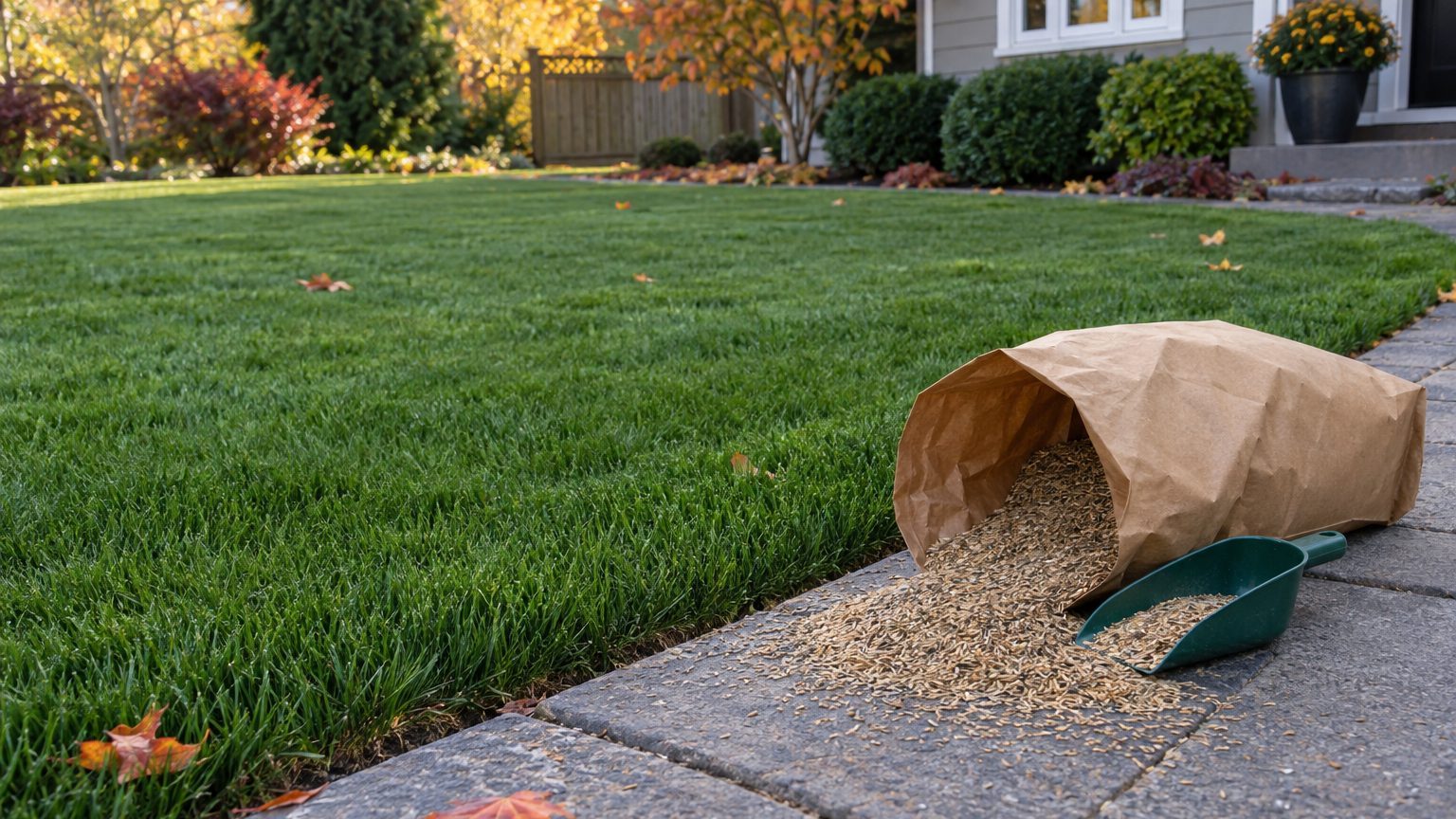
Thin patches can show up after winter, and the fix starts with the seed you pick. In Oregon, the grasses that do well are cool-season types that grow through mild, wet winters and spring. Choosing among them comes down to sun, shade, foot traffic and how much you want to water.
Which Grass Grows Best in Oregon?
Cool-season grasses suit Oregon, especially west of the Cascades, because they grow actively in the damp, mild weather of spring and fall and slow down through dry summers. Warm-season grasses need long, hot stretches to thrive, so they are not the usual choice here. The cool-season choices below have different strengths and care needs.
Perennial Ryegrass

Perennial ryegrass sprouts quickly and forms a dense, fine-textured lawn, which makes it a dependable partner for Oregon’s wet winters. It fills in bare spots fast, so it is popular for overseeding. Give it regular water in summer, since it has shallower roots than tall fescue.
Fine Fescues
Creeping red, chewings and hard fescue are the fine fescues, and they cope with shade and thinner soil better than bluegrass does. That makes them a natural fit under Douglas firs and maples. They look best mowed on the higher side and left without heavy feeding.
Tall Fescue
Tall fescue sends roots deep, so it handles dry summer spells with less water than most other lawn grasses. The blades are coarser, and it grows in clumps rather than spreading. Seed it evenly and fill thin spots promptly, since it will not creep in to close gaps on its own.
Kentucky Bluegrass
Kentucky bluegrass makes a lush, self-repairing lawn because it spreads by underground stems. It is slow to germinate, and it browns in a dry summer unless you water it regularly. In full sun with irrigation it does well. Without irrigation, it is a risky choice.
Oregon — the year and the numbers
- State
- Oregon
- USDA zones
- 4a-9b
- Last spring frost
- March 6 to March 21
- First fall frost
- November 11 to November 27
- Annual rain
- 37 in
- Lawn type
- cool-season
- Source
- NOAA NCEI U.S. Climate Normals 1991-2020, 32F freeze probabilities · Portland
How to Choose Grass Seed for an Oregon Yard
Start with the light your yard gets and how you use it. A play area, a shady corner and a sunny strip along the street each call for a different grass, and a blend can adapt to varied conditions across the yard.
Watering matters most from June through August, so be honest about whether you will run a sprinkler. Mowing habits count too. Some grasses look tidy with less frequent cutting, while others want a trim more often.
| Grass | Season | Fits this yard |
|---|---|---|
| Perennial ryegrass | Cool | Busy lawns and quick repairs, with regular summer water |
| Fine fescues | Cool | Shade, thin soil, and owners who prefer less mowing and feeding |
| Tall fescue | Cool | Sunny yards with heavy use and limited watering |
| Kentucky bluegrass | Cool | Sunny lawns with irrigation and a taste for a lush look |
If your yard mixes sun and shade, a blend that includes fine fescue for the shaded parts and ryegrass or tall fescue for the open areas tends to settle into the right spots naturally. Read the seed tag for the species list rather than judging by the front of the bag.
Which Grasses Grow Where in Oregon
Oregon’s climate changes sharply from the coast to the Cascades to the high desert, and USDA hardiness zones (a measure of winter cold) range from 4a to 9b across the state.
- Willamette Valley: Portland, Salem and Eugene have mild, wet winters and dry summers that suit cool-season lawns. Tall fescue handles dry spells better, while fine fescues work in the shade of tall evergreens.
- Oregon Coast: Cool, foggy and damp conditions keep grass growing through much of the year. Fine fescues and perennial ryegrass are comfortable here, though shade and moisture invite moss.
- Rogue Valley: Summers run hotter and drier than in the Willamette Valley, so deep-rooted tall fescue earns its place. Plan on watering to keep bluegrass green.
- Central Oregon: Around Bend, the high desert brings cold winters and a short growing season. Hardy bluegrass and fine fescue blends are the usual picks, and seeding needs to happen early enough to root before the cold.
The frost dates you see quoted for Portland do not carry over to the east side of the Cascades, so check local timing before you plan a seeding date.
Grass Seed Mistakes to Avoid in Oregon
Choosing the Wrong Grass
Buying whatever is on the shelf often means a grass that struggles with your light or water. Bluegrass in dry shade or fine fescue on a busy play field both thin out. Match the species to the spot first, and check the tag for the exact mix.
Seeding at the Wrong Time
August and September are the best months for seeding, because warm soil and cooling air help seed sprout and root. In Portland, the first fall frost tends to arrive between November 11 and November 27. Seed sown in August or September has time to establish before then. If you miss that window, April and May also work, though summer heat comes sooner for those seedlings.
Too Much Seed or Buried Seed
More seed does not make a thicker lawn. Crowded seedlings compete and are prone to disease in damp weather, so stay with the rate on the bag. Cover seed with no more than 0.25 inch of soil or mulch, and press it down so it touches the ground firmly.
Where to Get Lawn Advice in Oregon
Local conditions vary enough that a quick check with someone nearby can save a season. Nearby guidance can help you narrow the choice for your own soil, shade and slope.
- Oregon State University Extension Service publishes lawn care and seeding guidance written for Oregon conditions, and it is a good first stop before you buy seed.
- Your county extension office can answer questions about local soil, moss and weed pressure, so call before the August and September seeding window.
Common Questions
Should You Aerate Before Seeding an Oregon Lawn?
Core aeration works best in September and gives seed better contact with the soil. It also can be done in April or May if you are seeding in spring.
Can You Mix Grass Types in One Oregon Lawn?
Yes, and many Oregon yards do better with a blend. Pairing fine fescue with ryegrass or tall fescue lets each species fill the part of the yard that suits it.
When Should You Fertilize a Newly Seeded Lawn?
September and November are the best months for feeding cool-season lawns in Oregon. If you seeded in spring, May is a fallback for fertilizing.