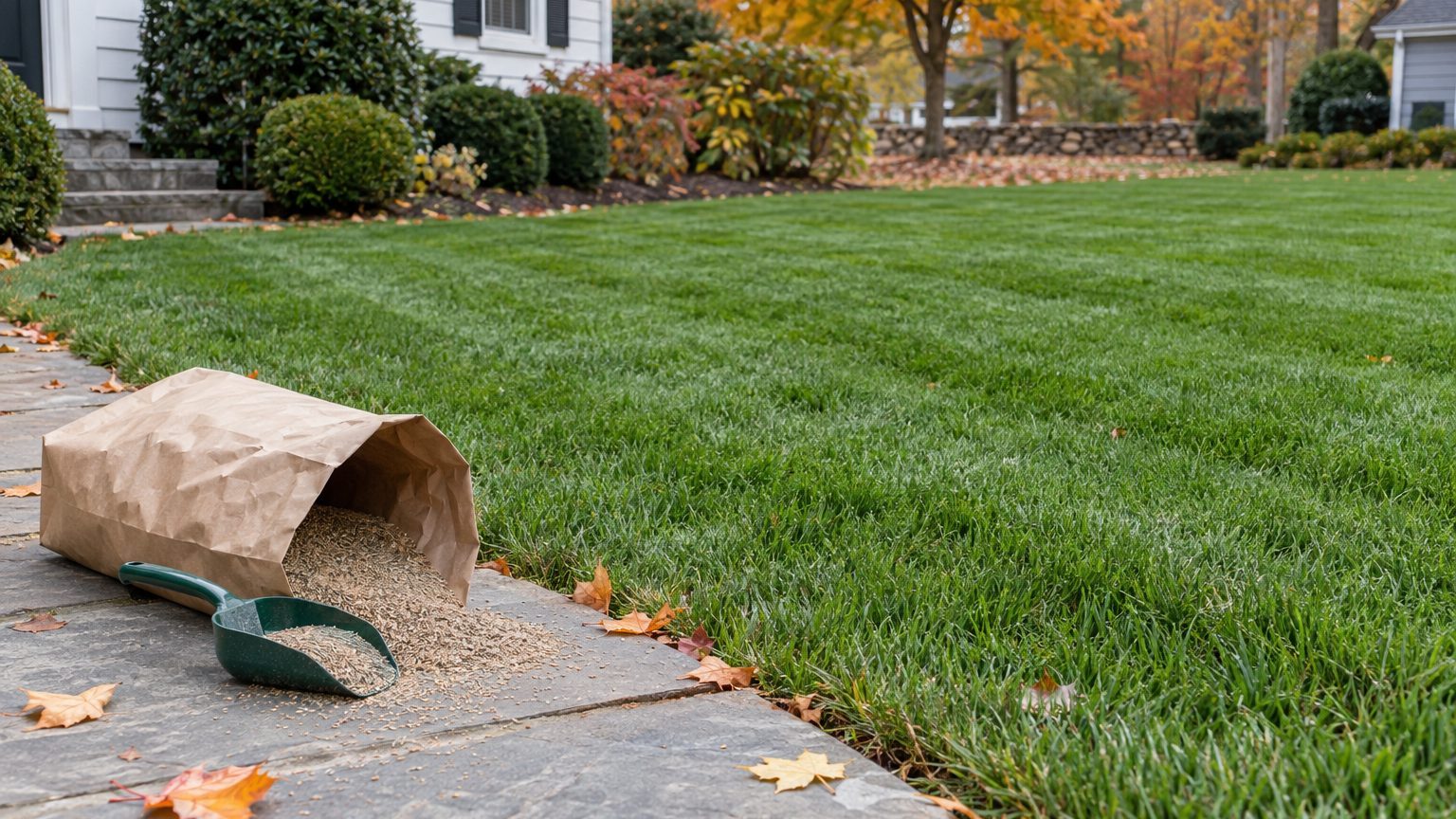
Walk a Connecticut lawn in late summer and you will see the grass that has handled the heat and the grass that has quit. Cool-season seed is the right call for the whole state, and the mix you pick should match your light, your foot traffic and how much watering you plan to do.
Which Grass Grows Best in Connecticut?
Cool-season grasses win here, because the state sits in USDA zones 6a-7b and its winters are cold enough to rule out warm-season lawns that go dormant and brown. The four cool-season choices below suit different Connecticut lawns.
Kentucky Bluegrass
Kentucky bluegrass is the classic New England lawn, dense and dark green, and it knits together by spreading underground. It is well adapted to cold winters. It wants full sun and regular water, and it is slow to germinate, so give it patience.
Tall Fescue
Tall fescue has deep roots, which helps it ride out a dry stretch in July or August better than bluegrass. It forms clumps instead of spreading, so thin spots need reseeding over time. It is a sturdy pick for busy family yards.
Perennial Ryegrass
Perennial ryegrass sprouts fast, which makes it handy for quick cover and for patching worn areas. It is usually blended with other species rather than planted alone. Hard winters and long cold snaps can thin it, so treat it as a partner grass.
Fine Fescues
Creeping red, chewings and hard fescue are the shade and low-fuss group. They tolerate dim light and poor soil better than bluegrass does, and they need less mowing and feeding. They look fine-bladed and soft, but they do not love heavy foot traffic.
Connecticut — the year and the numbers
- State
- Connecticut
- USDA zones
- 6a-7b
- Last spring frost
- April 2 to April 12
- First fall frost
- October 28 to November 10
- Annual rain
- 44 in
- Lawn type
- cool-season
- Source
- NOAA NCEI 1991-2020 Climate Normals, 32F freeze probabilities · Bridgeport
How to Choose Grass Seed for a Connecticut Yard
Start with the light, because it strongly shapes which grass will thrive. Then think honestly about how much you will water and mow. A lawn that matches your habits stays thicker with less effort.
A Connecticut yard may have a sunny middle and shady edges under maples and oaks. Seed sunny and shady areas separately if you can, or choose a blend that carries both a sun grass and a shade grass.
| Your yard | Grass to look for | Why it fits |
|---|---|---|
| Full sun, regular watering | Kentucky bluegrass | Dense, self-repairing turf that rewards water |
| Full sun, dry spells | Tall fescue | Deep roots hold color through dry weather |
| Shade | Fine fescues | Tolerate low light and thin soil |
| Kids and pets | Tall fescue with ryegrass | Tough blades and quick recovery |
| Low mowing, low feeding | Fine fescues | Slow, fine growth needs less upkeep |
If you want a quick fix on a bare patch, ryegrass in the blend sprouts soon and holds the soil while slower grasses catch up.
Which Grasses Grow Where in Connecticut
Connecticut is small, but the coast and the hills do not behave the same way, and that nudges the seed choice a little.
- Bridgeport and the Long Island Sound shore: This is the mildest part of the state, with the earliest spring start and the latest fall frost. Tall fescue and bluegrass blends do well, and seeding can run a bit longer into the season.
- Litchfield Hills and the Northwest Corner: Cold arrives sooner in fall and lingers in spring here. Favor hardy bluegrass and fine fescue blends, and seed on the early side of the window so roots form before frost.
- Connecticut River Valley: Soils vary and summers can run dry. Tall fescue helps where irrigation is limited.
Wherever you live, shade from mature trees changes the answer more than the town does.
Grass Seed Mistakes to Avoid in Connecticut
Seeding at the Wrong Time
Seed does best in August and September, when soil is still warm and cool nights ease the stress on new sprouts. April and May also work if you missed fall. Summer seeding often fails to the heat.
Burying the Seed
Cover seed with no more than 0.25 inch of soil, and press it down so it touches the ground firmly. Deep seed may never reach the surface, and loose seed on top dries out or washes away.
Choosing Sun Grass for Shade
A bag of pure bluegrass on a shaded lot gives thin, patchy results that you will be reseeding forever. Match the species to the light, or choose a blend with fine fescue for the shadier parts.
Where to Get Lawn Advice in Connecticut
Local help can confirm your soil and your grass before you spend money on seed. Connecticut’s extension network is worth knowing.
- UConn Extension offers lawn guidance for the state, and it is a good first stop before fall seeding.
- Your county extension office can point you to soil testing, so go in late summer before you buy seed.
Common Questions
Can You Mix Different Grass Seeds Together?
Yes. Lawn seed is available in blends. A blend of species can cover mixed sun and shade, and its grasses may respond differently in a rough year.
Is Spring or Fall Better for Seeding in Connecticut?
Fall is the stronger choice, with August and September leading. Spring works in April and May, but young grass then has to face summer heat before its roots deepen.
Does Connecticut Need Warm-Season Grass?
No. Warm-season grasses are not suited to the state’s winters, so stick with the cool-season species above.