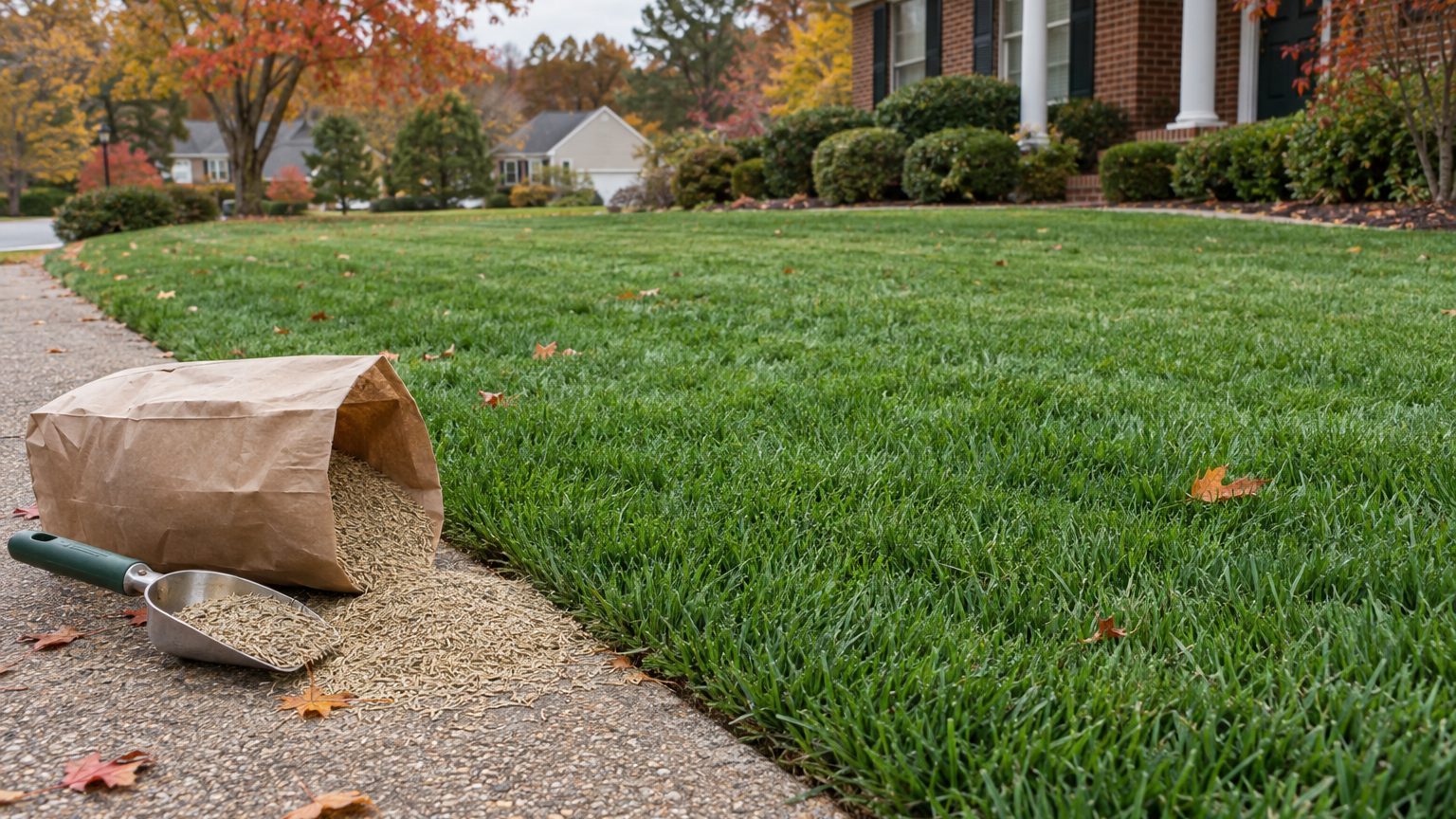
Walk across an Alabama lawn in July and you can often tell whether the grass was picked well: thick, green and shrugging off the heat, or thin and sulking. Warm-season grasses carry the state, and the seed question comes down to which of them can actually be grown from seed. Spring into early summer is when that choice pays off.
Which Grass Grows Best in Alabama?
Alabama spans USDA zones 7a to 9a, and warm-season grasses generally suit its long, hot summers better than cool-season lawns. Among the lawn grasses used in the state, bermudagrass, centipedegrass and bahiagrass are the standard seeded choices.
Bermudagrass
Bermudagrass is the dependable seeded choice for full sun. It handles heat, traffic and dry spells, and it spreads on its own to fill thin spots. Give it open sun all day, because it fades quickly in shade.
Centipedegrass
Centipedegrass grows from seed and suits homeowners who want a lawn that asks for little. It grows slowly, needs less mowing and less fertilizer, and does well in the acidic soils common across the state. It does not stand up to heavy foot traffic.
Bahiagrass
Bahiagrass is a tough seeded grass for sandy, poor or sloping ground where other lawns struggle. It has a coarse look and sends up tall seed stalks, so it fits utility areas and large, casual yards better than a showpiece front lawn.
Zoysiagrass
Zoysiagrass makes a dense, soft lawn with some shade tolerance, but it is mostly installed as sod or plugs rather than seed. Seed is slow and patchy, so plan on sod or plugs if zoysia is what you want.
St. Augustinegrass
St. Augustinegrass is a favorite for shady, warm yards, yet it is never sold as seed. If it is your goal, you will be laying sod or setting plugs. A seed bag labeled with it should be treated with suspicion.
Alabama — the year and the numbers
- State
- Alabama
- USDA zones
- 7a-9a
- Last spring frost
- March 19 to April 3
- First fall frost
- November 2 to November 16
- Annual rain
- 54 in
- Lawn type
- warm-season
- Source
- NOAA NCEI 1991-2020 Climate Normals, 32F freeze probabilities · Huntsville
How to Choose Grass Seed for a Alabama Yard
Start with the light, because sun or shade quickly narrows the choice. Then think about how much the lawn is walked on, whether you can water through dry spells, and how often you are willing to mow.
Seed is also a May job here, with June as a fallback, so the choice is worth settling before spring warms the soil.
| Grass | Sun or shade | Traffic and care |
|---|---|---|
| Bermudagrass | Full sun | Stands up to heavy use, mows often |
| Centipedegrass | Sun to light shade | Light traffic, low upkeep |
| Bahiagrass | Full sun | Tough on poor soil, little watering |
Zoysiagrass and St. Augustinegrass belong in yards where you are happy to buy sod or plugs: zoysia for a dense, traffic-tolerant lawn, St. Augustine for warm, shadier spots. If you want to mow less, centipede is the easy pick. If kids and dogs use the yard daily, bermuda is a strong fit.
Which Grasses Grow Where in Alabama
Alabama runs from the Tennessee Valley to the Gulf, and the grass that suits one end can struggle at the other.
- Tennessee Valley and the Appalachian foothills: Winters are colder here and frost lingers later in spring, so bermudagrass and zoysiagrass are the safer picks, while centipede can be nipped in a hard winter.
- Birmingham and central Alabama: Most of the seeded warm-season grasses do well, and the choice turns on sun, soil and how much you want to mow.
- Mobile and the Gulf Coast: Mild winters and sandy soils favor centipedegrass, bahiagrass and St. Augustinegrass, and shaded coastal yards lean toward sod of the latter.
In the reference city of Huntsville, the last spring frost falls between March 19 and April 3, but your own yard may lag by a week or two, so check with your county before sowing.
Grass Seed Mistakes to Avoid in Alabama
Buying Cool-Season Seed
Cool-season grasses such as fescue and ryegrass can struggle in Alabama’s summer heat, especially outside the cooler parts of the state. Match the seed to a warm-season grass from the start, and read the label for the species rather than the picture on the front.
Seeding at the Wrong Time
Warm-season seed needs warm soil to sprout, so sowing in fall or winter wastes the bag. May is the month to seed, and if you miss it, June still works. Warm soil supports germination, but the seedbed still needs consistent moisture while seedlings establish.
Burying or Spreading Seed Badly
Seed buried deep rarely comes up, and seed left sitting on bare dirt dries out or washes away. Cover it with no more than 0.25 inch of soil and press it down so it touches the ground firmly. Follow the rate printed on the bag rather than adding extra.
Where to Get Lawn Advice in Alabama
Local advice beats general guides, because soil and frost timing change from one county to the next.
- The Alabama Cooperative Extension System publishes lawn guides for each grass, worth reading before you buy seed.
- Your county extension office can test your soil and answer questions about your own yard, so visit it before spring seeding.
Common Questions
Can You Grow St. Augustinegrass from Seed in Alabama?
No. St. Augustinegrass is sold only as sod or plugs, so any seed claiming to be it is not what it says.
Is June Too Late to Seed a Lawn in Alabama?
June still works as a fallback, though seeding in May gives seedlings more warm weather to root.
Which Seeded Grass Needs the Least Mowing in Alabama?
Centipedegrass grows slowly, so it needs less mowing than bermudagrass, and it suits a low-upkeep yard.