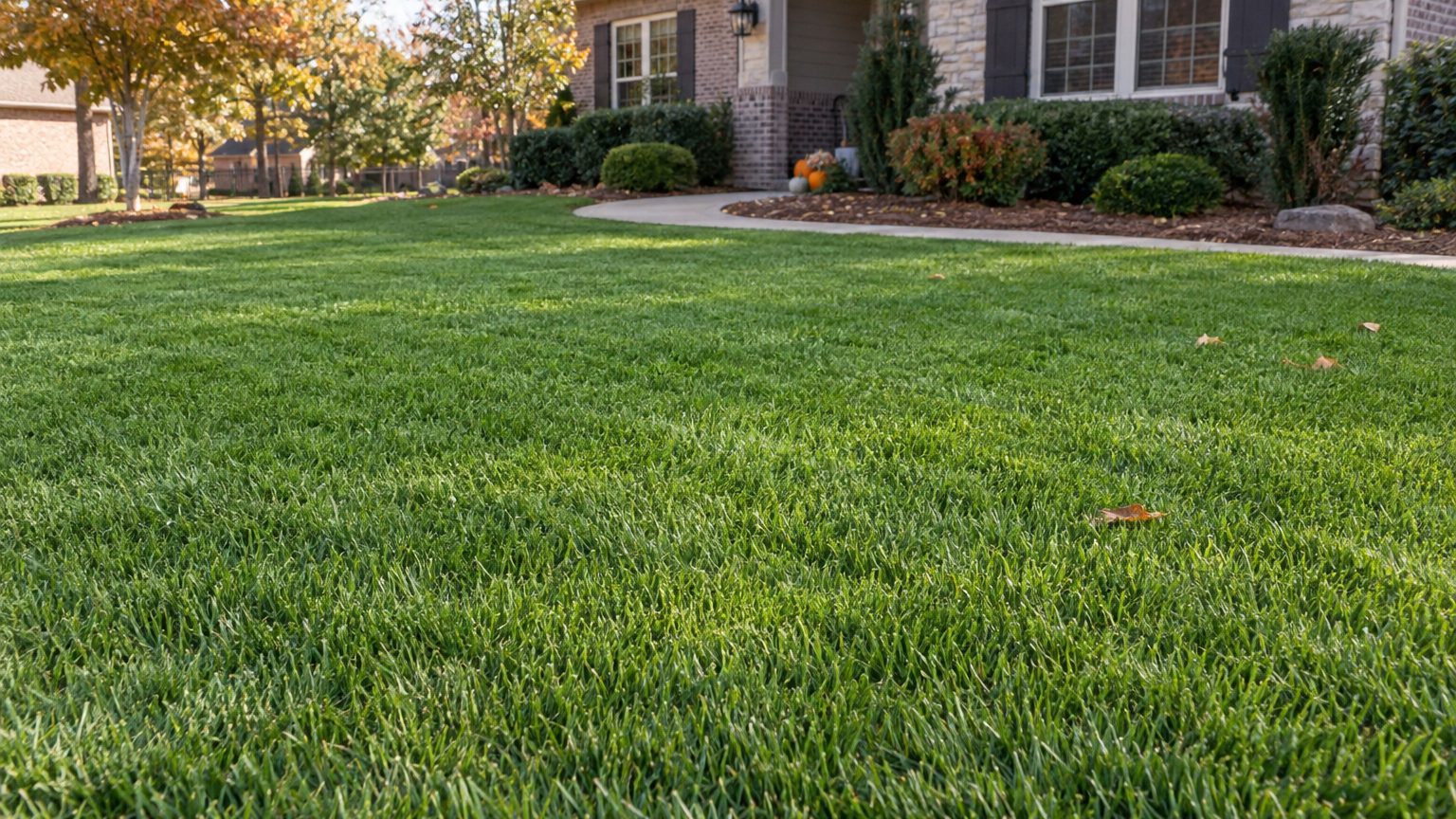
Walk an Arkansas yard in late spring and you can feel the difference between a bermudagrass lawn greening up with the heat and a tall fescue lawn already starting to struggle. Lawns in Arkansas sit where cool-season and warm-season grasses overlap, so the right timing depends on which grass you own.
Frost Dates and Growing Season in Arkansas
The dates speak for Little Rock, while the USDA hardiness-zone range of 6b to 8a applies across Arkansas; other parts of the state differ. Frost sets the edges of the season, but grass grows when the soil is warm, so the year breaks into a few clear moments.
- In Little Rock, the last 32F freeze in early spring usually lands between March 12 and March 28, which is why a seedling started too early can be burned back.
- Once the soil warms in May and June, bermudagrass and zoysiagrass wake up and take seed, sod or plugs best.
- Through summer, from June to August, watering matters most, and warm-season lawns are growing hardest while tall fescue is just hanging on.
- In late summer and early fall, August and September, tall fescue gets its seeding window, with warm soil and cooling nights helping roots.
- In Little Rock, the first 32F freeze by late fall arrives between November 7 and November 20, which ends the seeding season and sends warm-season grass into dormancy.
Tender plants need the light-frost dates of April 3 and October 31, but for turf the freeze dates above are the ones that count.
Arkansas — the year and the numbers
- State
- Arkansas
- USDA zones
- 6b-8a
- Last spring frost
- March 12 to March 28
- First fall frost
- November 7 to November 20
- Annual rain
- 50 in
- Lawn type
- cool- and warm-season
- Source
- NOAA NCEI 1991-2020 Climate Normals, 32F freeze probabilities · Little Rock
Cool-Season or Warm-Season Grass in Arkansas?
Both can live here, and that is the catch. Arkansas summers are hot and sometimes dry, which favors bermudagrass and zoysiagrass, while winters are mild enough for tall fescue to stay green but hot enough to stress it in July and August.
Choose grass by sun exposure and how the lawn will be used. Full sun and heavy traffic point to warm-season grass, while shade and a wish for year-round color point to fescue.
| Grass | How it does in Arkansas | Why |
|---|---|---|
| Tall fescue | Stays green through winter, strains in midsummer | Cool-season grass that prefers mild temperatures |
| Kentucky bluegrass | Suited to cooler, higher ground | Struggles in lowland summer heat |
| Bermudagrass | Thrives in full sun, goes tan in winter | Warm-season grass, grown from seed or sod |
| Zoysiagrass | Dense and heat tolerant, slow to establish | Warm-season grass, mostly sod or plugs |
St. Augustinegrass is not sold as seed, so it only enters the picture as sod if you go looking for it. Variety choices get more detail on the state’s grass seed page.
When to Seed, Fertilize and Aerate a Lawn in Arkansas
The big jobs follow the grass type. Tall fescue is worked in late summer and early fall, while bermudagrass and zoysiagrass get their work in late spring and early summer.
Fertilizing tall fescue in summer is never a good idea, because it pushes soft growth the heat then punishes.
| Task | Recommended timing in Arkansas | Why then |
|---|---|---|
| Seeding tall fescue | August, with September as a fallback | Warm soil and cooling air help seed root before winter |
| Core aeration | August, and September also works | Opens the soil just before overseeding |
| Seeding bermudagrass or zoysiagrass | May, and June also works | Warm soil drives germination |
| Laying sod, warm-season | May, with June and July still workable | Roots knit quickly in warm ground |
| Fertilizing tall fescue | March, September and October | Feeds the grass when it is actively growing |
| Fertilizing warm-season grass | May, June and July | Matches peak growth |
| Crabgrass preventer | March, and February, April or May also work | Goes down before weed seeds sprout |
| Dethatching | August and September for fescue, May and June for warm-season | Done as the grass is growing back |
Mowing runs from March to November for fescue and from April to October for bermuda and zoysia. Watering matters most from June to August for both. The state calendar page handles the month-by-month detail.
Lawn Problems to Watch for in Arkansas
Thin Fescue in Midsummer
Tall fescue grows in a place that is a little too hot for it. When turf thins and browns in July and August, especially in open sun, heat stress is the likely cause, and a mix of sun exposure and dry soil points the same way.
Water deeply but not constantly, mow a little higher, and plan an overseeding in late summer rather than fertilizing.
Tan Bermudagrass in Winter
Warm-season grass turns straw colored after the first freeze, which can look like a dead lawn. A gentle tug that meets resistance and roots that stay firm usually means dormancy, not death.
Wait for soil to warm in spring before judging it, and hold off on fertilizer until May.
Crabgrass in Thin Spots

Crabgrass shows up where grass is thin and the soil is warm, such as along driveways and in bare patches. Put preventer down in March, before seeds sprout, and keep the lawn dense enough to crowd out what slips through.
How Lawn Care Dates Change Across Arkansas
Arkansas covers a lot of ground, and the season starts and stops at different times from one corner to another.
- The Ozarks: Higher, cooler ground arrives at spring later and frost earlier, and Kentucky bluegrass is more at home here than in the lowlands.
- The Arkansas River Valley and Little Rock: The dates above come from Little Rock; elsewhere in the Arkansas River Valley, local timing varies, and both grass types can work.
- The Delta: Flat, warm country in the east and south warms sooner in spring, which favors bermudagrass and an earlier start for warm-season work.
If your yard sits at the edge of one of these areas, shift your timing a little toward whichever side it leans.
Where to Get Lawn Advice in Arkansas
A local expert can settle questions that general advice cannot, such as how acidic your soil is or what is killing a patch of grass.
- The University of Arkansas Cooperative Extension Service publishes lawn guidance written for the state, which is worth reading before you choose a grass.
- Your county extension office can help with a soil test or a diagnosis, so bring a sample when the lawn looks off.
Common Questions
Can You Plant Both Fescue and Bermudagrass in the Same Yard?
You can, but they compete and look different through the year. Many homeowners put fescue in shade and bermudagrass in full sun, with a clear edge between them.
Is a Brown Lawn in Winter Dead?
Not always. Bermudagrass and zoysiagrass go dormant and tan after freezing weather, and they green up again as the soil warms.
Should You Dethatch Every Lawn?
Only if the thatch layer is thick. Fescue lawns are dethatched in August and September, and bermuda and zoysia in May and June.