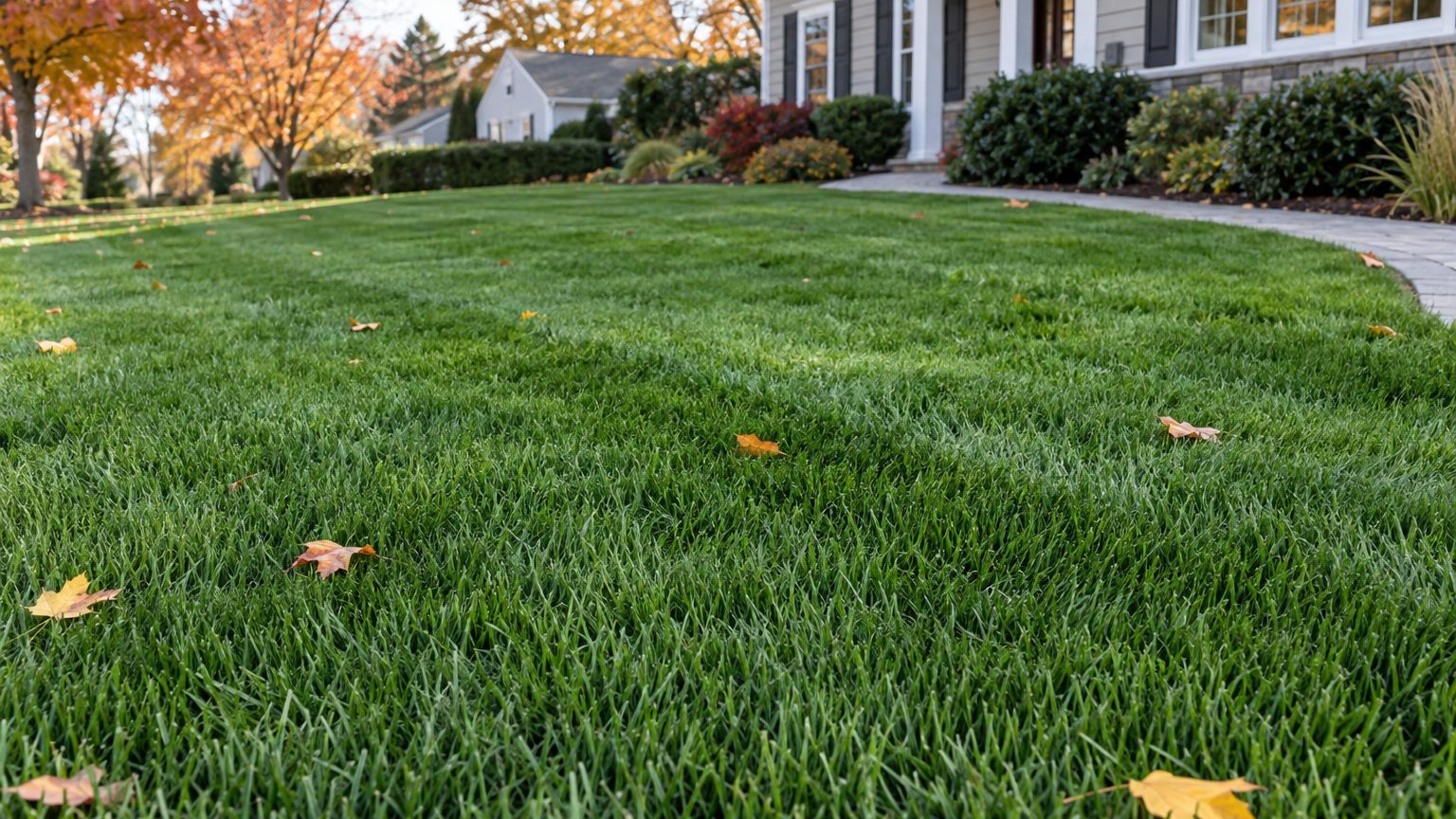
A New York lawn spends the winter under snow, greens up slowly in April, and does its best work when the weather turns cool again in late summer. That rhythm shapes every job in the yard.
Frost Dates and Growing Season in New York
In New York City, the last spring freeze usually lands between March 23 and April 3, and the first fall freeze between November 14 and November 27. Upstate and the Adirondacks run colder, so treat those as city dates. Frost matters for young seedlings, while growth itself follows soil warmth.
- In early spring, the soil is still cold and the grass barely moves, so this is the time to rake off winter debris and start mowing in April once the blades are growing.
- In April and May, soil warms enough for crabgrass preventer, best applied in April, and for feeding in May, with the state’s fertilizer ban lifting on April 1.
- From June through August, growth slows in the heat and the lawn needs regular watering, which is why June, July and August are the watering months here.
- In August and September, the soil is still warm and the nights cool down, which gives new seed time to root before a hard freeze can touch it.
- In October and November, mowing continues while the grass grows, and a late feeding in November is still an option before the ground freezes.
The hardiness zone range of 3b to 7b in the USDA system shows how widely winter cold varies across the state, so expect your own dates to slide earlier or later with your location.
New York — the year and the numbers
- State
- New York
- USDA zones
- 3b-7b
- Last spring frost
- March 23 to April 3
- First fall frost
- November 14 to November 27
- Annual rain
- 50 in
- Lawn type
- cool-season
- Source
- NOAA NCEI U.S. Climate Normals 1991-2020, 32F freeze probabilities · New York City
Cool-Season or Warm-Season Grass in New York?
Cool-season grass is the right choice here. Cool-season grasses are better suited to New York, while warm-season grasses lose color early and struggle in colder parts of the state. Summer heat and dry spells are their weak point, not the cold.
Most lawns in the state are built from a handful of species, often sold as blends so one type covers for another where sun, shade and moisture differ across the yard.
| Grass | How it does in New York | Why |
|---|---|---|
| Kentucky bluegrass | Dense, hardy lawn that knits together | Handles cold winters and spreads to fill thin spots |
| Fine fescues (creeping red, chewings, hard) | Good in shadier, lower-maintenance areas | Cool-season types suited to the state’s cool climate |
| Perennial ryegrass | Sprouts quickly in a blend | Cool-season grass that establishes fast, helping cover bare ground |
| Tall fescue | Holds up through summer heat and dry spells | Cool-season grass that copes with warm, dry stretches better than bluegrass |
Warm-season grasses such as zoysia or bermudagrass do not belong on a typical New York lawn, since they turn brown early and struggle to survive the colder zones upstate.
When to Seed, Fertilize and Aerate a Lawn in New York
Late summer is the busiest stretch for lawn work, because seed, sod and aeration all work best in August and September. Spring remains an option in April and May if fall slips away.
One legal point shapes the fertilizer schedule. Under New York’s Nutrient Runoff Law, no lawn fertilizer may be applied from December 1 to April 1.
| Task | When to do it in New York | Why then |
|---|---|---|
| Seeding | August, September (April, May also work) | Warm soil and cool air help seed root before winter |
| Laying sod | August, September (April, May, October also work) | Roots settle in before the cold arrives |
| Core aeration | August, September (April, May also work) | Grass is growing hard and recovers fast from the holes |
| Dethatching | August, September (April, May also work) | Avoids damaging healthy turf when there is no real thatch problem |
| Fertilizing | May, September (April, November also work) | Feeds grass while it is actively growing |
| Crabgrass preventer | April (March, May also work) | Goes down before crabgrass seed sprouts |
| Watering | June, July, August | Summer heat dries the soil fastest |
Mowing runs from April through November, so the mower earns its keep for most of the season. If you miss September for seeding, October still works for sod, though seed is better off waiting for spring.
Lawn Problems to Watch for in New York
Brown Patches in Midsummer

Cool-season grass slows down in July and August heat, and a lawn without enough water turns straw-colored in sunny, exposed spots first. Water deeply and regularly through the summer months, and let the grass recover in September.
Thin Grass After Winter
Snow cover, salt from roads and cold snaps can leave bare or weak areas along driveways and walks in spring. Rake out dead material, then overseed in April or May, or wait for August and September when conditions are better.
Thatch and Compacted Soil
A spongy feel underfoot along with water that pools or runs off points to thatch or compaction. Core aeration in August or September opens the soil, while dethatching removes an excessive surface layer.
How Lawn Care Dates Change Across New York
Climate varies a great deal from one end of New York to the other, and your timing should follow your local weather rather than a single statewide date.
- New York City and Long Island: Milder winters and the moderating effect of the ocean let spring work start earlier and fall work run later.
- The Adirondacks: Cold winters and a short growing season push spring jobs later and bring fall seeding forward.
- Upstate and western New York near the Great Lakes: Lake influence can slow spring warming in some areas, so wait for the soil to warm before seeding or feeding.
When in doubt, let how the grass is growing guide you rather than the date on the calendar.
Where to Get Lawn Advice in New York
Local experts can tell you what suits your soil and your corner of the state, and they are close at hand.
- Cornell Cooperative Extension offers lawn guidance for New York gardeners, so check with them before choosing seed or a fertilizer plan.
- Your county extension office can arrange a soil test, so ask before you feed in spring or late summer.
- For a puzzling patch, bring a sample or photos to the county office for a diagnosis.
Common Questions
Can You Put Down Lawn Fertilizer in Winter in New York?
No. Follow the restriction above, then feed in May or September.
Is Spring a Good Time to Seed a Lawn in New York?
It works in April and May, though young grass has less time to root before summer heat. Late summer gives better results when you can wait.
How Do You Tell If a Lawn Needs Dethatching?
Press a finger into the turf and look at the spongy layer between the grass and the soil. If it is thicker than about an inch, dethatch in August or September.