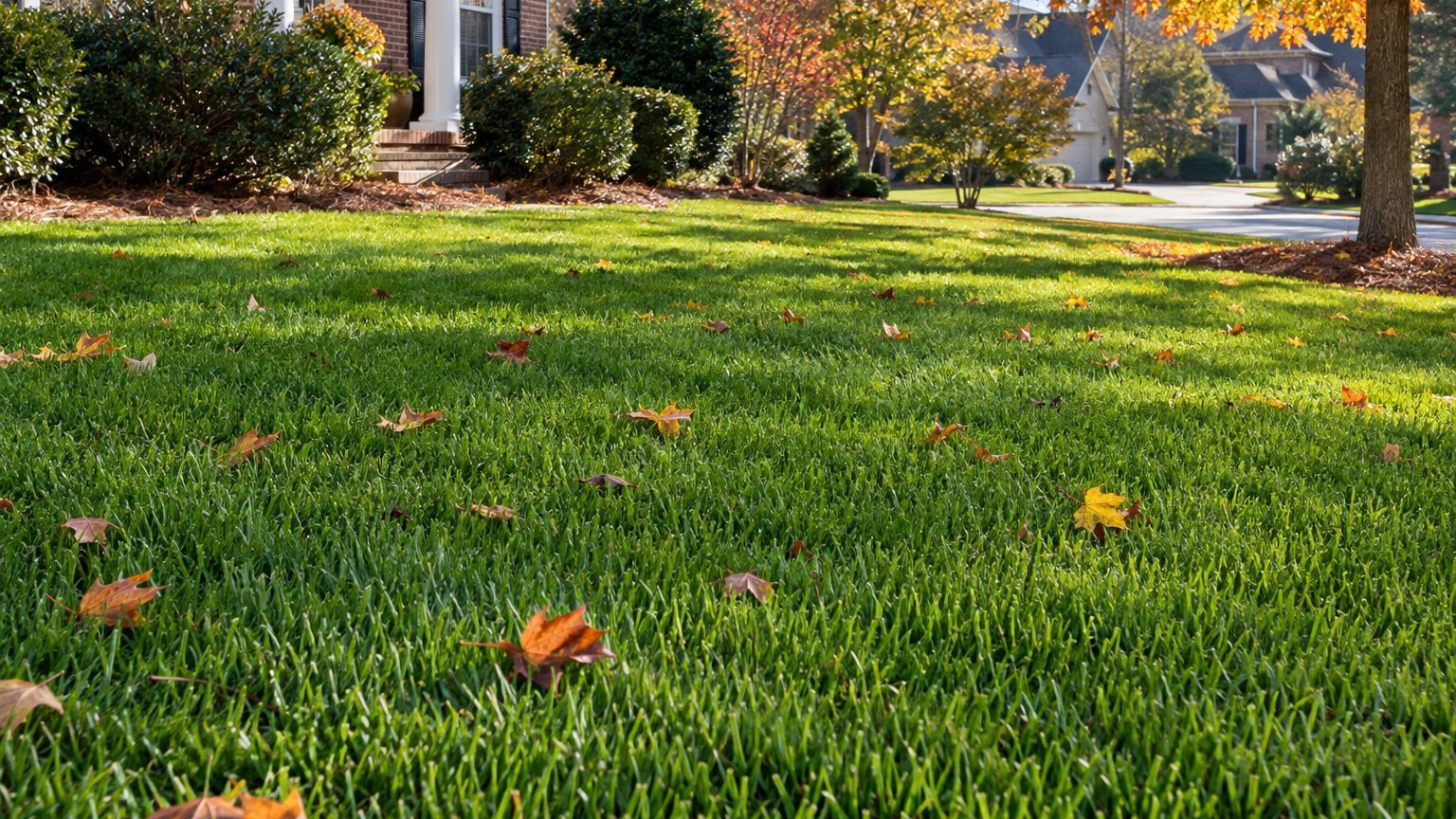
Warm-season grass in South Carolina turns brown after the first hard frosts, sits dormant through winter, then greens up from the base once spring settles in. Lawn work clusters in the warm months, from late spring through summer, while mowing starts earlier and continues into fall.
What to Do Each Month in a South Carolina Lawn
Bermudagrass, zoysia, centipede and St. Augustine all follow the same rhythm: rest in winter, wake in spring, work hard in summer. The months below line the chores up with that rhythm.
| Month | In the lawn |
|---|---|
| January | Rest. The grass is dormant, so there is nothing to mow, feed or water. |
| February | Rest. Dormant turf can still be hit by a freeze, which is why it is too soon to feed or seed. |
| March | Mowing starts as the grass greens up. Keep the first cuts light and leave the fertilizer in the shed. |
| April | Keep mowing as growth picks up. Laying sod works now, and so does dethatching if the lawn is clearly matted. |
| May | The busiest month. Core aerate, dethatch, seed and lay sod while the soil is warm. Start fertilizing and watering as the grass takes off. Seeding applies to bermuda, centipede and bahia only, because St. Augustine has no seed. |
| June | Fertilize, mow and water. If May got away from you, aeration, dethatching, seeding and sod all still work now. |
| July | Fertilize, mow and water through the heat. Sod can still go down if you keep it moist. |
| August | Last month for fertilizer. Keep mowing and watering, and watch for heat stress. |
| September | Mow and water as the heat eases. Stop feeding so the grass can slow down on its own. |
| October | Mow as needed while the grass is still growing. Watering mostly stops being a chore. |
| November | Last mowings as growth fades. The grass is heading into dormancy and frost is near. |
| December | Rest. The lawn is dormant, so keep heavy traffic off frosted turf. |
May is the month to remember. Aeration, dethatching, seeding and sod all fit May, when the lawn is growing hard and can recover well.
South Carolina — the year and the numbers
- State
- South Carolina
- USDA zones
- 7a-9a
- Last spring frost
- February 28 to March 17
- First fall frost
- November 20 to December 5
- Annual rain
- 53 in
- Lawn type
- warm-season
- Source
- NOAA NCEI 1991-2020 Climate Normals, 32F freeze probabilities · Charleston
When Does the Lawn Season Start and End in South Carolina?
Growth begins when the soil warms, not when the last frost passes. Warm-season grass seed germinates once the soil reaches 65 to 70 °F and keeps rising, which is why seeding waits for late spring even though the air feels mild much earlier.
Frost dates tell you something different: how risky it is to put a tender new lawn out. Around Charleston, the last spring freeze usually lands between February 28 and March 17, and a late cold snap can still burn fresh green growth.
In the fall, the first freeze around Charleston usually arrives between November 20 and December 5. That is the signal that growth is ending, and it explains why mowing runs through November before the lawn goes quiet.
How the Lawn Calendar Shifts Across South Carolina
The monthly plan holds statewide, but the edges slide depending on where your yard sits.
- Upstate: Greenville and Spartanburg run several weeks tighter at both ends of the season, with later green-up and earlier dormancy. Lean toward the later part of each planting window.
- Midlands: Columbia sits between the Upstate and Lowcountry; let local green-up guide the edges of the schedule.
- Charleston and the Lowcountry coast: The peninsula in particular is milder, so grass may wake sooner and stay green longer. Start mowing when the grass is actively growing.
Watch your own lawn for the first flush of green and treat that as your starting gun.
Lawn Care Timing Mistakes to Avoid in South Carolina
Fertilizing Too Early

Warm weather in March tempts many homeowners to spread fertilizer. The grass is barely awake, so weeds take most of it, and a late freeze can burn the tender growth it pushes. Wait for May, when the lawn is growing steadily and can use the feed.
Seeding After Summer Begins
Seed that goes down late in summer or in fall has little time to root before cold arrives, and dormant ground will not germinate it anyway. Seed bermuda, centipede or bahia in May, with June as the fallback.
Dethatching a Sleeping Lawn
Raking or power dethatching in winter or before spring growth begins tears at grass that cannot regrow. Bare patches stay open for weeds. Do it in May or June, when the turf fills in quickly.
Where to Get Lawn Advice in South Carolina
Your yard has its own soil, shade and grass type, and local experts can help you understand how they interact. Start with Clemson Cooperative Extension, then reach out to your county office.
- The extension site has maintenance guides for each grass type, so read the one for your lawn before the spring green-up.
- Your county extension office can advise on soil testing and local problems, so call in late winter, before the busy months begin.
Common Questions
Can a Late Freeze Hurt a Newly Seeded Lawn?
Yes. Young seedlings and fresh sod have shallow roots and little reserve, so a hard freeze can set them back. That is why planting waits until the soil is warm and the cold has passed.
Is Summer Too Hot to Lay Sod in South Carolina?
July still works, but sod laid in the heat dries out fast. Water it regularly while the roots grip the soil.
Why Does the Mower Stay in the Garage in Winter?
Warm-season grass stops growing when it goes dormant, so there is nothing to cut. Mowing resumes in March, when the lawn greens up again.