Skip to content

When to Plant Roses in Ontario: Dates and Varieties

When to Plant Roses in Ontario: Dates and Varieties

Bare-root roses show up in garden centres as bundles of dormant canes, and potted ones follow when the weather turns mild. In Ontario, the bare-root bundles go into the ground in early spring, while potted roses have a much longer window that runs well into summer. Varieties and the yearly rhythm of care matter just as much as the planting date.

When to Plant Roses in Ontario

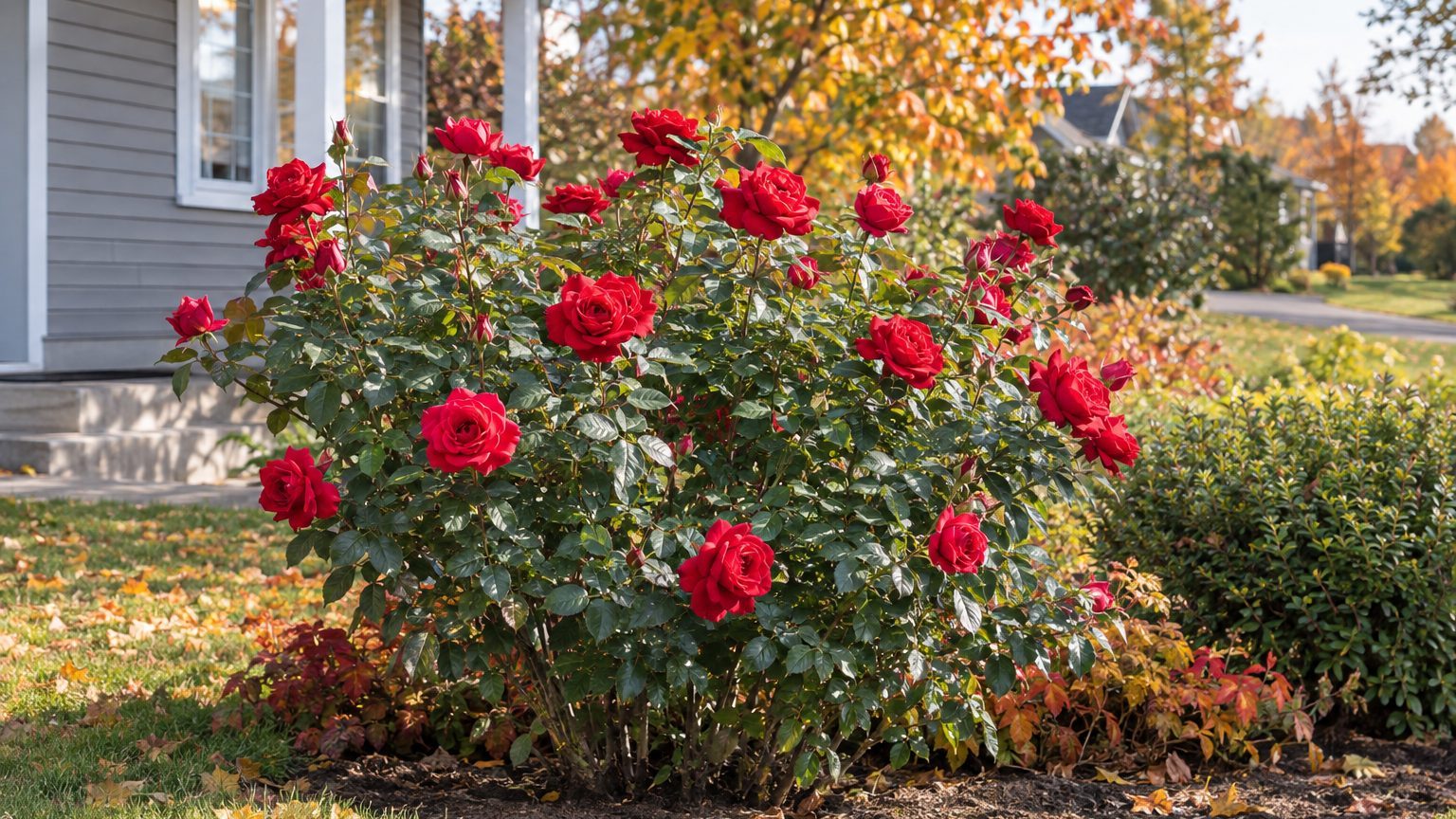
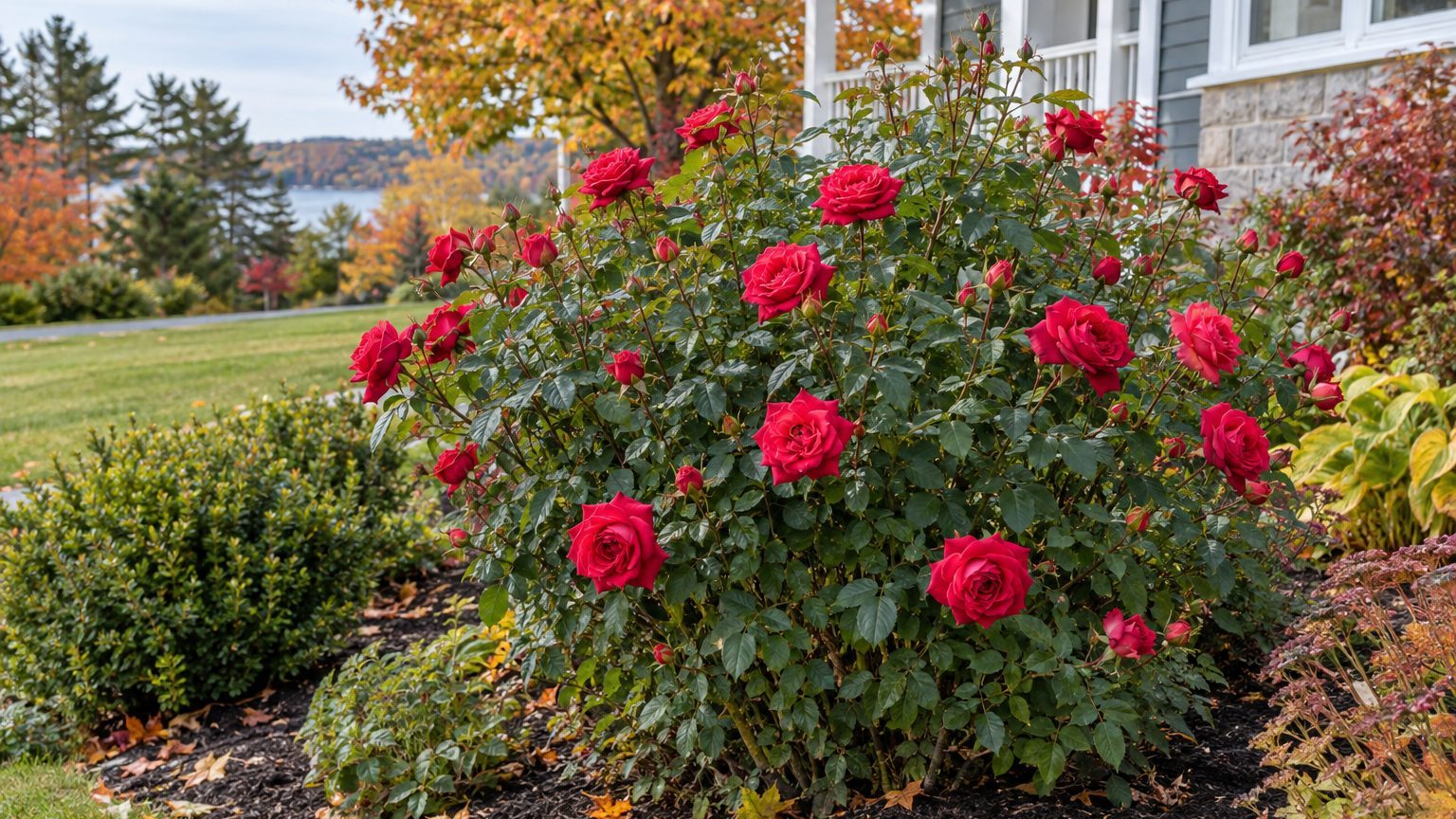
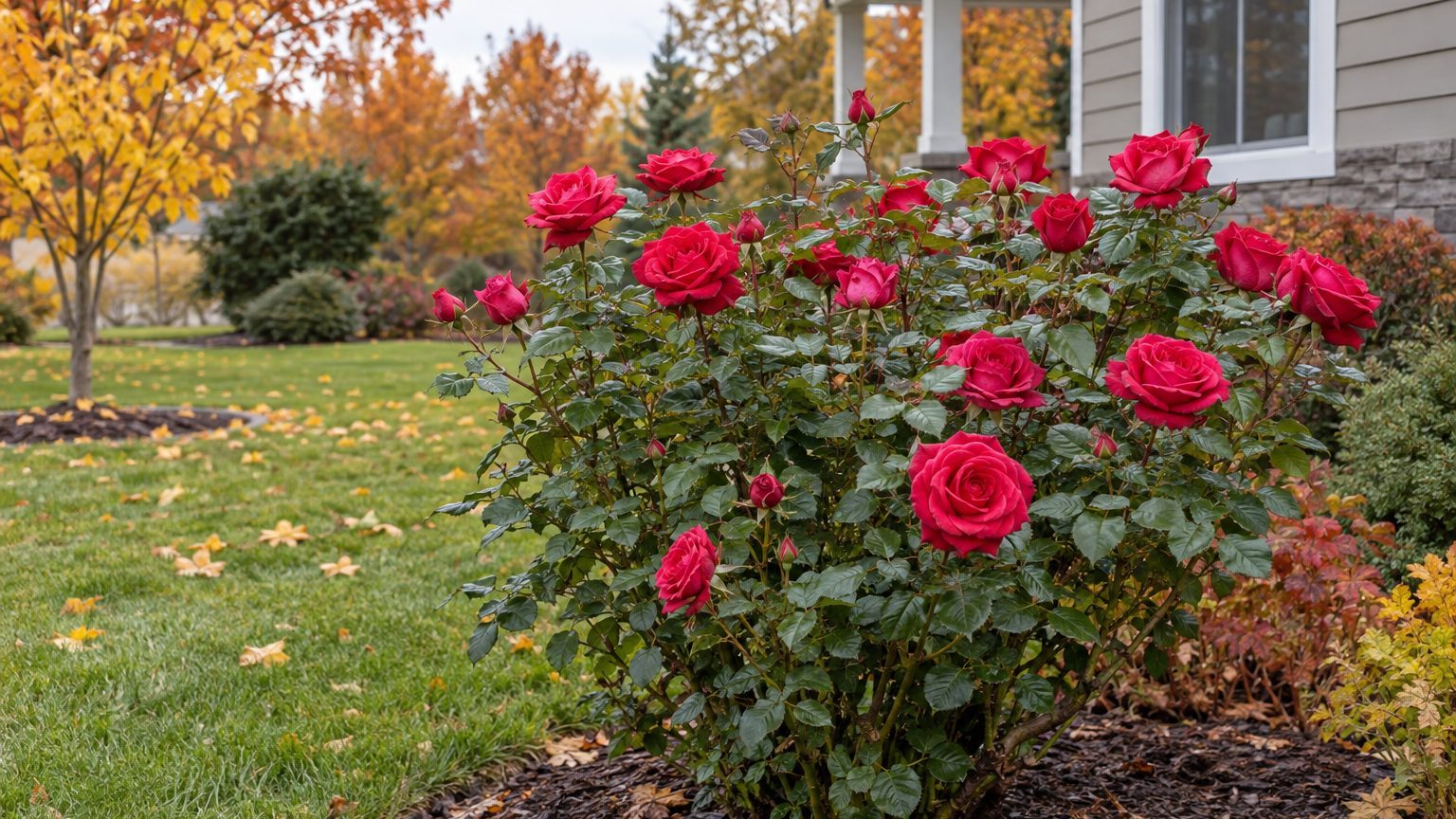
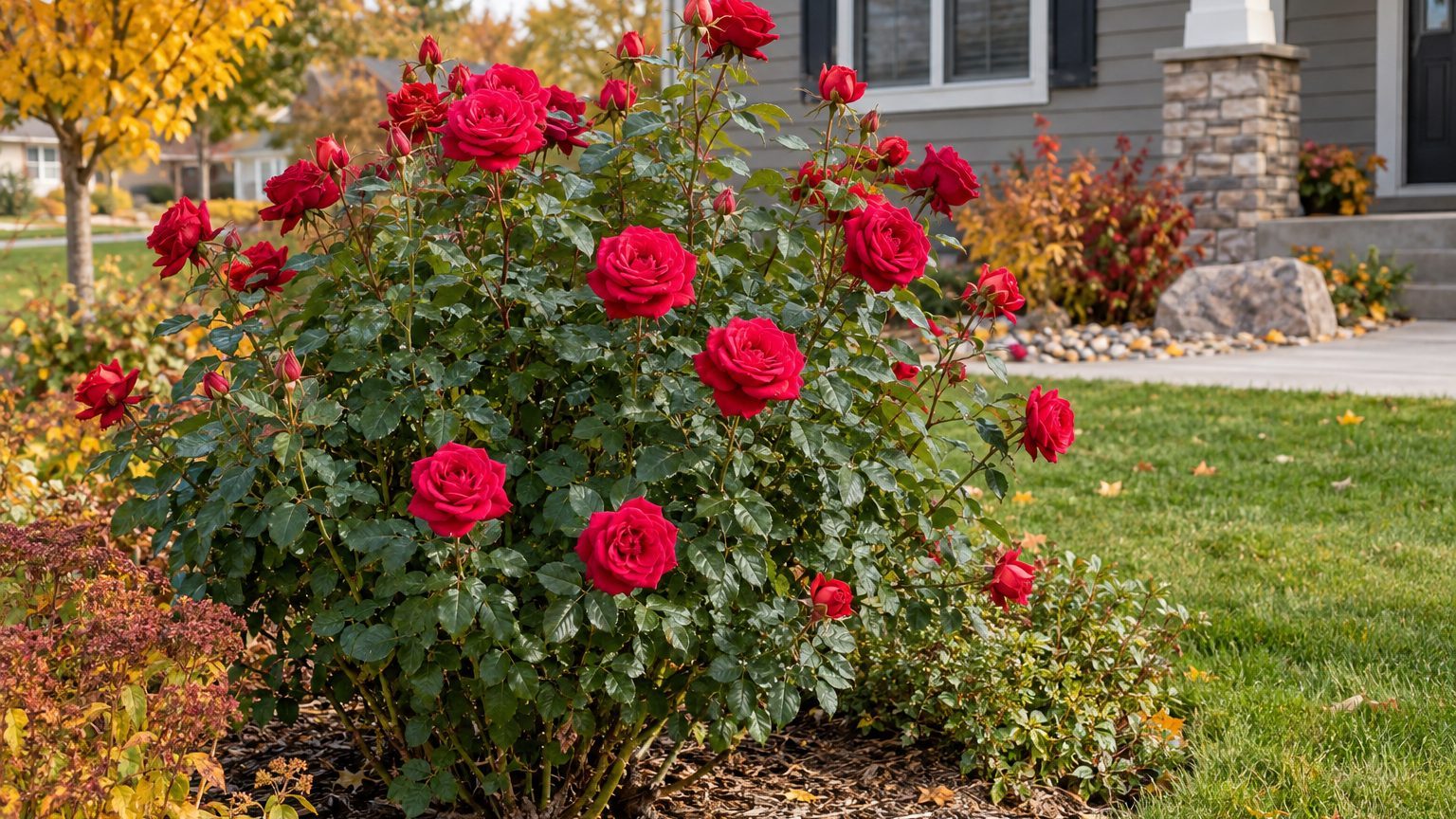
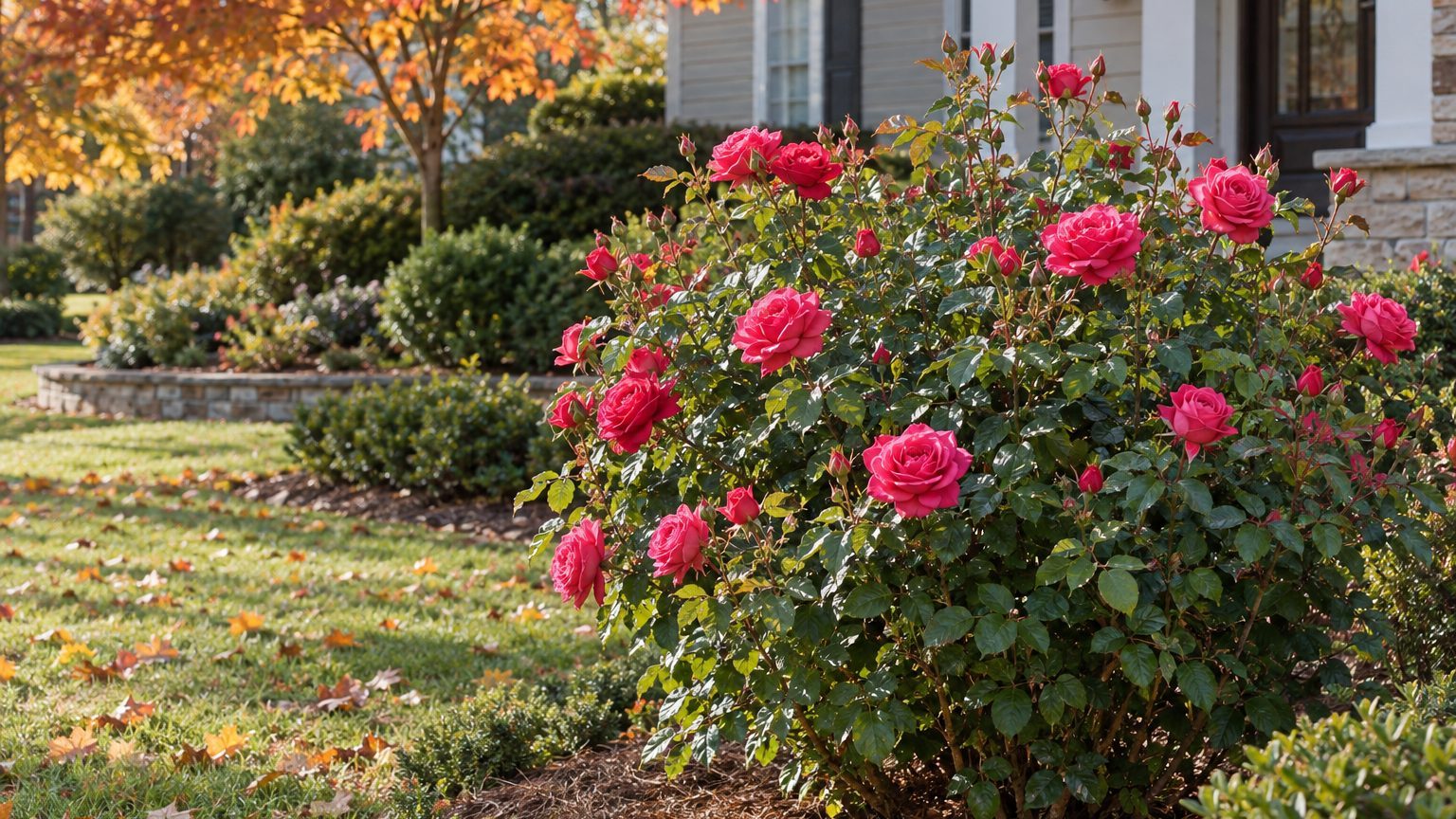
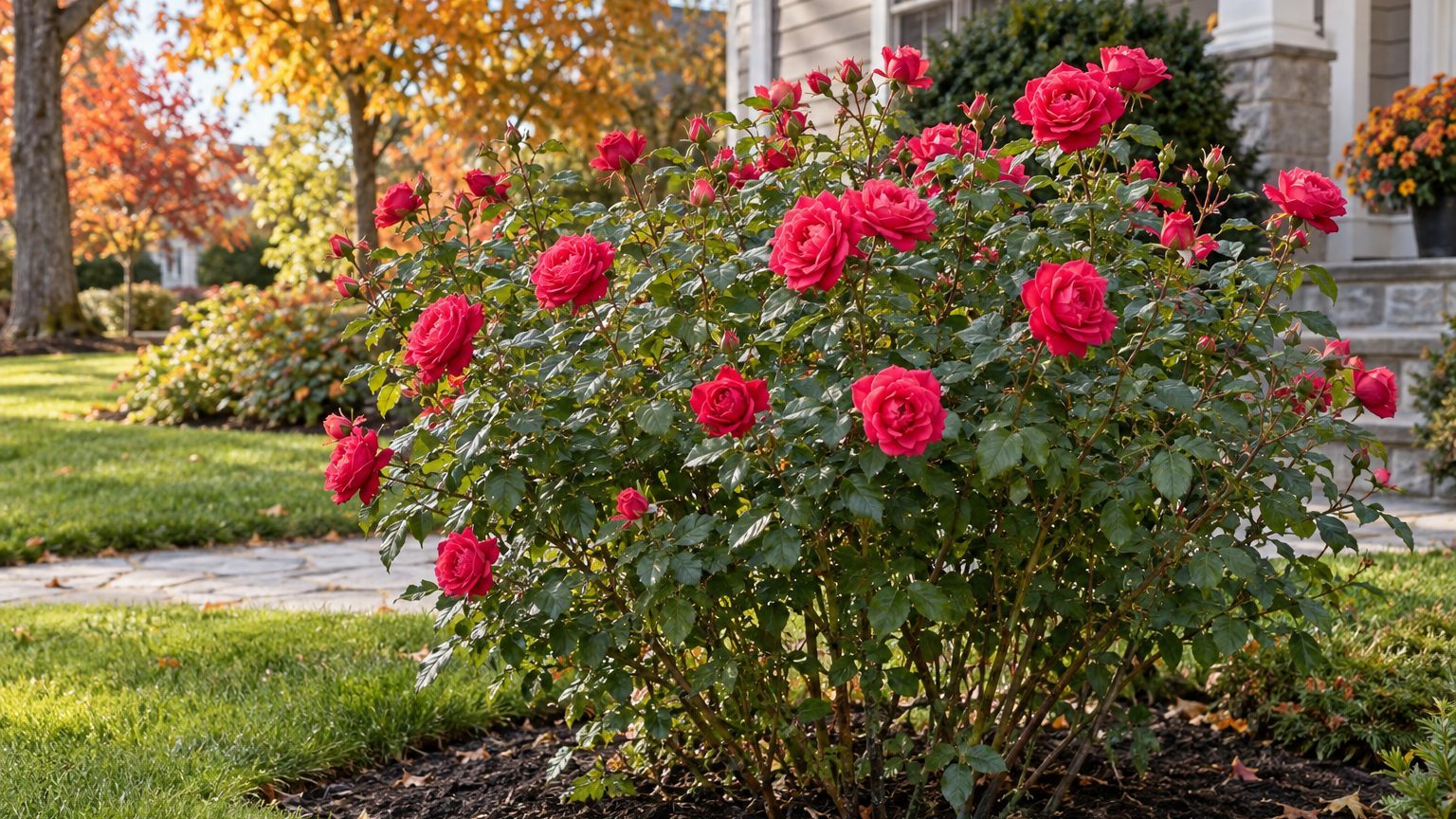
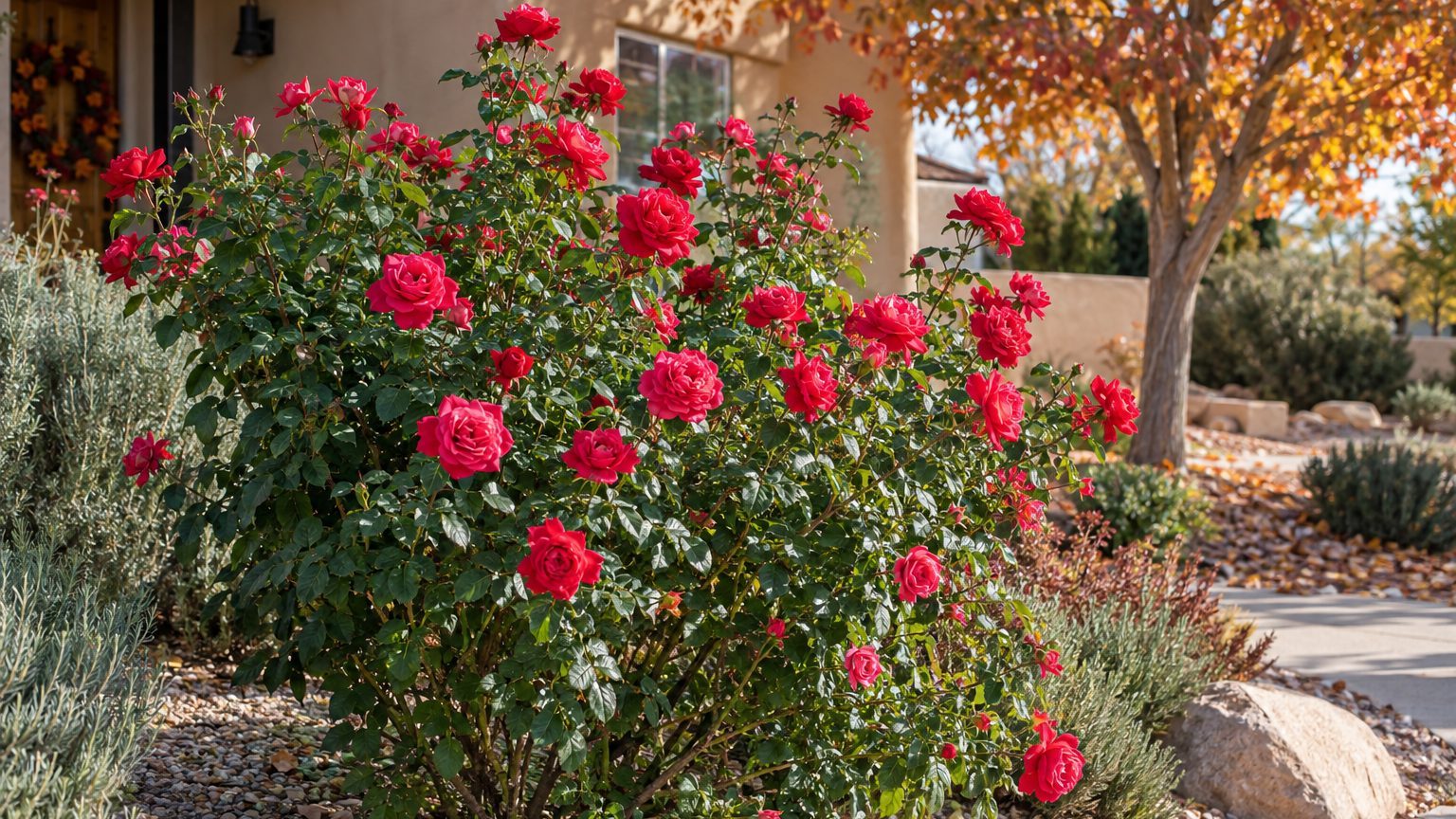
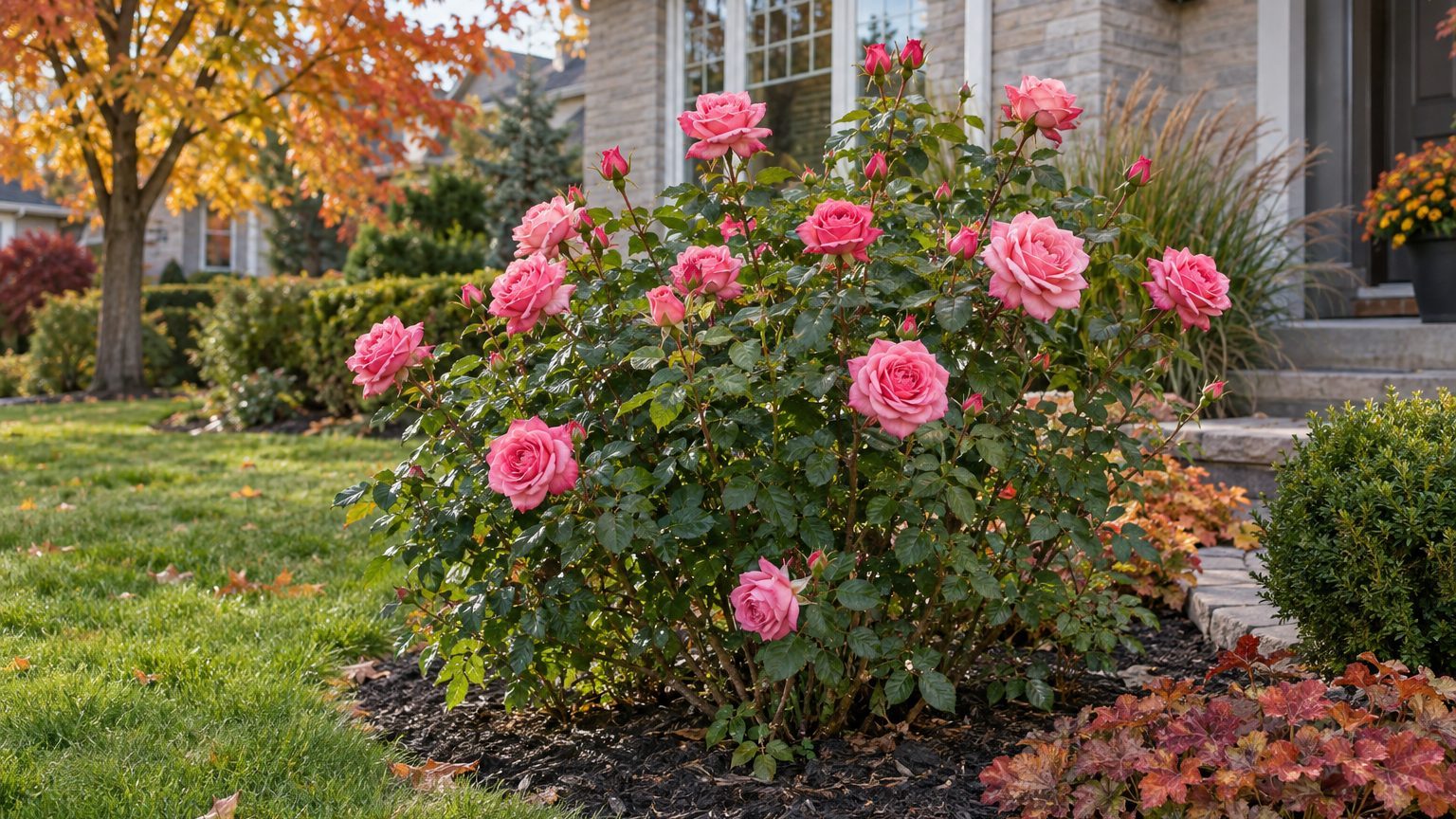
A rose bush in bloom in a home garden

Planting dates hang on frost. In Toronto, the last spring frost falls on average April 30, which is only the midpoint, so in about half of all years a frost still arrives later and can blacken the soft new shoots of a young rose. Canadian zone 7a describes the cold the plant has to survive; it is a Canadian rating, not a USDA zone.

  • In early spring, March and April, bare-root roses go in while they are still dormant and before any growth starts, which lets the roots settle in before leaves ask for water.
  • Once April arrives, potted roses can be planted, and that window stays open through midsummer because a rose with its root ball intact is not shocked by a bit of warmth.
  • Through May, June and July, a bare-root rose can still be planted if the spring got away from you, though it will need regular watering while it leafs out.
  • From April through July, roses are fed, starting after the spring pruning and carrying through the first flush of bloom.
  • In November, once several killing freezes have passed, winter protection goes on tender roses, and December still works if the weather held mild.

On the other end of the year, the first fall frost arrives on average October 16 in Toronto, so a rose planted in midsummer has the autumn months to root before the ground freezes.

Which Roses Grow Best in Ontario?

Winter decides which roses thrive here. Hardy shrub roses, old garden roses and species roses come through with little fuss, while hybrid teas, grandifloras and floribundas can take real damage in a cold winter and need cover.

That split shapes what you buy. A rose that stays hardy without help asks for less work in November, which counts for a lot when the front bed is full.

Rose type How it does in Ontario Why
Hybrid teas, grandifloras, floribundas Not reliably hardy, need winter protection Cold winters damage the canes without cover
Shrub and landscape roses Perform well with no extra protection Hardy types such as Knock Out or the Explorer series handle winter on their own
Old garden roses Very tolerant of cold Many are extremely tough in low temperatures
Species roses Reliably hardy They need no extensive winter preparation
Climbing roses Some are not reliably hardy Tender climbers need the same cover as hybrid teas

Miniature and polyantha roses vary, with some tough and others needing protection, so check the tag before you plant. Climbers are the same: ask the nursery how hardy a particular one is before it goes against a sunny wall.

When to Prune, Feed and Protect Roses in Ontario

A rose year has only a few firm dates, and most of them cluster at the beginning and the close of the season. Pruning follows the buds and the spring thaw, while winter cover waits for the cold to settle in.

Dates here are for repeat-blooming roses, such as hybrid teas, floribundas and modern shrub roses.

Task Best months in Ontario Why then
Pruning repeat-blooming roses March and April (February also works) Buds are swelling, forsythia is blooming and winter protection is off
Feeding April through July After pruning, at first bloom and again in mid-July
Putting on winter protection November (December also works) Roses are dormant after several killing freezes
Taking winter protection off March and April The ground has thawed

Feeding has a hard stop: none after mid-August. Winter cover rewards patience, because putting it on too soon can trap warmth around canes that have not gone dormant yet.

How Rose Care Dates Change Across Ontario

The dates above follow the Toronto area. Ontario is a big province, and rose seasons start and end at different times depending on where you garden.

  • Greater Toronto: spring frost and fall frost land close to the dates above, so the calendar fits as written.
  • Northern Ontario: spring comes later and winter arrives sooner, so planting, uncovering and pruning slide later while winter cover goes on earlier.
  • The Oak Ridges Moraine and other upland districts north of Toronto: higher ground runs behind the Toronto area, so plan on planting and uncovering a little later in spring.

Watch the buds on your own canes. Once they swell and forsythia opens nearby, your yard is telling you it is ready, whatever the calendar says.

Where to Get Rose Advice in Ontario

Ontario has no local extension page on rose timing, so the dates here follow the nearest comparable climate. Confirm local timing with a garden centre, a rose society or one of the provincial gardening groups.

  • The Ontario government’s agriculture and food pages point to provincial resources for diagnosing problems and testing soil.
  • A local master gardener group or rose society can look at a sick leaf and tell you what is going on, and spring is a good time to ask about planting.
  • In late autumn, a garden centre can tell you which cover material suits your roses before the first killing freezes arrive.

Common Questions

What Should You Do with a Once-Blooming Rose?

Once-blooming roses, which include old garden roses, ramblers and many climbers, flower once a year on last year’s wood. Prune them right after they bloom, never in early spring, or you cut off the flower buds.

Is Canadian Zone 7a the Same as a USDA Zone?

No. The Canadian system is built on seven climate variables, and the USDA system on one, so there is no simple conversion. Use the Canadian zone when you read a plant tag from a Canadian nursery.

Why Should You Stop Fertilizing Roses in Late Summer?

Late feeding pushes out soft, succulent growth that has no time to harden before winter, and it is easily damaged by the first hard freezes. Stopping after mid-August lets the canes toughen up.
When to Plant Roses in Oklahoma: Dates and Varieties

When to Plant Roses in Oklahoma: Dates and Varieties

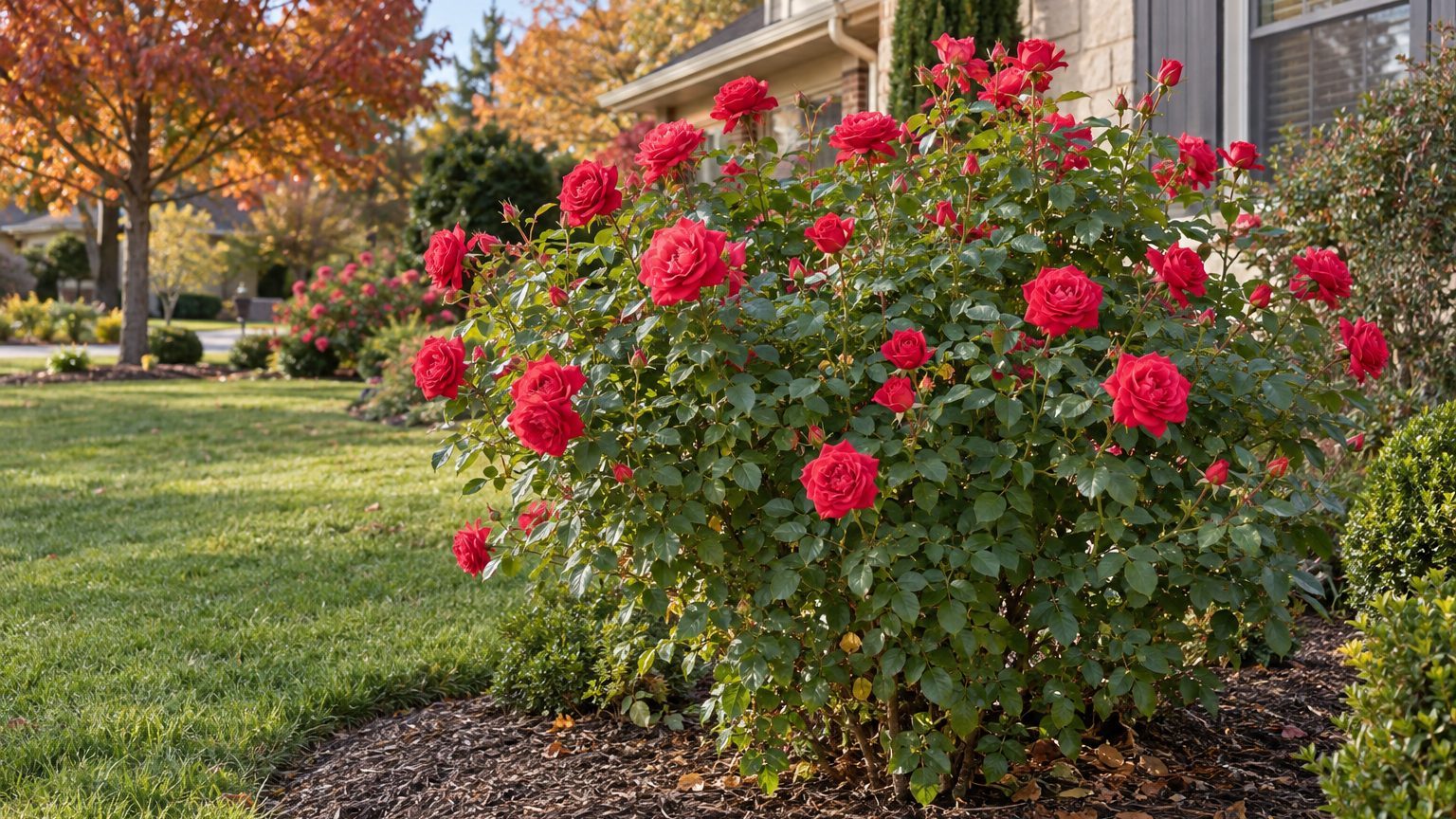
A bare-root rose that goes into Oklahoma soil while it is still dormant has the whole cool spring to settle in before summer heat arrives. That is why late winter is the planting season here, with potted roses giving you more room later on.

When to Plant Roses in Oklahoma

A rose bush in bloom in a home garden

Bare-root roses go in first, in February and March, while the canes are still asleep. Potted roses can go in later, once the weather has settled. The dates below speak of Oklahoma City, so check your own county, because suburban and rural yards often see frost later in spring and earlier in fall.

  • In winter, order or buy bare-root roses and keep them cool and unplanted until the ground is workable.
  • In February and March, plant bare-root roses while they are dormant, which suits hybrid teas especially well.
  • In Oklahoma City, young growth is tender around the last spring frost, which falls between March 28 and April 10, so cover new shoots if a freeze is forecast.
  • Set out potted roses later, once the weather has settled, and begin feeding in April as growth resumes.
  • In late fall, when the first frost arrives in Oklahoma City between October 29 and November 8, growth slows and the roses head back toward dormancy.

Most of Oklahoma falls in USDA zones 6a to 8a, so winters are mild enough for many roses but cold enough that a freshly leafed plant can be damaged by a late freeze.

Which Roses Grow Best in Oklahoma?

Tough, low-fuss roses are a practical fit here. Hardy types need less care than hybrid teas, and polyanthas are well adapted to Oklahoma conditions. More tender types can still succeed with some attention in winter.

Planting time matters for the fussier types too: hybrid teas, in particular, do well when set out as dormant bare-root plants in February and March.

Rose type How it does in Oklahoma Why
Polyantha Well adapted to Oklahoma conditions Hardy plants that cope with the local climate
Hardy shrub roses Need less care than hybrid teas Hardy and require less care than hybrid teas
Hybrid tea Good results from dormant planting Settle best when planted bare-root in February and March
Semi-hardy types May need winter protection In most cases they are only semi-hardy

Old garden roses and many climbers flower once a year on last year’s wood, so prune them right after they bloom, never in early spring.

When to Prune, Feed and Protect Roses in Oklahoma

The rose year follows a simple rhythm: plant dormant roses, prune repeat bloomers and feed through the growing season. Most roses should not be pruned before March 15, so wait for that date even on a mild day.

The table gives the months for each task. Pruning detail lives on the dedicated pruning page for the state.

Task When to do it in Oklahoma Why then
Plant bare-root roses February and March Dormant plants establish before heat
Prune repeat-blooming roses March, or April if needed Not before March 15, so early cold does not damage new growth
Feed roses April through August, or September if needed Start around April 1, then continue regularly through the growing season

Repeat bloomers include hybrid teas, floribundas and modern shrub roses. Feeding a newly planted rose can wait until about four to six weeks after planting, using a complete fertilizer or a rose fertilizer. Semi-hardy types may need winter protection.

How Rose Care Dates Change Across Oklahoma

Oklahoma stretches a long way from east to west and from the Panhandle to the Red River, so your own yard may run ahead of or behind the dates above.

  • Panhandle: Winters are colder here than in the south, so frost tends to linger longer in spring, and planting and pruning dates shift later.
  • Tulsa and the northeast: Check local frost dates rather than relying on the Oklahoma City figures above.
  • Southern Oklahoma near the Red River: Spring generally warms earlier than in the north, so dormant planting can lean toward the front of the February to March window.

Whatever your location, a hillside or a low pocket where cold air settles can add its own difference to these dates.

Where to Get Rose Advice in Oklahoma

A rose that struggles is easier to fix once someone looks at the plant and the soil. Oklahoma State University Extension publishes rose guidance for the state, and your county office can help with local questions.

  • Your county extension office can take a soil sample, so you know what to add before planting in late winter.
  • County staff can look at a leaf or a cane and help diagnose a problem, so bring a sample when the plant leafs out in spring.
  • Check with them before March 15 if you are unsure about pruning, and plant your bare-root roses while February and March are still open.

Common Questions

Can You Plant a Potted Rose After Bare-Root Season Ends?

Yes. Potted roses can go in later than bare-root plants, which need to go in while dormant in February and March. Plant a potted rose once the weather has settled, and water it regularly while it establishes.

When Should You Start Feeding Roses in Oklahoma?

Around April 1, or four to six weeks after spring planting, use a complete fertilizer or a rose fertilizer. Feeding then continues through the growing season, from April to August, and can stretch into September.

Do Roses in Oklahoma Need Winter Protection?

Semi-hardy roses may need winter protection in most cases, while hardy types need less care. Check which type you have, and get local advice on when to protect the more tender ones.

When to Plant Roses in Ohio: Dates and Varieties

When to Plant Roses in Ohio: Dates and Varieties

A bare-root rose goes into Ohio soil while it is still asleep, and a rose from a pot waits until the ground is workable and the worst cold has passed. Yearly care follows the same seasonal rhythm, and the right varieties can handle an Ohio winter.

When to Plant Roses in Ohio

A rose bush in bloom in a home garden

Bare-root roses go in first, container roses follow, and the frost dates explain the order. Ohio’s hardiness zones run from 5b to 6b on the USDA system, and the dates here are for zone 6a. Other parts of the state differ a little.

In Columbus, in zone 6a, the last spring frost falls between May 5 and May 15. A rose that has already leafed out can be hurt by a cold night in that stretch, so cover young growth if a frost is forecast. In Columbus, the first fall frost arrives between October 5 and October 15, which ends the season of soft new growth. A bare-root rose does best planted dormant, before it has started to grow.

  • In March and April, bare-root roses go into the ground while they are still dormant, before any new growth starts. If spring runs late, they can also go in during May, June or July, though the plants have less time to settle before summer heat.
  • From April through midsummer, roses grown in containers can be planted, since their roots are already growing and the plant does not depend on dormancy.
  • In March and April, once the ground thaws, winter protection comes off and repeat-blooming roses are pruned. Forsythia in bloom is the usual signal.
  • From April through July, roses are fed after pruning, again at first bloom, and again in mid-July.
  • In November, after several killing freezes, winter protection goes on. If November slips by, December still works.

Plant a bare-root rose as soon as it arrives in early spring, and keep a container rose watered through its first summer.

Which Roses Grow Best in Ohio?

Winter decides which roses thrive in Ohio. Hardy shrub roses and old garden roses take the cold without fuss. Hybrid teas, floribundas and grandifloras are less reliable and need protection in cold winters.

Repeat-blooming roses that flower on new wood reward the extra work with color from early summer to frost, so many gardeners accept the chore of covering them.

Rose type How it does in Ohio Why
Hybrid teas, floribundas and grandifloras Need winter protection in cold winters Not reliably winter hardy
Hardy shrub roses (Knock Out, Explorer series) Perform well without extra protection Bred and proven for cold tolerance
Old garden roses Very tolerant of cold, needing little preparation Naturally hardy, and they flower once a year on last year’s wood

Climbers vary, and some are not reliably hardy, so check the label and protect only those that need it. Miniatures and polyanthas also differ from one cultivar to the next.

When to Prune, Feed and Protect Roses in Ohio

Pruning, feeding and covering each have a short window. Repeat-blooming roses are pruned when forsythia blooms. The full pruning method is on the Ohio pruning page.

Task When to do it in Ohio Why then
Pruning repeat-blooming roses (hybrid teas, floribundas, modern shrub roses) March and April, or February once winter protection is off and forsythia is blooming Winter protection is off and forsythia is blooming
Feeding roses April through July After pruning, at first bloom, and in mid-July
Putting on winter protection November, or December if needed Several killing freezes have passed and the plants are dormant
Taking winter protection off March and April The ground has thawed

Stop feeding after mid-August, because late fertilizer pushes soft growth that winter can damage. Spring protection comes off in stages if cold snaps return.

How Rose Care Dates Change Across Ohio

Ohio’s lake, river and hills pull the rose season earlier or later depending on where you garden.

  • Lake Erie shore: Cities such as Cleveland and Toledo feel the lake, which tends to hold spring back and soften the first fall frost. Wait for the later end of the spring windows before uncovering roses.
  • Cincinnati and the Ohio River valley: Spring tends to arrive sooner, so protection can come off and pruning can begin toward the front of the March and April windows.
  • Northeast Ohio snowbelt: Snow cover can insulate roses in winter, but spring thaws arrive later. Treat the later part of each window as your own.

Watch the forsythia in your own yard, since it blooms on local time and tells you more than the statewide dates.

Where to Get Rose Advice in Ohio

Ohio roses have plenty of local help. Ohio State University Extension publishes rose guidance for the state, and each county has its own office with staff who know local conditions.

  • The extension website carries rose care guides, which are useful before you choose varieties or plan a planting.
  • Your county extension office can run a soil test, which is worth doing before you plant.
  • The same office can identify a disease or pest from a sample, so bring a cutting with leaves and take it in as soon as you spot trouble.

Common Questions

Should You Prune Climbing Roses in Early Spring in Ohio?

Not as a rule. Whether early spring pruning applies depends on the climber’s flowering habit. Once-blooming climbers flower on last year’s wood and are pruned right after flowering.

What Does Hardiness Zone 6a Mean for Roses?

Zones on the USDA system are based on the average annual extreme minimum temperature, so they describe how cold a winter can get, not how hot or wet a summer will be. Ohio spans zones 5b to 6b, so check the zone listed for your own area before choosing a rose rated for cold.

Why Wait for Several Killing Freezes Before Covering Roses?

Covering is meant to go on once a rose has settled into dormancy, and several killing freezes show that it has. Covering earlier can trap warmth around plants that are still active.

When to Plant Roses in Nunavut: Dates and Varieties

When to Plant Roses in Nunavut: Dates and Varieties

Snow still lies on the ground in the early part of the season across Nunavut, and a rose bush waits well behind the calendar of any southern yard. Roses in Nunavut are a short-season project: a hardy shrub rose planted in early summer, fed through the bright months, and tucked in before the cold returns.

When to Plant Roses in Nunavut

A rose bush in bloom in a home garden

Bare-root roses go in first, in June, while they are still dormant and the soil has thawed enough to dig. Potted roses can follow later, since they arrive with leaves and roots already awake. Nunavut has no local page on rose timing, so these dates follow the nearest comparable climate; confirm local timing with a garden centre, a rose society or a territorial gardening group.

At Rankin Inlet, the last spring frost falls on average around June 19, which means half of all years bring frost later than that. Treat it as the middle of a window, never as a safe date. The first fall frost arrives on average around September 13, but the date is only the midpoint of a window. Rankin Inlet sits in Canadian hardiness zone 0a, a system that does not convert to a USDA zone, so local conditions elsewhere in Nunavut need to be checked.

  • In late winter and early spring, snow cover holds the ground and the bushes stay dormant, so there is nothing to plant and nothing to prune yet.
  • In May, prune repeat-blooming roses once active growth and new shoots appear. Feeding starts in the same month.
  • In June, bare-root roses go into the ground, and potted roses can be planted a little later once the frost risk has eased.
  • From June through July, feeding continues while the plant puts on growth and flowers.
  • By August 1, feeding stops so the canes can harden before the first fall frost.

A bare-root rose planted dormant in June gets the whole short summer to root, which is why it beats waiting for warmer weather that may never come.

Which Roses Grow Best in Nunavut?

Hardy shrub roses are the safe bet. Hybrid teas, grandifloras, floribundas and miniature roses are tender choices for Nunavut, so ask local growers whether they can overwinter in your community. Rugosa roses are a hardier option, but ask local growers which varieties survive in your community.

Summers are short and cool, so a rose that needs a long season to build wood has little chance. A tough, hardy type does better than a fussy one.

Rose type How it does in Nunavut Why
Rugosa A hardy choice to investigate locally Check local winter survival before planting
Hybrid tea Unreliable Tender roses do not reliably overwinter
Floribunda Unreliable Tender, needs winter protection in cold winters
Grandiflora Unreliable Tender, needs winter protection in cold winters
Miniature Unreliable Tender roses do not reliably overwinter

Hardy shrub roses such as the Explorer series perform well without extra protection in cold climates. Once-blooming roses, including old garden roses, ramblers and many climbers, flower on last year’s wood, so they are pruned right after they bloom and never in early spring.

When to Prune, Feed and Protect Roses in Nunavut

The year’s work is compact. Pruning waits for active growth, because snow cover lasts into spring and new shoots reveal which canes survived.

Feeding runs through the bright months and ends early enough for the canes to firm up. Tender types need winter protection in cold winters, while hardy shrub roses usually do without it.

Task Best months in Nunavut Why then
Pruning repeat-blooming roses May Wait until new shoots appear and growth is active
Planting bare-root roses June Dormant plants settle in as the soil thaws
Feeding May, June, July Supports growth, and stopping by August 1 lets canes harden before frost

Repeat-blooming types include hybrid teas, floribundas and modern shrub roses. The page on when to prune roses covers the cuts in more detail.

How Rose Care Dates Change Across Nunavut

Nunavut spans a huge stretch of Arctic coast and islands, and the season shifts with it. The dates lean on a single reference city, so expect differences elsewhere.

  • Rankin Inlet: On the Kivalliq coast of Hudson Bay, this is the reference point for the frost dates above, and a rose here follows them as given.
  • Iqaluit: Local conditions on Baffin Island may differ from Rankin Inlet, so confirm planting and feeding timing with local gardeners.
  • Cambridge Bay: Local frost timing may differ from Rankin Inlet, so confirm the planting window in your community.

A sheltered, sunny spot against a south-facing wall can gain a little ground on any of these.

Where to Get Rose Advice in Nunavut

Nunavut has no county extension office, so advice comes from a few other places. Agriculture and Agri-Food Canada offers federal gardening and soil information for northern growers.

  • A local garden centre or greenhouse group can tell you which hardy roses survived recent winters in your community, so ask before buying.
  • A rose society or territorial gardening group can help with diagnosing problems and with sourcing bare-root plants for June planting.

Common Questions

Can You Plant a Rose in July?

Only June is supported here for bare-root planting; ask a local garden centre to confirm when a potted rose can go in. A late planting still has less time to settle before fall, so water it regularly and ask a local garden centre about winter protection.

Do Roses Need Winter Protection in Nunavut?

Tender roses do, and they may still fail to overwinter. Hardy shrub roses such as the Explorer series usually manage without extra cover, which makes them the safer choice.

Why Is My Rose Pruned Back but Not Leafing Out?

Look at the canes: green inside and plump buds mean the plant is alive and just slow, while brown and brittle wood points to winter dieback. Wait until active growth and new shoots appear before cutting further.

When to Plant Roses in Nova Scotia: Dates and Varieties

When to Plant Roses in Nova Scotia: Dates and Varieties

In early spring, bare-root roses show up at garden centres, bundled and still asleep, and that is the moment Nova Scotia gardeners plant them. Roses in Nova Scotia go in with the spring thaw, grow through summer, and get tucked in once the leaves have been killed by frost. Which kinds to choose matters as much as the date.

When to Plant Roses in Nova Scotia

A rose bush in bloom in a home garden

Bare-root roses go into the ground in April and May while they are still dormant, and potted roses follow later, once the soil has warmed. Halifax sits in Canadian hardiness zone 6b, a Canadian system that does not convert to a USDA zone, so treat it as a local guide only.

  • In April and May, plant bare-root roses while the canes are still dormant, because a rose with no roots in the soil cannot cope with leaves it has to feed.
  • As spring growth begins, prune repeat-blooming roses such as hybrid teas, floribundas and modern shrub roses, in April or May, or in March if you wait for growth to wake up.
  • In May, take off the winter protection before new growth starts, and in April if the spring has been mild.
  • Through the warm months, feed from April into July, and potted roses can go in later than bare-root ones, after the soil has warmed.
  • In November, after hard frosts have killed the leaves, put the winter protection on, and let August be the last month you feed.

At Halifax the last spring frost falls on average around May 7, which is a midpoint, so in half of years a frost comes later and a young rose in leaf may need a cover. The first fall frost averages October 18, and northern or upland districts run behind Halifax.

Which Roses Grow Best in Nova Scotia?

Roses bred for cold winters do best here. Winter is the limit, so the hardiest types are shrub roses, old-fashioned roses, polyanthas, floribundas and hybrid perpetuals, all of which come through winter more reliably than hybrid teas and grandifloras.

Choose only types that can survive the average winter in your own growing zone. Zone 6b describes Halifax, and the number can shift as you move around the province, so check the plant tag against your own district before you buy.

Rose type How it does in Nova Scotia Why
Hybrid teas and grandifloras Possible, with more care Less winter hardy than the other types, so they need protection
Floribundas and polyanthas A sturdier choice More winter hardy than hybrid teas
Shrub roses such as Knock Out Reliable Hardy enough to perform well without extra protection
Explorer series Reliable, as shrubs or climbers Bred in Canada and named for explorers such as Champlain, Cabot and Kelsey
Hybrid perpetuals and old-fashioned roses Sturdy More winter hardy than hybrid teas and grandifloras

Climbing roses are best chosen from the Explorer series, which includes climbers. Hybrid teas are still worth growing if you like the long, classic blooms, as long as you accept the extra work every November.

When to Prune, Feed and Protect Roses in Nova Scotia

Nova Scotia has no local page on rose timing, so the months here follow the nearest comparable climate. Confirm local timing with a garden centre, a rose society or the provincial gardening groups.

Hybrid teas, floribundas and grandifloras need winter protection in cold winters. Once-blooming roses flower on last year’s wood, so prune them right after they bloom, never in early spring.

Task Best months in Nova Scotia Why then
Plant bare-root roses April, May The canes are dormant and the soil is thawing
Prune repeat-blooming roses April, May (March if growth has started) They bloom on new wood, so wait for active growth
Feed roses April to July (August is the last month) Feeding stops in August so new growth can harden before winter
Put on winter protection November Wait until hard frosts have killed the leaves
Take off winter protection May (April in a mild spring) Remove it in early May before new growth begins

Pruning in more detail has its own page for the province. Here, the key dates are enough to keep the year in order.

How Rose Care Dates Change Across Nova Scotia

Halifax is the reference point for the dates above, and the rest of the province moves earlier or later around it depending on the land.

  • Halifax and the Atlantic coast: the dates above fit here best, so plant in April or May and uncover in May.
  • Cape Breton Highlands: upland districts run behind Halifax, so hold off planting and unwrapping until the ground has warmed in your own yard.
  • Cumberland County and the Northumberland Shore: northern districts also run behind Halifax, so let the buds, not the calendar, tell you when to prune.

Wherever you garden, a rose in leaf that gets caught by a late frost is better covered than left exposed.

Where to Get Rose Advice in Nova Scotia

Canada has no county extension offices, so help comes from the province and from local gardeners. A diagnosis or a soil test is easiest to arrange through these sources.

  • The Nova Scotia Department of Agriculture is the place to start for questions about soil, pests and plant health.
  • A local garden centre or rose society can tell you which varieties have survived winters in your district, so ask before buying in spring.
  • Before the first April planting, take a soil sample so you know what the bed needs.

Common Questions

How Do You Know a Rose Is Hardy Enough for Nova Scotia?

Look for a plant tag with a hardiness zone at or below your own district’s Canadian zone. Shrub roses and the Explorer series are bred to cope with cold, while hybrid teas are the type most likely to need cover.

Can You Plant Potted Roses After May?

Yes. Potted roses can go in later than bare-root ones because they already have roots, so wait until the soil has warmed and frost risk has passed.

What Should You Do If a Frost Hits After Roses Have Leafed Out?

Cover the plant on cold nights with an old sheet or a bucket, and take the cover off in the morning. New leaves are tender, and the frost date for your district is only a midpoint, so some years run later.

When to Plant Roses in Northwest Territories: Dates and Varieties

When to Plant Roses in Northwest Territories: Dates and Varieties

Snow still covers the beds when southern gardeners are already pruning, and that late thaw sets the pace for every rose in the territory. Bare-root roses go in during June, repeat-blooming roses are pruned in May, and feeding runs from May through July. Only certain kinds of roses handle the winters, so the choice of variety matters as much as the date.

When to Plant Roses in Northwest Territories

A rose bush in bloom in a home garden

Bare-root roses go in first, in June, while they are still dormant, and potted roses can follow later once the soil has settled and warmed.

  • In winter and early spring, roses sit dormant under snow, and that cover lasts well into spring, so pruning and planting wait for the thaw rather than the calendar.
  • In May, repeat-blooming roses are pruned once growth is clearly active. In Yellowknife, the last spring frost averages May 25, and half of all years bring frost later than that, so a tender young shoot is never safe yet.
  • In June, bare-root roses are planted dormant, which suits a young plant that cannot take a late frost. Potted roses can go in after them.
  • From May through July, roses are fed, and the feeding stops by August 1 so new growth is not pushed right before the cold.
  • In September, the first fall frost in Yellowknife averages September 18, but it arrives later in half of all years. Plants then harden off and head into dormancy.

Yellowknife sits in Canadian hardiness zone 1b (a Canadian system that does not convert to a USDA zone), and gardens farther north tend to run later.

Which Roses Grow Best in Northwest Territories?

Hardy roses do best here, and the Rugosa rose is the dependable choice because it is hardy in most northern locations. Winter is the limit rather than summer heat or humidity.

Tender types, the ones bred for milder gardens, do not reliably overwinter this far north, so they are a gamble in the ground.

Rose type How it does in Northwest Territories Why
Rugosa roses Hardy in most locations They are tough enough for long, cold winters
Hardy shrub roses such as the Explorer series Perform well without extra protection They are bred to tolerate cold winters
Hybrid teas Do not reliably overwinter They are tender and need winter protection in cold winters
Floribundas and grandifloras Do not reliably overwinter They are tender types, like hybrid teas
Miniature roses Do not reliably overwinter They are tender types, so a mild spot matters

Start with a Rugosa or a hardy shrub rose if you want roses that come back each year without fuss. Treat a hybrid tea as a special project, something you protect carefully and accept may not survive, rather than the backbone of the bed.

When to Prune, Feed and Protect Roses in Northwest Territories

Roses here follow a short, compressed year. Pruning waits for May, planting happens in June, and feeding fills the summer months.

Each task depends on the plant waking up, not on a date on the wall.

Task Best months in Northwest Territories Why then
Pruning repeat-blooming roses (hybrid teas, floribundas, modern shrub roses) May Snow cover lasts into spring, so wait for active growth before cutting
Planting bare-root roses June The ground has thawed and the plant goes in dormant, with potted roses able to go in later
Feeding roses May, June, July Feeding supports growth in the short season and stops by August 1 before the cold

Winter protection is the job after all of these. Tender types need it most, and hardy shrub roses need much less. The page on when to prune roses in Northwest Territories goes deeper on cutting techniques and deadwood.

How Rose Care Dates Change Across Northwest Territories

The territory is large, and the dates lean toward the south. Gardens farther north start later and finish sooner.

  • Yellowknife: treat its dates as the middle of a window rather than a firm line.
  • Inuvik and the Mackenzie Delta: northern gardens like these run later than Yellowknife, so pruning, planting and the first feeding all slide back, and the season closes sooner.

A sheltered corner against a wall or fence can add a little warmth anywhere in the territory, which helps a young rose settle in.

Where to Get Rose Advice in Northwest Territories

These dates follow the nearest comparable climate. Confirm them close to home with a local garden centre, a rose society or the provincial or territorial gardening groups.

  • The Government of the Northwest Territories agriculture services can answer questions about what grows in the territory, so ask before buying roses.
  • A local garden centre or rose society can tell you which hardy roses have come through recent winters in your town, and a master gardener group can help diagnose problems.

Common Questions

What Does Canadian Zone 1b Mean for Roses?

It means very cold winters, and the Canadian system is built on several climate factors rather than winter low alone, so it does not match a USDA zone. Pick roses sold as very hardy and check them against local experience.

Can You Prune a Once-Blooming Rose in Spring?

Not for flowers. Once-blooming roses (old garden roses, ramblers and many climbers) flower on last year’s wood, so prune them right after they bloom. Spring cutting removes the buds.

Do Roses Need Winter Protection?

Hybrid teas, floribundas and grandifloras need protection in cold winters. Hardy shrub roses such as Knock Out or the Explorer series perform well without extra protection.

When to Plant Roses in North Dakota: Dates and Varieties

When to Plant Roses in North Dakota: Dates and Varieties

A bare-root rose that goes into cold North Dakota ground in April, while it is still asleep, has a full season to settle in before the first hard freeze. Potted roses wait a little longer.

When to Plant Roses in North Dakota

A rose bush in bloom in a home garden

Bare-root roses go in first, and potted roses follow once the risk of severe frost has passed. The hardiness zone runs from 3a to 4b on the USDA system, so a young rose that sits in frozen ground or meets a late freeze with tender new growth can lose its canes.

  • In April and May, plant bare-root roses while they are still dormant, ideally before the trees and shrubs leaf out and no later than early May.
  • Through June, a bare-root rose can still go in if spring got away from you, though the earlier plantings establish with less stress.
  • In late May or early June, set out potted roses that were started in a greenhouse, once the danger of severe frost is behind you.
  • From summer into early fall, the first frost at the reference city (Fargo) usually arrives between September 25 and October 5, so new plants need steady moisture to build roots before then.
  • In November, after several hard freezes have put the rose fully to sleep, the canes get their winter protection.

At the Fargo reference point, the last spring frost falls between May 4 and May 15. Gardens in the suburbs and out in the country usually see that last frost later and the first fall frost earlier, often by one to two weeks, so check the dates for your own county before you plant.

Which Roses Grow Best in North Dakota?

Hardy shrub roses handle the winters here with little fuss. Hybrid teas, floribundas and grandifloras were bred for warmer climates and cannot survive northern winters without protection, so they ask for more work every fall.

If that sounds like too much labor, the extension advice is simple: plant hardy shrub roses that do not require winter protection.

Rose type How it does in North Dakota Why
Hardy shrub roses Perform well without extra protection Bred to take cold winters, so no mounding is needed
Canadian Artist Series A reliable choice for northern yards Bred to be winter hardy and disease resistant
Hybrid teas Survive only with winter protection Bred for warmer climates, not fully hardy in northern areas
Floribundas and grandifloras Need protection every winter Not fully hardy in northern areas

Knock Out and the Explorer series are also hardy shrub roses that do well without extra protection. Old garden roses, ramblers and many climbers flower once a year on last year’s wood, so they are pruned right after they bloom, never in early spring.

When to Prune, Feed and Protect Roses in North Dakota

The rose year follows the plant: uncover in April, prune and feed as growth starts, and tuck the canes in once November freezes arrive. Each task follows the plant’s own rhythm more than the calendar.

Pruning in detail has its own page. These are the key months for repeat-blooming roses such as hybrid teas, floribundas and modern shrub roses.

Task When to do it in North Dakota Why then
Pruning repeat-blooming roses April, May The winter mound is off and a hard freeze is unlikely, so dead, dark and weak stems come out cleanly
Feeding April, May, June, July A first feeding in late April, another at peak bloom, and none after July so growth can harden before winter
Winter protection on November The rose must be fully dormant after several hard freezes
Winter protection off April, and it can also be done in May The mound comes off in stages from mid-April, not all at once

In North Dakota, the advice for tender roses is to shorten the stems to about 18 inches in early November before mounding. Protecting too early, before the plant is dormant, traps warmth around the canes and invites trouble.

How Rose Care Dates Change Across North Dakota

The season shifts across the state, so read the dates above as a starting point for your own yard.

  • Red River Valley: Fargo sits in the valley, and the reference frost dates apply most directly near the reference point. Gardens that sit lower or hold cold air may wake later in spring.
  • Bismarck and the central plains: Exposed sites with open wind can dry out canes and delay softening of the ground, so uncovering and planting lean toward the later end of the April to May window.
  • Northern border counties: Near the northern border, local frost timing can differ from Fargo, so check with your county before setting out potted roses.

Wherever you garden, watch the buds and the soil. Swelling buds tell you more than any date on the calendar.

Where to Get Rose Advice in North Dakota

For a rose that struggles year after year, local expertise saves guesswork. NDSU Extension publishes rose guidance for the state, and each county has an office staffed to help homeowners.

  • Your county extension office can look at a damaged cane or a spotted leaf and help sort out what is going on, so bring a fresh sample in a sealed bag.
  • The office can also explain how to take a soil sample and what the results mean for feeding, which is worth doing in April before the first application.

Common Questions

Can You Plant a Rose in Summer in North Dakota?

A potted rose can go in once the danger of severe frost has passed, in late May or early June, and a bare-root rose can still be planted through June. Water new plantings regularly so the roots establish before the first fall frost.

Do Hardy Shrub Roses Need Winter Protection?

Hardy shrub roses let you skip winter protection altogether. Hybrid teas, floribundas and grandifloras are the roses that need mounding each November.

When Should You Stop Feeding Roses?

July is the last month for fertilizer. Stop after July so the plants can slow their growth and harden their tissues before winter.

When to Plant Roses in North Carolina: Dates and Varieties

When to Plant Roses in North Carolina: Dates and Varieties

Bare-root roses go into North Carolina soil while they are still asleep, and by the time the first leaves open the roots are already settling in. Bare-root roses are usually planted from late winter into early spring, and they can also go in during late fall.

When to Plant Roses in North Carolina

A rose bush in bloom in a home garden

Bare-root roses go in first, usually from February through March; January, April, November and December can also work when the weather or nursery schedule gets in the way. Potted roses can go in later, because they arrive with leaves and a root ball already growing.

  • In winter, from February into March, bare-root roses are planted while still dormant, which lets the roots establish before the canes push new growth.
  • In early spring, repeat-blooming roses such as hybrid teas, floribundas and modern shrub roses get their hard pruning, when dormancy is breaking in February and March.
  • Once the leaves open in March, feeding begins, and it continues after each flush of bloom through the warm months.
  • From April on, potted roses can go into beds, since the ground is warm and a leafed-out plant is easier to judge than a bundle of bare canes.
  • In late summer, the last feeding of the year goes on in September at the latest, so the plant is not pushed into soft growth ahead of frost.
  • In November and December, bare-root roses can be planted again, and the canes rest through winter.

At the Charlotte reference point, in the Piedmont, the last spring frost falls between March 23 and April 5, so a rose that has just leafed out can still be nipped. The first fall frost arrives between October 30 and November 8. The state spans USDA hardiness zones 5b to 8b, so mountain and coastal yards differ from these dates.

Which Roses Grow Best in North Carolina?

Roses with good disease resistance and modest pruning needs do the most for you here, especially in a humid state where black spot is a constant worry. Hardy garden roses need less prep in North Carolina.

Rose type How it does in North Carolina Why
Hybrid teas Rewarding but demanding They need a rigorous spray program to keep black spot at bay, and a hard prune in February and March
Modern shrub roses A dependable choice for a low-fuss bed Many resist black spot, and they can be shaped as needed instead of cut back hard every year
Floribundas Repeat bloom through the season They flower on new wood, so they take the same late winter prune as hybrid teas
Hardy garden roses Easier to settle in They need less prep

Old garden roses, ramblers and many climbers sit outside the table because they bloom once a year on last year’s wood. Prune them right after they flower, never in early spring, or the coming season’s buds go in the trash.

When to Prune, Feed and Protect Roses in North Carolina

Pruning, feeding and planting set the rhythm of the year, and each follows what the plant is doing. Pruning follows dormancy breaking, feeding follows the leaves, and planting follows the rest period. In North Carolina, a heavy prune is often timed around Valentine’s Day.

Task When to do it in North Carolina Why then
Pruning repeat-blooming roses February and March, from mid-February to early March Dormancy is breaking and new growth has not started, so cuts do not waste energy
Planting bare-root roses February and March; it can also be done in January, April, November and December The plant is dormant and roots can settle before heat arrives
Feeding roses March through August; feeding can continue into September Feeding starts with the first leaves and repeats after each bloom flush, stopping about six weeks before the earliest frost

Rose bushes here typically break dormancy in late February or early March, depending on winter temperatures, so watch the buds and the weather instead of the date alone. Once-blooming roses follow a different rule, covered above. The page on when to prune roses goes into cuts and technique in more depth.

How Rose Care Dates Change Across North Carolina

Elevation and distance from the coast move the whole rose year, so the dates above fit the Piedmont best and shift as you travel west or east.

  • Blue Ridge Mountains: Spring arrives several weeks later than in Charlotte, so planting, pruning and the first feeding all slide later, and the hardiness zone runs colder.
  • Coastal plain: Spring frost ends earlier than in the Piedmont, so work can begin sooner and the season for tender new growth opens ahead of the mountains.
  • Charlotte and the Piedmont: This sits between the mountain and coastal extremes.

If you live between these places, start with the Piedmont dates and adjust by what the buds are doing in your own yard.

Where to Get Rose Advice in North Carolina

North Carolina Cooperative Extension, run through NC State Extension, answers rose questions for each county. Your county office can speak to local soil and local weather, which matters in a state this varied.

  • The county extension office can diagnose leaf spots or cane problems if you bring a sample, and it is worth a visit before spraying anything.
  • A soil test through the county office shows what the bed needs before you plant, so go in winter before bare-root planting.

Common Questions

Can You Plant a Potted Rose in Summer in North Carolina?

A potted rose can go in later than a bare-root one, since it arrives with leaves and roots already growing. Summer heat is hard on any new planting, so water it regularly until it settles.

Do Roses Need Winter Protection in North Carolina?

Winters are mild enough that roses are often semi-evergreen in the state’s milder areas, so heavy mounding is not a routine job. Mountain gardens in colder zones are the place to watch more closely.

Should You Prune Climbing Roses in February?

Only the repeat-blooming ones. Many climbers bloom once on last year’s wood, so they are pruned right after flowering. Cutting them in early spring removes the buds that would have bloomed.

When to Plant Roses in New York: Dates and Varieties

When to Plant Roses in New York: Dates and Varieties

Roses in New York go through a clear rhythm: bare canes in early spring, plants leafing out as the soil warms, and mounded or wrapped canes once winter settles in. The dates that fit a Long Island yard differ from those in the Adirondacks, so the windows here start with New York City and then shift with where you live.

When to Plant Roses in New York

A rose bush in bloom in a home garden

Bare-root roses go in first, while they are still dormant, and container roses follow once the weather settles. Local conditions shape the planting window. In New York City, the last spring frost arrives between March 23 and April 3, and a freeze after leaves have opened can blacken tender new growth on a young rose.

  • In March and April, plant bare-root roses before growth starts, because a dormant plant settles in without any leaves to support.
  • In April, container roses can begin going in, and they can keep going in through midsummer.
  • From May through July, bare-root roses can also be planted if they turn up late, though the earlier months suit them better.
  • In April, May, June and July, feed the new plant along with the established ones, starting after pruning, again at first bloom and once more in mid-July.
  • In November, after several killing freezes, tuck in winter protection on tender types.

In New York City, the first fall frost comes between November 14 and November 27, and upstate it comes sooner. The state spans USDA hardiness zones 3b to 7b, so a rose that shrugs off winter near the coast may need more care farther north.

Which Roses Grow Best in New York?

Winter decides most of the choices here. Hardy shrub roses such as Knock Out or the Explorer series perform well without extra protection, while hybrid teas, floribundas and grandifloras need it in cold winters.

Look at the label before you buy. A rose bred for a colder zone needs little added protection in a milder garden, which gives you room to choose.

Rose type How it does in New York Why
Hybrid teas, floribundas, grandifloras Rewarding, but need winter protection Cold winters can damage the canes
Hardy shrub roses (Knock Out, Explorer series) Performs well without extra winter protection Bred to take cold without extra cover
Old garden roses Many tolerate cold well Many bloom once a year on last year’s wood
Climbing roses Varies by cultivar Hardiness depends on the zone each was bred for

Match the rose to your zone first and your color preference second. A tender hybrid tea can still earn a spot near the house, where you can cover it each November.

When to Prune, Feed and Protect Roses in New York

Rose care follows a seasonal rhythm. Winter cover comes off in early spring, pruning follows, feeding runs through summer, and cover goes back on after the freezes arrive.

Task Best months in New York Why then
Remove winter protection March, April The ground has thawed and the plants are ready to wake
Prune repeat-blooming roses March, April Buds are swelling and these roses flower on new wood
Feed roses April, May, June, July Feeding follows pruning, first bloom and midsummer, and stops after mid-August
Put on winter protection November Several killing freezes mean the plants are truly dormant

Pruning can also be done in February, and protection can go on in December if November slips by. Once-blooming roses, such as old garden roses, ramblers and many climbers, flower on last year’s wood, so prune them right after they bloom and never in early spring. Hold off on feeding after mid-August to avoid soft growth that frost will catch.

How Rose Care Dates Change Across New York

Cold decides most of the shift.

  • New York City: Frost clears in spring and arrives in fall later than it does upstate, so the planting and protection windows here fit most closely.
  • Upstate New York: Frost comes earlier in fall and lingers later in spring, so lean toward the late end of the spring planting window and toward November for winter protection.
  • The Adirondacks: This is a colder part of the range, where winter cover matters and spring work starts later.

Let the weather in your own yard, not the calendar alone, tell you when the ground has thawed or the plants have gone dormant.

Where to Get Rose Advice in New York

The state’s land-grant extension system, Cornell Cooperative Extension, answers rose questions for home gardeners, and your county office serves as the local branch.

  • Your county Cooperative Extension office can help diagnose a sick plant if you bring a cane or leaf in spring or summer.
  • The same office can guide you through a soil test, so call in late winter before planting bare-root roses.
  • Bring a few photos of the plant and its spot to a visit, so the advice fits your actual yard.

Common Questions

How Do You Know When to Take Winter Protection Off Roses?

Wait until the ground thaws, which usually happens between mid-March and mid-April in New York. Pull the cover away gently and in stages, rather than all at once, so the canes meet the weather gradually.

Why Not Fertilize Roses in Late Summer?

Feeding that late pushes soft, tender growth that will not harden before winter. Frost damages that new growth, which weakens the plant going into the cold months.

What Does Forsythia Have to Do with Pruning Roses?

Forsythia blooms in early spring, around the time pruning should begin, and many growers use it as a signal. When the yellow flowers open, repeat-blooming roses are ready for the pruning shears.

When to Plant Roses in New Mexico: Dates and Varieties

When to Plant Roses in New Mexico: Dates and Varieties

Bare-root roses go into New Mexico soil while they are still dormant, and by the time the first leaves unfurl the roots are already settling in. In New Mexico, bare-root planting and pruning meet in late winter, and feeding begins as spring growth starts.

When to Plant Roses in New Mexico

A rose bush in bloom in a home garden

Bare-root roses go in first, in February or March, and potted roses can follow later once the weather settles. Local frost timing matters, so the dates below describe Albuquerque, the reference city. Gardens outside town usually see frost later in spring and sooner in fall.

  • In February and March, plant bare-root roses while the bushes are dormant, because a rose set out then has the whole spring to root before top growth asks for water.
  • In spring, the last frost in Albuquerque falls between March 31 and April 12, so a young potted rose with soft new shoots should wait until that risk has passed, or be covered on cold nights.
  • Once the soil warms, potted roses can go in later than bare-root ones, as long as the plants are healthy and the roots are not crowded in the container.
  • Through summer, roses already in the ground grow and bloom on a steady feeding schedule, and they need regular watering.
  • In fall, the first frost in Albuquerque arrives between October 29 and November 9, after the feeding season has already closed.

Planting bare-root bushes in fall or early winter is a poor bet, since they usually die back more than those planted in late winter. Hardiness zones in New Mexico run from 4b to 9a on the USDA system, so check your own county before trusting any single date.

Which Roses Grow Best in New Mexico?

Hybrid teas and floribundas are the roses grown most often in New Mexico, and the state’s gardeners also grow tea roses, hybrid perpetuals, polyanthas, miniatures and climbers. These include repeat-blooming roses as well as climbers that may flower only once on last year’s wood.

Repeat-blooming types flower on new growth, so they respond well to a hard late-winter pruning and steady feeding through the season.

Rose type How it does in New Mexico Why
Hybrid tea Grown most often in the state Repeat blooms on new wood after a late-winter prune
Floribunda Grown most often, alongside hybrid teas Repeat blooms in clusters through the season
Climber Popular in the state Many bloom once a year, so prune right after flowering
Miniature Popular in the state Compact bushes suited to small beds and containers

Tea roses, hybrid perpetuals and polyanthas also appear on the list of popular types for New Mexico. Old garden roses, ramblers and many climbers bloom once a year on last year’s wood, so they are pruned right after they flower, never in early spring.

When to Prune, Feed and Protect Roses in New Mexico

Pruning and planting share the same late-winter window, and feeding then carries through the whole growing season. Pruning has its own page for the details, so only the key dates appear here.

Task Best months in New Mexico Why then
Pruning repeat-blooming roses February, March Cutting in late winter avoids cold injury that forces a harsher second pruning
Planting bare-root roses February, March Dormant bushes settle in before spring growth begins
Feeding roses March through September Repeat bloomers keep growing and need regular feeding

Feeding starts just before the buds break in early spring and repeats every four to six weeks. Nitrogen continues at four-week intervals until three weeks before the average first fall frost, so late feeding does not push tender growth right before cold.

How Rose Care Dates Change Across New Mexico

Elevation does most of the sorting in New Mexico, and the dates for Albuquerque slide earlier or later depending on where you garden.

  • Rio Grande Valley: Around Albuquerque, the dates in this article apply most directly, and the valley floor warms earlier in spring than the mountains above it.
  • Northern mountains and Santa Fe: Higher ground sees frost later in spring and sooner in fall, so potted roses wait longer and feeding ends earlier.
  • Southern desert around Las Cruces: Warmer ground means spring comes sooner, and the season for planting and feeding opens earlier than in the north.

Because the state spans zones 4b to 9a, a local frost check matters more than any statewide date.

Where to Get Rose Advice in New Mexico

New Mexico State University’s Cooperative Extension Service publishes rose guidance written for the state, and every county has an office that answers local questions.

  • Call your county extension office to bring in a sick leaf or cane for diagnosis, and ask about a soil test before planting.
  • Use the state extension’s rose publication to check pruning and feeding questions against New Mexico conditions.
  • In February or March, call ahead to confirm local frost timing before you set out dormant bushes.

Common Questions

Can You Plant a Potted Rose in Summer in New Mexico?

Potted roses can go in later than bare-root ones, as long as the plant is healthy. A summer planting needs regular watering while the roots establish, because the plant is already in full growth.

Should You Cover Roses for Winter in New Mexico?

Winter protection needs vary across New Mexico, so ask your county extension office what your roses need. For pruning, wait until late winter, since cutting in fall or early winter can invite cold injury.

When Should You Stop Feeding Roses in New Mexico?

Stop three weeks before the average first fall frost. Feeding later pushes soft new growth that cold can damage, so the last nitrogen goes on while the plant still has time to harden.

The almanac, state by state. Every date on this site comes from a state’s own frost facts and its extension service’s calendar — and says where it comes from.