Skip to content

When to Prune Roses in Kansas

When to Prune Roses in Kansas

When the forsythia along a Kansas fence line opens its yellow flowers and the mounded soil or mulch comes off the rose bed, the pruners come out. Early spring is when repeat-blooming roses get their yearly cut, and in the yard that means knowing which roses wait, which go first, and what to do in fall.

When to Prune Roses in Kansas

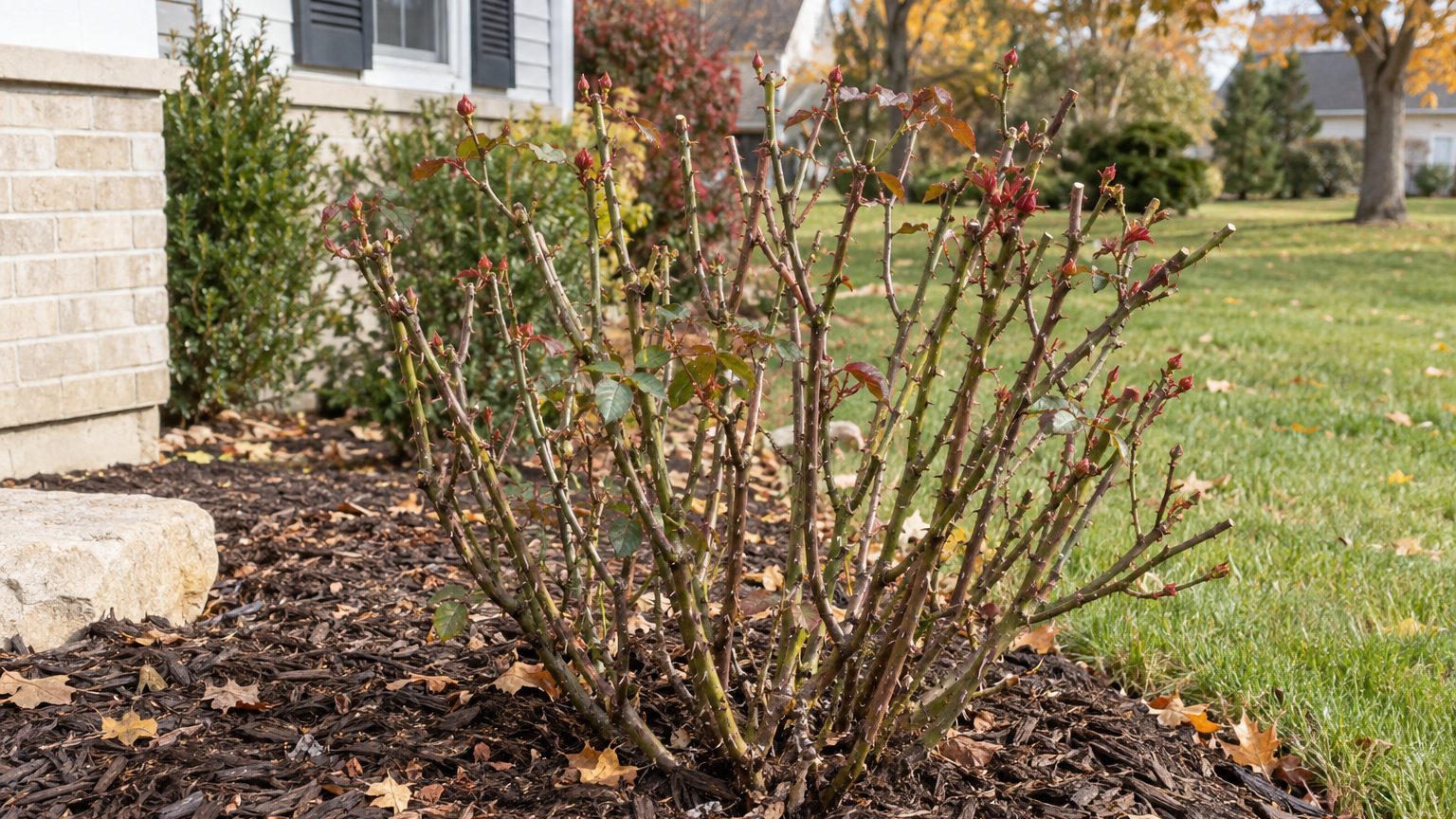
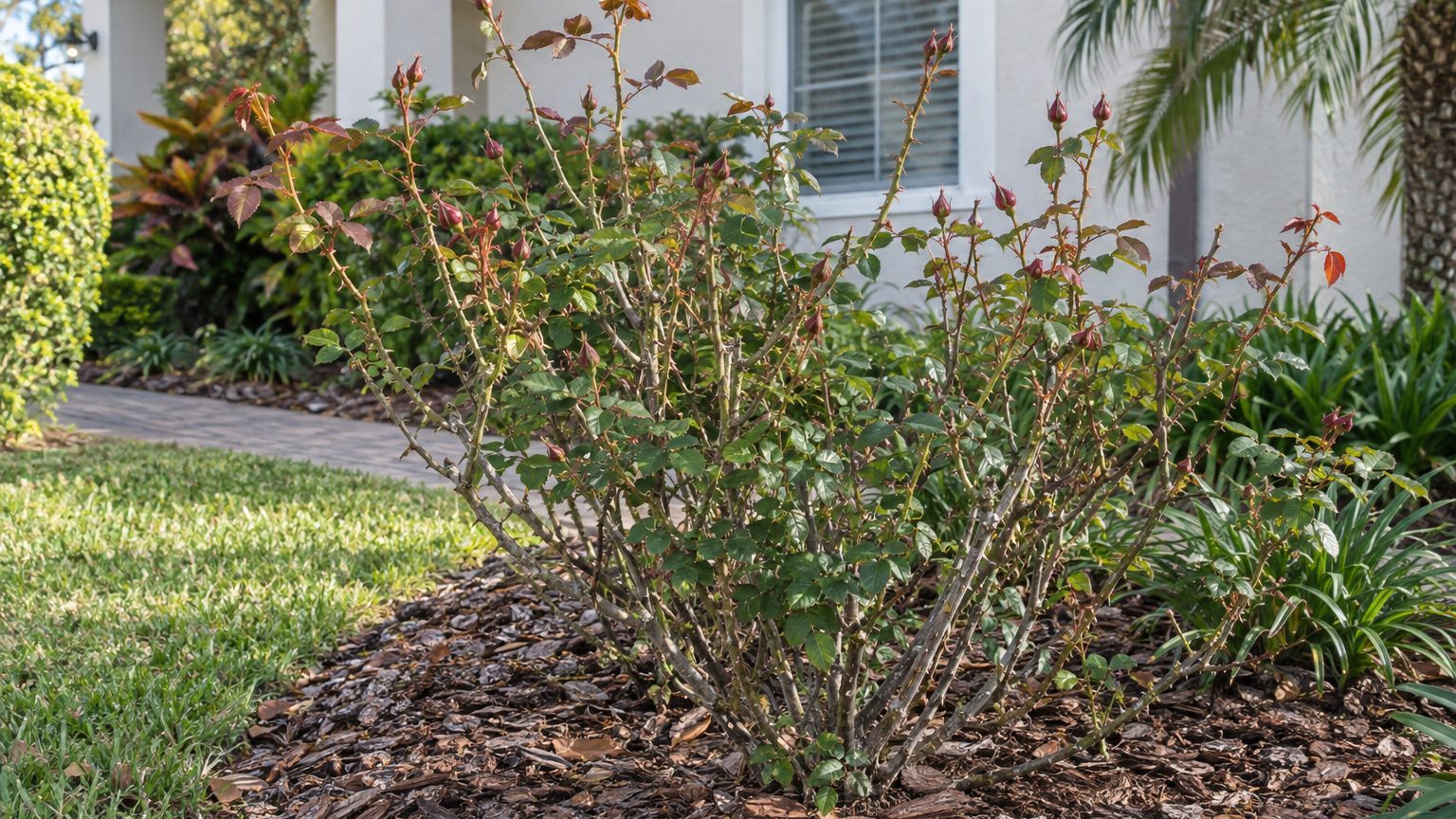
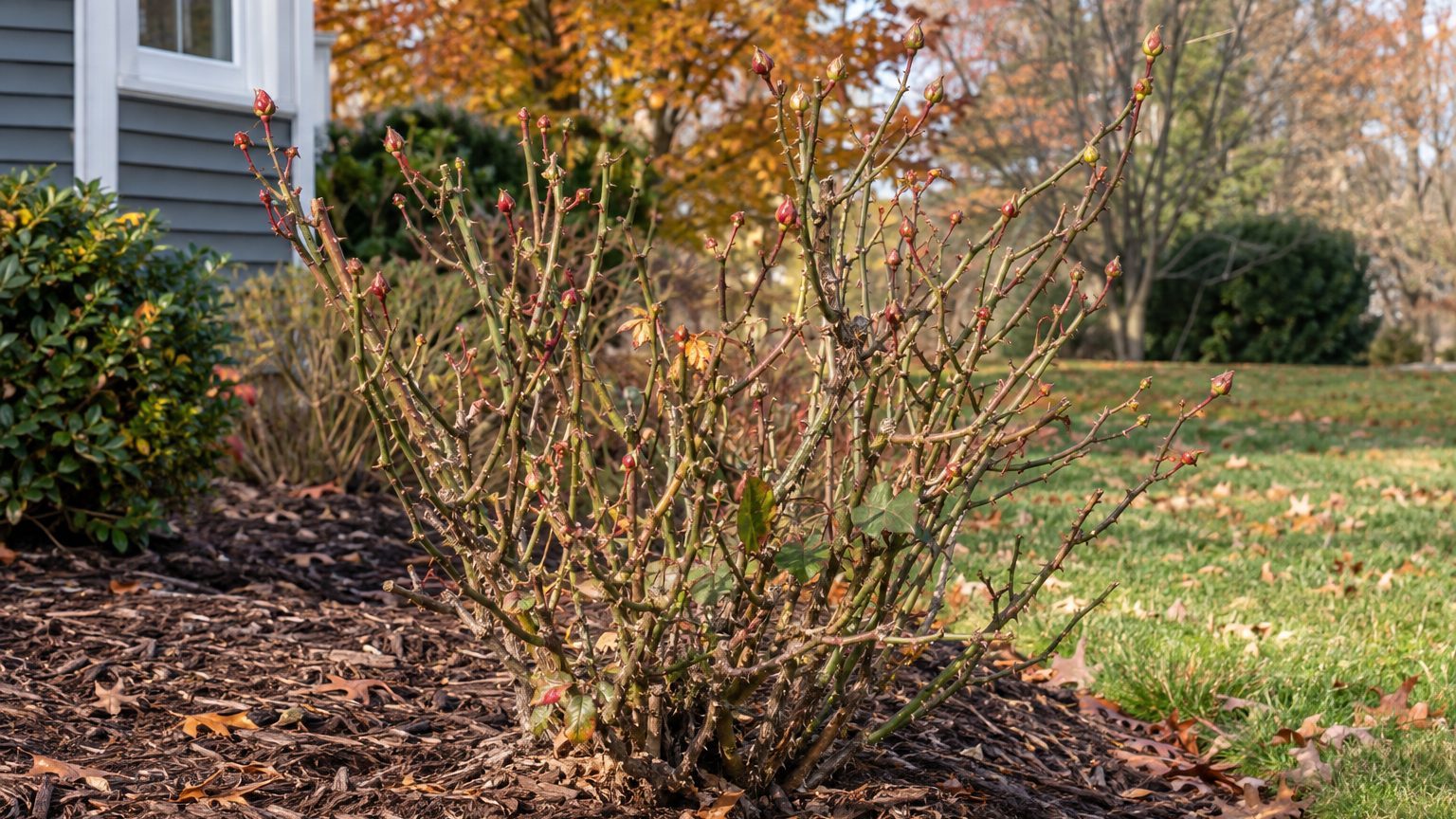
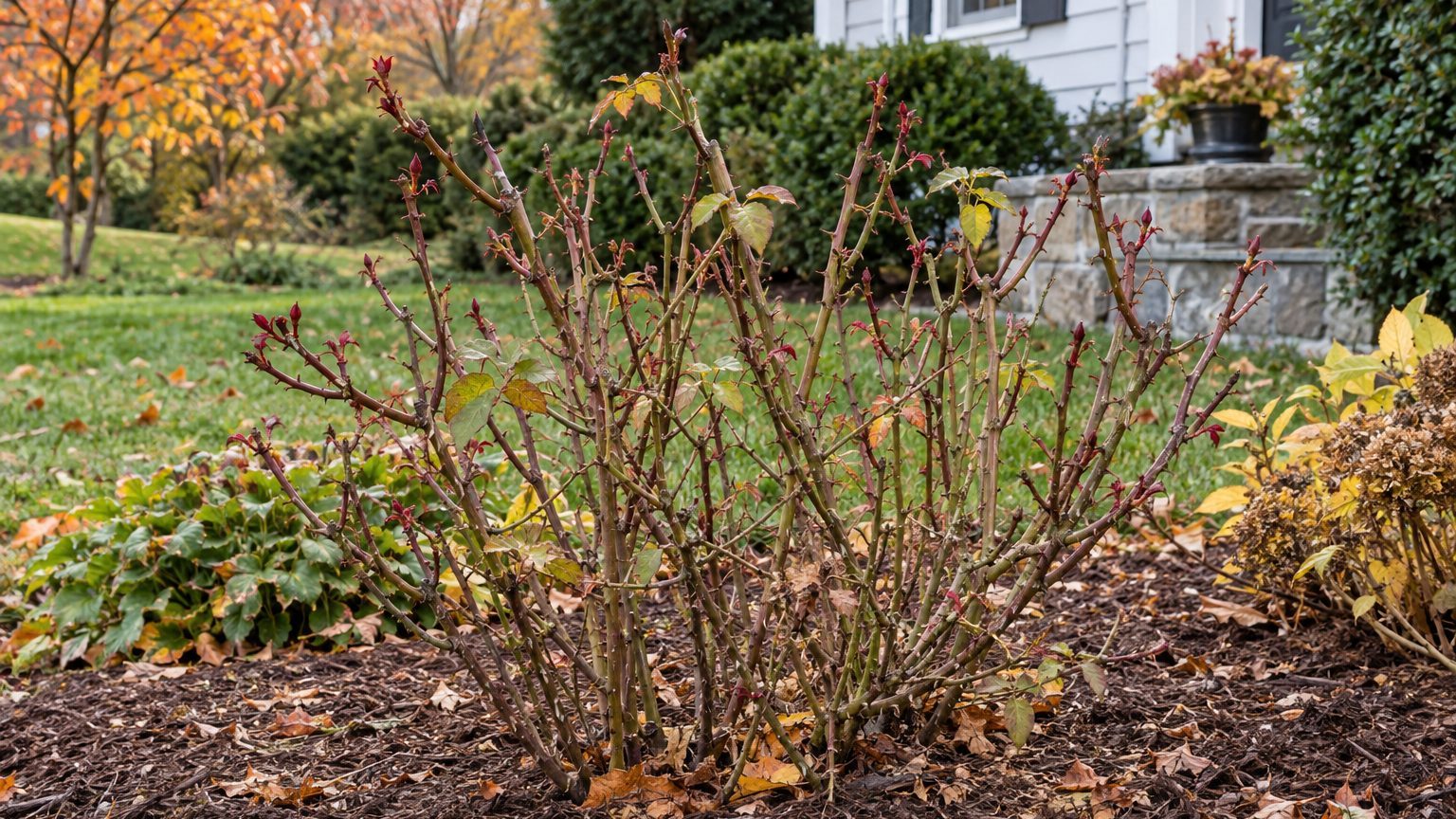
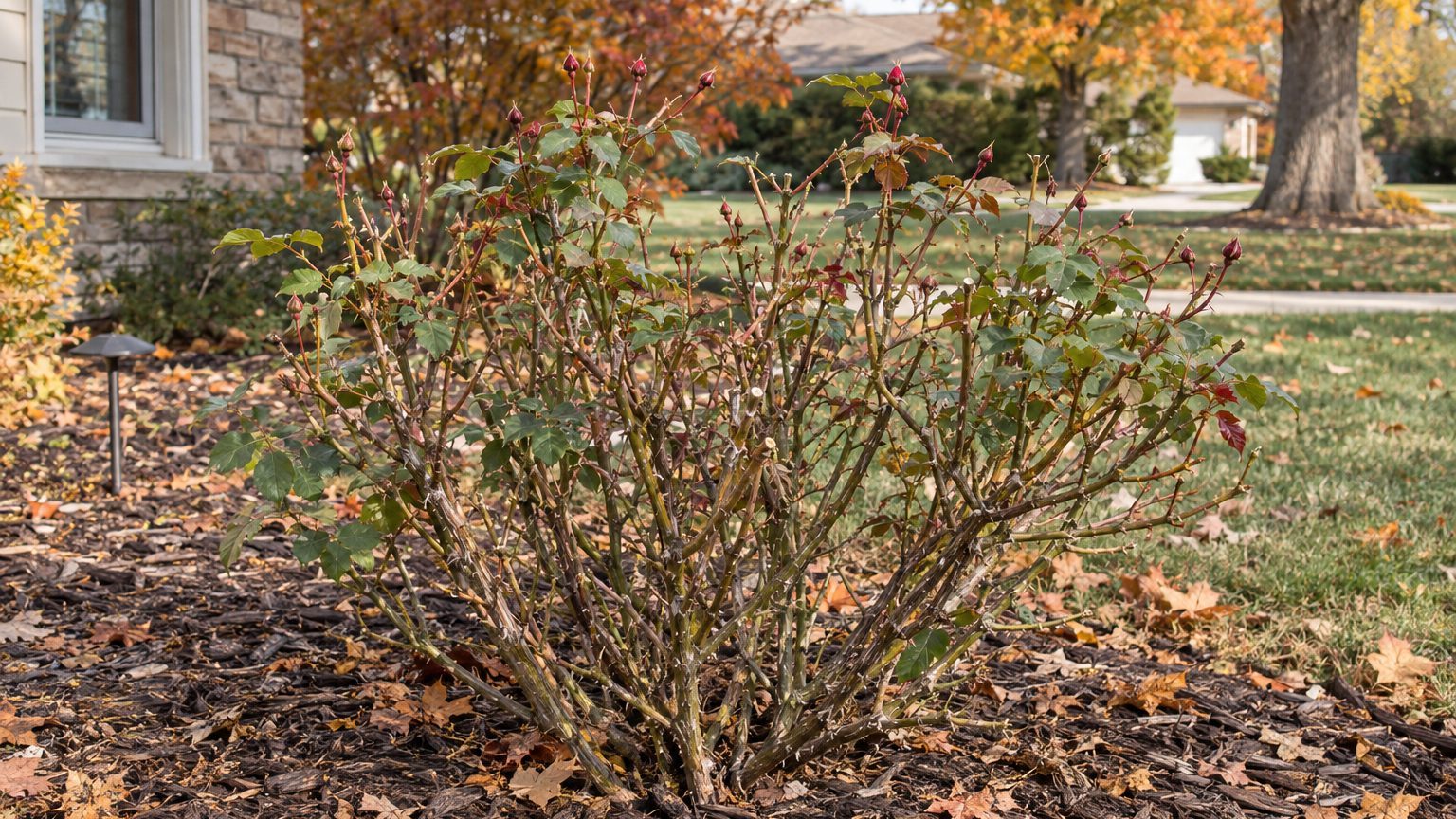
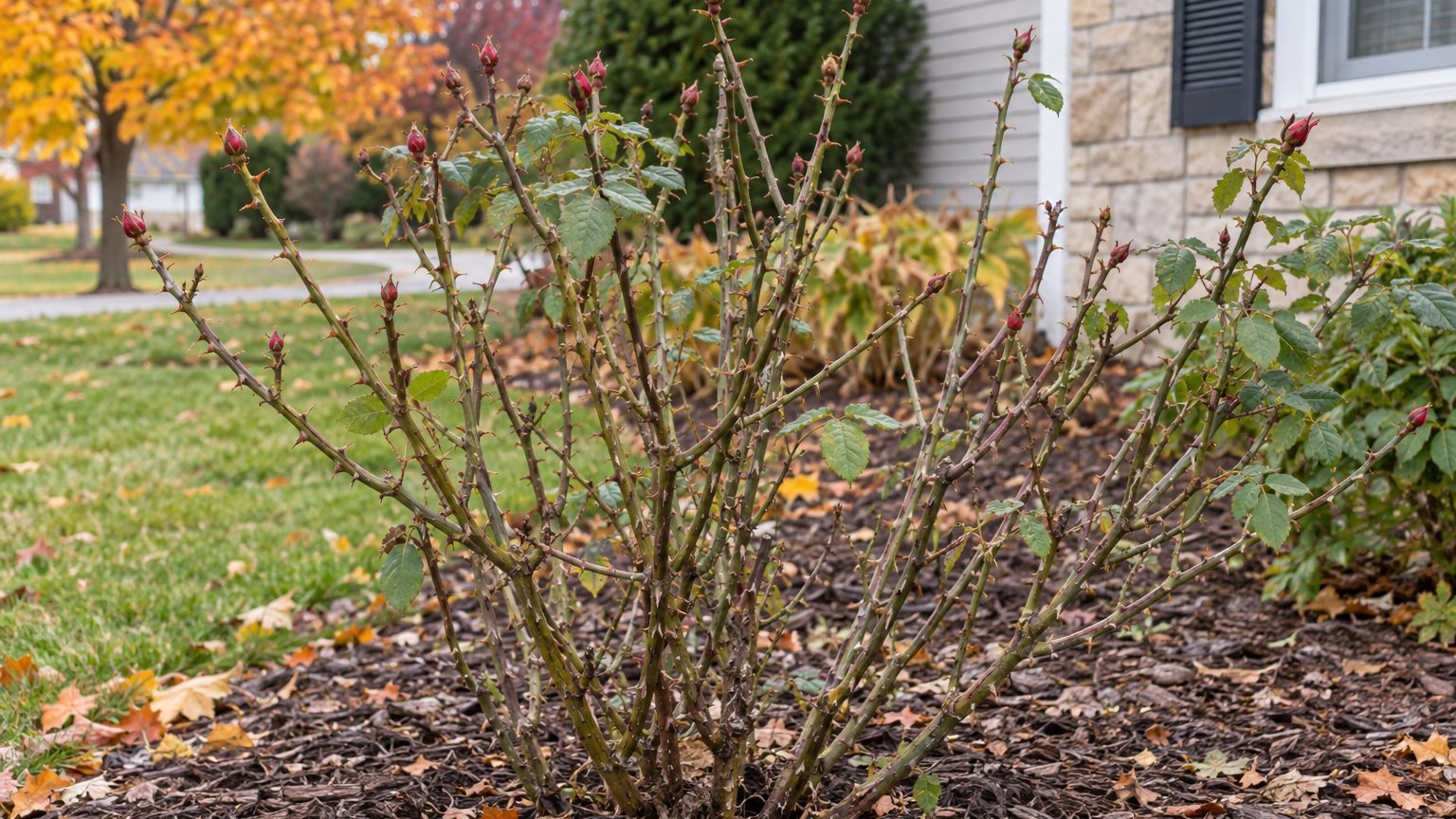
Rose canes at pruning time

Prune repeat-blooming roses in March or April in Kansas. February works as a fallback in an early spring, once the forsythia is in bloom and the winter protection is off.

Once-blooming roses follow a different rule. They flower on last year’s wood, so a spring cut removes the very canes that would carry the blooms.

Type of rose When to prune in Kansas Why
Hybrid teas, floribundas, modern shrub roses March to April, or February in an early spring They bloom on new growth, so a spring cut sets up the season’s flowers
Old garden roses, once-blooming climbers Right after they bloom, never in spring They flower once a year on last year’s wood
Repeat-blooming climbers Spring, after winter protection comes off They flower on new growth through the season

In Kansas, extension advice for hybrid teas, floribundas and grandifloras is to cut canes back to 8 to 12 inches, leaving 3 to 5 healthy ones, and to remove weak, dead, damaged or crossing canes first. Winter protection comes off between mid-March and mid-April, once the ground thaws, so pruning and uncovering usually happen in the same stretch.

How to Tell When Your Roses Are Ready to Prune

Weather varies from one Kansas spring to the next, so the plant itself is a better guide than the date on the wall.

  • Forsythia in bloom tells you spring pruning season has opened, and it is a handy signal because the shrub is common in Kansas yards.
  • Swelling buds on the canes mean the rose is waking up, which is the moment to cut just above an outward-facing bud.
  • A thawed, workable soil means the winter mound or mulch can come off, and that comes before the pruning.
  • Canes that are brown and shriveled inside show winter damage, so keep cutting back until you reach white pith.
  • A stretch of hard freezes behind you, or at least none forecast, means fresh cuts are less likely to be burned by a late cold snap.

Last spring frost at the Kansas reference city falls between April 4 and April 18, and gardens in the suburbs and countryside usually see it later, so check with your own county before trusting that range.

Should You Prune Roses in Fall or Winter in Kansas?

Not much. In fall, the only cut worth making is shortening very long stems so winter wind does not whip the plant around and loosen its roots. Leave the real pruning for spring.

Severe cutting before the plant has gone dormant invites tender new growth that freezes. Winter protection goes on in November, or December if the weather allows, after several killing freezes have put the roses to sleep. Hybrid teas, floribundas and grandifloras need that cover in cold winters, while hardy shrub roses such as Knock Out or the Explorer series do fine without it.

Feeding also stops in late summer, since fertilizer after mid-August pushes soft growth that cold will damage.

How Rose Pruning Dates Shift Across Kansas

Kansas stretches across hardiness zones 5b to 7a (USDA system), so spring arrives at different times from one end of the state to the other.

  • Northern Kansas: Spring warms later here, so wait for the forsythia and swelling buds, and expect to be pruning in April rather than February.
  • Southern Kansas: Warmth comes sooner, so March pruning is common and a February cut in a mild spring is more realistic than farther north.
  • Western Kansas: Higher ground and drier, colder air keep growth back, so watch the buds closely and lean toward the later end of the window.

Wherever you garden, the forsythia and the buds outrank the calendar.

Where to Get Rose Advice in Kansas

Your questions about varieties, winter damage and timing are best answered by K-State Research and Extension and your county extension office, resources for Kansas gardeners.

  • The extension site has rose care fact sheets, worth reading in late winter before the pruning window opens.
  • Your county extension office can tell you how local conditions shift your timing, so call it when the buds begin to swell.

Common Questions

Can You Plant a Rose in Kansas Spring?

Yes. Bare-root roses go in March or April, before growth starts. Container roses can be planted from April through midsummer.

When Should You Feed Roses in Kansas?

Feed from April through July, starting after pruning, again at first bloom, and once more in mid-July. In Kansas, extension advice for hybrid teas is about one-fourth to one-half cup per bush at each feeding.

What Should You Do If Roses Show Winter Damage?

Cut dead canes back to healthy, white-centered wood once the buds swell and new growth shows you where the live wood ends. Dark, dry canes that stay bare when the others leaf out are the ones to remove.
When to Prune Roses in Iowa

When to Prune Roses in Iowa

A rose cane that turns green and plump at the bud in spring is telling you the season has started. In Iowa, that moment decides when the pruners come out, and the answer depends on whether your rose blooms on new wood or old.

When to Prune Roses in Iowa

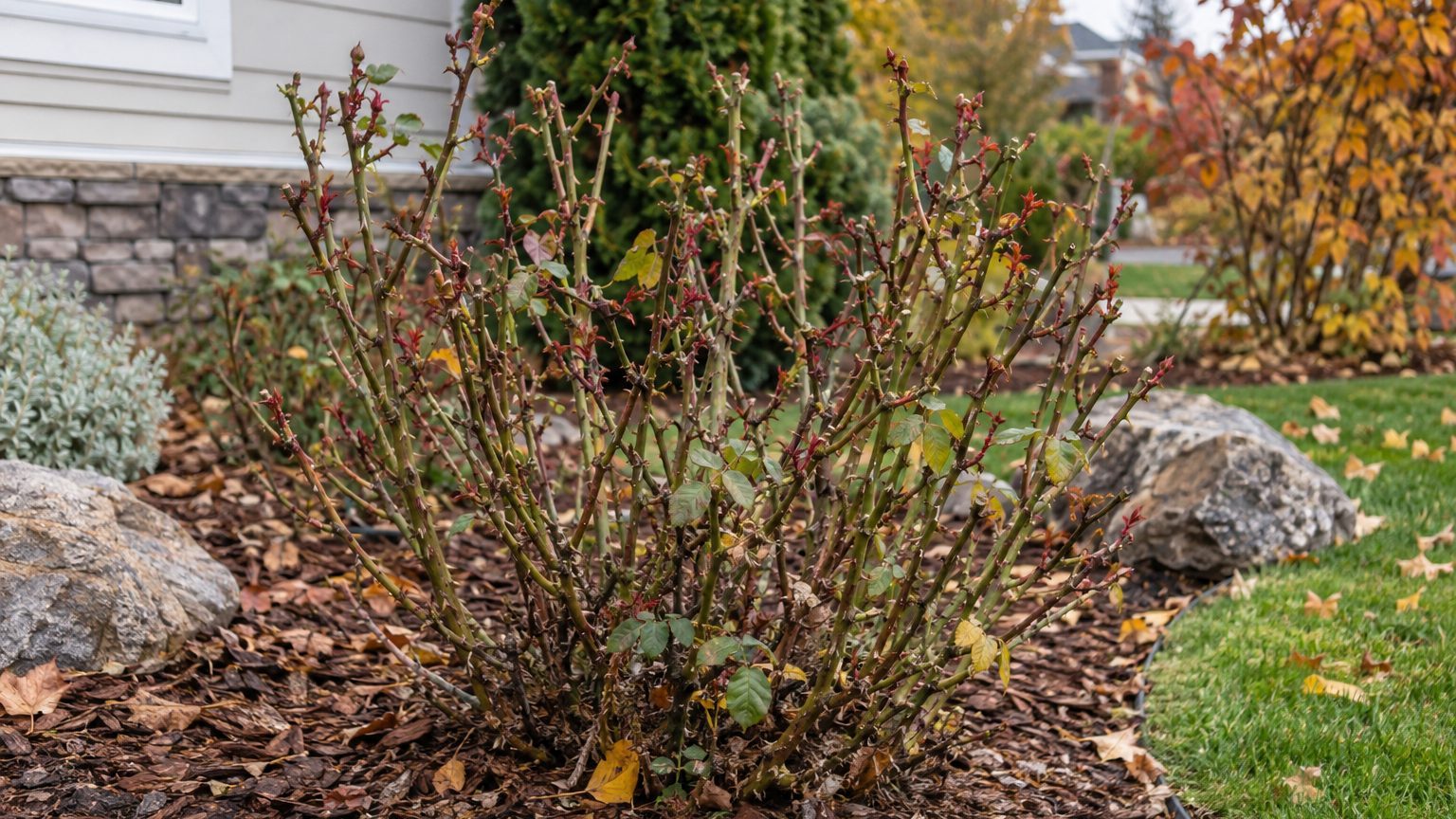
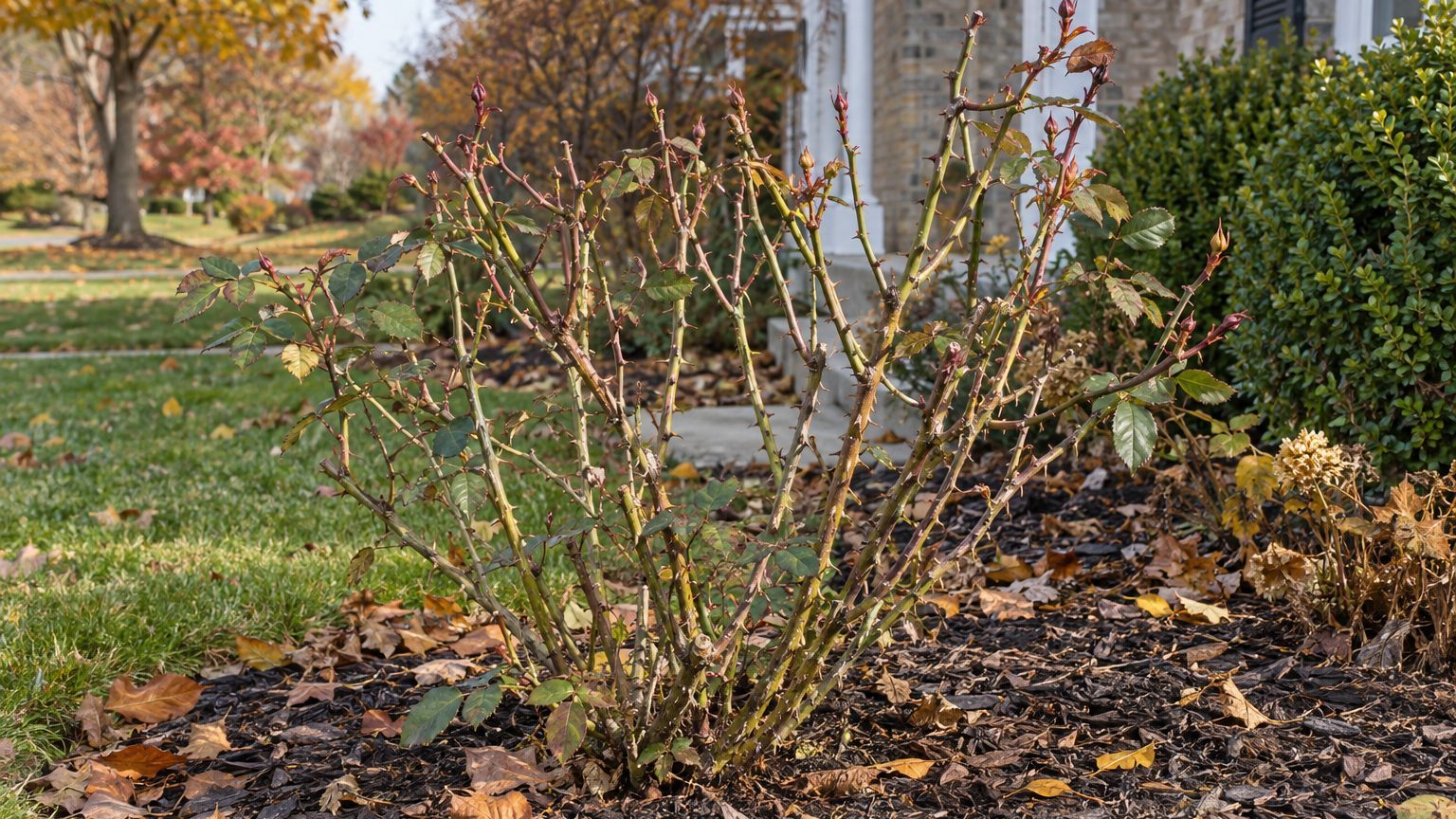
Rose canes at pruning time

Prune repeat-blooming roses in March or April, once the winter protection is off and the buds begin to swell. It can also be done in February if the forsythia is blooming and the winter protection is off. Pruning timed to the buds keeps you from cutting too early and then losing tips to a late cold snap.

Once-blooming roses follow the opposite rule. They flower on last year’s wood, so a spring haircut removes the very canes that would have carried the blooms.

Type of rose When to prune in Iowa Why
Hybrid teas, floribundas, modern shrub roses March to April, or February when the forsythia blooms and the winter protection is off They bloom on new growth, so spring cutting shapes the plant and removes winter damage
Once-blooming old garden roses and climbers Right after they bloom, never in spring They flower once a year on last year’s wood, so spring pruning removes the flower buds
Repeat-blooming climbers Spring, after the winter protection comes off They bloom on the current season’s growth, so spring pruning clears dead wood and encourages new canes

Hardy shrub roses such as Knock Out and the Explorer series perform well without extra winter protection; repeat-blooming shrub roses are pruned in spring. Most climbing roses are not reliably winter hardy in Iowa, so expect more dead cane to remove from them than from a shrub rose.

How to Tell When Your Roses Are Ready to Prune

Your roses give plenty of hints before any date on a calendar does. Watch for these signs in late winter and early spring.

  • Buds along the canes swell and turn from dull red to plump and slightly green, which means the plant is waking up and you can see which canes survived.
  • Forsythia comes into bloom, a dependable local cue that spring pruning of repeat bloomers can begin.
  • The ground thaws, usually between mid-March and early April, which is when the mounded soil, leaves or other winter covering can come off.
  • The winter protection is already removed, since pruning goes much easier once you can see the base of each cane and judge what is alive.
  • Hard freezes have eased, because a cut made too early invites new growth that a late cold night can burn.

Cut back to healthy wood, which is white or cream in the center, and leave brown, shriveled canes for the compost bag.

Should You Prune Roses in Fall or Winter in Iowa?

Save major pruning for spring, though repeat-blooming roses can also be pruned in February when the forsythia is blooming and winter protection is off. The main job in late fall is protecting tender roses, which begins around mid-November after several killing freezes have put the plants fully to rest. Hybrid teas, grandifloras and floribundas need that covering, while most shrub and old garden roses are hardy enough to skip the fuss.

If long canes are whipping in the wind, shortening them a little keeps them from rocking the roots loose. Stop there. A hard cut in fall or midwinter can stimulate growth or leave open wounds during cold weather.

The real pruning waits until spring, when the buds show you what lived through winter. Dead and damaged wood is far easier to spot then.

How Rose Pruning Dates Shift Across Iowa

Iowa stretches a long way from north to south, and the same rose wakes up on a different schedule depending on where it grows. Treat the months above as a frame and let the buds and forsythia set your own week.

  • Wait for the forsythia and for the ground to thaw before uncovering and cutting.
  • Repeat bloomers can be pruned toward the March end of the window, or in February if the forsythia opens early.

Whatever the region, a warm spell in late winter is not a signal to cut. Wait for swelling buds.

Where to Get Rose Advice in Iowa

Local help matters because roses vary a great deal by variety and by the spot in your yard. Good places to start are close to home.

  • Iowa State University Extension publishes rose care guides covering pruning, planting and winter protection, and it is worth a look in late winter before the buds swell.
  • Your county extension office can answer questions about a particular rose and local conditions, so call or visit in early spring when you are deciding what to cut.

Common Questions

Can You Plant Bare-Root Roses in Iowa in Early Spring?

Yes. Dormant bare-root roses go in during March or April, before growth begins. Roses sold in containers can be planted later, from April through midsummer.

When Should You Fertilize Roses After Pruning?

In Iowa, feeding begins in April, with more at first bloom and in mid to late July. Stop at the end of July so new growth has time to harden before winter.

When Does Winter Protection Come Off Roses in Iowa?

Take it off once the ground thaws, typically between mid-March and early April. Do it gradually, then prune once the canes are uncovered and you can see what survived.

When to Prune Roses in Indiana

When to Prune Roses in Indiana

A hybrid tea is ready for spring pruning when its buds begin to swell and green shows at the tips. That timing is the heart of when to prune roses in Indiana, and it changes with the kind of rose you grow.

When to Prune Roses in Indiana

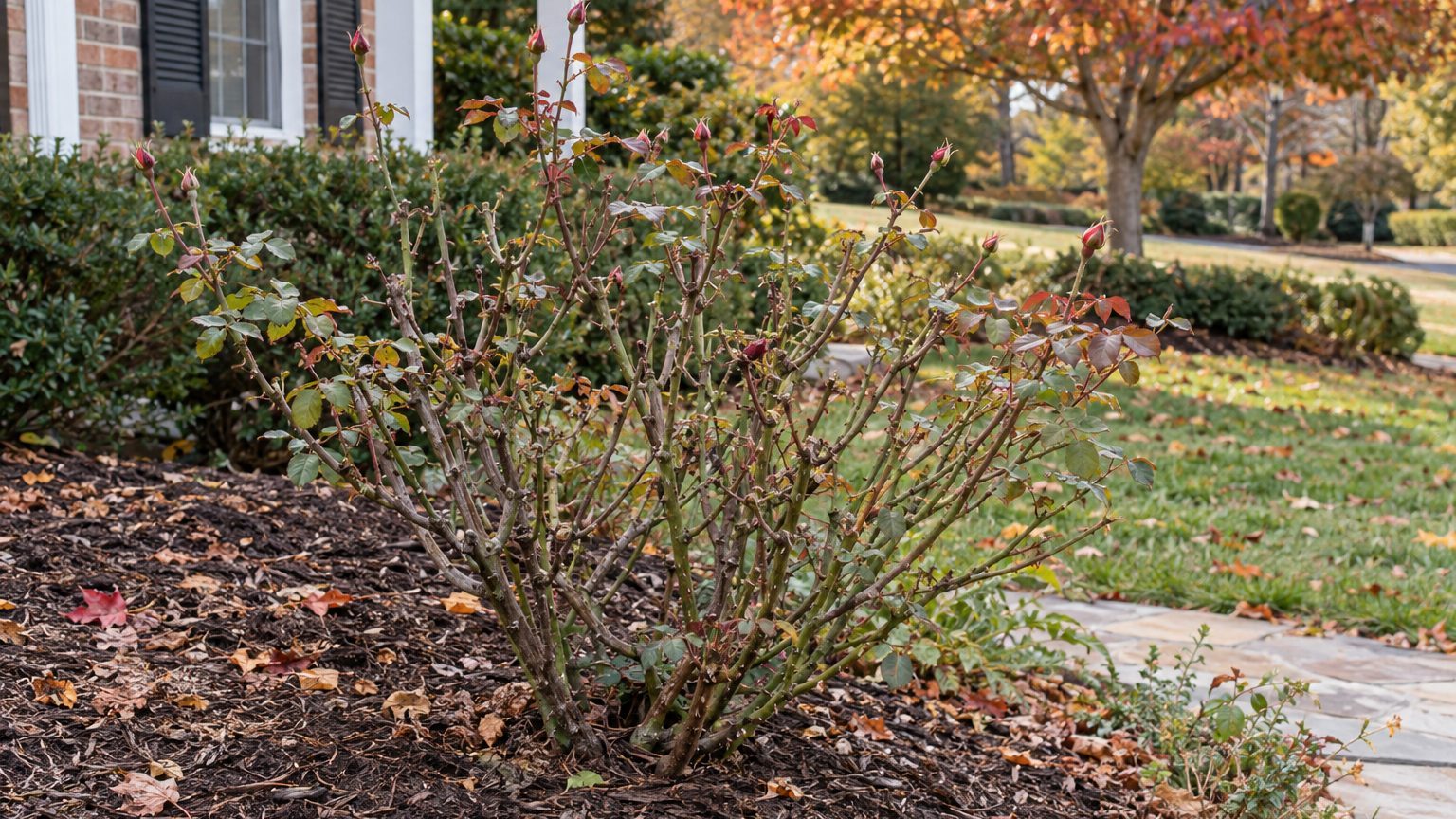
Rose canes at pruning time

Repeat-blooming roses are pruned in March and April in Indiana, and the job can also be done in February once the forsythia is in bloom and the winter protection is off. These roses flower on new wood, so a spring cut sets the shape for the season.

Once-blooming roses work the other way around. They flower on last year’s wood, so a spring haircut removes the buds you were waiting for.

Type of rose When to prune in Indiana Why
Hybrid teas, floribundas, modern shrub roses March to April, or February in early spring They bloom on new growth, so pruning after the winter cover comes off shapes the whole season
Old garden roses, once-blooming climbers and ramblers Right after they finish flowering, never in spring They flower once a year on last year’s wood, and a spring cut removes the buds
Repeat-blooming climbers March to April, after the winter protection is removed They bloom on the current season’s growth, so spring pruning suits them

Pruning follows the buds and the calendar months, not the last frost. At Indianapolis the final 32F freeze usually falls between April 9 and April 21, so a late cold snap can still catch young shoots after an early March cut. Keep a bucket or an old sheet handy to cover new growth on those nights.

How to Tell When Your Roses Are Ready to Prune

The plant gives clearer signals than the calendar, and a few minutes of looking at the canes tells you whether to pick up the pruners.

  • Swelling buds along the canes mean the rose is waking up, and that is the moment to cut back to healthy wood.
  • Forsythia in full yellow bloom is the old garden signal that spring pruning can begin for roses that flower on new wood.
  • A run of hard freezes behind you means new shoots are less likely to be burned back after you cut.
  • Winter mounds and wraps taken off between mid-March and mid-April, once the ground thaws, uncover the canes so you can see what survived.
  • Canes that are brown and shriveled inside, rather than green or creamy white, show winter dieback and should be cut until the center looks healthy.

If the buds have barely moved, wait. Pruning too early can expose fresh growth to a freeze, so wait until the buds begin to move.

Should You Prune Roses in Fall or Winter in Indiana?

Mostly no. Fall and winter are for protecting roses, not for cutting them. Hybrid teas, floribundas and grandifloras need cover in cold winters, and in Indiana the protection goes on in November, or in December, after several killing freezes have put the plants to sleep.

Before winter, shorten only very long canes so the wind does not whip the plant around and loosen its roots. Take them down a little and leave the rest alone.

A hard pruning in autumn encourages tender growth that the cold will damage, and it leaves open cuts through the harshest months. Wait for spring, when the cover comes off and the buds show you where the live wood ends. Hardy shrub roses such as Knock Out or the Explorer series need much less fuss, and they do well without extra protection.

How Rose Pruning Dates Shift Across Indiana

Indiana spans USDA hardiness zones 5b to 7a, so the same month does not mean the same thing everywhere. The months above hold across the state, and the buds decide the exact week.

  • Northern Indiana: Spring arrives later here, so lean toward April, and let the buds and the forsythia tell you when to start. Winter protection stays on longer in the coldest yards.
  • Indianapolis and central Indiana: This is the reference point, with March and April as the working months and a last freeze between April 9 and April 21.
  • Southern Indiana along the river: Spring comes earlier than in the north, so February and March pruning is more likely to suit you, with the buds as your guide.

A sheltered spot against a south wall warms sooner than an open bed, so roses in those spots may not be ready at the same time.

Where to Get Rose Advice in Indiana

Local help is close at hand for questions about particular varieties, winter damage or stubborn canes. Purdue Extension and your county office both know Indiana conditions.

  • Its rose and garden guidance is written for Indiana growers, and it is worth a look before you set out to prune in late winter.
  • Your county extension office can help with a damaged cane or an unidentified rose, so bring a cutting and a photo in spring when the buds start to move.

Common Questions

Can You Prune Roses in Indiana When There Is Still Snow on the Ground?

Snow alone does not stop you, but a cane under cover has not been checked yet. Wait until the mounds come off and the ground has thawed, then cut to green wood.

When Should You Feed Roses After Pruning in Indiana?

Feeding runs from April through July: after pruning, at first bloom, and in mid-July. Stop after July so no soft new growth is left for the cold.

When Should You Plant Bare-Root Roses in Indiana?

Plant them in March or April, before growth starts. Container roses can go in from April through midsummer, so a potted rose is more forgiving if you miss the early window.

When to Prune Roses in Illinois

When to Prune Roses in Illinois

Roses that leaf out in spring tell you what they are doing before you pick up the pruners: the buds fatten, the canes turn from dull to green, and the forsythia nearby goes yellow. Illinois gardeners work with those signals, and the calendar behind them depends on how each rose blooms.

When to Prune Roses in Illinois

Rose canes at pruning time

Prune repeat-blooming roses in March and April, and prune once-blooming roses right after they flower. Repeat bloomers set flowers on new growth, so a spring cut shapes the season ahead. It can also be done in February, once the forsythia is blooming and winter protection is off.

Type of rose When to prune in Illinois Why
Hybrid teas, floribundas and modern shrub roses (repeat-blooming) March to April, or February if the forsythia is already in bloom They flower on the current season’s growth, so cutting out dead and weak wood in early spring costs no blooms
Old garden roses, ramblers and climbers that bloom once Right after the flowers fade, never in spring They flower once a year on last year’s wood, and a spring cut removes the buds

Climbers vary. A climber that blooms once follows the second row, while one that repeats can be tidied in spring after its winter wrap comes off. If the tag is lost, watch how the plant blooms before you cut hard.

How to Tell When Your Roses Are Ready to Prune

Illinois springs swing between warm spells and hard cold, so the plant itself is a better guide than a date on the wall.

  • Swelling buds along the canes mean the rose has left dormancy, and that is the moment to cut just above an outward-facing bud.
  • Forsythia in bloom is the signal many Illinois rose growers wait for, since it tends to arrive after the worst of the cold has passed.
  • Winter protection that has come off, usually between mid-March and mid-April once the ground thaws, tells you the canes are exposed and ready to be inspected.
  • Around Chicago, the last spring frost falls between April 11 and April 22, but forsythia bloom and exposed canes are better pruning cues.
  • Suburban and rural gardens often see the last frost later, so check your own county instead of treating Chicago’s range as a guarantee.

Cut back to green, healthy wood, but wait for milder weather if the forecast looks cold.

Should You Prune Roses in Fall or Winter in Illinois?

Mostly no. In fall, the only cutting worth doing is shortening very long canes so winter wind does not whip them around and loosen the roots. Keep the rest of the shape for spring, because a severe cut in autumn can push tender new growth that the first freezes will kill.

Winter is the season for protection, not pruning. Hybrid teas, floribundas and grandifloras need cover in cold winters, and the mound goes on in November after several killing freezes, or in December if the cold comes late. Hardy shrub roses such as Knock Out or the Explorer series perform well without extra protection.

Illinois spans USDA hardiness zones 5a to 7b, so the amount of cover shifts across the state. A gardener near the colder end should mound more generously than one in the south, and anyone can wait for spring buds before judging how much wood the winter took.

How Rose Pruning Dates Shift Across Illinois

The calendar of March and April holds statewide, but where you fall inside it depends on how far north you garden.

  • Chicago and the northern suburbs: Springs run cooler here, so buds wake later and April is the safer month for the main cut, with the winter mound coming off toward the end of its window.
  • Central Illinois, around Springfield and Champaign-Urbana: Gardeners sit in the middle of the range, and the forsythia is a dependable cue for starting the work.
  • Southern Illinois, toward Carbondale: Warmth arrives sooner, so March is realistic, and February pruning becomes more tempting when the forsythia opens early.

Whichever corner you garden in, let the swelling buds make the final call.

Where to Get Rose Advice in Illinois

Local growers know which varieties came through the last winter and when the forsythia actually opened in your area. Local sources can give you that kind of detail.

  • University of Illinois Extension publishes rose care and pruning guidance, and it is a good first stop in winter while you plan the spring work.
  • Your county extension office can answer questions about a specific plant, so call or visit in late winter, before the buds swell and the cutting begins.

Common Questions

When Should You Feed Roses After Pruning in Illinois?

Feeding runs from April through July: after pruning, at first bloom and in mid-July. Stop by mid-August, because late fertilizer encourages soft growth that winter can damage.

When Can You Plant Roses in Illinois?

Bare-root roses go in during March and April, before growth starts, and May through July is still workable. Container roses can be planted from April through midsummer.

Do Old Garden Roses Need the Same Winter Cover as Hybrid Teas?

Usually not. Many old garden roses tolerate cold very well, while hybrid teas can suffer considerable damage in a hard Illinois winter.

When to Prune Roses in Idaho

When to Prune Roses in Idaho

Rose canes that wintered over start to show swollen, reddish buds once the days lengthen, and that is the cue to pick up the pruners. For Idaho gardeners, the timing depends on how each rose blooms. Repeat bloomers get their cut in spring, while roses that flower once a year wait until their petals have dropped.

When to Prune Roses in Idaho

Rose canes at pruning time

Prune repeat-blooming roses in April, and May works when spring runs cold and the buds are slow to move. Cutting too early can leave fresh growth exposed to a killing frost. In Boise, the last spring freeze falls between April 23 and May 7.

Type of rose When to prune in Idaho Why
Hybrid teas, floribundas and modern shrub roses April, or May if spring is late They bloom on new wood, so a spring cut shapes the season’s flowers and comes before the last hard frost
Old garden roses, ramblers and once-blooming climbers Right after they flower, never in spring They bloom once a year on last year’s wood, and a spring cut removes the buds

Climbers that bloom more than once follow the repeat-blooming rule, with their main pruning in spring. Boise sits in a low valley. Most of Idaho is higher and colder, so gardeners elsewhere in the state should lean toward the later end of these months.

How to Tell When Your Roses Are Ready to Prune

The calendar gives you the month, and the plant tells you the day. These signs are worth checking before the first cut.

  • Buds along the canes swell and turn red or green, which means the plant is waking and you can see where living wood starts.
  • Check the short-term weather so fresh cuts are not followed immediately by a killing frost.
  • Winter mounds of soil or mulch have been pulled away gradually, which lets you see the whole crown and the base of each cane.
  • A test cut shows white or pale green pith inside the cane, while brown, shriveled pith means you keep cutting lower until you reach healthy wood.

If the buds are still tight and nights are still freezing, waiting a little longer costs the rose nothing.

Should You Prune Roses in Fall or Winter in Idaho?

No, not hard. In fall and winter, leave the main pruning of repeat-blooming roses for April, or May when spring runs late. Take off just enough to calm them, and leave the real shaping for spring.

A severe cut in fall can push soft new growth that winter will kill. It also removes wood that helps shield the crown. Hybrid teas, floribundas and grandifloras need extra protection in cold winters, so mound soil over the crown in November, or in October or December if the weather runs early or late.

Take the mound off gradually in April, or in May when spring stays cold. Pruning follows once the buds start to swell.

How Rose Pruning Dates Shift Across Idaho

Idaho’s elevation changes quickly from valley floor to mountain town, and buds wake accordingly. Within the state, the direction of the shift is clear even where exact dates vary.

  • Treasure Valley: Boise and nearby valley towns are lower and milder, so April pruning fits and roses leaf out sooner.
  • Idaho Falls and the Snake River Plain to the east: Winters are colder and springs arrive later, so lean toward May and let the buds guide you.
  • McCall and Sun Valley: Mountain elevation means a short season and late hard frosts, so May is the later option for pruning and removing winter protection, and hardy shrub roses are the easier choice.

Within April or May, let the swelling buds help you choose the day.

Where to Get Rose Advice in Idaho

Local conditions vary enough across the state that a nearby source is worth consulting for your own elevation and microclimate.

  • University of Idaho Extension is where to find University of Idaho Extension guidance on roses, and the best time to look is late winter, before pruning season.
  • Your county extension office can speak to local frost patterns and which roses suit your town, so call in early spring with a photo of your canes in hand.

Common Questions

When Can You Plant Roses in Idaho?

Bare-root roses go in during April or May, as soon as the ground can be worked and while the plants are still dormant. Potted roses can be planted later.

When Should You Feed Roses in Idaho?

Feed roses in May, June and July, and April or August also work. Space feedings every four to six weeks through the growing season. Stop after mid-August so the plant is not pushing tender growth before cold arrives.

Which Roses Need the Least Winter Care in Idaho?

Hardy shrub roses such as Knock Out or the Explorer series perform well without extra protection. Many shrub roses are vigorous and need little care even in severe winters.

When to Prune Roses in Hawaii

When to Prune Roses in Hawaii

Roses in Hawaii yards keep pushing new shoots and buds through the winter months, because the lowlands never get the cold that sends roses in other states dormant. Pruning here follows a month on the calendar, not a frost date. The month depends on whether your rose blooms again and again or only once a year.

When to Prune Roses in Hawaii

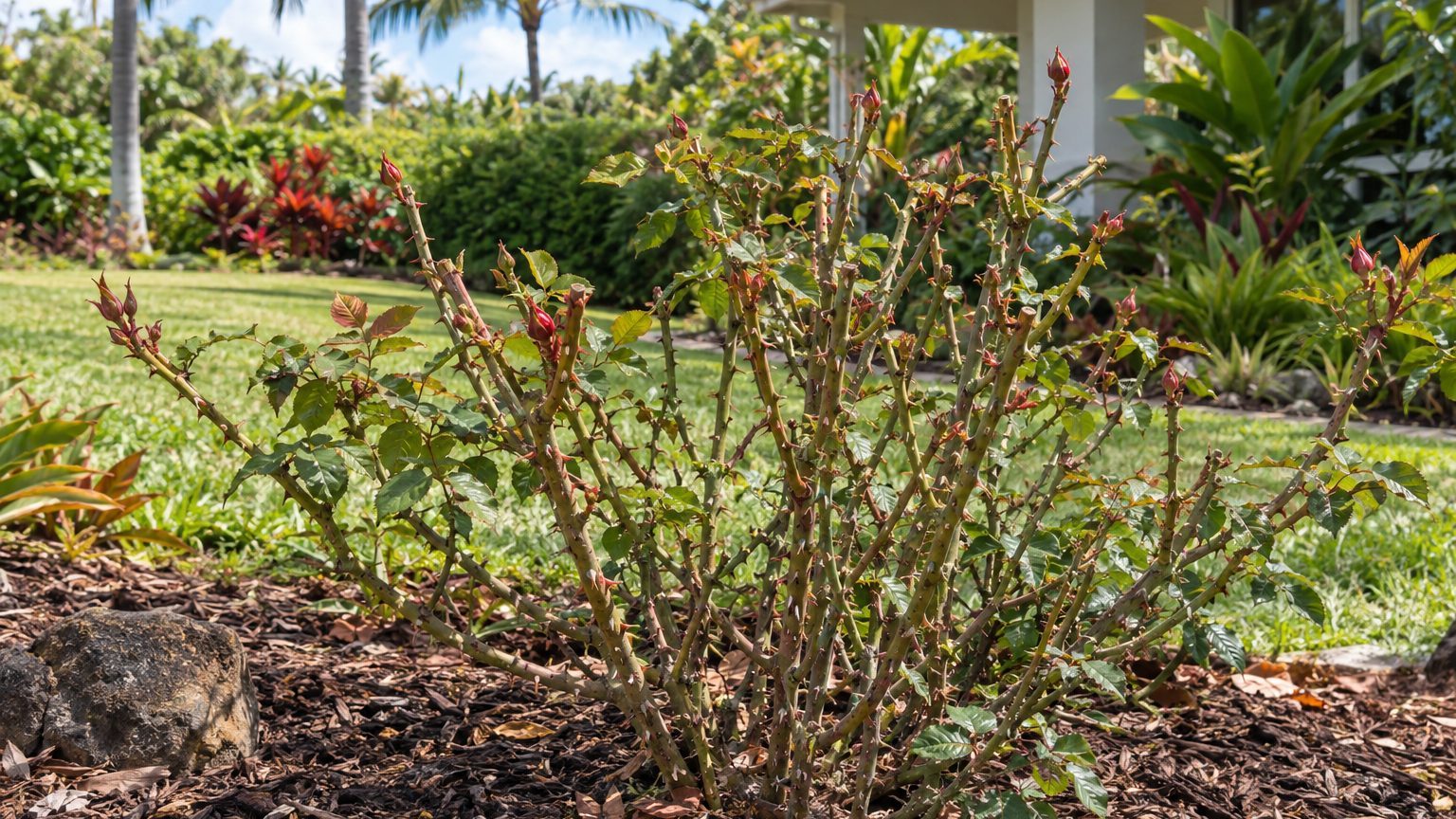
Rose canes at pruning time

Prune repeat-blooming roses in January. In Hawaii, many gardeners cut the bushes back to within 24 inches of the ground in early January. Lowland Hawaii has no frost season, so no freeze date can set the schedule.

The hard cut costs you flowers for a while, but it pays back. The bush loses all its bloom for a time, then produces a burst of color 3 months later.

Rose type When to prune in Hawaii Why
Hybrid teas, floribundas and modern shrub roses (repeat-blooming) January, with many gardeners cutting back to 24 inches in early January The cut removes all bloom for a time and sets up a strong flush 3 months later
Old garden roses, ramblers and many climbers (once-blooming) Right after they bloom, never in early spring They flower once a year on last year’s wood, so a spring cut removes the flowers

Climbers that bloom again and again have no month of their own in the Hawaii calendar. Climbers that flower once a year follow the second row, and the cut comes when the last flowers fade.

How to Tell When Your Roses Are Ready to Prune

Signs that work in colder states, such as swelling buds or a hard freeze that has passed, mean little where roses never stop growing. These are the cues that apply in Hawaii.

  • Early January arrives, which is the cue for repeat-blooming roses, since a bush at sea level grows and flowers all year and never gives you a dormant moment to wait for.
  • You are not waiting on a freeze, because lowland Hawaii has no frost season and no cold spell to see out before you cut.
  • There is no winter mound to pull off, since roses in Hawaii yards are not hilled up for protection.
  • The last flowers on a once-blooming rose are fading, which tells you the cut can happen now, while the plant is setting the wood for next year’s bloom.
  • The bush is still a repeat-bloomer in full flower in December, which says to hold off, because the cut removes all bloom for a time and January is the month for it.

Rainfall and exposure shape how the plant looks from month to month, but they do not move the January cut for repeat-bloomers.

Should You Prune Roses in Fall or Winter in Hawaii?

Winter, specifically January, is the pruning month for repeat-blooming roses. Fall is not. Nothing in the guidance for Hawaii calls for cutting repeat-bloomers in the fall, and a hard cut then would leave the bush without flowers for a time.

Between cuts, roses here do not rest. Feeding continues all year, so a fall rose is a working plant, not a sleeping one. Once-blooming roses are the exception to the winter rule, since they get pruned right after flowering, whatever month that falls in.

How Rose Pruning Dates Shift Across Hawaii

Hawaii has no frost-based calendar, so rainfall, elevation and exposure to the wind do the shaping. January remains the pruning month in Hawaii’s inhabited areas.

  • Sea level on any island: Roses grow and flower throughout the year in the warm climate, so the January cut for repeat-bloomers applies as written.
  • Windward and leeward sides: Rainfall differs between them, and it affects how the plants grow and how you water. The extension guidance gives no separate pruning month for either side.
  • Mauna Kea, Mauna Loa and Haleakala: Frost shows up only on these high volcanic summits, never where people garden, so it does not enter a rose calendar.

Hardiness zones in Hawaii cover a wide spread of conditions, so a garden high on a slope may behave differently from one by the shore. Local advice fills that gap.

Where to Get Rose Advice in Hawaii

Local experts can help with questions about a specific yard, a specific slope or a rose that looks off. The state’s land-grant extension service and your county office both handle them.

Common Questions

Can You Plant a Rose in Hawaii in Summer?

Yes. Dormant bare-root roses are usually available in spring, but they can be planted at any time of year in Hawaii.

How Often Should You Feed Roses in Hawaii?

Feed them every 4 to 6 weeks, all year. For organic fertilizers, the Hawaii guidance gives a rate of 3/4 pound per 100 square feet at each feeding.

Do Roses Grow Well in Hawaii?

They do. Roses thrive in a wide variety of climates in Hawaii, and in the warm climate at sea level they grow and flower throughout the year.

When to Prune Roses in Georgia

When to Prune Roses in Georgia

Rose canes look dead and brown for most of winter, and the temptation to cut them back comes early. In Georgia the timing depends on the kind of rose you grow, and the pruning window shifts from the coast to the mountains.

When to Prune Roses in Georgia

Rose canes at pruning time

Prune repeat-blooming roses in February and March, as the buds swell. That means hybrid teas, floribundas and modern shrub roses. Roses that flower only once on last year’s wood follow a different rule and are cut after they bloom.

Type of rose When to prune in Georgia Why
Repeat-blooming roses (hybrid teas, floribundas, modern shrub roses) February and March, when the buds start to swell They bloom on new growth, so a hard cut in spring sets up the season’s flowers
Once-blooming roses (old garden roses, ramblers, many climbers) Right after they finish flowering, never in early spring They flower on last year’s wood, so a spring cut removes the blooms

Buds swell around mid-February in the southern part of the state, and by mid-March in the northern part, so your own date slides within those months. Climbers fall on one side or the other of this line. A climber that flowers just once follows the after-bloom rule, while one that keeps blooming is handled like the other repeat bloomers.

How to Tell When Your Roses Are Ready to Prune

The roses themselves give the signal, and a few quick checks in the yard will confirm it.

  • Look at the buds along the canes, because once they begin to swell the rose is leaving dormancy and the pruners can come out.
  • Think about where you garden, since swelling starts earlier in southern Georgia and later in the northern part of the state.
  • Check the forecast before you cut, because pruning stimulates tender new growth that a hard freeze can damage.
  • Wait a little longer if the calendar says February but the buds are still tight, since the buds set the date more than the month does.

A rose that has already leafed out in a warm spell can still be pruned. Cut back to healthy wood and the plant will recover.

Should You Prune Roses in Fall or Winter in Georgia?

For repeat-blooming roses, the answer is no heavy pruning in fall or early winter. The months set aside for the main cut are February and March, when the buds are ready to break. A severe cut before then only invites new growth that cold weather can catch.

Once-blooming roses stay off the fall and winter schedule too. Their flowering wood formed last year, so cutting it in cold weather throws away the coming bloom. Leave them alone until they flower, then prune right after. For anything else in the cooler months, there is no recommended pruning job beyond removing wood that is plainly dead or broken.

How Rose Pruning Dates Shift Across Georgia

Georgia stretches from the coast to the mountains, and pruning follows the buds from south to north.

  • South Georgia and the coastal plain: Winter is milder here, so the buds swell first, around mid-February. You can start pruning repeat bloomers earlier than your neighbors to the north.
  • North Georgia: Buds hold off until about mid-March. Cutting in February on the strength of a warm week risks exposing new growth to another cold snap.
  • The mountains of north Georgia: Cold lingers longer and fall frosts arrive sooner than in Atlanta, so roses wake later. Let the buds decide rather than a fixed date.

Atlanta sits in the middle of this range, and its city warmth can run a little ahead of the surrounding countryside.

Where to Get Rose Advice in Georgia

Local help is close by, and it is tailored to your soil and your part of the state. University of Georgia Extension runs an office in every county.

  • The county extension office can answer questions on pruning timing for your area, so call or visit when the buds begin to swell.
  • Extension publications cover rose selection and care, and they are worth a read before you buy new plants in late winter.
  • Bring a cane or a photo of the problem to the county office if a rose looks sick, since the staff can help identify it.

Common Questions

Can You Plant Bare-Root Roses at Pruning Time?

Yes. February and March suit bare-root roses well, while January, April, November and December can also work. In Georgia, extension advice for February planting is to space roses 5 to 6 feet apart, which leaves room for the plants to fill out. Potted roses can go in later.

When Should You Feed Roses in Georgia?

Feed monthly from March through September. Without a soil test, the Georgia recommendation is three tablespoons per plant of 16-4-8 or 12-4-8 fertilizer. A fresh pruning in February or March leads into feeding season.

Which Roses Need Less Spraying?

Shrub roses generally need few chemical controls. Hybrid teas are more susceptible to disease and need an effective spray program in place before the growing season starts. Choosing a shrub type is the easier path if you would rather spray less.

When to Prune Roses in Florida

When to Prune Roses in Florida

A rose cane that greens up in a mild Florida January is easy to mistake for a signal to start cutting. Timing here depends on where you garden and on how your rose blooms, so a hybrid tea and an old garden rose follow different schedules. Cut at the right moment and the bush rewards you with strong new growth through the warm months.

When to Prune Roses in Florida

When to Prune Roses in Florida

In North and Central Florida, repeat-blooming roses are pruned in February, and January or March also works if the weather or your schedule gets in the way. South Florida cuts earlier, in December.

Type of rose When to prune in Florida Why
Repeat-blooming roses (hybrid teas, floribundas, modern shrub roses) February in North and Central Florida, or January or March if needed They flower on new wood, so a cut before the spring push sends up fresh flowering canes.
The same roses in South Florida December, and sometimes a second cut later in the year Frost is not a concern there, so the main cut moves to the start of winter.
Once-blooming roses (old garden roses, ramblers, many climbers) Right after they bloom, never in early spring They flower on last year’s wood, so a spring cut removes the flowers you are waiting for.

Repeat-blooming climbers need separate treatment, so check how your variety flowers before you pick a month, or ask the county office. Hybrid teas in particular are high-maintenance roses in Florida, and timely pruning helps keep them tidy and productive.

How to Tell When Your Roses Are Ready to Prune

Months set the window, and the plant itself tells you when inside it to pick up the shears.

  • Swelling buds along the canes mean the rose is waking up, which is the moment to cut back to a healthy outward-facing bud.
  • In North Florida, check the forecast before pruning because a hard freeze can burn tender new growth. At Jacksonville, the last spring freeze usually falls between February 16 and March 7.
  • In Central and South Florida, there is no freeze to wait for, so the calendar month and the buds are your only guides.
  • A tired, leggy bush at the start of winter in South Florida is ready for its main cut in December.
  • Spent flowers on an old garden rose or a once-blooming climber mean the pruning window has just opened for that plant.

A cane that has dried to brown or black pith is dead wood, and you can remove it at any of these moments.

Should You Prune Roses in Fall or Winter in Florida?

Fall is for feeding, not cutting. Nothing in Florida’s rose calendar calls for pruning in autumn, and monthly fertilizer continues until mid-November, which tells you the plants are still growing. A heavy cut then would push tender new shoots just as the season turns.

Winter is when the major pruning happens. In North and Central Florida that means January or February, and in South Florida it means December. A light tidy-up of dead or damaged wood is all you need at other times.

Winter is also when dormant, bare-root roses go into the ground, so planting may fit the same weekend as pruning.

How Rose Pruning Dates Shift Across Florida

Florida stretches across enough climate that the same rose gets cut at different times depending on how far south you live.

  • North Florida, around Jacksonville: Freezes still visit, so pruning waits for late winter, and a cold snap can nip tender new growth. Potted roses also do better planted in early spring here than in the middle of winter.
  • Central Florida, around Orlando: Frost is rare enough that late winter pruning is about the rose’s own rhythm, not a freeze deadline. Summer heat and humidity are the harder test, so the bush needs to be strong going into them.
  • South Florida, around Miami: The calendar runs ahead of the rest of the state, with the main cut at the start of winter and sometimes a second one later. Roses here grow through winter, and summer is the season to protect them.

If your yard sits near a boundary between regions, follow the buds on your own bushes over the date on the calendar.

Where to Get Rose Advice in Florida

Variety, soil and microclimate all affect timing, and local experts know your county better than a general schedule can. Start with the state’s extension service and its county offices.

  • The University of Florida Extension site has rose care guides, so read up on your variety before pruning season.
  • Your county extension office can identify a problem from a cane or a leaf, so bring a clipping when black spot or dieback appears.
  • Master gardener volunteers at the county office answer questions about local conditions, so call before the buds swell.

Common Questions

When Should You Plant Bare-Root Roses in Florida?

December or January suits dormant bare-root roses, with February or March as a later option. Potted roses are more flexible and can go in year-round, except in North Florida, where early spring is the better time.

How Often Should You Fertilize Roses in Florida?

Use a rose fertilizer with micronutrients once a month, from mid-February to mid-November in North and Central Florida. In South Florida the monthly feeding can continue all year.

Which Roses Do Well in Florida?

Roses came from Asia and are not used to Florida’s heat and humidity, so choose carefully. Old garden roses such as ‘Louis Philippe’, ‘Mutabilis’ and ‘Mrs. B.R. Cant’ do well, as do Knock-Out and Drift roses. Any grafted rose should be on Fortuniana rootstock.

When to Prune Roses in Delaware

When to Prune Roses in Delaware

Rose canes go through a Delaware winter looking half dead, and the urge to grab the pruners comes early. Waiting pays off, because the right moment is set by the roses waking up, not by the first mild afternoon. Timing also depends on whether a rose blooms again or only once a year.

When to Prune Roses in Delaware

Rose canes at pruning time

Prune repeat-blooming roses in March in Delaware. February and April also work when the weather or the buds push you that way. Roses that bloom only once a year follow a different rule and are pruned right after their flowers fade.

Type of rose When to prune in Delaware Why
Repeat-blooming roses (hybrid teas, floribundas, modern shrub roses) March, or February or April if the season runs early or late They flower on new growth, so a hard spring cut sets up the season’s blooms
Once-blooming roses (old garden roses, ramblers, many climbers) Right after the flowers fade, never in spring They flower on last year’s wood, so a spring cut removes the buds

Climbers that repeat bloom behave like the other repeat bloomers and take their pruning in spring, once winter protection is off. Old garden roses need less cutting than modern ones. A hard cut ruins their graceful shape and cuts into the flowering.

How to Tell When Your Roses Are Ready to Prune

March is the month to aim for, but the plant itself gives the final signal, and a few signs in the yard line up with it.

  • The buds along the canes swell and turn plump, which tells you the rose has left dormancy and you can see which buds are alive.
  • Forsythia comes into bloom nearby, a familiar signal that pruning season has opened for repeat-blooming roses.
  • The hardest freezes of winter are behind you, so new growth stimulated by pruning is less likely to be burned back.
  • Any winter mound of soil or mulch has been pulled away from the base, because pruning goes best when you can see the whole plant.
  • Canes show green or white pith when cut, while brown and hollow centers mark wood that died over winter and needs to come out.

If a warm spell wakes the buds in February, that is the plant telling you the calendar is running early, and a cold April simply pushes the job later.

Should You Prune Roses in Fall or Winter in Delaware?

For repeat-blooming roses, fall and winter are not pruning months here. Their cuts belong in March, with February and April as the fallback. A hard cut in autumn invites tender new growth that winter can damage, and it removes canes that would otherwise protect the crown.

The one trim that makes sense before spring is modest. If very long canes whip around in winter wind, shorten them a little so they do not rock the plant at the roots. Leave the real shaping and the heavy cutting until the buds swell.

Feeding follows the same logic. Roses are fed from April through August, with March possible, so the plant is not pushed into soft growth as cold weather approaches. Once-blooming roses get their pruning after flowering, which also lands well before winter.

How Rose Pruning Dates Shift Across Delaware

Delaware sits in USDA hardiness zones 7a to 8a, and other parts of the territory differ, so the calendar months are a guide while the buds decide the exact week.

  • Wilmington and northern New Castle County: Suburban and rural yards here often stay colder later than the city, so lean toward the later end of March or into April before you cut.
  • Dover and Kent County: Gardens in the middle of the state fit March well. Check the buds before you start, since a sheltered spot wakes sooner than an open field.
  • Lewes, Rehoboth Beach and coastal Sussex County: Water near the coast softens the cold, so roses there often wake earlier. February is more realistic here than farther inland.

Wherever you garden, a south-facing wall or a windy open lot can move your roses ahead or behind a neighbor’s by a noticeable margin.

Where to Get Rose Advice in Delaware

Questions about a stubborn rose or a specific variety are easiest to settle with local help. University of Delaware Cooperative Extension covers the state, and your county office knows local conditions.

  • The state extension site carries research-based guidance on roses and other garden plants, and it is worth checking before the buds swell in late winter.
  • Your county office can answer questions about your own soil, microclimate and plant problems, so call or visit in early spring when pruning decisions come up.

Common Questions

When Can You Plant Bare-Root Roses in Delaware?

March and April are the months for bare-root roses, and February also works if the ground can be dug. Potted roses can go in later than bare-root ones, which makes them the easier choice if spring slips past you.

When Should You Feed Roses in Delaware?

Feeding runs from April through August, starting once the first leaves open. March is possible in a warm season. Stopping after August keeps the plant from making soft new growth that winter can damage.

Do Old Garden Roses Need Hard Pruning?

No. Old garden roses need far less cutting than hybrid teas and floribundas, and a hard prune spoils their natural shape and cuts the bloom. Take out dead wood and thin them lightly right after they flower.

When to Prune Roses in Connecticut

When to Prune Roses in Connecticut

A rose bed in Connecticut starts to look different once the mound of mulch comes off and the buds on the canes begin to swell. That is the moment most roses are ready for the pruners, and a few types are not. Timing depends on whether the rose blooms on new wood or on last year’s wood.

When to Prune Roses in Connecticut

Rose canes at pruning time

Prune repeat-blooming roses in March and April. If a mild stretch arrives early and the forsythia is already in bloom with the winter protection off, the job can also be done in February.

Roses that bloom only in a single flush follow a different rule. They flower on last year’s wood, so a spring haircut removes the very stems that carry the flowers.

Type of rose When to prune in Connecticut Why
Hybrid teas, floribundas and modern shrub roses (repeat-blooming) March to April, with February possible when the forsythia is in bloom They flower on new growth, so spring cuts shape the stems that will bloom, and the winter protection is off by then.
Old garden roses and once-blooming climbers Right after they finish blooming, never in spring They bloom in one flush on last year’s wood, and spring pruning would cut off the flower buds.

Repeat-blooming climbers sit between the two. They flower on new growth like other repeaters, so they are pruned in spring once the winter protection comes off. Hybrid teas, floribundas and grandifloras are the roses most likely to need that protection in the first place, which is why their pruning waits until it is removed.

How to Tell When Your Roses Are Ready to Prune

Connecticut springs swing between mild spells and cold snaps, so the plant itself is a more dependable guide than a date on the wall.

  • Buds along the canes are swelling and turning plump, which tells you the rose is waking up and you can see which stems survived the winter.
  • Forsythia is in bloom, a long-trusted signal among rose growers that the pruning season has begun.
  • The winter mound or collar has been pulled back from the base of the plant, since pruning comes after protection is removed and not before.
  • The ground has thawed enough to work, so the roots are active and the canes will not be left exposed to a deep freeze right after cutting.
  • The hardest freezes are behind you, which means new growth that follows your cuts is unlikely to be burned back.

Buds that swell during a warm week in late winter are a reason to get ready, not to cut, so wait until the cold has truly loosened its hold.

Should You Prune Roses in Fall or Winter in Connecticut?

No. The calendar favors March and April, though February can work when the forsythia blooms and winter protection is off. The only fall cut worth making is shortening very long canes a little so wind does not whip them around, and nothing more than that.

What belongs to the cold months is protection. Mound or cover the plants in November, after several killing freezes have put them into dormancy, and December works too. Hybrid teas, floribundas and grandifloras need that cover in cold winters.

Hardy shrub roses such as Knock Out or the Explorer series perform well without extra protection, so they can go into winter with only a light tidy.

How Rose Pruning Dates Shift Across Connecticut

USDA hardiness zones run from 6a to 7b across the state, and spring arrives at different times along that gradient.

  • Bridgeport and the Long Island Sound shoreline: this is a milder part of the state, with the last spring freezes coming earlier than inland. Roses here lean toward the March end of the pruning window, and February is more realistic here than anywhere else.
  • Litchfield Hills and the northwest corner: freezes linger later in spring, so buds swell later. Aim for April, and let the forsythia and the swelling buds decide.

In between, follow the same signs and keep your own garden’s pace in mind, since a rose by a sheltered south wall can wake up before one in an exposed bed.

Where to Get Rose Advice in Connecticut

UConn Extension is the state’s land-grant extension service, and it answers questions about local roses, winter protection and pruning for the conditions here.

  • The extension website is a good first stop in late winter, before the buds swell, for rose care guidance written for Connecticut growers.
  • The extension center nearest you can help with a particular plant, such as a rose that looks winter-damaged, and the best time to ask is when the buds start to swell.
  • Before the first cut, look at the canes and the buds, then take a clear photo of anything that puzzles you to show the extension staff.

Common Questions

When Can You Plant Bare-Root Roses in Connecticut?

March and April are the months for bare-root roses, planted before growth starts. If the roses arrive later, May through July still works, and roses already growing in containers can go in from April through midsummer.

When Should You Feed Roses in Connecticut?

Feed from April through July, starting just after pruning, again at first bloom and once more in mid-July. Stop after July so the plant does not push soft growth that would not harden off before winter.

When Should You Take Winter Protection Off Roses in Connecticut?

March and April are the months, once the ground thaws, from mid-March to mid-April. Remove the cover first and prune afterward, so you can see what the winter did to the canes.

The almanac, state by state. Every date on this site comes from a state’s own frost facts and its extension service’s calendar — and says where it comes from.