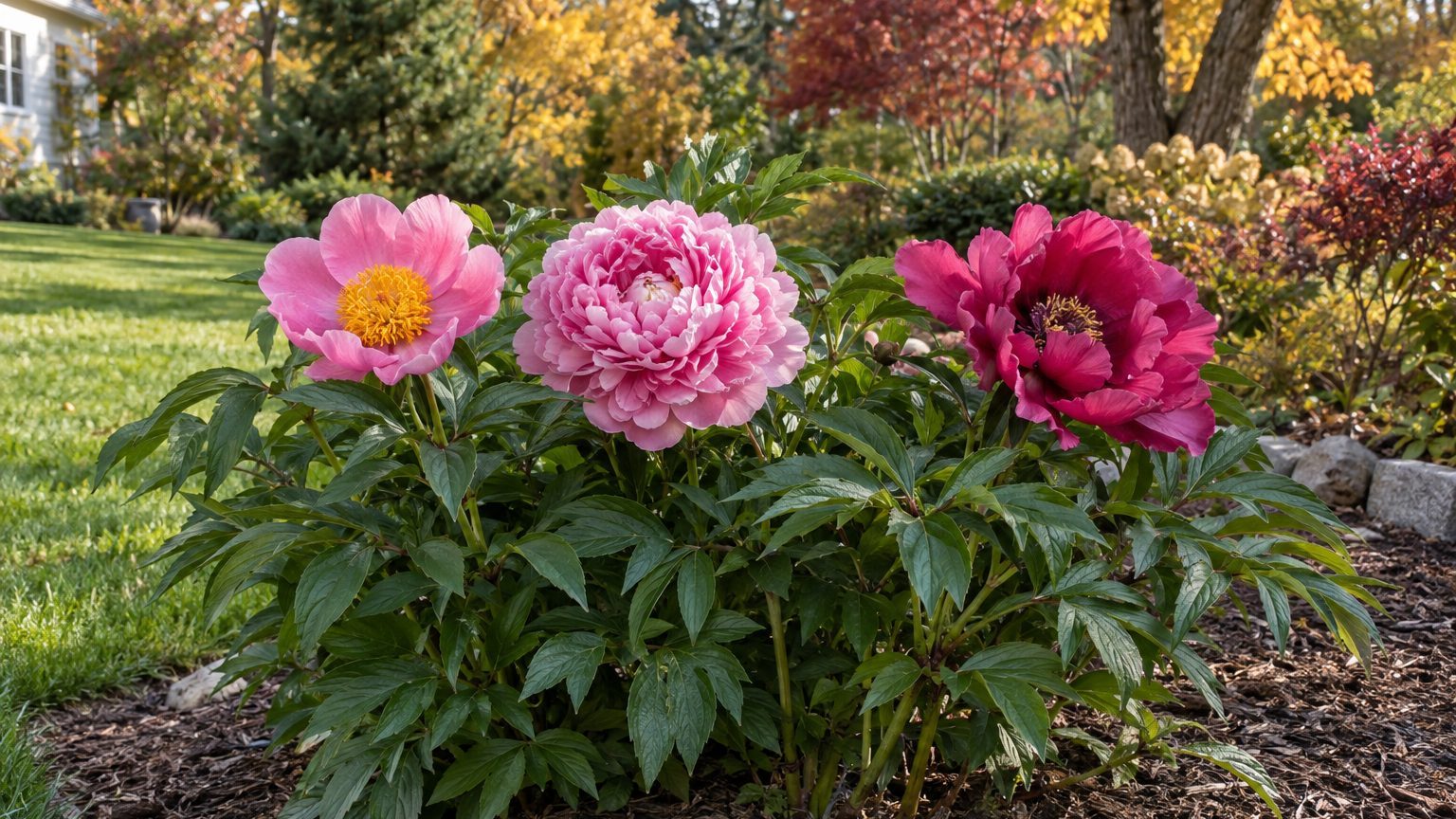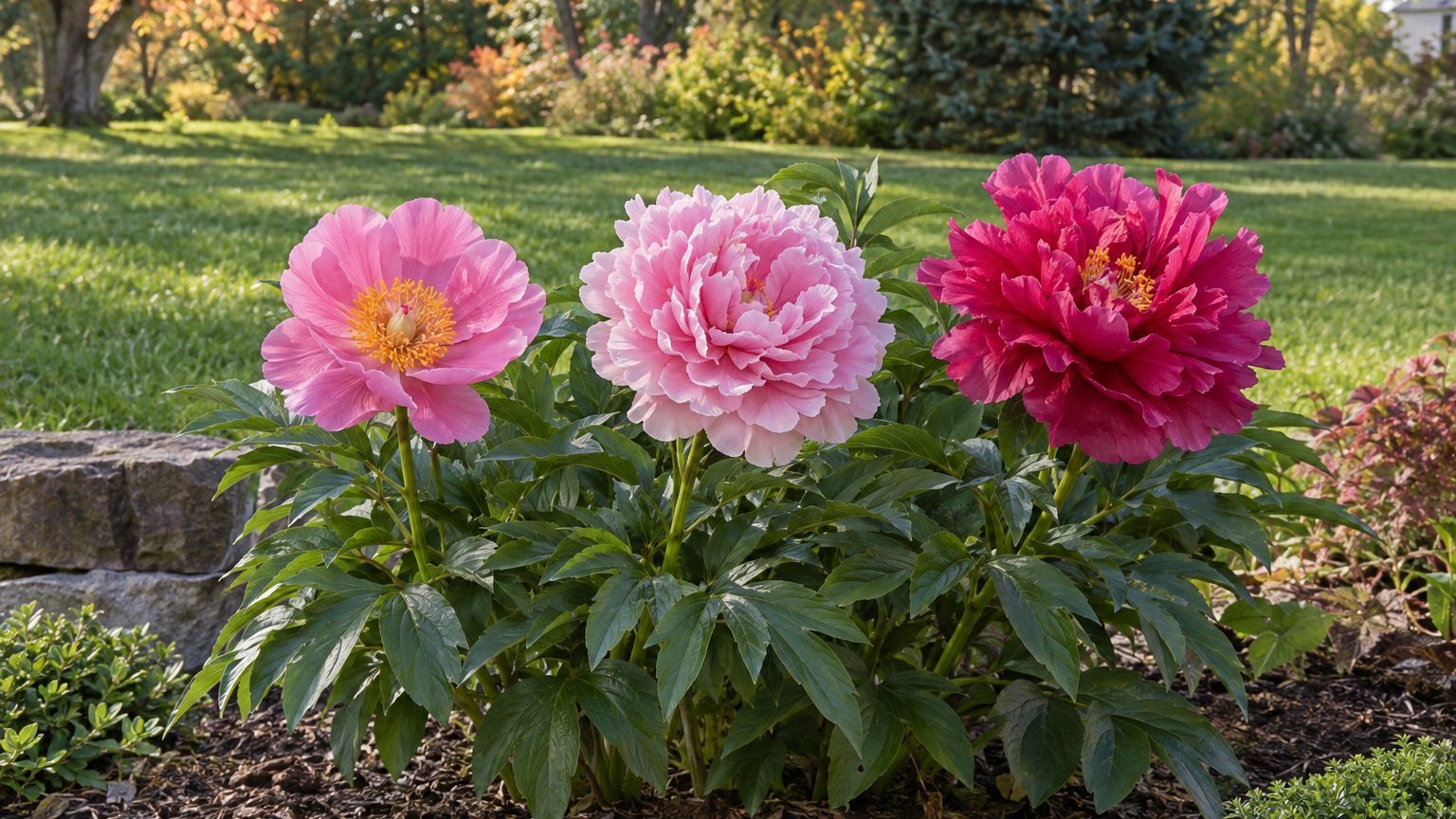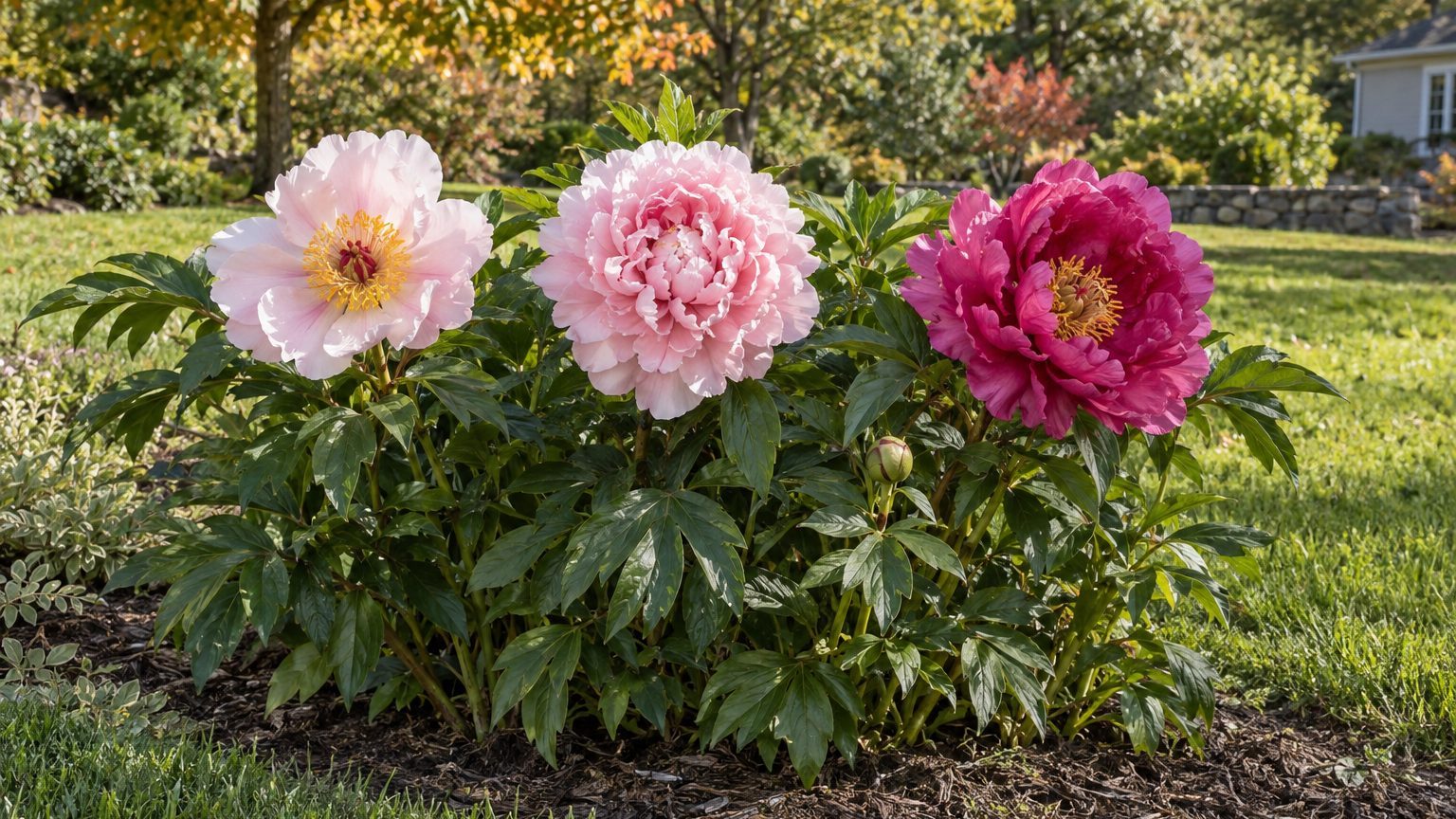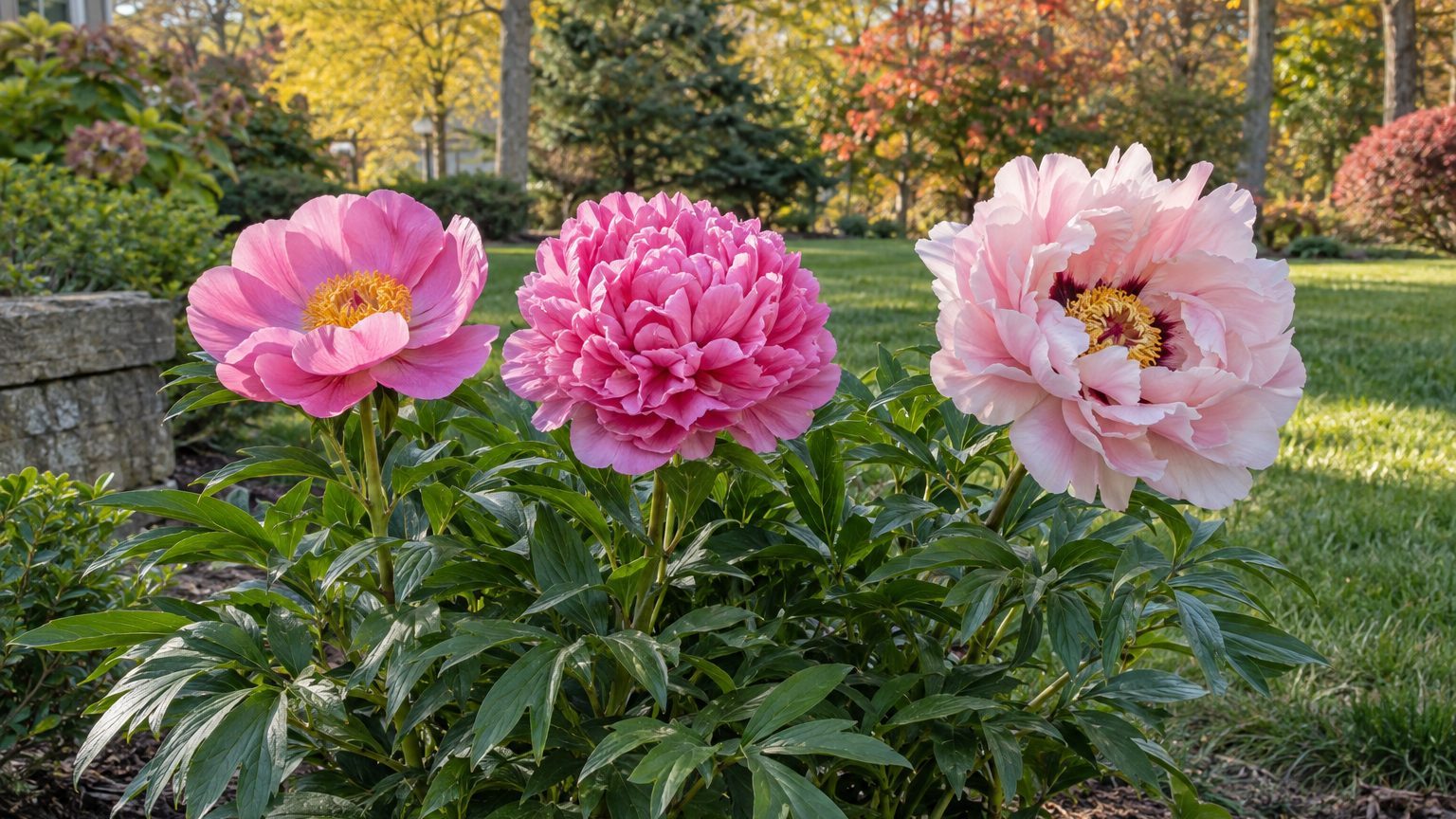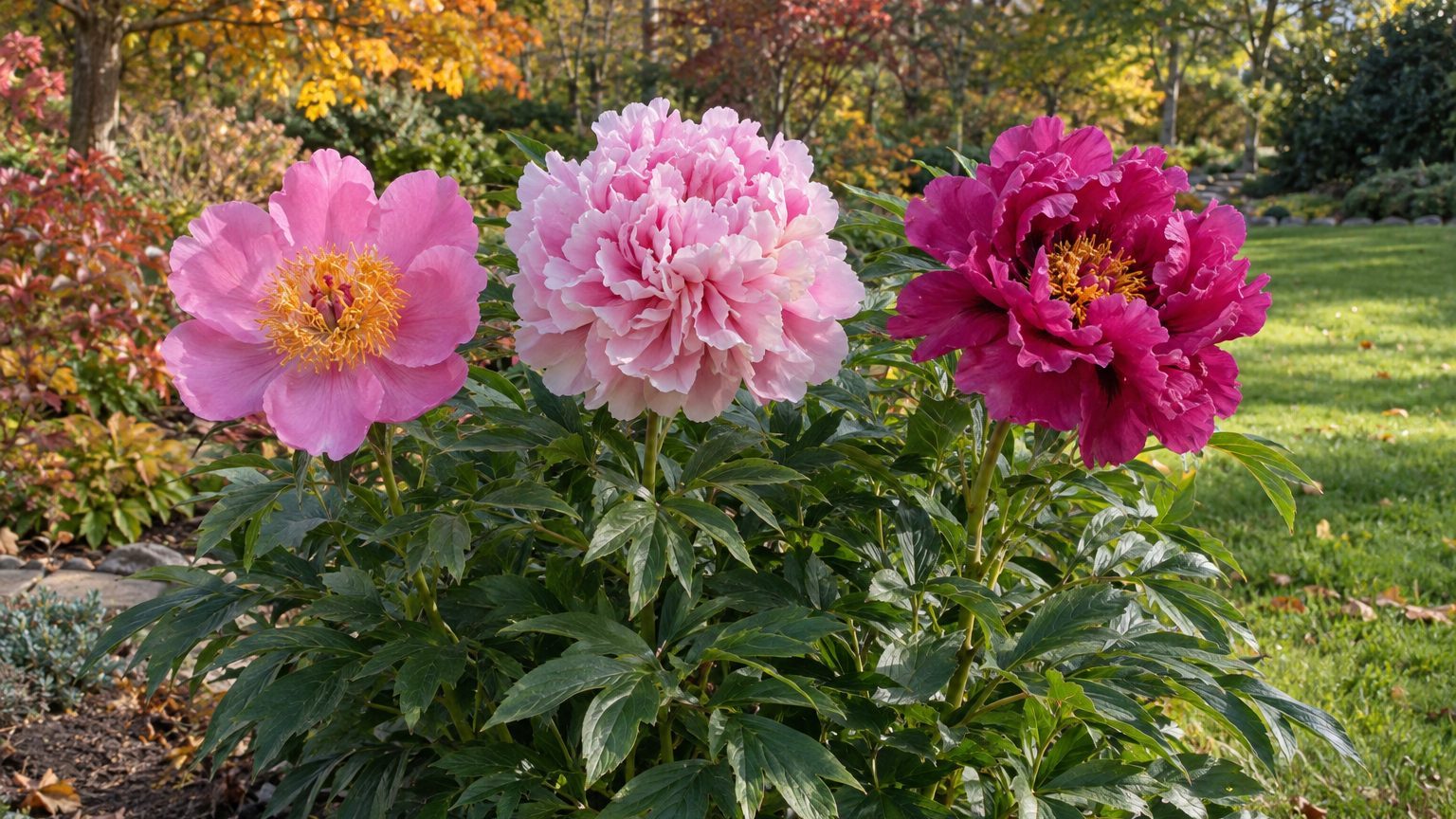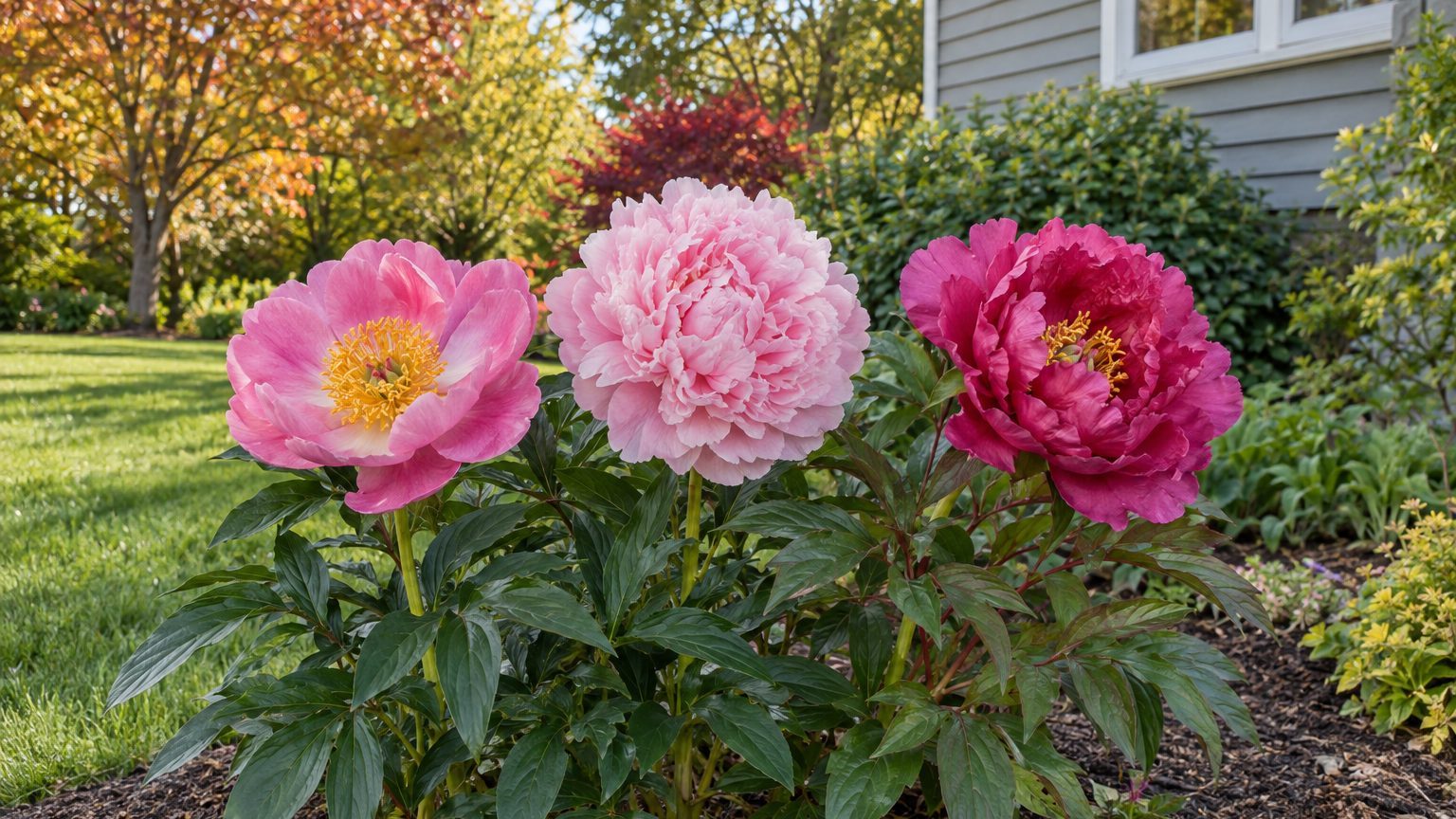
Peonies stand in full bloom in Delaware gardens each May, then return year after year. Herbaceous and intersectional peonies are the easiest types to grow, while other types fit particular garden conditions.
Best Peonies to Grow in Delaware

Herbaceous peonies and their intersectional cousins are the dependable choices here. Peonies need a cold winter rest to flower and may flower poorly in mild-winter climates. Delaware spans USDA zones 7a to 8a, and peonies may flower poorly where winters are mild.
Herbaceous Peonies

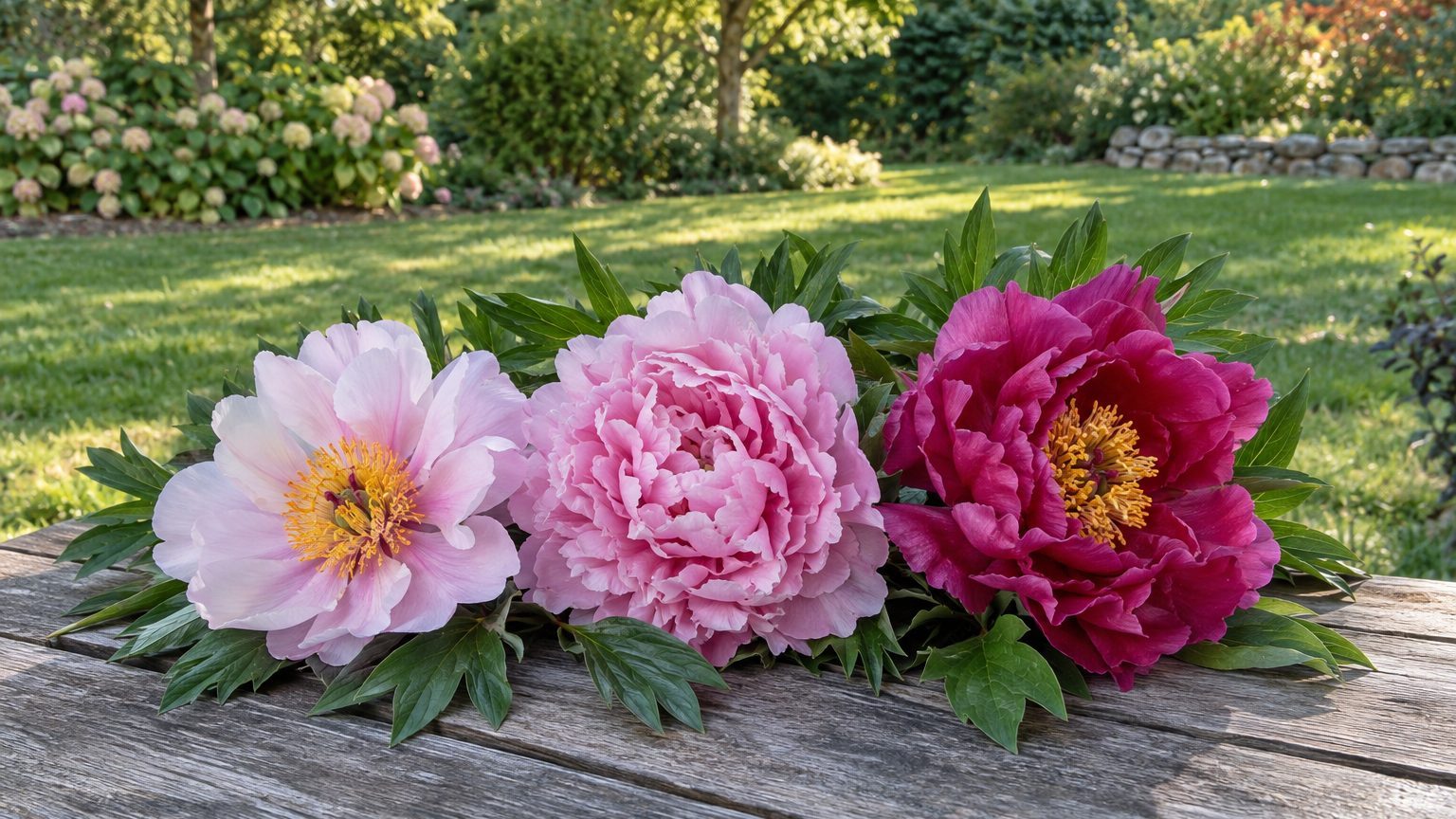
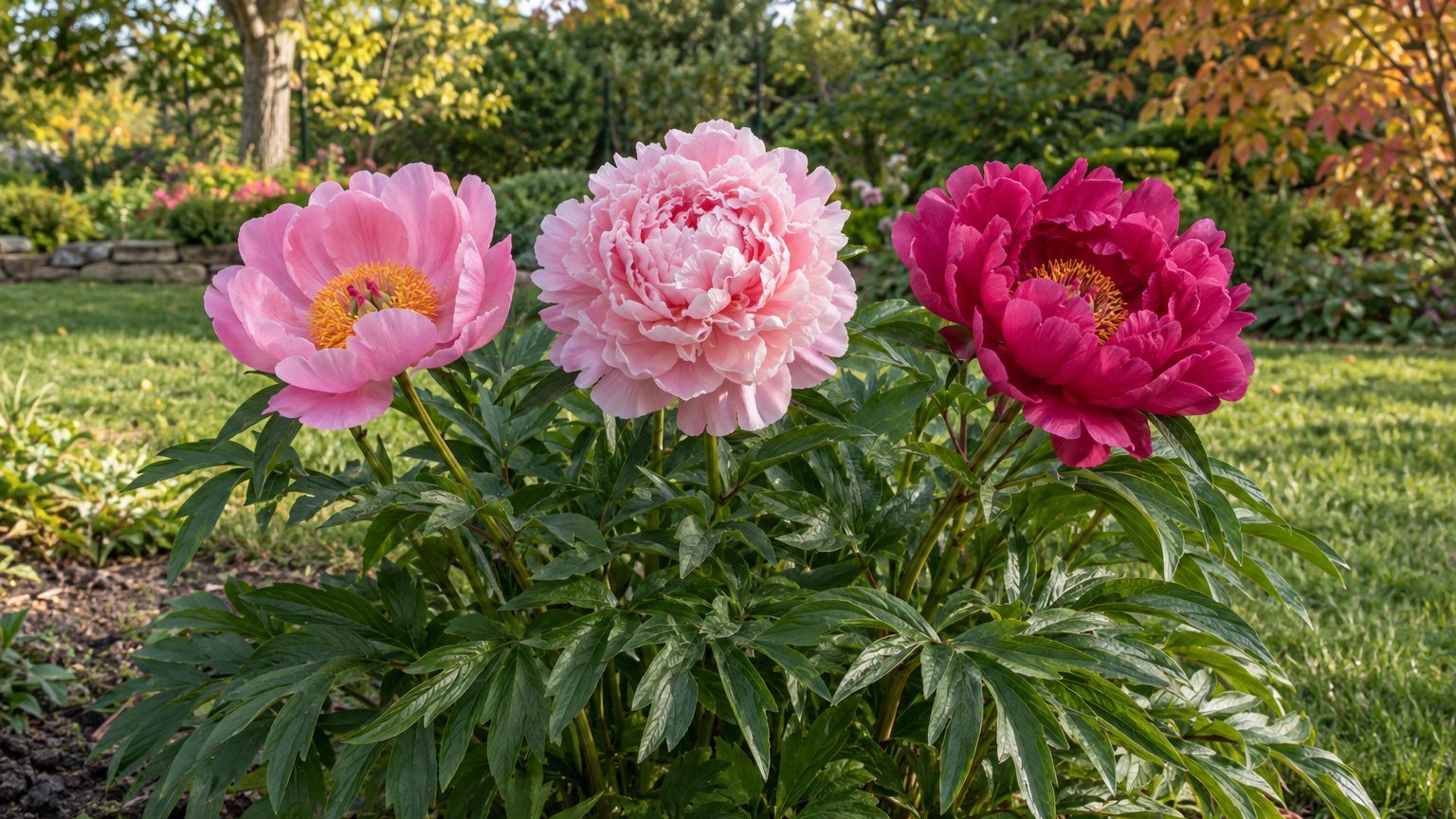
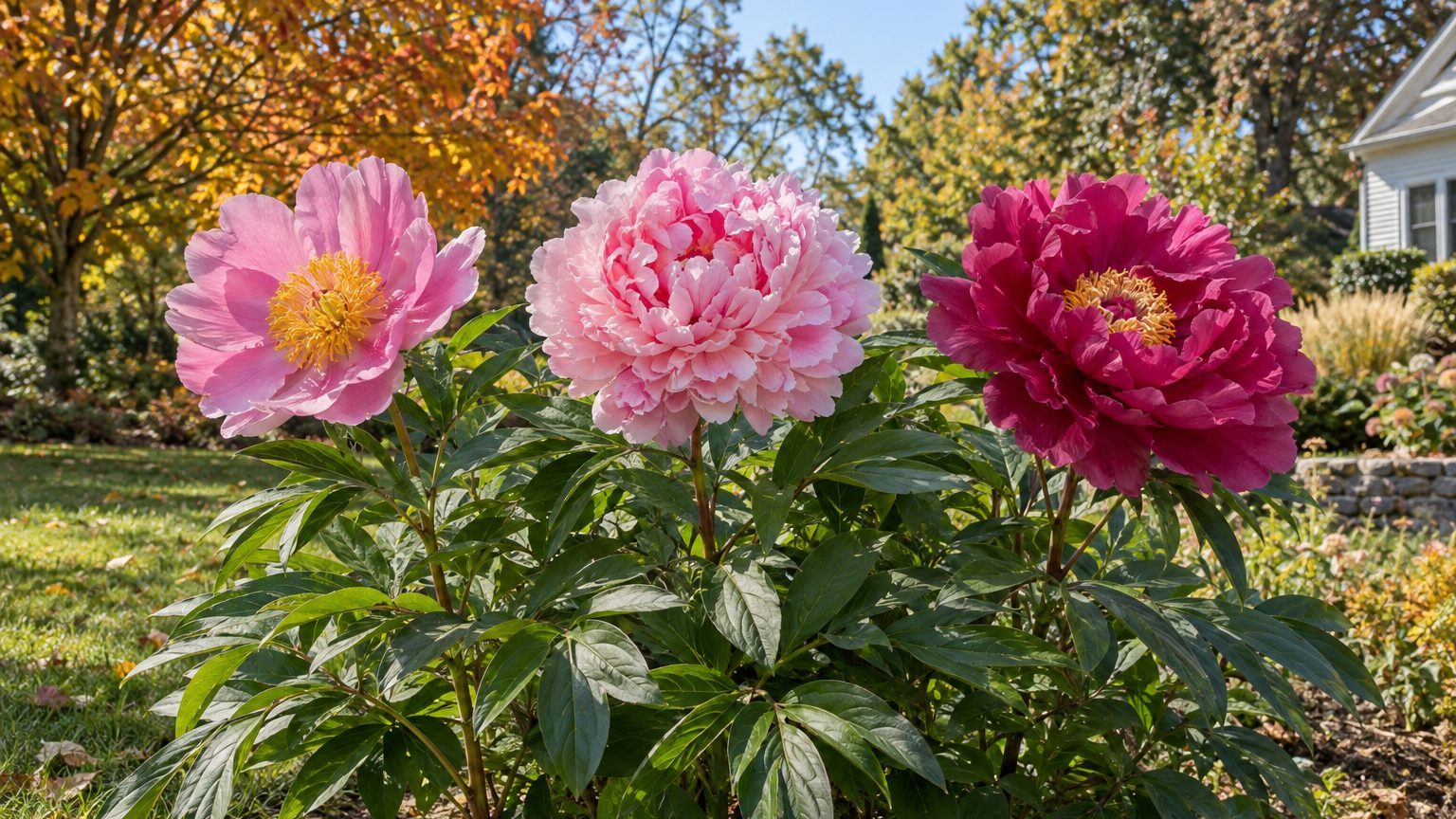
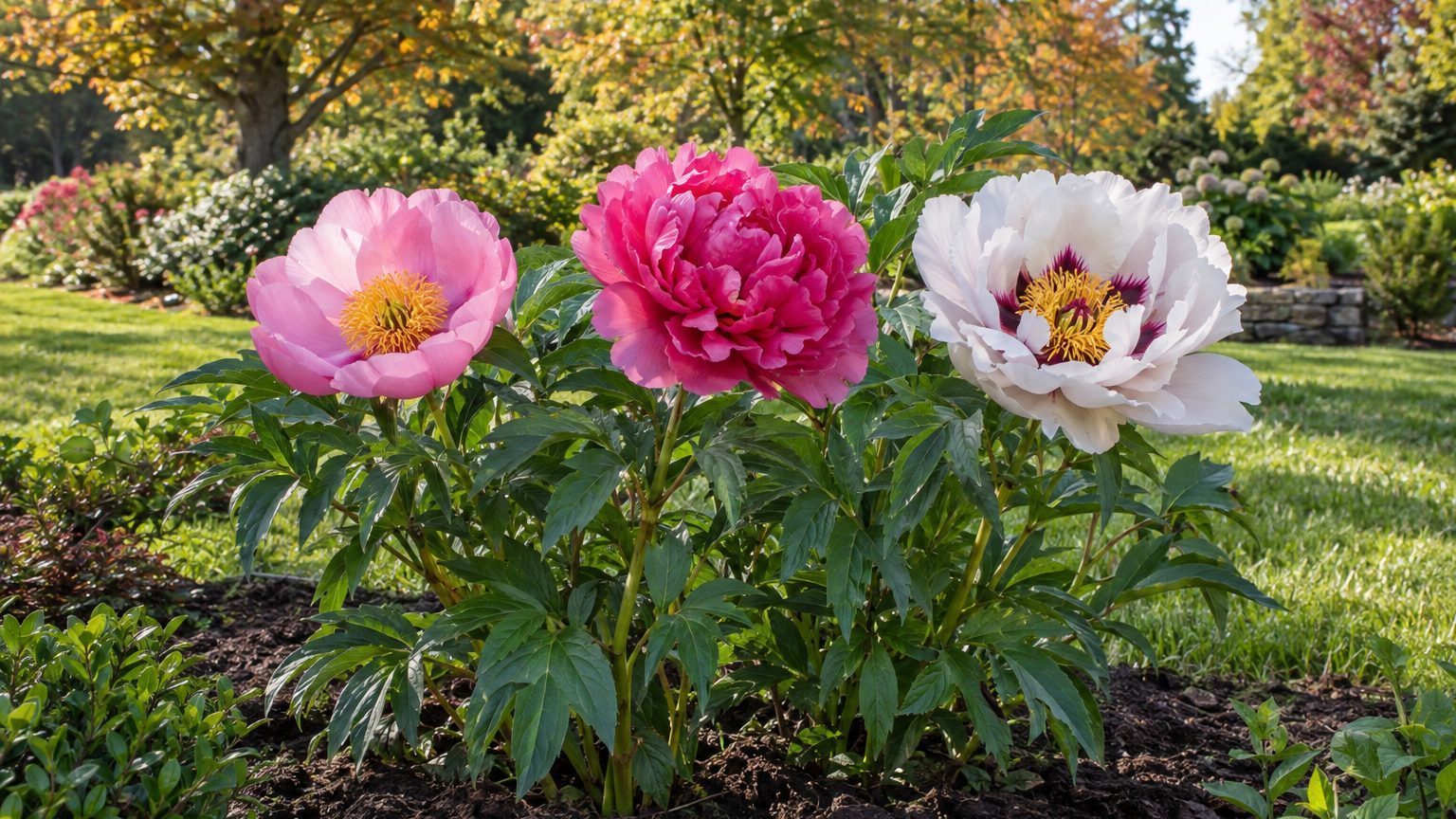
The common garden peony, Paeonia lactiflora, is the standard herbaceous form in most home gardens. It comes in many flower forms and colors, from single and Japanese types to anemone, semi-double, double and bomb-double.
Each fall the plant dies back to the ground, then new growth emerges in spring. That rhythm suits Delaware, and these peonies grow reliably year after year.
Intersectional Peonies

Intersectionals share the same culture as herbaceous peonies. They also die back to the ground each fall and send up fresh growth in spring.
Because the routine is identical, you can mix them with herbaceous types in the same bed and treat them alike. Along with herbaceous peonies, they are the easiest to grow.
Sarah Bernhardt
This herbaceous cultivar is popular for cutting and in landscapes.
Karl Rosenfeld and Festiva Maxima are also popular cut-flower and landscape cultivars.
Fernleaf Peony
Paeonia tenuifolia is noted for finely cut, fern-like foliage and crimson red flowers. It brings a lighter, feathery texture to a border that peonies with broad leaves cannot.
Place it near the front of a bed, where the foliage is easy to see up close.
Woodland Peonies
Paeonia japonica and Paeonia obovata are best suited to shade gardeners. If your yard is shaded, these are the peonies to look for.
The red flowers of Paeonia officinalis and Paeonia peregrina, which are native to Europe, are another way to bring color into a garden.
How to Choose a Peony for a Delaware Garden
Start with how much sun the spot gets and how much attention you want to give. Most Delaware yards can grow herbaceous peonies, so the choice is mainly about flower style, foliage and shade.
A new plant may not bloom its first spring, so give it time to settle.
| Your situation | What suits it in Delaware | Why |
|---|---|---|
| Little time for upkeep | Herbaceous or intersectional peonies | They are the easiest to grow, and each fall they die back to the ground |
| Shady yard | Woodland peonies (P. japonica, P. obovata) | They are best suited to shade gardeners |
| Cut flowers for the house | Sarah Bernhardt, Karl Rosenfeld, Festiva Maxima | All are popular cultivars for cutting and for the landscape |
| Red flowers | P. officinalis or P. peregrina | These species are native to Europe and valued for red blooms |
| Fine, feathery foliage | Fernleaf peony (P. tenuifolia) | The foliage is finely cut and the flowers are crimson red |
| A mild winter spot | Herbaceous peonies | Peonies need a cold winter rest and may flower poorly in mild-winter spots |
Choose by flower and foliage, and give the plant the winter chill it needs.
Which Peonies Suit Different Parts of Delaware
Delaware spans USDA zones 7a to 8a, and peonies may flower poorly where winters are mild.
- New Castle County: Herbaceous and intersectional peonies are the easiest types to grow.
- Kent County: Herbaceous and intersectional peonies share the same culture. Check your own county’s frost timing, since gardens outside town often see frost later in spring than airport readings suggest.
- Sussex County and the beaches: Peonies may flower poorly where winters are mild. In Delaware, bloom can begin as early as mid-April in milder areas, earlier than in cooler ones.
Wherever you live, bloom time is centered on May.
Peony Buying Mistakes to Avoid in Delaware
Planting Too Deep
A peony set too deep may bloom poorly or not come up at all. Keep the eyes, the small pink buds on the root, near the soil surface when you plant.
When planting a potted peony, keep the eyes near the soil surface.
Cutting Back a Tree Peony
A herbaceous peony is cut back after frost, but a tree peony keeps its woody stems and is never cut back. Cutting a tree peony to the ground removes its living woody stems.
Check the label before you pick up the pruners, and cut back only the kinds that die to the ground.
Expecting Blooms Too Soon
A newly planted or transplanted peony may not bloom the first spring. Many gardeners decide the plant has failed and dig it up.
Leave it in place and let the roots settle. A peony is a long-lived perennial, and patience early on pays off for years.
Where to Get Peony Advice in Delaware
The University of Delaware Cooperative Extension offers local guidance on varieties and care. Your county office can speak to conditions where you live.
- County extension offices in New Castle, Kent and Sussex can tell you how your area’s soil and winters affect the choice of peony.
- Master gardener volunteers can help identify a plant you inherited, and fall is a good time to ask before dividing it.
- Extension publications are worth reading before you order plants, so you know the planting depth and spacing in advance.
Common Questions
When Should You Plant Peonies in Delaware?
Plant or divide peonies from September through October. That gives the roots time to settle before winter, so the plant is ready to grow in spring.
When Do Peonies Bloom in Delaware?
Peonies bloom in May. In milder areas of the state, flowers can start from mid-April, earlier than in cooler areas, and late varieties can carry into June.
When Should You Cut Back Peonies in Delaware?
Cut herbaceous peonies back in November or December, after the foliage has died back. Early spring, in March or April, also works if you prefer to wait.