Skip to content

Best Peonies for South Dakota

Best Peonies for South Dakota

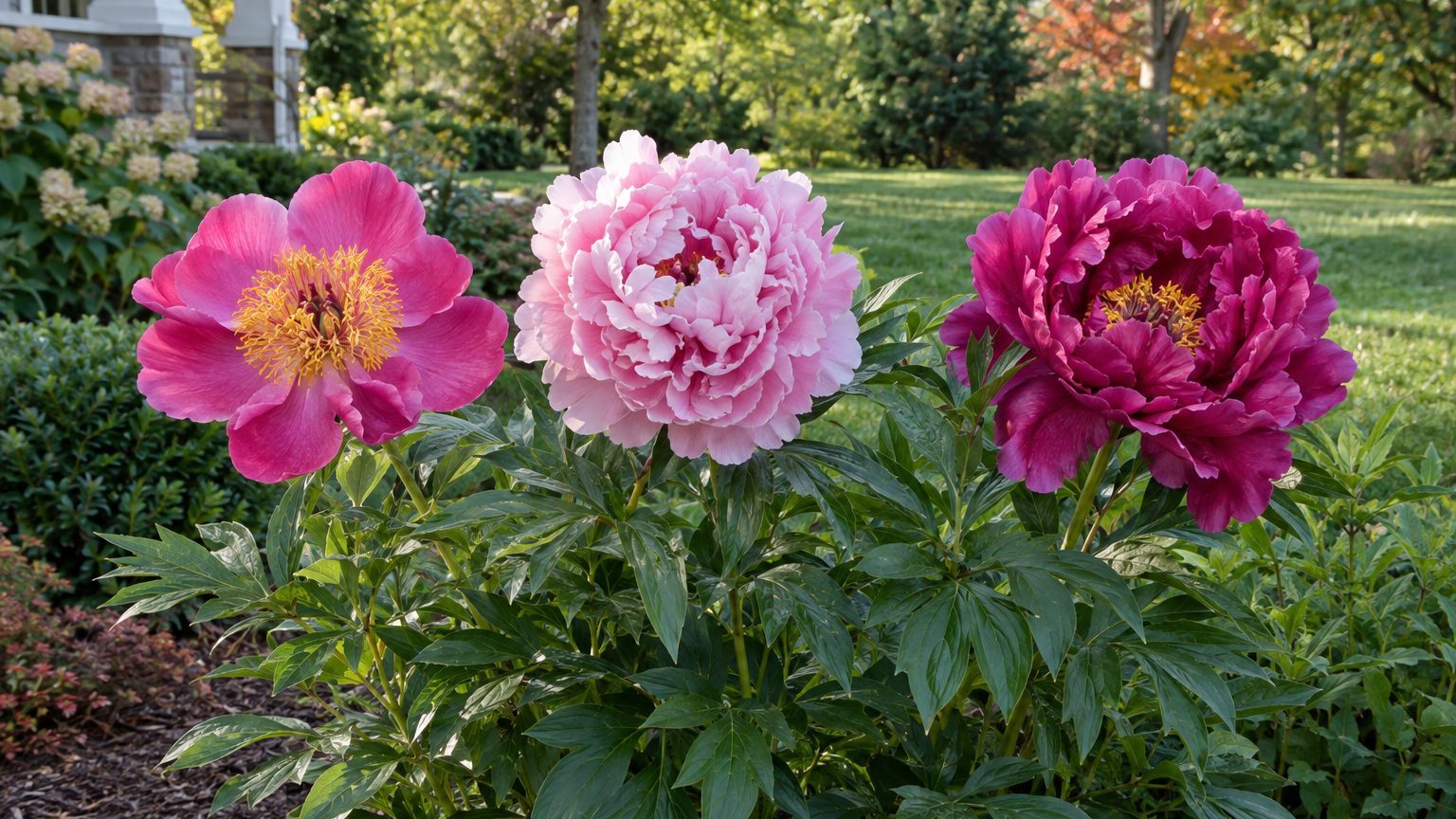
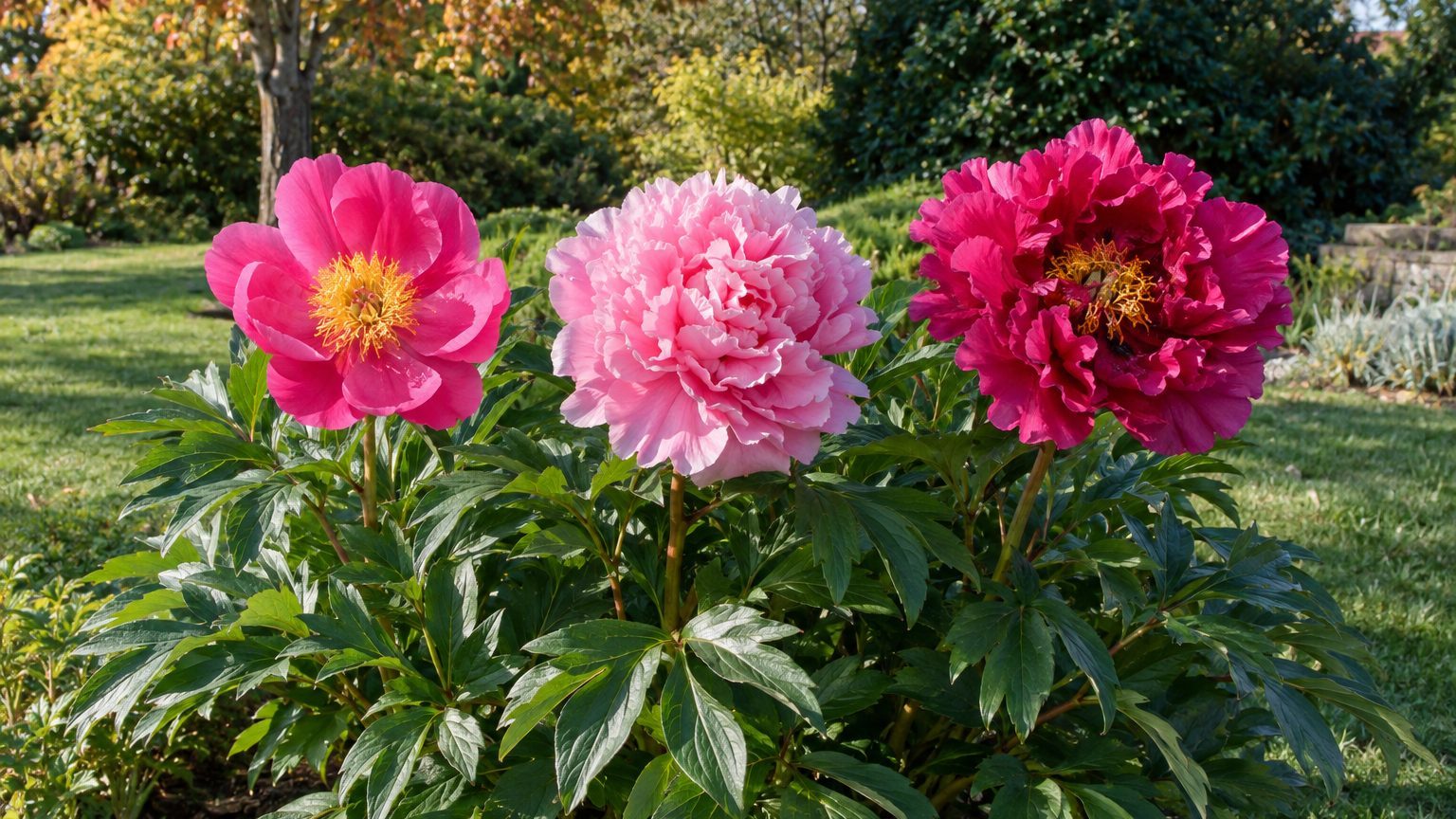
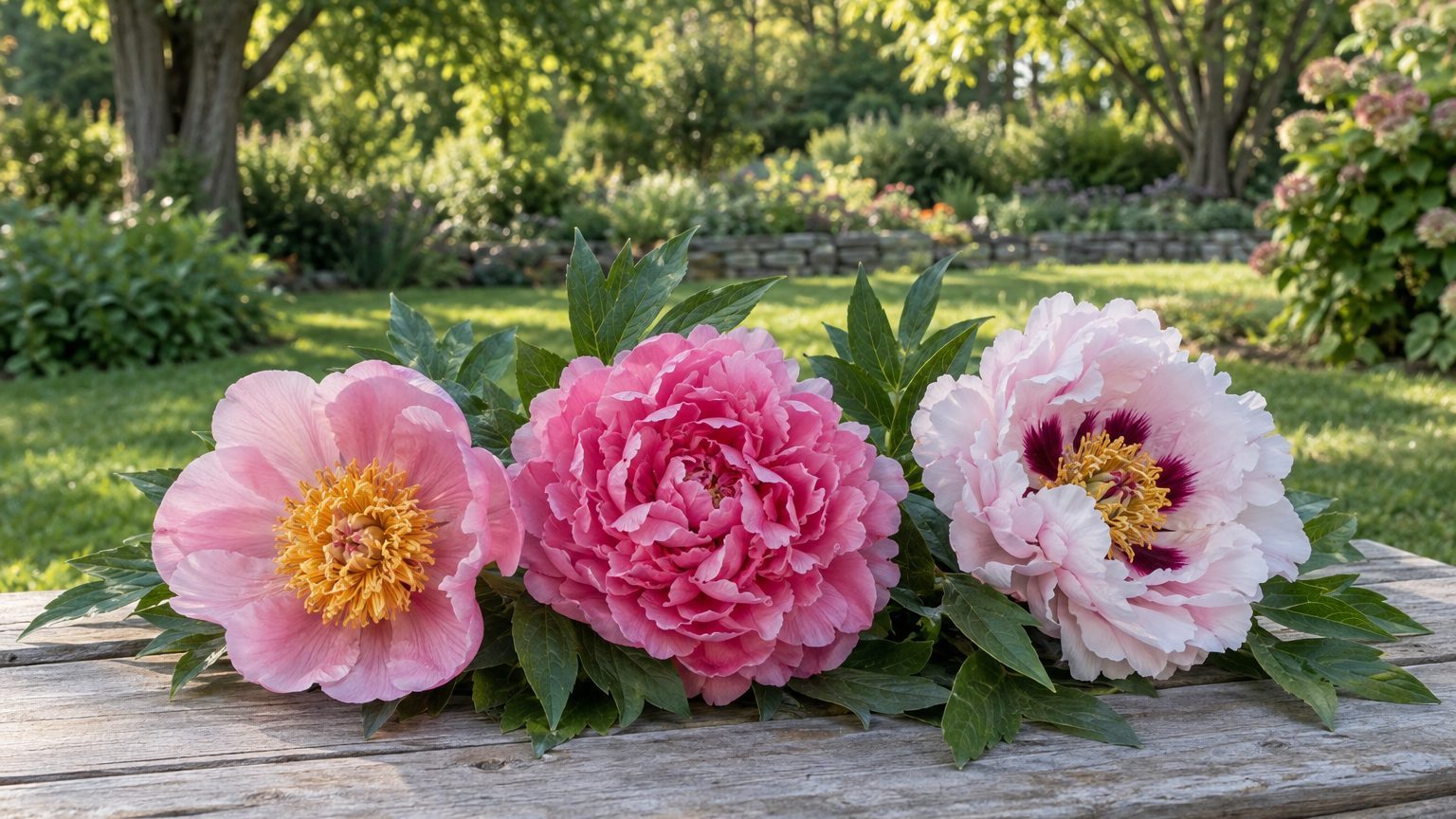
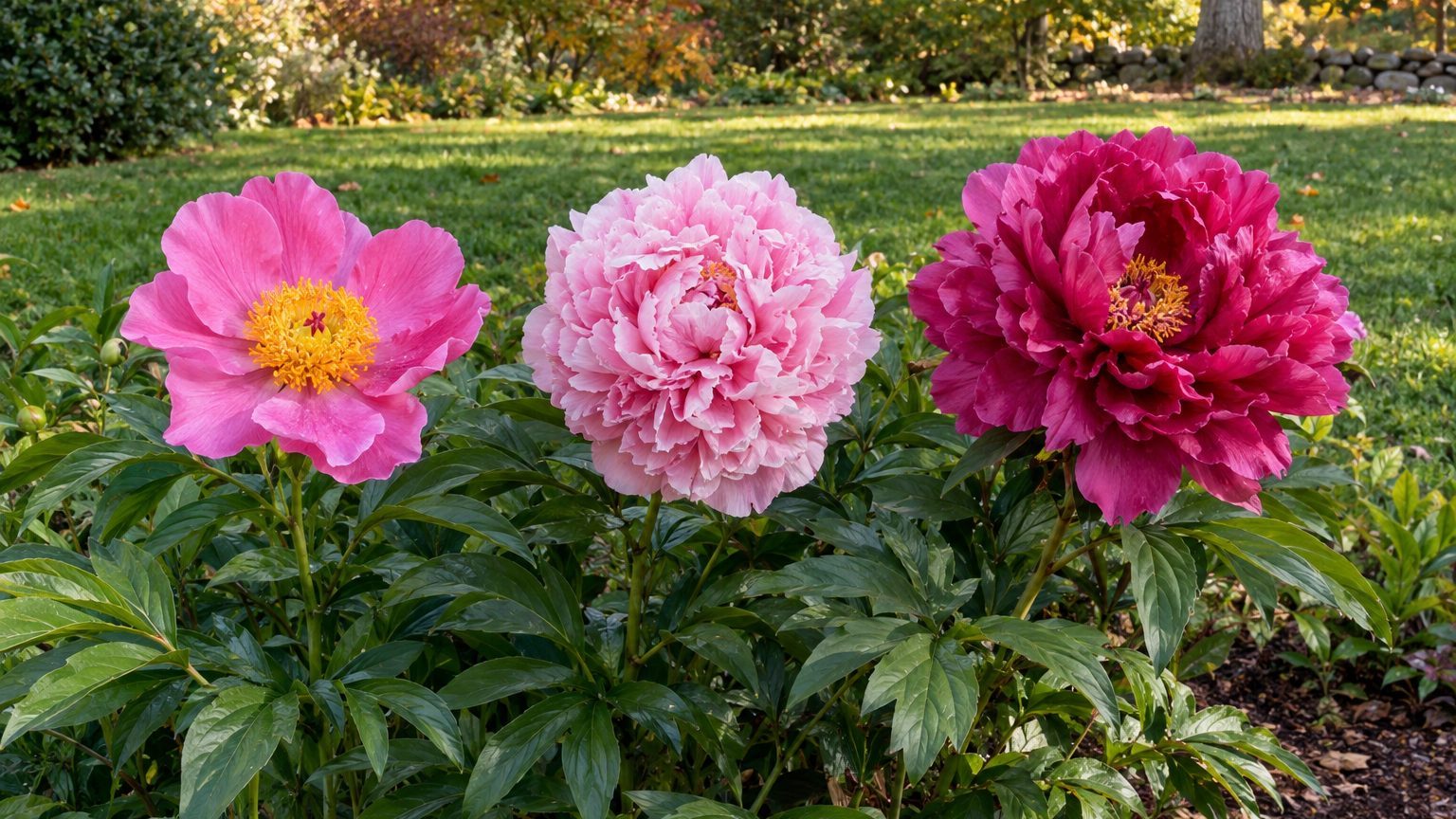
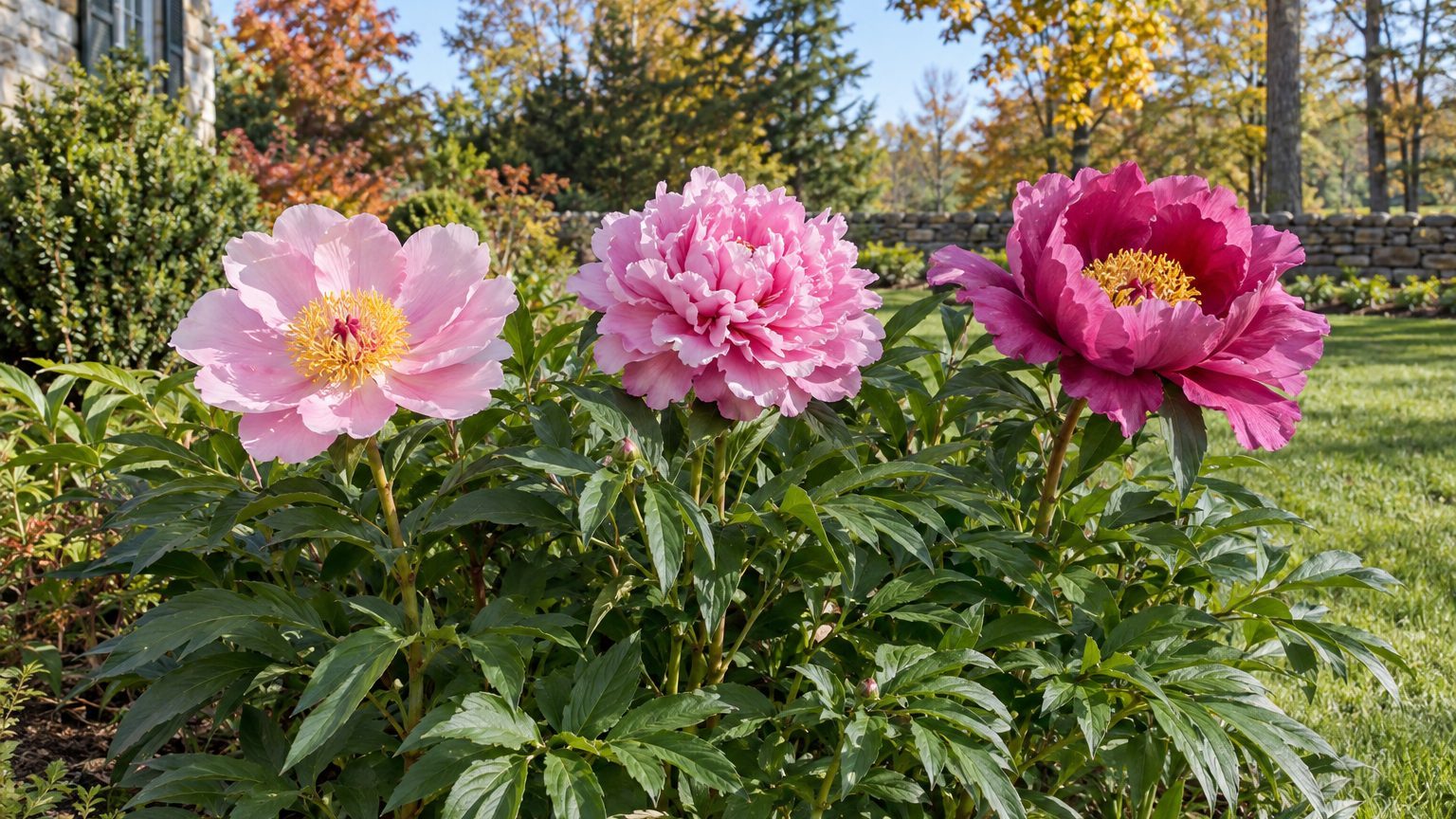
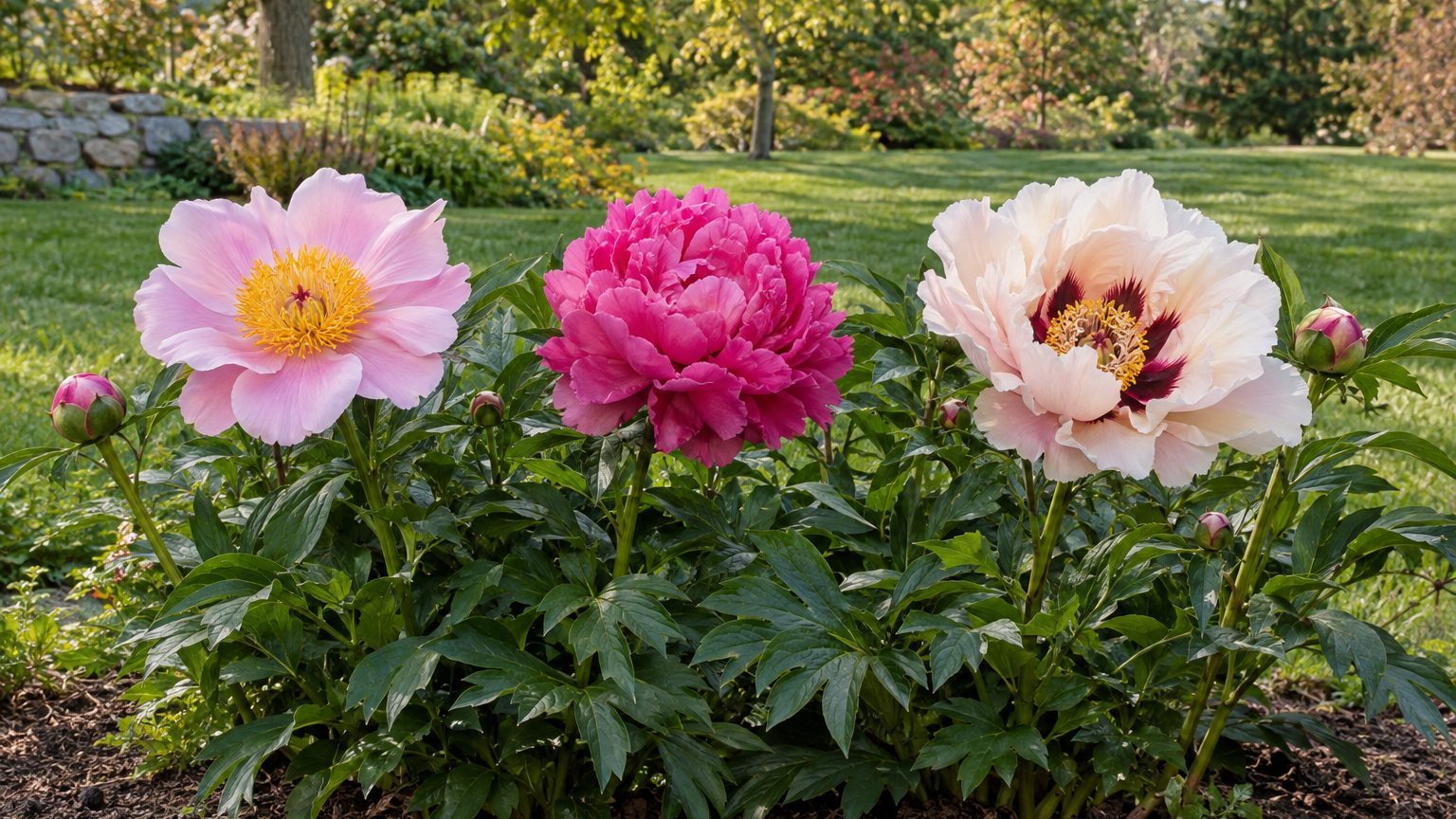
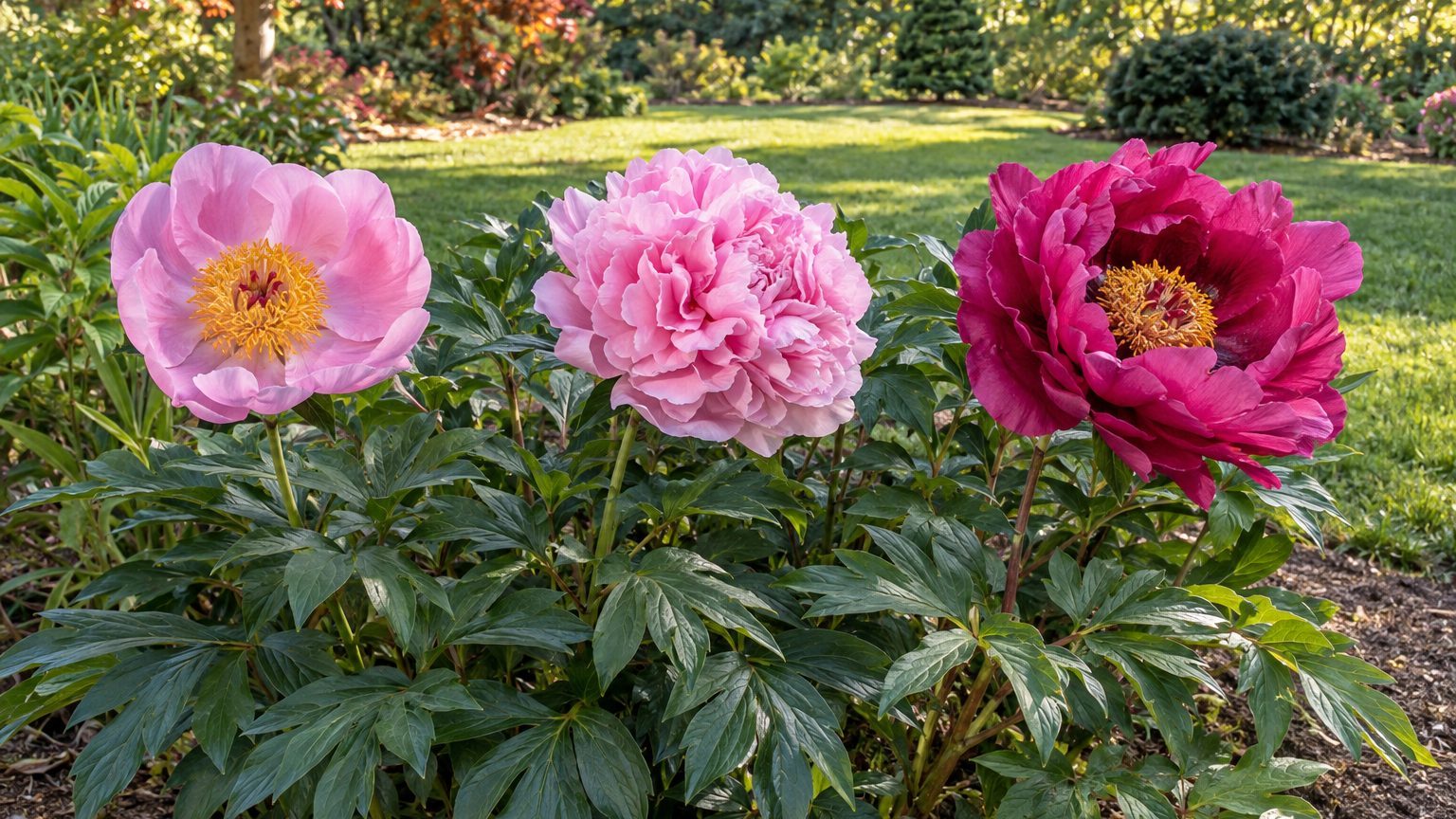
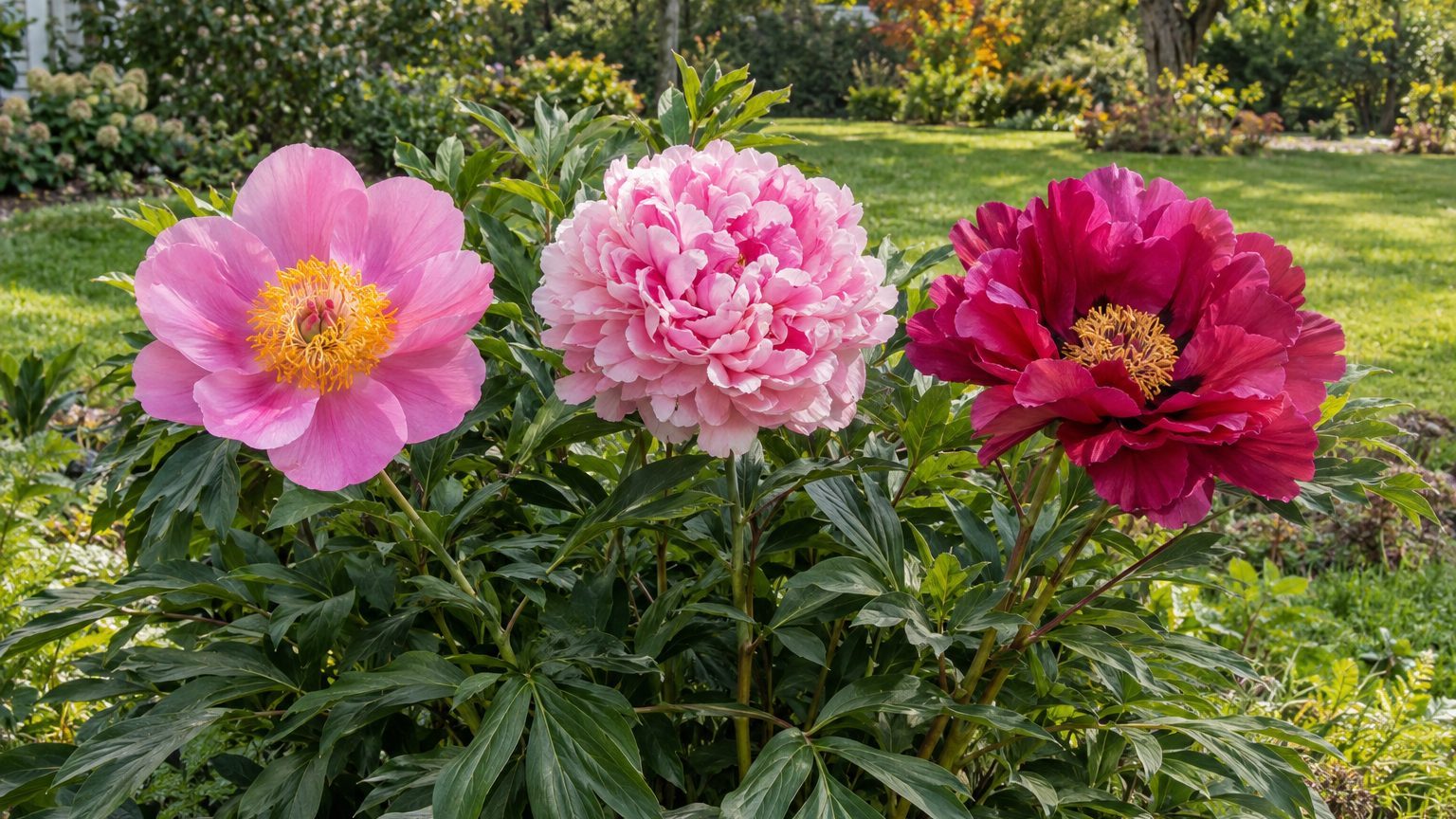
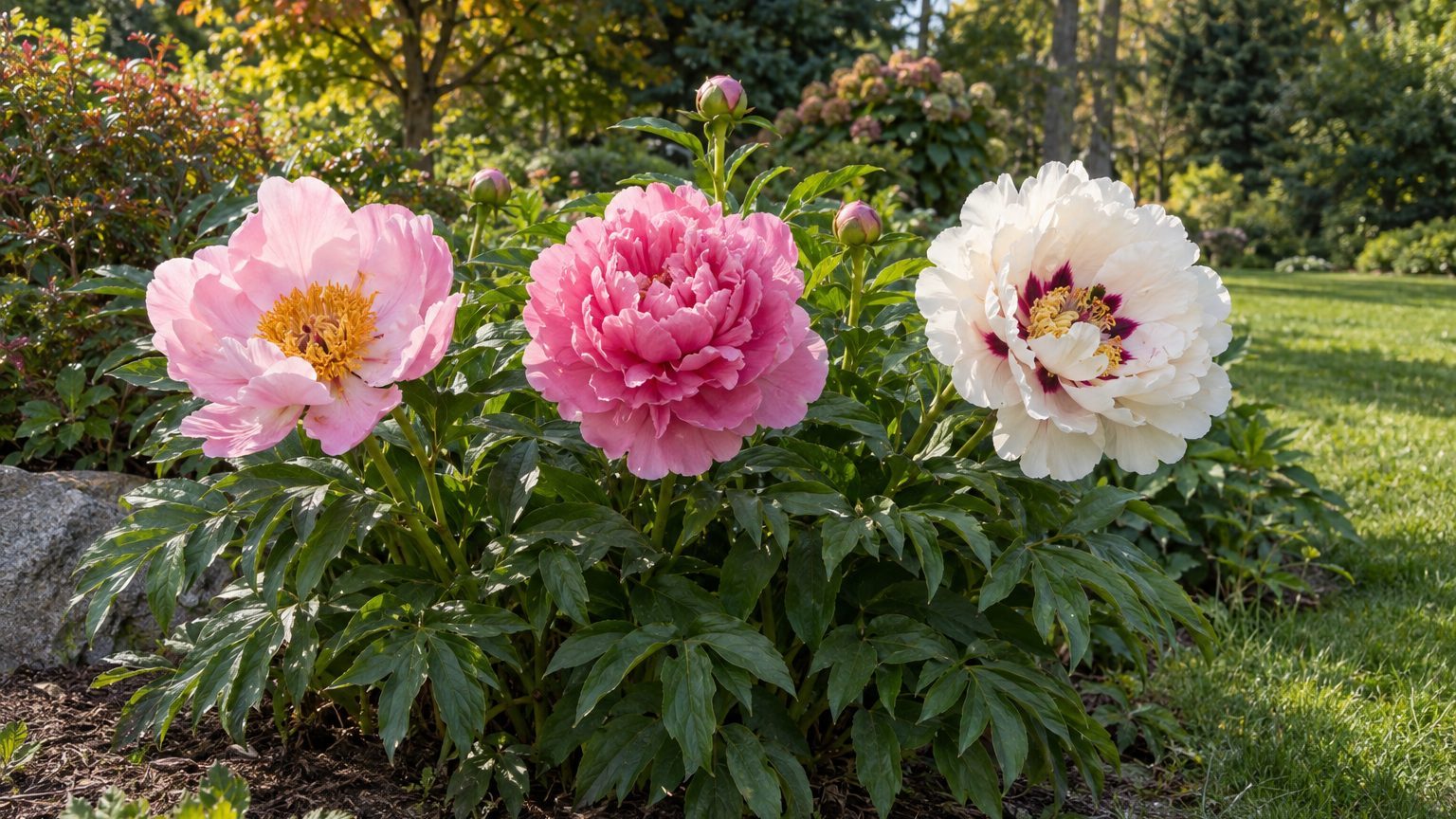
Peonies are perennials that need a cold winter rest to flower, and South Dakota supplies it. Herbaceous garden peonies are the familiar choice here, with intersectional hybrids close behind and tree peonies for a sheltered corner.

Best Peonies to Grow in South Dakota

Best Peonies for South Dakota

Herbaceous and intersectional peonies are the types that settle in most easily here, while tree peonies need a protected spot. Across USDA hardiness zones 3b to 5b, the long cold winters give peonies the winter rest they need to set flower buds, and they may flower poorly where winters are mild.

Herbaceous Peonies

Herbaceous Peonies — Best Peonies for South Dakota

Most South Dakota gardeners already know these. They descend from the Chinese peony (Paeonia lactiflora) and the common peony (P. officinalis), and hundreds of cultivars came from those two species. Each fall the plant dies back to the ground, and new growth returns in spring.

Flowering runs from early June into early July. Plant or divide in September to early October so the roots settle before the ground freezes, and keep the eyes near the soil surface.

Intersectional Peonies

Also called Itoh peonies, these are hybrids of the garden peony and the tree peony. They are among the easiest peonies to grow and share the same culture as herbaceous types, so you can treat them alike. They die back to the ground each fall.

If you like the look of a tree peony but not the winter worry, this is the type to try.

Tree Peonies

These woody peonies were mostly derived from P. suffruticosa, and some South Dakota gardeners have discovered them. They are generally not as hardy as the other types, so they need a protected site or a mulch over winter.

The woody stems stay through winter, which is where the extra risk comes from. Choose a spot out of the harshest wind.

How to Choose a Peony for a South Dakota Garden

Start with the winter and the amount of care you want to give. Cold winter rest suits peonies here, but tree peonies still need more protection and watchfulness than the other types.

Variety matters as well, because cultivars differ somewhat in how easily they catch disease.

Your situation What suits it in South Dakota Why
Very cold winter Herbaceous or intersectional peony They die back to the ground each fall, so nothing woody has to survive the freeze.
Little time for care Herbaceous or intersectional peony They are the easiest to grow and share the same routine.
Need for winter cold Herbaceous peony It does best where winters are cold and flowers poorly in mild ones.
Sheltered corner with a wall or windbreak Tree peony It is less hardy, so a protected site or winter mulch makes it workable.
Worry about disease Less susceptible planting stock Cultivars differ in susceptibility, so selecting carefully may reduce problems.

Disease susceptibility is another thing to plan around. Ask the nursery which cultivars hold up to leaf and bud diseases before you buy.

Which Peonies Suit Different Parts of South Dakota

The state is large and its winters vary, so the choice shifts a little from one region to the next.

  • Aberdeen and the northeast: Herbaceous and intersectional peonies are dependable choices here. Give a tree peony a sheltered site and a winter mulch if you try one.
  • Sioux Falls and the southeast: Choose a protected spot even so.
  • The Black Hills: Elevation brings colder nights and later springs, so lean on herbaceous types and shelter anything woody from wind.

Peony Buying Mistakes to Avoid in South Dakota

Tree Peony in the Open

A tree peony set in an exposed bed loses ground to winter because it is not as hardy as herbaceous types. You may be left with damaged wood and a weakened plant.

Plant it in a protected site and mulch it over winter instead.

Ignoring Disease Susceptibility

Cultivars differ in how easily they take disease, and the cost shows up as blighted stems and ruined buds. Ask the nursery about the variety before you buy.

Look for less susceptible planting stock, and remember that Phytophthora is less likely to develop in light, sandy soils.

Planting Too Deep

A peony set too deep may bloom poorly or not come up at all, which is an expensive way to lose a plant. Whether you buy a potted peony in spring or bare roots in fall, set the eyes near the soil surface.

Where to Get Peony Advice in South Dakota

Local advice beats general advice, because soil, elevation and winter wind change from county to county. Local resources can answer questions specific to your yard.

  • South Dakota State University Extension publishes peony guidance written for the state, which helps when comparing types and cultivars before you order.
  • Your county extension office can look at a struggling plant or soil question, and a visit in late summer fits well ahead of fall planting.

Common Questions

Will a New Peony Bloom the First Spring?

A newly planted or transplanted peony may not bloom the first spring. Give it time to establish.

When Should You Cut Back Peonies in South Dakota?

Cut back herbaceous peonies in October to November, once a hard freeze has killed the foliage, leaving the stems a couple of inches above the ground. A tree peony keeps its woody stems and is never cut back.

Can You Plant a Peony in Spring?

Potted peonies are sold at garden centers in spring, but September to early October is the planting window. Bare root plants arrive in fall, which is the usual season for planting or dividing.
Best Peonies for South Carolina

Best Peonies for South Carolina

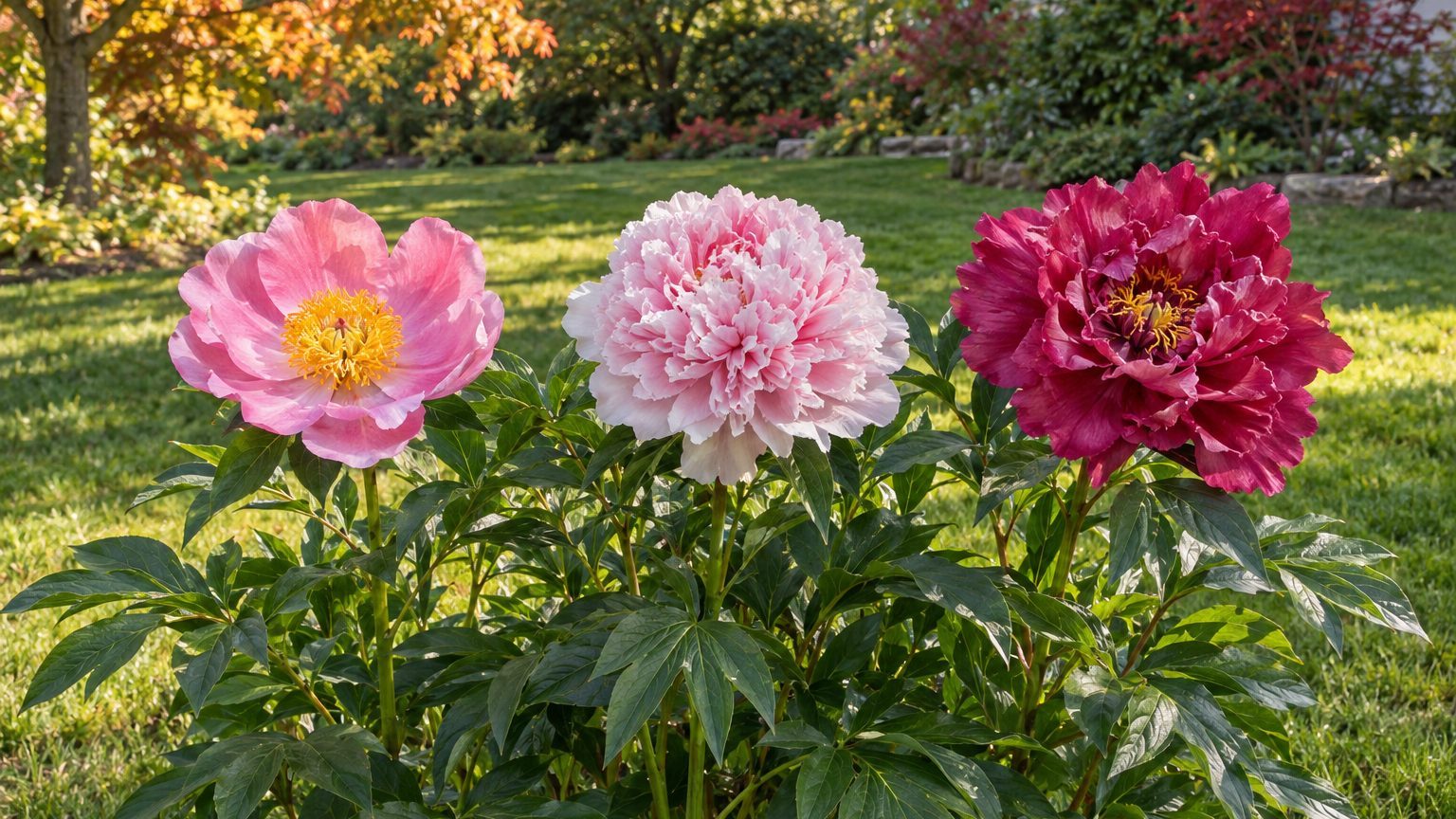
Peony buds swelling in early spring bring the promise of flowers to your yard. In South Carolina the choice of cultivar decides whether that happens, because the winters are mild and the summers hot. Early-blooming, single and Japanese types give you the best chance.

Best Peonies to Grow in South Carolina

Best Peonies for South Carolina

Early-blooming, single, or Japanese cultivars are the best performers in South Carolina. Peonies need a cold winter rest to flower, and they may flower poorly in mild-winter climates. In the lower South they often struggle for lack of winter chilling. The types below work with the climate you have rather than against it.

Early-Blooming Cultivars

Early-Blooming Cultivars — Best Peonies for South Carolina

Early bloomers do best in the South because they open before hot weather sets in. In South Carolina, peonies flower as early as March or as late as May, depending on the cultivar and the weather, and the early ones come first.

They are also less prone to botrytis blight, a fungus that thrives in warm, damp spring weather. Check the bloom season on the plant tag before you buy.

Single Peonies

Single Peonies — Best Peonies for South Carolina

Single bloom types usually perform much better in the South than doubles do. Their open, simple flowers suit a season that turns warm and humid quickly.

If you want a peony that reliably flowers in a South Carolina yard, a single early cultivar is the safest place to start.

Japanese Peonies

Japanese types share the single peonies’ advantage over doubles in Southern gardens. Their flowers have a ring of petals around a tuft of fine, petal-like filaments in the center.

They are among the best performers in South Carolina and are a good pick if you want a different flower form from a single.

Kansas

Kansas is a double, and it has an early start. It has large, early flowers of watermelon red that hold their rich color throughout bloom time. It is regarded as a reliable double for the South.

If you love full, ruffled blooms, this is the double to try before you consider any later-opening one.

How to Choose a Peony for a South Carolina Garden

Start with the problem your yard poses. In South Carolina that is usually summer heat and humidity, plus winters that may be too mild for peonies to flower well.

Match the bloom type and season to those limits, and then add the flower form you like best.

Your situation What suits it in South Carolina Why
Hot, humid summers Early-blooming cultivars They bloom before hot weather sets in and are less prone to botrytis blight
Mild winters Single or Japanese cultivars Peonies often do not perform well in the lower South due to insufficient winter chilling, and these types do better in the South than doubles
You want double flowers Kansas Early, large and a rich watermelon red, and a double that suits the South.

Doubles in general are the riskier choice here, so treat Kansas as the exception rather than the rule.

Which Peonies Suit Different Parts of South Carolina

Winter cold varies across the state, and since peonies depend on that chill, your location shifts the odds more than any cultivar does.

  • Upstate: Winters are colder here, and spring frost comes later than farther south, so peonies get more of the chilling they need. Early singles and Japanese types are still the safer pick, and colder winters give peonies a better chance to flower.
  • Charleston and the Lowcountry: The peninsula is milder than the airport reading, so peonies there may get less winter chilling than they would in cooler parts of the state. Stick with early-blooming single or Japanese cultivars, and expect weaker flowering than farther inland.

In the Midlands, choose by how cold your own yard gets.

Peony Buying Mistakes to Avoid in South Carolina

Choosing Late-Blooming Doubles

A late double opens just as the heat arrives. The heavy flowers can be hit by hot weather and botrytis blight, and you lose the display.

Choose early bloomers, and keep doubles to a proven one like Kansas.

Ignoring Winter Chill

A cultivar that needs a long cold rest will leaf out but may flower poorly where winters are mild. This is most likely in the lower South, and the plant is a poor use of space there.

Pick types known to flower in Southern gardens, and ask a local grower what they have seen thrive nearby.

Planting Too Deep

A peony planted too deep may bloom poorly or not come up at all. Keep the eyes, the pink buds on the roots, near the soil surface.

Also, a newly planted or transplanted peony may not bloom the first spring, so do not treat a quiet first spring as a failure.

Where to Get Peony Advice in South Carolina

Clemson Cooperative Extension publishes a guide to growing peonies in South Carolina and can point you to cultivars that suit your area. Your county office adds local knowledge of how cold your part of the state gets.

  • Its peony guide covers cultivars and care, so read it before you shop for plants.
  • Your county extension office can speak to local conditions, so call or visit before the fall planting season.
  • Take a photo of your planting spot with you, and ask which early single or Japanese cultivar to try first.

Common Questions

When Should You Plant or Move Peonies in South Carolina?

Plant new peonies, or divide and move existing ones, in late September or October. That gives the roots time to settle in before winter.

When Should You Cut Back Peonies in South Carolina?

Cut back herbaceous peonies in November, after frost, down to the soil surface. October and December also work. Tree peonies keep their woody stems and are never cut back.

Do Peonies Need Dividing?

Rarely. In South Carolina, peonies may never need dividing unless you want more plants. Divisions may wait up to 3 years before blooming, and peonies have brittle roots, so dig carefully.

Best Peonies for Saskatchewan

Best Peonies for Saskatchewan

A peony in full bloom brings ruffled flowers to a Saskatchewan yard after the winter cold. Peonies grow well here because they want that cold.

Best Peonies to Grow in Saskatchewan

Best Peonies for Saskatchewan

Garden peonies (the herbaceous kind) and intersectional peonies, often sold as Itoh, tolerate Saskatchewan winters well. Saskatoon sits in Canadian plant hardiness zone 3a (a Canadian rating that does not convert to a USDA zone), and peonies need a cold winter rest to flower. Tree peonies can also be grown here, but they need more help getting through the cold.

Herbaceous Garden Peonies

Herbaceous Garden Peonies — Best Peonies for Saskatchewan

The garden peony (Paeonia hybrids) is the classic choice. Each fall it dies back to the ground, and new growth pushes up in spring, so no woody stem is left exposed through winter.

Plant bare roots from September to early October, so the roots settle before the ground freezes. Keep the buds, called eyes, near the soil surface. Flowers open from June into early July.

Intersectional Peonies

Intersectional Peonies — Best Peonies for Saskatchewan

Intersectional peonies, also called Itoh, are hybrids of the garden peony and the tree peony. They follow the same yearly rhythm as garden peonies, dying back in fall and regrowing in spring, which is why they are among the easiest to grow.

If you want something a little different from the standard garden peony, this is the natural step. Give it the same planting depth and the same fall timing as a herbaceous peony.

Tree Peonies

Tree peonies (including Paeonia suffruticosa) keep woody stems above ground all year. Those stems are generally less hardy than a garden peony’s roots, so they need a protected site, or a mulch laid over them for the winter.

A spot sheltered from open wind, such as beside a wall or fence, helps a great deal on the prairies. Treat a tree peony as a project plant, and start with the garden or intersectional types if you want flowers with the least fuss.

How to Choose a Peony for a Saskatchewan Garden

Saskatchewan has plenty of winter cold, and peonies reward it. The real choice is between the plants that handle that cold on their own and the ones that need your help.

Match the type to how much attention you want to give the plant through the cold months. The table lays out the common situations.

Your situation What suits it in Saskatchewan Why
Very cold winter Herbaceous or intersectional peony These types die back to the ground each fall and regrow in spring
Little time to spare Herbaceous or intersectional peony They are the easiest to grow and share the same care
You want a woody tree peony Tree peony in a protected site It is less hardy, so it needs shelter or a winter mulch
Need for winter cold Any peony Peonies need a cold winter rest to flower, and a Saskatchewan winter supplies it

Peonies that rest through a mild winter flower poorly, so that is a problem for gardeners in other climates rather than here. Whichever type you pick, plant it from September to early October.

Which Peonies Suit Different Parts of Saskatchewan

Saskatchewan is not one climate, and the choice among peonies shifts a little with where you garden.

  • Saskatoon: Garden and intersectional peonies are the safe core of a planting here. The last spring frost falls on May 18 on average, which is only the midpoint, so in one year out of two it comes later.
  • Prince Albert and the northern districts: Seasons run behind Saskatoon, so lean on herbaceous and intersectional peonies and treat a tree peony as a gamble that needs shelter.
  • Cypress Hills: Upland ground also runs behind the Saskatoon pattern. Plant where the site is sheltered, and expect flowers a little later than in the city.

Wherever you garden, a protected corner makes a tree peony far more realistic.

Peony Buying Mistakes to Avoid in Saskatchewan

Leaving a Tree Peony Exposed

Tree peonies keep their woody stems through winter, and those stems are generally less hardy than the rest of the peony family. Planted in an open bed with no cover, they risk losing the stems that carry the flower buds.

Choose a protected site before you buy, and plan to mulch over the plant for the winter. If you cannot offer shelter, buy a garden or intersectional peony instead.

Planting Too Deep

A peony set too deep may bloom poorly or not come up at all. It is an easy error to make with a bare root in fall, when the hole feels like it should be generous.

Keep the eyes near the soil surface and firm the soil gently around them. A shallow, correct planting avoids the problems caused by setting the eyes too deep.

Buying a Pot Without Knowing Its Size

Peonies are often sold as potted plants in spring, and a small pot says little about how large the plant will grow. A crowded spot leads to cramped stems, damp foliage and disappointing flowers.

Read the label for mature height and spread, then give the plant that room from the start. Peonies are happiest left alone, so the spot you choose is the spot they will keep.

Where to Get Peony Advice in Saskatchewan

Canada has no county extension office, so local help comes from the province and from nearby gardeners. Planting and bloom months follow the nearest comparable climate on the northern plains; confirm local timing with a garden centre or a gardening group.

  • The Government of Saskatchewan agriculture pages are the place to start for provincial growing information, any time of year.
  • A local garden centre can tell you which peony varieties it stocks and when bare roots arrive, which is usually in time for fall planting.
  • A local garden society or provincial gardening group knows what survives in your district, so ask before you plant.

Common Questions

When Do Peonies Bloom in Saskatchewan?

Flowers open in June and can carry into early July. The exact week depends on the variety and on how late spring runs in your district.

When Should You Cut Back Peonies in Saskatchewan?

Cut herbaceous peonies back in October or November, after a hard freeze has killed the foliage, and leave only a couple of inches of stem. Tree peonies keep their woody stems and are never cut back to the ground.

Will a New Peony Bloom the First Spring?

A newly planted or transplanted peony may not bloom the first spring. Give it time to settle in, and do not move it again just because the flowers are slow to appear.

Best Peonies for Rhode Island

Best Peonies for Rhode Island

Peony buds swell on their stems in late spring before the flowers open. Rhode Island gives peonies the cold they need, so the choice comes down to type, space and timing. Woodland, tree, herbaceous and intersectional peonies all have a place in a Rhode Island yard.

Best Peonies to Grow in Rhode Island

Best Peonies for Rhode Island

Every type grown in home landscapes does well here, because Rhode Island winters deliver the cold rest peonies need to flower. Flowers open in May and June, with each type taking its turn.

Herbaceous Peonies

Herbaceous Peonies — Best Peonies for Rhode Island

The classic garden peony (Paeonia hybrids) dies back to the ground each fall and sends up fresh shoots in spring. The winter rest is exactly what it wants, so it flowers reliably after the tree peonies finish.

Plant it where it can stay put. Its roots settle in and spread, and moving it later may cost you a season of flowers.

Tree Peonies

Tree peonies, including Paeonia suffruticosa, hold woody stems above ground through the winter and leaf out again from them. They bloom ahead of the herbaceous types, so they start the main show.

Give them room to build a framework of stems. A spot with space around it suits a plant that keeps growing from the same wood.

Intersectional Peonies

Also called Itoh peonies, these are hybrids of the garden and tree peonies. They bloom last in the sequence, which carries color into June after the other types are done.

For a small yard, an intersectional peony stretches the season at the far end.

Woodland Peony

The white-flowered woodland peony (Paeonia japonica) opens first, ahead of everything else. Its name points to a lighter, shadier corner of the yard rather than the sunniest bed.

Used as an opener, it fills the gap before the tree peonies begin.

How to Choose a Peony for a Rhode Island Garden

Start with what your yard asks of the plant. Winter cold is not the issue here, so the decision usually turns on time, flowering sequence and when you are planting.

Each type earns its place for a different reason, and mixing them extends the run of color without extra work.

Your situation What suits it in Rhode Island Why
You wonder if winters are cold enough Any of the four types Peonies need winter cold to flower, and Rhode Island supplies it
You want little fall cleanup Tree peony It keeps its woody stems instead of dying back to the ground
You want flowers across the whole season A mix of woodland, tree, herbaceous and intersectional peonies They bloom in turn, woodland first and intersectional last
You missed fall planting Plant in spring It works, though flowers may be delayed a year

If space is tight, a herbaceous peony is the familiar choice, and an intersectional peony gives you a later bloom.

Which Peonies Suit Different Parts of Rhode Island

Hardiness zones in Rhode Island run from 6a to 7b on the USDA system, so the cold varies a little from the shore to the hills.

  • Narragansett Bay and the South County coast: Winters are gentler here, but peonies still get the cold rest they need. All four types still get the rest they need.
  • Providence and the inner bay: Built-up neighborhoods hold warmth, and the usual types do well. Plant in open beds with good air movement.
  • Northwest Rhode Island (Burrillville, Foster, Glocester): Winters run colder and spring frost lingers later than along the bay. Peonies enjoy the cold, so all types are happy, though early buds can meet a late frost.

Check your own town’s frost timing before you count on early flowers, since gardens away from the bay often warm up later in spring.

Peony Buying Mistakes to Avoid in Rhode Island

Assuming Every Spot Gets Enough Cold

Peonies may flower poorly in mild-winter climates, but Rhode Island winters provide the cold rest they need. In Rhode Island, check the planting depth first when flowers are sparse.

Choose a site with enough room for the mature plant, and keep the eyes near the soil surface.

Planting Too Deep

A peony set too deep may bloom poorly or not come up at all. Plants bought in pots often sit lower in the soil than they should, so the nursery depth is not a safe guide.

Dig the hole to match the roots, then set the eyes near the soil surface and firm the soil around them.

Buying Without Knowing Adult Size

A small potted peony looks modest on the shelf, but a herbaceous clump spreads as it matures and a tree peony adds woody stems each year. Cramming one into a tight bed means moving it later, which sets back flowering.

Read the tag for mature height and spread, then measure the planting spot before you buy. Leave enough space around every peony for its mature height and spread.

Where to Get Peony Advice in Rhode Island

The University of Rhode Island Cooperative Extension answers home garden questions for the whole state. Contact them or visit the local office nearest your town for advice that fits your soil and your exact spot.

  • Soil and site questions are worth asking in late summer, before fall planting begins.
  • If a plant struggles, bring a clear photo of the stems, leaves and planting depth in spring when the problem shows.
  • For tree or intersectional peonies, ask about local spacing before you buy.

Common Questions

When Should You Plant or Divide Peonies in Rhode Island?

August and September are the months to aim for, with October still workable. Roots then have time to settle before the cold arrives.

When Should You Cut Back Peonies in Rhode Island?

Cut herbaceous peonies back after the foliage has died down, in November or December, though March and April also work. Tree peonies are left with their woody stems.

Why Is a New Peony Not Blooming in Rhode Island?

A newly planted or transplanted peony may not bloom the first spring. If it stays flowerless beyond that, check how deep the eyes sit, since a plant set too deep may bloom poorly.

Best Peonies for Quebec

Best Peonies for Quebec

Red shoots push out of the soil in spring, and by late spring into June the first buds are fattening on stems that were bare earlier in the season. Quebec winters are exactly the cold rest peonies want, so the question here is less about survival and more about which type fits your yard, your time and your space.

Best Peonies to Grow in Quebec

Best Peonies for Quebec

The peony types commonly grown in home landscapes can work in many Quebec gardens because peonies need a cold winter rest to flower. The reference city of Montreal sits in Canadian hardiness zone 5b, a Canadian rating that does not convert to a USDA zone. Each type below earns its place differently.

Garden Peony

Garden Peony — Best Peonies for Quebec

The garden, or herbaceous, peony (Paeonia hybrids) is the classic choice. It dies back to the ground every year, so winter has nothing above the soil to damage. Cut the foliage back after frost has blackened it.

Plant it with the eyes near the soil surface. A peony set too deep may bloom poorly or never come up at all.

Tree Peony

Tree Peony — Best Peonies for Quebec

The tree peony (including Paeonia suffruticosa) keeps its woody stems through the year, which gives you a small shrub with large flowers in late spring. It is never cut back to the ground, and that is the difference you need to remember at cleanup time.

Because those stems stand through the Quebec winter, plant it where snow and wind are not at their worst, such as near a wall or a fence.

Intersectional Peony

The intersectional peony, also called the Itoh, is a cross between the garden and tree peonies. It blooms after the herbaceous types, which stretches your flowering season well into June.

It suits a gardener who wants the look of a tree peony without keeping woody stems.

Woodland Peony

The woodland peony (Paeonia japonica) is white-flowered and opens before the other types. It is the one to choose for the first flowers of the season and for a shadier spot where you would like a quieter bloom.

Like the others, it needs a cold winter, which Quebec provides.

How to Choose a Peony for a Quebec Garden

Start with the work you are willing to do and the season you want. Quebec winters give every peony its cold rest, so the choice comes down to how the plant handles winter above ground and how much cleanup you want.

Give a newly planted or transplanted peony time to settle, because it may skip blooming the first spring.

Your situation What suits it in Quebec Why
Very cold winter Garden peony It dies back to the ground, so no stems are left exposed to winter
Need for winter cold Any of these types Peonies need a cold rest to flower and Quebec winters supply it
Little time for cleanup Tree peony It is never cut back, while herbaceous types are cut back after frost
Flowers over a long season Woodland, tree, garden and intersectional together Each type opens at a different point from late spring into June

Herbaceous peonies are cut back in November or December, once the foliage has died, and cutting can also wait until March or April. Tree peonies skip this job.

Which Peonies Suit Different Parts of Quebec

The reference city of Montreal sets the pace, and the average last spring frost there is May 6. Frost comes later than that date in one year out of two, and northern or upland districts run weeks behind it.

  • Montreal and the Montérégie: Ask a local garden centre which type and cultivar suit this area. Plant in the fall and combine types for a longer stretch of bloom.
  • Quebec City: Winters are colder, so lean on the garden and intersectional peonies, which leave nothing above ground. Tree peonies belong in a sheltered corner.
  • The Laurentians: Spring arrives later in this upland, and buds open later too. Choose herbaceous types and protect any woody stems from wind.
  • Saguenay-Lac-Saint-Jean: Frost lingers into spring, so favor plants that die back each year and count on bloom late in the season.

Wherever you garden in Quebec, a local garden centre can help identify what survives in your district.

Peony Buying Mistakes to Avoid in Quebec

A Tree Peony in an Exposed Spot

Tree peonies keep woody stems all winter, so a plant set in open wind may lose growth and flower poorly. Plant it where it has shelter. In a very exposed yard, a garden or intersectional peony is the safer buy because it dies back to the ground.

A Plant Raised for Mild Winters

Peonies need a cold rest to flower, and a variety suited to mild-winter climates may not suit your garden. Buy from a nursery that sells for cold regions, and ask the staff whether the variety is known to flower in your district.

A Pot Bought Without Its Adult Size

A small potted peony hides how big it will become. A tree peony grows into a woody shrub, while a garden peony forms a large clump. Read the tag, then give the plant room, because moving it later sets back flowering. Plant in August or September, or in October if the first dates pass you by. Spring planting is possible but may delay flowers a year.

Where to Get Peony Advice in Quebec

Local help is close at hand. Because Quebec has no local page on peony timing, the planting dates here follow the nearest comparable climate; confirm local timing with a garden centre, a garden society or a provincial gardening group.

  • The Ministère de l’Agriculture, des Pêcheries et de l’Alimentation du Québec is the provincial agriculture ministry, a good first stop before you plan a bed.
  • A local garden centre can tell you which peony types do well in your district, so visit in late summer before fall planting.
  • A garden society or master gardener group is useful in spring, when you want to compare how neighbors’ peonies came through winter.

Common Questions

Can You Plant a Peony in Spring in Quebec?

Yes, though a spring planting may delay flowers a year. Fall planting gives the roots time to settle before the cold.

Do Tree Peonies Need to Be Cut Back in Fall?

No. A tree peony keeps its woody stems and is never cut to the ground. Only herbaceous peonies are cut back after frost.

When Do Peonies Bloom in Quebec?

Bloom runs from May into June, depending on the type. Woodland peonies open first, tree peonies follow, and the intersectional hybrids finish the season.

Best Peonies for Prince Edward Island

Best Peonies for Prince Edward Island

Peony stems pushing out of cold ground in spring are one of the more reliable pleasures of an island garden. Prince Edward Island winters provide the cold rest peonies need to flower, so the types described here can work in local gardens. The real choices are which type fits your space, your taste and your patience.

Best Peonies to Grow in Prince Edward Island

Best Peonies for Prince Edward Island

Garden peonies, tree peonies, intersectional peonies and woodland peonies all suit a province with cold winters. Peonies need a winter rest to flower, and as a guide they want a minimum of 6 weeks below 40°F. Charlottetown sits in Canadian hardiness zone 5b, a system that does not convert to USDA zones, and that cold is what these plants ask for.

Garden Peony

Garden Peony — Best Peonies for Prince Edward Island

The herbaceous garden peony (Paeonia hybrids) is the classic border plant. It dies back to the ground each year, so cut the foliage down after frost has finished it. Island winters supply the chill that sets its buds.

Tree Peony

Tree Peony — Best Peonies for Prince Edward Island

The woody tree peony (including Paeonia suffruticosa) keeps its stems through winter, so it is never cut back to the ground. Its blooms come ahead of the herbaceous types, which stretches the season. Set it where the woody framework can remain undisturbed.

Intersectional Peony

Also called the Itoh, this is a hybrid of the garden and tree peonies. It tends to flower last in the sequence, after the herbaceous types are finished. That makes it a good closer for a peony planting that runs through May and June.

Woodland Peony

The woodland peony (Paeonia japonica) has white flowers and opens the season, ahead of the tree peonies. It is the one to look at for a shadier corner, and it fills the front of the sequence before the larger peonies take over.

How to Choose a Peony for a Prince Edward Island Garden

Start with what you want from the plant, since the climate suits all of them. A newly planted or transplanted peony may not bloom the first spring, so a young plant that sits quiet is normal.

Depth matters as much as type. Plant so the eyes stay near the soil surface, because a peony set too deep may bloom poorly or not come up.

Your situation What suits it in Prince Edward Island Why
Very cold winter Ask a local garden centre about suitable types Peonies need a cold rest to flower, and island winters supply it
Want a long bloom season A mix of woodland, tree, garden and intersectional peonies They flower in sequence through May and June
Want less cutting back Tree peony It keeps its woody stems and is never cut back
Shady spot, early flowers Woodland peony It opens the season with white flowers
Need winter cold to flower Any peony, planted outdoors A minimum of 6 weeks below 40°F is the guide

Small spaces and humid summers are worth a word with a local garden centre, which can tell you what has done well in nearby yards.

Which Peonies Suit Different Parts of Prince Edward Island

The province is not one climate, and the usual frost date comes from a single spot. At Charlottetown, the last spring frost falls on average on May 16, which is the midpoint of a window, so frost can come later in half of years.

  • Charlottetown and the south-central area: This is the climate the frost date describes. Treat it as a guide and watch the forecast before you uncover or fuss over new growth.
  • North Shore and the western districts: Northern districts can run weeks behind Charlottetown, so frost may linger. Ask a local garden centre which peonies have done well nearby.
  • Eastern districts: Exposed ground here can also run behind, so give peonies a sheltered spot and expect a later start.

Local timing can shift across the province, so use Charlottetown only as a reference point.

Peony Buying Mistakes to Avoid in Prince Edward Island

Planting Too Deep

A peony set deep may bloom poorly or not come up at all. When you plant or divide, keep the eyes near the soil surface and fill gently around them.

Cutting a Tree Peony to the Ground

A tree peony keeps its woody stems, and cutting it down removes the framework that carries next year’s flowers. Treat it differently from the herbaceous kind. Leave the stems in place and cut back only the garden and intersectional types after their foliage has died back.

Expecting Flowers the First Spring

A newly planted peony may not bloom the first spring, and a spring planting can delay flowers by a year. Buying a bigger plant will not skip the wait. Plant in early fall so the roots settle before the cold, then give it time.

Where to Get Peony Advice in Prince Edward Island

Prince Edward Island has no local extension page on peony timing, so local help comes from the province and local gardeners. The province’s Prince Edward Island agriculture pages are the first stop for provincial guidance.

  • A local garden centre can tell you which peonies have settled well nearby, and it is a good time to ask while plants are available.
  • A garden society or a master gardener group can confirm local timing and share divisions, and its meetings are good for questions.

Common Questions

When Should You Plant or Divide Peonies in Prince Edward Island?

August and September are the best months, and October works too. The dates follow the nearest comparable climate, so confirm local timing with a garden centre, a garden society or the provincial gardening groups. Spring planting is possible but may delay flowers a year.

When Do Peonies Bloom in Prince Edward Island?

Bloom runs from May into June, depending on the type. The woodland peony opens first, then the tree peonies, then the herbaceous and finally the intersectional hybrids.

When Should You Cut Back Peonies in Prince Edward Island?

For herbaceous types, November and December are the best months, after the foliage has died back. It can also be done in March or April. Tree peonies keep their stems and are left alone.

Best Peonies for Pennsylvania

Best Peonies for Pennsylvania

Herbaceous peonies disappear to bare ground each winter, then push new growth up through the soil in spring. Pennsylvania winters give them the cold rest they need, so the real choice is the type: garden, intersectional, tree or woodland. Each one fits a different spot and a different amount of care.

Best Peonies to Grow in Pennsylvania

Best Peonies for Pennsylvania

Pennsylvania suits the common garden peony, intersectional peonies, tree peonies, woodland peonies and the fernleaf peony, because the winters are cold enough to give them the rest they need to flower. Peonies bloom poorly in mild-winter climates, so cold works in your favor here.

Common Garden Peony

Common Garden Peony — Best Peonies for Pennsylvania

The common garden peony (P. lactiflora) is the standard herbaceous form in most home gardens, and it comes in many flower forms and colors.

Each fall it dies back to the ground and new growth emerges in spring. With nothing exposed above the soil, it rides out Pennsylvania cold without fuss.

Intersectional Peony

Intersectional Peony — Best Peonies for Pennsylvania

Also called the Itoh, this peony is a hybrid of the garden and tree peonies. Herbaceous and intersectional types are the easiest to grow and share the same culture, so the same routine works for a mixed planting.

Tree Peony

Tree peonies are woody shrubs that go dormant over winter, then renew their growth each spring on woody stems. They suit a gardener who wants a permanent shrub-like frame in the bed.

A tree peony keeps its woody stems and is never cut back, so leave the framework standing through winter.

Woodland Peony

The woodland peonies (P. japonica and P. obovata) are suited to shade gardeners. If your yard has more dappled light under trees than open sun, this is the group to look at first.

Fernleaf Peony

The fernleaf peony (P. tenuifolia) is noted for finely cut, fern-like foliage and crimson red flowers. It gives a bed texture before and after the bloom.

Red European Peonies

P. officinalis and P. peregrina are native to Europe and are desired for their red flowers. Look for them when a deep red is what you are after.

How to Choose a Peony for a Pennsylvania Garden

Pennsylvania runs from USDA hardiness zone 5a to 7b, so a yard in the northern tier faces a different winter than one near Philadelphia. Match the peony to your light, your time and your winter, and the plant does the rest.

Your situation What suits it in Pennsylvania Why
Very cold winter Herbaceous garden peony It dies back to the ground each fall and regrows in spring
Little time for care Herbaceous or intersectional peony They are the easiest to grow and share the same culture
Shady yard Woodland peony P. japonica and P. obovata are suited to shade
Want a permanent woody frame Tree peony It keeps woody stems and renews growth from them
Mildest, warmest corner Any type, with attention to winter cold Peonies need a cold winter rest to flower

Flower shape is a matter of taste. Single, Japanese, anemone, semi-double, double and bomb-double forms all exist, so pick the look you like within the type that fits your yard.

Which Peonies Suit Different Parts of Pennsylvania

Spring arrives on a different schedule across the state, and winter cold varies with it, which shifts what you can expect from the same plant.

  • Philadelphia area: Spring arrives earlier here than in the north of the state. Peonies still get the cold winter rest they need here.
  • Northern tier: Winters are colder and spring comes later. Herbaceous and intersectional peonies are comfortable here because they retreat underground for the cold months.
  • Alleghenies: Elevation brings a later spring, so blooms open later than in the southeast. Woodland peonies fit well in shaded beds here.

Choose by your own microclimate as much as by region.

Peony Buying Mistakes to Avoid in Pennsylvania

Expecting Flowers the First Spring

A newly planted or transplanted peony may not bloom the first spring. Buyers who expect a full show often decide the plant has failed and dig it up. Give the plant time to establish before judging it.

Planting the Eyes Too Deep

Planting too deep can leave a healthy peony leafy but flowerless. Keep the eyes near the soil surface.

Buying a Pot Without Its Adult Size

A small potted peony tells you little about the clump it will become, and peonies are long-lived, so a poor placement lasts for years. Check the mature size on the tag before you buy, and leave room for the full clump, since moving an established peony later can set back flowering.

Where to Get Peony Advice in Pennsylvania

Penn State Extension publishes peony guidance written for Pennsylvania yards, and your county office can answer questions about your own soil and site.

  • The extension service’s peony pages describe the main species and garden types, and they are worth reading before you order plants.
  • Your county extension office can help with a struggling clump or a placement question, so call before you dig.
  • Bring a photo of the planting spot, and ask about shade and drainage before you buy.

Common Questions

When Do Peonies Bloom in Pennsylvania?

Peonies bloom from May into June, depending on the type and the season. Warmer spots in the southeast open earlier than cold northern and mountain yards.

When Should You Plant or Divide Peonies in Pennsylvania?

Plant or divide in September, or October at the latest. Early fall lets the roots settle before the ground freezes, so they can start growth in spring.

When Should You Cut Back Peonies in Pennsylvania?

Cut herbaceous peonies back in October or November, after frost has taken the foliage. Early spring, in March or April, is the other window if you prefer to wait.

Best Peonies for Oregon

Best Peonies for Oregon

Peonies reward you in late spring with big, ruffled flowers, then spend the rest of the year as tidy green mounds. Peonies can grow well in Oregon, though the choice of type matters because winter conditions vary across the state. Winter cold is what sets the buds, and the state runs from mild valleys to frosty high desert.

Best Peonies to Grow in Oregon

Best Peonies for Oregon

Herbaceous, tree and Itoh peonies all earn a place in Oregon gardens, and winter chill strongly affects how well they flower. Peonies need a cold rest to bloom, so they do best where winters are cold and may flower poorly in mild-winter spots. East of the Cascades, where winters run colder, they are more likely to flower well. The state’s hardiness range, 4a to 9b on the USDA system, shows how much conditions vary from one yard to the next.

Herbaceous Peonies

Herbaceous Peonies — Best Peonies for Oregon

These die to the ground each winter and return from the roots in spring. They come in flower forms that include single, semi-double, bomb and Japanese.

Cut them back after frost has blackened the foliage. Paeonia lactiflora and its hybrids reward careful siting, so choose the spot with care.

Tree Peonies

Tree Peonies — Best Peonies for Oregon

A tree peony keeps its woody stems through winter, so it is never cut back to the ground. The flowers are very large and full, and they come in shades herbaceous types do not offer.

Sturdy stems mean you do not have to stake them, which saves a chore in the wet weeks of late spring.

Itoh Peonies

Itoh, or intersectional, peonies are a cross between herbaceous and tree types. They die back like an herbaceous peony, yet they carry the big, full flowers and strong stems of a tree peony.

They suit gardeners who want showy blooms without staking or a woody framework to manage.

Lutea Hybrid Tree Peonies

Satin Rouge and Silver Sails are Lutea hybrid tree peonies included in Oregon propagation trials. Rooting ease can vary among tree peony varieties.

Treat them like any tree peony: no cutting to the ground, and patience while a young plant settles in.

Japanese Tree Peonies

Shintenchi and Yachyo tsubaki are Japanese tree peony varieties. Like the Lutea hybrids, they keep their woody stems all year.

Look for them from nurseries that grow tree peonies, since not every variety roots or propagates with equal ease.

How to Choose a Peony for an Oregon Garden

Start with where your yard sits. Winter cold affects whether a peony flowers freely, so a colder garden offers more workable choices and a milder one calls for more care in picking.

After that, the question is how much work you want to do in May.

Your situation What suits it in Oregon Why
Cold winters, east of the Cascades Herbaceous peonies They need significant winter chill for the best bloom
No time for staking Itoh or tree peonies Their sturdy stems hold up the large flowers unsupported
Want a plant for the long haul Paeonia lactiflora and its hybrids They are long-lived
Want unusual colors and full flowers Itoh or tree peonies They come in shades herbaceous types lack
Prefer a plant that dies back neatly Herbaceous or Itoh peonies Both disappear to the ground in winter and are cut back after frost

In a mild-winter yard on the west side, try a peony before committing a whole bed, and ask your county office which peonies have flowered well nearby.

Which Peonies Suit Different Parts of Oregon

Oregon splits into very different growing zones, and the Cascades are the dividing line for peony choice.

  • Willamette Valley and Portland: Winters are milder here, so a peony may flower less than its cold-country cousins. Spring frost risk fades between March 6 and March 21 around Portland, but frost dates do not set the planting calendar. Plant from September to October, then see how herbaceous peonies perform before adding more.
  • East of the Cascades, including Bend and the high desert: Colder winters give peonies the chill they want, and herbaceous types flower well. The growing season is far shorter than in Portland, so do not borrow western timing for your bed.

Elevation within either region pushes the same way, with higher and colder ground favoring the chill-hungry types.

Peony Buying Mistakes to Avoid in Oregon

Choosing for Looks in a Mild Spot

A peony chosen only for flower shape can disappoint where winters are mild, because peonies need a cold rest to flower. The cost is a handsome green plant that gives few or no blooms.

Check your yard’s winter cold before buying, and in a mild garden ask neighbors or the county office which plants have flowered for them.

Planting Too Deep

A peony set too deep may bloom poorly or not come up at all. Keep the eyes, the pink buds on the root, near the soil surface.

Plant or divide in September to October, so the roots settle before the ground freezes. A new or transplanted peony may not bloom the first spring, so do not dig it up in frustration.

Cutting Back a Tree Peony

Gardeners used to herbaceous peonies often reach for the shears on a tree peony in fall. The woody stems carry next year’s buds, so cutting them to the ground costs you the bloom.

Cut herbaceous and Itoh peonies back after frost, and leave tree peonies standing.

Where to Get Peony Advice in Oregon

Local advice matters with peonies because winter cold can change the result. Start with the people who have watched peonies grow in your own county.

  • Oregon State University Extension offers plant guides and gardening resources, and its pages are worth a look before you choose a variety.
  • Your county extension office can tell you which peonies flower well in your part of Oregon, and the Master Gardener volunteers there are a good first call before fall planting.

Common Questions

When Do Peonies Bloom in Oregon?

Bloom runs from mid-May to late June, depending on the variety. Each flower lasts only a short time, so choose early- and late-blooming varieties if you want the season stretched.

Will a New Peony Flower the First Spring?

Often not. A newly planted or transplanted peony may skip its first spring while the roots settle. Leave it in place and give the roots time to settle.

What Blooms Well Alongside Peonies?

Peonies fit into a sequence of color through the year. Spring bulbs, irises, daylilies and true lilies can carry color through the seasons around peony bloom.

Best Peonies for Ontario

Best Peonies for Ontario

Peonies reward patience: the clump you set in the ground in fall comes back thicker and heavier every spring. In Ontario, the best choices are the herbaceous and intersectional types, with tree peonies as a woody alternative for gardeners who want something different.

Best Peonies to Grow in Ontario

Best Peonies for Ontario

Herbaceous and intersectional peonies are the easiest to grow in Ontario, and tree peonies and woodland peonies also have a place in the home landscape. Peonies need a cold winter rest to flower well, and Toronto sits in Canadian hardiness zone 7a, a rating that comes from a different system than the USDA’s and does not convert to it. Ontario winters give the plants the chill they need.

Herbaceous Peonies

Herbaceous Peonies — Best Peonies for Ontario

The classic garden peony dies back to the ground each fall and sends up fresh growth in spring, so its yearly routine is straightforward. Plant or divide it in September, or October at the latest, so the roots settle in before winter.

Once frost has blackened the foliage, cut the stems back in October or November, down to within a couple of inches of the soil.

Intersectional Peonies

Also sold as Itoh peonies, these are hybrids of the garden peony and the tree peony. They share the herbaceous peony’s routine: they die back each fall and return in spring, so the care is the same as for a garden peony.

Choose this type if you want the look of a hybrid without a change in routine. Fall planting and fall cutback work just as they do for herbaceous plants.

Tree Peonies

Despite the name, a tree peony is a woody shrub. It goes dormant over winter, then pushes new growth each spring from stems that stay standing through the cold months.

Because those woody stems carry the plant from year to year, the pruning habits you use on a garden peony do not apply here. Give the shrub room to build its framework over the seasons.

Woodland Peonies

Paeonia japonica is the woodland peony, which is grown in home landscapes. It is a smaller, quieter plant than the garden peony and suits gardeners who want variety beyond the usual big blooms.

Plant it in fall like the other types, and treat it as a specialty choice rather than your main planting.

How to Choose a Peony for an Ontario Garden

The right peony depends less on a long list of cultivars than on how much work you want to do and what shape you want in the bed. Start with the type, then pick a color and form you like.

Every type listed here is planted in September or October, which gives the roots time to establish before the ground freezes.

Your situation What suits it in Ontario Why
Little time for upkeep Herbaceous or intersectional peony These peonies die back to the ground each fall and return in spring with the same simple care
Cold Ontario winters Any peony type Peonies do best where winters are cold, and may flower poorly in mild-winter climates
A woody shrub in the bed Tree peony It keeps its woody stems through winter and renews growth each spring
A garden-and-tree hybrid Intersectional (Itoh) peony It is a hybrid of the garden peony and the tree peony
A tidy fall cleanup Herbaceous peony It is cut back after frost, in October or November

Woodland peonies suit gardeners who already have the main types and want something a little different in the landscape.

Which Peonies Suit Different Parts of Ontario

Ontario is big, and the choice of peony stays the same across it, but the timing and the reliability of spring growth shift from south to north.

  • Toronto and the Greater Toronto Area: The average last spring frost falls on April 30, which is only the midpoint of a window, so frost can still arrive after that date in one year out of two. Herbaceous and intersectional peonies are comfortable here, and tree peonies are worth a try if you want a shrub.
  • Northern Ontario: Spring frost runs weeks behind the Toronto date, so new growth starts later and may be nipped by a late freeze. Confirm planting timing locally.

Upland districts elsewhere in the province also run behind the Toronto date, so expect later spring growth there.

Peony Buying Mistakes to Avoid in Ontario

Planting Too Deep

A peony set too deep may bloom poorly or fail to come up at all.

Keep the eyes, the small buds on the root, near the soil surface when you plant or divide in September or October.

Cutting a Tree Peony to the Ground

Gardeners used to herbaceous peonies often cut every peony back after frost. A tree peony keeps its woody stems, and cutting them away removes the framework that carries the plant into spring.

Leave the stems alone, and save the cutback for the herbaceous and intersectional types.

Planting Too Late in Fall

Peonies planted after October have little time to get established before winter. A rushed planting can leave the roots weaker going into the cold.

Aim for September, or October at the latest, and give divisions the same window. Skip the spring rush at the garden centre if you can wait for fall.

Where to Get Peony Advice in Ontario

Ontario has no local extension page on peony timing, so the dates here follow the nearest comparable climate. Confirm local timing with a nearby garden centre, a garden society or the province’s gardening groups. For broader guidance, Ontario Agriculture and Food is the provincial starting point.

  • A local garden centre can tell you which peony types and cultivars have done well in your area.
  • A garden society or master gardener group can answer questions on timing and siting.

Common Questions

When Do Peonies Bloom in Ontario?

Peonies bloom from May into June, depending on the type and cultivar. Herbaceous and intersectional types bloom as the season warms, and tree peonies flower on their woody stems.

Will a New Peony Bloom the First Spring?

A newly planted or transplanted peony may not bloom the first spring. Be patient while the plant puts its energy into roots.

Can You Cut Back Peonies in Spring in Ontario?

Yes, for herbaceous peonies. Fall is the usual time, in October or November after frost, but cutting back in March or April also works. Tree peonies are never cut back to the ground.

Best Peonies for Oklahoma

Best Peonies for Oklahoma

A peony in full bloom is one of spring’s showpieces, but in Oklahoma many gardeners watch healthy plants leaf out and never flower. Winters here often fall short of the cold rest peonies need to set buds. Choosing the right kind, and the right spot in the state, decides whether you get blooms or only foliage.

Best Peonies to Grow in Oklahoma

Best Peonies for Oklahoma

Early-blooming cultivars of herbaceous peonies are worth trying because Oklahoma’s climate is on the mild side for the plant. Peonies need a cold winter rest to flower, so they do best where winters are cold and may flower poorly where winters are mild. Across the warmer South, gardeners lean on early bloomers for that reason.

Early-Blooming Cultivars

Early-Blooming Cultivars — Best Peonies for Oklahoma

Early bloomers open before hot weather sets in, which matters in a state where spring warms fast. Look for the word early on the plant tag or in the catalog description. Give them a spot in full sun with good drainage so they can finish their show before the heat arrives.

Early Bloomers for Botrytis Trouble

Early Bloomers for Botrytis Trouble — Best Peonies for Oklahoma

Botrytis blight, a gray mold that blackens buds and stems, thrives in warm, damp spring weather. Early-blooming cultivars are less prone to it than later ones, since they bloom ahead of the muggy stretch. If your yard holds moisture, choose early types and give each plant room so air moves through the clump.

Herbaceous Peonies in Zone 6a Gardens

Oklahoma spans USDA hardiness zones 6a to 8a, but that range describes extreme winter lows rather than the length of the cold rest peonies need. Peonies need a sustained cold winter rest to flower well. Where winters fall short of that, expect fewer flowers and plan on early bloomers.

How to Choose a Peony for an Oklahoma Garden

Start with the winter your yard actually gets. A peony that needs more cold than your garden delivers will grow leaves and skip the flowers, no matter how well you tend it.

Then think about spring heat and humidity, which decide how long blooms last and how much disease you fight. The table pairs common Oklahoma situations with the type that fits.

Your situation What suits it in Oklahoma Why
Mild winters in the southern part of the state Early-blooming herbaceous cultivars Peonies need winter chilling to bloom, and many fall short in the lower South
Hot weather arriving soon after spring warms up Early-blooming cultivars They open before the heat sets in
Damp, humid springs Early-blooming cultivars They are less prone to botrytis blight
Colder winters in the north and west Herbaceous peonies Check how reliably cold the site stays through winter

Small spaces and busy schedules follow the same logic as anywhere. Whatever the size of your bed, the chilling need comes first, and bloom time comes right after it.

Which Peonies Suit Different Parts of Oklahoma

Winter cold is the dividing line inside the state, and it eases as you travel south and east. That shifts how much you can lean on any single peony type.

  • The Panhandle: Colder winters can give herbaceous peonies more of the winter rest they need.
  • Oklahoma City and central Oklahoma: Winters are milder, so early-blooming cultivars are the safer pick, and they also escape the heat that follows spring.
  • Red River country along the Texas border: Mild winters can fall short of the chill peonies need, making flowering less certain.

Your own yard may run colder or warmer than its region, so a low spot or an open, windy site can change the picture.

Peony Buying Mistakes to Avoid in Oklahoma

Choosing a Late Bloomer

A late-blooming cultivar may open as heat and humidity arrive, which can shorten the show and increase the risk of botrytis. That can leave buds damaged and the display short-lived. Pick early-blooming types instead and check the bloom time on the label before you buy.

Planting Too Deep

A peony set too deep may bloom poorly or not come up at all. Keep the eyes, the pink or red buds on the root, near the soil surface when you plant. Anyone who already has a nonblooming plant should check this first, and lifting and resetting the clump at the right depth is the fix.

Ignoring Your Winter Cold

Buying whatever looks pretty ignores the one thing peonies demand, a cold winter rest. A plant in a warm pocket of the state can stay green without flowering. Match the plant to your corner of Oklahoma, and lean toward early bloomers, especially in the south.

Where to Get Peony Advice in Oklahoma

Local growers and educators know which cultivars have performed in your area. Oklahoma State University Extension is the state’s source for tested garden advice, and your county office can speak to conditions near you.

  • The extension website carries fact sheets on flowers and perennials, useful before you order plants.
  • Your county extension office can help you compare peony types before you buy.
  • Ask the county office how your yard’s sun and drainage should shape the planting spot.

Common Questions

Will a New Peony Bloom the First Spring?

A newly planted or transplanted peony may not bloom its first spring. Give it time to settle in before judging it.

Do You Cut Back Peonies in Oklahoma?

A herbaceous peony dies back each year, and you cut it back after frost. A tree peony keeps its woody stems and is never cut back.

When Is the Last Frost for Peonies in Oklahoma City?

Around Oklahoma City, the last spring freeze usually falls between March 28 and April 10. Suburban and rural gardens often see it a week or two later, so check with your county extension office for your own area.

The almanac, state by state. Every date on this site comes from a state’s own frost facts and its extension service’s calendar — and says where it comes from.