Skip to content
  1. Jan
  2. Feb
  3. Mar
  4. Apr
  5. May
  6. Jun
  7. Jul
  8. Aug
  9. Sep
  10. Oct
  11. Nov
  12. Dec
State
Missouri
USDA zones
5b-7b
Last spring frost
April 6 to April 20
First fall frost
October 18 to October 29
Annual rain
39 in
Lawn zone
transition-season
Source
NOAA NCEI 1991-2020 Climate Normals, 32F freeze probabilities · Kansas City

The year in Missouri, from the calendar

  1. Jan—
  2. FebPrune fruit trees
  3. MarFeed hydrangeas · Renew an overgrown lilac · Plant roses · Prune roses · Plant fruit trees
  4. AprSpring bulbs bloom · Plant hydrangeas · Lilacs bloom · Renew an overgrown lilac · Feed roses
  5. MaySpring bulbs bloom · Feed hydrangeas · Plant hydrangeas · Lilacs bloom · Prune lilacs
  6. JunPrune bigleaf hydrangeas · Prune lilacs · Feed roses · Dethatch (warm-season lawns) · Fertilize the lawn (warm-season lawns)
  7. JulFeed hydrangeas · Prune bigleaf hydrangeas · Feed roses · Fertilize the lawn (warm-season lawns) · Mow
  8. AugPlant hydrangeas · Seed the lawn · Feed roses · Aerate · Dethatch
  9. SepPlant spring bulbs · Plant hydrangeas · Plant peonies · Dethatch · Fertilize the lawn
  10. OctPlant spring bulbs · Plant peonies · Plant trees · Fertilize the lawn · Mow
  11. NovCut back peonies · Mow
  12. DecCut back peonies

From the state frost facts and extension calendars: Iowa State University Extension ; K-State Research and Extension · Iowa State University Extension ; Purdue Extension · Clemson HGIC factsheet — Hydrangea · University of Tennessee Extension — PB1903 Lawn Maintenance Calendar (2025).

Best Spring Bulbs for Missouri

Best Spring Bulbs for Missouri

Daffodils pushing through cold ground in March are one of the surest signs of spring in a Missouri yard. The bulbs behind that show go in during fall, and some types handle Missouri winters, deer and hot summers far better than others.

Best Spring Bulbs to Grow in Missouri

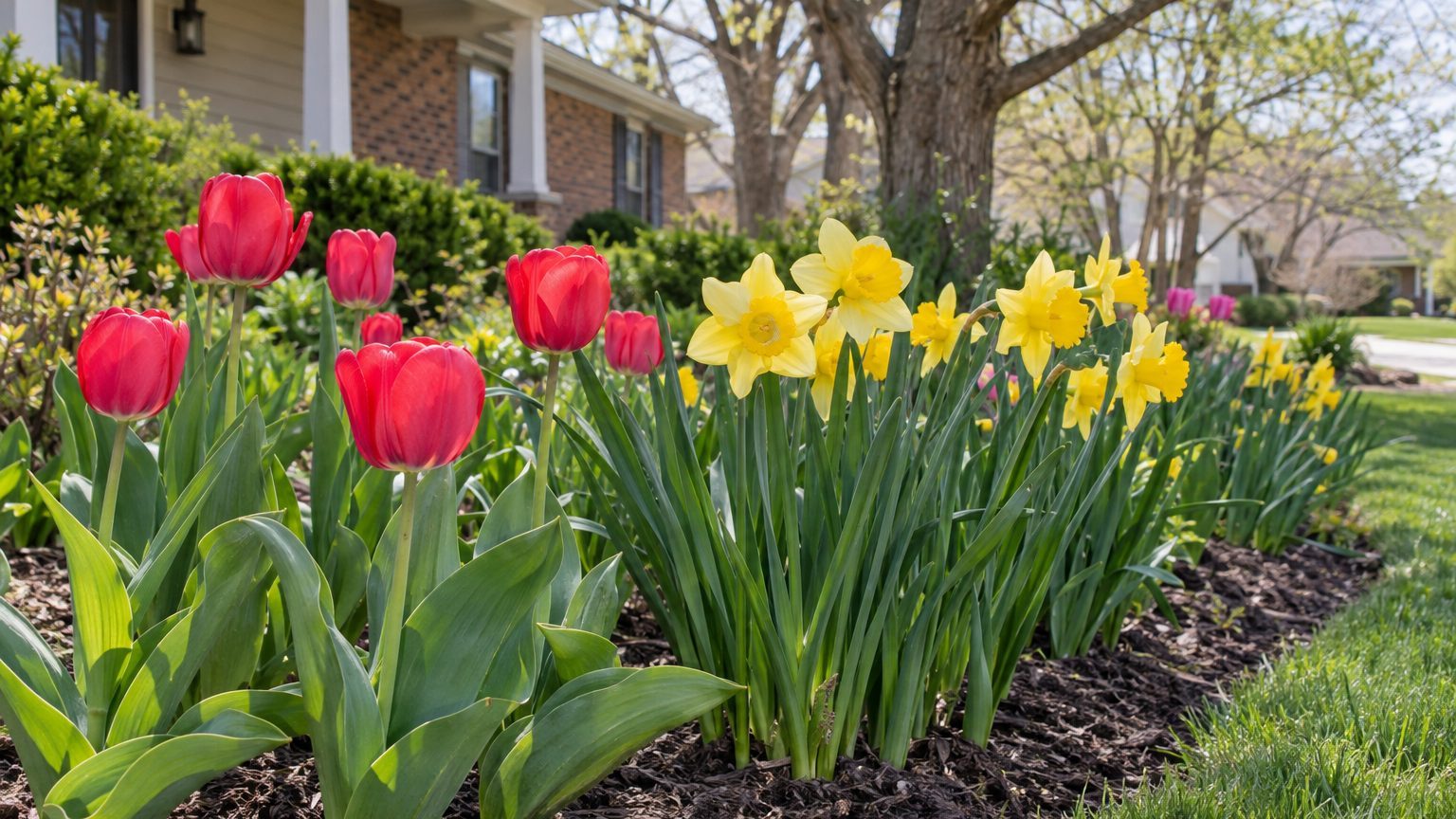
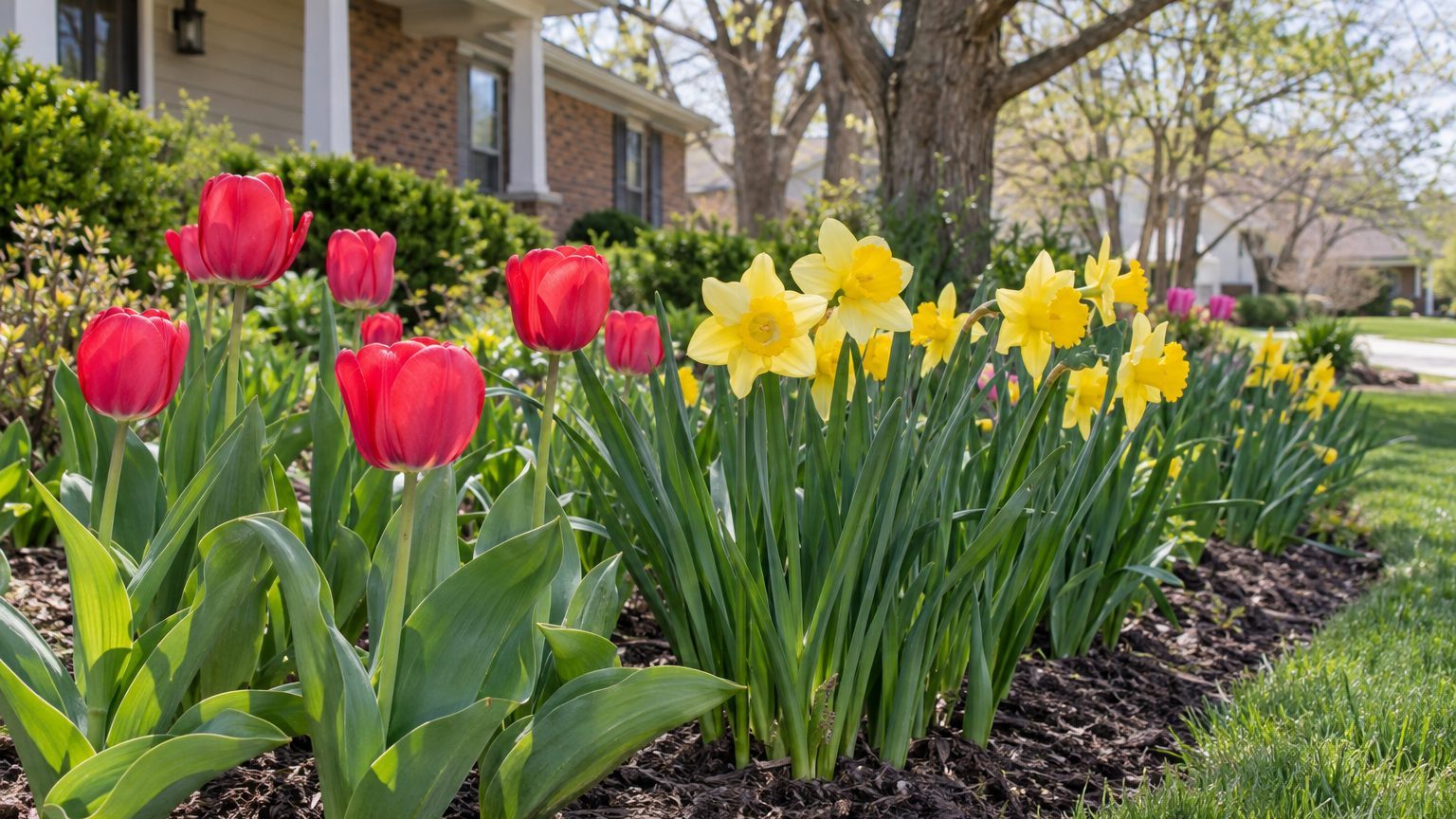
Healthy spring bulbs in bloom

Daffodils are the bulb to count on in Missouri, with tulips as a showier but shorter-lived choice and alliums as an easy extra. Winters here (USDA zones 5b to 7b) give most spring bulbs the cold they need, and fall planting in September through October lets roots settle first.

Daffodils

Daffodils are more vigorous than tulips and most other spring-flowering bulbs, so they return year after year. Deer and rodents leave them alone, which matters in a yard with wildlife.

Daffodils are deer-resistant and reliable bloomers. Bulbs that bloomed indoors in pots can also go outdoors afterward and usually do well.

Tulips

Tulips give the boldest color, with Giant Darwin hybrids popular for strong stems and vivid blooms from April through May. They are often short-lived, though, so plan on fewer flowers as the years pass.

Some of the larger bulbs, such as tulips, may be treated as annuals and lifted in late spring to make room for other plants. Voles, squirrels, rabbits and deer will go after them.

Crocus

Crocus are small and charming, but rabbits, chipmunks, voles and mice find them appealing. Plant them where you can watch for damage, or tuck them close to the house where fewer animals wander.

Alliums

Alliums, the ornamental onions, close out the season with round purple heads. They do not need a chill period to bloom, which makes them forgiving in a Missouri bed.

Hyacinths

Most spring-flowering bulbs need about 12 to 16 weeks of cold to flower, and Missouri winters supply it. Hyacinths fit the same fall planting window as tulips, so they can share the bed.

How to Choose Spring Bulbs for Your Missouri Garden

Your choice comes down to how much time you have, how much space you have, and what visits your yard at night. Start with daffodils if you want bulbs that come back with little fuss.

Match the bulb to your situation using the guide here.

Your situation What suits it in Missouri Why
Deer, rabbits or voles visit Daffodils Animals leave them alone, while tulips and crocus get eaten
Little time for upkeep Daffodils More vigorous than tulips and more reliable year after year
Want big color for a season Tulips, treated as annuals if needed Often short-lived, and can be lifted in late spring to make room for other plants
Cold winter worries Most spring bulbs They need about 12 to 16 weeks of cold to flower, which Missouri winters supply
Small space or a new bed Alliums They need the cold of winter to bloom

After bloom, leave the leaves on the plant until they turn brown and remove only the faded flowers. The leaves feed the bulb for next spring.

Which Spring Bulbs Suit Different Parts of Missouri

Missouri spans a wide range of winter cold, and that shifts which bulbs are the safest bet.

  • Northern Missouri: Winters run colder here, so bulbs get their full chill with ease. Daffodils and tulips both have the cold they need.
  • Kansas City: Planting in September through October works well, and rabbits and deer in suburban beds make daffodils a dependable pick.
  • Southern Missouri and the Bootheel: Winters are milder, so the cold requirement is the thing to watch. Daffodils are the safer choice, and tulips may need more attention.

Wherever you garden, the fall planting window stays the same, and the local mix of wildlife can matter as much as the climate.

Spring Bulb Buying Mistakes to Avoid in Missouri

Planting Tulips Where Animals Roam

Tulips and crocus are the bulbs voles, squirrels, rabbits and deer go after. The cost is a bed of empty ground in spring.

Swap in daffodils where animals are a problem, since they are left alone.

Expecting Tulips to Last

Tulips are often short-lived in the garden, so a planting may thin out within a few seasons. Budget for replacing them, or treat them as annuals and lift them in late spring.

Daffodils last longer and are the more reliable perennial bulb.

Holding Bulbs Back in the Bag

A bulb left in its bag over winter is wasted. Plant as long as the ground can be dug, even if that means November or December.

Late planting beats not planting, though September through October is the better window because roots have time to form before the ground freezes.

Where to Get Spring Bulb Advice in Missouri

For local questions, University of Missouri Extension is the place to start, along with the extension office in your county.

  • University of Missouri Extension offers guides on bulb choice and planting, useful before you shop in late summer.
  • Your county extension office can answer questions about local soil and pests, and fall is a good time to call.

Before the first frost, check your bed and sort your bulbs, then plant them as soon as the soil has cooled.

Common Questions

Can You Plant Spring Bulbs in December in Missouri?

Yes, as long as the ground is still unfrozen and can be dug. Planting in September through October is better, but a late bulb in the ground beats one left in the bag.

Why Do Tulips Stop Blooming After a Few Years?

Tulips are often short-lived in the garden. Daffodils are the more reliable choice if you want blooms to return.

Do Alliums Need Cold to Bloom?

Yes. According to Iowa State University Extension, alliums need the cold of winter to bloom, like tulips and hyacinths.
When Do Tulips and Daffodils Bloom in Missouri?

When Do Tulips and Daffodils Bloom in Missouri?

Green spears pushing through cold, leaf-littered beds are the first sign that Missouri’s spring bulbs survived winter. Daffodils and tulips take their turns after that, and the timing is fairly predictable from year to year. Here is when each one flowers in Missouri, how to read the signs, and what the plants need once the color fades.

When Do Tulips and Daffodils Bloom in Missouri?

When Do Tulips and Daffodils Bloom in Missouri?

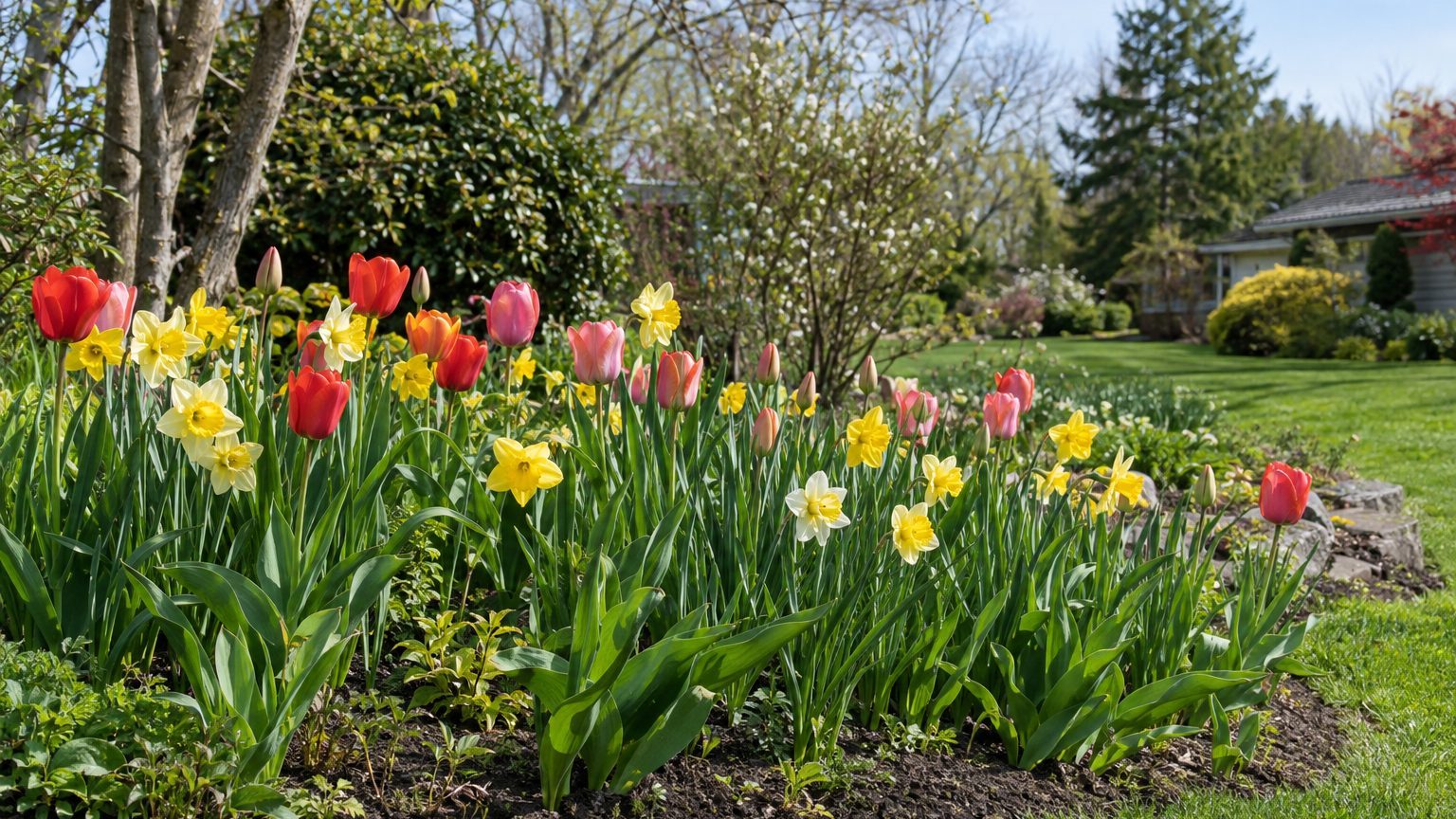
Tulips and daffodils bloom in Missouri from April through May. Daffodils can start earlier, with the first flowers opening in late February in a mild year, while tulips hold off until April.

Bulbs come up in March or early April, and the exact week depends on how quickly spring warms. A cold, slow March pushes everything later, and a warm one pulls it forward.

Bulb When it blooms in Missouri What sets the timing
Daffodils Late February in a mild year, with most flowering April through May How soon spring warmth follows the winter cold
Tulips April through May Spring warming, plus the variety you planted

Crocus, hyacinths and alliums open on the same warming trend, though no fixed month belongs to them. Spring bulbs flower in a long succession, with the early small bulbs at the start of the season and ornamental onions (alliums) closing it. A planting that mixes several kinds can keep color in the yard for weeks.

How to Tell Your Bulbs Are About to Bloom

The bulbs announce themselves well before the first petal opens, and a few quick checks in the bed tell you where things stand.

  • Green tips poking through the soil in March or early April mean the bulbs came through winter and the countdown to flowering has started.
  • Leaves that stand up straight and thicken tell you the plant is drawing on the energy stored in the bulb.
  • A fat bud on a daffodil stem, still wrapped in its papery sheath, is a sign that flowers are close.
  • Tulip buds that show a stripe of color at the tip are only a little way from opening.
  • Tulip or crocus tips that have been chewed off, or a patch where nothing came up, point to voles, squirrels, rabbits or deer.

If a clump shows leaves but no buds, give it time, because some varieties simply run later than their neighbors.

What to Do After Tulips and Daffodils Bloom in Missouri

Snip off the faded flowers and leave everything else alone. The leaves keep feeding the bulb long after the petals drop, so they stay on the plant until they turn yellow and then brown. Never cut them back while they are green, and never tie or braid them to tidy the bed.

A tulip bed rarely stays as full as it was in year one, since tulips are often short-lived in the garden. Missouri gardeners often treat the larger bulbs, tulips included, as annuals and lift them after bloom to make room for other plants. In Missouri you can do the same, or simply accept that a few will fade and top up the bed each fall.

Daffodils behave differently. They last longer and are the more reliable perennial bulb, and they are left alone by voles, squirrels, rabbits and deer, which do go after tulips and crocus. Where animals are a problem, daffodils are the safer investment.

How Bloom Time Shifts Across Missouri

Missouri spans USDA hardiness zones 5b to 7b, so flowering does not arrive everywhere at once, and a few differences are easy to spot.

  • Northern Missouri: Winters bite harder here, so bulbs come up later and the display runs behind the rest of the state.
  • In the metro area: The airport is well north of the city center, and downtown warms a bit earlier in spring, so bulbs closer in usually open before those out near the airport.
  • Southern Missouri: Spring is milder here than in much of the rest of the state, so flowers come earlier, and the first daffodils are the ones to watch for.

Even within one yard, a bed against a south-facing wall will open before one in a shaded corner.

Where to Get Bulb Advice in Missouri

University of Missouri Extension publishes planting and care guidance for the whole state, and your county extension office can answer questions about your own soil and local conditions.

  • The extension website has guides on choosing and caring for bulbs, which are worth reading before planting time in September or October.
  • Your county extension office can help with a bed that keeps failing, so call or visit when you notice poor bloom or missing bulbs in spring.

Common Questions

When Should You Plant Tulips and Daffodils in Missouri?

September and October are the planting months. Wait until the soil has cooled enough, which gives roots time to form before the ground freezes without tempting the bulbs to sprout in fall. Bulbs still in the bag in November or even December can go in as long as the ground is unfrozen and can be dug.

Do Spring Bulbs Need to Be Chilled Before Planting?

Most spring-flowering bulbs need about 12 to 16 weeks of cold to flower. Where winters are too mild to supply it, tulips and hyacinths are chilled in the refrigerator before planting. Alliums need the cold of winter to bloom, just like other spring bulbs.

Can You Plant Forced Daffodils Outdoors?

Yes, daffodils are an exception among bulbs. In Missouri, forced daffodils are saved and planted outdoors successfully, because daffodils are more vigorous than tulips and most other spring bulbs. Tulips and hyacinths forced indoors rarely do as well.

When to Plant Tulips and Daffodils in Missouri

When to Plant Tulips and Daffodils in Missouri

Daffodil shoots pushing through cold ground in March are one of the first signs of spring in Missouri, and they start with a bulb tucked into the soil the autumn before. Tulips and daffodils go in during autumn, and Missouri’s long fall leaves plenty of room to get them planted.

When to Plant Tulips and Daffodils in Missouri

When to Plant Tulips and Daffodils in Missouri

Plant tulips and daffodils in Missouri in September and October. Bulbs left in the bag can still go in during November and even December, as long as the ground is unfrozen. Here is how a bulb’s year runs.

  • In September, shop for firm, heavy bulbs and keep them in a cool, dry spot until the soil has cooled.
  • Plant from September through October, once the soil has cooled to a comfortably cool autumn level, which gives roots time to form before the ground freezes without tempting the bulbs to sprout in autumn.
  • In November and December, any bulbs still unplanted go in as soon as the ground can be dug, because a late bulb does better in the soil than stored over winter.
  • In late fall, once the ground turns cold, spread a layer of mulch over the bed to even out the freezing and thawing.
  • Through winter, the bulbs rest in cold soil, and that cold is what prepares them to flower.
  • In March or early April, green shoots break the surface, the first daffodils can open from late February, and tulips flower from April through May.

In Missouri, the first fall frost tends to arrive well into autumn, so the planting window opens well ahead of it. USDA hardiness zones run from 5b to 7b across Missouri, with southern Missouri milder than the north.

Which Spring Bulbs Do Best in Missouri?

Daffodils are the dependable choice in Missouri. They are vigorous, they come back year after year, and animals leave them alone. Tulips do grow here, but they are short-lived and attract hungry wildlife, so plan on replacing some.

Crocus face the same wildlife trouble as tulips. According to Iowa State University Extension, alliums need the cold of winter to bloom, and add height late in the season.

Bulb type How it does in Missouri Why
Daffodils Reliable perennial, lasts for years More vigorous than tulips, and deer and rodents leave them alone
Tulips Beautiful but often short-lived Voles, squirrels, rabbits and deer eat them, and some gardeners treat them as annuals
Crocus Good color, but often eaten Voles, squirrels, rabbits and deer go for the corms
Alliums Easy and bloom late in the spring bulb season Chill period needed to bloom

Hyacinths follow the same planting window as tulips and crocus. If voles or squirrels have raided a bed before, put daffodils in the spots where losses have been worst, and keep tulips in beds you can watch.

When to Plant, Chill and Care for Spring Bulbs in Missouri

A few jobs fill the bulb year, and each has its moment. Planting is a fall task. Chilling matters only if winter fails to deliver enough cold. Care after bloom comes down to patience with the leaves.

Task Best timing in Missouri Why then
Plant tulips, daffodils, crocus, hyacinths and alliums September through October, and November or December if the ground is unfrozen Roots settle in before the soil freezes
Chill tulips and hyacinths in the refrigerator Before planting, only if the winter will be too mild Most spring bulbs need about 12 to 16 weeks of cold to flower
Remove faded flowers Soon after the petals drop, in April through May Seed formation wastes energy the bulb needs
Leave the leaves alone Until they turn brown The leaves feed the bulb for next year’s bloom

Resist the urge to tie or cut green foliage to tidy a bed. Plant summer annuals or perennials nearby so their leaves can hide the fading bulb leaves while the bulbs recover.

How Bulb Planting Time Changes Across Missouri

Missouri stretches from cold northern counties to warmer southern ones, and that shifts where you land inside the September through October window.

  • In northern Missouri, winters are colder and frost arrives sooner, so aim for the earlier part of the planting window. Settled soil in autumn means roots have time to anchor before the ground freezes hard.
  • In southern Missouri, including the Ozarks and the Bootheel, milder conditions mean the soil cools later, so wait until it has cooled to that same comfortably cool autumn level before planting, and expect the ground to stay workable well into late fall.

Between those two, trust the soil more than the calendar. A bed that has cooled is ready, whatever the date.

Where to Get Bulb Advice in Missouri

University of Missouri Extension is the place to take bulb questions, from planting windows to animal damage. Every county has an extension office staffed to help local gardeners.

  • The county extension office can run a soil test and tell you whether a bed drains well enough for bulbs, so stop by before planting.
  • Extension staff can look at a photo or sample of a failed planting and help sort out whether wildlife, rot or poor drainage was the problem, best done in spring when the gaps show.
  • Before the ground cools, pick up a soil sample bag, so the results are ready when planting time comes.

Common Questions

Can You Plant Forced Daffodils Outside in Missouri?

Yes. Daffodils are vigorous enough that bulbs forced indoors can be saved and planted in the garden once the leaves have died back. Tulips and hyacinths are less likely to rebound.

Should You Dig Up Tulips After They Bloom?

Many gardeners treat tulips as annuals and lift them in late spring to make room for other plants. If you leave them in, let the leaves turn brown first.

Can You Grow Tulips in Missouri If Voles and Rabbits Visit?

You can, but expect some losses, since voles, squirrels, rabbits and deer all eat tulips. Daffodils are left alone, so they make a sturdier backbone for the bed.

Best Grass Seed for Missouri

Best Grass Seed for Missouri

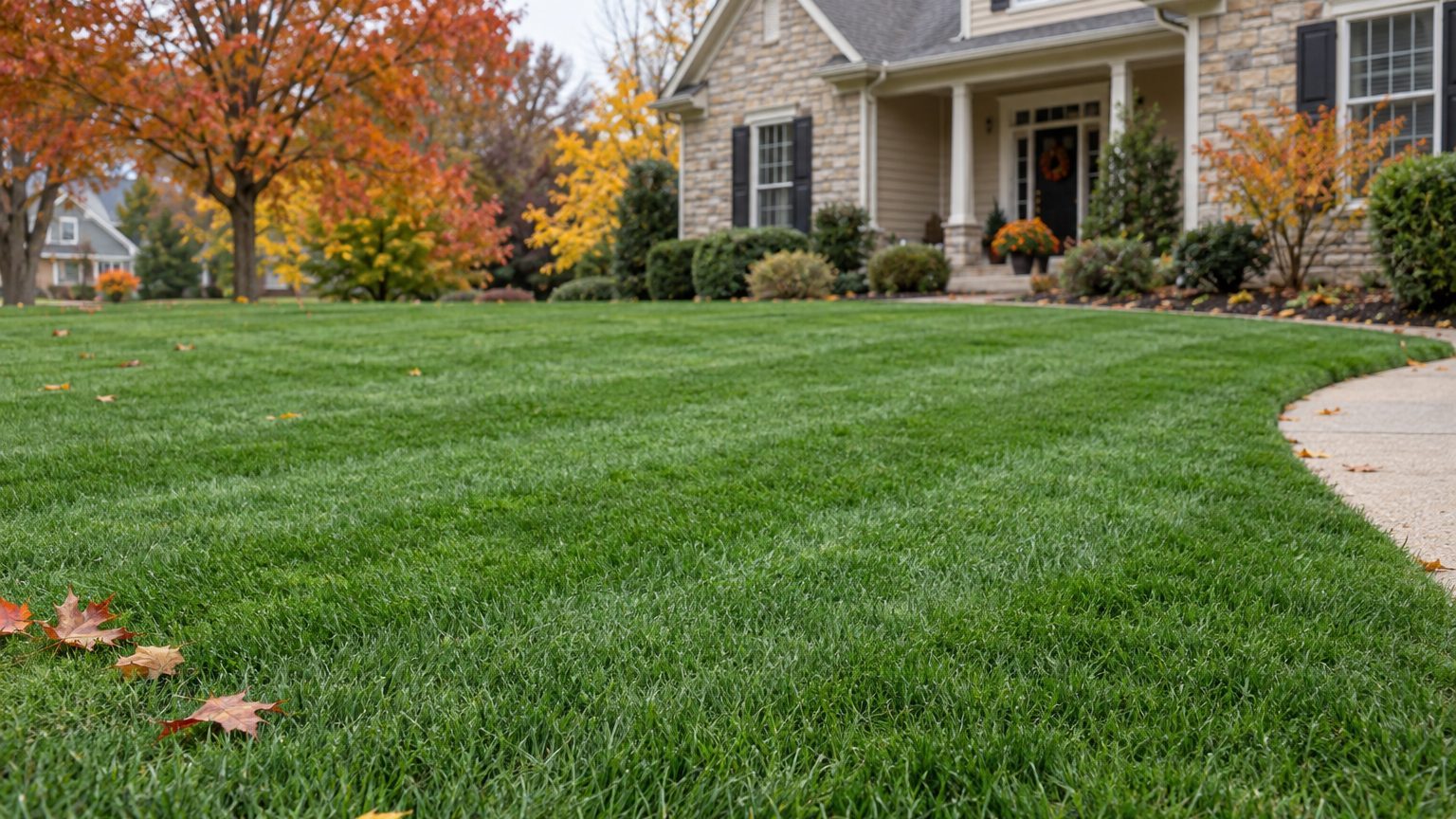
Walk a Missouri lawn in July and you can usually tell what was planted: some patches stay green and soft while others go tan and crunchy. Missouri sits where cool-season and warm-season grasses both struggle, so the right seed depends on your sun, your traffic, and how much you want to water and mow.

Which Grass Grows Best in Missouri?

Missouri is a transition zone, so cool-season grass suits many yards, with warm-season grass working well in full sun if you accept a brown winter. The USDA hardiness range runs from 5b to 7b, reflecting differences in average annual extreme minimum temperature across Missouri.

Tall Fescue

Tall fescue is the workhorse for Missouri yards. Its deep roots help it handle summer heat, and it can retain color into winter. It grows from seed, and late summer is the time to sow it.

Kentucky Bluegrass

Kentucky bluegrass does best on cooler, higher ground and in the northern part of the state. It makes a dense, fine lawn that repairs itself, but it needs regular water to stay green when July and August turn hot.

Bermudagrass

Bermudagrass loves full sun and heat, and you can start it from seed or sod. It handles foot traffic and drought well. The tradeoff is that it turns tan after the first hard frosts and stays that way until spring warms the soil.

Zoysiagrass

Zoysiagrass forms a thick, tight turf that crowds out weeds, but it is mostly planted as sod or plugs rather than seed. It is slow to fill in and also goes dormant and brown in winter. It suits patient homeowners with sunny yards.

How to Choose Grass Seed for a Missouri Yard

Start with the light your yard gets and the way you use it. Sunlight and use quickly narrow the choice.

Then think about water and mowing. Warm-season grasses cope with drought better, while cool-season grasses stay green for more of the year.

Your yard Grass to pick Why
Full sun, heavy traffic Bermudagrass Tough, recovers fast, thrives in heat
Part shade, general use Tall fescue Tolerates some shade and summer stress
Cool, higher ground, water available Kentucky bluegrass Dense and self-repairing in cooler spots
Full sun, low weed pressure wanted Zoysiagrass Thick turf, planted as sod or plugs
Little watering Bermudagrass Handles dry spells in summer

If you dislike frequent mowing, tall fescue is a calmer pace than bermudagrass, which wants regular cuts all summer. Deep shade is difficult for all of these grasses, so shade-tolerant tall fescue is a practical choice there, and bare ground under dense trees may need mulch instead.

Which Grasses Grow Where in Missouri

The state is long enough that north and south behave differently, and the Ozarks add their own twist.

  • Northern Missouri: Winters are colder here, so Kentucky bluegrass and tall fescue are the dependable pair, and bermudagrass can suffer winter damage.
  • Kansas City and St. Louis: These metro areas sit in the middle of the transition zone, where tall fescue is the common choice and bermudagrass or zoysia suits hot, sunny lots.
  • The Ozarks and the Bootheel: Summers are longer and milder winters favor bermudagrass and zoysia, while tall fescue works with more care in summer.

Southern Missouri warms earlier in spring than the north, so warm-season planting can start a little sooner there.

Grass Seed Mistakes to Avoid in Missouri

Planting the Wrong Grass

Sowing bluegrass in a hot, sunny southern yard or bermudagrass in a shady northern one sets you up for thin turf. Match the species to your sun and your part of the state before you buy.

Seeding at the Wrong Time

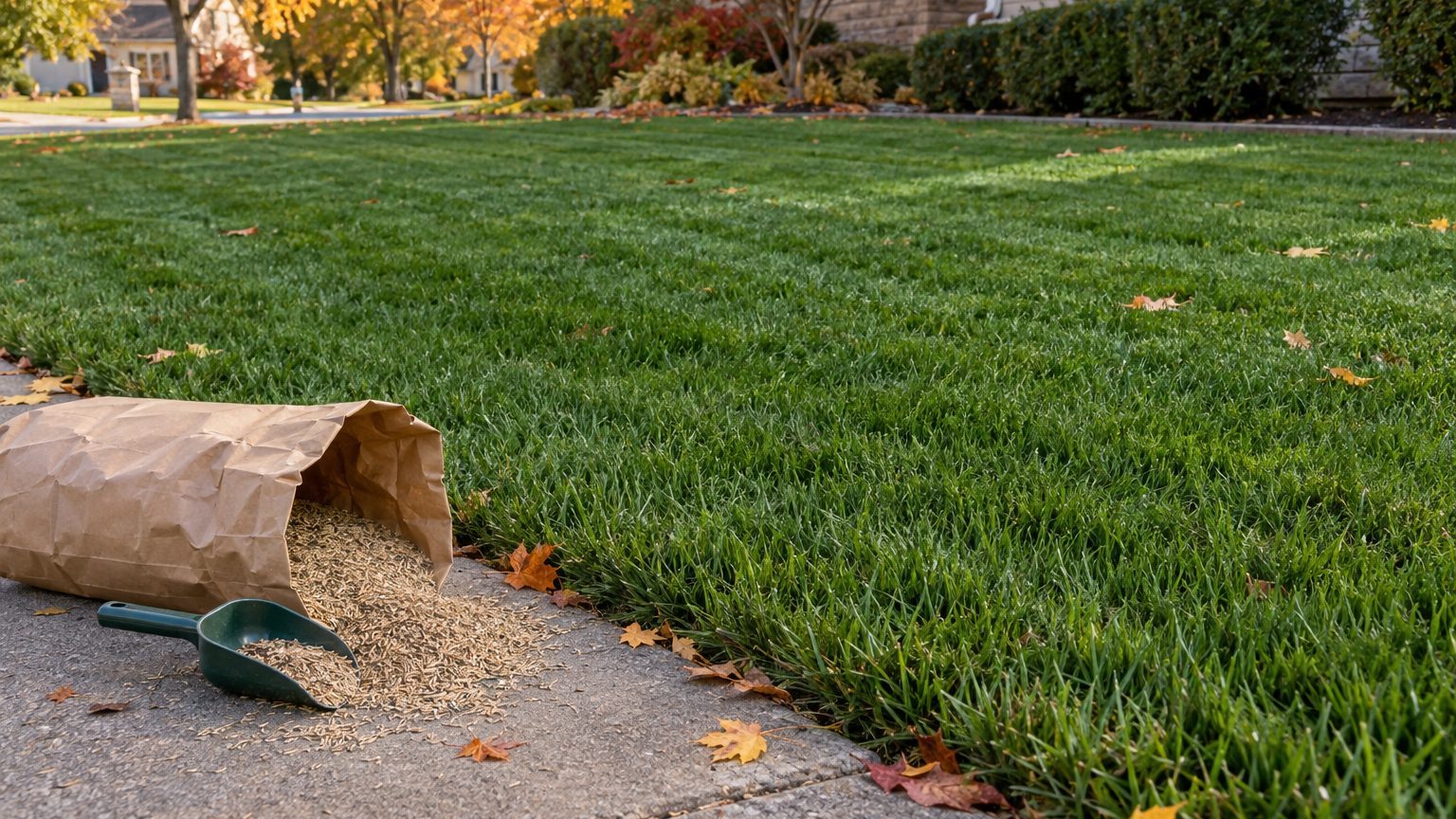
Tall fescue and bluegrass go in the ground in August, with September as a backup, so seedlings root before winter. Warm-season grass belongs in May, and June still works. Spring seeding of fescue often loses to summer heat and crabgrass.

Burying or Skimping on Seed

Cover seed with no more than 0.25 inch of soil and press it down so it touches the ground firmly. Deep burial keeps seedlings from emerging. Follow the rate printed on the bag, since too little leaves gaps for weeds and too much crowds seedlings out.

Where to Get Lawn Advice in Missouri

Local soil and microclimate vary from county to county, so a quick check with local experts saves guesswork before you buy seed.

  • University of Missouri Extension offers lawn guides and variety advice, and it is a useful resource before the late-summer seeding window.
  • Your county extension office can explain soil testing and what grows in your area, so visit in early summer to plan ahead.

Common Questions

Can You Plant Tall Fescue in Spring in Missouri?

You can, but seedlings often struggle when summer heat arrives. Late summer gives the grass cooler weather to root, and the fall seeding window is the better plan for a lasting lawn.

Does Bermudagrass Stay Green All Year in Missouri?

No. It greens up in late spring and turns tan after frost, staying dormant through winter. If winter color matters to you, tall fescue is the better pick.

When Should You Fertilize a Missouri Lawn?

Tall fescue does well with feeding in March and again in September and October, never in summer. Bermudagrass and zoysia are fed in May through July while they are actively growing.

Lawn Problems and Solutions in Missouri

Lawn Problems and Solutions in Missouri

Brown circles in July, crabgrass in the driveway edge, a lawn that thins out under the maple: Missouri yards show their troubles in predictable seasons. The state sits where cool-season and warm-season grasses both struggle, so common problems often trace back to summer stress, wet springs, or a mismatch between grass and care.

Lawn Pests and Diseases in Missouri

Crabgrass in Thin Spots

Crabgrass in Thin Spots — Lawn Problems and Solutions in Missouri

Crabgrass shows up as coarse, light green clumps that spread flat along the ground, usually where turf is thin or beside pavement. Seeds sprout as the soil warms in spring. A preventer applied in March works best, and February, April or May still work if you missed it.

Mowing at a steady height and keeping the lawn dense shades out the seedlings you did not catch.

Thatch Buildup

Pull back the grass and look at the brown, spongy layer above the soil. Up to 1/2 inch is healthy. Beyond that, water and fertilizer struggle to reach the roots, and disease settles in.

Dethatch or core aerate tall fescue in August or September. Bermuda and zoysia lawns are dethatched in May or June, and April also works.

Brown Patch in Summer Heat

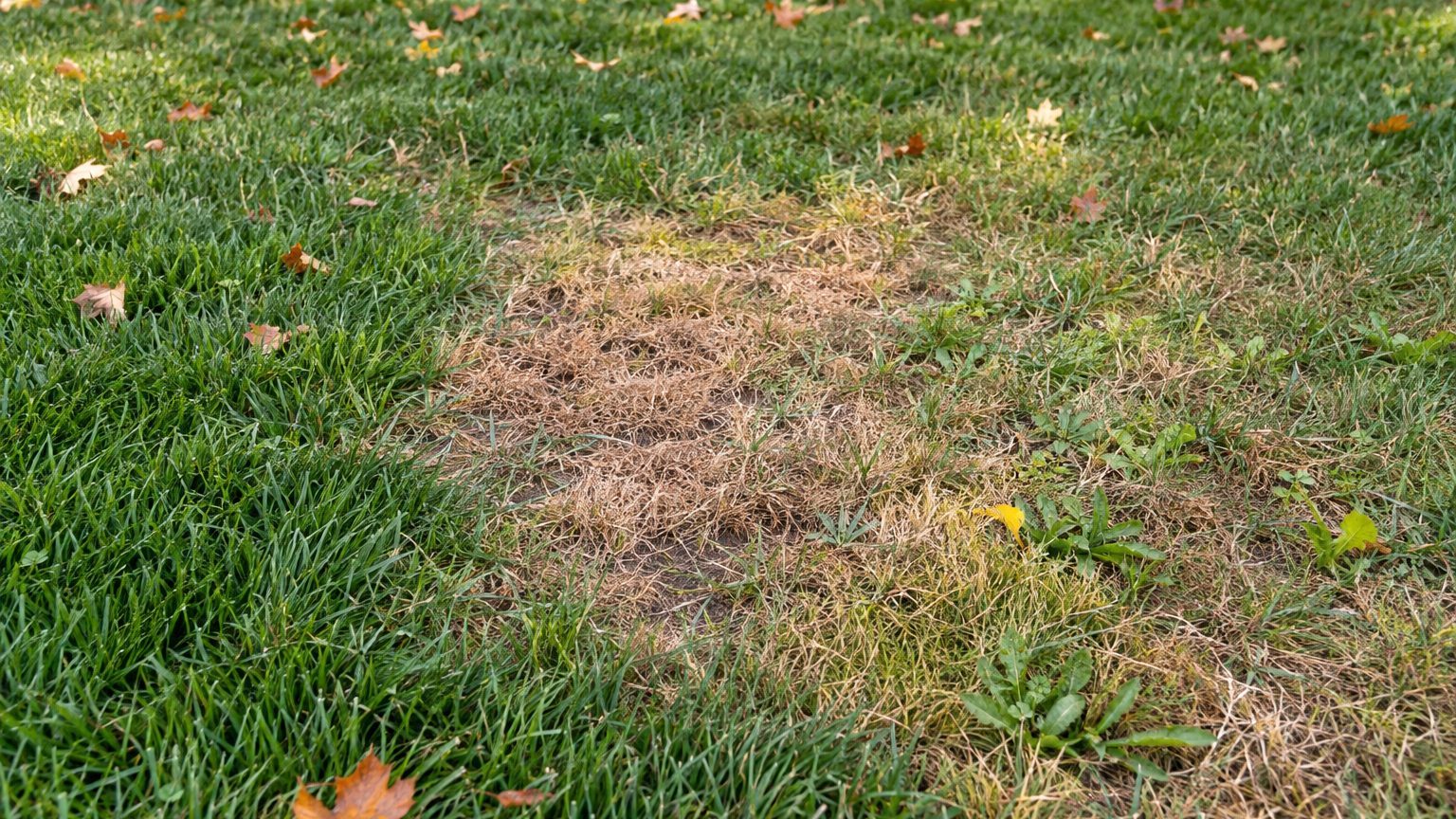
Brown patch appears as roundish tan to brown areas on tall fescue during warm, humid stretches. Missouri summers give it plenty of chances, especially on lawns watered in the evening or fed too heavily in warm weather.

Water deeply in the morning during June, July and August, and keep nitrogen out of the summer schedule for fescue. Patches usually fill in once cooler weather and fall seeding arrive.

Thin Turf After Summer

Tall fescue often comes out of summer weak and bare in places. Late summer is the repair window: aerate and overseed in August, and if you miss it, September still works.

Seed placed in loosened soil can root before the first fall frost, which falls between October 18 and October 29 around Kansas City and varies elsewhere in Missouri. Warm-season lawns follow a different schedule: seed in May, or in June if May gets away from you.

How to Tell Which Lawn Problem You Have

Do not rely on appearance alone. Pair what the damage looks like with where it sits and when it appeared, then check the plant itself: does it pull up, does it have roots, is the soil spongy underfoot?

Shade, sun and season narrow things quickly. A problem that follows the shadow line of a tree points elsewhere than one that sprawls across open, sunny turf.

What you see Where and when Likely cause
Coarse, flat, light green clumps Thin spots and edges, summer Crabgrass
Round tan patches on fescue Open lawn, hot humid spells Brown patch
Spongy turf, water runs off Whole lawn, any season Thatch buildup
Thin, weak grass Under trees, after summer Shade and summer stress

If the grass lifts easily like a loose carpet and has no roots beneath, the cause is likely in the soil rather than a leaf disease, which is worth confirming with an extension office before treating anything.

Where Lawn Problems Are Worst in Missouri

Missouri stretches across USDA hardiness zones 5b to 7b, so the same lawn faces different pressure depending on where it sits.

  • Northern Missouri: Colder winters favor tall fescue and bluegrass, while spring growth starts later, so early-season care may need to wait.
  • Kansas City and St. Louis: Hot, humid summers put cool-season lawns under disease stress, and brown patch is a regular visitor.
  • The Bootheel and southern Missouri: Milder winters and longer heat make warm-season grasses like bermuda and zoysia a natural fit, with growth starting earlier in spring.

Check your grass type before you apply any regional advice, because timing changes with grass type.

Lawn Care Mistakes That Invite Problems in Missouri

Mowing Too Short

Scalped grass loses shade for its own roots and leaves bare soil where crabgrass takes hold. Mow regularly from March through November for tall fescue, and from April through October for bermuda and zoysia.

Instead of cutting low, raise the blade and take off only a small portion of the leaf at a time.

Shallow Evening Watering

Light, frequent watering after sundown keeps leaves wet overnight and invites brown patch. Water deeply and in the morning during June, July and August, when lawns need it most.

Feeding at the Wrong Time

Fertilizing tall fescue in summer feeds disease and weeds more than turf. Feed it in March, September and October, and April works too. Warm-season lawns are the opposite, fed in May, June and July when they grow actively.

Where to Get Lawn Advice in Missouri

University of Missouri Extension publishes lawn guidance for the state and offers local help that can account for conditions in your area.

  • The state site has articles on turf, weeds and disease that can help you decide what to do next.
  • Your county extension office can identify a problem from a sample or photo, so contact them before treating a patch you cannot name.

Common Questions

Can You Fix a Missouri Lawn in One Season?

Often you can start. Late summer seeding and aeration give tall fescue a useful head start, while warm-season lawns recover best with late spring care.

Why Does My Fescue Struggle While My Neighbor’s Bermuda Looks Fine?

Fescue is a cool-season grass that stalls in Missouri heat, while bermuda thrives in it. Each also has different timing for seeding and feeding.

Should You Dethatch Every Lawn?

No. A modest thatch layer is healthy, and dethatching only helps once it becomes excessive.

Missouri Lawn Care Schedule, Month by Month

Missouri Lawn Care Schedule, Month by Month

Tall fescue turns green in March while a bermuda or zoysia lawn next door stays straw-brown longer. Missouri sits where cool-season and warm-season grasses overlap, so the right month for a task depends on which grass you own.

What to Do Each Month in a Missouri Lawn

Lawn in Missouri

Cool-season lawns (tall fescue, bluegrass) do their heavy work in fall and early spring. Warm-season lawns (bermuda, zoysia) do theirs in late spring and summer, once the soil has warmed. Each row below says which grass it speaks to when it matters.

Month In the lawn
January Rest. The grass is dormant, so keep foot traffic light on frozen turf and leave it alone.
February Still mostly rest. A mild spell lets you put down crabgrass preventer early, before the weed seeds wake up.
March Spread crabgrass preventer and feed tall fescue as it wakes. The first mowing of the year usually comes now.
April Mowing picks up, and bermuda and zoysia begin to green. Preventer and fertilizer still work if March slipped by, and warm-season thatch can be pulled now too.
May Seed or sod bermuda and zoysia, dethatch them, and start feeding them. Preventer still works if you are late.
June Warm-season grass is growing hard, so keep feeding it and start watering. Seeding and sodding warm-season lawns still work this month. Leave tall fescue unfed, since fertilizer should never go on it in summer.
July Water deeply and keep feeding bermuda and zoysia. If you missed May and June, sod still works in July.
August Core aerate fescue, then seed it right away while the soil is warm. Dethatch cool-season turf, and keep new seed moist.
September Feed fescue, and dethatch if August got away from you. If you missed August, overseeding and aeration still work now.
October Feed fescue and keep mowing. Warm-season grass slows and browns, so its last mowings come now.
November Mow fescue as long as it grows, and rake leaves so they do not smother it. Bermuda and zoysia are dormant.
December Rest. The whole lawn is dormant, and the only job is staying off it when it is frozen.

If you are unsure which grass you have, settle that first. A fescue lawn and a bermuda lawn can sit side by side and need opposite things in the same month.

When Does the Lawn Season Start and End in Missouri?

Grass wakes up when the soil warms, not when the last frost passes. Cool-season seed germinates once the soil sits at 50 to 65 °F. Warm-season seed needs warmer soil, at 65 to 70 °F, so seeding bermuda and zoysia belongs in May or June rather than early spring.

Frost dates matter mostly for young seedlings. In the Kansas City area, the last spring freeze usually falls between April 6 and April 20, and southern Missouri is milder still. Warm-season seed sown before that window risks a late freeze burning the first green blades.

The fall side works the same way. The first freeze tends to arrive between October 18 and October 29 around Kansas City, and a fescue seedling needs to be rooted well before then. That is why late summer seeding beats waiting for October. Mature turf shrugs off a light frost, and growth slows with cooling soil, so mowing keeps going into November for fescue.

How the Lawn Calendar Shifts Across Missouri

Missouri runs from USDA hardiness zone 5b to 7b, so the north and the south do not wake up together. Shift the monthly tasks in the direction below.

  • Northern Missouri, around Kirksville and the Iowa line: Spring comes later and fall frost arrives earlier. Tall fescue and bluegrass dominate, and warm-season grasses are a gamble because winter can injure them. Push spring tasks toward the later end of their months and seed fescue at the start of the late-summer window.
  • Kansas City and St. Louis: These sit in the middle of the transition zone, where either grass type can work. Follow the calendar as written, and expect fescue to struggle in a hot summer.
  • The Ozarks around Springfield: Higher ground keeps nights cooler, so spring warmth arrives a little later than the valleys would suggest. Fescue does well here, and bermuda can suffer during severe winter cold.
  • The Bootheel in the southeast: This area has milder winters than northern Missouri, so spring starts earlier. Bermuda and zoysia thrive, while fescue works harder through summer heat. Lean toward the early end of spring tasks.

Within each region, a south-facing slope warms sooner than a shady north side, so different parts of the same yard can follow different schedules.

Lawn Care Timing Mistakes to Avoid in Missouri

Seeding Fescue in Spring

Spring seed sprouts fast and looks promising, then meets Missouri summer before the roots are deep. Heat and drought thin it out, and crabgrass fills the gaps. Wait for late summer, when warm soil and cooling air let seedlings root properly, and aerate first so the seed meets bare soil.

Late Crabgrass Preventer

Preventer stops crabgrass seeds from sprouting, but it does nothing to plants already up. Once seedlings appear, the product is wasted money. Apply it in March, or in February or April if the season runs early or late, and May is the last reasonable call.

Dethatching Warm-Season Grass in Fall

Pulling thatch from bermuda or zoysia as the lawn heads into dormancy leaves it bare and slow to recover. Weeds move into the open ground, and winter cold hits unprotected crowns. Do the job in May or June, while the grass is growing fast enough to fill in.

Where to Get Lawn Advice in Missouri

Soil, shade and grass variety differ from one Missouri yard to the next, and local experts can fine-tune the schedule above for yours.

  • The University of Missouri Extension publishes lawn guides for fescue, bermuda and zoysia, and a quick look in spring or late summer helps you plan the next job.
  • Your county extension office can answer questions about local weeds and soil, and it is worth a call before you buy seed or fertilizer.
  • A soil test through the county office can guide feeding decisions.

Common Questions

How Can You Tell If Your Lawn Is Tall Fescue or Bermuda?

Look at the color and the leaf. Fescue stays green well into November and has wide, coarse blades. Bermuda turns tan after the first hard frost and has fine blades with creeping runners. Check the color and leaf shape before you buy seed or fertilizer.

Can You Keep Fescue and Bermuda in the Same Yard?

You can, but they follow different calendars, so each patch needs its own feeding and seeding months. Mixed lawns often look uneven because the grasses green up and go dormant at different times. Treat each area as its own lawn for timing.

How Do You Know When a Brown Lawn Is Dormant and Not Dead?

Dormant grass is brown all over and the crowns near the soil stay firm and pale. Dead grass pulls up easily and leaves bare, dry patches. If the browning follows the seasons and the whole lawn matches, dormancy is the likelier cause.

Missouri Lawn Care: What to Do and When

Missouri Lawn Care: What to Do and When

Walk a Missouri yard in late spring and you will see neighboring lawns in contrast: thick and green turf beside grass that stays tan until the weather turns hot. Which one you own decides almost everything about when to seed, feed and mow.

Frost Dates and Growing Season in Missouri

In Kansas City, the last spring freeze usually lands between April 6 and April 20, and the first fall freeze arrives between October 18 and October 29. Those dates mark frost risk, not the day grass wakes or sleeps, because growth follows soil warmth. Southern Missouri is milder than Kansas City, and downtown Kansas City usually clears its last freeze about five days earlier. Missouri spans USDA hardiness zones 5b to 7b, so your own zone depends on where you live.

A late freeze can nip young seedlings, so new grass should be established before fall cold arrives. Through the year, the lawn moves in these stages:

  • In late winter and early spring, cool-season grass is still mostly dormant, and this is when crabgrass preventer goes down, with March the best fit.
  • Once the soil warms in April and May, mowing picks up for every lawn type, and bermudagrass and zoysiagrass start greening up and growing.
  • In May through July, warm-season lawns grow hardest, which makes it the time to feed them and to lay sod or plugs.
  • From June through August, watering matters most, since summer heat and dry spells stress tall fescue and bluegrass.
  • In late summer, August and September bring the best seeding and core aeration for cool-season lawns, while the soil is still warm and the nights begin to cool.
  • In October and November, cool-season grass is feeding roots for winter, and mowing continues until growth stops.

Missouri’s long warm stretch on both ends gives you room to work, but the fall freeze still sets the deadline for anything new you plant.

Cool-Season or Warm-Season Grass in Missouri?

Missouri sits in the transition zone, where winters are cold enough to hurt warm-season grass and summers are hot enough to stress cool-season grass. Neither type is a perfect fit, so the choice comes down to how much summer color or winter color you want, and how much watering you will do.

Tall fescue is the workhorse for most yards in the state, while warm-season grasses suit sunny lawns where a tan winter is acceptable.

Grass Season How it does in Missouri
Tall fescue Cool Common choice across the state, stays green most of the year
Kentucky bluegrass Cool Does best in cooler, higher ground
Bermudagrass Warm Thrives in summer heat, grown from seed or sod
Zoysiagrass Warm Tough in heat, usually planted as sod or plugs

Warm-season lawns turn brown after the first hard freeze and stay that way until spring warmth returns. Cool-season lawns can retain color in cool weather but slow down in midsummer. Mixing cool-season and warm-season grass in the same part of the yard is a mistake to avoid, since each follows its own schedule.

When to Seed, Fertilize and Aerate a Lawn in Missouri

The big jobs follow the grass type. Cool-season lawns like tall fescue get most of their work in late summer and fall, while bermudagrass and zoysiagrass get theirs in late spring and early summer.

If you miss August for seeding, September still works. Tall fescue should be fed in early spring and fall, never in summer.

Task Best months in Missouri Why then
Seeding tall fescue August, with September as a fallback Warm soil helps seed sprout, and cooler weather follows for rooting
Core aeration August, with September as a fallback Opens compacted soil just before overseeding
Fertilizing cool-season lawns March, September, October Feeds roots when the grass is actively growing, and April also works
Crabgrass preventer March Goes down before weed seeds sprout, and February, April or May also work
Seeding bermudagrass May, with June as a fallback Warm soil gets the seed growing quickly
Fertilizing warm-season lawns May, June, July Matches the peak growing season
Dethatching warm-season lawns May, June The grass recovers fast in active growth, and April also works

Cool-season lawns are dethatched in August or September instead. Sod for warm-season grass goes down in May, and June or July still work if the spring gets away from you.

Lawn Problems to Watch for in Missouri

Brown Patches in Midsummer

Brown Patches in Midsummer — Missouri Lawn Care: What to Do and When

Tall fescue and bluegrass slow down in Missouri’s summer heat, and dry spells push them into dormancy. If the grass turns straw-colored in patches and springs back after rain, it is resting. Water deeply during June through August, and avoid cutting too short.

Thin or Bare Spots in Fall

A cool-season lawn that thins out by September has often been stressed by summer heat and compacted soil. If the soil feels hard and the spots sit where people walk or mow often, core aeration followed by overseeding in August is the repair. Waiting past September leaves less time for new grass to root before the first freeze.

Tan Warm-Season Grass in Spring

Bermudagrass and zoysiagrass stay brown well past the last freeze, because they green up with soil warmth. If the lawn looks dead in April but the runners are still firm and tan rather than brittle, give it time. Feeding too early only helps weeds, so wait until May.

How Lawn Care Dates Change Across Missouri

Missouri stretches a long way north to south, and the seasons shift with it. The dates lean toward the Kansas City area, so adjust them by where you live.

  • Northern Missouri: Spring arrives later and fall frost comes sooner, so cool-season seeding is best at the early end of the window, and warm-season grass is a riskier choice.
  • Kansas City: Springs run a few days earlier downtown than at the airport on the north side, so the early part of each spring window applies in the city core.
  • The Ozarks and southern Missouri: Milder winters mean an earlier spring start and a longer season for bermudagrass and zoysiagrass, though the higher ground stays cooler and suits bluegrass better.

If your yard sits near a regional boundary, use local conditions to choose the earlier or later part of the recommended window.

Where to Get Lawn Advice in Missouri

Local advice beats general rules, since Missouri’s soils and weather change from one county to the next. Local sources can help with a specific lawn.

  • University of Missouri Extension publishes guides on grass choice, fertilizing and weed control for the state’s lawns.
  • Your county extension office can run a soil test, which is worth doing before you fertilize or seed, and can help identify a problem if you bring a sample.

Common Questions

Can You Plant Cool-Season and Warm-Season Grass in the Same Lawn?

You can, but the two turn green and brown at different times, so the lawn looks patchy for much of the year. Giving each type its own area keeps the care simple.

Is It Too Late to Seed Tall Fescue in October?

October is later than ideal, because in Kansas City the first freeze comes between October 18 and October 29 and new seedlings need time to root. August is best, and September still works.

When Should You Start Mowing in Missouri?

Cool-season lawns can be mowed from March, while bermudagrass and zoysiagrass start in April. Mowing continues into October for warm-season lawns and November for cool-season ones.

Hydrangeas That Grow Well in Missouri

Hydrangeas That Grow Well in Missouri

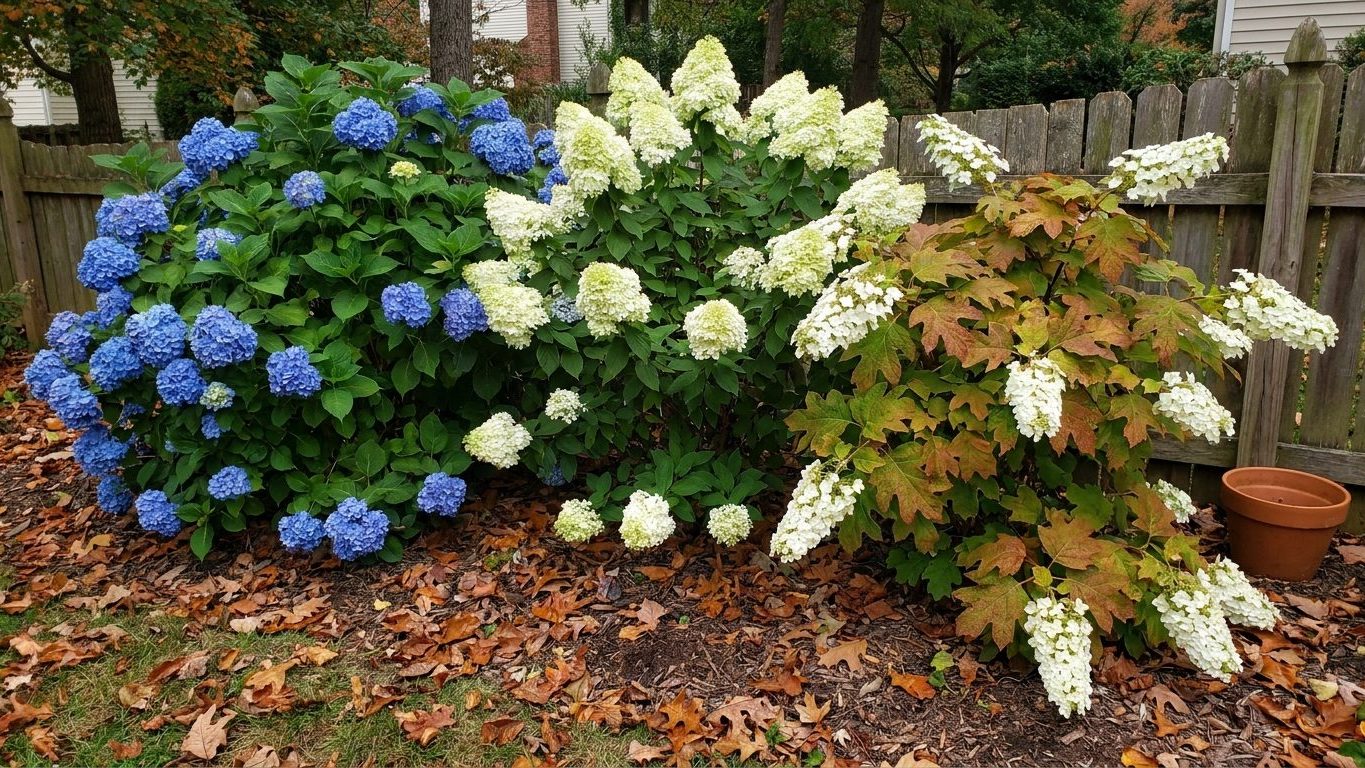
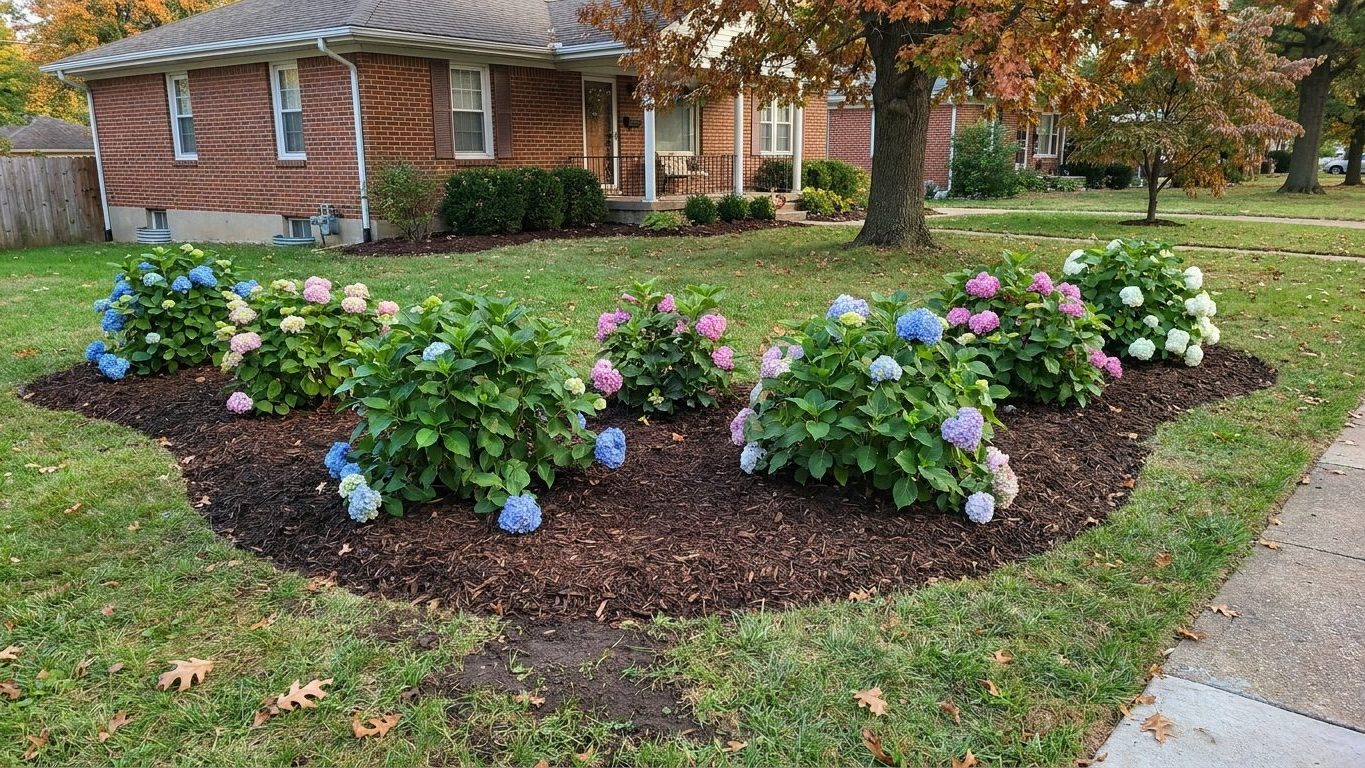
Smooth, panicle, and oakleaf hydrangea handle Missouri’s freeze-thaw winters and Ozark summer humidity with the least fuss, while mophead bigleaf and climbing hydrangea need real babying to make it through a hard Kansas City winter without losing a season’s blooms. Six varieties make the safe-to-risky list below.

Hydrangeas that grow well in Missouri: The Short Answer

The USDA Plant Hardiness Zone Map puts Missouri at 5b to 7b, a spread wide enough that a shrub thriving near the Bootheel can struggle sixty miles north of Kansas City. That range decides which of these six hydrangeas shrug off a Missouri winter and which ones gamble every year they’re in the ground.

Smooth hydrangea

Smooth hydrangea — Hydrangeas That Grow Well in Missouri

Hydrangea arborescens is native to the Ozarks and blooms on new wood each year, so even a hard winter that kills the top growth back to the ground still leaves a full flush of flowers by midsummer. It tolerates Missouri’s clay soil without complaint.

Panicle hydrangea

Panicle hydrangea — Hydrangeas That Grow Well in Missouri

Hydrangea paniculata sets its flower buds on new wood too, which means Missouri’s coldest nights near Kansas City can’t erase a season’s blooms. It also handles more direct sun than most hydrangeas, an advantage against the state’s exposed summer afternoons.

Oakleaf hydrangea

Oakleaf hydrangea — Hydrangeas That Grow Well in Missouri

Hydrangea quercifolia comes from woodlands just south and east of Missouri, so its tolerance for heavy summer humidity and dappled shade fits the Ozarks well. Its buds form on old wood, which makes it a notch riskier in the state’s colder northern counties.

Reblooming bigleaf hydrangea

Reblooming bigleaf hydrangea — Hydrangeas That Grow Well in Missouri

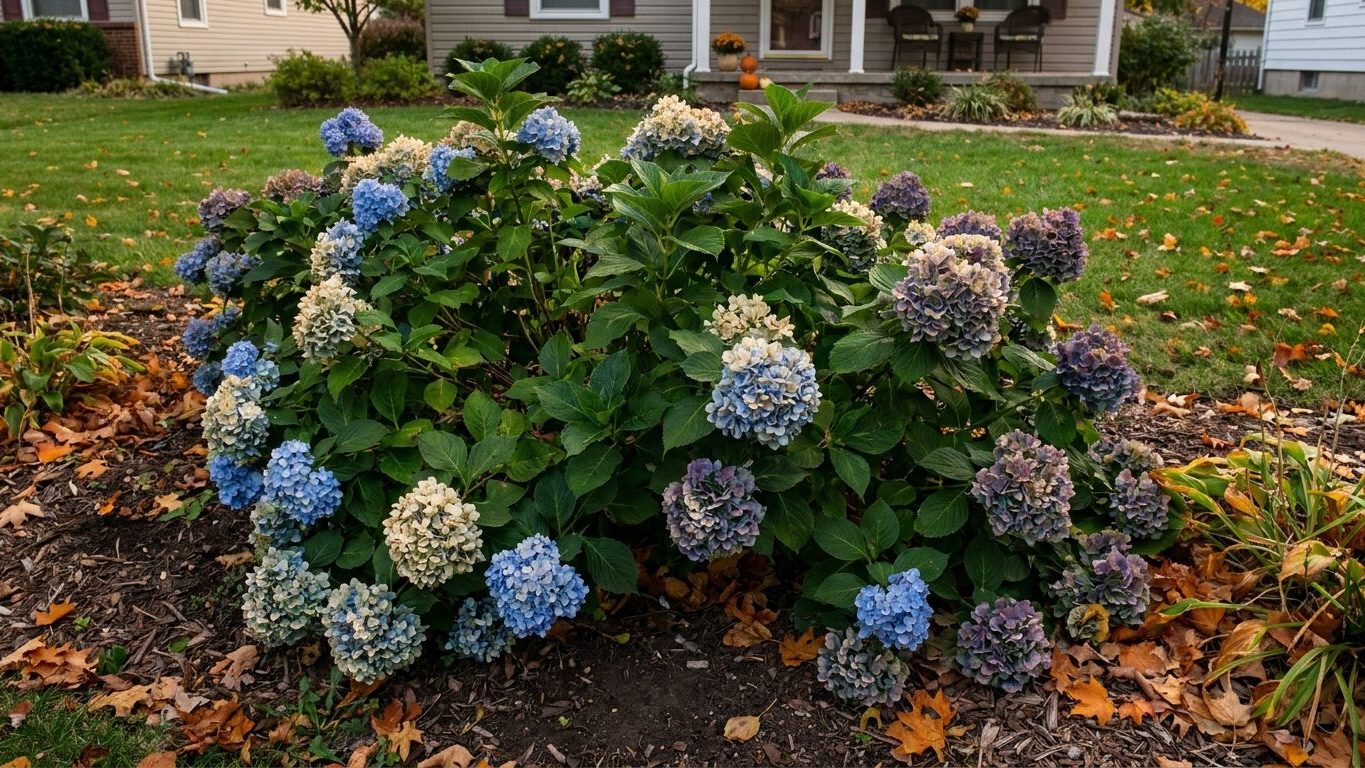
Varieties bred to flower on both old and new wood give Missouri gardeners a second chance after a rough winter strips the first set of buds. They still need a spot sheltered from Kansas City’s harshest wind to bloom reliably every year.

Mophead bigleaf hydrangea

Mophead bigleaf hydrangea — Hydrangeas That Grow Well in Missouri

Hydrangea macrophylla blooms mostly on old wood, so a freeze that dips into the coldest end of Missouri’s range can wipe out a season’s color while the shrub itself survives fine. It does best in the state’s southern third, well away from Kansas City.

Climbing hydrangea

Climbing hydrangea — Hydrangeas That Grow Well in Missouri

Hydrangea anomala subsp. petiolaris takes years to establish before it flowers at all, and a young plant’s first winters are its most vulnerable in Missouri’s colder pockets. It needs a sturdy structure and patience, which makes it the riskiest bet here.

How to Work Out the Dates for Your Own Yard

Matching a hydrangea to your yard in Missouri comes down to counting from your frost dates and being honest about where your property sits inside the state’s hardiness spread.

  1. Locate your zone inside the spread: NOAA NCEI 1991-2020 Climate Normals puts Kansas City’s last spring frost between April 6 and April 20, a window that shrinks the closer you get to the Ozarks.
  2. Watch your fall window too: the first fall frost lands between October 18 and October 29, which is how long a new-wood bloomer like panicle hydrangea has to finish its display.
  3. Test which wood carries the buds: a variety that blooms on old wood, like mophead bigleaf, risks losing its flowers to any freeze that slips inside that April window.
  4. Plant inside the state’s window: the calendar above lists April, May, August, and September as Missouri’s planting months, giving a new shrub mild weather on both sides.
  5. Prune bigleaf on schedule: the safe window for cutting back bigleaf hydrangea runs June and July, after the shrub has already set next year’s buds.

Smooth hydrangea overwinters fine in the coldest pocket near Kansas City because a late freeze only delays its new-wood blooms. Mophead bigleaf planted in that same spot often survives the winter but skips flowering, since the freeze took out the old-wood buds it needed.

Missouri North to South: How the Dates Shift

Missouri’s frost line does not fall evenly across the state, and that shift decides how far south a gardener needs to be before mophead bigleaf turns from a gamble into a safer bet.

  • Northern Missouri and Kansas City (Kansas City, St. Joseph, Chillicothe): sits at the cold edge of the state’s 5b to 7b spread, where smooth and panicle hydrangea outlast bigleaf types most winters.
  • Central Missouri (Columbia, Jefferson City, Sedalia): a middle ground where oakleaf hydrangea settles in well against a wall that blocks the worst of the winter wind.
  • The Ozarks and southwest Missouri (Springfield, Branson, Joplin): milder winters push the zone warmer, giving reblooming bigleaf varieties a better shot at holding their old-wood buds.
  • The Bootheel (Sikeston, Cape Girardeau, Poplar Bluff): the state’s warmest corner, near the top of the 7b range, where mophead bigleaf and climbing hydrangea come closest to a comfortable winter.

Check the state page for the frost dates and zone reading that apply to your own county before settling on a bigleaf variety.

Mistakes Missouri Punishes

Bigleaf bought for the wrong end of the state

National marketing rarely mentions Missouri’s 5b to 7b spread, so a mophead bought for a Kansas City yard often loses its buds every few winters. Stick to reblooming types, or shift to panicle and smooth hydrangea north of the Ozarks.

Pruning bigleaf after summer

Cutting bigleaf back in fall or winter removes the old wood carrying next year’s buds before the shrub ever gets to use them. The safe window is June and July, once this year’s blooms have faded and next year’s buds have already formed.

Full afternoon sun in Ozark humidity

Missouri’s summer combination of heat and humidity scorches hydrangea leaves fast, especially on bigleaf and oakleaf varieties left in unbroken afternoon sun. Morning sun with afternoon shade, on the east or north side of the house, keeps leaves from crisping by August.

Missouri Extension Offices and County Contacts

Missouri’s 5b to 7b hardiness spread is a starting point, not a verdict, and University of Missouri Extension tracks the county-level differences the map leaves out.

  • Your state page: the frost dates and zone reading for where you live in Missouri.
  • The calendar page: month by month planting, fertilizing, and pruning windows for hydrangeas here.
  • What goes wrong here: the pests and problems specific to Missouri hydrangeas, and what actually fixes them.

Bring a soil test and a photo of your yard’s shade pattern to your county office before you buy the next shrub.

Common questions

Can mophead bigleaf hydrangea survive winter in Missouri?

It usually survives as a plant across most of the state, but its old-wood flower buds can freeze out in the colder third near Kansas City, leaving a healthy shrub with no blooms that year.

What is the safest hydrangea to plant near Kansas City?

Smooth and panicle hydrangea are the safest choices, since both bloom on new wood and recover their flowers even after a hard freeze kills back the top growth.

Do hydrangeas need shade in Missouri?

Most varieties do best with morning sun and afternoon shade, since Missouri’s summer humidity combined with full afternoon sun scorches leaves on bigleaf and oakleaf hydrangea especially fast.

Hydrangea Pests and Diseases in Missouri

Hydrangea Pests and Diseases in Missouri

In Kansas City, the two problems that show up on almost every hydrangea are fungal, powdery mildew and Cercospora leaf spot, both fed by summer humidity trapped in dense foliage. Insects rank second, aphids on new growth, four-lined plant bug on tender leaves, and Japanese beetles skeletonizing blooms by July. University of Missouri Extension diagnoses most of these free through county offices.

Hydrangea pests and diseases Missouri: The Short Answer

The USDA Plant Hardiness Zone Map places Missouri from zone 5b in the north to 7b near the Bootheel, with Kansas City sitting toward the milder half of that range. Winters this mild rarely kill overwintering pest eggs outright, which is part of why the same problems return year after year.

Aphids

Small green or black clusters on new stem tips in April and May, sticky honeydew coating leaves underneath. Curled, distorted new growth is the tell. A strong water spray every few days or insecticidal soap knocks numbers down before ants start farming them.

Four-lined plant bug

Sunken, brown-ringed spots stippling young leaves in late May, usually gone by the time you look closely since the nymphs feed fast and drop. Damage looks worse than it is. Prune out the worst leaves and skip broad insecticide sprays that also kill its natural predators.

Japanese beetles

Japanese beetles — Hydrangea Pests and Diseases in Missouri

Metallic green beetles chewing leaves down to lace and sometimes stripping flower petals through July. Handpicking into soapy water each morning works better than spraying, since populations peak for only a few weeks before eggs go back into the lawn for next year.

Powdery mildew

A white, flour-like coating spreads across leaf tops through humid August afternoons in Kansas City, rarely killing the shrub outright but slowing bloom for the season. Space plants for airflow and water the soil, not the leaves. Morning watering beats an evening soak every time here.

Cercospora leaf spot

Purple-rimmed brown spots starting on lower, older leaves in late summer, working upward as spores splash up during rain. Strip and bag fallen leaves each fall since the fungus overwinters in that debris and reinfects the same shrub next season.

Botrytis blight

Gray, fuzzy mold coats flower clusters and stem wounds during the cool, wet stretches Missouri gets in September and October. Cutting spent blooms promptly and avoiding overhead irrigation late in the season keeps humidity off the tissue this fungus needs to spread.

Root rot in heavy clay

Wilting leaves despite moist soil and a soft, dark base of the stem point to root rot, common in Missouri’s clay where water sits after rain. Raise the planting hole a few inches above grade and skip the automatic sprinkler zone that keeps this spot too wet.

How to Work Out the Dates for Your Own Yard

Kansas City’s last spring frost falls between April 6 and April 20, per NOAA NCEI 1991-2020 Climate Normals, and every pest date below counts forward from that range, not from one fixed day. The first soft growth, and the first aphids, typically appear two to three weeks after the window closes.

  1. Check new growth two to three weeks after frost-out: once the April 6 to April 20 window passes, look under the first flush of leaves for aphid clusters before honeydew builds up.
  2. Scout for four-lined plant bug by mid to late May: this pest hits about two weeks after the aphid flush, right as the plant fills in during its April to May planting window.
  3. Handpick beetles through the June to July prune window: Japanese beetles peak the same weeks you’re already out there pruning bigleaf stems, so check both at once.
  4. Inspect leaf undersides at the July fertilizing pass: the third feeding round of the year is a natural trigger to check for the first dusting of powdery mildew.
  5. Watch older leaves in August for leaf spot: Cercospora shows up on the lowest, oldest leaves first, well before it climbs toward new growth.
  6. Strip fallen leaves ahead of the October frost window: once leaves start dropping before the October 18 to October 29 freeze, bag them so overwintering spores don’t return next spring.

None of this needs a spray calendar of its own. Walking the bed on the same days you’re already fertilizing or pruning, using Missouri’s own task windows, covers every date above for free.

Missouri North to South: How the Dates Shift

Missouri stretches nearly the length of the eastern half of Kansas, and that reach in latitude and river humidity is what moves these dates around more than anything else.

  • The Bootheel (Sikeston, Poplar Bluff, Cape Girardeau): the mildest corner of the state, where fall frost lands toward the late end of the state’s window, giving fungal disease extra weeks to build before cold finally shuts it down.
  • Northern Missouri (St. Joseph, Kirksville, Hannibal): the coldest pocket, where spring frost breaks toward the early end of the range and hard freezes knock back overwintering aphid eggs more reliably than farther south.
  • Kansas City and the west (Kansas City, Independence, Blue Springs): humid summer air off the river keeps powdery mildew and leaf spot active well into September.
  • The Ozark Plateau (Springfield, Branson, Rolla): higher ground trims a few degrees off summer nights, which slows mildew spread slightly but does nothing to slow Japanese beetle numbers.

Mistakes Missouri Punishes

Watering after dark

Evening sprinklers leave leaves wet through Missouri’s humid nights, exactly what powdery mildew and botrytis need to spread. Water the soil in the morning instead, ideally with a soaker hose, so foliage dries by afternoon and stays dry through the night.

Pruning bigleaf outside its window

Cutting stems back outside the June to July window removes next year’s flower buds along with this year’s mildew-damaged leaves. Wait for that window, then cut only what looks diseased, leaving healthy old wood alone to set next season’s blooms.

Skipping the fall leaf cleanup

Leaving fallen leaves under the shrub through winter lets Cercospora and botrytis spores ride out the cold in that litter, ready to reinfect new growth in spring. Bag and remove leaves once the October frost window arrives, rather than waiting for spring cleanup.

Missouri Extension Offices and County Contacts

The zone and frost ranges cover the whole state, but University of Missouri Extension and your county office narrow that down to what’s actually spreading on your block this month.

  • Your state page: the frost dates and pruning window for hydrangeas across Missouri.
  • Which ones hold up here: the varieties bred to handle both this humidity and these winters.
  • The Missouri calendar: month by month tasks tied to the same frost windows used here.

Common questions

Do I need to spray hydrangeas every year in Missouri?

No. Most Missouri hydrangea problems are humidity-driven fungal issues that respond better to airflow, soaker hoses, and morning watering than to routine spraying.

What’s the most common hydrangea disease in Missouri?

Powdery mildew and Cercospora leaf spot, both fed by the state’s humid summer air, show up on nearly every crowded or unpruned shrub by late summer.

Can I treat hydrangea pests with the same products used for beetles on roses?

Handpicking works better than broad insecticides during the few weeks Japanese beetles peak, since sprays also kill the predators that keep aphids and plant bugs in check.

When to Prune Hydrangeas in Missouri

When to Prune Hydrangeas in Missouri

The safe windows to plant hydrangeas in Missouri run April, May, August, and September, bracketing the hottest stretch of summer, while bigleaf varieties get pruned in June and July. Kansas City’s frost dates set the pace for the whole state, and the calendar below breaks down what to do each month, from late-winter dormancy through the first fall freeze.

When to prune hydrangeas in Missouri: The Short Answer

Kansas City’s frost calendar sets the rhythm for planting and pruning hydrangeas anywhere in Missouri, and every other date on this list works backward or forward from it.

  • January: The ground is frozen and the shrub is fully dormant, so there is nothing to plant or prune. Check that last fall’s mulch is still in place over the root zone.
  • February: Buds are already set on last year’s wood, and disturbing them now costs you this year’s blooms. Use the quiet weeks to plan where a new hydrangea will go once the soil opens up.
  • March: NOAA NCEI 1991-2020 Climate Normals put Kansas City’s last spring frost between April 6 and April 20, so March still sits ahead of that window. This is the first of three fertilize months, applied while the plant wakes up but before tender new growth is exposed.
  • April: The last frost window closes by April 20, and April opens the planting season across Missouri. Wait until the soil has warmed and frost risk has passed before setting a new shrub in the ground.
  • May: Planting continues, and it overlaps with the second fertilize month of the year. A newly set hydrangea benefits from both at once, as long as the root ball goes in before the summer heat arrives.
  • June: Bigleaf pruning opens here, timed to spent blooms rather than a set date. Cut just below the faded flower head, never lower, since next year’s buds are already forming on this wood.
  • July: Bigleaf pruning and the third fertilize window both fall in July, doing them the same week saves a return trip to the yard. Keep the cut light, this late in the season a hard prune removes wood the shrub needs for next spring.
  • August: Missouri’s second planting window opens now, aimed at giving roots a head start before fall dormancy. Water deeply and often in August heat, since a new shrub has not built the root mass to handle a dry stretch alone.
  • September: Planting continues, and this is the better of the two fall windows for most of the state. Roots get several weeks to establish before the ground cools for good.
  • October: The first fall frost lands between October 18 and October 29, closing the planting window for the year. Hold off on pruning, since cuts made this close to dormancy heal slowly and invite dieback.
  • November: The shrub has gone dormant, though root growth continues slowly even as top growth stops. Add a fresh layer of mulch once the ground starts to cool, ahead of the coldest months.
  • December: There is no planting, fertilizing, or pruning gesture this month, and that is by design. Check the mulch layer after any hard freeze, since wind and ice can expose the root zone it is meant to protect.

These twelve gestures track Kansas City’s frost calendar, but the state’s hardiness runs from 5b to 7b under the USDA system, so a yard in the Bootheel gets more room on both ends of the season than one near the Iowa line.

How to Work Out the Dates for Your Own Yard

Frost windows, not a fixed date, are what decide when planting or pruning is safe in your yard.

  1. Find your local frost window: NOAA NCEI 1991-2020 Climate Normals put Kansas City’s last spring frost between April 6 and April 20, and a yard well north of downtown often clears that risk about five days earlier.
  2. Count backward for shipped or mail-order plants: holding bare-root stock in a sheltered spot until the frost window closes protects it better than setting it out early to beat a delivery date.
  3. Count forward to open the planting window: Missouri’s plant months run April, May, August, and September, so anything set out in early April still needs a watchful eye if a late cold snap moves through.
  4. Match pruning to the frost-free stretch, not the calendar page: the bigleaf pruning window sits in June and July, clear of frost on both ends, so spent blooms come off without risking new growth.
  5. Recheck before the first fall frost: that window lands between October 18 and October 29, and once it opens, planting stops for the year no matter how warm the afternoon feels.

Every one of these steps borrows the same two numbers, the spring and fall frost windows, and just shifts them earlier or later depending on where in the state you’re standing.

Missouri North to South: How the Dates Shift

A single statewide calendar hides real differences between the top of Missouri and the bottom, and knowing which side of the state you’re on changes how you read the months above.

  • Northern Missouri (near the Iowa line, around Kirksville and Chillicothe): sits at the cold edge of the state’s 5b to 7b range mapped by the USDA Plant Hardiness Zone Map, so both frost dates run later in spring and earlier in fall than Kansas City’s.
  • The Kansas City and Columbia corridor (Jackson, Boone, and Cole counties): tracks closest to the reference dates, since Kansas City itself sits inside this band.
  • St. Louis and the Missouri River bottoms (St. Louis, St. Charles, Franklin counties): the river moderates temperature swings a little, often nudging the safe planting window a few days earlier than inland spots at the same latitude.
  • The Ozarks (Springfield, Branson, Table Rock Lake): elevation changes work against the general south-is-milder rule, so a ridge-top yard can lag a valley yard by more than a week.
  • The Bootheel (Sikeston, New Madrid, Caruthersville): the mildest corner of the state, closer to zone 7b, where the growing season stretches longest on both ends.

For the frost dates and hardiness zone that apply to a specific address, the Missouri state guide breaks the range down further.

Mistakes Missouri Punishes

Pruning bigleaf in fall

Cutting back a bigleaf hydrangea in September or October removes the buds it already set for next year’s blooms. Keep pruning inside the June and July window, and let spent flower heads sit through fall instead.

Planting in the peak of July heat

A root ball set out during the hottest stretch of summer struggles to establish before it faces drought stress. Use the April and May window, or wait for the calmer August and September window, instead of forcing a July planting.

Pulling mulch too early in spring

Removing winter mulch before Kansas City’s last frost, which falls between April 6 and April 20, exposes new growth to a freeze that mulch would have blocked. Wait until that window closes before clearing the bed.

Missouri Extension Offices and County Contacts

The 5b to 7b hardiness range is a starting point, not the final word, and county-level advice fills in the rest for a specific yard.

  • Your county extension office: University of Missouri Extension keeps local contacts for soil testing and site-specific timing.
  • Which hydrangeas hold up here: the companion guide names the varieties worth planting in this state, from the safest bets to the riskier ones.
  • What goes wrong here: the companion guide covers the pests and problems specific to Missouri hydrangeas, in the order they show up during the season.

Common questions

Can I plant a hydrangea in June in Missouri?

June falls outside the state’s plant months of April, May, August, and September, and summer heat makes it a harder month for roots to establish. Waiting for August is the safer call.

Is it too late to plant hydrangeas in October in Missouri?

Once the first fall frost arrives, somewhere between October 18 and October 29, the planting window closes for the year. A shrub set out that late has too little time to root before dormancy.

Do I need to prune hydrangeas every year in Missouri?

Bigleaf types only need pruning in June and July, and skipping a year rarely hurts a healthy shrub. Removing spent blooms is a choice for tidiness, not a requirement for flowering.

The almanac, state by state. Every date on this site comes from a state’s own frost facts and its extension service’s calendar — and says where it comes from.