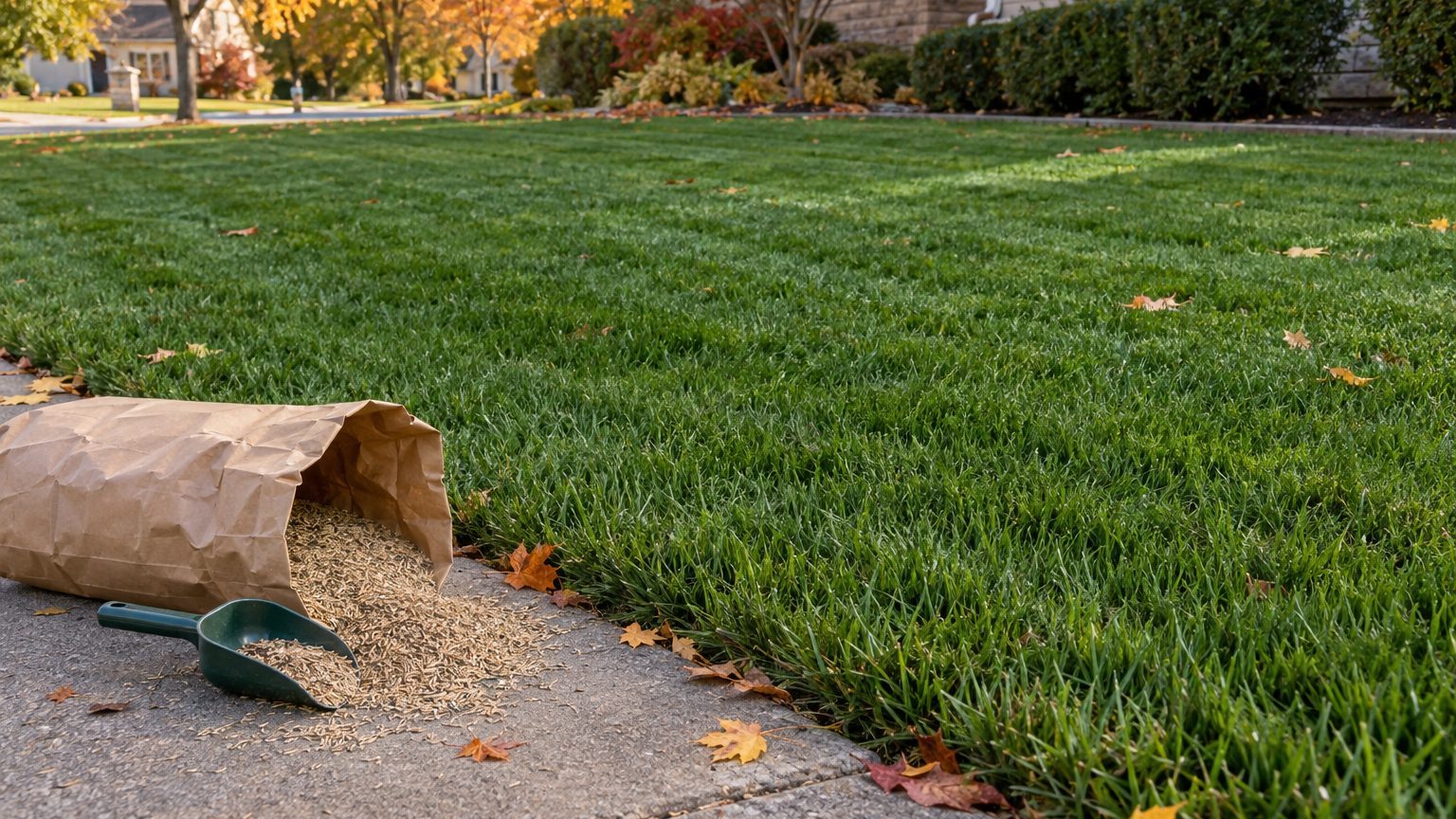
Walk a Missouri lawn in July and you can usually tell what was planted: some patches stay green and soft while others go tan and crunchy. Missouri sits where cool-season and warm-season grasses both struggle, so the right seed depends on your sun, your traffic, and how much you want to water and mow.
Which Grass Grows Best in Missouri?
Missouri is a transition zone, so cool-season grass suits many yards, with warm-season grass working well in full sun if you accept a brown winter. The USDA hardiness range runs from 5b to 7b, reflecting differences in average annual extreme minimum temperature across Missouri.
Tall Fescue
Tall fescue is the workhorse for Missouri yards. Its deep roots help it handle summer heat, and it can retain color into winter. It grows from seed, and late summer is the time to sow it.
Kentucky Bluegrass
Kentucky bluegrass does best on cooler, higher ground and in the northern part of the state. It makes a dense, fine lawn that repairs itself, but it needs regular water to stay green when July and August turn hot.
Bermudagrass
Bermudagrass loves full sun and heat, and you can start it from seed or sod. It handles foot traffic and drought well. The tradeoff is that it turns tan after the first hard frosts and stays that way until spring warms the soil.
Zoysiagrass
Zoysiagrass forms a thick, tight turf that crowds out weeds, but it is mostly planted as sod or plugs rather than seed. It is slow to fill in and also goes dormant and brown in winter. It suits patient homeowners with sunny yards.
Missouri — the year and the numbers
- State
- Missouri
- USDA zones
- 5b-7b
- Last spring frost
- April 6 to April 20
- First fall frost
- October 18 to October 29
- Annual rain
- 39 in
- Lawn type
- cool- and warm-season
- Source
- NOAA NCEI 1991-2020 Climate Normals, 32F freeze probabilities · Kansas City
How to Choose Grass Seed for a Missouri Yard
Start with the light your yard gets and the way you use it. Sunlight and use quickly narrow the choice.
Then think about water and mowing. Warm-season grasses cope with drought better, while cool-season grasses stay green for more of the year.
| Your yard | Grass to pick | Why |
|---|---|---|
| Full sun, heavy traffic | Bermudagrass | Tough, recovers fast, thrives in heat |
| Part shade, general use | Tall fescue | Tolerates some shade and summer stress |
| Cool, higher ground, water available | Kentucky bluegrass | Dense and self-repairing in cooler spots |
| Full sun, low weed pressure wanted | Zoysiagrass | Thick turf, planted as sod or plugs |
| Little watering | Bermudagrass | Handles dry spells in summer |
If you dislike frequent mowing, tall fescue is a calmer pace than bermudagrass, which wants regular cuts all summer. Deep shade is difficult for all of these grasses, so shade-tolerant tall fescue is a practical choice there, and bare ground under dense trees may need mulch instead.
Which Grasses Grow Where in Missouri
The state is long enough that north and south behave differently, and the Ozarks add their own twist.
- Northern Missouri: Winters are colder here, so Kentucky bluegrass and tall fescue are the dependable pair, and bermudagrass can suffer winter damage.
- Kansas City and St. Louis: These metro areas sit in the middle of the transition zone, where tall fescue is the common choice and bermudagrass or zoysia suits hot, sunny lots.
- The Ozarks and the Bootheel: Summers are longer and milder winters favor bermudagrass and zoysia, while tall fescue works with more care in summer.
Southern Missouri warms earlier in spring than the north, so warm-season planting can start a little sooner there.
Grass Seed Mistakes to Avoid in Missouri
Planting the Wrong Grass
Sowing bluegrass in a hot, sunny southern yard or bermudagrass in a shady northern one sets you up for thin turf. Match the species to your sun and your part of the state before you buy.
Seeding at the Wrong Time
Tall fescue and bluegrass go in the ground in August, with September as a backup, so seedlings root before winter. Warm-season grass belongs in May, and June still works. Spring seeding of fescue often loses to summer heat and crabgrass.
Burying or Skimping on Seed
Cover seed with no more than 0.25 inch of soil and press it down so it touches the ground firmly. Deep burial keeps seedlings from emerging. Follow the rate printed on the bag, since too little leaves gaps for weeds and too much crowds seedlings out.
Where to Get Lawn Advice in Missouri
Local soil and microclimate vary from county to county, so a quick check with local experts saves guesswork before you buy seed.
- University of Missouri Extension offers lawn guides and variety advice, and it is a useful resource before the late-summer seeding window.
- Your county extension office can explain soil testing and what grows in your area, so visit in early summer to plan ahead.
Common Questions
Can You Plant Tall Fescue in Spring in Missouri?
You can, but seedlings often struggle when summer heat arrives. Late summer gives the grass cooler weather to root, and the fall seeding window is the better plan for a lasting lawn.
Does Bermudagrass Stay Green All Year in Missouri?
No. It greens up in late spring and turns tan after frost, staying dormant through winter. If winter color matters to you, tall fescue is the better pick.
When Should You Fertilize a Missouri Lawn?
Tall fescue does well with feeding in March and again in September and October, never in summer. Bermudagrass and zoysia are fed in May through July while they are actively growing.