Skip to content

Mississippi

  1. Jan
  2. Feb
  3. Mar
  4. Apr
  5. May
  6. Jun
  7. Jul
  8. Aug
  9. Sep
  10. Oct
  11. Nov
  12. Dec
State
Mississippi
USDA zones
7b-9a
Last spring frost
March 6 to March 22
First fall frost
November 7 to November 22
Annual rain
57 in
Lawn zone
warm-season
Source
NOAA NCEI 1991-2020 Climate Normals, 32F freeze probabilities · Jackson

The year in Mississippi, from the calendar

  1. JanPlant fruit trees
  2. FebPlant roses · Prune roses · Plant fruit trees · Prune fruit trees
  3. MarFeed hydrangeas · Plant hydrangeas · Feed roses · Plant roses · Prune roses
  4. AprPlant hydrangeas · Peonies bloom · Feed roses · Mow
  5. MayFeed hydrangeas · Seed the lawn · Peonies bloom · Feed roses · Aerate
  6. JunPrune bigleaf hydrangeas · Feed roses · Dethatch · Fertilize the lawn · Mow
  7. JulFeed hydrangeas · Prune bigleaf hydrangeas · Feed roses · Fertilize the lawn · Mow
  8. AugFeed roses · Fertilize the lawn · Mow · Water
  9. SepPlant hydrangeas · Plant peonies · Feed roses · Mow · Plant trees
  10. OctPlant hydrangeas · Plant peonies · Plant trees · Mow
  11. NovPlant spring bulbs · Cut back peonies · Plant trees · Mow
  12. DecPlant spring bulbs · Plant trees · Plant fruit trees

From the state frost facts and extension calendars: University of Georgia Cooperative Extension ; University of Georgia CAES · Clemson HGIC factsheet — Hydrangea · Clemson Cooperative Extension, HGIC — Bermudagrass / Zoysiagrass / Centipedegrass / St. Augustinegrass maintenance calendars · Clemson Cooperative Extension (HGIC).

Best Time to Plant Trees in Mississippi

Best Time to Plant Trees in Mississippi

Bare branches and cool soil in the colder months are the sign that planting season has arrived for Mississippi trees. Shade and ornamental trees settle in best from fall into winter, while fruit trees go in during the dead of winter. Timing the job this way lets roots grow before summer heat arrives.

When Is the Best Time to Plant Trees in Mississippi?

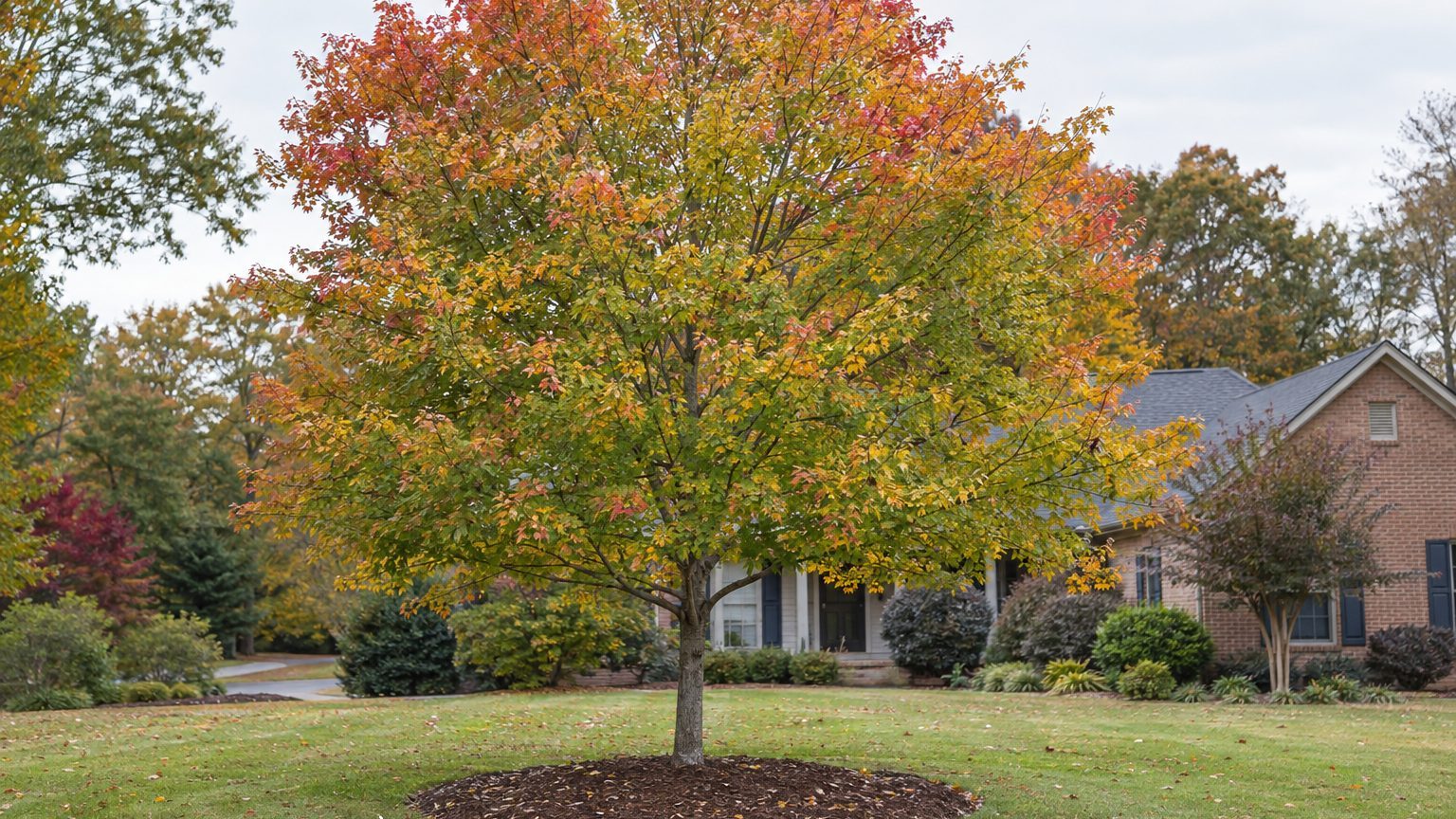
A young shade tree newly planted in a home yard

Shade and ornamental trees do best when planted from October through December, with January and February also working when the ground is workable. Here is how the year unfolds for a new tree.

  • In October and November, the soil is still warm from summer, so roots keep growing while the branches above go quiet.
  • In December, the tree is fully dormant and can be planted whether it comes in a container or with a balled-and-burlapped root ball.
  • In January and February, planting still works on any day the soil is not frozen or soaked, and the roots get a head start before spring.
  • From spring on, a container-grown tree can still go in if you water it regularly, but it settles better when planted in the dormant season.
  • In summer, planting is hardest, because heat and dry soil stress the new roots.

Frost dates help you read your own yard. At the Mississippi reference city, the last spring freeze falls between March 6 and March 22, and the first fall freeze arrives between November 7 and November 22. Suburban and rural yards often see the last spring frost later and the first fall frost sooner, so check with your county. The state spans USDA zones 7b to 9a, and other parts of the territory differ, so check your own county.

When to Plant Fruit Trees in Mississippi

Fruit trees go in from December through February, and March also works while the tree is still fully dormant. A bare-root tree should be planted as soon as the soil is workable in late winter, before the buds open.

Dormancy is the reason. A tree planted asleep can put its first energy into roots instead of leaves, so it meets spring heat with a root system already reaching out.

Kind of fruit tree When to plant in Mississippi Why then
Bare-root December through February, and March while still dormant The tree is asleep and the buds have not opened, so roots can settle first
Container December through February, and March while still dormant Dormant-season planting lets the roots settle before spring growth begins

Container trees are more forgiving of timing than bare-root ones, but they still settle best in the dormant season. If a bare-root tree arrives after the buds have started to swell, the stress on it is much higher.

Best Trees to Plant in Mississippi

Eastern redbud, pin oak and red maple are named in extension advice written for a neighboring part of the Southeast with similar warm, humid conditions. Each handles a range of soils, which suits the varied ground across Mississippi.

Tree How it does in Mississippi Why
Eastern redbud Small, multi-stemmed tree with pink to purple flowers in early spring It likes moist soil but handles most any site
Pin oak Dependable shade tree for built-up yards It tolerates urban environments
Red maple Fall color that runs from yellow to red It adapts to a variety of sunlight and soil conditions

Space, sun and your local zone should guide the final choice. Check how large the tree will grow against the room overhead and underground before you dig.

When to Plant, Water and Prune Trees in Mississippi

Each tree job has its own season. Planting follows dormancy, watering follows the first year of root growth, and a fruit tree is pruned while dormant, before the buds swell. The page on when to prune fruit trees in Mississippi goes deeper on the cutting itself.

Task Best timing in Mississippi Why then
Plant shade and ornamental trees October through December, and January or February if the ground is workable Roots settle before the summer heat
Plant fruit trees December through February, and March while still dormant The tree is asleep and the buds have not opened
Water a young tree Regularly through dry spells, and most of all in the first warm season after planting New roots dry out fast in hot, dry soil
Prune a fruit tree February, with January or March also workable The tree is dormant and the buds have not swollen

Skip pruning in fall or early winter, because new growth may not harden before the cold. When you prune several kinds, do apples first and peaches last, since peach flower buds are easily hurt by cold.

Where to Get Tree Advice in Mississippi

Mississippi State University Extension and your county extension office can help with choosing a tree and testing soil before you plant.

  • Call or visit your county office in fall to ask which trees suit your soil and your zone before planting season opens.
  • Ask about a soil test in early winter, so the results are in hand when the ground is ready for planting.

Common Questions

Can You Plant a Tree in Summer in Mississippi?

A container-grown tree can go in if you water it regularly, but summer is the hardest time because heat and dry soil stress new roots. Waiting for fall gives the roots a gentler start.

Should You Plant Bare-Root Trees Before or After the Buds Open?

Plant them before. A bare-root tree goes in while dormant, so its energy can go to roots instead of leaves.

Is a Container Tree Easier to Plant than a Bare-Root Tree?

Container trees are more forgiving about timing. Even so, they settle best when planted in the dormant season.
Best Peonies for Mississippi

Best Peonies for Mississippi

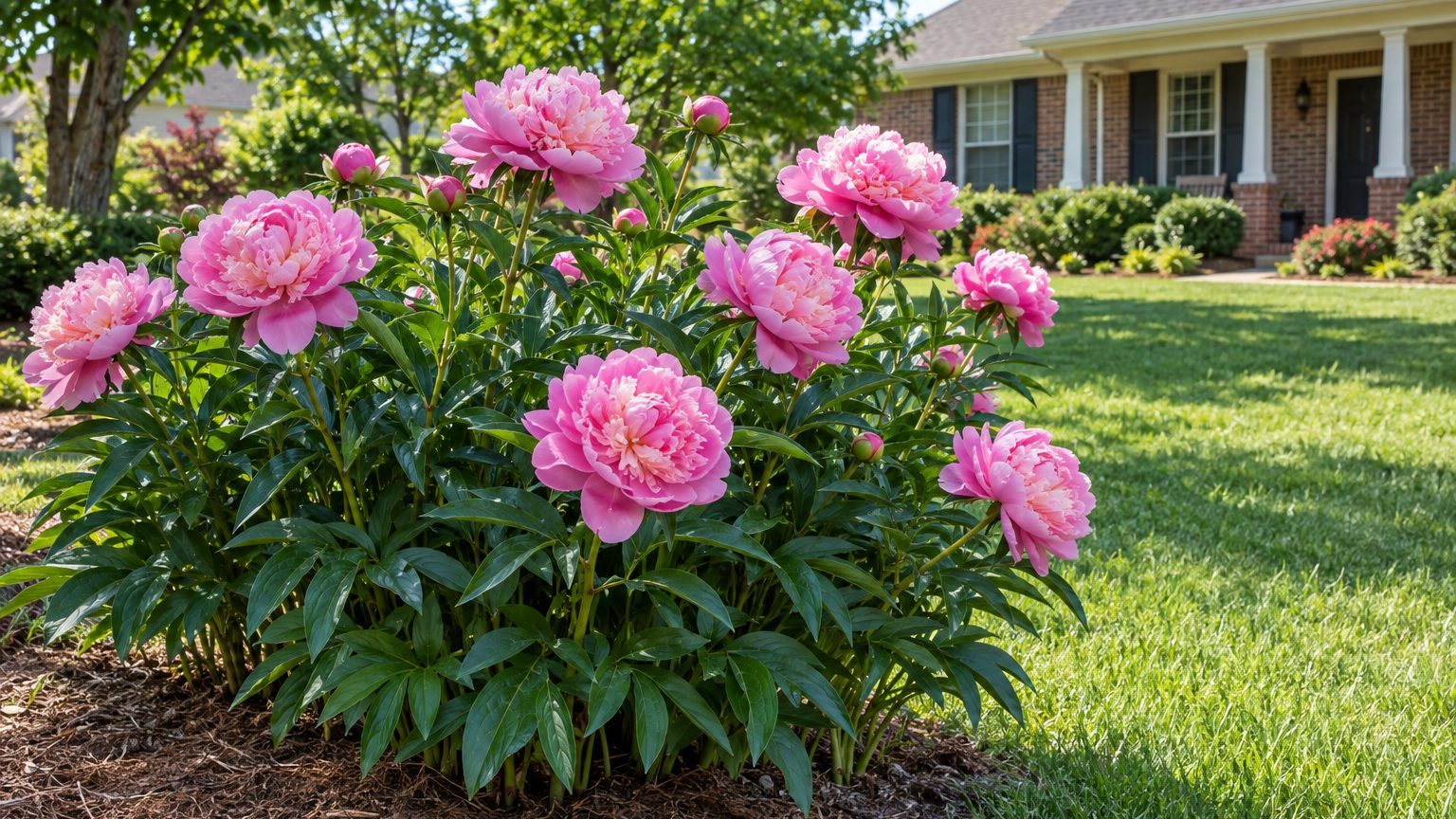
A peony in full bloom in a Mississippi spring is possible, but the plant has to be chosen with the warm winters in mind. Peonies come from cooler country, so variety choice matters in Mississippi. The right pick makes the difference between big blooms and a leafy clump that never flowers.

Best Peonies to Grow in Mississippi

Best Peonies for Mississippi

Early-blooming, single and Japanese peonies are the ones that hold up in Mississippi. Peonies need a cold winter rest to flower, and much of the state sits in USDA zones 7b to 9a, where winters often fall short of that. Peonies often do poorly in the lower South for lack of winter chilling, so the choice of type matters more here than the choice of color.

Early-Blooming Peonies

Early-Blooming Peonies — Best Peonies for Mississippi

Early cultivars open before the heat settles in, which is the whole advantage in a Southern spring. They are also less prone to botrytis blight, the gray mold that ruins buds in damp, warm weather. Look for the word early on the plant tag.

Single Peonies

Single Peonies — Best Peonies for Mississippi

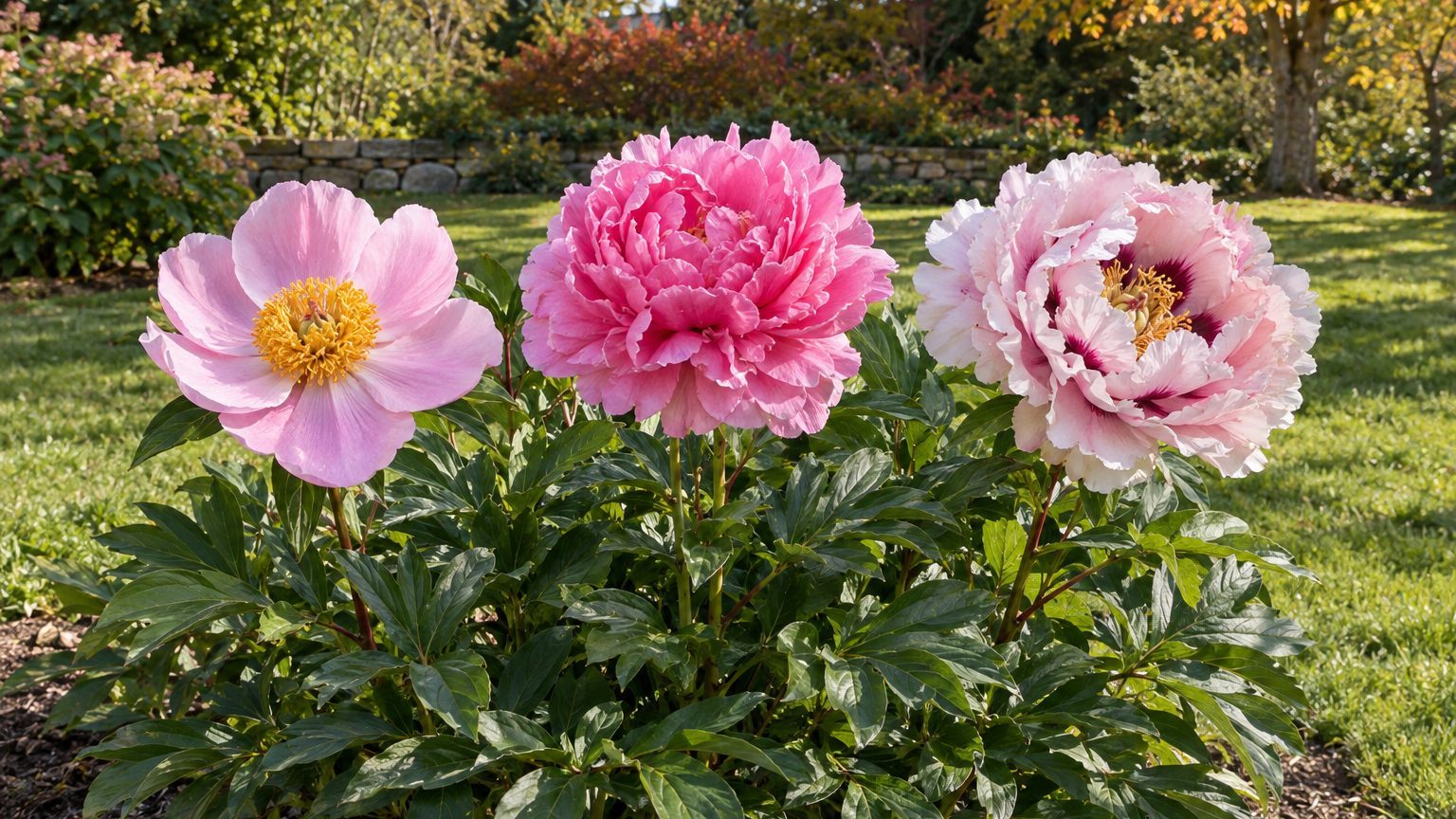
Single-flowered types have an open ring of petals around a golden center. Single and Japanese bloom types usually perform much better in the South than doubles do. Their lighter blooms also tend to cope better with spring rain than heavy, many-petaled flowers.

Japanese Peonies

Japanese types show a tuft of petal-like parts at the center, ringed by wider outer petals. They share the single’s record of doing well in Southern gardens. If you want something fuller than a plain single without a full double’s risk, this is the type to look at.

Kansas Double Peony

Doubles are the harder road, though ‘Kansas’ has earned a place. The cultivar ‘Kansas’ carries large, early double flowers of watermelon red that hold their color through the bloom. Its early timing is what makes it workable.

How to Choose a Peony for a Mississippi Garden

Start with what your yard and your schedule give you. Mild winters and warm, damp springs shape the choice, while yard conditions can also influence it.

Once planted, a peony asks for full sun, good drainage and little attention, so the real decisions are made at the nursery.

Your situation What suits it in Mississippi Why
Mild winters, little chill Single or Japanese cultivars They perform much better in the South than doubles do
Warm, humid spring Early-blooming cultivars They flower before the heat and are less prone to botrytis blight
Want a double ‘Kansas’ Early, large and reliable in Southern gardens
Little time to spare Any herbaceous peony, left in place It wants full sun and drainage and rarely needs division
Need for cold Early singles in full sun with good drainage Early singles may perform better where winters are mild

Which Peonies Suit Different Parts of Mississippi

The state runs from cooler hills in the north to the mild Gulf, and winter chill is what changes with the map.

  • North Mississippi: winters are cooler here than farther south, which may give peonies more of the cold rest they need. Early singles and Japanese types are the safe pick, and a double such as ‘Kansas’ is a fair try.
  • The Delta and central Mississippi: expect marginal results. Stick with early-blooming singles and Japanese types and give them full sun and good drainage.
  • The Gulf Coast: winters are milder here than in the north of the state, so chilling can fall short for peonies. Treat peonies as an experiment and keep expectations modest.

Check your own county before buying, since a yard on higher ground can run cooler than the town nearby.

Peony Buying Mistakes to Avoid in Mississippi

Choosing a Tree Peony

A tree peony looks like a bargain of drama, with big blooms on woody stems. In mild-winter parts of Mississippi, it risks poor flowering. Choose an early herbaceous single or Japanese type instead.

Buying a Variety That Wants More Cold

Full doubles may flower poorly in a mild-winter garden. Here they may leaf out nicely and flower poorly because winter never delivers enough rest. Check that the tag says early-blooming, single or Japanese, or choose a double with a Southern record like ‘Kansas’.

Planting Too Deep and Expecting Instant Flowers

A peony set too deep may bloom poorly or not come up, so keep the eyes, the pinkish buds on the root, near the soil surface. A newly planted or transplanted peony may also skip bloom the first spring, so a bare year is not a sign of failure. Leave the clump in place afterward, because the brittle roots dislike being disturbed and division is rarely needed.

Where to Get Peony Advice in Mississippi

Local advice matters for peonies because the margin between a flowering plant and a disappointing one is narrow here.

  • Mississippi State University Extension at Mississippi State University Extension publishes gardening guidance for the state, worth reading before you order plants.
  • Your county extension office can tell you which cultivars have flowered locally, so call before buying in late summer.
  • Ask a local nursery which early-blooming singles they stock before the September and October planting season.

Common Questions

When Do Peonies Bloom in Mississippi?

Peonies flower in April and May. Early-blooming cultivars can open as early as March, which is part of why they handle Southern heat better.

When Should You Plant a Peony in Mississippi?

Late September or October is the time to plant or divide, giving roots a stretch to settle in before winter.

When Should You Cut Back Peonies in Mississippi?

Herbaceous peonies are cut back to the soil surface in November, after frost has killed the stems. It can also be done in October or December. A tree peony keeps its woody stems and is never cut back.

When Do Peonies Bloom in Mississippi?

When Do Peonies Bloom in Mississippi?

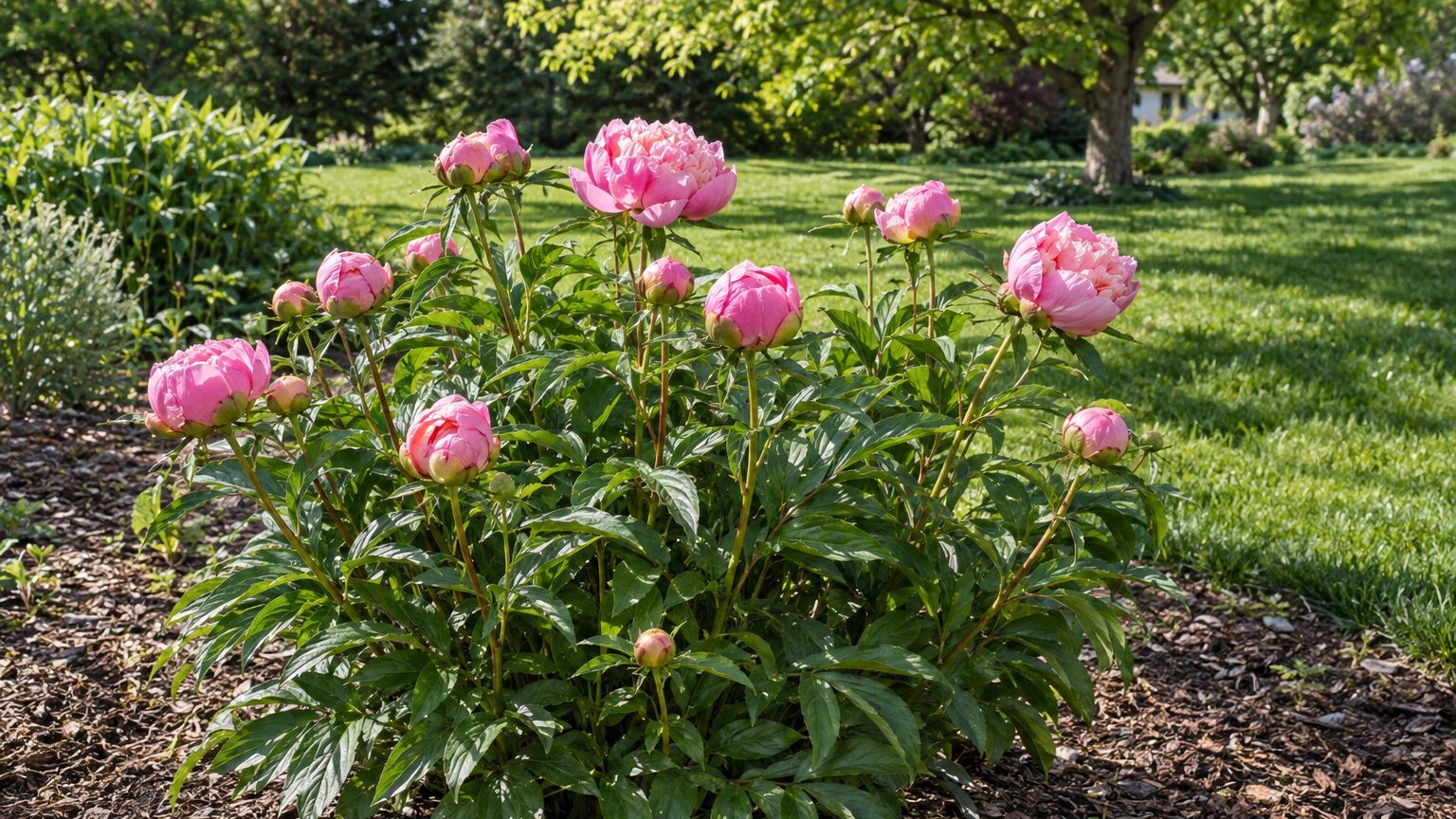
Peony buds swelling at the bed’s edge are a welcome sign that spring has settled in across the South. In Mississippi, those buds open mostly in April and May, with early varieties showing color as soon as March.

When Do Peonies Bloom in Mississippi?

When Do Peonies Bloom in Mississippi?

Peonies bloom in Mississippi mostly in April and May, and early-blooming cultivars can open as early as March. Flowers that open before the hot weather arrives hold up better and are less prone to botrytis blight, so early types suit this state well.

Type of peony When it blooms in Mississippi What to know
Early-blooming herbaceous March to April Open before the heat, and are less prone to botrytis blight
Single and Japanese herbaceous April to May Usually perform much better in the South than the doubles do
Double-flowered herbaceous April to May Heavier blooms that struggle more in southern weather

Mississippi sits in USDA hardiness zones 7b to 9a, and peonies need a cold winter rest to flower. In the milder parts of the state they may flower poorly, so choosing early, single or Japanese forms matters more here than it would farther north. A newly planted or transplanted peony may not bloom the first spring.

How to Tell When Your Peonies Are About to Bloom

The plant announces its own schedule well before the first petal opens, and these signs are worth watching for in the bed.

  • Red, pointed shoots pushing out of the soil mean the plant has broken dormancy and the season has started.
  • Shoots that turn from red to green and open into leaves tell you the stems are building the strength to hold flowers.
  • Small, hard buds at the stem tips mean flowering is on its way, though they still need time.
  • Buds that swell to the size of a marble show the plant is committing its energy to the bloom.
  • Buds that feel soft when you press them gently, like a marshmallow, are close to opening when the weather is warm.
  • A bud that stays small and dry, or turns brown, points to a problem such as botrytis blight, so remove it rather than leaving it on the plant.

Warm spells speed all of this up, so a mild late winter can bring the whole sequence forward in a southern yard.

When to Cut Back Peonies in Mississippi

Cut back herbaceous peonies in November, once frost has killed the foliage. If the leaves are still green, wait. The job can fall in October or December, depending on when frost kills the stems.

Cut the dead stems down to the soil surface. Rake up and throw away the trimmings rather than composting them, since old foliage can carry disease spores that return the next spring.

A tree peony is different. It keeps its woody stems through winter and is never cut to the ground. Leave the framework alone and remove only wood that is clearly dead.

If you are planting or dividing at the same time, late September or October is the window for it. Set the eyes close to the soil surface, because a peony planted too deep may bloom poorly or not come up at all.

How Peony Bloom Time Shifts Across Mississippi

Mississippi stretches a long way from top to bottom, and peonies follow the warmth, so bloom comes sooner toward the south and later toward the north.

  • The Gulf Coast: Winters are mildest here, so peonies get the least chilling and may bloom thinly or not at all. If you try them, stick with early-blooming single or Japanese types.
  • The Pine Belt and Jackson area: Local weather determines when early cultivars open. Later doubles run into heat before they finish.
  • The Delta and north Mississippi: Colder winters may give peonies more of the rest they need to flower.

Your own yard also matters. Peonies in low spots, beside sheltered brick walls and on open lawns can bloom at different times.

Where to Get Peony Advice in Mississippi

Local advice beats general rules for a plant this sensitive to winter chill. Mississippi State University Extension publishes garden guidance for the state, and your county office can speak to local soil and cultivar choices.

  • Call or visit your county extension office in late summer to ask which cultivars have done well nearby before you order roots.
  • Check the state extension website in early fall, ahead of the late September to October planting window.
  • Bring a photo of any spotted or blackened buds to the county office in spring so the problem can be identified.

Common Questions

Why Did My Peony Get Leaves but No Flowers?

Look at how deep the crown sits together with how long the plant has been in the ground. A peony set too deep often grows leaves without blooming, and a young plant may skip flowers its first spring. Mild winters can also leave a plant without enough chilling to flower.

Which Peonies Do Best in Mississippi?

Early-blooming, single and Japanese cultivars are the safest choices in Mississippi and the rest of the South. They flower before the heat sets in, and the single and Japanese forms usually do much better than doubles.

Can You Move a Peony in Spring?

Fall is the better time. Divide or move peonies in late September or October so the roots settle before cold weather.

When to Plant Peonies in Mississippi: Dates and Care

When to Plant Peonies in Mississippi: Dates and Care

Peony shoots push through the soil as red, pointed knobs in spring, but the work that earns those blooms begins in autumn. Planting and dividing peonies in Mississippi is a fall job, set by the calendar months and by how much winter cold the roots get.

When to Plant Peonies in Mississippi

When to Plant Peonies in Mississippi: Dates and Care

Plant or divide peonies in late September or October. That timing lets roots settle into cool soil before winter, and the plant spends the cold months doing the resting it needs. Mississippi spans USDA hardiness zones 7b to 9a, so the year looks a little different from the Gulf to the hills.

  • In late September and October, plant bare-root divisions or move established clumps, setting the buds just below the soil surface.
  • Through winter, the plant sits dormant and rests in the cold, which sets up flowering the following spring.
  • In March, the earliest cultivars can start to open in a mild year, with new shoots already well up by then.
  • In April and May, the main bloom arrives, and early-blooming types finish before the heat builds.
  • In November, after frost has blackened the foliage, herbaceous peonies get cut back to the ground. October and December also work if frost came earlier or later.

In Jackson, the last spring freeze falls between March 6 and March 22. Suburban and rural yards usually freeze later than an airport does, often by one to two weeks, and more so on higher ground, so check the date for your own county. Freeze risk matters most for early shoots and opening buds, not for planting dates.

The first fall freeze in Jackson arrives between November 7 and November 22. Yards outside town tend to see it sooner, which is another reason to treat these as a starting point and not a guarantee. Use the stated fall planting window rather than calculating from the frost date.

Which Peonies Grow Best in Mississippi?

Peonies can grow in Mississippi, but this is the warm edge of their range. They flower best where winters are cold, and they often perform poorly in the lower South because of too little winter chilling. Success depends heavily on the type you choose.

Early bloomers, single flowers and Japanese forms handle Southern conditions better than heavy doubles. Early-blooming cultivars are less prone to botrytis blight.

Peony type How it does in Mississippi Why
Early-blooming herbaceous Dependable pick for the South Flowers open before hot weather and the plants are less prone to botrytis blight
Single and Japanese herbaceous Usually perform much better than doubles Lighter flower heads and better fit with Southern conditions
Double herbaceous Weaker choice, often disappointing Heavy blooms handle humid spring weather and heat poorly

When to Plant, Cut Back and Feed Peonies in Mississippi

The year follows a simple seasonal rhythm. Dig and plant in fall, enjoy the bloom in spring, and clean up after frost. A herbaceous peony dies back every year and gets cut back after frost, while a tree peony keeps its woody stems and is never cut back.

Task Best timing in Mississippi Why then
Plant or divide Late September or October Roots establish in cooler soil before the winter rest
Bloom April and May, as early as March for early cultivars Early types flower before the heat sets in
Cut back herbaceous peonies November, after frost (October or December also work) Dead stems are removed once the foliage has finished for the year

Depth matters more than most gardeners expect. A peony set too deep may bloom poorly or never come up, so keep the eyes near the soil surface. Feeding follows the plant’s growth. Your county extension office can help with soil questions before planting.

How Peony Planting Dates Change Across Mississippi

The planting window stays in fall across the state, but changes in winter cold and heat from north to south affect how well peonies do.

  • Gulf Coast: Winters are mild and short, so peonies get the least chilling here and often struggle. If you try them, choose early single or Japanese forms and plant in late September or October.
  • Jackson and central Mississippi: Winters give a modest but usable rest, and spring warms quickly. Early bloomers have the advantage because they finish before summer heat arrives.
  • North Mississippi hills: Winters are colder here, which is better for flowering. Check your county for local frost timing, and plant in late September or October.

Higher ground and open country inland run cooler than town centers, so local conditions can shift your timing by a bit in either direction.

Where to Get Peony Advice in Mississippi

Mississippi State University Extension publishes garden guidance for the state, and each county has an office with local staff who know your soil and weather.

  • Your county extension office can help with soil questions before a root goes in the ground.
  • Staff can look at a sample of damaged foliage or buds and tell you what is wrong.
  • Call or visit before fall planting begins.

Common Questions

What Causes Gray Mold on Peony Buds and Stems in Mississippi?

Fuzzy gray growth on buds or stems, combined with a stretch of damp, humid weather, points to botrytis blight. Remove affected parts and clear fallen debris from around the plant. Early-blooming cultivars are less prone to it, since they flower before the muggiest weather.

Why Didn’t a Newly Planted Peony Bloom?

A newly planted or transplanted peony may not bloom the first spring.

Can Spring Freezes Damage Peonies in Mississippi?

Young shoots and early buds can be hurt when a hard freeze arrives after growth has started. Damaged shoots often look wilted or blackened and collapse soon after the cold. Expect earlier-blooming cultivars to be more vulnerable than later-blooming ones.

Best Lilacs for Mississippi

Best Lilacs for Mississippi

Where Mississippi winters stay mild, lilacs may bloom poorly or not at all because their buds need a cold rest. Plenty of gardeners still get blooms by choosing lilacs bred for warm places.

Best Lilacs to Grow in Mississippi

Best Lilacs for Mississippi

Mississippi is too mild and too hot and humid for the common lilac to do well. It needs a cold winter rest to mature its flower buds, and it struggles in muggy summers. The better bets are the early-blooming lilacs sold as Southern lilacs, the Descanso hybrids, and a few heat-tolerant selections. The state sits in USDA zones 7b to 9a, so expect some trial and error.

Southern Lilacs

Southern Lilacs — Best Lilacs for Mississippi

Look for plants labeled Southern lilacs or lilacs for the South. They usually grow and bloom where common lilacs sulk, though they are not as fragrant as the old-fashioned kind. For a Mississippi yard, this label is a sensible starting point.

Descanso Hybrids

Descanso Hybrids — Best Lilacs for Mississippi

These were developed for mild winters, so they suit a warm climate better than northern lilacs do. Names worth hunting for include the white ‘Angel White’, the blue ‘Blue Boy’ and the pink ‘California Rose’. Plant one as a trial before committing a whole hedge.

Superba Lilac

The cultivar ‘Superba’ is heat tolerant and mildew resistant, with dark pink, single flowers. Common lilacs can develop powdery mildew in hot, humid conditions, so a resistant variety can mean cleaner leaves and less upkeep.

Meyer Lilac

Syringa meyeri is slow growing, with dense foliage and a broadly rounded shape. That tidy habit makes it easy to fit near a walk or a mailbox, and it stays handsome even in years when flowering is light.

Littleleaf Lilac

Syringa microphylla is known as the Littleleaf lilac. Ask the nursery how it has performed locally, since a plant that has already wintered in your area tells you more than a tag does.

How to Choose a Lilac for a Mississippi Garden

Start with the problem you are solving. In Mississippi it is almost always heat, humidity and too little winter chill, and each of those points toward a different plant.

For bloom, focus on low-chill selections. Some cultivars bloom with little chilling, though even these do better after an extended cold winter rest.

Your situation What suits it in Mississippi Why
Hot, humid summers Southern lilacs They usually grow and bloom where common lilacs struggle
Mildew on the leaves ‘Superba’ Heat tolerant and mildew resistant
Mild winters, little cold Descanso hybrids Bred for a mild climate
Small space Meyer lilac Slow growing, dense and broadly rounded
Need for winter cold Low-chill cultivars Some bloom with only a little chilling

Littleleaf lilac fits none of these rows neatly, but it is worth asking for when a nursery stocks it and the other choices are sold out.

Which Lilacs Suit Different Parts of Mississippi

Winter cold is the thing lilacs want, and it varies across the state. The farther north you garden, the more chill your lilac gets.

  • Gulf Coast: Southern lilacs and Descanso hybrids are worth trying, though flowering may still be light without a cold winter rest.
  • Mississippi Delta: Summers are hot and sticky, which makes mildew resistance a priority, so ‘Superba’ earns its place.
  • North Mississippi hills: Winters give a bit more cold rest than farther south, so Southern lilacs and Meyer lilac have a better chance of a fuller bloom.

Wherever you live, a spot with good air movement helps a humid-summer lilac dry out after rain.

Lilac Buying Mistakes to Avoid in Mississippi

Buying a Common Lilac

Many cultivars of common lilac advertise heat tolerance, yet they often do not thrive in the South the way they do in cold climates. You pay for a shrub that leafs out and then rarely flowers. Choose a Southern lilac or a Descanso hybrid instead.

Ignoring Chill Needs

A variety that demands a long cold rest will sit green and flowerless through Mississippi winters. Even low-chill cultivars do best after an extended cold spell, so read the tag for the words low chill and ask whether the plant has bloomed in a mild-winter garden before you buy.

Forgetting Mature Size

A small pot hides a big shrub. A common lilac can reach 10 to 15 feet tall, and the Early lilac, Syringa oblata, grows to a height of 10 to 12 feet. Planted under a window or beside a walk, either one turns into a pruning chore. Where space is tight, check the mature size on the tag before choosing a lilac.

Where to Get Lilac Advice in Mississippi

Local results vary more for lilacs than for most shrubs here, so it pays to ask someone who has seen them grow nearby. Mississippi State University Extension and your county office are the places to start.

  • The extension website has plant and garden guidance written for Mississippi conditions, and it is worth a look before you shop.
  • Your county extension office can tell you which lilacs have bloomed in nearby yards, so call before you buy.
  • Local garden centers can confirm what is on hand, but ask them for a Southern lilac by that label.

Common Questions

When Should You Prune a Lilac in Mississippi?

Prune right after the last flowers fade. A lilac blooms on last year’s wood and sets next year’s buds in summer, so cutting in late summer, fall or winter removes the coming spring’s flowers.

Why Won’t a Lilac Bloom in Mississippi?

Healthy green leaves with no flowers, after a mild winter, point to too little cold rest. Flowerless growth after a late trim points to pruning at the wrong time. Check the winter chill and pruning time before blaming the soil.

Are Southern Lilacs as Fragrant as Northern Ones?

Not quite. Southern lilacs usually grow and bloom well in warm places, but their scent is lighter than the old-fashioned lilacs many people remember. Plant one near a patio or entry so you catch what fragrance it has.

When to Prune Lilacs in Mississippi

When to Prune Lilacs in Mississippi

A lilac in a Mississippi yard has a short window to shine, and the pruning saw belongs in your hands only once the last flower clusters have faded. Cut then and next spring’s blooms stay intact. Lilacs also live at the edge of their comfort zone here, which shapes how you prune and what you plant.

When to Prune Lilacs in Mississippi

Lilac stems after flowering

Prune right after the flowers fade. The bloom follows the local spring, so the date moves from year to year and yard to yard, and the faded flower clusters are a better guide than the calendar.

A lilac flowers on last year’s wood and sets next year’s buds in summer, soon after it blooms. Lilacs also need a cold winter rest to mature those buds, and Mississippi gardens span USDA zones 7b to 9a, so flowering can be thin even in a well-pruned shrub.

Type of pruning When in Mississippi Why
Routine shaping and removal of spent flowers Right after the last flowers fade The new buds have not formed yet, so nothing is lost
Cutting in late summer, fall or winter Avoid It removes the buds that would open the following spring

Prune reblooming lilacs in spring, and get local advice before thinning an overgrown shrub. Use the after-bloom rule only for routine pruning of lilacs that do not rebloom.

How to Tell When Your Lilacs Are Ready to Prune

The plant tells you when to start, and signs in the shrub itself are more reliable than a date on the wall.

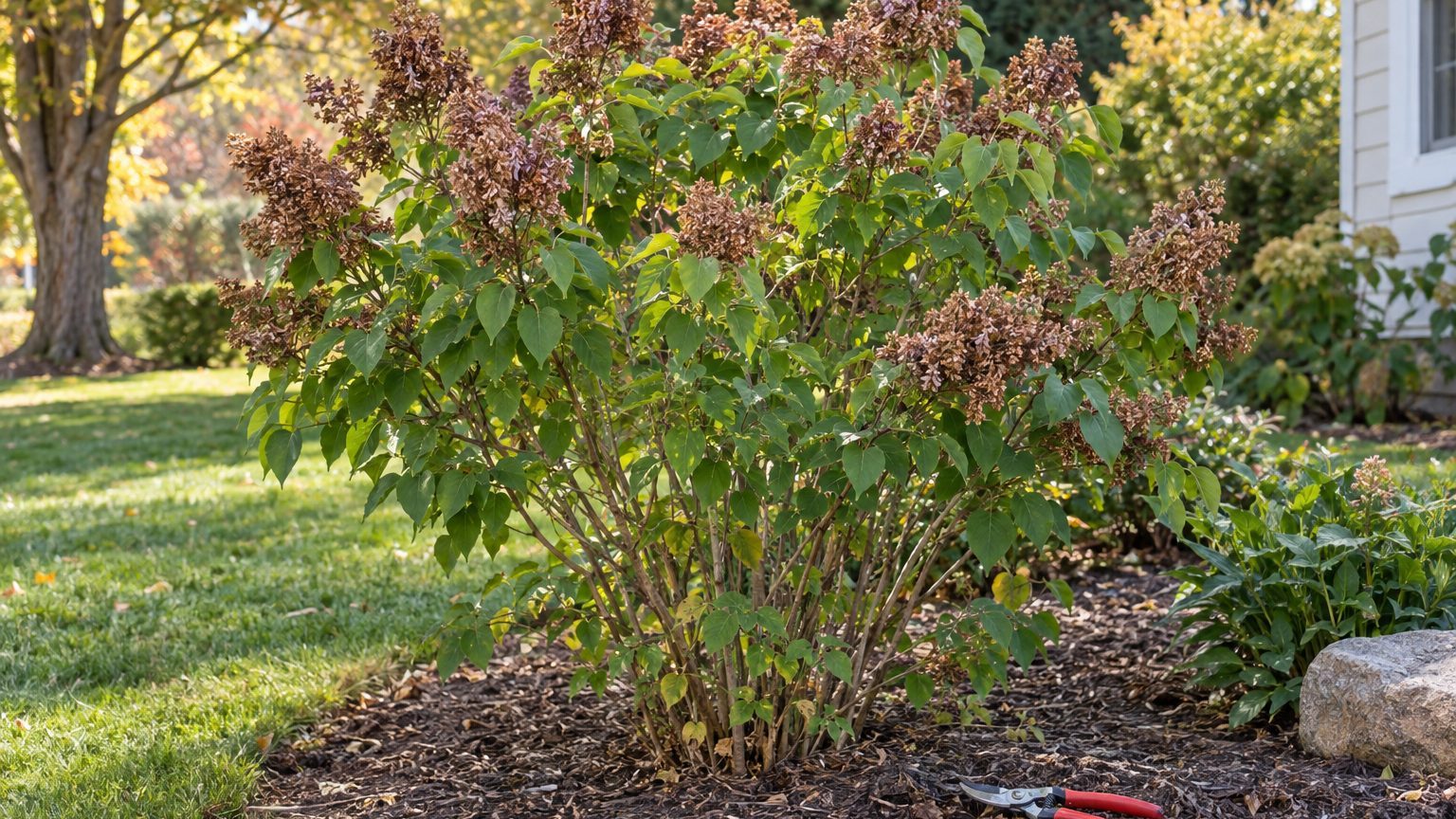
  • The flower clusters have turned brown and papery, which means the show is over and the cut will not cost you any bloom.
  • Petals have dropped and the stems are left with dried clusters, so you can remove the spent flowers without hunting for live ones.
  • Fresh green growth is pushing out below the old clusters, a sign that the shrub is already working on the wood that will carry next year’s flowers.
  • Crossing or crowded stems stand out among the open leaves, helping you choose what to cut.
  • Summer heat has settled in and the new buds are forming, which tells you to put the saw away until the next bloom ends.

If you are unsure whether the moment has passed, leave the shrub alone until its flowers fade again. A skipped year is better than a lost bloom.

Should You Prune Lilacs in Fall or Winter in Mississippi?

No. Cutting in fall or winter removes buds that are already waiting for spring and reduces the next bloom. This is true whether the cut is a light trim or a heavy one.

Gardeners often want to reshape a leggy lilac in late winter, when the bare branches are easy to see. Late-winter reshaping sacrifices that spring’s flowers, so treat it as a trade: you gain shape and give up the bloom.

If a shrub badly needs correcting, accept the lost bloom for now rather than cutting at random. Afterward, go back to pruning right after flowering so the shrub can set buds again.

How Lilac Pruning Time Shifts Across Mississippi

The sign stays the same everywhere in the state, but the climate differs, and with it how well a lilac does. USDA zones run from 7b to 9a, so winter cold changes a good deal from north to south.

  • North Mississippi hills: this is the cooler end of the state, and winters give lilacs more of the cold rest they need. Bloom comes a little later than on the coast, and so does pruning.
  • Gulf Coast: Mild winters and hot, humid summers make it difficult for a common lilac to mature flower buds. Flowering may be sparse, and pruning follows an early bloom, when it comes at all.

Your own yard may sit warmer or cooler than the regional picture, so go by the shrub, not by what a neighbor in another town is doing.

Where to Get Lilac Advice in Mississippi

Local knowledge counts for a lot with a plant that sits at the edge of its range here. Mississippi State University Extension and your county office can tell you what is working in nearby yards.

  • The extension website carries plant care guidance, and it is a good place to start before you buy a lilac or when a shrub looks unhealthy.
  • Your county extension office can answer questions about your own soil and conditions, so call after the bloom ends if you are unsure which stems to cut.

Common Questions

Which Lilacs Suit Mississippi Gardens?

Look for early-blooming types labeled Southern lilacs or lilacs for the South. These types usually grow and bloom in warmer places, though they are less fragrant than the lilacs people remember from colder climates. Descanso hybrids such as Angel White, Blue Boy and California Rose are worth trying in mild-winter gardens.

Why Is a Healthy Lilac Not Flowering?

Check when the shrub was last cut and how mild the winter was. A lilac that was trimmed in late summer, fall or winter, and that also went through a mild season, has lost its buds or never matured them, and the leaves can still look perfectly healthy.

Do Hot, Humid Summers Cause Problems for Lilacs?

They can. Common lilacs struggle through periods of high heat and humidity, which can lead to powdery mildew. A white, dusty coating on the leaves, especially in a crowded, poorly ventilated spot, points to that, so thin the crowded stems after bloom to let air move through.

When Do Lilacs Bloom in Mississippi? Dates and Care

When Do Lilacs Bloom in Mississippi? Dates and Care

A lilac in a Mississippi yard has to get through hot, humid summers and winters that rarely turn truly cold, and that shapes everything about growing it here. Lilacs in Mississippi bloom with the local spring, and the shrub you choose matters as much as the calendar.

When Do Lilacs Bloom in Mississippi?

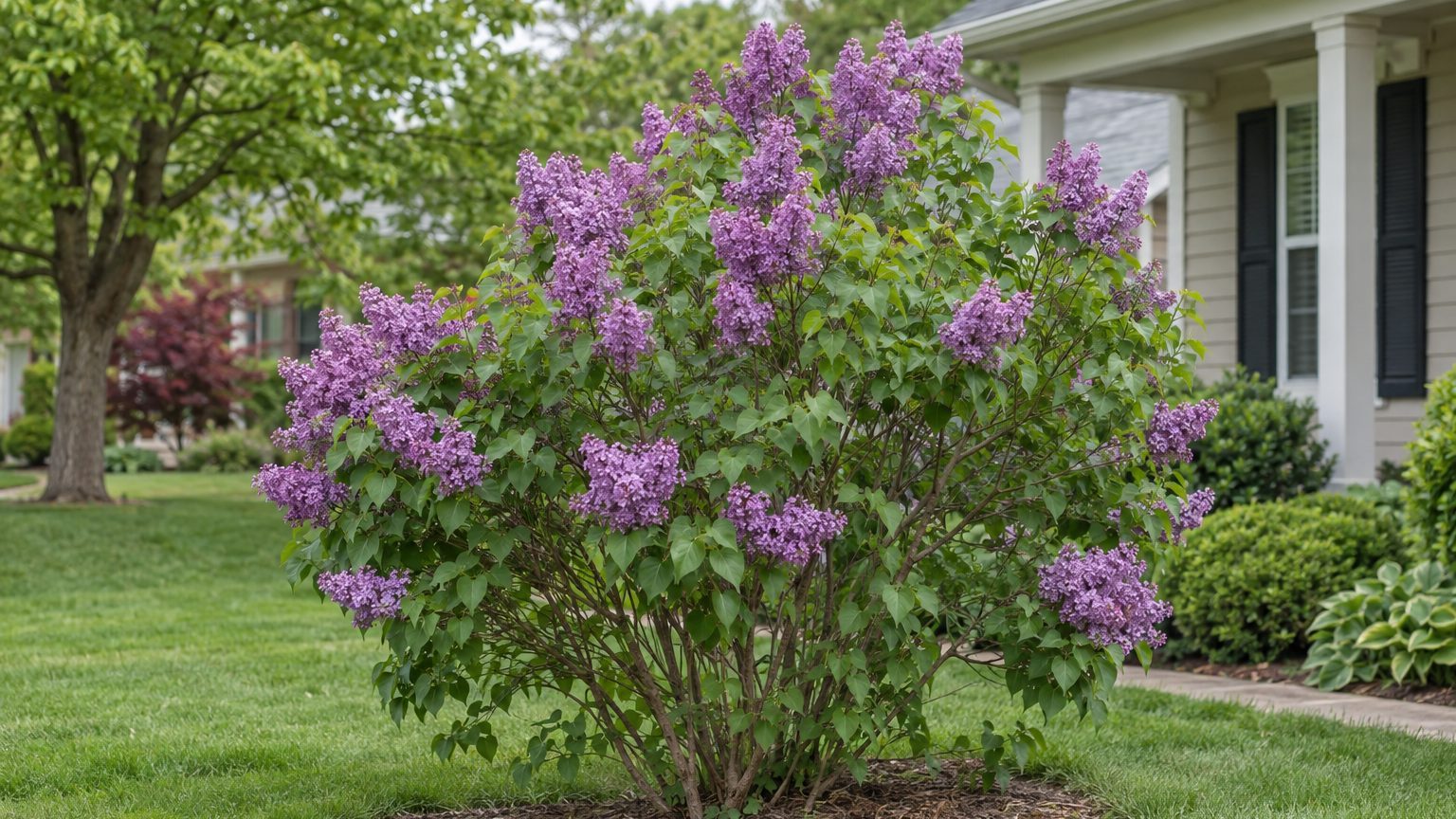
A lilac bush in bloom in a home garden

Lilacs here flower when your own spring arrives, and no fixed month applies across the state, because the show depends on how much winter chill the buds received. A lilac’s year runs in a steady loop, and each stage sets up the next.

  • In spring, the flowers open as the weather settles, and in a mild-winter year the display can come thin or sparse.
  • Right after the last flowers fade, prune the shrub, because the buds for next year begin forming soon afterward.
  • Through summer, the plant sets its flower buds on the new growth, and long hot, humid stretches are when leaf problems such as powdery mildew show up.
  • In fall, leave the pruners in the shed, since cutting now removes the buds that are already formed.
  • In winter, the shrub rests, and the cold it receives during this rest is what ripens those buds for spring.

Frost dates tell you about risk to tender growth, not when the lilac wakes up. At the state’s reference station, the last spring freeze falls between March 6 and March 22. The first fall freeze there arrives between November 7 and November 22. Suburban and rural yards usually freeze later in spring and earlier in fall than that station, so check your own county. Mississippi sits in USDA hardiness zones 7b to 9a, which tells you only how cold the winter minimums get, not how well a lilac copes with the summer.

Which Lilacs Grow Best in Mississippi?

Lilacs can grow in Mississippi, but they are working against the climate. They do best where winters are cold and struggle in hot, humid summers, which is exactly what the state delivers. Plan on the lower-chill and Southern types rather than the classic fragrant shrub.

Common lilac (Syringa vulgaris) often struggles in high heat and humidity, even when a selection is sold as heat tolerant.

Lilac type How it does in Mississippi Why
Common lilac (Syringa vulgaris) Struggles, even in heat-tolerant selections Heat and humidity invite powdery mildew
Southern lilacs, sold as early-blooming types Usually grow and bloom Labeled for the South, though less fragrant
Descanso hybrids Worth trying Developed in a mild-winter region
Low-chill cultivars Bloom with little chilling Still do best with a long, cold winter rest

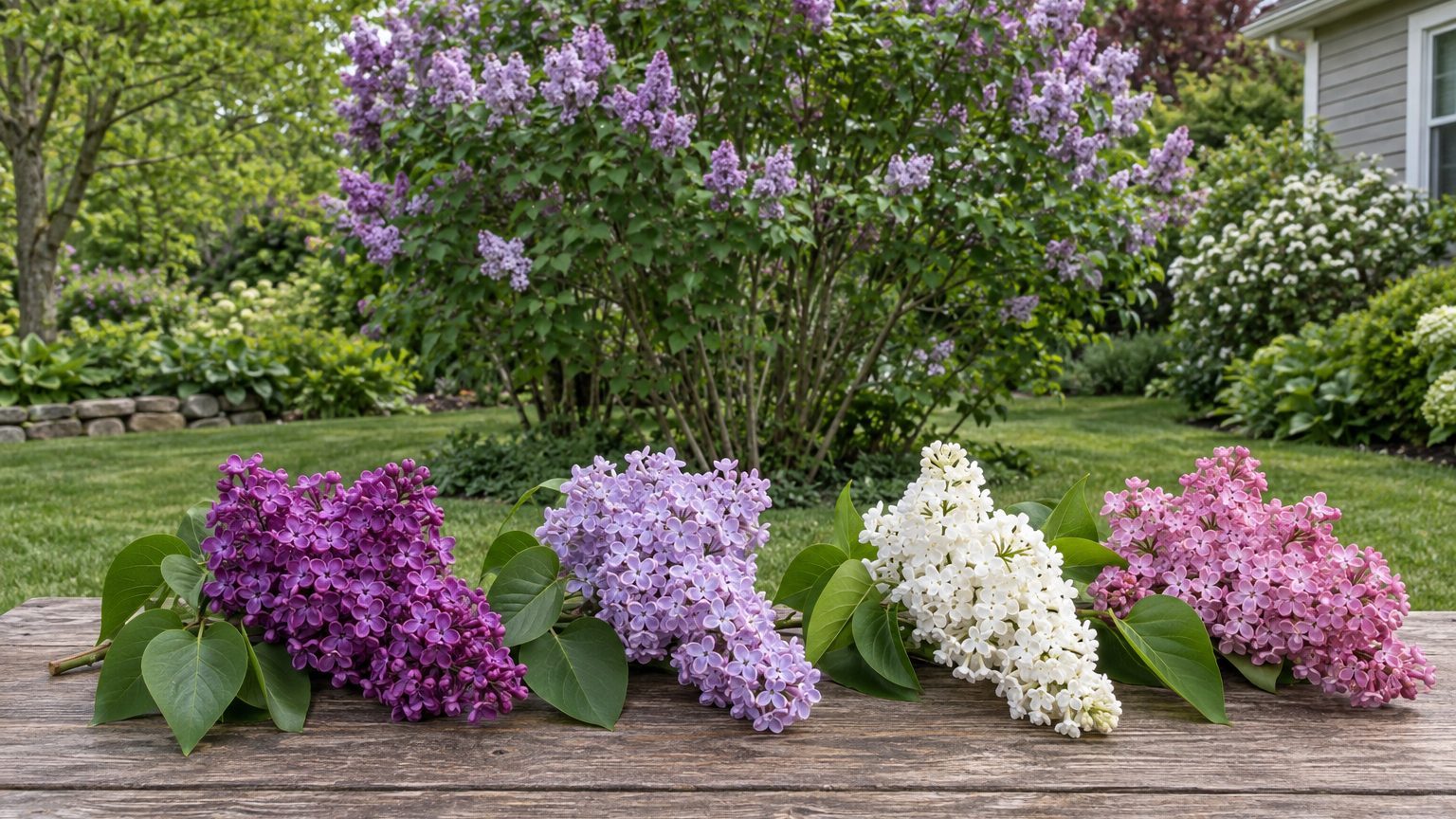
Look for lilacs that bring white, blue and pink flowers to Mississippi gardens, such as the white Angel White and the blue Blue Boy. Labels reading Southern lilacs or lilacs for the South point you toward the early-blooming group. Expect a lighter scent than the old-fashioned lilacs you may remember from cooler places.

When to Plant, Prune and Feed Lilacs in Mississippi

Pruning has a firm rule tied to the flowers, not the date. A lilac flowers on last year’s wood and sets next year’s buds in summer, so the window for cutting is short.

Task Best timing in Mississippi Why then
Prune Right after the flowers fade The shrub has not yet set next spring’s buds
Avoid pruning Late summer, fall and winter Cuts then remove the coming spring’s flowers

For planting and feeding, your local conditions matter more than a set date, so a county Extension office can give advice that fits your soil and your yard. The page When to Prune Lilacs in Mississippi goes further into cuts, tools and renewal pruning.

How Lilac Bloom Time Changes Across Mississippi

Mississippi is long from north to south, so spring does not arrive everywhere at once. The differences follow a predictable direction.

  • Gulf Coast: Spring warms up early near the water, so lilacs there tend to flower sooner than inland, though the mild winter gives the buds less chilling.
  • Mississippi Delta: Flat, open farmland heats quickly in spring and stays humid through summer, which is hard on common lilacs and favors the Southern types.
  • North Mississippi hills: Winters run colder in the northern counties, so buds get more chilling and bloom tends to come a little later than farther south.

Whichever part of the state you garden in, the local spring sets the schedule, so watch your own shrub rather than a neighbor’s.

Where to Get Lilac Advice in Mississippi

Mississippi State University Extension can help with yard and garden questions. Staff there know local soils and the pests that move through your area.

  • The Mississippi State University Extension site has plant guides and fact sheets, which are useful before you buy a shrub.
  • Your county Extension office can take a soil sample for testing and can help diagnose a sick plant, so bring a cut stem with leaves.
  • After the flowers fade, ask what your shrub needs before you prune.

Common Questions

Do Southern Lilacs Smell as Strong as Old-Fashioned Lilacs?

Not usually. The early-blooming Southern types grow and flower in warmer places, but they are less fragrant than the classic shrubs you may remember.

How Do You Tell Powdery Mildew on a Lilac?

Look for a whitish, dusty film on the leaves, especially during a warm, humid stretch in summer. That combination points to mildew, which common lilacs are prone to in humid heat.

Why Does a Lilac Look Healthy but Skip Its Flowers?

A green, leafy shrub with few or no blooms in spring often points to timing. Check when it was last pruned, and whether the past winter was mild enough that the buds never ripened.

Best Roses for Mississippi

Best Roses for Mississippi

Yellow leaves with black spots, dropping from a hybrid tea by midsummer, are the sign that a rose was matched poorly to the garden. In Mississippi, the roses that stay glossy are mostly shrub types, rugosas, Drift roses and disease-resistant hybrid teas.

Best Roses to Grow in Mississippi

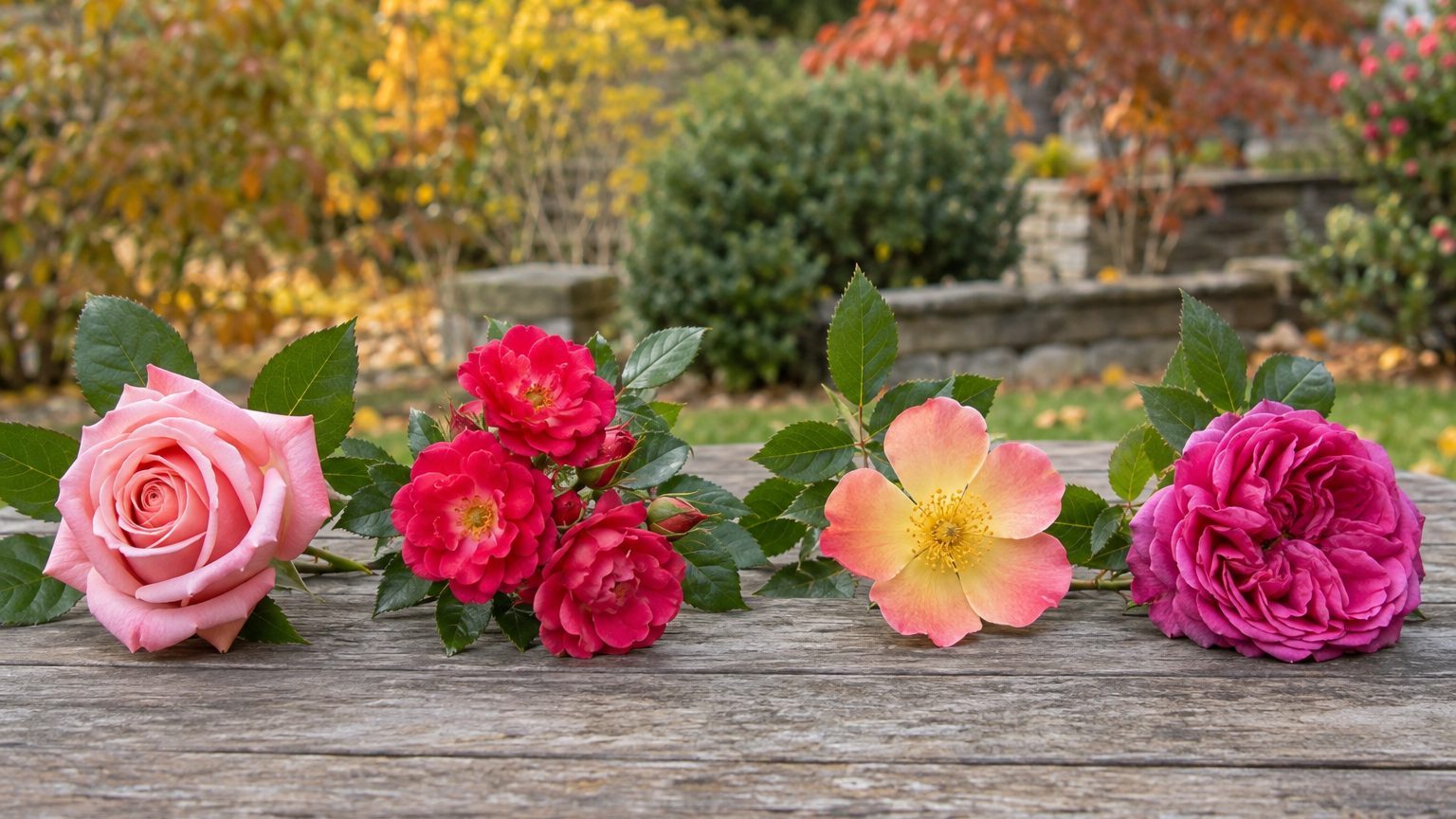
Healthy roses in bloom

Shrub roses, rugosas, Drift roses and old garden roses are practical choices for Mississippi gardens because they need far less spraying than hybrid teas. Mississippi spans USDA zones 7b to 9a, so winter hardiness still deserves a place in the buying decision. Leaf disease is the real test, and disease resistance can reduce the work it creates.

Shrub Roses

Shrub roses bloom beautifully with few chemical controls needed, which is the main reason to start here. Repeat-blooming shrub roses ask for less spraying than hybrid teas and are pruned in February and March as the buds swell.

Drift Roses

Drift roses are a good match for anyone who likes Knock Out roses. They come in Red Drift, Pink Drift, Apricot Drift, Coral Drift, Peach Drift, White Drift and Popcorn Drift, a white-and-yellow blend, so a whole bed can be planted in coordinated colors.

Rugosa Roses

Rugosas stand out for disease resistance. They are listed as resistant to black spot, powdery mildew and cercospora leaf spot. The named ones are Blanc Double de Coubert, Fru Dagmar Hastrup, Rugosa Alba and Topaz Jewel. Alba Semi-Plena, an alba rose, carries the same resistance.

Old Garden Roses

Old garden roses do not need the hard pruning that many modern roses get, and hard cutting can ruin their graceful shape and cut flowering sharply. Once-blooming types flower on last year’s wood, so prune them right after they bloom, never in early spring.

Hybrid Teas

Hybrid teas are susceptible to black spot and need an effective spray program running before the growing season begins. If you want one anyway, choose a resistant variety such as Pride N Joy, which is listed as black spot resistant.

Floribundas and Grandifloras

Sexy Rexy, a floribunda, and Prima Donna, a grandiflora, are listed as black spot resistant. Iceberg and Julia Child are floribundas that mix well with shrub roses in a formal rose bed.

How to Choose a Rose for a Mississippi Garden

Start with how much time you want to spend on the rose after planting. The amount of spraying can determine whether a rose keeps healthy foliage through summer. Match the type to that effort and the rest falls into place.

Colors, shape and bloom habit come next, since they decide which of the resistant types you will actually enjoy.

Your situation What suits it in Mississippi Why
Little time for spraying Shrub roses They bloom well with few chemical controls
Black spot keeps coming back Rugosa roses such as Topaz Jewel or Rugosa Alba Resistant to black spot, powdery mildew and cercospora leaf spot
You love hybrid tea blooms Pride N Joy, plus a spray program Listed as black spot resistant, but hybrid teas still need spraying started before the season
You want a color mix Drift roses They come in a range of colors and pair well with Knock Out roses
You like the old-fashioned look Old garden roses They skip hard pruning, which would spoil their shape

Climbing roses come in many varieties and colors, but they are subject to disease and insects, so give them good air movement and check the leaves regularly.

Which Roses Suit Different Parts of Mississippi

Mississippi stretches from cooler hills in the north to a warmer coast, and that shifts the timing for repeat-blooming roses more than it shifts the choice of variety.

  • Gulf Coast: Winters are milder here, so roses wake earlier. Prune repeat-bloomers when the buds swell, which can be mid-February.
  • North Mississippi: Winters run colder, so buds swell later. Wait until about mid-March, and favor sturdy shrub roses and rugosas that do not need coddling.

Across the state, let the buds set the day rather than the calendar, and check with your county office for how your own garden compares.

Rose Buying Mistakes to Avoid in Mississippi

Hybrid Teas Without a Spray Plan

Hybrid teas require a rigorous spray program to keep black spot at bay. Buying one on impulse and skipping the spraying costs you leaves, then blooms. Either commit to the program before the season begins or choose a shrub rose or a resistant variety instead.

Hard Pruning Old Garden Roses

Treating an old garden rose like a hybrid tea ruins its shape and sharply reduces flowering, because it blooms on last year’s wood. The replacement habit is simple: leave it alone in winter and tidy it right after the flowers fade.

Counting on Knock Out and Drift to Be Immune

These roses are easy, but they are not invincible. There is no cure for rose rosette disease in cultivars like Knock Out and Drift. Buy healthy plants and inspect them regularly for symptoms.

Where to Get Rose Advice in Mississippi

Mississippi State University Extension supports home gardeners across the state, and your county office can answer questions specific to your soil and neighborhood.

  • The state extension site has rose and disease information to read before you order plants in winter.
  • Your county extension office can help identify spotted-leaf problems, so bring a sample once symptoms show.
  • Ask the county office which varieties do well locally before you buy anything.

Common Questions

When Should You Plant Bare-Root Roses in Mississippi?

February and March are the preferred months. Planting can also be done in January, April, November or December. Potted roses can go in later than bare-root ones.

How Often Should You Feed Roses in Mississippi?

Feed monthly from March through September. Follow the label on a rose fertilizer, or use a soil test to adjust the amount.

Do Shrub Roses Need Pruning?

Repeat-blooming shrub roses are pruned in February and March, as the buds swell. Once-blooming shrubs and old garden roses wait until after they flower.

When to Prune Roses in Mississippi

When to Prune Roses in Mississippi

By late winter, hybrid teas and floribundas stand as bare, tired canes, waiting for a cut before the leaves open. In Mississippi, that cut belongs in February and March, as the buds begin to swell. Roses that flower once a year run on a different clock.

When to Prune Roses in Mississippi

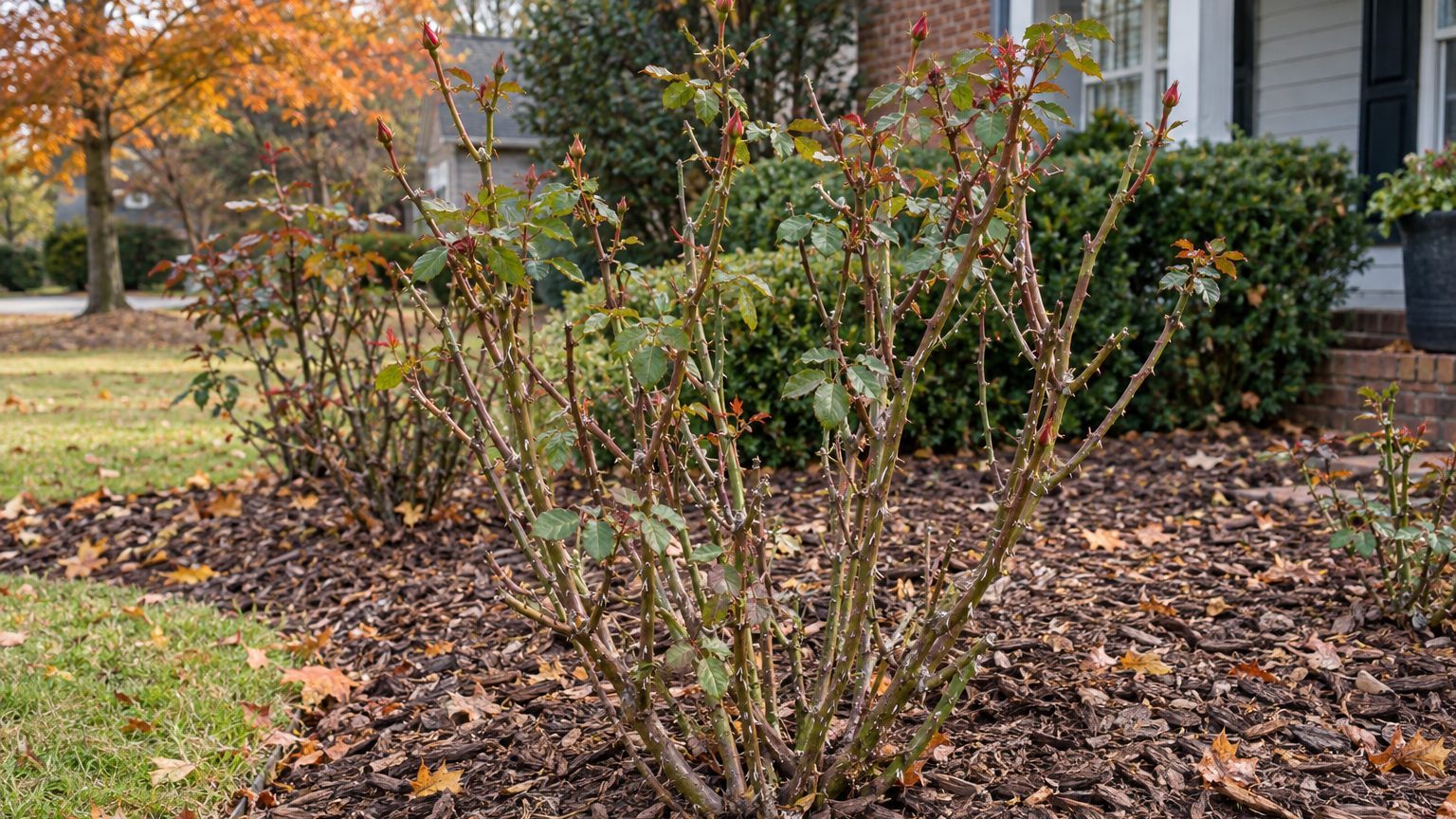
Rose canes at pruning time

Prune repeat-blooming roses in February and March, as the buds swell. Hybrid teas, floribundas and modern shrub roses flower on new wood, so a firm cut at this point sends up the fresh canes that carry the season’s blooms.

Roses that bloom only once follow the opposite rule. Old garden roses, ramblers and many climbers flower on last year’s wood, so they are pruned right after the blooms fade, never in early spring.

Type of rose When to prune in Mississippi Why
Hybrid teas, floribundas, modern shrub roses February to March, once the buds swell They bloom on new growth, so a spring cut shapes this year’s flowers
Old garden roses, ramblers, once-blooming climbers Right after flowering, never in early spring They bloom on last year’s wood, and a spring cut removes the buds

Climbers that repeat bloom do not get a month of their own here, so ask your county office how to handle the canes you have. Old garden roses need less pruning than modern roses in any case. Hard pruning can ruin their graceful shape and sharply reduce flowering, so a light trim after the bloom is plenty.

How to Tell When Your Roses Are Ready to Prune

The buds and the weather give clearer signals than the calendar page on the wall, and they matter most in a year that runs warm or cold.

  • Buds that begin to swell on the canes are the signal to start, because the rose is leaving dormancy and will show you where living wood begins.
  • Canes with plump buds near the tips but no open leaves yet are at the right stage for a heavy cut on a repeat-blooming rose.
  • A cold snap in the forecast is a reason to wait, since new growth pushed out by an early cut is tender.
  • At the Jackson reference location, the last spring frost falls between March 6 and March 22; rural gardens usually see it later, so check with your county office.
  • Bare-root roses planted this season can be trimmed at planting time, and they follow the same swelling-bud rule for later cuts.

Mississippi stretches a long way from the coast to the northern counties, so a neighbor’s rose may wake up well before yours does.

Should You Prune Roses in Fall or Winter in Mississippi?

Fall is not a pruning season for roses here. The calendar for repeat-blooming roses points to February and March for the real cutting, and nothing in it calls for a hard cut in autumn or midwinter. Cutting hard early can push soft growth that a cold night will burn.

Fall and winter are better used for planting. Bare-root roses go in during February and March, and can also be set out in January, April, November or December. Feeding follows its own schedule, running monthly from March through September, which means the plants are not fed in the cold months.

If long canes whip around in winter wind and bother you, the calendar gives no separate fall step for that. Hold the serious shaping until the buds swell.

How Rose Pruning Dates Shift Across Mississippi

Within the state, the timing follows how quickly spring warms, so the direction of the shift is easy to predict.

  • Gulf Coast: Buds swell first along the coast and in the southern part of the state, so pruning starts in mid-February.
  • North Mississippi: Spring arrives later, so pruning slides toward the March end of the window, and a rose near Tupelo or Corinth can wait while the coast is already cutting.

Between those ends, let the buds on your own plants decide.

Where to Get Rose Advice in Mississippi

Local advice is worth a call, because soil, shade and variety change what a rose needs. Mississippi State University Extension has gardening guidance for the state, and your county office knows how spring behaves near you.

  • The county extension office can tell you how local frost patterns and your rose type fit the calendar, so call in late winter before you cut.
  • Master gardeners connected to the county office can help you identify an unlabeled rose, which tells you whether it blooms on new or old wood, and it helps to ask before the buds swell.

Common Questions

Can You Plant a Bare-Root Rose in Mississippi in Winter?

Yes. February and March are the main months for bare-root roses, and January, April, November and December also work. Potted roses can go in later than bare-root ones.

How Often Should You Feed Roses in Mississippi?

Feed monthly from March through September. Without a soil test, use a balanced fertilizer modestly rather than guessing at a heavy dose.

Which Roses Need the Least Spraying in Mississippi?

Shrub roses can bloom well with few chemical controls. Hybrid teas are more susceptible to disease and need a spray program in place before the growing season starts, so choose shrub types if you want a lighter routine.

When to Plant Roses in Mississippi: Dates and Varieties

When to Plant Roses in Mississippi: Dates and Varieties

A bare-root rose arrives in winter as a bundle of dormant canes and roots, and in Mississippi that is exactly when it goes into the ground. Planting dates are broader here than in colder states, but they still follow a pattern.

When to Plant Roses in Mississippi

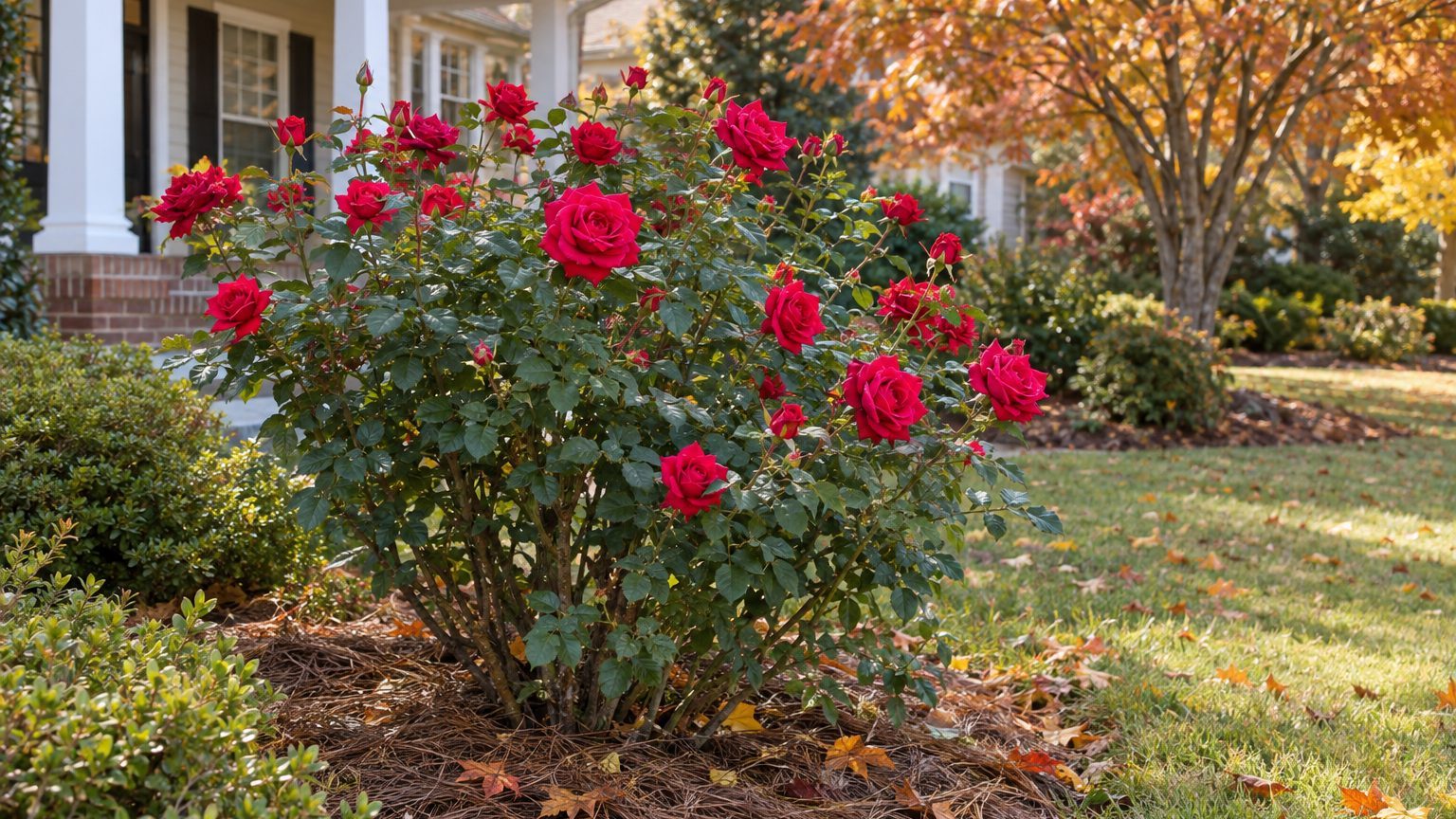
A rose bush in bloom in a home garden

Mississippi spans USDA zones 7b to 9a, and February and March are the prime months for planting dormant roses.

  • In late fall, bare-root roses can go in during November and December while the plants are dormant and the soil is still workable.
  • In January, a bare-root rose can still be planted on a mild day, though it can wait for late winter.
  • In February and March, bare-root planting is at its best, and this is also when repeat-blooming roses get their main pruning as the buds swell.
  • In April, bare-root roses can still be set out if they are available late, and potted roses can be planted later than bare-root ones.
  • From March through September, roses get fed monthly to keep new growth and bloom coming.

At the Jackson reference station, the last spring frost falls between March 6 and March 22, and young rose growth is tender enough to be hurt by a late freeze. The first fall frost arrives between November 7 and November 22, which is why a dormant bare-root rose planted in winter handles cold better than a leafy plant. Check your own county for the dates that apply to your yard.

Which Roses Grow Best in Mississippi?

Roses that resist leaf disease do the most for you here. With zone 7b to 9a winters, cold is a smaller worry than black spot, so choose types that need little spraying.

Disease-resistant shrub roses can need fewer chemical controls, while old garden roses need a lighter hand with pruning. Hybrid teas are worth growing if you will keep up a spray program.

Rose type How it does in Mississippi Why
Shrub roses Bloom well with few chemical controls Better disease resistance than hybrid teas
Hybrid teas Perform with a spray program in place before the growing season Susceptible to black spot, which needs regular control
Old garden roses Keep their graceful shape when they are not pruned hard They do not need the hard pruning modern roses get

Floribundas behave much like hybrid teas in how they are pruned and fed. Climbers and ramblers deserve a place if you want height, but many bloom only once a year, which changes when you cut them back.

When to Prune, Feed and Protect Roses in Mississippi

Rose care here runs on a few dates tied to when the plant wakes up. Pruning follows the buds, not a fixed day, and feeding runs through the growing months.

Task Best months in Mississippi Why then
Pruning repeat-blooming roses (hybrid teas, floribundas, modern shrub roses) February to March Buds begin to swell, so you can see where to cut
Feeding roses March through September, monthly Steady nutrition supports growth and repeat bloom

Once-blooming roses are the exception. Old garden roses, ramblers and many climbers flower once a year on last year’s wood, so prune them right after they bloom, never in early spring. Ask your county extension office whether a tender rose needs winter protection in your yard.

How Rose Care Dates Change Across Mississippi

Mississippi stretches a long way from the Gulf to the Tennessee line, and the rose season moves with it.

  • Gulf Coast: Warm winters wake roses earlier, so buds swell toward mid-February and pruning can start at that point.
  • North Mississippi: Around Tupelo and Oxford, buds swell later, so pruning waits until about mid-March and a late freeze stays a risk for longer.

Between the two, let the buds on your own bushes set the day.

Where to Get Rose Advice in Mississippi

Mississippi State University Extension answers rose questions for the whole state, and each county has an office that can help with local problems.

  • The county office can test your soil, which tells you what a rose bed needs before you start feeding.
  • Staff can look at a sample of a spotted leaf or a failing cane and help you diagnose it, so bring one in when symptoms appear.
  • Before planting, ask the office about soil preparation for your site.

Common Questions

What If Your County Is Colder than the Frost Dates Above?

Suburban and rural gardens usually see the last spring frost later and the first fall frost earlier than an airport station, often by one to two weeks. Add that margin before putting out tender new growth or a potted rose.

Is a Potted Rose Safer to Plant After the Last Frost?

Potted roses can go in later than bare-root ones, which makes it easy to wait until frost risk has passed. A rose that has already leafed out is more exposed to a freeze than a dormant bare-root plant.

Should You Test the Soil Before Feeding Roses?

Yes, a soil test is the sound starting point. Your county extension office can run one, and the results tell you whether the monthly feeding from March through September needs adjusting.

The almanac, state by state. Every date on this site comes from a state’s own frost facts and its extension service’s calendar — and says where it comes from.