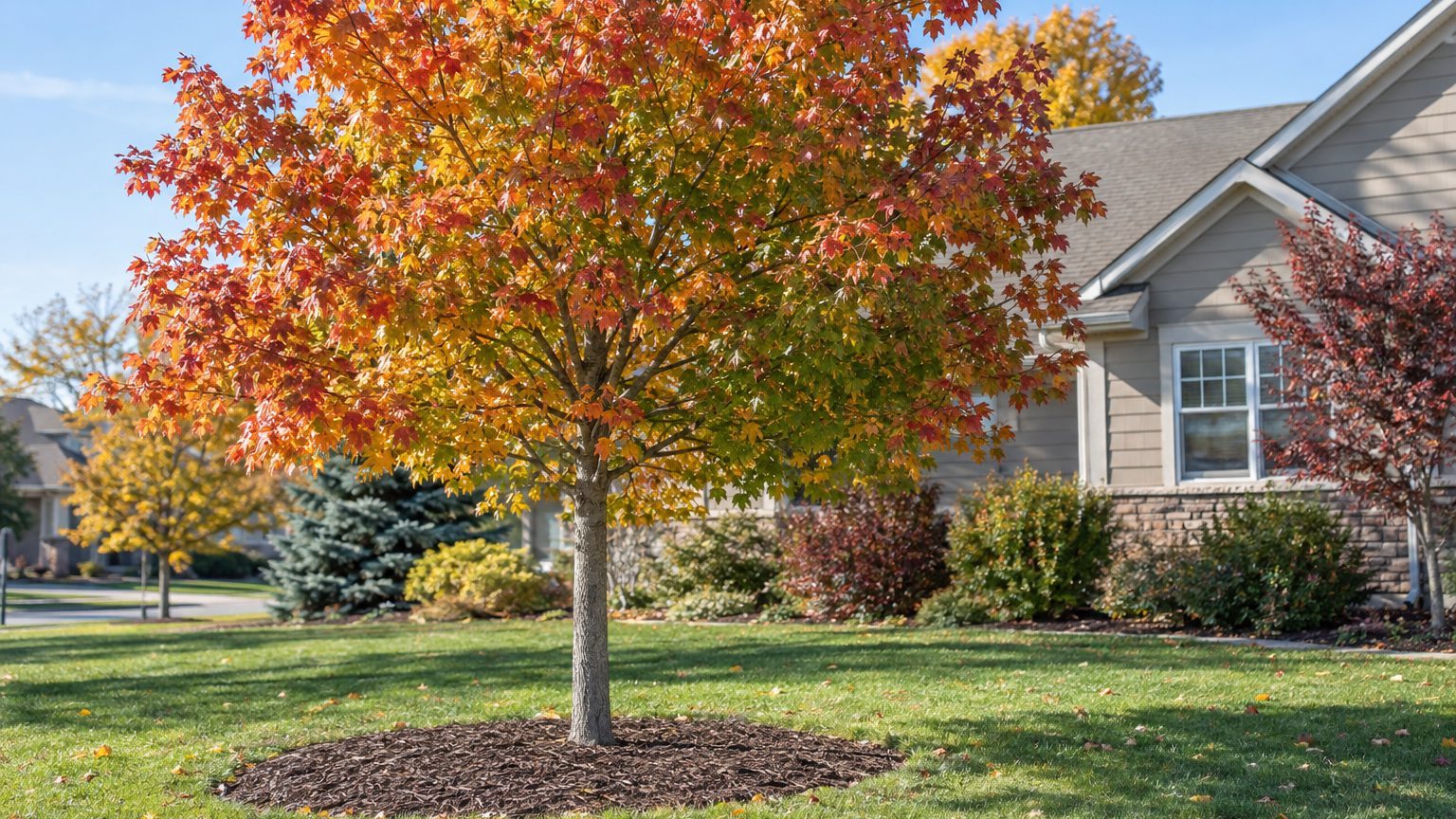
A young maple or crabapple settles into Minnesota ground fastest when the soil has thawed and the buds have not yet opened. That points to spring, with early fall as a fallback for many hardwoods.
When Is the Best Time to Plant Trees in Minnesota?

Plant shade and ornamental trees in April and May, once the ground can be worked and before the buds open. Fall planting is a fallback, and the year runs roughly like this.
- In April and May, plant container and balled-and-burlapped trees, so the roots grow into soil that is warming up before the leaves ask for water.
- Through the summer, hold off, because heat and dry soil stress new roots more than at any other time of year.
- In September and early October, plant many hardwoods and conifers.
- After a fall planting, water the tree until the ground freezes.
- During the dormant season, bare-root trees go in before the buds open, and container trees settle best then too, though they can go in most of the year if you keep them watered.
Spring is the safer choice for magnolia, dogwood, tuliptree, sweet gum, red maple, birch, hawthorn, poplars, cherries, plums and many oaks. In the Twin Cities, the last spring freeze usually falls between April 17 and April 30, and the first fall freeze between October 11 and October 23. Northern Minnesota runs two to three weeks tighter at both ends, so plant a little later in spring and a little earlier in fall there. Hardiness zones in the state run from 3a to 5a on the USDA system, so the far north is much colder than the metro.
Minnesota — the year and the numbers
- State
- Minnesota
- USDA zones
- 3a-5a
- Last spring frost
- April 17 to April 30
- First fall frost
- October 11 to October 23
- Annual rain
- 32 in
- Lawn zone
- cool-season
- Source
- NOAA NCEI 1991-2020 Climate Normals, 32F freeze probabilities · Minneapolis
When to Plant Fruit Trees in Minnesota
Plant fruit trees in April and May. Bare-root trees go in as early as the soil can be worked, while they are still dormant and before the buds open.
Container-grown fruit trees follow the same spring window and settle best in the dormant season, though they tolerate other times if you water them.
| Kind of fruit tree | When to plant in Minnesota | Why then |
|---|---|---|
| Bare-root | April to May, before the buds open | The tree is still dormant, so roots can establish before leaves demand water |
| Container | April to May, or later if kept watered | Roots are intact and settle best in the dormant season |
Rootstock matters as much as timing for apples. Budagovsky rootstocks are known for cold hardiness, and the Geneva series includes some that tolerate replant disease. Honeycrisp is thought to need 800-1000 chilling hours, which Minnesota winters supply easily.
Best Trees to Plant in Minnesota
Crabapples are the ornamental tree Minnesota growers can count on. They accept a wide range of soils as long as the ground drains well, and disease-resistant cultivars are the ones to look for.
Planting site and zone narrow the choice further. A tree that suits a sheltered Twin Cities lot may struggle where winters are far colder.
| Tree | How it does in Minnesota | Why |
|---|---|---|
| Crabapple | Proven performer when a disease-resistant cultivar is chosen | Tolerates many soils if they drain well |
| Columnar Siberian crabapple | Fits narrow spaces, but needs care | Narrow and upright, though highly susceptible to fireblight |
| Apple (Honeycrisp) | Suited to cold winters | Needs 800-1000 chilling hours and is somewhat resistant to apple scab |
For other shade trees, match the choice to your space, the sun the spot gets and your hardiness zone. Your county extension office can suggest species that suit local soil.
When to Plant, Water and Prune Trees in Minnesota
The year’s tree work follows the dormant season. Planting is a spring job, watering matters most for a tree planted in fall, and fruit tree pruning waits for late winter.
| Task | Best timing in Minnesota | Why then |
|---|---|---|
| Plant shade and ornamental trees | April to May, or September to early October | Roots grow before heat or hard cold arrives |
| Plant fruit trees | April to May, while dormant | Buds have not yet opened |
| Water a young tree | Regularly through the first season, and until the ground freezes after fall planting | New roots dry out fast and need moisture until winter locks the soil |
| Prune fruit trees | March to April, after the coldest weather and before bud break | New growth has time to harden, and cuts heal as the tree wakes |
Skip pruning fruit trees in fall or early winter, since new growth may not harden before the cold. Peaches go last, closest to bloom, because their flower buds are easily hurt by cold, and apples go first. Oaks are not pruned from March through October, to limit the spread of oak wilt. The page on when to prune fruit trees in Minnesota goes deeper on cuts.
Where to Get Tree Advice in Minnesota
University of Minnesota Extension offers guidance on species, planting and care, and your county office can help with local questions.
- Visit University of Minnesota Extension for fruit tree and shade tree guidance, especially before ordering bare-root stock in late winter.
- Call your county extension office for a soil test or a species suggestion, ideally before spring planting begins.
Common Questions
Can You Plant a Tree in July?
You can if the tree comes in a container and you water it faithfully, but heat and dry soil make it a struggle for new roots. Waiting for September or the following April gives the tree an easier start.
Do Bare-Root Trees Need Planting Right Away?
Yes. A bare-root tree is planted while it is dormant, so get it in the ground as soon as the soil can be worked and before the buds open. Keep the roots from drying out until then.
Should You Plant Oaks in Spring or Fall?
Spring suits many oaks better than fall. Plant in April or May, and leave pruning for the dormant months outside March through October.