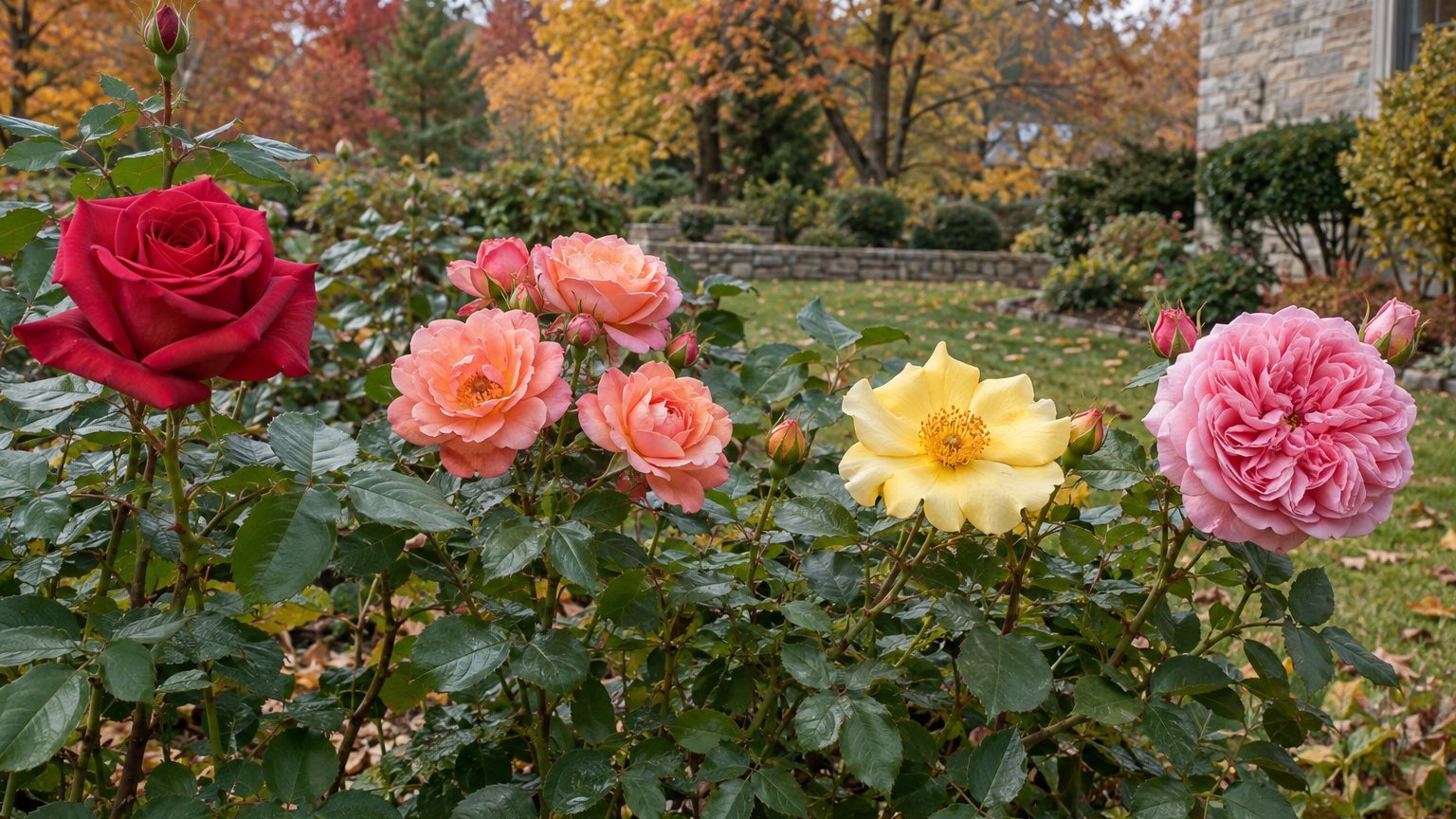
A Maine rose that greens up in May on healthy canes got there because someone chose it for the winter, not for the flower. Hardiness decides which roses come back here.
Best Roses to Grow in Maine

Tough shrub roses, rugosas, Explorer roses and older garden classes suit Maine, because winter hardiness decides which roses return each spring and USDA zones here run from 3b to 6a. Polyanthas, floribundas, hybrid perpetuals, shrub roses and many old-fashioned roses come through winter better than hybrid teas and grandifloras do.
Rugosa Roses
Rosa rugosa is hardy in most locations, which makes it the dependable starting point for a rose that must fend for itself. Hardiness still varies from one area to the next, so check your own zone before you buy. Give it sun and let it grow into a loose, informal shrub.
Canadian Explorer Roses
This series carries the names of Canadian explorers, such as Champlain, Cabot and Kelsey, and comes as shrubs or climbers. Explorer roses include shrub and climbing forms that suit many cold gardens; check the exact variety’s hardiness before buying. Hardy shrub roses of this kind perform without extra winter protection.
Meidiland Roses
Meidiland hardiness varies by variety, so check the plant tag before choosing one for a cold garden. That suits milder southern and coastal yards. In a colder spot, treat any Meidiland as a gamble and read the hardiness listing for the exact variety.
Knock Out and Other Shrub Roses
Knock Out is a hardy shrub rose that performs well without extra protection, which saves you the fall cover-up. It also suits a gardener who wants repeat bloom without much work. Choose shrub roses first when you are unsure.
Floribundas and Polyanthas
Floribundas and polyanthas are more winter hardy than hybrid teas, with clusters of blooms rather than solitary flowers. They still sit near the edge in a cold garden, so plant them where the site is sheltered and expect to cover them in late fall.
Old-Fashioned Roses
Many of the old garden types are tough enough for Maine winters. Once-blooming kinds, including old garden roses, ramblers and many climbers, flower once a year on last year’s wood. Prune them right after they bloom, never in early spring.
Maine — the year and the numbers
- State
- Maine
- USDA zones
- 3b-6a
- Last spring frost
- April 22 to May 1
- First fall frost
- October 9 to October 21
- Annual rain
- 48 in
- Lawn zone
- cool-season
- Source
- NOAA NCEI 1991-2020 Climate Normals, 32F freeze probabilities · Portland
How to Choose a Rose for a Maine Garden
Start with your zone, because the extension advice is to choose only types hardy enough for the coldest average winter in your growing zone. Then think about how much winter work you will accept. A rose that needs no cover costs less effort than one that does.
Roses also need plenty of direct sun and loose, rich soil with good drainage. These conditions apply to all of the roses listed below.
| Your situation | What suits it in Maine | Why |
|---|---|---|
| Cold inland garden | Rugosa or Explorer roses | Rugosa is hardy in most locations, and Explorer hardiness varies by variety |
| Milder southern or coastal garden | Meidiland series | Check the hardiness of the exact variety |
| Little time for winter care | Knock Out or Explorer roses | They perform well without extra protection |
| Cut flowers for the vase | Hybrid or old-fashioned tea roses | Bushy, upright growth with long stems and fragrance, though they need winter protection |
| A trellis or arbor to cover | Climbing roses, such as Explorer climbers | They can be trained up a support, and some of them are hardy here |
Groundcover roses and miniatures also exist, but miniatures belong to the tender group, so they are better treated as a seasonal pot than a permanent planting.
Which Roses Suit Different Parts of Maine
Maine runs from a mild shoreline to cold northern woods, so the same rose can behave quite differently across the state.
- Portland and the southern coast: this is the mild end of the state, where the Meidiland series and other shrub roses sit comfortably. Floribundas are also a reasonable bet, with winter cover.
- Western Maine foothills and the inland valleys: spring arrives later than on the coast, so pruning waits until shoots show active growth. Rugosa and Explorer roses are the safer choices.
- Aroostook County and the north: winters here are especially cold, so hardiness comes before color or fragrance. Stay with rugosas and Explorer shrubs.
Check your own zone before you shop, since a mild coastal yard and a northern one are far apart.
Rose Buying Mistakes to Avoid in Maine
Buying Hybrid Teas Without a Cover Plan
Hybrid teas, floribundas and grandifloras need winter protection in cold winters, and the amount depends on the rose and where it sits in the garden. Apply it in late November, after hard frosts have killed the leaves. Covering too early traps live growth under the mulch.
Planting in Shade or Heavy Soil
Roses need plenty of direct sun and loose soil rich in organic matter, with good drainage. A bush in a shady, soggy corner struggles whatever its hardiness rating. Pick a sunnier spot, or fix the soil before planting.
Pruning at the Wrong Time
Prune repeat-blooming roses in April or May, and wait until shoots show active growth. Cutting too soon removes buds that would have lived, and March is only the outer limit of a late-winter job. For tea roses, cut lightly in fall and more heavily in spring.
Where to Get Rose Advice in Maine
Questions about a particular variety or a patch of soil are best taken to University of Maine Extension and your county office. The people there know the conditions in your part of the state.
- Its gardening guidance is worth checking before you order roses for spring planting.
- Your county extension office can answer local questions about hardiness and soil, and it is a good call in late winter before you prune.
Common Questions
When Should You Plant Bare-Root Roses in Maine?
April and May are the months for bare-root roses. Potted roses can go in later, once the soil has warmed.
When Should You Feed Roses in Maine?
Feed monthly from April through July, with August as the last feeding. Stopping then keeps late soft growth from forming before winter.
When Should You Take Winter Protection Off Roses in Maine?
Remove it in May, in early May before new growth begins. It can also come off in April if the season runs ahead.