Skip to content

Best Lilacs for California

Best Lilacs for California

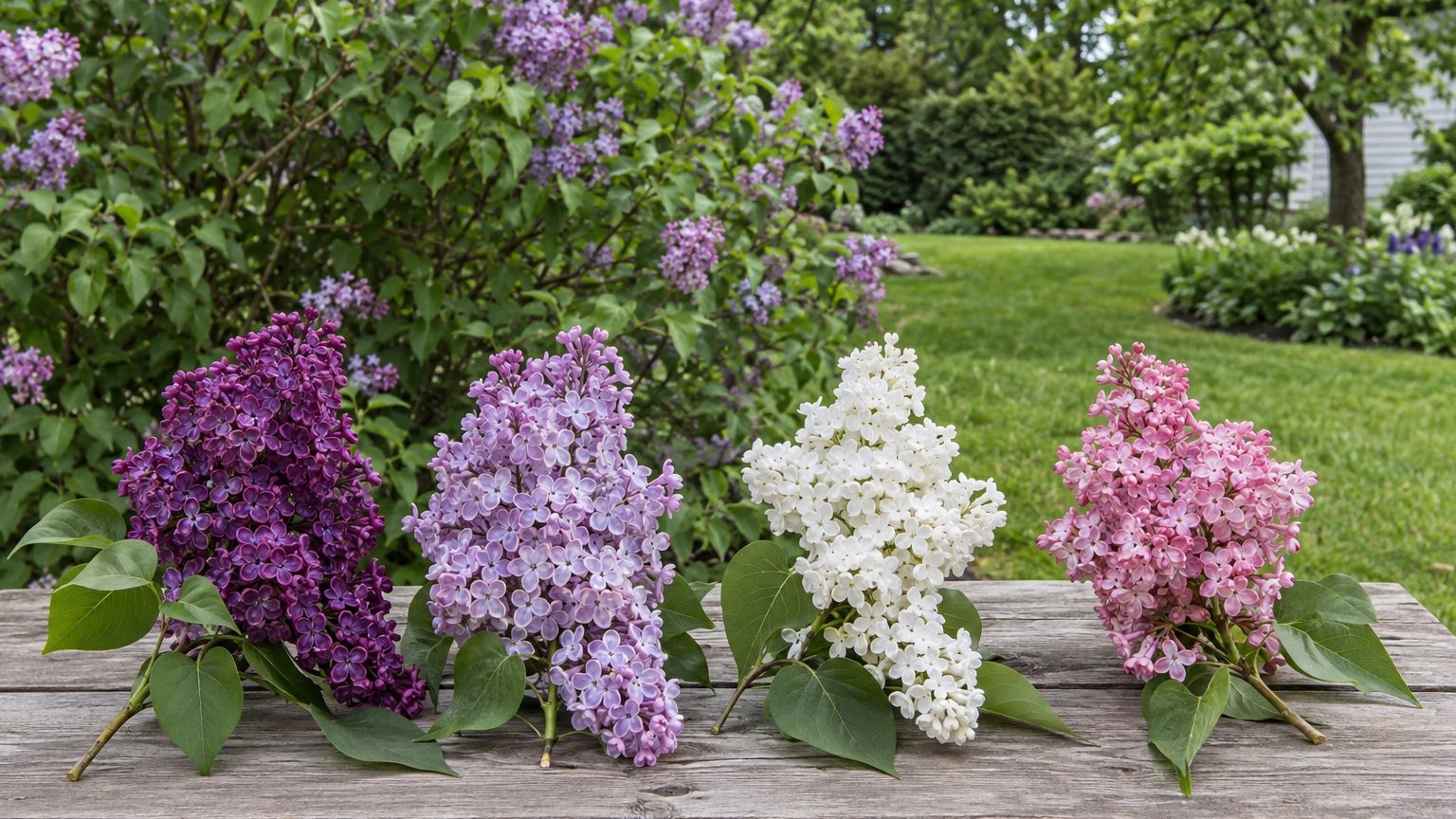
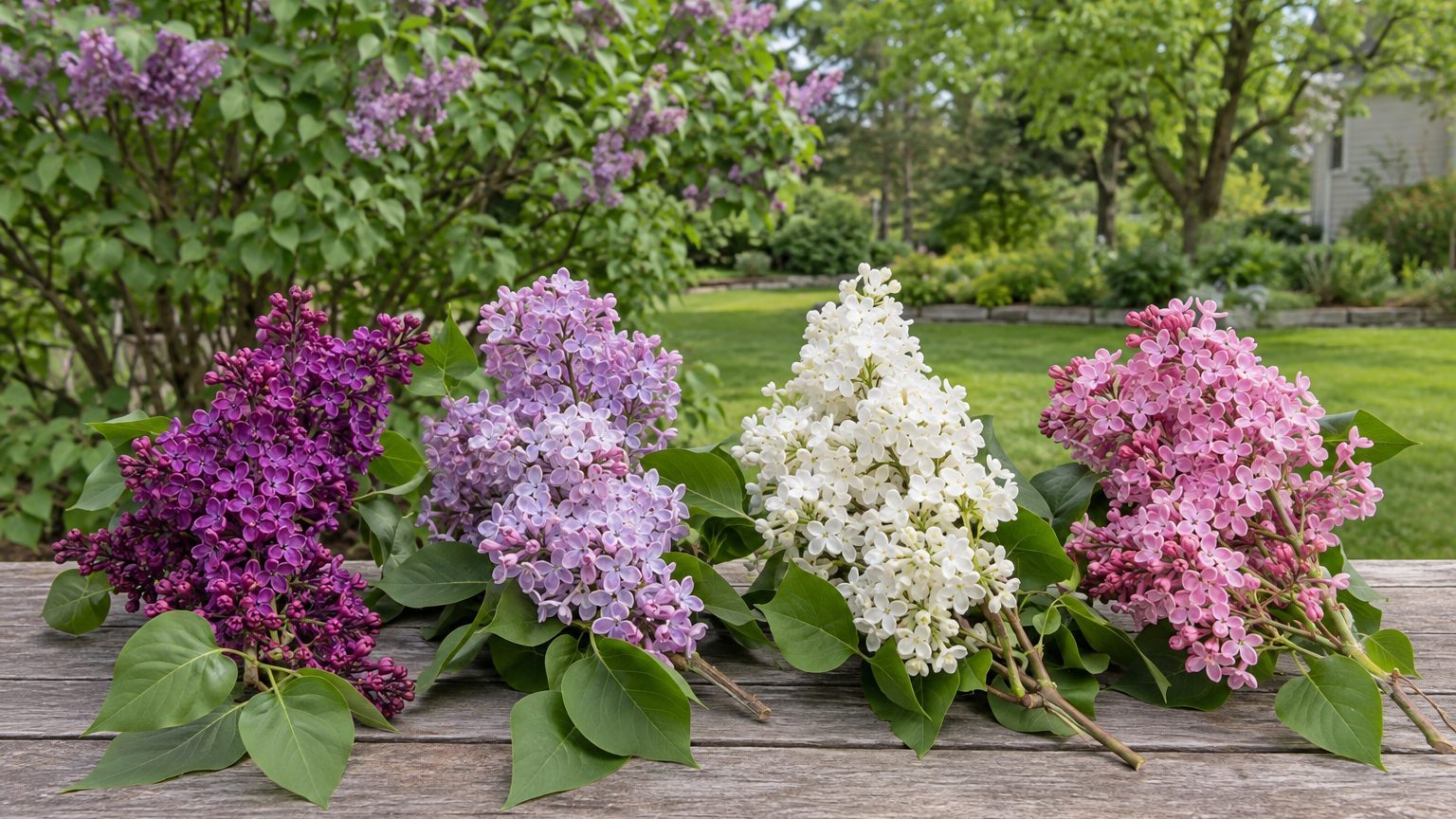
A lilac in full flower is a spring picture most California gardeners want, yet the plant that makes it happen is picky about winter. Lilacs here do well in the cold parts of the state, and only a few kinds will flower where winters stay mild.

Best Lilacs to Grow in California

Best Lilacs for California

Lilacs that bloom with little winter chilling, such as the Descanso hybrids and the early-blooming Southern lilacs, tend to do best here, because coastal and southern California never freezes in an average year and the plant needs a cold rest to mature its flower buds. Across the state, USDA hardiness zones run from 5a to 11a, so the right choice depends on where you garden.

Descanso Hybrids

Descanso Hybrids — Best Lilacs for California

These were developed in Southern California, which is the strongest reason to try them in a warm yard. The white ‘Angel White’, the blue ‘Blue Boy’ and the pink ‘California Rose’ belong to the group.

Choose one of these if you garden on the coast or in the south, where a classic lilac would sulk.

Southern Lilacs

Nurseries often label early-blooming types as Southern lilacs or lilacs for warm climates. They usually grow and bloom where common lilacs will not, though they are not as fragrant as the old-fashioned kind.

Expect a lighter scent and accept it as the trade for flowers.

Low-Chill Varieties

Lilacs grow best where there is a pronounced winter chilling, but some varieties will bloom with only a little. That is the quality to look for on a plant tag if your winters are mild.

Even low-chill cultivars flower best after an extended cold rest, so a cool, open spot beats a warm wall.

Less Blight-Prone Species

Many common lilac cultivars are highly susceptible to bacterial blight and canker in California. Syringa josikaea, S. komarowii, S. microphylla, S. pekinensis and S. reflexa are generally less susceptible.

If you have lost a lilac to blighted shoots before, these species are the safer replacement.

Nadezhda

This double-flowered form has purple buds that open to bluish florets, giving a bicolor look. It performs well in the landscape and shows disease resistance.

It can suit a front yard that has enough room for its mature size.

How to Choose a Lilac for a California Garden

Start with your winter. Where it freezes hard, a classic lilac gets the cold rest it wants. Where it never freezes, the plant has to bring its own low chilling requirement.

Then think about summer heat and humidity, which invite mildew, and about how much space and upkeep you can offer.

Your situation What suits it in California Why
Very cold winter (Sierra, northern interior) Classic lilacs such as ‘President Lincoln’ Lilacs grow best with pronounced winter chilling, and this one has a closest-to-true-blue flower
Frost-free coast or south Descanso hybrids and low-chill varieties Descanso hybrids were developed in Southern California, while low-chill varieties can bloom with little winter chilling.
Hot, humid summer Southern lilacs Common lilacs struggle in high heat and humidity, which brings powdery mildew
Little time for care Nadezhda It shows disease resistance and performs well in the landscape
Room for a shrub that grows larger over time Nadezhda It performs well in the landscape and shows disease resistance, though it grows larger over time.
Worry about blight Syringa pekinensis or S. microphylla They are generally less susceptible to bacterial blight and canker

A tall, upright variety like ‘President Grevy’ offers double lilac-blue flowers in large clusters, but it grows very tall, so it needs real room.

Which Lilacs Suit Different Parts of California

California covers coast, valley and mountains, and the lilac you pick should follow the winter you actually get.

  • Sierra Nevada: Winters freeze here, so classic lilacs get the cold rest they need to set flower buds.
  • Central Valley: Freezes do happen, which helps buds mature, though hot summers still favor tougher, disease-resistant choices.
  • Los Angeles and the southern coast: No freeze occurs in an average year, so the Descanso hybrids and other low-chill types are the sensible bet.
  • Northern California: Frost returns here, which opens the door to more classic varieties than the south can hold.

Never assume the mild coast speaks for the whole state, because the cold interior behaves very differently.

Lilac Buying Mistakes to Avoid in California

Ignoring Chill Needs

A variety that needs more cold than your yard provides may leaf out but flower poorly. Look for low-chill or early-blooming labels if your winters are mild.

A cool, open spot helps a little, but it cannot turn a high-chill plant into a low-chill one.

Choosing a Blight-Prone Type

Many common lilac cultivars are highly susceptible to bacterial blight and canker, and a diseased shrub means dead shoots and a replacement purchase. Ask for one of the less susceptible species or a variety noted for disease resistance, such as Nadezhda.

Forgetting Adult Size

A lilac in a pot looks modest, but ‘President Grevy’ grows into a large shrub, both tall and broad. Planted beside a walkway, it will need constant cutting back.

Check the mature size on the tag and give it space. Once it is planted, prune right after the flowers fade, because the next flower buds form in summer and later cuts remove them.

Where to Get Lilac Advice in California

Local winters vary so much that the best advice is local. The state’s extension network connects you with people who know which lilacs have worked in your area.

  • The University of California Agriculture and Natural Resources site offers plant guides and pest advice, handy before you buy.
  • Your county extension office can tell you which varieties suit your neighborhood’s winters.
  • Call or visit before planting, or when leaves show spots or shoots die back.

Common Questions

Are Southern Lilacs as Fragrant as Common Lilacs?

No. They usually grow and bloom in mild climates, but they are not as fragrant as the lilacs gardeners in cold regions know.

Why Do Lilac Leaves Get a White Coating?

A white powdery film on the leaves, especially during a hot, humid spell, points to powdery mildew. Common lilacs struggle in that weather, so a Southern lilac or a Descanso hybrid is the better replacement.

Which Lilac Has the Truest Blue Flowers?

‘President Lincoln’ is widely acknowledged as producing flowers closest to true blue. Its single florets are arranged in loose conical clusters.
Best Lilacs for British Columbia

Best Lilacs for British Columbia

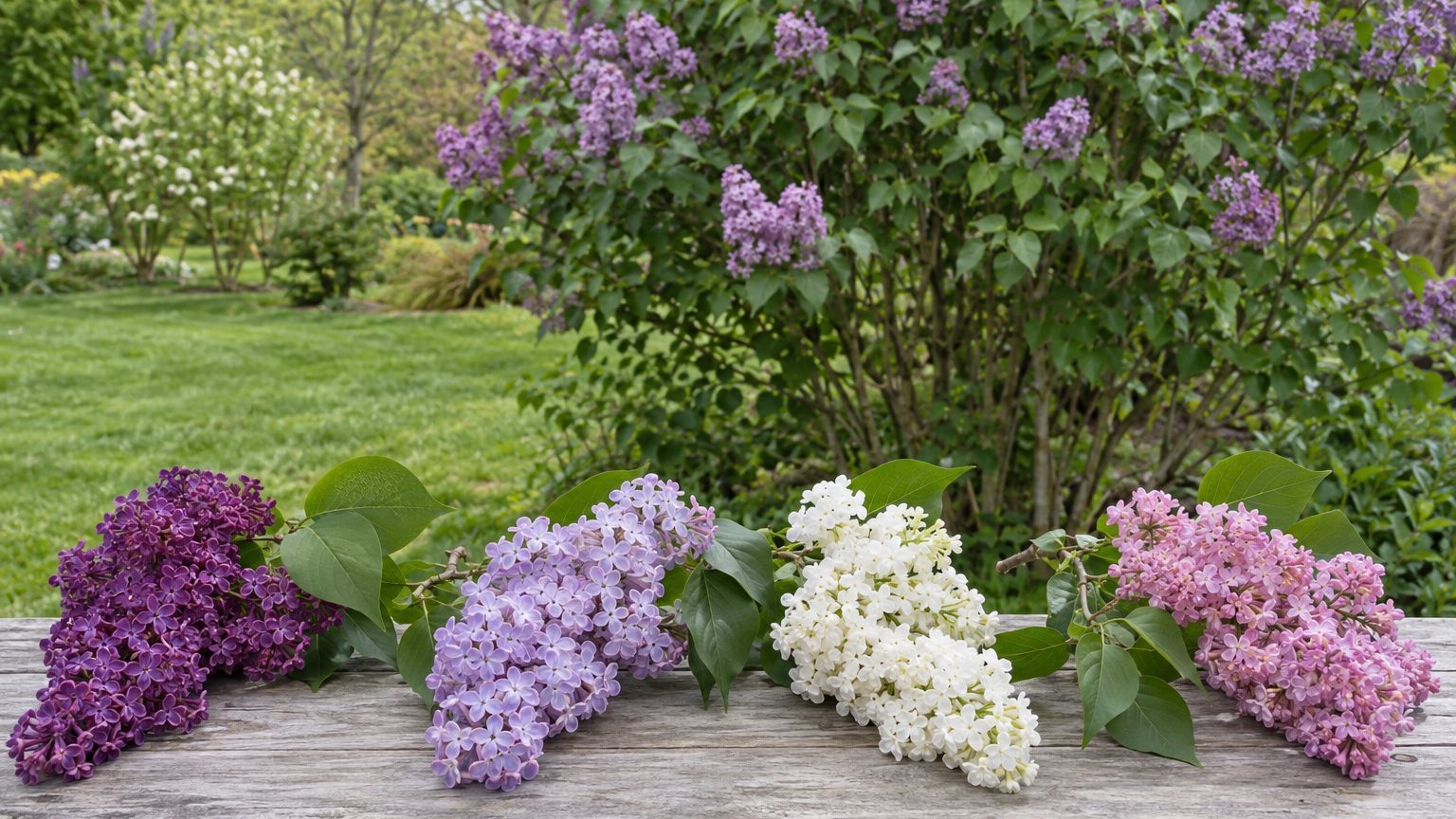
Every May, a lilac in bloom turns a front yard into the one everybody slows down for. In British Columbia the choice of shrub matters more than usual, because the province runs from mild coast to cold interior. Compact, mildew-resistant and classic fragrant lilacs all have a place here, depending on where you garden and how much room you have.

Best Lilacs to Grow in British Columbia

Best Lilacs for British Columbia

French lilacs, the dwarf Korean lilac and the Bloomerang series give gardeners a useful range of choices. The coast is a mild-winter place (Vancouver sits in Canadian hardiness zone 9a, a system that does not convert to a USDA zone), and lilacs want a cold winter rest to ripen their flower buds. Humid summer weather is what they like least, so compact and mildew-resistant types earn their spot.

French Lilacs

French Lilacs — Best Lilacs for British Columbia

These are selections of the common lilac, Syringa vulgaris, and they are the best known of the group. Hundreds of cultivars exist, in many colours and floret shapes, so you can pick the fragrance and look you want. They are the classic choice for a spot with real winter cold.

Sensation

Sensation — Best Lilacs for British Columbia

Sensation is a French lilac with purple flowers edged with white, which makes it easy to spot in a garden centre and easy to tell from a plain purple one. It suits a gardener who wants a bicolour bloom rather than a solid colour. Plant it where it gets cold winters and airy summers.

Dwarf Korean Lilac

Syringa meyeri, also called the little-leaf lilac, usually reaches about 1.5 m (5 ft.) tall and just as wide. Occasionally it grows to as much as 2.4 m (8 ft.). It is a profuse bloomer with small violet flowers, and its compact shape makes it a good fit for smaller front yards.

Bloomerang Series

The Bloomerang series is described as powdery mildew resistant and reblooming. That matters in a province where damp spells can leave leaves coated in white. If humid summers are your worry, this series is worth considering.

How to Choose a Lilac for a British Columbia Garden

Start with the weather your yard actually gives a lilac, then with the space you can spare. A lilac that matches your climate and available space has a better chance to bloom without crowding its site.

Lilacs do best where winters are cold and struggle in hot, humid summers, so winter cold, summer humidity and mature size should guide the choice.

Your situation What suits it in British Columbia Why
Very cold winter French lilacs Lilacs need a cold rest to mature their flower buds, and these are the common lilac selections
Hot, humid summer Bloomerang series It resists powdery mildew, the problem damp air invites
Small space Dwarf Korean lilac It stays compact, usually about 1.5 m (5 ft.) wide
Want a bicolour flower Sensation Purple blooms edged with white

If your garden is on the mild coast, where winter cold is limited, a local garden centre can tell you which cultivars flower well in your neighbourhood. Bloom and pruning dates follow the nearest comparable climate, so confirm local timing with a garden centre, a garden society or one of the provincial gardening groups.

Which Lilacs Suit Different Parts of British Columbia

Winter cold is what a lilac needs, so the choice shifts with how much of it your part of the province gets.

  • Lower Mainland: Winters are mild, so consider the mildew-resistant Bloomerang series for damp summer weather or the compact dwarf Korean lilac for a tight lot.
  • Okanagan: Winters run colder than on the coast, which gives French lilacs the rest they want to set flower buds, so the classic fragrant types are a natural fit.
  • Peace River country: Spring arrives later than on the coast, so let the flowers themselves set the schedule and prune as soon as they fade.

Northern and upland districts run behind the coast in spring, so give them extra time before judging how a young lilac is doing.

Lilac Buying Mistakes to Avoid in British Columbia

Expecting Cold Your Garden Lacks

A lilac that does not get enough winter rest produces few flowers, and a beautiful shrub with no blooms is a disappointing purchase. On the mild coast, check with a local garden centre which cultivars bloom well nearby before you buy.

Skipping Mature Size

A pot gives no hint of the adult plant. The dwarf Korean lilac usually reaches about 1.5 m (5 ft.) tall and wide but can climb to 2.4 m (8 ft.), so leave room for the upper figure along a walk or under a window. Read the tag, and ask for the adult size of any cultivar.

Pruning After Summer Starts

A lilac sets next year’s flower buds in summer, soon after it flowers. Pruning in winter or in July removes those buds and costs you the following spring’s blooms. In British Columbia, lilacs usually bloom in May, with April or June possible in some years. Prune in June, right after the flowers fade, and May also works when bloom comes early.

Where to Get Lilac Advice in British Columbia

British Columbia has no local extension page on lilac timing, so advice comes from the province and from people who garden locally. The British Columbia Agriculture and Seafood pages are the provincial starting point.

  • A local garden centre can tell you which lilac cultivars have bloomed well in your neighbourhood, and spring is the time to ask.
  • Garden societies and master gardener groups can confirm local bloom and pruning timing when you visit a meeting or open garden.
  • Bring a photo of your planting spot, so the advice fits your sun and space before you buy.

Common Questions

When Do Lilacs Bloom in British Columbia?

May is the usual month, and April or June can also bring flowers depending on the year and your district. That timing is why pruning follows quickly after the blooms fade.

What Colours Do Lilacs Come In?

Named cultivars range through lilac, purple, white, pink and a reddish hue. Some, like Sensation, combine purple petals with white edges.

When Is the Last Spring Frost in Vancouver?

In Vancouver, on average it falls on March 18, but in one year out of two the frost arrives later than that. Treat the date as the middle of a window, not a safe day, and expect upland and northern districts to run behind it.

Best Lilacs for Arkansas

Best Lilacs for Arkansas

Lilacs open in April and May across Arkansas, and the gardens where the flowers return year after year usually have a heat-tolerant lilac rather than the classic common lilac. Heat and humidity decide which lilacs last here.

Best Lilacs to Grow in Arkansas

Best Lilacs for Arkansas

Lilacs want a long, cold winter rest to ripen their flower buds, and much of Arkansas is too warm and muggy to give it. Good options include the Miss Kim lilac and the Korean early lilac, while the classic common lilac is better kept for the cooler corners of the state.

Miss Kim Lilac

Miss Kim Lilac — Best Lilacs for Arkansas

‘Miss Kim’ is a cultivar of Syringa patula, and it has been publicized as a lilac that can take hot Southern conditions. That reputation is the reason to start here if your summers are sticky.

Give it the same cold-winter chance as any lilac and plant it where air moves freely around the leaves.

Korean Early Lilac

Korean Early Lilac — Best Lilacs for Arkansas

Syringa oblata var. dilatata, a variety of the Korean early lilac, has been mentioned as a candidate for warm-climate gardens. Treat it as a worthwhile experiment rather than a sure thing.

It makes a sensible alternative if you want something other than ‘Miss Kim’ and like trying promising plants.

Bloomerang Lilac

The Bloomerang group is known for blooming in spring, then again in summer and fall. That repeat show is its main attraction.

Like nearly all lilacs, though, Bloomerang needs a period of cold weather to bloom well, so a mild winter will thin the display.

Common Lilac

Syringa vulgaris is the lilac most people picture. Despite plenty of cultivars sold with heat-tolerance claims, they often do not thrive in central and southern Arkansas the way they do in more northern climates.

Long hot, humid spells invite powdery mildew. Keep common lilac for cooler sites in the northern part of the state.

How to Choose a Lilac for an Arkansas Garden

Start with your summer, because heat and humidity cause more trouble here than winter cold does. Then think about how much winter chill your spot gets, since even the low-chill cultivars perform best after an extended, cold rest.

Match the plant to the yard you actually have, not the one the plant tag imagines.

Your situation What suits it in Arkansas Why
Hot, humid summers in central or southern Arkansas ‘Miss Kim’ or the Korean early lilac Common lilacs struggle in heat and humidity and pick up powdery mildew
Cooler yard in the northern part of the state Common lilac It does better in more northern climates and wants a cold winter rest
Want flowers that bloom again and again Bloomerang group It blooms in spring, then again in summer and fall, but still needs cold weather
Late spring frosts in your area Skip the early-blooming Hyacinthifloras They bloom earlier than French hybrids and suit places where frosts come less often
Little time for upkeep Any of the above Lilacs should only be pruned as needed, right after bloom

Not every lilac has the same track record in Arkansas, so a plant with limited local proof deserves a spot where a failure will not hurt.

Which Lilacs Suit Different Parts of Arkansas

The farther north and higher you garden, the better a lilac’s odds, because the cold winter rest it craves is easier to come by there.

  • The Ozarks and northwest Arkansas: This is the part of the state where common lilac has its best shot, since the climate is closer to the cold-winter, cooler-summer conditions lilacs prefer.
  • Central Arkansas around Little Rock: Common lilac often struggles in the heat and humidity here, so lean toward ‘Miss Kim’ or the Korean early lilac and expect mildew pressure on anything else.
  • South Arkansas and the Delta: Summers are hot and sticky, and common lilac does not thrive as well as it does farther north. Treat any lilac as a small experiment with a heat-tolerant type.

Wherever you live, give any lilac the coolest, airiest spot the yard offers.

Lilac Buying Mistakes to Avoid in Arkansas

Trusting Heat-Tolerant Labels

Plenty of common lilac cultivars are sold with heat-tolerance claims, yet in central and southern Arkansas they often do not thrive. The cost is a shrub that fights mildew every summer and flowers poorly.

Choose ‘Miss Kim’ or the Korean early lilac for those regions, and keep common lilac for northern sites.

Buying More Winter Chill than You Get

Bloomerang and other lilacs need cold weather to bloom well, and even low-chill cultivars do best after an extended cold winter rest. In a mild winter the buds do not mature fully and flowers come up thin.

Plant in the coolest part of the yard and set your expectations to match, rather than assuming a low-chill tag guarantees heavy bloom.

Ignoring Adult Size in the Pot

A small lilac in a nursery container grows into a sizable shrub, and one planted too close to a walk or foundation soon needs cutting back. Read the tag for mature width, then allow that space from the start.

A lilac sets its next flower buds in summer, soon after it blooms, so prune right after the flowers fade, in May or June, and no later than July 10. Pruning in late summer, fall or winter removes the following spring’s flowers.

Where to Get Lilac Advice in Arkansas

Local experience beats a plant tag, and good local help is close at hand: University of Arkansas Extension and your county extension office.

  • The extension lilac page covers which types cope with heat and humidity, and it is worth reading before you buy.
  • Your county office can tell you which lilacs have lasted in neighbors’ yards nearby, so call before spring planting.

Common Questions

When Do Lilacs Bloom in Arkansas?

Lilacs typically flower in April and May here. A late freeze can still catch opening buds, and light frost is possible at Little Rock until April 3, so watch the forecast once color shows.

Are Lilacs Hardy Enough for Arkansas Winters?

Cold itself is rarely the problem. The state falls in USDA zones 6b to 8a, and the real limit on lilacs is heat and humidity in summer plus too little winter chill in the warmer parts.

What Is the White Powder on My Lilac Leaves?

White, dusty patches on the leaves, appearing mostly during hot, humid stretches on a common lilac, point to powdery mildew. Good air flow around the shrub may help with humidity, while a heat-tolerant type such as ‘Miss Kim’ is better suited to warm Southern conditions.

Best Lilacs for Arizona

Best Lilacs for Arizona

Where Arizona winters stay mild, lilacs bloom poorly or not at all because their buds need a cold winter rest. In the low desert around Phoenix, the common lilac struggles, so gardeners reach for Southern lilacs and low-chill hybrids. Up in the high country, where winters bite, a wider range of lilacs can grow.

Best Lilacs to Grow in Arizona

Best Lilacs for Arizona

Southern lilacs and the Descanso hybrids are options to try where winters are mild, while the common lilac belongs only in the cold high country. Phoenix winters are generally too mild for the flower buds of a common lilac to mature. Even the low-chill kinds bloom best after a cold winter rest.

Southern Lilacs

Southern Lilacs — Best Lilacs for Arizona

Plants labeled Southern lilacs, or lilacs for the South, bloom early and usually grow and flower where common lilacs fail. They are not as fragrant as the lilacs you may remember from colder places. Look for that wording on the plant tag.

Descanso Hybrids

Descanso Hybrids — Best Lilacs for Arizona

These were bred for mild-winter gardens and are worth trying in the low desert. Names to look for include the white ‘Angel White’, the blue ‘Blue Boy’ and the pink ‘California Rose’. Some varieties will bloom with only a little chilling, though more cold still means more flowers.

Low-Chill Cultivars

Breeders have developed low-chill cultivars that need less winter cold than a classic lilac. Treat them as an improvement, not a cure. Even these perform best after a long, cold winter rest, so expect lighter bloom in the lower, hotter parts of the state than in the cooler north.

Superba

The cultivar ‘Superba’ is heat tolerant and mildew resistant, with dark pink, single flowers. Heat and humidity invite powdery mildew on common lilacs, so a mildew-resistant plant gives you a fair chance through a long summer.

Meyer Lilac

Syringa meyeri is slow growing, with dense foliage and a broadly rounded shape. It stays a compact, spreading shrub, which suits a small yard. Plant it in the cooler high country, where winters give its buds the rest they need.

Common Lilac

The common lilac is not suited to the heat of the low desert. Its recommended growing range favors cold-winter climates rather than the low desert. Use it only where winters really freeze.

How to Choose a Lilac for an Arizona Garden

Start with how cold your winter gets, since that decides everything else. Arizona spans USDA zones 4b to 10b, so a lilac that thrives in one town can fail in a nearby community.

Next, think about summer. Heat and humidity bring mildew, and a plant that tolerates both saves you trouble.

Your situation What suits it in Arizona Why
Very cold winter in the high country Common lilac It is suited to the colder zones and wants a pronounced winter chill
Hot summer with humid spells ‘Superba’ It is heat tolerant and mildew resistant
Mild low-desert winter Southern lilacs or Descanso hybrids They bloom with little chilling
Small space Meyer lilac It stays compact and grows slowly
Little time for pruning Meyer lilac It is slow growing with dense foliage
Not much winter cold Low-chill cultivars They need less cold, though cold still helps

Littleleaf lilac, Syringa microphylla, is another species worth asking a nursery about.

Which Lilacs Suit Different Parts of Arizona

Elevation shapes the choice more than anything else here, because winter cold changes sharply as you climb.

  • Phoenix and the low desert: Winters are mild and summers stop common lilacs cold. Stick to Southern lilacs, Descanso hybrids and low-chill cultivars, and expect modest flowering.
  • Flagstaff and the high country: Winters freeze hard here, a different climate from the desert floor. Common lilacs and Meyer lilacs have the cold rest they want, but early bloomers such as the Hyacinthifloras do best where late frosts are less frequent.

Between those two places, the cooler your winters, the more of the standard lilac list opens up to you.

Lilac Buying Mistakes to Avoid in Arizona

Planting a Common Lilac in the Desert

Many nursery lilacs are common lilacs, and they languish in hot climates. The cost is a shrub that leafs out, mildews and rarely flowers. In the low desert, choose a Southern lilac or Descanso hybrid instead.

Ignoring How Much Cold a Variety Wants

A variety that needs a long cold rest will sulk where winters stay mild, because its flower buds never mature. Cultivars described as heat tolerant or low chill are the safer pick. Even so, set realistic expectations for bloom in warm places.

Buying Without Knowing Adult Size

A small pot can hide a shrub that eventually crowds its site, while a Meyer lilac stays compact. Read the tag for mature height before choosing a spot. Prune right after the flowers fade, since lilacs set next year’s buds soon after blooming and cutting later removes them.

Where to Get Lilac Advice in Arizona

Local growers know which lilacs have survived in your town. Reliable local guidance is worth a call or a visit.

  • The University of Arizona Cooperative Extension offers plant guidance for each part of the state, so check it before you buy.
  • Your county extension office can tell you what lilacs have done in your elevation, and a visit in spring shows what is blooming nearby.

Common Questions

Are Southern Lilacs as Fragrant as Common Lilacs?

They are not. Southern lilacs usually grow and bloom well but have less perfume than the lilacs of colder places. Many gardeners accept that trade for flowers that actually open.

Is a Lilac on Its Own Roots Better than a Grafted One?

For cold hardiness, yes. Lilacs on their own roots are far hardier than grafted lilacs, which matters most in the high country where winters freeze hard.

Can You Stretch the Bloom Season?

Planting several species gives you flowers across a longer stretch of spring, since each has its own flowering time.

Best Lilacs for Alberta

Best Lilacs for Alberta

A lilac in full bloom, with its heavy fragrance drifting over the fence, is a lovely part of a prairie spring. In Alberta the flowers open from May into June, and the winters that plenty of shrubs can’t handle are exactly what a lilac wants. The real choice is which kind suits your yard.

Best Lilacs to Grow in Alberta

Best Lilacs for Alberta

French lilacs, hyacinthiflora hybrids, dwarf Korean lilacs, Japanese tree lilacs and the reblooming Bloomerang series all suit Alberta. Lilacs need a cold winter rest to mature their flower buds, and the climate here provides it. Calgary sits in Canadian hardiness zone 4a, a rating separate from the USDA system.

French Lilacs

French Lilacs — Best Lilacs for Alberta

These are selections of the common lilac, Syringa vulgaris, and they are the best known of the group. Hundreds of cultivars exist, in many colors and floret shapes. Sensation has purple flowers edged with white, a good pick if you want something that stands out from the usual single purple.

Give them a sunny spot with good air circulation.

Hyacinthiflora Hybrids

Hyacinthiflora Hybrids — Best Lilacs for Alberta

These crosses between Syringa oblata and Syringa vulgaris are well suited to cold climates. They are very vigorous and look much like French lilacs, but they flower earlier.

That early start is the catch. Plant them only where May frosts are less frequent, such as a sheltered spot near the house rather than the bottom of a cold slope.

Dwarf Korean Lilac

Syringa meyeri, also called the little-leaf lilac, usually grows about 5 ft. (1.5 m) tall and just as wide. It is a profuse bloomer, with small, elegant violet blooms in great profusion.

Its compact habit has made it a favorite parent in breeding programs for new lilacs. It fits a smaller bed or a front border where a full-size lilac would crowd the walkway.

Japanese Tree Lilac

The June blooms of the Japanese tree lilac bring the lilac season to a brilliant close. Because it flowers later than the common lilac, it extends the show well after your French lilacs have faded.

That late bloom also means its flowers are less exposed to a stray spring frost.

Bloomerang Series

The Bloomerang series is powdery mildew resistant and reblooms. Mildew resistance means less worry about white film on the leaves in a damp spell, and the rebloom brings another round of color.

It suits a gardener who wants mildew resistance and flowers that return.

How to Choose a Lilac for an Alberta Garden

Start with what your yard throws at a shrub, then match the type. Lilacs ask for a sunny site and a real winter, so most of the decision comes down to frost exposure, available room and how much care you want to give.

The table pairs each common situation with the lilac that fits it.

Your situation What suits it in Alberta Why
Very cold winter French lilacs Lilacs are adapted to cold zones and need winter cold to set flower buds
Frost-prone spring spot Japanese tree lilac It blooms in June, later than the early hybrids
Sheltered, warmer corner Hyacinthiflora hybrids They bloom earlier, so shelter helps protect the flowers from frost
Small space Dwarf Korean lilac It stays compact, about 5 ft. (1.5 m) wide
Little time for care Bloomerang series It resists powdery mildew and reblooms
Hot, humid stretch of summer Bloomerang series Lilacs struggle in hot, humid summers, and mildew resistance helps

If your yard is open and sunny with air moving through, French lilacs are worth considering. Put the early hybrids where they are shielded from late cold, and save the small types for beds close to the house.

Which Lilacs Suit Different Parts of Alberta

Alberta is not one climate, and spring frost is where the differences matter most for choosing a lilac. Calgary’s average last spring frost falls on May 21, which is only a midpoint, since in half of years frost comes later.

  • Calgary and the surrounding plains: Cold winters suit lilacs here, but early hyacinthiflora hybrids need a sheltered spot because frost can still arrive after they open.
  • The foothills: Upland districts run behind Calgary in spring, so later bloomers such as the Japanese tree lilac and French lilacs are safer than early hybrids.
  • Peace River country and the north: Northern districts also run behind Calgary, so choose later-opening types and expect the bloom to arrive later in the season.

Wherever you garden, give lilacs a sunny site with good air circulation.

Lilac Buying Mistakes to Avoid in Alberta

Choosing a Lilac Bred for Mild Winters

Lilacs need a cold winter rest to mature their flower buds, so types from warmer climates tend to struggle here and bloom poorly. Stay with lilacs adapted to cold zones, such as French lilacs and the cold-hardy hybrids, and check the plant tag before you buy.

Planting an Early Bloomer in a Frost Pocket

Hyacinthiflora hybrids are hardy shrubs, but their early flowers are easy to lose to a May frost. Planting them in a low spot where cold air settles can cost you the whole season’s bloom.

Pick a sheltered position, or choose a later lilac such as the Japanese tree lilac for the exposed corners.

Buying a Pot Without Knowing the Mature Size

A small potted lilac can grow into a large shrub that overwhelms a doorway or walk. A dwarf Korean lilac usually reaches about 5 ft. (1.5 m), and occasionally as much as 8 ft. across.

Read the tag for the adult size and leave room for it. Cutting an overgrown lilac back hard in late winter will renew it, but it will not flower for a few years afterward.

Where to Get Lilac Advice in Alberta

Alberta has no county extension office, so local help comes from the province and from people who garden nearby. The dates follow a comparable northern climate, so confirm local timing with a nearby source.

  • Alberta Agriculture and Irrigation publishes provincial gardening information you can check any time of year.
  • A local garden center can tell you which lilacs it stocks have done well in your neighborhood, and spring is a good time to ask.
  • A garden society or provincial gardening group can confirm local bloom and pruning timing, and members often share what has worked in your area.

Common Questions

When Do Lilacs Bloom in Alberta?

Lilacs bloom from May into June. The common lilac opens first, and the late lilacs and tree lilacs come into flower in June.

When Should You Prune Lilacs in Alberta?

Prune in June, right after the flowers fade, because a lilac sets next year’s flower buds in summer, soon after it flowers. Pruning in late summer, fall or winter cuts off the next spring’s flowers. Late winter, in March or April while the plant is dormant, also works, at the price of that spring’s flowers.

Can You Cut Back an Overgrown Lilac?

Yes. Cut it back hard in March or April, while it is dormant. Expect no flowers for a few years afterward, since a lilac blooms on last year’s wood.

Best Lilacs for Alaska

Best Lilacs for Alaska

When lilacs open in a Fairbanks yard, the scent usually arrives well after the snow has gone and the birches have leafed out. Alaska gardeners can grow lilacs, but the choice of plant matters far more here than in a milder state.

Best Lilacs to Grow in Alaska

Best Lilacs for Alaska

Late lilac, Syringa villosa, is the one to look for first, with common lilac as a fallback only in the milder spots. Alaska’s winters are cold enough to ripen lilac buds, and USDA hardiness zones run from 1a to 8a depending on where you live. The question is whether the plant survives your particular winter, and some common lilacs do not.

Late Lilac

Late Lilac — Best Lilacs for Alaska

Syringa villosa is the lilac most often planted in Fairbanks. It is extremely hardy, and it is the one lilac recommended for the Tanana Valley.

It flowers after common lilac, so it also stretches the season. If you want one reliable shrub for a cold yard, start here.

Sensation Common Lilac

Sensation Common Lilac — Best Lilacs for Alaska

Sensation is a common lilac, and like most common lilacs it is winter hardy to USDA Zone 3. That is enough for many yards, but it is not the right pick for North Pole or the colder parts of Fairbanks.

Plant it only where winters are milder, and choose late lilac if your site sits in a cold pocket.

Early, Midseason and Late Bloomers

Lilacs come in early, midseason and late-blooming varieties, and a yard planted with a mix can have flowers over an extended stretch. Check the bloom time on the tag before you buy.

Pairing a late lilac with a hardy common lilac is a simple way to spread the show across the season.

How to Choose a Lilac for an Alaska Garden

Start with how cold your site gets in winter, because that decides which lilacs are safe. Then think about when you want flowers. Winter cold is rarely the problem for bud ripening here, since lilacs need a cold rest to set flowers.

Your situation What suits it in Alaska Why
Very cold winter, such as North Pole or colder parts of Fairbanks Late lilac, Syringa villosa It is extremely hardy and is recommended for the Tanana Valley
Milder site where USDA Zone 3 hardiness is enough Sensation common lilac Like most common lilacs, it is winter hardy to USDA Zone 3
Want flowers for as long as possible A mix of early, midseason and late bloomers Staggered bloom times can give lilacs over an extended stretch.
Worried winters are too cold for flowers Any lilac hardy for your site Lilacs need a cold winter rest to mature their flower buds

Long summer daylight helps the plant make up for a short growing season.

Which Lilacs Suit Different Parts of Alaska

The right lilac changes with the winter your yard actually gets, and Alaska’s regions differ a lot.

  • Fairbanks and North Pole: Choose late lilac. Sensation is not well suited to North Pole or the colder areas of Fairbanks.
  • Anchorage: The season is milder than in the Interior, with about 143 frost-free days. Hardy common lilacs become a more reasonable option here.
  • Farther north: Seasons are far shorter than in Anchorage, so stay with the late lilac and avoid anything marginal.

Wherever you live, pick the plant for your coldest spot, not your average one.

Lilac Buying Mistakes to Avoid in Alaska

Planting Sensation in the Cold

A common lilac like Sensation is not well suited to North Pole or the colder areas of Fairbanks. Planting it there risks a shrub that struggles through winter. Choose late lilac instead if your site is in the cold Interior.

Ignoring Adult Size

A lilac in a pot looks small, but some species grow into large shrubs. Manchurian lilac, for example, reaches 5 to 8 feet high. Check the mature size before planting and leave room for it.

An overgrown lilac can be cut back hard later, but it takes time to recover, so give it space from the start.

Pruning After Midsummer

A lilac blooms on last year’s wood and sets next year’s flower buds soon after it flowers. Prune in June or July, right after the flowers fade. Pruning in late summer, fall or winter cuts off the next spring’s flowers.

Where to Get Lilac Advice in Alaska

The University of Alaska Fairbanks Cooperative Extension publishes lilac guidance written for Alaska conditions. Your local extension office can tell you which varieties do well near you.

  • Confirm lilac pruning timing with your local extension office or a local gardening group.
  • Your local extension office can tell you which lilacs hold up in your neighborhood, so call before planting season.

Common Questions

Do Lilacs Need Cold Winters to Bloom?

Yes. Lilacs need a cold winter rest to mature their flower buds, which is why they do best in cold-winter climates and struggle in hot, humid summers. Alaska’s cold supplies that rest.

When Do Lilacs Bloom in Alaska?

June is the main bloom month. Fairbanks lilacs can flower from late May, and late varieties usually open in the second or third week of June.

Can You Cut Back an Overgrown Lilac in Alaska?

Yes. An overgrown lilac can be cut back hard in late winter. It will not flower for a few years afterward, so it is a last resort for a plant that has gotten out of hand.

Best Lilacs for Alabama

Best Lilacs for Alabama

A lilac in full bloom, heavy with scent, is one of spring’s great pleasures, and Alabama gardeners often want one by the porch. The state’s mild winters make that harder than it looks. Lilacs bred for cold country sulk here, but a few kinds handle the warmth and the humidity well enough to be worth planting.

Best Lilacs to Grow in Alabama

Best Lilacs for Alabama

Alabama is too mild and too humid for the classic common lilac to do its best. Lilacs need a cold winter rest to mature their flower buds, and they struggle through hot, humid summers. Across USDA zones 7a to 9a, the better bets are early-blooming types sold as Southern lilacs, the Descanso hybrids, the heat-tolerant cultivar Superba, and the Meyer lilac.

Southern Lilacs

Southern Lilacs — Best Lilacs for Alabama

Look for plants labeled Southern lilacs or lilacs for the South. They are early blooming, and they usually grow and flower where the common lilac gives up.

Expect less fragrance than the old-fashioned lilacs of cold regions. Even these low-chill selections flower best after an extended cold rest, so a mild winter can still thin the display.

Descanso Hybrids

Descanso Hybrids — Best Lilacs for Alabama

Some Descanso hybrids are worth trying in Alabama’s warm climate. Named examples include the white Angel White, the blue Blue Boy and the pink California Rose.

Treat them as worth trying rather than guaranteed. They may have a better chance than a common lilac in an Alabama summer.

Superba

Superba is a cultivar described as heat tolerant and mildew resistant, with dark pink, single flowers. Heat tolerance and mildew resistance matter in Alabama, where muggy air invites powdery mildew on common lilacs.

Plant it where air moves freely around the leaves, which helps a mildew-resistant plant stay clean.

Meyer Lilac

Syringa meyeri, the Meyer lilac, is slow growing, with dense foliage and a broadly rounded shape. That tidy habit makes it easier to place near a walk or a foundation than a sprawling old lilac.

Dense leaves look good even when the bloom is modest, which counts for something in a state with little winter cold.

How to Choose a Lilac for an Alabama Garden

Match the plant to the problem your yard presents. Heat, humidity and a mild winter each point to a different type.

Where a plant already struggles with mildew, choose resistance first. Where winters barely chill the buds, choose a lilac sold for the South.

Your situation What suits it in Alabama Why
Hot, humid summers Superba Heat tolerant and mildew resistant
Mild winters with little chill Southern lilacs Early blooming, and they usually grow and flower in the South
Want a white, blue or pink flower Angel White, Blue Boy, California Rose Descanso hybrids developed for a warm climate
Want a tidy, rounded shrub Meyer lilac Slow growing with dense foliage

The Littleleaf lilac, Syringa microphylla, is another species worth asking a local nursery about, though little is established about how it behaves in Alabama heat.

Which Lilacs Suit Different Parts of Alabama

Alabama stretches from cooler hills to a warm, damp coast, and the lilac you pick should lean the same way.

  • North Alabama: This is where a lilac is more likely to get the cold rest it needs. Southern lilacs and Superba are worth trying.
  • Central Alabama: Summer heat and humidity build, so mildew resistance becomes the priority, which favors Superba.
  • Gulf Coast: Winters are mild and the air is damp. A lilac may leaf out but bloom poorly, so keep expectations modest and stay with Southern types.

Your own county may differ from these general patterns, especially on higher ground.

Lilac Buying Mistakes to Avoid in Alabama

Choosing a Common Lilac

Plenty of cultivars of Syringa vulgaris are sold with heat-tolerance claims, yet they often do not thrive in a warm Southern climate. Powdery mildew follows the humidity.

The fix is to start with a plant labeled for the South or a named heat-tolerant selection such as Superba.

Expecting Low Chill to Mean No Chill

Some low-chill cultivars exist, but even these perform best with an extended, cold winter rest. A plant that leafs out yet never flowers is often short on cold.

Buying a Southern-labeled lilac and placing it where winter air settles, away from warm walls, gives the buds a cooler resting place.

Ignoring Adult Size

A common lilac grows 10 to 15 feet tall with a spread of 6 to 12 feet, which is far bigger than the pot suggests. Check the mature size on the tag before you choose a spot.

Prune right after the flowers fade, because next year’s buds form soon afterward; pruning in late summer, fall or winter removes the next spring’s flowers. Slower growers like the Meyer lilac need less cutting back.

Where to Get Lilac Advice in Alabama

Local advice matters for lilacs because success depends on how much winter chill your exact spot gets.

  • The Alabama Cooperative Extension System publishes plant guides and answers questions on shrubs for the state’s climate.
  • Your county extension office can tell you which lilacs have bloomed in nearby yards, so call before you buy.
  • Bring a leaf sample with powdery coating to the county office as soon as you spot it, and ask about the nearest nursery that carries Southern lilacs.

Common Questions

When Do Lilacs Bloom in Alabama?

Where winters stay mild, lilacs bloom poorly or not at all, because the buds need a cold rest. When they do flower, the show follows the local spring, and early-blooming Southern types open first.

Do Southern Lilacs Smell Like Common Lilacs?

They are usually less fragrant than the lilacs people remember from colder places. Their value is that they grow and bloom in warmth.

Is a Meyer Lilac a Good Choice for a Small Yard?

Its slow growth and dense, rounded form make it easier to manage than a common lilac, which can reach 10 to 15 feet. Still, check the tag for the size of the plant you buy.

When to Prune Lilacs in Yukon

When to Prune Lilacs in Yukon

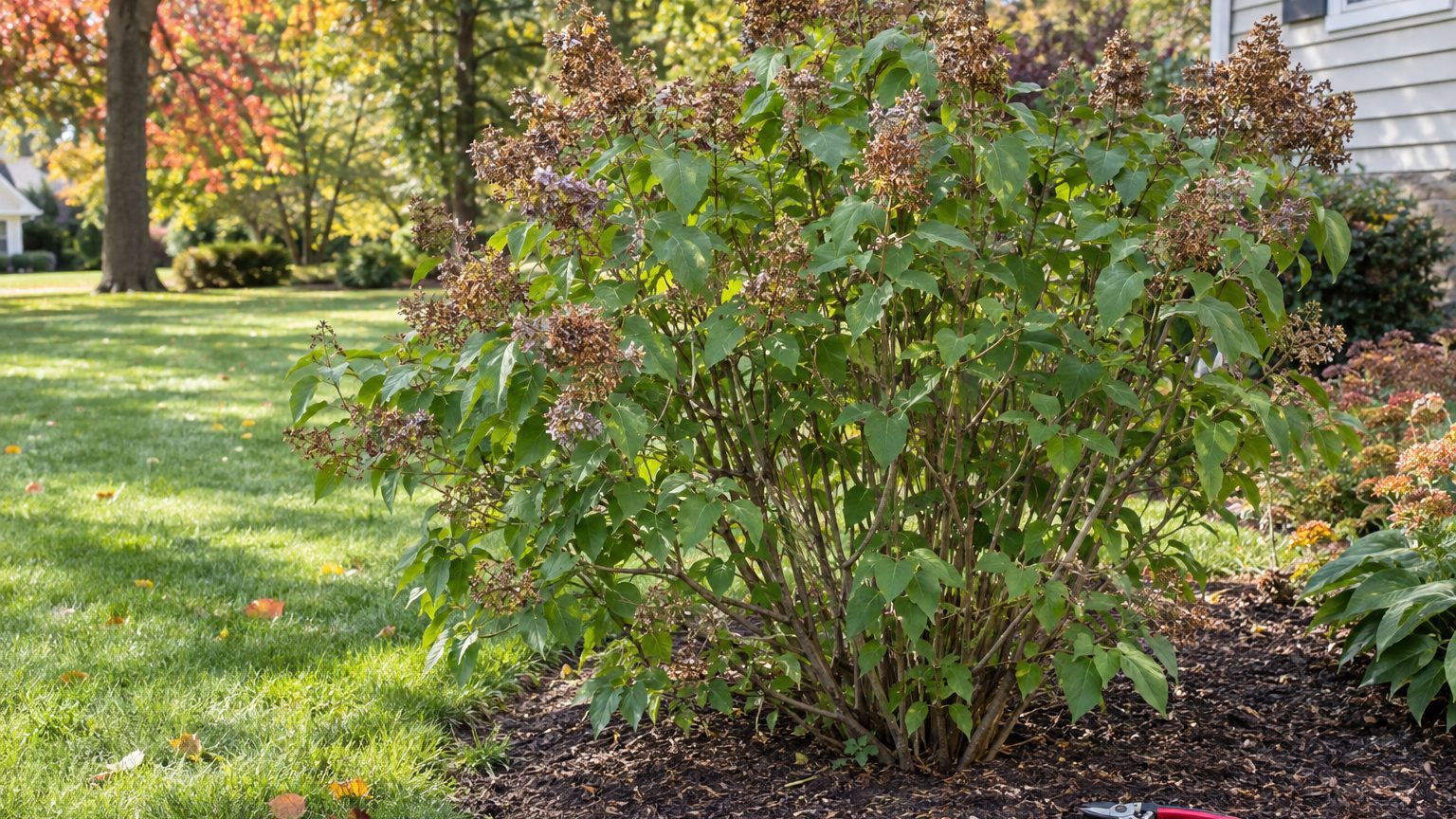
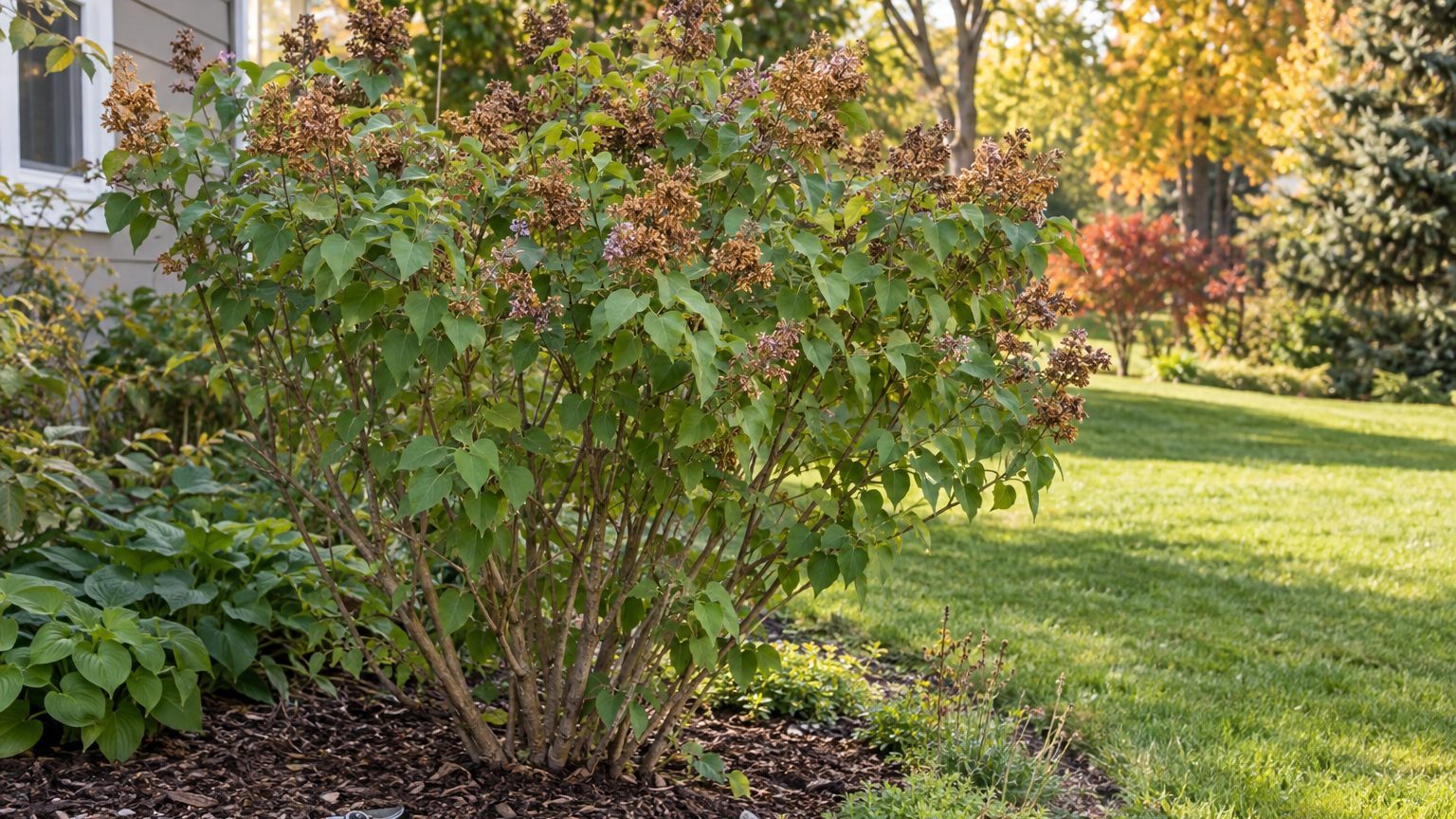
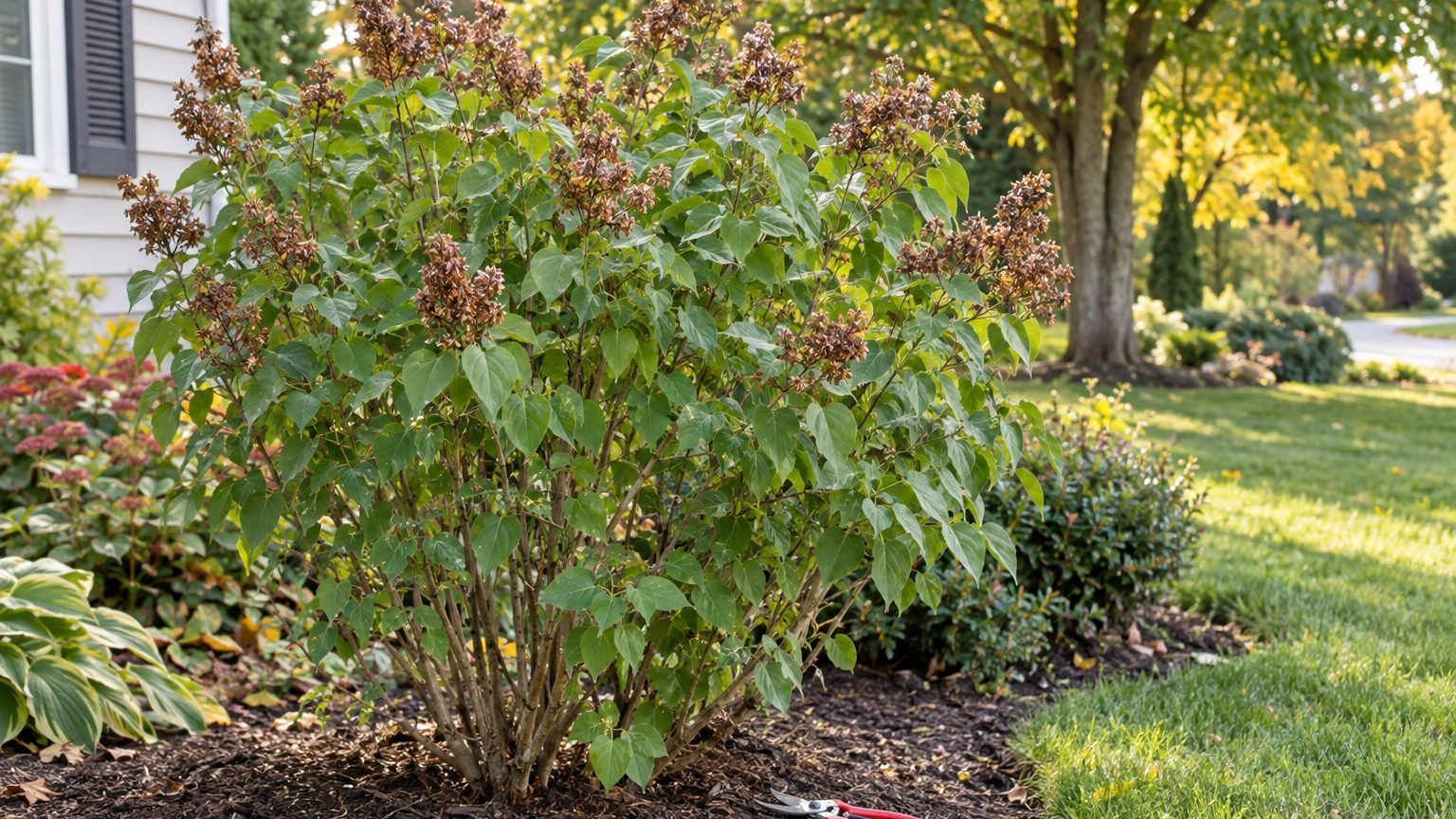
Lilac flowers turn brown and papery on the branch, and that is the cue to pick up the pruners. In Yukon the cutting happens in June and July, soon after the last clusters fade. The reason is timing inside the shrub, since next year’s flowers are already forming.

When to Prune Lilacs in Yukon

Lilac stems after flowering

Prune right after the flowers fade, which in Yukon means June into July. Lilacs open their blooms in June, and in a mild spring they can start in May. Yukon has no local lilac timing page of its own, so these months follow the nearest comparable northern climate. Confirm local timing with a garden centre, a garden society or a territorial gardening group.

Type of pruning When in Yukon Why
Routine upkeep: spent flowers, weak or crossing stems June to July, right after the flowers fade Next year’s flower buds form in June and July, so cutting early leaves them on the plant
Hard cutback of an old, overgrown lilac Late winter, while the shrub is dormant The shrub regrows strongly, but it will not flower for a few years afterward

Keep the cuts modest in a short northern summer, because the shrub needs its leaves to fuel those new buds.

How to Tell When Your Lilacs Are Ready to Prune

The shrub gives clear signals, and they matter more than any date on the calendar, especially in a cool year when bloom runs late.

  • Flower clusters turn brown and dry, which tells you the show is over and pruning can begin.
  • Petals drop and the stems at the tips look tired, so it is time to remove the spent cluster.
  • New leafy growth is pushing out below the old flowers, a sign the shrub has moved on to building next year’s buds.
  • Summer is advancing into July, and if the shrub bloomed late you still have time to prune, though the window is closing.
  • Stems are crowded, crossing or dead after winter, and they are easy to spot now that the shrub is fully leafed out.

Once the buds for next spring are set, any cut removes flowers, so work soon after the bloom ends and put the pruners away after July.

Should You Prune Lilacs in Fall or Winter in Yukon?

No, not for routine pruning. A lilac blooms on last year’s wood and sets its next flower buds in summer, so cutting in late summer, fall or winter removes the following spring’s flowers.

Late winter is reserved for the hard cutback of an old lilac that has grown tall, bare at the base and thick with stems. The shrub will respond with vigorous new growth, but it will not flower for a few years afterward.

Cold itself is not the concern. Lilacs need a cold winter rest to mature their flower buds, which suits a territory like Yukon well. The pruning calendar is what protects those buds.

How Lilac Pruning Time Shifts Across Yukon

Yukon is large, and local conditions move the bloom and the pruning window earlier or later from one yard to the next.

  • Whitehorse: The average last spring frost falls on June 5, which means that in one year out of two it comes later. Treat that date as the middle of a window and expect lilacs to flower on a cool, late schedule.
  • Dawson City: Farther north, spring arrives later than in Whitehorse, so lilacs flower and fade later and the pruning window sits at the end of the June to July range.
  • Higher ground and cold pockets: Yards on slopes or in frosty hollows run behind sheltered, south-facing sites, so wait for the flowers to fade rather than going by the month.

A sheltered wall or a south-facing slope can bring bloom forward in any part of the territory, so watch your own shrub.

Where to Get Lilac Advice in Yukon

Agriculture and Agri-Food Canada covers general horticulture, and local growers know which lilacs survive nearby winters.

  • Visit a garden centre in spring, when staff can tell you which hardy lilacs have done well locally and when local plants tend to bloom.
  • Join a garden society or territorial gardening group before the June bloom, and ask neighbors with established shrubs when theirs flower.
  • Check the federal agriculture department’s site for hardiness and general horticulture guidance before you plant a new shrub.

Common Questions

Can Lilacs Survive Winter in Yukon?

Yes, hardy types can. Whitehorse falls in Canadian hardiness zone 1b, a system built on several climate variables and not comparable to USDA zones. Choose a cold-hardy lilac, since some common cultivars struggle in the coldest northern yards.

Should You Remove Faded Lilac Flowers?

Yes. Snipping off spent clusters tidies the shrub and keeps it from putting energy into seed. Take care to leave the new buds untouched.

Can a Late Frost Hurt Lilacs in Yukon?

It can. In Whitehorse, the average last spring frost is June 5, and in one year out of two the final frost comes later. Early-opening lilacs can lose flowers to a late freeze, so a spot sheltered from cold air is worth choosing.

When to Prune Lilacs in Wyoming

When to Prune Lilacs in Wyoming

A Wyoming lilac that has dropped its last purple panicles is ready for the pruning shears. Snip off the spent clusters and trim for shape while the buds for next year are still forming. That small window decides whether the shrub covers itself in flowers the following spring.

When to Prune Lilacs in Wyoming

Lilac stems after flowering

Prune lilacs in June, right after the flowers fade. Lilacs bloom from May into June here, so the shears come out as the last blooms turn brown. If June slips by, it can also be done in July.

Type of pruning When in Wyoming Why
Maintenance pruning and deadheading June, right after the flowers fade; July if needed Next year’s flower buds form in June and July, so cutting soon after bloom leaves them intact
Hard renovation cut of an overgrown lilac March or April, in late winter The shrub is dormant and can be cut back hard, at the price of the next flowers

A lilac blooms on last year’s wood, so every cut is a trade with next spring’s flowers. A hard renovation cut will leave the shrub without flowers for a few years afterward.

How to Tell When Your Lilacs Are Ready to Prune

Watch the shrub rather than the calendar, because a cold spring can push bloom later in Wyoming’s higher country.

  • Flower clusters that have faded and turned brown mean the bloom is finished and the shears can come out.
  • Petals dropping and the panicles looking tired tell you the window is open, and it stays open into July.
  • New green growth pushing from the stems shows the shrub is already building next year’s wood, so cuts should stay light.
  • As summer growth develops, keep cuts light and finish by July so you do not remove next year’s flower buds.
  • Stems that look gray, bare and crowded in the center are the old wood you can thin once the flowers are gone.

When the clusters are brown and the buds are not yet visibly set, you have found the right moment.

Should You Prune Lilacs in Fall or Winter in Wyoming?

No, fall and winter cuts remove the buds that would become next spring’s flowers. A lilac sets those buds in summer, soon after it blooms, and they sit on the branches all winter waiting for warm weather. Cutting then means a leafy shrub with few or no flowers.

The exception is the hard renovation cut of an overgrown lilac, done in March or April while the plant is still dormant. It is a deliberate trade: the shrub gets a fresh start from low stems, and you give up flowers for a few years. For a lilac that is merely a little large, wait for June instead and thin it after bloom.

How Lilac Pruning Time Shifts Across Wyoming

Wyoming’s elevation changes bloom time from one town to the next, and pruning follows the flowers rather than a fixed date.

  • Cheyenne and the southeast: Spring warms sooner here, so lilacs tend to finish blooming earlier and June pruning can begin on the early side.
  • Laramie and the high plains: Cold nights hold spring back, so bloom often runs later and pruning may fall toward the end of June or into July.
  • Jackson and the mountain valleys: Frost can arrive in any month at higher elevations, and lilacs here may bloom later still, so wait for the brown clusters before cutting.

The same rule applies across the state: prune after the flowers fade, whenever that happens in your yard.

Where to Get Lilac Advice in Wyoming

Local questions about variety, bloom time and hardiness are best answered close to home. University of Wyoming Extension offers guidance suited to the state’s mix of climates across USDA Plant Hardiness Map zones 3a through 6a.

  • The extension website has lilac and shrub guidance written for Wyoming conditions, worth a look in spring before bloom.
  • Your county extension office can help with a lilac that fails to flower, and an early-summer visit lets staff see the shrub in leaf.

Common Questions

Can You Prune Lilacs in Spring Before They Bloom?

Cutting before bloom removes flower buds that are already set on last year’s wood. If a branch is broken or dead, take that one off and leave the rest for after the flowers fade.

Why Is My Wyoming Lilac Not Blooming?

Look at when the shrub was last pruned together with how much sun it gets. A shrub cut in late summer, fall or winter loses its buds, and a shady spot with poor air circulation also holds flowers back. Lilacs need a cold winter rest to mature their buds, which Wyoming usually provides.

Do Early-Blooming Lilacs Need Extra Care in Wyoming?

Hyacinthiflora lilacs are vigorous and hardy but bloom earlier than French hybrids, so give them a spot where late frosts are less likely to settle. In frost-prone spots, a later-blooming type avoids frozen flower buds.

When to Prune Lilacs in Wisconsin

When to Prune Lilacs in Wisconsin

A lilac in full bloom smells like late spring, and soon afterward the same shrub is hanging on to brown, spent flower clusters. That brown stage is the cue. In Wisconsin, the pruning saw comes out just after the flowers fade, before next year’s buds start to form.

When to Prune Lilacs in Wisconsin

Lilac stems after flowering

Prune lilacs in June, right after the flowers fade. Common lilacs open in May, and the late and tree lilacs carry bloom into June, so the pruning window follows whichever lilac you grow. Buds for next spring form soon after flowering, and cutting then keeps them.

Type of pruning When in Wisconsin Why
Routine shaping and removal of spent flowers June, right after the flowers fade Next year’s flower buds are not yet set, so nothing is lost
Thinning cuts on an older lilac March or April, while the shrub is dormant Easy to see the structure, but it costs that spring’s flowers
Hard renovation of an overgrown lilac March or April After a hard cut, the shrub renews itself but skips flowering for a few years

Late winter is a fallback for ordinary pruning: March or early April works while the lilac is dormant, at the cost of that spring’s flowers.

How to Tell When Your Lilacs Are Ready to Prune

The shrub gives clearer signals than a calendar page, and they show up in a predictable order.

  • Petals turn brown and the flower clusters droop, which means the bloom is over and pruning can start.
  • Tight young buds begin to form on the new wood, so finish any cutting in June.
  • Late lilacs and tree lilacs still carry fresh flowers in June, so leave them alone until their own blooms fade, even if a neighbor’s common lilac is done.
  • A shrub with bare, thick stems at the base and leaves only at the top is overgrown and a candidate for renovation in March or April instead.

Cutting a branch with live flowers on it takes away that display, so wait for brown, not for a date.

Should You Prune Lilacs in Fall or Winter in Wisconsin?

Fall pruning is a mistake. A lilac blooms on last year’s wood and sets next year’s flower buds in summer, so pruning in late summer, fall or winter cuts off the next spring’s flowers. The shrub will not die from it, but the show is gone for the year.

Late winter is different, because it is a deliberate trade. Cutting in March or April while the shrub is dormant gives a clear view of the branches, and it suits a rough reshaping. The price is that spring’s bloom, since the buds on those stems come off with the wood.

A heavily overgrown lilac is the case where that price is worth paying. Cutting it back hard in March or April lets it send up fresh stems, though it will not flower for a few years afterward. Lilacs also need a cold winter rest to mature their flower buds, and Wisconsin winters supply it.

How Lilac Pruning Time Shifts Across Wisconsin

Wisconsin covers hardiness zones 3b to 6a on the USDA system, so the bloom, and therefore the pruning, does not arrive everywhere together. The rule stays the same: prune after your own shrub finishes flowering.

  • Northwoods and the far north: Colder springs push bloom later, so watch the flowers fade before you prune.
  • Southern Wisconsin, around Madison and Milwaukee: Spring warms sooner, so watch the common lilacs finish flowering before you prune.
  • Lake Michigan shore: The lake slows spring warming along the coast, so bloom can lag behind inland yards a short drive away.

Watch the flowers, not nearby yards.

Where to Get Lilac Advice in Wisconsin

Local questions about an old, leggy shrub or one that stopped flowering get the best answers from people who see Wisconsin yards. The state extension service has guidance written for cold-climate lilacs, and your county office can look at a specific shrub.

  • Visit University of Wisconsin Extension for lilac guides, and read them before the flowers fade.
  • Call or stop by your county extension office in late spring with photos of the shrub, so staff can say whether a light trim or a renovation fits.
  • Take a cutting with spent flowers to the office in June if you are unsure what you grow.

Common Questions

Can You Prune Lilacs in Summer in Wisconsin?

Only in early summer, and only soon after the flowers fade. Waiting into July risks cutting off buds that are already forming for next year.

What Lilacs Do Well in Wisconsin?

Lilacs suit cold winters, and they thrive in sunny sites with good air circulation. They struggle in hot, humid summers, so a breezy spot helps. Hybrids of Syringa oblata and Syringa vulgaris are well suited to cold climates.

Why Did My Lilac Not Bloom After Pruning?

Pruning at the wrong time is a common cause, especially a cut in fall or winter that removed the buds. A shrub renovated hard also skips blooming for a few years. Check when the cutting happened and whether the shrub gets full sun.

The almanac, state by state. Every date on this site comes from a state’s own frost facts and its extension service’s calendar — and says where it comes from.