Skip to content

Lawn Diseases: Brown Patch, Dollar Spot and Leaf Spot

Lawn Diseases: Brown Patch, Dollar Spot and Leaf Spot

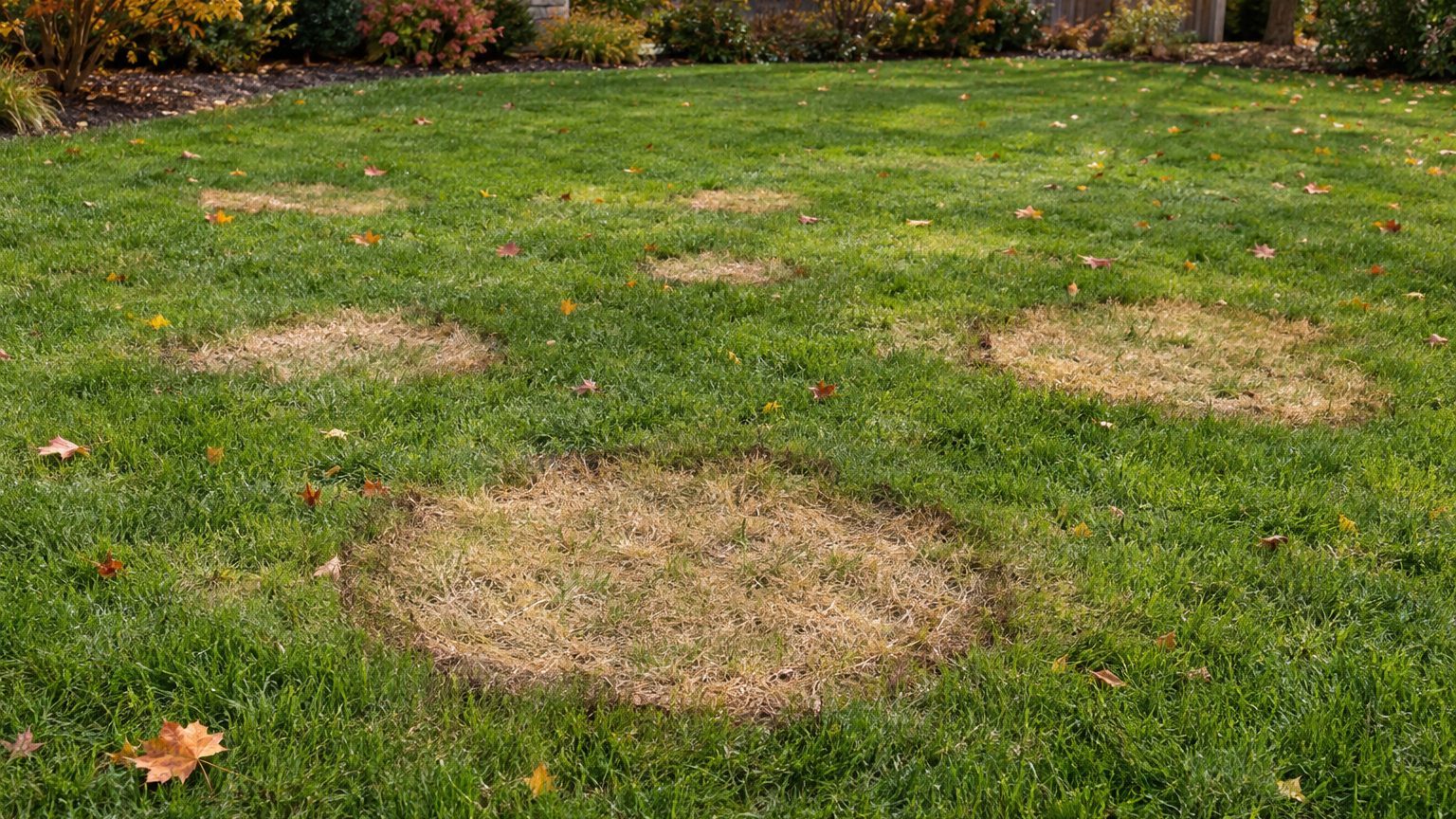
Tan circles that widen after a muggy stretch, or small bleached spots on a once-even lawn, can point to a fungal disease. Brown patch, dollar spot and leaf spot are common lawn diseases. Each has a look, a weather pattern and a sensible response.

How Do You Recognize a Lawn Disease?

A lawn disease shows up as patches, rings or spots that grow while the weather stays damp and the blades stay wet. What you see depends on the grass type, the season and the region, so the same fungus can look different in a Maryland tall fescue lawn and a Georgia bermudagrass lawn.

Combine clues before naming anything. Brown patch tends to appear as wide, roundish patches in cool-season grass during humid spells. Dollar spot makes small, straw-colored spots that can merge into larger blotches. Leaf spot marks individual blades with dark flecks, and the lawn can look thin overall.

Wetness is the common thread. According to University of Maryland Extension, leaf disease outbreaks can take hold when leaves stay wet for 12 to 24 hours in mild weather. The state selector just below this section leads to the page for your State.

How to Treat a Lawn Disease

Lawn: Lawn Diseases: Brown Patch, Dollar Spot and Leaf Spot

Most outbreaks respond to changes in how you water, mow and feed, so work through the gestures in this order.

  1. Note the shape of the damage and the weather that came before it, because the pattern becomes more useful when read alongside recent weather.
  2. Move irrigation to the overnight hours, since in Maryland a programmed sprinkler can start three or more hours after sunset and finish before sunrise, which lets blades dry once the sun is up.
  3. Mow regularly in spring, because in Pennsylvania cutting at 2.5 to 3.0 inches helps reduce the severity of leaf spot and melting-out.
  4. Keep spring feeding moderate, since in Pennsylvania 0.5 to 1.0 lb of nitrogen per 1,000 square feet in early spring avoids pushing the soft, lush growth that fungi favor.
  5. Skip the sprayer for ordinary outbreaks, because fungicides are not recommended for managing diseases in home lawns.
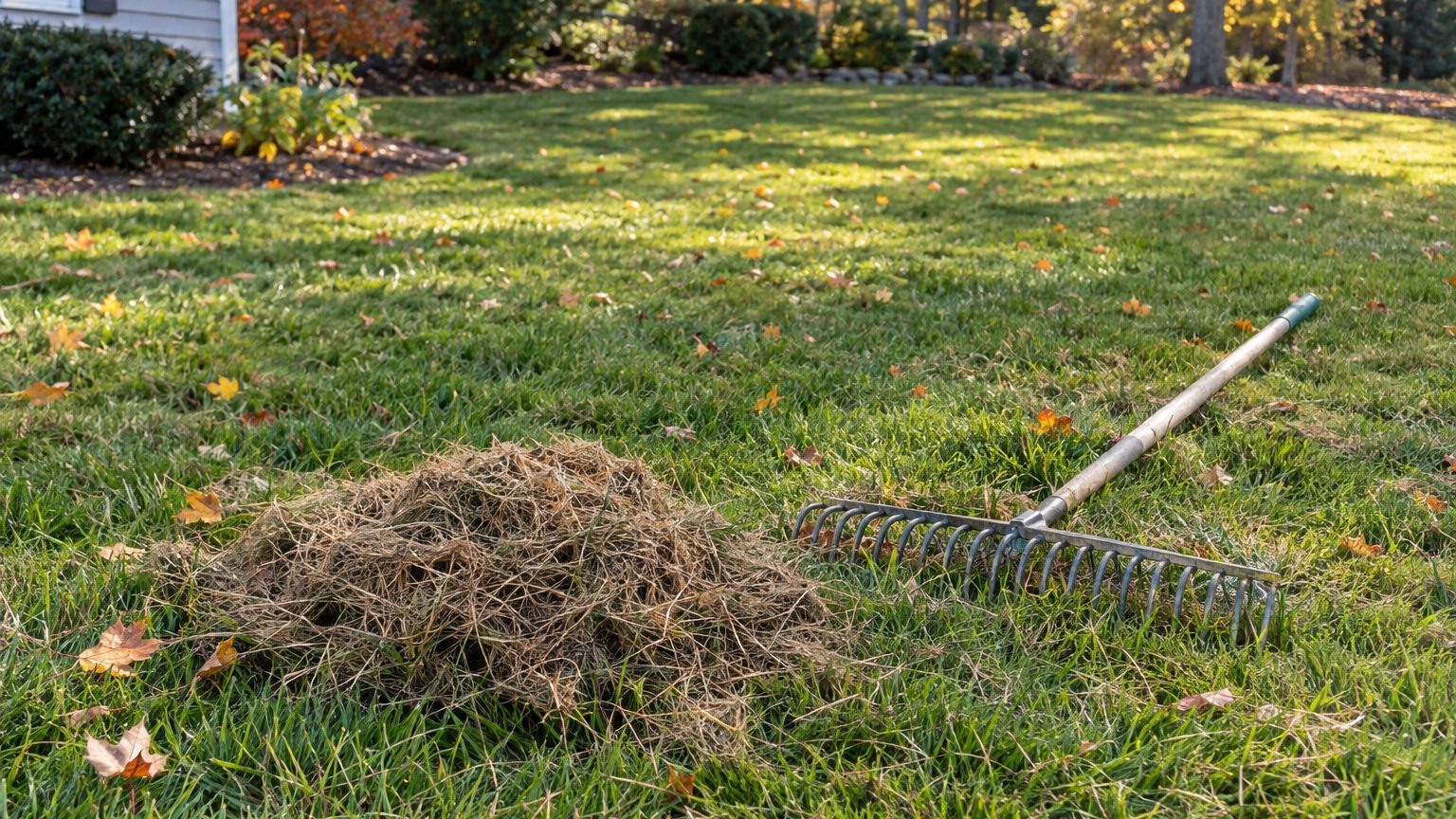
  6. Rake out matted, spotted leaves and thin debris after a bad stretch, so air reaches the crown and the surface dries faster.

Recovery is usually gradual. Grass that was only attacked at the leaf tips grows out of the damage once the weather dries and the lawn is mowed and fed sensibly. Melted-out areas, where the crowns died, may need overseeding later in the grass’s growing season.

Lawn Diseases by Grass Type

Cool-season and warm-season lawns face different trouble at different times. A fungus that thrives in midsummer humidity on a bluegrass lawn may hit a bermudagrass lawn in the cool, wet days of fall and spring.

Knowing your grass tells you which season to watch, which matters more than memorizing the diseases themselves.

Grass Season What to watch for
Kentucky bluegrass and fine fescues Cool In Pennsylvania, summer leaf spot and melting-out in warm, wet weather of 68 to 95°F
Tall fescue and perennial ryegrass Cool In Maryland, brown patch is a particular risk, and gray snow mold may hit them harder than bluegrass
Bermudagrass Warm In North Carolina, leaf spot does most damage in cool, wet fall and spring weather
Bluegrasses (general) Cool In North Carolina, leaf spot is active in warm, humid weather

For you, this means the calendar of worry shifts with the grass. A tall fescue lawn deserves a closer look during humid summer spells, while a bermudagrass lawn needs the attention when green-up and dormancy bring cool, damp days. Zoysia, centipede and St. Augustine have their own disease patterns that depend on climate and season.

Lawn Disease Mistakes to Avoid

Calling It from One Clue

A brown patch can be disease, drought or a pet problem. Naming it from color alone leads to the wrong fix, wasted effort and a patch that keeps growing.

Look at the edge of the damage and the weather behind it. Wet blades for a long stretch plus a spreading ring points to a fungus. Dry soil plus a crisp, even brown points elsewhere.

Feeding Heavily During an Outbreak

A big dose of fertilizer feels like a rescue but feeds soft growth that fungi favor. According to NC State Extension, the advice is no more than one pound of nitrogen per 1,000 square feet in a single application.

Split feedings into lighter passes, and hold off while the lawn is actively diseased.

Treating Too Late

Waiting until the grass is visibly dying costs you the window where treatment helps. In North Carolina, leaf spot control works best in the early stages, and once melting out occurs, fungicide may not cure it but will reduce spread.

In South Carolina, moist spring and fall weather with day temperatures between 70 to 80 °F is when applications may be needed. Watch the weather early rather than reacting to dead turf.

Lawn Diseases in Your State

The signal to act varies with the grass and the disease: humid weather and lingering leaf wetness raise concern for many cool-season lawns, while bermudagrass leaf spot can be worse in cool, wet periods. Local weather decides when that happens, so the timing differs a lot from State to State.

  • The page for your State covers the months when your lawn is most exposed and when to adjust watering and mowing.
  • Check it before the first humid spell, then walk the lawn early in the morning to see whether blades are still wet.

Common Questions

How Can You Tell Brown Patch from Drought Stress?

Look at the weather and the edge of the damage. Brown patch follows warm, humid, wet stretches and often leaves a ring or irregular patch with a darker border. Drought stress follows dry weather and browns the lawn more evenly, with soil that feels hard and dry.

Is Dollar Spot the Same as Brown Patch?

No. Dollar spot makes small, scattered, straw-colored spots that may merge. Brown patch makes much larger patches. Check the size of the spots and whether they cluster or scatter across the lawn.

When Is It Worth Calling the Extension Office?

Call when the damage keeps spreading after you have corrected watering, mowing and feeding, or when the pattern does not match the descriptions you find. A local office can look at a sample and tell you what is happening in your area.
When to Dethatch a Lawn

When to Dethatch a Lawn

A lawn that feels spongy underfoot, with a brown mat showing when you part the blades, is asking for dethatching. Most lawns need the job when that mat grows thick, and the right moment follows the grass, not the calendar. Cool-season turf gets its turn in late summer or early fall, while warm-season turf is ready in spring after green-up or in early summer.

Does Your Lawn Need Dethatching?

Not every lawn does. Thatch is a dense layer of living and dead organic matter that builds up between the grass plants and the soil, and a thin layer is harmless. According to UC IPM, University of California, act once that layer is more than 1/2 inch deep.

Timing depends on the grass, the season and the region. Cool-season lawns, common in the North, do best with late summer to early fall work, while warm-season lawns across the South want spring after green-up or early summer, when growth is fast. The state-by-state calendar right below gives each state’s window of months and its zone.

How to Dethatch a Lawn

Lawn: When to Dethatch a Lawn

Start by checking the layer, then work in this order so the machine does its job without hurting the turf.

  1. In California, cut a small square of sod about 3 inches deep; in South Carolina, cut a pie-shaped wedge with a knife or spade, then measure the brown layer between the blades and the soil.
  2. Mow the grass a little shorter than usual, so the dethatching blades reach the thatch instead of tangling in tall leaves.
  3. According to UC IPM, University of California, set the blades of a dethatching machine to cut about 1 inch into the soil and 1 inch apart on creeping grasses, so they pull up the mat without gouging the lawn.
  4. In California, make a second pass at an angle perpendicular to the first once the whole lawn is done, so thatch missed on the first run comes loose.
  5. Rake up the debris and dispose of it so the pulled thatch does not settle back on the turf.
  6. Follow up by aerating, fertilizing and watering as needed, and overseed where the grass looks thin.

Work when the grass is growing strongly, because it recovers quickly then. The lawn will look rough for a while, with bare streaks and torn tufts, and that is normal.

Dethatching by Grass Type

Grass habit decides both how fast thatch builds and how far apart the blades should sit. Vigorous growers pile it up from sheer speed, while slow, fibrous ones keep it because the tissue barely breaks down.

In South Carolina, blade spacing is matched to the species, which keeps the machine from tearing coarser turf.

Grass Season Thatch and blade spacing
Kentucky bluegrass Cool Heavy thatch builder, blades 1 to 2 inches apart
Red fescue Cool Blades 1 to 2 inches apart
Hybrid bermudagrass Warm Heavy thatch builder, blades 1 to 2 inches apart
Zoysiagrass Warm Slow growing, fibrous tissue breaks down slowly, blades 1 to 2 inches apart
Centipedegrass Warm Blades 2 to 3 inches apart
St. Augustinegrass Warm Blades 2 to 3 inches apart

In South Carolina, Kentucky bluegrass and hybrid bermudagrass build thatch quickly, so lawns with either grass merit more frequent checks. Zoysiagrass grows slowly, yet its fibrous tissue breaks down slowly and accumulates on the soil surface. Overwatered or overfertilized lawns and lawns on heavy clay soil may build thatch quickly.

Dethatching Mistakes to Avoid

Dethatching Without Measuring

Running a machine over a lawn with a thin layer tears healthy turf for no gain. Dig out a small piece of soil or a pie-shaped wedge of sod and look at the brown layer first. If it falls short of 1/2 inch, which is the California guideline, leave the machine in the shed.

Working in the Wrong Season

Pulling thatch while the grass is dormant or stressed leaves bare ground with no growth to cover it. Cool-season lawns recover in late summer to early fall, and warm-season lawns in spring after green-up or early summer. Wait for that active growth, then go.

Ignoring a Badly Thinned Lawn

When desirable grasses make up less than 30 percent of the lawn, dethatching alone will not rescue it. New Jersey sorts these lawns into renovation categories, with a thatch layer under 1 inch in one case and over 1 inch in the other. In either case, plan on full renovation with new seed, not just a raking.

When to Dethatch a Lawn in Your State

Let the grass tell you. Cool-season turf is ready when summer heat eases and growth picks up, and warm-season turf is ready once it has greened up and is racing along in warm soil.

  • Open your state’s page to find its months of the year for the job and its zone.
  • Check the thatch layer a little before those months arrive, so you know whether to bring out the machine.

Common Questions

Can You Dethatch with a Hard Rake Instead of a Machine?

Yes, on a small lawn a stiff rake pulls out a light layer. Thicker mats go faster and cleaner with a powered dethatcher, which cuts into the soil along set lines.

Is Spring or Fall Better for Cool-Season Grass?

Late summer to early fall is the usual choice, with early spring as the next option in New Jersey. Fall gives the turf cool weather to fill in the gaps.

What Should You Do After Raking Up the Thatch?

In California, aerate, fertilize and water as needed after dethatching, and overseed where the turf has thinned. That follow-up is what turns a rough-looking lawn into a thick one.

When to Aerate Your Lawn, and How to Do It

When to Aerate Your Lawn, and How to Do It

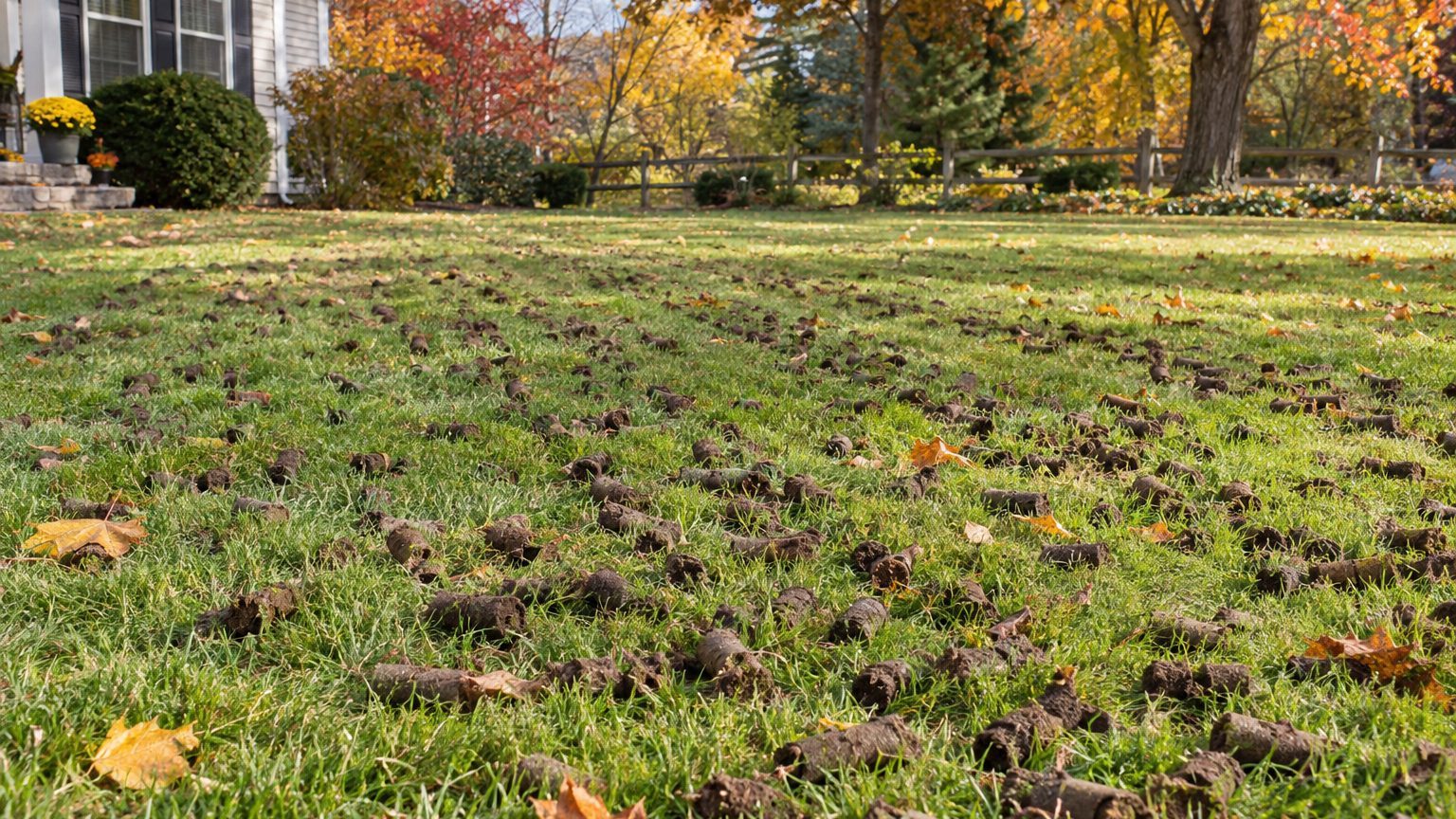
Those small plugs of soil lying across a neighbor’s lawn mean the aerator has made its pass. A lawn pressed down by mowers, kids and dogs gets harder every year, and water and air struggle to reach the roots. Aerating opens the soil again, and the timing decides how well the grass takes advantage of it.

When Should You Aerate Your Lawn?

Aerate when your grass is growing hard, because that is when it fills the holes quickly. Fall is the usual window for cool-season lawns; in Iowa, spring is also an option for Kentucky bluegrass and other cool-season grasses. In South Carolina, warm-season lawns such as bermudagrass and zoysia are aerated in late spring or summer while they are actively growing.

Region and weather move the dates. In South Carolina, cool-season grasses need at least four weeks of good growing weather after aeration to recover. Each state’s window and zone appear state by state right after this section.

Soil and traffic change how often. Heavy clay with plenty of foot or pet traffic calls for more passes, and in Iowa that means twice a year.

How to Aerate a Lawn

Lawn: When to Aerate Your Lawn, and How to Do It

A rented core aerator can do the job, and the order of the steps matters as much as the machine.

  1. Pick a mild day when the soil is moderately moist, because aerating wet soil packs it down further, as South Carolina turf guidance points out.
  2. Water first if the ground is dry, so the tines can sink at least 3 inches, as Kansas recommends.
  3. Core aeration is preferred to spiking because removing plugs relieves compaction instead of pushing the soil aside.
  4. Cross the lawn a second time at right angles, so the plugs land about 3 inches apart, which is the Kansas guidance.
  5. In South Carolina, leave the cores where they fall or rake them into the grass so rainfall and traffic can break them down.

If you do plan to seed, South Carolina guidance suggests making six to 10 passes over the area and giving the holes about a month to heal before the seed goes down. Weed prevention comes last. In South Carolina, spread any preemergent control only after aeration.

Aeration Timing by Grass Type

Cool-season grasses grow hardest in fall and again in spring, so that is when they recover from the aerator. Warm-season grasses push in the heat, which flips the schedule around.

The rows below show the pattern for common lawn grasses, with a local example where one exists.

Grass Season When to aerate Local note
Kentucky bluegrass Cool Fall, with spring as another option Iowa: September and April
Tall fescue Cool Fall South Carolina: at least four weeks of good growing weather to recover
Bermudagrass Warm Late spring and summer, while actively growing South Carolina
Zoysiagrass Warm Late spring and summer, while actively growing South Carolina
St. Augustinegrass Warm Late spring and summer, while actively growing South Carolina

In South Carolina, centipedegrass and carpetgrass follow the same late-spring and summer rhythm as the other warm-season grasses. The practical takeaway is that a bluegrass lawn in Iowa and a bermudagrass lawn in South Carolina need opposite seasons, so match the machine to the grass, not to the neighbor’s schedule.

Lawn Aeration Mistakes to Avoid

Aerating Wet Soil

Soggy ground squeezes together under the machine instead of opening up, and the result is more compaction, as South Carolina turf guidance warns.

Wait for a mild day when the soil is moderately moist, firm enough to hold its shape but soft enough for the tines to go in.

Using Spikes Instead of Cores

Spike and slicing tools poke holes without removing soil, so the ground around each hole can stay tight. South Carolina guidance ranks core aeration as more effective than slicing or spiking.

Rent a core machine and leave the plugs on the lawn to break down.

Applying Preemergent First

Putting down a preemergent weed control before aerating means the tines break through the treated surface and open untreated soil where weeds can start.

South Carolina guidance is to wait until the turf has been aerated, then make every preemergent application afterward.

When to Aerate a Lawn in Your State

The signal is growth. When cool-season grass is thickening in fall or spring, or warm-season grass is growing strongly in warm weather, the lawn can recover from the holes quickly. Dormant or stressed grass cannot.

  • Open your state’s page for its aeration months and zone, and plan the pass around them.
  • Check with your state’s extension office if you have heavy clay and want advice on how often to aerate.

Common Questions

How Do You Know If Your Lawn Needs Aeration?

Check drainage and soil resistance. Water puddles or runs off after rain, and a screwdriver or garden fork is hard to push into the soil. Heavy traffic and clay raise the odds.

Does Aeration Help with Thatch?

Yes. Thatch builds faster on compacted and heavy clay soils, so easing compaction helps keep it in check.

Does Sandy Soil Need Aerating Too?

Less often. Sandy ground drains freely and compacts less than clay, so heavy traffic is the main reason to aerate a sandy lawn.

Yukon Lawn Care: What to Do and When

Yukon Lawn Care: What to Do and When

When the snow pulls back in spring, the grass underneath is flat, pale and matted, and it has a short, bright summer to recover. Lawns in Yukon run on that brief window, so a few well-timed summer jobs matter far more than a long list of chores.

Frost Dates and Growing Season in Yukon

The season opens and closes with frost risk, not a fixed date. In Whitehorse, the last spring frost falls on average June 5, so half of all years bring frost later than that. Treat it as the middle of a window, never as a safe day, and expect colder or higher districts to run later still.

  • In winter, the lawn lies dormant under snow, and nothing you do helps it until the ground thaws.
  • In spring, once the snow melts and the surface dries enough to walk on, rake lightly to lift matted blades and then wait, because the grass grows with soil warmth and a thin seedling can still be nipped by a late frost.
  • In June, the lawn wakes up properly, which is when the first mowing, the first watering and the first feeding happen, along with any seeding.
  • From July through August, the warm stretch carries the lawn, so mowing and watering settle into a regular rhythm and a second feeding in August is an option.
  • By late August, frost risk returns in Whitehorse, on average August 25, and a lawn that is still thin is the one that suffers.
  • In September, mowing continues while the grass is still growing, and then the snow takes over again.

Because growth follows soil warmth, a cold spring pushes every job later and a warm one lets you start sooner.

Cool-Season or Warm-Season Grass in Yukon?

Cool-season grass is the only kind that makes sense here. The winters are long and severe, and around Whitehorse the Canadian hardiness rating is zone 1b (a rating that does not convert to a USDA zone); warm-season grasses need heat that Yukon summers do not deliver.

The real question is which cool-season grasses cope with deep cold and a short season. Three types are used for lawns in the region.

Grass How it does in Yukon Why
Kentucky bluegrass Dependable base for a lawn Tolerates hard winters and spreads to fill gaps once it is established
Fine fescues (creeping red, chewings, hard) Good for lighter, poorer or shadier spots Needs less fertilizer and copes with lean soil better than bluegrass
Perennial ryegrass Useful, but may not last Short-lived in the coldest winters, so it can thin out after a harsh one

Many store-bought mixes blend these three, and a mix leaning on bluegrass and fine fescues suits the territory better than one built mostly on ryegrass. Warm-season grasses such as bermudagrass or zoysia are better left to warmer climates, and St. Augustinegrass is never sold as seed in any case.

When to Seed, Fertilize and Aerate a Lawn in Yukon

Seeding happens in spring here, once the ground has thawed, because the season is too short for fall seeding. A seedling sown late has no time to root before winter takes it.

Feeding waits until the grass is actually growing. June counts as late spring this far north, so it brings the first feeding.

Task Timing in Yukon Why then
Seeding June (it also works in July) The soil has thawed and warmed, and the seedlings get the whole summer to root
Fertilizing June, with August as an option June gives the first feeding once the grass is growing, and August tops it up before the season closes
Mowing June through September The grass only grows during these months
Watering June through August Summer is when the grass is working hardest and the soil dries fastest

Aerate only while the lawn is actively growing and the soil is moist rather than soggy. If you miss June for seeding, July still works.

Lawn Problems to Watch for in Yukon

Straw-Colored Patches After Snowmelt

Straw-Colored Patches After Snowmelt — Yukon Lawn Care: What to Do and When

Pale, matted patches that appear right where snow lay deepest or longest point to winter damage, and a gentle tug that shows the grass crowns are still firm usually means the lawn is alive. Rake lightly once the surface dries and give it time to green up on its own. Reseed only the spots that stay bare after the grass starts growing.

Slow, Thin Growth

A lawn that stays thin in a shady corner or in gravelly soil is telling you it is short on warmth, light or nutrients. The short season leaves little room to catch up, so match the remedy to the problem instead of assuming the lawn needs fertilizer. Fine fescues usually hold such spots better than bluegrass.

Dry Brown Turf in Summer

Grass that turns brown and crunchy underfoot in the sunniest, best-drained areas is drying out. Free-draining northern soils lose moisture fast in bright summer light. Water deeply when the soil starts to dry, and mow on the taller side so the grass shades its own roots.

How Lawn Care Dates Change Across Yukon

The territory is large, and elevation and latitude shift the season more than anything else.

  • Whitehorse and the Yukon River valley: this is the milder, more sheltered part of the territory, and the dates in this article fit it best.
  • Dawson City: farther north, where winters are colder and the lawn season starts later and ends sooner.
  • Haines Junction and the Kluane area: higher ground and mountain air mean spring comes later and frost returns earlier.
  • Carcross and the Southern Lakes: big lakes hold cold in spring, so the ground thaws later, but they can soften the first frosts of late summer.

If you live north of Whitehorse or at higher elevation, wait longer in spring before seeding and expect to finish your season sooner than the Whitehorse dates suggest.

Where to Get Lawn Advice in Yukon

In Yukon, local lawn help comes from several places. Start with the agriculture ministry, a local master gardener group or a garden centre.

  • Agriculture and Agri-Food Canada, through Agriculture and Agri-Food Canada, publishes federal guidance on soil and grass and points to territorial contacts.
  • A local garden centre or master gardener group can help diagnose a patch or advise on a soil test, and spring is the time to go.

Once the soil is workable, arrange a soil test before you seed or feed.

Common Questions

Should You Rake a Lawn After the Snow Melts in Yukon?

Yes, but lightly, and only once the surface is firm enough to walk on. Raking too early on soggy ground tears the grass crowns. A light pass lifts matted blades and lets air reach the soil.

Can You Use Any Lawn Seed Mix in Yukon?

Read the label first. A mix built on Kentucky bluegrass and fine fescues suits the cold, while one heavy in perennial ryegrass can thin out after a harsh winter.

How Tall Should You Let a Lawn Grow in Yukon?

On the taller side. Longer blades shade the soil, help it hold moisture in summer and give the grass more leaf to build strength during a short season.

West Virginia Lawn Care: What to Do and When

West Virginia Lawn Care: What to Do and When

Cool-season turf in West Virginia greens up in spring, struggles through humid midsummer, and does its best rooting work in early fall. Most lawns here are bluegrass, fescue and ryegrass mixes, and the year runs on a simple rhythm: feed and prevent crabgrass in spring, water in summer, then seed, aerate and feed again once the nights cool.

Frost Dates and Growing Season in West Virginia

Charleston, a river valley, sees its last spring freeze between April 9 and April 23, and its first fall freeze between October 18 and November 1. Hardiness zones in the state run from 5a to 7a on the USDA system, so ridgetops and valleys differ. Frost matters most to a young seedling, but growth itself follows soil warmth.

  • In early spring, the soil is still cold and grass grows slowly, so this is the time to rake off debris and put down crabgrass preventer in April before weed seed germinates.
  • Once the soil warms in May, cool-season grass grows fast, mowing becomes a regular job, and a spring feeding fits well.
  • In June through August, growth slows in the heat, and watering matters most from June to August when rain falls short.
  • In late summer, August and September give seed and sod the warm soil and cooling air they need to root before winter, and this is also the time for core aeration and dethatching.
  • In fall, mowing continues into November, while September is the main feeding month and November can still work if needed.

A seedling sown too late has little time to root before freezing weather, especially on higher ground where fall arrives earlier.

Cool-Season or Warm-Season Grass in West Virginia?

Cool-season grass is the right choice here. West Virginia winters are cold enough to injure warm-season turf, and the state’s humid summers suit the grasses that thrive in spring and fall and rest a little in July heat.

The main lawn grasses for this region are listed below.

Grass How it does in West Virginia Why
Kentucky bluegrass Makes a dense, fine lawn in sun Spreads to fill gaps, though it is slow to establish
Tall fescue Handles summer heat and dry spells well Deep roots reach moisture lower in the soil
Perennial ryegrass Sprouts quickly and gives fast cover Often blended with bluegrass to speed up establishment
Fine fescues Suits shadier, lower-care spots Creeping red, chewings and hard fescue tolerate lower light

Warm-season grasses stay out of this list on purpose. St. Augustinegrass, for one, is never sold as seed, and none of that group is a safe bet through a West Virginia winter.

When to Seed, Fertilize and Aerate a Lawn in West Virginia

Late summer into early fall is the busiest stretch for lawn work, because warm soil and cooler air favor new roots. Spring still works for most tasks if fall gets away from you.

Dethatch only when thatch is thicker than about an inch, since a thin layer actually helps the lawn.

Task Best months in West Virginia Why then
Seeding August, September (April, May also work) Warm soil and mild air help seed root before winter
Laying sod August, September (April, May, October also work) Roots knit into the soil in moderate weather
Core aeration August, September (April, May also work) Grass recovers quickly while it is actively growing
Fertilizing May, September (April, November also work) Feeds growth in spring and root storage in fall
Crabgrass preventer April (March, May also work) Goes down before crabgrass seed germinates
Dethatching August, September (April, May also work) Turf fills in again during strong growth

Mowing runs from April through November, and watering matters most from June to August. If you miss September for seeding, a spring sowing in April or May still gives a decent result.

Lawn Problems to Watch for in West Virginia

Crabgrass in Thin Spots

Crabgrass in Thin Spots — West Virginia Lawn Care: What to Do and When

Pale green, sprawling clumps that appear in summer along driveways and in thin turf are often crabgrass. Seed germinates in warm spring soil, so preventer applied in April stops it before it starts. Thick grass is the long-term fix, because crabgrass needs bare ground and sunlight to take hold.

Brown Patches in Midsummer

Tan or straw-colored areas in July and August, especially in sunny spots where the soil dries out, usually point to heat and drought stress. Cool-season grass often goes dormant rather than dying. When the soil is dry from June through August, water deeply; the turf typically greens up again when the weather eases.

Thin Grass Under Trees

Sparse, mossy turf in shade, often with hard, compacted soil, reflects too little light and root competition. Fine fescues cope better than bluegrass in these spots. Core aeration in August or September opens the soil, and overseeding then gives new grass a chance to root.

How Lawn Care Dates Change Across West Virginia

The state’s terrain is mountainous, so the calendar shifts a good deal from one place to the next, and Charleston dates are only a starting point.

  • Charleston and the Kanawha Valley: The valley floor warms earlier in spring and holds frost off a little longer in fall, so seeding and spring work can start here ahead of the hills.
  • The Allegheny Highlands: Higher elevations thaw later and freeze noticeably earlier in fall, so aim for the early end of the seeding window and skip late sowing.
  • The Eastern Panhandle and Potomac Valley: Lower ground in this part of the state generally allows a somewhat earlier spring start than the mountains, though cold nights can still linger in sheltered hollows.

Within a single county, a ridgetop yard can lag a valley yard noticeably, so let soil warmth and your own frost experience adjust the dates.

Where to Get Lawn Advice in West Virginia

Local help is close at hand. West Virginia University Extension offers research-based lawn guidance, and your county office can help with soil tests and diagnosing problems on your particular property.

  • Contact your county extension office for a soil test before you fertilize or seed, so you know what the soil actually needs.
  • Bring a sample of a troubled patch to the county office when grass turns brown or thin and the cause is unclear.
  • Check the extension site for seeding and fertilizing guidance in late summer, before the September window opens.

Common Questions

Can You Plant Grass in West Virginia in Spring?

Yes. April and May work for seeding, though young grass then has to face summer heat and will need regular watering. Fall sowing generally gives better results because roots develop before the stress of summer.

What Mowing Height Is Right for Lawns in West Virginia?

Mow on the higher side of your grass’s range, especially in summer. Taller blades shade the soil, hold moisture and crowd out weeds. Avoid mowing so low that the lawn looks scalped.

Should You Rake or Leave Leaves on the Lawn in November?

Remove thick layers, since a heavy mat smothers grass over winter. A light scattering can be mowed into small pieces, which return nutrients to the soil, and mowing continues through November.

Washington Lawn Care: What to Do and When

Washington Lawn Care: What to Do and When

Lawns in Washington grow green through a long, damp, mild stretch on the west side of the Cascades, while the dry country to the east asks for a different rhythm. Grass here wants cool weather, steady moisture in summer and a fall that does the heavy lifting. The right timing and grass choice depend on which side of the mountains your yard is on.

Frost Dates and Growing Season in Washington

On the west side, around Seattle, the last spring freeze usually falls between February 27 and March 18, and the first fall freeze between November 13 and November 30. Washington spans USDA zones 4a to 9a, so the east side runs far colder and shorter. Grass grows with soil warmth, not the calendar, and the lawn year breaks into these moments.

  • In early spring, from March into April, the freeze risk fades on the west side, yet cold wet soil keeps growth slow, so a young seeding here can still be nipped by a late frost.
  • In April and May, mowing picks up, crabgrass preventer goes down in April, and seeding also works in April or May if you missed the fall window.
  • From June through August, the lawn leans on watering, and these are the months when dry summers make regular irrigation matter.
  • In August, seeding and dethatching begin; September brings seeding, dethatching and core aeration together, because warm soil and cooling air help new grass root before the cold arrives.
  • In October and November, mowing continues while growth slows, and November fertilizing supports the lawn as the season winds down.

Late-summer seed on the west side has time to settle in before the first fall freeze arrives in mid to late November.

Cool-Season or Warm-Season Grass in Washington?

Cool-season grass is the answer here. Winters are cold enough to stall warm-season types, and the growing months favor grasses that thrive in mild, moist weather. The east side adds hot, dry summers, so drought tolerance becomes the deciding trait there.

Four cool-season choices cover most Washington yards, and each fits a slightly different yard.

Grass Season How it does here
Kentucky bluegrass Cool Makes a dense, green turf and fills in gaps on its own
Fine fescues (creeping red, chewings, hard) Cool Handles shade and lean soil in a low-care lawn
Perennial ryegrass Cool Sprouts fast, so it suits quick repairs and mixes
Tall fescue Cool Roots deeply, which helps through dry summer spells

Warm-season grasses such as bermudagrass or zoysia do not suit the state’s winters, so they rarely make sense here. Mixes of the grasses above are common, since each covers a weakness in the others.

When to Seed, Fertilize and Aerate a Lawn in Washington

Late summer into fall carries most of the work. Warm soil and cooling air help seed sprout and root, and fall feeding builds strength for the next year.

Washington law limits phosphorus in lawn fertilizer, allowing it only for a new lawn or when a soil test shows a shortage, and never on frozen ground.

Task Recommended timing in Washington Why then
Seeding August, September Warm soil and cooler air help seed root before winter
Core aeration September Grass is growing and recovers fast from the holes
Dethatching August, September Turf rebounds quickly in active growth
Fertilizing September, November Roots store the nutrients heading into winter
Crabgrass preventer April Goes down before weed seeds sprout
Watering June, July, August Dry summer weather calls for regular irrigation

If you miss the fall window, seeding also works in April or May, and fertilizing also works in May. Dethatching can happen in April too. Mowing runs from April through November.

Lawn Problems to Watch for in Washington

Moss in Shady Damp Spots

Green velvet creeping through thin turf, especially under trees or along the north side of the house, points to moss. Long wet winters, shade and compacted soil all favor it over grass. Core aeration in September, more light and a soil test to check fertility give grass the upper hand.

Brown Grass in Summer

Brown Grass in Summer — Washington Lawn Care: What to Do and When

Straw-colored turf in July or August, mostly in sunny, open areas, usually means the lawn has gone dormant from dryness. Summers here are dry, and shallow roots suffer first. Regular watering in June through August keeps it green, and deep roots from fall seeding and tall fescue help.

Weeds in Thin Turf

Crabgrass and other weeds crowd in where the lawn is thin and the soil is bare, often along driveways and sidewalks. Applying preventer in April, before seeds sprout, stops many of them. Thick turf from fall seeding does the rest.

How Lawn Care Dates Change Across Washington

The dates above fit the west side best, and the state’s geography shifts them in a few clear ways.

  • Seattle and Puget Sound: The water keeps winters mild and the freeze window short, so spring growth starts earlier and fall work stretches later.
  • Spokane and the Columbia Basin: Winters are colder and summers hotter and drier, so the season starts later and watering matters more in summer.
  • Cascade foothills and mountain towns: Elevation brings later springs and earlier fall chill, so seeding should happen earlier in the late-summer window.

Treat the dates in this article as a starting point, then adjust by a little for your own elevation and exposure.

Where to Get Lawn Advice in Washington

Washington State University Extension gives research-backed guidance for the state’s climates, and your county office can help with local conditions.

  • The extension website has guides on grass choice, fertilizer and watering, useful before you plan a seeding.
  • Your county extension office can point you to a soil test, helpful before any fertilizer, since phosphorus is restricted.
  • Bring a sample of troubled turf to the county office when the problem first shows.

Common Questions

Can You Grow a Lawn in Eastern Washington?

Yes, with more attention to water. Drought-tolerant tall fescue and fine fescues handle the dry summers better, and irrigation is part of the routine.

Is Moss a Sign You Need More Lime?

Not on its own. Moss that appears with shade and soggy ground points to light and drainage first, so test the soil before adding anything.

Should You Mow Shorter in Fall?

Keep mowing through November as the grass keeps growing, and avoid scalping it. A slightly lower final cut is fine, but leave enough blade to protect the crown.

Virginia Lawn Care: What to Do and When

Virginia Lawn Care: What to Do and When

Tall fescue going straw-colored in August while the bermudagrass next door is at its greenest says most of what lawns in Virginia ask of you. The state sits where cool-season and warm-season grasses both grow, so the right task depends on which one you mow. The timing for each follows the soil more than the calendar.

Frost Dates and Growing Season in Virginia

Around Virginia Beach, the mild coastal end of a state spanning USDA hardiness zones 5a to 8b, the lawn year runs on soil warmth, with frost marking only the risky edges of it.

  • In early spring, the last freeze in Virginia Beach usually lands between March 20 and April 3, which is why a young seeding can still be nipped. March is also the time for crabgrass preventer and an early-spring fescue feeding.
  • Once the soil warms in May, bermudagrass and zoysiagrass start growing in earnest. That is the month to seed bermudagrass, or to lay sod of either grass, and growth picks up through June.
  • Through summer, from June to August, deep watering keeps the lawn alive. Tall fescue is the one to leave unfed in these months, since feeding it in heat only feeds stress.
  • In late summer, August and into September, tall fescue lawns get aerated and overseeded. The seed sprouts in warm soil and roots before cold arrives.
  • In fall, September and October are for feeding. In Virginia Beach, the first freeze comes between November 10 and November 24, which closes the seeding season, though mowing continues into November.

Inland, these dates slide. The Blue Ridge and southwest Virginia run weeks later in spring and earlier in fall, so use local soil conditions within the recommended windows.

Cool-Season or Warm-Season Grass in Virginia?

Both can work here, but most lawns are cool-season, with tall fescue the usual choice. Winters are cold enough to turn warm-season grass tan for months, while summers are hot enough to stress cool-season grass and brown it during dry spells.

The warmer coast and the lower, hotter parts of the state lean toward bermudagrass and zoysiagrass. Cooler, higher ground suits bluegrass and fescue.

Grass How it does in Virginia Why
Tall fescue Cool-season, the common choice for lawns across the state Holds green through much of the year, but needs feeding in early spring and fall, never in summer
Kentucky bluegrass Cool-season, suited to cooler, higher ground Prefers the milder summers of higher elevations
Bermudagrass Warm-season, grown from seed or sod Thrives in summer heat and goes dormant and tan in cold weather
Zoysiagrass Warm-season, mostly sod or plugs Fills in slowly, so it is usually planted as sod rather than seeded

Pick the grass that matches your elevation and how much summer browning you can live with. Tall fescue keeps more winter color, while warm-season lawns trade winter color for summer toughness.

When to Seed, Fertilize and Aerate a Lawn in Virginia

Cool-season lawns do their heavy work in late summer and fall. Warm-season lawns do theirs from late spring into midsummer, when soil is warm enough for them to grow.

Virginia law shapes feeding. In Virginia, lawn maintenance fertilizer sold in the state contains no phosphorus, since phosphorus products are meant for new lawns and repairs.

Task Best months in Virginia Why then
Core aeration (tall fescue) August, with September as a fallback Roots recover fast while the grass is still growing
Seeding tall fescue August, with September as a fallback Warm soil sprouts seed quickly and cooler nights follow
Crabgrass preventer March, though February, April and May still work It must be down before crabgrass germinates
Feeding cool-season lawns March, September, October, with April as a fallback Fescue grows most in spring and fall
Seeding bermudagrass May, with June as a fallback Soil has finally warmed enough for germination
Feeding warm-season lawns May, June, July Bermudagrass and zoysiagrass grow hardest in summer heat

If you miss the August window, September still gives seed time to root. Aerate first, then overseed, so seed drops into the holes.

Lawn Problems to Watch for in Virginia

Brown Patches in Midsummer

Brown Patches in Midsummer — Virginia Lawn Care: What to Do and When

Straw-colored fescue that crunches underfoot and has patches spreading during hot, dry stretches is usually heat and drought stress. Tug a handful of blades. If the crowns are firm and the grass is simply dormant, it will green again when rain returns.

Watering deeply and regularly from June to August keeps it alive. Skip fertilizer on tall fescue during these months.

Bermudagrass That Won’t Green Up

Tan grass in winter is normal for bermudagrass and zoysiagrass. Trouble shows when a patch stays tan after neighbors have greened in May, and the blades pull away easily from the soil.

Dead patches in a warm-season lawn can be reseeded in May or filled with sod. If a patch is simply slow, wait for steady growth before deciding whether it needs repair.

Crabgrass in Thin Turf

Coarse, light-green clumps that sprawl in open patches may be crabgrass, so identify them before choosing a treatment. Dense turf shades the soil and keeps seeds from sprouting.

Preventer in March, before the soil warms, stops it early. Seeding thin areas in August thickens the lawn so there is less bare ground next year.

How Lawn Care Dates Change Across Virginia

Elevation and distance from the coast set the pace, and both can move your dates by weeks.

  • Blue Ridge and southwest Virginia: Spring arrives late and fall frost comes early, so seeding and feeding start later in spring and wrap up sooner in fall. Bluegrass and fescue suit these cooler hills better than warm-season grasses.
  • Virginia Beach and the coast: The coast is the mild end of the state, with the earliest spring and the latest fall frost. Bermudagrass and zoysiagrass do well here, and mowing runs longest.

Between those two, the rest of the state shifts gradually. Let soil warmth guide you, and move each date earlier or later to match your own yard.

Where to Get Lawn Advice in Virginia

Virginia’s land-grant extension service offers free, research-based help with turf questions, and its local offices know the soils and grasses in your own county.

  • Virginia Cooperative Extension publishes lawn care guidance written for the state, which you can read before planning any seeding or feeding.
  • Your county extension office can help with soil-testing questions and lawn problems, so contact it when a patch looks wrong.

Before the next feeding, pull a soil sample and have it tested, so you know what the lawn needs.

Common Questions

When Should You Start and Stop Mowing a Lawn in Virginia?

Cool-season lawns are mowed from March through November, following growth. Bermudagrass and zoysiagrass are mowed from April through October, since they grow only when the soil is warm.

When Should You Lay Sod in Virginia?

For bermudagrass and zoysiagrass, May is the strongest time, and June and July also work. Warm soil lets the sod root quickly into the ground below.

When Should You Dethatch a Lawn in Virginia?

Tall fescue lawns are dethatched in August or September, when the grass recovers fast. Bermudagrass and zoysiagrass are dethatched in May or June, and April also works.

Vermont Lawn Care: What to Do and When

Vermont Lawn Care: What to Do and When

Snow melts off the lawn, the grass greens up slowly, and by midsummer a Vermont yard is thick and cool-looking if the right seed went down at the right time. Lawns in Vermont run on cool-season grasses, a short growing season and a legal fertilizer window, so the timing of each job matters more than the effort behind it.

Frost Dates and Growing Season in Vermont

Around Burlington, on the mild shore of Lake Champlain, the last spring freeze usually lands between April 30 and May 10, and the first fall freeze between October 3 and October 13. The statewide hardiness range runs from zone 3b to 5b (USDA system), so the Green Mountains and the Northeast Kingdom run shorter than those dates. The year in the yard unfolds like this:

  • In early spring, the ground thaws and the snow mold mats may need a light rake.
  • In April and May, crabgrass preventer goes down before the weed seed germinates, and a late freeze near the end of that stretch can still nip a young seeding.
  • Once the soil warms in late spring, mowing picks up and the lawn grows actively, which makes May a good month for feeding.
  • From June through August, watering becomes the main chore as summer dry spells stress cool-season grass.
  • In late summer and September, seeding, aeration and dethatching all have their best window, with soil still warm and nights turning cool.
  • In October and November, mowing continues as long as the grass grows, but the seeding window has already closed.

Frost dates mark when cold can injure tender growth, not when grass starts or stops. Growth follows soil warmth, so the lawn wakes later and sleeps earlier than the calendar alone suggests.

Cool-Season or Warm-Season Grass in Vermont?

Cool-season grass is the only sensible choice here. Warm-season species such as bermudagrass or zoysia are poorly suited to Vermont’s climate, while cool-season types go dormant under snow and return in spring.

Summer heat is mild by national standards, so the main stress is a dry spell in July or August rather than sustained heat.

Grass Season How it does here
Kentucky bluegrass Cool Handles hard winters and spreads to fill thin spots
Fine fescues Cool Copes with shade and poorer soil, needs less feeding
Perennial ryegrass Cool Sprouts fast and works well in seed mixes
Tall fescue Cool Deep roots help it ride out dry summer stretches

Fine fescues include creeping red, chewings and hard fescue. Blending these grasses can help a lawn hold up in both sun and shade.

When to Seed, Fertilize and Aerate a Lawn in Vermont

Vermont law bars lawn fertilizer before April 1 and after October 15, and on frozen ground at any time. Within that window, spring and early fall feedings are the ones that pay off.

If you miss the best seeding stretch, May still works, though summer heat then tests the new grass.

Task Recommended timing in Vermont Why then
Seeding August, September Warm soil and cool nights help seedlings root before winter
Fertilizing May, September Grass is growing actively and can use the nutrients
Core aeration September Opens compacted soil while grass can recover and seed can follow
Dethatching September Roots recover quickly in the cooler weather
Crabgrass preventer April Goes down before weed seed sprouts
Watering June, July, August Summer dry spells stress shallow roots

Aeration and dethatching also work in May, and a feeding can wait until October if September slips away. Mowing runs from April through November.

Lawn Problems to Watch for in Vermont

Matted Patches After Snowmelt

Matted Patches After Snowmelt — Vermont Lawn Care: What to Do and When

Grayish or pinkish circles of flattened grass appear as the snow leaves. This is snow mold, which develops under long snow cover. Rake the patches gently to lift the blades and let air in, and the grass usually recovers on its own. Heavy late fertilizing makes it worse.

Compacted, Thin Turf

Grass that thins along paths, near driveways or where kids play often sits on packed soil, and water pools or runs off instead of soaking in. Core aeration in September opens the soil, and overseeding right after fills the gaps while the weather favors seedlings.

Brown Grass in Summer Dry Spells

A lawn that turns straw-colored in July or August, and crunches underfoot, is usually dormant rather than dead. When rain falls short in June, July or August, water deeply enough to support the roots. Raising the mower height also shades the soil and slows the loss of moisture.

How Lawn Care Dates Change Across Vermont

Elevation and lake influence set the pace, so the dates above lean toward the mildest part of the state and shift as you move away from it.

  • Champlain Valley: Lake Champlain softens the cold, so spring comes earlier and fall frost arrives later than elsewhere in the state.
  • Green Mountains: Higher ground stays cold longer, so spring work starts later and the fall seeding window closes sooner.
  • Northeast Kingdom: Cold air settles here and the season runs shorter, so seed earlier in late summer to give roots time before freeze.
  • Connecticut River Valley: Lower elevations in the east tend to warm earlier than the hills, so spring tasks can start a little sooner.

When in doubt, watch the soil and the grass itself, and let your own spot set the schedule.

Where to Get Lawn Advice in Vermont

For soil testing and diagnosis of strange patches, local experts know Vermont conditions and can match advice to your yard.

  • University of Vermont Extension offers soil testing guidance and lawn care information, and the best time to ask is before you buy fertilizer or seed.
  • Your county extension office can help identify a problem from a sample or photo, so reach out when a patch of grass looks wrong.

Common Questions

Can You Fertilize a Lawn in Vermont in Winter?

No. Frozen soil cannot absorb nutrients anyway, so they would wash away.

Is a Vermont Lawn Ever Too Shady for Grass?

Heavy shade under maples and pines limits bluegrass, but fine fescues tolerate it better. If grass still thins out, and moss moves in where the soil stays damp, consider a shade-tolerant mix or a groundcover instead.

Should You Mow Vermont Grass Short Before Winter?

Lower the height a little for the final mowings, but do not scalp. Mowing continues into November while the grass grows, and moderate height protects the crown through the cold.

Texas Lawn Care: What to Do and When

Texas Lawn Care: What to Do and When

In Texas, the lawn that stays green through July is almost always a warm-season turf that wakes up when the soil warms in spring and goes tan after the first hard freeze. Bermudagrass, St. Augustinegrass, zoysiagrass and buffalograss carry most yards here.

Frost Dates and Growing Season in Texas

Texas spans USDA zones 6a to 10a, so no single frost date fits the whole state. The dates here speak of Houston, the mild Gulf end, where the last spring freeze usually lands between February 4 and March 1 and the first fall freeze between December 1 and December 19. Other regions differ, and the Panhandle freezes much earlier and later.

  • In late winter, the last freeze risk is ending, so a young planting could still be nipped, and this is the time for crabgrass preventer in February and March.
  • Once the soil warms in spring, warm-season grass greens up, and fertilizer waits until the lawn is fully green, with April as a fallback and May and June as the best months.
  • In May, seed and sod go down with the longest stretch of warm weather ahead, so roots have all summer to establish.
  • From June through August, heat and dry spells set the pace, and watering matters most in these months.
  • In autumn, mowing continues through October, and the first fall freeze, which comes in December on the Gulf side, sends the grass into dormancy.

Growth follows soil warmth, not the calendar date of a frost, so a warm February does not mean it is time to seed.

Cool-Season or Warm-Season Grass in Texas?

Warm-season grass is the safe choice across most of Texas. Summer heat and long dry spells wear out cool-season grasses, while warm-season types go dormant in winter and come back on their own in spring.

Four grasses cover most home lawns, and they differ in how you plant them and where they fit.

Grass How it does in Texas Why
Bermudagrass Common across the state, thrives in full sun Warm-season turf that handles heat and recovers well in spring
St. Augustinegrass Planted as sod or plugs only Warm-season turf, never sold as seed
Zoysiagrass Grown in home lawns statewide Warm-season turf that greens up with soil warmth
Buffalograss Suited to west and central Texas Warm-season native for drier regions

If you want seed, bermudagrass, zoysiagrass or buffalograss are the options, since St. Augustinegrass has to go in as sod or plugs.

When to Seed, Fertilize and Aerate a Lawn in Texas

Texas lawn jobs cluster around the warm months, because the grasses here grow when the soil is warm. Timing a job to that window gives the turf the energy to fill in quickly.

Dethatching follows the same rhythm. Crabgrass preventer is the one early job, going down before the weeds sprout.

Task Best months in Texas Why then
Crabgrass preventer February, March Goes down before weed seeds germinate in spring
Seeding May Warm soil helps seed sprout and root; June also works
Laying sod May Roots knit in warm weather; April and June also work
Dethatching May, June Grass is growing strongly and fills in quickly
Fertilizing May, June Fully green grass can use the nutrients; April and September also work
Mowing April through October The lawn is actively growing
Watering June, July, August Heat and dry spells put the most stress on turf

Fertilize only after full green-up, and skip hot, dry late summer and late fall. Aeration does not appear in this schedule, so a county office can advise on it for your soil.

Lawn Problems to Watch for in Texas

Winter-Killed Brown Grass

Winter-Killed Brown Grass — Texas Lawn Care: What to Do and When

A lawn that stays tan in spring may be dormant rather than dead. Warm-season grass turns brown after freezes and returns as the soil warms. Wait until it is warm, then check for green at the base of the plants before replanting anything.

Scorched Patches in Summer

Crispy, tan areas that appear in the hottest, driest months usually mean the turf is short of water. Watering matters most in June, July and August, so give the lawn a deep soaking when the grass starts to dull and fold, rather than frequent light sprinkles.

Thin Grass in Shade

Thinning turf under trees points to too little sun, especially if the bare area follows the shade line. Most Texas lawn grasses prefer full sun. Let the shaded spot be, or use mulch or a shade-tolerant ground cover instead of fighting for turf.

How Lawn Care Dates Change Across Texas

The dates lean toward the Gulf side, and the rest of the state shifts around them depending on how cold winters get and how dry the climate is.

  • Panhandle: Winters are harsher, so spring warmth arrives later and fall freezes come sooner. Wait longer before fertilizing, seeding or laying sod.
  • North Texas: Freezes come earlier in fall and last later in spring than on the coast, so the working season is shorter and cold snaps can catch young grass.
  • Hill Country and central Texas: Drier conditions favor tougher grasses such as buffalograss, and timing sits between the Gulf and the Panhandle.
  • Gulf Coast around Houston: Mild winters let the season start earliest and end latest, though conditions vary even within the city.

When in doubt, let the soil warmth and green-up in your own yard set the start date.

Where to Get Lawn Advice in Texas

Texas is large enough that local advice beats any statewide rule. Local help can narrow the dates and the grass choice for your yard.

  • Texas A&M AgriLife Extension publishes lawn care guides for each grass type, useful before you plan the year.
  • Your county extension office can run a soil test or help diagnose a patchy lawn, so visit before you spend on fertilizer or seed.

Common Questions

Is My Brown Lawn Dead or Dormant in Texas?

Check the grass closely. Dormant grass is uniformly tan after a freeze and has firm, pale crowns at the base, while dead grass pulls up easily and does not green as the soil warms.

Can You Plant St. Augustinegrass from Seed in Texas?

No. St. Augustinegrass is planted as sod or plugs only, so lay it in the spring and early summer window when roots can establish.

What Grass Works Best in West Texas?

Buffalograss suits west and central Texas, where drier conditions favor a tough native turf over thirstier grasses.

Tennessee Lawn Care: What to Do and When

Tennessee Lawn Care: What to Do and When

Tennessee lawns spend the spring racing the heat and the fall racing the cold, and the grass you grow decides which season matters more. Tall fescue has a place in Tennessee lawns, while bermudagrass and zoysiagrass suit sunny, hot spots.

Frost Dates and Growing Season in Tennessee

Around Nashville, the last spring freeze usually lands between March 31 and April 12, and the first fall freeze between October 28 and November 8, in a state that spans USDA hardiness zones 5b to 8a. Those dates mark frost risk, while grass growth follows soil warmth.

  • In late winter and early spring, cool-season lawns wake up slowly, and a late freeze can still nip tender new seedlings, so hold off on sowing anything young until that risk has passed.
  • In March, a crabgrass preventer goes down before the soil warms enough for weed seed to sprout, and tall fescue gets its first feeding of the year.
  • In May and June, once the soil is truly warm, bermudagrass and zoysiagrass come out of dormancy and grow hard, which is the time to seed or sod them and feed them.
  • In midsummer, June through August, the lawn needs regular watering, and tall fescue stays on a no-fertilizer rule while it struggles with the heat.
  • In late summer and fall, August through October, tall fescue does its best work, so seeding and aerating happen early in that stretch and a last feeding follows, with the first fall freeze still weeks away.

Fall seed needs to root well before the first hard freeze arrives, which is why the late-summer start matters more than the calendar’s end.

Cool-Season or Warm-Season Grass in Tennessee?

Tennessee sits in the transition zone, so both types can work, but neither is perfect. Cool-season grasses handle the winters easily and suffer in the humid summer heat, while warm-season grasses love the summer and go tan after the first hard frosts.

Tall fescue stays green through the cool months but can face summer stress. Bermudagrass and zoysiagrass suit full sun and heat.

Grass How it does in Tennessee Why
Tall fescue Common across the state, green in cool months Cool-season grass that tolerates cold well but needs care in summer heat
Kentucky bluegrass Best on cooler, higher ground Prefers the milder summers found at elevation
Bermudagrass Thrives in hot, sunny lawns, from seed or sod Warm-season grass that grows with summer heat and goes dormant in cold
Zoysiagrass Dense and heat-loving, mostly sod or plugs Warm-season grass that is slow to establish and usually planted as sod or plugs

Cool-season lawns are seeded in late summer, while warm-season lawns are planted in late spring, so the two types never share a planting window.

When to Seed, Fertilize and Aerate a Lawn in Tennessee

The big jobs cluster in late summer for tall fescue and late spring for bermudagrass and zoysiagrass. Tall fescue should never be fertilized in summer, so keep the feeding to early spring and fall.

Aerate and overseed tall fescue together in late summer, since seed settles into the opened soil.

Task Best months in Tennessee Why then
Seeding tall fescue August, with September as a fallback Warm soil and cooling air help seed root before winter
Core aeration (tall fescue) August, or September if you miss it Opens the soil just as seed goes down
Fertilizing tall fescue March, September and October Feeds the grass when it is actively growing, and April also works
Crabgrass preventer March Goes down before weed seed sprouts, and it still works from February to May
Seeding bermuda or zoysia May, with June as a fallback Warm soil gets the grass growing fast
Laying sod, warm-season May, and June or July also work Roots take hold in warm soil
Fertilizing warm-season lawns May, June and July Matches the peak growth of these grasses
Dethatching August and September for fescue, May and June for warm-season Done when each grass can recover quickly

Mowing runs from March through November for tall fescue, and from April through October for bermudagrass and zoysiagrass. Watering matters most from June through August.

Lawn Problems to Watch for in Tennessee

Brown Patches in Midsummer

Brown Patches in Midsummer — Tennessee Lawn Care: What to Do and When

Tall fescue struggles in Tennessee’s hot, humid summers, and thinning or browning patches often show up after a long stretch of heat. Water regularly during June through August, and skip summer fertilizer, which pushes weak growth. Then aerate and overseed in late summer to fill the gaps.

Winter Dormancy in Warm-Season Lawns

Bermudagrass and zoysiagrass turn straw-brown after the first fall freeze and stay that way until the soil warms in spring. This is normal rest, not death, so wait for steady warmth before judging the lawn or adding fertilizer. A late freeze can still keep them looking dull for a while.

Thatch and Compacted Soil

Spongy turf that sheds water, along with heavy clay underfoot, points to thatch and compaction. Core aeration in August relieves both for tall fescue, while dethatching for bermudagrass and zoysiagrass belongs in May and June, when they recover fastest.

How Lawn Care Dates Change Across Tennessee

The state stretches from the Mississippi River to the Appalachians, so the calendar shifts with elevation and location.

  • East Tennessee: Cooler and higher in many spots, it runs later in spring, so wait a bit longer before planting warm-season grass or making the spring feeding. Kentucky bluegrass does better here than in the hot lowlands.
  • Cumberland Plateau: Spring arrives later on the plateau as well, and frost lingers longer, so young seedlings need more caution.
  • Nashville and the Middle Tennessee basin: tall fescue is the usual lawn here.
  • Memphis and West Tennessee: Summers are hotter, so warm-season grasses like bermudagrass make more sense, and planting them can start a little earlier.

When in doubt, watch the soil and the weather in your own yard before following any date.

Where to Get Lawn Advice in Tennessee

For advice fitted to your yard, University of Tennessee Extension is the place to start, and your county office can help with local questions.

  • The county extension office can take a soil sample for testing, which tells you what your lawn needs before you buy fertilizer.
  • Bring a sample of a troubled patch to the county office for diagnosis, ideally when the problem first appears.

Common Questions

Can You Grow Tall Fescue and Bermudagrass Together?

Mixing them rarely works well. Their peak growth and care schedules differ, so mixing them often creates an uneven lawn. Choose one type for each lawn area, based on sun and how much summer care you want to give.

Why Does Zoysiagrass Turn Brown in Winter?

Brown blades paired with cold weather mean the grass is dormant, not dead. Check for green growth at the base once the soil warms in late spring. If shoots stay dry and brittle then too, the lawn may have been damaged and needs a closer look.

Is It Too Late to Seed Tall Fescue If August Passes?

September still works, though the seed has less time to root before winter. Aerate and overseed as early in that month as you can, and keep the soil moist so the seedlings establish.

The almanac, state by state. Every date on this site comes from a state’s own frost facts and its extension service’s calendar — and says where it comes from.