Skip to content

Lawn Problems and Solutions in New Jersey

Lawn Problems and Solutions in New Jersey

A lawn in New Jersey often shows trouble as thin, off-color patches when summer turns humid or as bare spots when weeds move in after a stressful stretch. The causes can look alike, so read the signs before you reach for anything.

Lawn Pests and Diseases in New Jersey

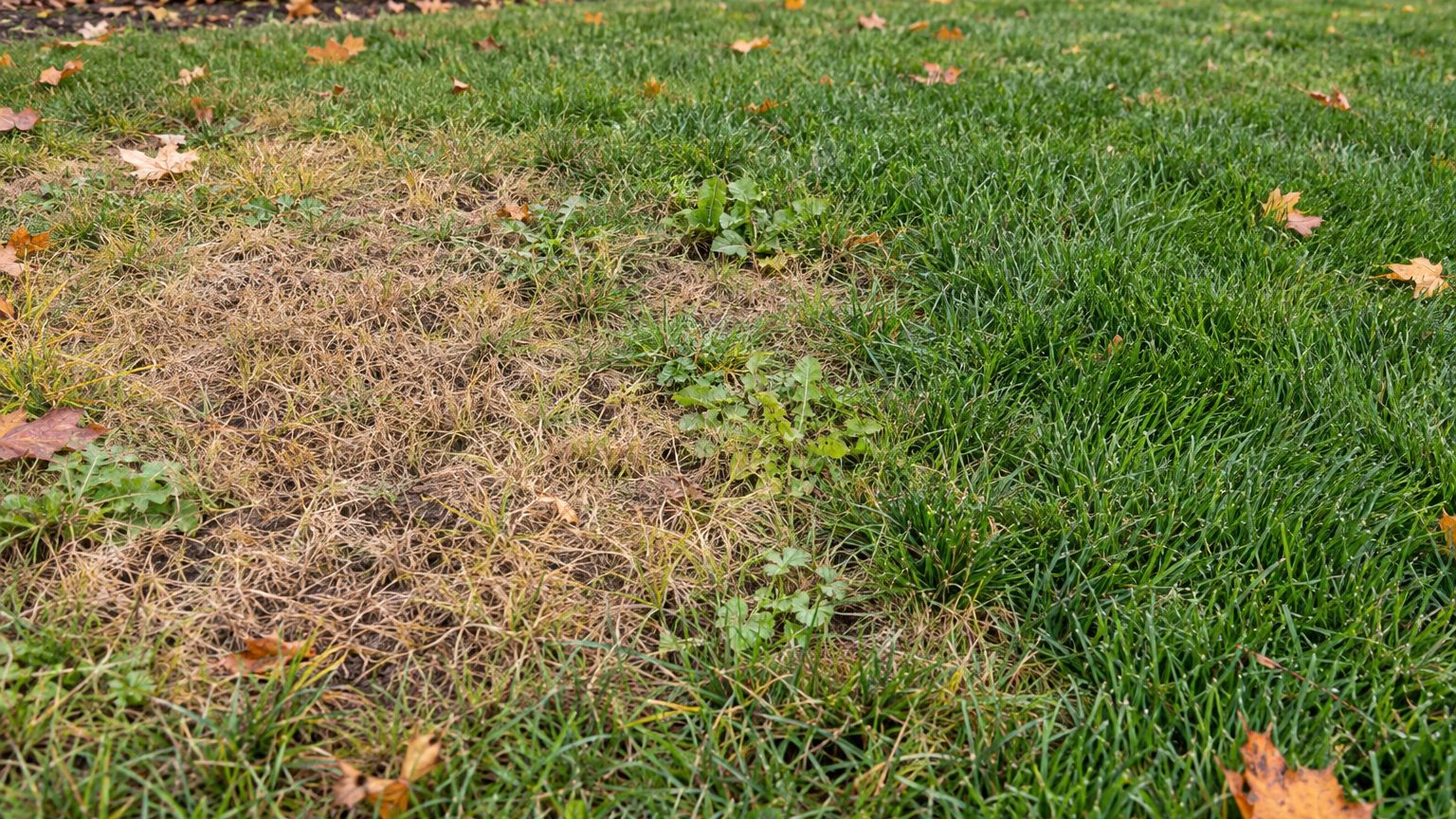
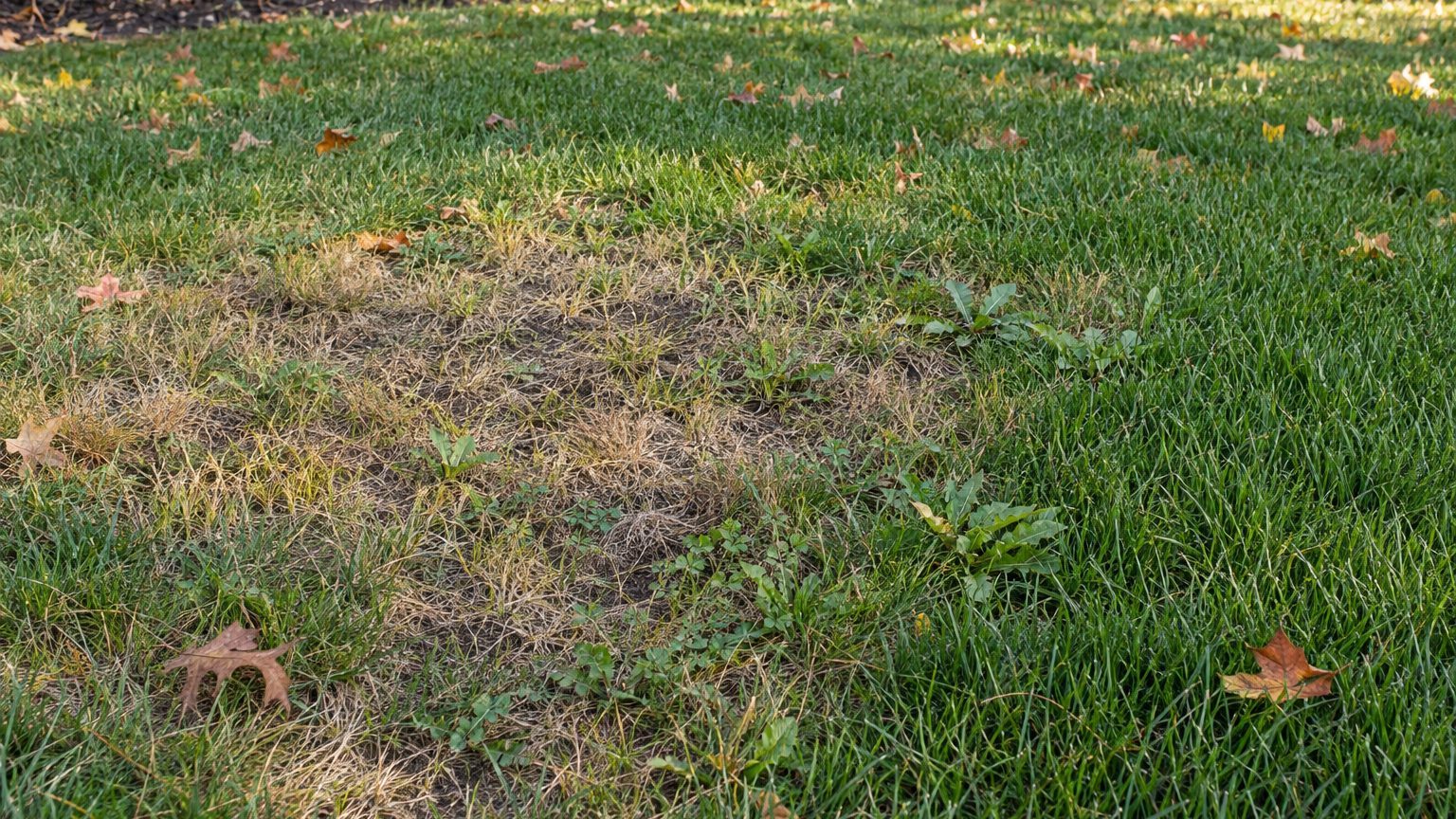
Crabgrass in Thin Turf

Crabgrass in Thin Turf — Lawn Problems and Solutions in New Jersey

Crabgrass looks like pale green, sprawling clumps with flat stems that fan out along the ground, usually along driveways and in thin spots. It sprouts as the soil warms. Preventer goes down in April, and March or May also work.

Thatch Buildup

Pull back a plug of turf and look at the spongy brown layer between the green blades and the soil. A thatch layer up to 1/2 inch thick is healthy. Beyond that point, water and fertilizer can have trouble reaching the soil, so dethatch or core aerate in August or September (April and May also work).

Brown Patches in Humid Weather

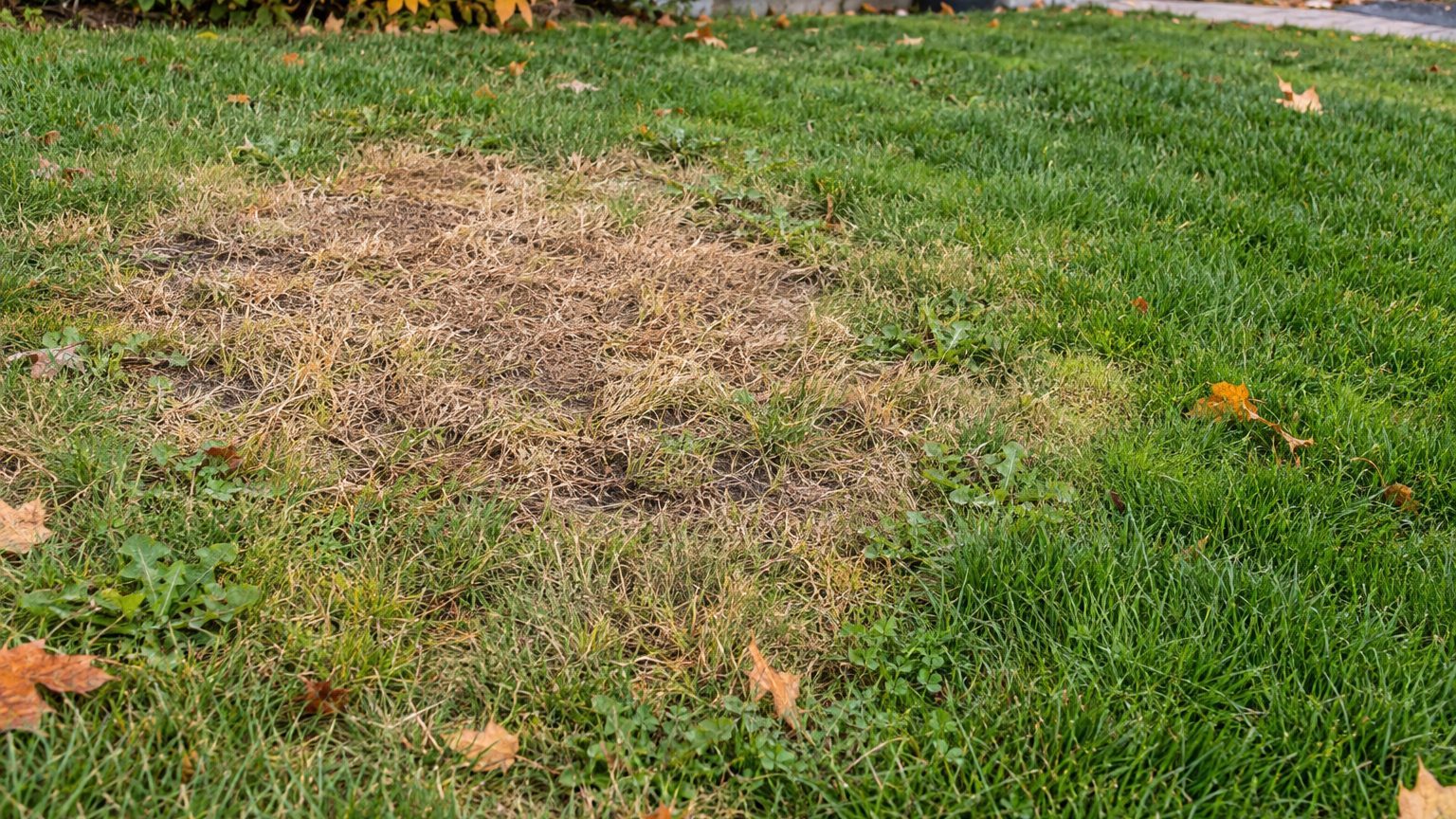
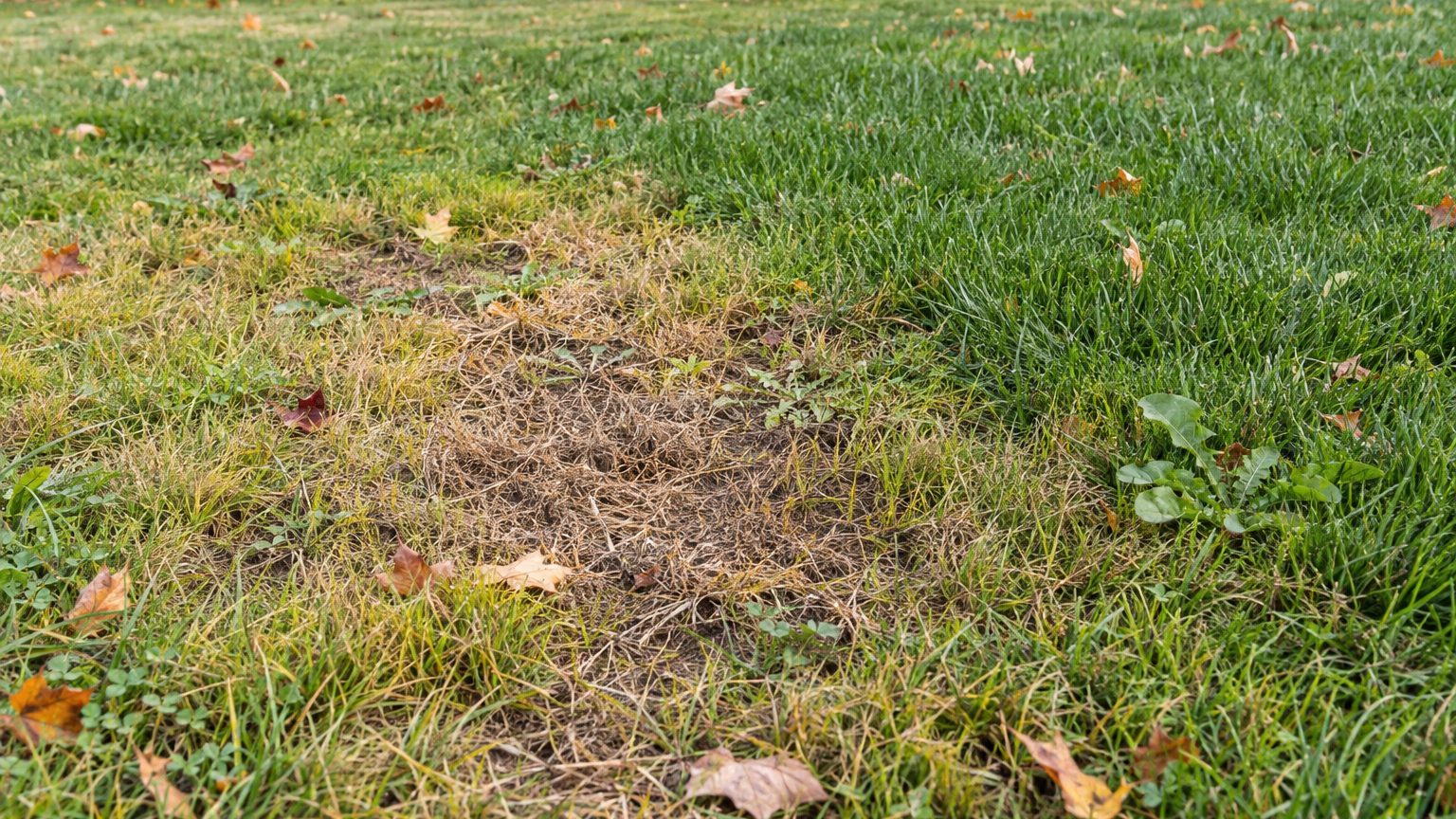
Some fungal diseases show up as roundish tan or brown patches, often with a darker ring at the edge, when summer nights stay warm and the grass stays wet. New Jersey’s humid summers can encourage them. Water in the early morning, keep the blades from sitting wet overnight, and avoid heavy nitrogen in the heat.

White Grubs Feeding on Roots

Grubs are plump, C-shaped white larvae living just under the turf, and they chew roots so the grass lifts like loose carpet. Damage appears as spongy, wilting patches that do not green up with watering. Skunks and birds digging at the lawn are another clue. Peel back a damaged patch to confirm before treating anything.

Moss and Weeds in Shade

Under maples and oaks, grass thins out and moss or broadleaf weeds step in. Common contributors are low light and compacted or damp soil. Core aerate in August or September, and seed shady areas then, since young grass has a chance to root before winter. Fertilizing in September also helps thin turf recover.

How to Tell Which Lawn Problem You Have

Symptoms can mislead in isolation, so pair what you see with where and when it appears. A tan patch could be disease, drought or grubs, and the tug test and the season can help narrow it down.

What you see Where and when Likely problem
Wide, pale clumps with flat stems Edges and thin spots, as the soil warms Crabgrass
Round tan patches with a darker rim Humid summer weather, wet blades Fungal disease
Turf lifts like a rug, roots missing Patches that stay brown despite watering Grubs
Spongy feel, water beads and runs off Anywhere, with a thick, spongy brown layer Thatch
Thin grass, green carpet of moss Under trees, damp and shaded Shade stress

Grass that pulls up easily with no roots points to grubs, while grass that stays firmly rooted in a brown patch points to disease or dry soil. Sun and shade matter too: if the problem follows the shadow line, low light is a likely cause to address.

Where Lawn Problems Are Worst in New Jersey

The state is small, but its lawns face different pressures from the highlands to the shore.

  • Northwest highlands and Sussex County: Cooler nights and a later spring put frost risk longer into the season, so seed and preventer timing run behind the coast, and shaded, wooded lots stay damp.
  • Central New Jersey and the Piedmont suburbs: Compacted clay soil under busy lawns can hold water, which favors summer fungal patches.
  • Jersey Shore and the Pine Barrens: Sandy soil drains fast, so drought stress and thin turf show up sooner, and nutrients wash through.

Check your own county, since backyards inland usually see frost later in spring and earlier in fall than the Newark figures.

Lawn Care Mistakes That Invite Problems in New Jersey

Mowing Too Short

Cutting low scalps the crown, thins the turf and hands crabgrass an open seedbed. Mowing runs from April through November, so there is plenty of time to get it right. Raise the deck and cut only a portion of the blade at a time.

Watering Lightly and Often

Frequent shallow watering keeps roots near the surface and the blades damp, which feeds fungal disease. June through August is when most watering is needed. Water deeply and early in the morning so the grass dries quickly.

Feeding at the Wrong Time

Heavy nitrogen in midsummer pushes soft growth that disease loves. Fertilizing works best in May and September, with April or November as fallback months. Skipping the summer feeding lets the lawn rest in heat.

Where to Get Lawn Advice in New Jersey

Local help can confirm a diagnosis before you spend money on a fix. Rutgers Cooperative Extension and your county extension office are the places to start.

  • The state extension site offers lawn guides written for New Jersey conditions, useful in spring before you plan preventer.
  • Your county office can look at a photo or sample of a damaged patch, which helps most when brown spots appear in summer.
  • Bring a plug of turf with roots and soil, and ask what to do next.

Common Questions

Can You Fix a Thin Lawn in New Jersey Without Starting Over?

Often yes. Core aerate and overseed in August or September, when seed has time to root before cold. April and May also work if you missed the fall window.

When Should You Lay Sod in New Jersey?

August and September suit sod best, and April, May and October also work. Water new sod regularly until the roots knit into the soil.

Do You Need to Dethatch Every Lawn?

No. Check a plug before dethatching, and proceed only when the layer is excessive. Many lawns never reach that point.
New Jersey Lawn Care Schedule, Month by Month

New Jersey Lawn Care Schedule, Month by Month

A New Jersey lawn does most of its growing in the cool weather of spring and early fall, then sulks through July heat and goes quiet by winter. Most of the work therefore lands in a few well-chosen months.

What to Do Each Month in a New Jersey Lawn

Lawn in New Jersey

Cool-season grass sets the rhythm here. Spring is for light feeding and weed prevention, late summer is for repair, and the months between are for mowing and water.

Month In the lawn
January Rest. The grass is dormant, so stay off frozen turf and let it sleep.
February Rest. Still dormant. A good time to sharpen the mower blade before the season opens.
March No mowing yet, since the grass has barely stirred. Crabgrass preventer also works this month if spring arrives early, though April suits it better.
April Put down crabgrass preventer now, before the weed seed sprouts. Mowing begins as the grass picks up. If their preferred windows will not work for you, seeding, sod, aeration, dethatching and feeding can be done this month.
May Feed the lawn now while growth is strong. Preventer still works if April slipped by. Mow regularly as growth speeds up.
June Start watering as the weather turns dry and warm. Keep mowing, and watch for the lawn slowing in the heat.
July Water deeply and keep mowing. Cool-season grass may fade to a tired color, which is normal stress and not a reason to fertilize.
August Repair season opens. Core aerate, seed, lay sod, and dethatch only if the thatch layer is thicker than about an inch. Keep watering new work.
September Feed the lawn again, and finish any aerating, seeding or sod. Warm soil and cooler air let new roots take hold before winter.
October Keep mowing and clear fallen leaves so they do not smother the turf. If you missed September, sod still works now.
November Mow until growth stops. A final feeding early in the month still helps, but New Jersey law bars lawn fertilizer after November 15 and before March 1.
December Rest. The grass is dormant. Clean and store the mower and tools.

Dates slide a little with the weather, so treat each month as a window rather than a deadline. A cool spring pushes the work later, and a hot, dry August can delay seeding until September.

When Does the Lawn Season Start and End in New Jersey?

Grass wakes up when the soil warms, not when the last frost passes. Cool-season seed germinates when soil sits at 50 to 65 °F, which is why late summer is preferred and early spring can still work in New Jersey. Warm-season grasses need 65 to 70 °F, and they are a poor fit for most New Jersey lawns.

Frost dates matter mainly for young seedlings. Around Newark, the last spring frost falls between March 29 and April 6, and gardens in the suburbs and countryside usually see it later, often by one to two weeks. Tender new grass can be hurt if it sprouts just before a late freeze.

In fall, the first frost around Newark arrives between November 4 and November 16. Outside the city it comes earlier, and more so at elevation. That is why seeding belongs in late summer, so roots are established well before cold arrives. Check your own county’s dates, because your yard may run noticeably behind or ahead of the city.

How the Lawn Calendar Shifts Across New Jersey

New Jersey is small but not uniform, and the difference between the northwest hills and the southern shore is enough to move your timing.

  • Sussex and Warren counties (the Skylands): Higher ground stays cooler, so spring growth starts later and fall cold arrives sooner. Aim for the early part of each window in late summer, and expect the last mowing to come earlier.
  • The Jersey Shore: The ocean softens the cold, so the season runs a little longer in fall. Sandy soil drains fast and dries quickly, which means summer watering matters more than it does inland.
  • South Jersey and the Pine Barrens: Warmer ground wakes up sooner in spring and holds heat longer into fall. In sandy, acidic parts of the region, soil dries quickly, so new seed needs closer attention.

Central New Jersey, around Princeton and New Brunswick, sits near the middle of the calendar as written.

Lawn Care Timing Mistakes to Avoid in New Jersey

Applying Preventer Too Late

Crabgrass preventer works by stopping seeds as they sprout. Once the weed is up, the product does little. April is the right moment, and March or May work as fallbacks. Apply early enough and the barrier is in place before warm soil triggers germination.

Seeding After September

Seed sown in October may sprout, but the seedlings have little time to root before cold arrives, and winter often thins them out. The reliable windows are August and September, with April and May as a backup. If September slips by, lay sod instead, since it still works in October.

Dethatching Healthy Turf

Raking a lawn hard when the thatch is thin only tears up good grass. Check by cutting a small plug, and if the spongy layer is thin, skip it and aerate instead.

Where to Get Lawn Advice in New Jersey

Local help can sharpen the timing for your own yard, since soil, shade and elevation vary from county to county. Useful local help is easy to find.

  • Rutgers Cooperative Extension publishes turf guidance written for New Jersey conditions, and it is worth a look before the spring and late-summer work begins.
  • Your county extension office can answer questions about local soil and grass types, and it is a good place to call when a patch looks wrong.
  • Ask the county office about soil testing in early spring, so you know what the lawn needs before you buy fertilizer.

Common Questions

Should You Keep Mowing in November?

Yes, as long as the grass keeps growing. Mowing runs from April through November in New Jersey, and the last cut comes when growth slows.

Can You Aerate and Seed on the Same Day?

Yes. Aerating and seeding share the same windows, and seed dropped onto freshly aerated turf settles into the holes and meets bare soil. Water the area regularly afterward.

Is a Yellow Lawn in July a Sign It Needs Fertilizer?

Usually not. Pale, dry grass in midsummer, especially on sunny slopes or sandy ground, points to heat and thirst. Water deeply first, and save feeding for May and September.

Best Grass Seed for New Hampshire

Best Grass Seed for New Hampshire

Cool, damp spring mornings and cold winters shape New Hampshire lawns. Cool-season grasses suit the state, and a mix of Kentucky bluegrass, fine fescues, and perennial ryegrass is a practical starting point for many yards. Tall fescue fits the sunny, tougher spots. Seeding in late summer gives any of them the best start.

Which Grass Grows Best in New Hampshire?

Cool-season grasses, with no real argument. Winters here fall in USDA zones 3b to 6a, which means the grass has to sit through serious cold and still green up when spring arrives. Warm-season lawn grasses are not a realistic option, and regional recommendations focus on cool-season types.

Kentucky Bluegrass

Bluegrass is the classic New England lawn. It handles the cold well, and it spreads by underground stems, so thin spots slowly fill in on their own.

It wants full sun and some patience, since seed is slow to sprout. Give it a sunny yard and it rewards you with a dense, even carpet.

Fine Fescues

Creeping red, chewings and hard fescue are the ones to look at if your yard has shade from maples and pines. They tolerate low light, poor soil and light feeding better than bluegrass does.

They make a softer, finer lawn that needs less fertilizer and less water. Fine fescues are a practical choice for shady yards in the state.

Perennial Ryegrass

Perennial Ryegrass — Best Grass Seed for New Hampshire

Ryegrass sprouts fast, which is why it shows up in so many mixes. It gives you green quickly while slower grasses catch up.

Cold is its weak point. A harsh winter can thin it out, so treat it as a partner in a blend rather than the whole lawn.

Tall Fescue

Tall fescue has deep roots and copes with dry spells and foot traffic. It earns a place in sunny, busy yards where bluegrass might struggle in a dry summer.

It grows in clumps rather than spreading, so it fills gaps less well. Follow the rate on the bag and plan to overseed as gaps appear. In the coldest corners of the state, tall fescue can suffer winter damage.

How to Choose Grass Seed for a New Hampshire Yard

Start with the light your yard gets, then think about how it is used and how much work you want to do. Mixed-species seed can suit yards where growing conditions vary.

Water matters too. Summer watering is most useful in June, July and August, so a lawn that never gets irrigation should lean toward deep-rooted types.

Your yard Grass to favor Why
Full sun, tidy look Kentucky bluegrass Dense, self-repairing turf
Shade under trees Fine fescues Tolerate low light and poor soil
Heavy foot traffic Tall fescue with bluegrass Tough, deep roots
No irrigation Tall fescue or fine fescues Handle dry stretches
Infrequent mowing, light feeding Fine fescues Slow, fine growth
Quick green-up Perennial ryegrass in a blend Sprouts fast

If you like mowing often and want a manicured lawn, bluegrass-dominant blends fit that habit. If you would rather mow less, fine fescues grow more slowly and forgive neglect.

Which Grasses Grow Where in New Hampshire

The state stretches from the seacoast to the North Country, and the grass mix shifts a little along the way.

  • Seacoast and Portsmouth: Winters are milder here, so bluegrass and ryegrass blends hold up well. Sandy soil dries out faster, which favors fescues in thin spots.
  • Merrimack Valley and Manchester: Sunny lawns do well with bluegrass and tall fescue blends, and the spring thaw comes earlier than in the hills.
  • Lakes Region and White Mountains: Cold snaps come harder and frost lingers, so winter-hardy bluegrass and fine fescues are the safer bets. Ryegrass is the one to keep to a small share.
  • North Country: Short seasons and deep cold make fine fescues and bluegrass the dependable choices, and seeding early in the window matters more.

Frost dates run later in spring and earlier in fall as you climb or move inland, so check what your own county sees before you plan.

Grass Seed Mistakes to Avoid in New Hampshire

Choosing Sun Grass for a Shady Yard

Bluegrass or ryegrass under tall maples can thin out as shade limits growth. The shade wins every time.

Pick a fine fescue blend for those spots, and save the sun mixes for the open lawn.

Seeding at the Wrong Time

August and September are the months to seed, when the soil is still warm and cool nights help roots settle before winter. If you miss that window, May also works. Seed in the heat of July or very late in fall and young grass struggles.

Fall seeding also means fewer weeds competing with the new seedlings.

Burying the Seed or Spreading It Too Thin

Good seed-to-soil contact matters for germination. Cover it with no more than 0.25 inch of soil, and press it down so it touches the ground firmly.

Follow the rate on the bag rather than guessing. Too little leaves gaps for weeds, and too much crowds seedlings so they fail.

Where to Get Lawn Advice in New Hampshire

Local help can confirm which grass suits your soil and your town. Both of these are worth a call or a visit before you buy seed.

  • University of New Hampshire Extension offers lawn guidance and soil testing information, and it is worth checking before late summer seeding.
  • Your county extension office can speak to local conditions, so reach out in spring while you are planning the work.

Common Questions

Can You Plant Grass Seed in New Hampshire in May?

Yes, May works as a fallback if you missed the late summer window. Keep the seedbed watered as the weather warms, and expect more weed pressure than in fall.

Do You Need to Fertilize New Grass Seed in New Hampshire?

Fertilizing fits best in May and September, with October and November as later options. Seeding in September pairs naturally with a fall feeding.

Should You Aerate Before Seeding a New Hampshire Lawn?

Core aeration works best in September, and May also suits it. Aerating just before overseeding opens the soil so seed reaches the ground.

Lawn Problems and Solutions in New Hampshire

Lawn Problems and Solutions in New Hampshire

Brown patches in July, thin grass under the maples, moss creeping along the shady edge: New Hampshire lawns show their troubles in predictable ways. Most trace back to short growing seasons, hard winters, shade and soil that stays wet in spring. Knowing what each problem looks like and when it appears makes the fix much simpler.

Lawn Pests and Diseases in New Hampshire

Snow Mold in Early Spring

Snow Mold in Early Spring — Lawn Problems and Solutions in New Hampshire

When the snow melts, you may find matted, grayish or pinkish circles where grass lay under a long, wet blanket. Cold winters and deep drifts make this common here. Rake the patches lightly so air reaches the crowns, and the blades usually grow out of it without reseeding.

Crabgrass in Warming Soil

Crabgrass sprawls in low, light green clumps that turn purple and die with the first hard frost, leaving bare spots behind. It sprouts as soil warms, so preventer belongs on the lawn in April, with May as a fallback. Thick turf is the lasting defense because seedlings need light to start.

Moss and Thin Grass in Shade

A green carpet of moss under pines, or grass that thins beside the house, signals too little sun, compacted soil or both. Moss is the result, not the cause. Prune back lower branches for light, aerate in September (May also works), and overseed with a shade mix.

Grubs and Chewed Roots

Grubs are pale, C-shaped larvae that feed on roots. You will see irregular patches of grass that lift like loose carpet, and often skunks or birds digging for them. Water the lawn regularly through dry spells so roots stay vigorous, and reseed damaged areas in August or September.

Drought Stress and Summer Dormancy

Straw-colored turf in midsummer is often dormant, not dead. Crowns stay alive and green returns with cooler weather and rain. If a dry spell drags on, water deeply during June, July and August rather than sprinkling lightly each day.

Thatch Buildup

Press a finger into the lawn: a spongy layer between green blades and soil is thatch. Up to 1/2 inch is healthy. Beyond that, dethatch or core aerate, ideally in September, with May as a backup.

How to Tell Which Lawn Problem You Have

A clue can mislead, so pair what you see with where and when it appears. Pull on the grass, check the light, and note the season. Taken together, these checks help narrow New Hampshire lawn troubles to the likely causes.

What you see Where or when Likely problem
Matted gray or pink rings Right after snowmelt Snow mold
Coarse, sprawling light green clumps Summer, sunny and bare spots Crabgrass
Green mat over thin turf Shade, damp or compacted soil Moss
Turf peels back like carpet Late summer, with animal digging Grubs
Uniform tan grass, roots intact Hot, dry stretches in summer Drought dormancy
Spongy feel underfoot Anywhere, worse on older lawns Thatch

If the turf tugs up with no resistance and roots are missing, suspect grubs. If it stays rooted and tan, think drought. Patches that follow the line of a shadow point to light, not disease.

Where Lawn Problems Are Worst in New Hampshire

The state stretches from a short coastline to mountain country, and trouble shifts with it.

  • North Country and the White Mountains: Snow can linger and the growing season is short, so snow mold and slow spring recovery deserve attention. Frost can arrive earlier in mountain and northern areas, so seed on the early side of August and September and check your county’s timing.
  • Lakes Region: Shaded lots among pines and hardwoods bring moss and thin turf, and soil near the water often stays damp, which favors compaction and moss.
  • Seacoast and Merrimack Valley: Milder conditions give a longer season for crabgrass and grubs, while sandy soils dry out quickly and show drought stress sooner.

Check your own town’s conditions before borrowing a neighbor’s schedule.

Lawn Care Mistakes That Invite Problems in New Hampshire

Mowing Too Short

Scalped grass has little leaf to feed roots, and bare soil gives crabgrass light to sprout. Mowing runs from April through November here, so raise the blade and cut often enough that you never remove much at once.

Watering Lightly and Often

Shallow sprinkling keeps roots near the surface and the thatch damp, which suits disease. Water deeply in June, July and August, and let the soil dry between sessions. Adjust watering to rainfall and the lawn’s condition rather than assuming a fixed need outside summer.

Fertilizing at the Wrong Time

Heavy feeding in summer pushes soft growth that stresses in heat. Fertilize in May and September, with October and November as a fallback, so grass builds roots and stores energy before winter.

Where to Get Lawn Advice in New Hampshire

University of New Hampshire Cooperative Extension offers research-based guidance written for local soils and winters. Your county office can look at a sample or a photo and match it to what is happening in your town.

  • Start with the extension website for lawn care guidance when a patch first appears, since early identification limits damage.
  • Contact your county office in late summer if grubs are suspected, so you can reseed in August or September.
  • Ask about soil testing before you fertilize in May or September.

Common Questions

Is a Brown Lawn in July Dead?

Not necessarily. Tug a handful of blades: if the crown is firm and the roots hold, the grass is dormant and will green up when the weather cools and rain returns.

Can You Fix Moss by Raking It Out?

Raking removes what is there, but moss returns if shade, compaction or poor drainage stay the same. Open up light, aerate, and overseed with a shade-tolerant mix.

When Do You Put Down Crabgrass Preventer in New Hampshire?

April is the target, before soil warms enough for seeds to sprout. If April slips by, May still works, though results fade as the season advances.

New Hampshire Lawn Care Schedule, Month by Month

New Hampshire Lawn Care Schedule, Month by Month

Mowing in April, seeding in late summer, and fertilizing during the main growth periods: that is the rhythm of a New Hampshire lawn. Cool-season grasses like Kentucky bluegrass, fescue and ryegrass grow hardest in spring and early fall, then sit tight through long winters.

What to Do Each Month in a New Hampshire Lawn

Cool-season grass does its heavy lifting in spring and again from late summer into fall. Plan your work around the spring and fall growth surges, and leave the hot and frozen months alone.

Month In the lawn
January Rest. The grass is dormant under snow, so keep foot traffic and plow piles off the turf where you can.
February Rest. Dormancy continues, and the only job is watching for matted, snow-molded patches as the snow thins.
March Rest, mostly. Soil is thawing and soggy, so stay off it to avoid compacting wet ground and tearing the crowns.
April Put down crabgrass preventer before the weed seed germinates, and make the first mow once the grass is really growing. If you miss it, May still works for the preventer.
May Fertilize now that growth is strong, and keep mowing regularly. Core aeration, dethatching and seeding also work this month if fall slipped by.
June Mow regularly and start watering when rain falls short.
July Water deeply in dry spells and keep mowing. Growth slows in the heat, so do not push the grass with extra feeding.
August Start seeding bare or thin areas as the soil stays warm and nights cool. Keep watering new seed evenly, and mow the established lawn as needed.
September The big month: core aerate, dethatch, seed and fertilize. Warm soil and cool air give new grass the best chance to root.
October Keep mowing, and if you missed September, a fertilizer application still works now. Rake or mulch fallen leaves so they do not smother the grass.
November Make the last mow when growth stops, and fertilizer still works early in the month. Clear leaves before the first snow.
December Rest. The grass is dormant, so store the mower and keep salt and shoveled snow off the turf edges.

New Hampshire law caps the nitrogen in lawn fertilizer sold in stores, and phosphorus fertilizer is sold only for new lawns, repairs, seeding or a soil-test shortage. Check the bag before you buy.

When Does the Lawn Season Start and End in New Hampshire?

Grass wakes up when the soil warms, not when the calendar says spring. Grass seed germinates once soil reaches 50 to 65 °F; established turf begins growing as spring conditions improve. In New Hampshire that usually means April brings the first real growth, and the mower comes out soon after.

Frost dates tell you something different: the risk to young seedlings. In Manchester, the last spring freeze typically falls between April 16 and April 27, and the first fall freeze between October 13 and October 26. Suburban and rural yards often freeze later in spring and earlier in fall, so check the dates for your own county.

The season winds down as soil cools, not simply after a frosty night. Grass keeps growing slowly well into autumn, which is why mowing and a late fertilizer feeding stretch into November. Then dormancy takes over until the following spring.

How the Lawn Calendar Shifts Across New Hampshire

New Hampshire spans hardiness zones 3b to 6a on the USDA system, but local soil and frost conditions—not the zone alone—should guide your schedule.

  • Seacoast: Ocean air moderates conditions along the Seacoast, so use local soil conditions for spring work and county frost guidance for fall seeding.
  • Merrimack Valley and southern New Hampshire: In Manchester, Nashua, and Concord, use local soil conditions to choose the right point within each calendar window.
  • Lakes Region and Monadnock area: Higher ground and cold air pooling around hills and water push spring work later and bring fall frost sooner, so lean toward the later part of spring tasks and the earlier part of fall seeding.
  • White Mountains and the North Country: Soil warms late and freezes early, so seed in August rather than waiting, and expect a shorter mowing season.

At higher elevations, treat the early part of each fall window as your target.

Lawn Care Timing Mistakes to Avoid in New Hampshire

Seeding Too Late in Fall

Seeding Too Late in Fall — New Hampshire Lawn Care Schedule, Month by Month

Grass seed sown after the soil cools sprouts slowly and may enter winter with thin roots. Frost heave and snow mold then take their toll, leaving bare spots in spring.

Seed in August or September while the soil is still warm. If September gets away from you, May is a fallback, but fall seeding gives better results.

Putting Down Preventer Too Early or Late

Crabgrass preventer works only as a barrier before the weed seed germinates. Apply it too late and the seedlings are already through, so the product does nothing.

April is the target here, and May still catches many lawns. Skip it entirely on areas you plan to seed, because preventer blocks grass seed too.

Fertilizing in Summer Heat

Feeding cool-season grass in July pushes soft growth the plant cannot support in heat and drought. You pay for fertilizer and then for extra watering.

Hold off until September, with May as the other main feeding. October and November still work if you are running behind.

Where to Get Lawn Advice in New Hampshire

Soil, shade and elevation vary a lot from one New Hampshire town to the next, so local advice sharpens the general schedule above.

  • UNH Extension publishes lawn fact sheets and fertilizer law guidance, and it is a good first stop before buying seed or fertilizer in spring or late summer.
  • Your county extension office can answer site-specific questions about soil tests, problem patches and local timing, so call before a big fall renovation.

Start with a soil test in early spring, so the results guide your first feeding.

Common Questions

When Should You Aerate a Lawn in New Hampshire?

September is the time for core aeration, when cool-season grass recovers fast and weeds are less aggressive. If fall slips past you, May also works. Aerate when the soil is moist but not soggy.

Is It Too Late to Seed in October in New Hampshire?

For most yards, yes, particularly at higher elevations where frost arrives early. August and September are the main seeding months, with May as a fallback. Seed that does not root before freeze-up is likely to heave or wash out over winter.

Do You Need to Water a New Hampshire Lawn All Summer?

Watering matters most in June, July and August, when dry spells stress shallow roots. Water deeply and less often rather than a little each day. A lawn that browns in a long dry stretch usually revives when cooler, wetter weather returns.

Best Grass Seed for Newfoundland and Labrador

Best Grass Seed for Newfoundland and Labrador

Fine fescue and Kentucky bluegrass both settle in well where summers stay mild and fog rolls in off the water. Seed choice here comes down to cool-season grasses, a shady or windy yard, and a seeding window in late summer.

Which Grass Grows Best in Newfoundland and Labrador?

Cool-season grasses suit the province, because they grow in mild, damp weather and rest through long winters. Heat-loving grasses have no place here. St. John’s sits in Canadian hardiness zone 6a (a Canadian rating, not a USDA zone), and inland and northern districts are colder. The cool-season grasses below offer different strengths and tradeoffs.

Fine Fescues

Creeping red, chewings and hard fescue are the workhorses for a cool, foggy coast. They tolerate shade, thin soil and low fertility better than bluegrass, and they stay fine-leaved with little mowing.

Choose them for yards under spruce or birch, and for exposed spots where you would rather not feed the lawn often.

Kentucky Bluegrass

Bluegrass handles cold winters well and spreads by underground runners, so it fills small bare patches on its own. It wants full sun and regular feeding to look its best.

It is slow to sprout, so give it patience and keep the seedbed damp. It pairs well with fine fescue in a mix.

Perennial Ryegrass

Ryegrass sprouts fast, which is handy for patching a worn path or holding soil on a new slope. It is less hardy than bluegrass or fine fescue, and a hard, open winter can thin it.

Use it as a minor part of a mix rather than the whole lawn.

Tall Fescue

Tall fescue makes a tough, deep-rooted lawn that stands up to foot traffic, with a coarser leaf than the others. Its cold tolerance in the north of the province is the open question.

It suits the milder, sheltered gardens of the Avalon better than exposed or upland ground. Seed it in a clump-resistant blend and expect a rougher look.

How to Choose Grass Seed for a Newfoundland and Labrador Yard

Start with the light your yard gets, then think about how it is used. A play area and a shady side yard call for different grasses, and so does a lawn you water regularly versus one left to the rain.

Even in a damp climate, a dry stretch in June, July or August is when a hose pays off.

Your yard Grass Why
Shade under trees Fine fescues They keep growing in low light
Full sun, tidy look Kentucky bluegrass Dense turf that repairs itself
Heavy foot traffic Tall fescue Sturdy blades and deep roots
Quick cover on bare soil Perennial ryegrass Sprouts faster than the rest
Little mowing or watering Fine fescues Slow growth and modest needs

A yard may have sun in one corner and shade in another, so a blend of fine fescue and bluegrass can cover both. Read the tag and pick a blend named for the light you have rather than one that promises everything.

Which Grasses Grow Where in Newfoundland and Labrador

The island and the mainland feel very different, and the gap changes which grass you lean on and when you sow.

  • Avalon Peninsula: St. John’s and nearby towns have cool summers and a lot of fog, which suits fine fescue and bluegrass. Spring comes slowly, so wait for the soil to warm before spring seeding.
  • Central Newfoundland: Gander and the interior run colder in winter and warmer in summer. Choose bluegrass and fine fescue blends and expect later spring growth than on the coast.
  • West coast around Corner Brook: Winters bring deep snow and summers are milder, so lawns are slow to green but well insulated. Snow mold can show in spring, so check which grass has recovered before reseeding.
  • Labrador: Happy Valley-Goose Bay and Labrador City have a much shorter growing season. Fine fescue is the dependable pick, and seeding should start in the warmest part of summer.

Anywhere in the province, a hill facing the wind dries and cools faster than a sheltered hollow, so match the grass to your own corner.

Grass Seed Mistakes to Avoid in Newfoundland and Labrador

Seeding at the Wrong Time

August and September are the months to sow, when soil is warm and the seed has time to root before winter. Seeding also works in May, though weeds compete harder and frost can still come after May 30 in about half of years at St. John’s.

If you miss the window, November seed laid on cold soil sprouts in spring.

Burying the Seed Too Deep

Grass seed needs firm contact with the soil to establish. Cover it with no more than 6 mm (0.25 inch) of soil, or rake it in lightly, then press it down so it touches the ground. Seed buried too deeply may fail to emerge.

Buying a Mix That Does Not Fit

Bags labeled for hot, dry regions often hold grasses that struggle here. Look for the cool-season species above on the label, and skip mixes heavy in ryegrass if your yard is exposed.

Seed rates on the bag are a sound guide. Sowing thicker does not hurry the lawn, it just crowds the seedlings.

Where to Get Lawn Advice in Newfoundland and Labrador

Canada has no county extension offices. Instead, you can turn to the provincial agriculture department, local master gardener groups and garden centres. Each can speak to local soil and weather.

  • The provincial agriculture department offers general guidance on growing and soil, useful before you buy seed.
  • A master gardener group near you can answer questions about your own soil and which blends have worked on your street, so ask in spring.
  • A local garden centre can show you the blends in stock, so bring a photo of your yard when you go in August.

Common Questions

Is October Too Late to Seed in Newfoundland and Labrador?

Seed sown after September has little time to root before winter. Wait until the soil is cold in November and seed then, so it stays dormant and sprouts in spring.

Should You Fertilize When Seeding a Lawn Here?

September is the best month to feed a lawn, and May and October also work. Use fertilizer at seeding only if a soil test calls for it; too much can burn young seedlings.

What Should You Do Before Seeding an Old Lawn?

Dethatch in August or September to clear the dead layer that blocks seed from the soil. Core aeration works in September, or in May for a spring job. Both open the ground so seed touches soil.

Lawn Problems and Solutions in Newfoundland and Labrador

Lawn Problems and Solutions in Newfoundland and Labrador

Pale, matted circles after the snow melts, a spongy green carpet in the shady corner, bare patches by August: these show up on Newfoundland and Labrador lawns year after year. Cool, damp stretches can favor snow mold and moss, while thatch builds when dead stems and roots accumulate faster than they break down. Most fixes come down to mowing, watering and feeding at the right moments.

Lawn Pests and Diseases in Newfoundland and Labrador

Snow Mold After Melt

Snow Mold After Melt — Lawn Problems and Solutions in Newfoundland and Labrador

Snow mold shows up as gray or pinkish, matted rings where snow sat on unfrozen ground for a long stretch. Long snow cover makes it common here. Once the lawn dries, rake the flattened blades gently to let air in. Most lawns recover on their own as new growth fills in.

Moss in Damp Shade

Moss forms a soft, dense green mat where grass has thinned in shade, on compacted soil or in spots that stay wet. It is a symptom, not the cause. Moss does not kill grass, it moves into places where grass was already struggling. Open the canopy for light, improve drainage and reseed the bare ground.

Crabgrass in Summer

Crabgrass is a coarse, pale green annual that spreads flat from a center in sunny, thin turf. A preventer applied in May stops the seeds from sprouting. Timing matters because the preventer must be in place before crabgrass seeds begin to sprout.

A thick lawn also helps with long-term control, since crabgrass needs bare soil and light to get started.

Grubs in Late Summer

White grubs are fat, C-shaped larvae that chew grass roots. Turf with damaged roots lifts like a loose carpet, and birds or other animals may tear at the lawn looking for them. Confirm by pulling back a patch of sod and checking the soil. Healthy, well-rooted turf can sometimes tolerate limited grub feeding without visible damage.

Thatch Buildup

Thatch is the tangle of dead stems and roots between the green blades and the soil. It feels springy underfoot. A layer up to 1.3 cm (1/2 inch) is healthy, but beyond that, water and air struggle to reach the roots. Dethatching works best in August and September, when the grass can recover quickly.

How to Tell Which Lawn Problem You Have

Appearance alone rarely settles it. Pair what the patch looks like with where it sits and when it appeared. A tug test helps too: grab a handful of the damaged grass and see whether it stays rooted or comes up easily.

Sun, shade and drainage matter as much as appearance, so walk the yard after rain and note which spots stay wet.

What you see Where and when Likely problem
Gray or pink matted rings Right after snowmelt Snow mold
Soft green mat, grass thinning Shade or soggy ground, any season Moss
Coarse pale clumps in bare spots Sunny areas, summer Crabgrass
Turf peels back, roots missing Late summer, animals digging Grubs
Spongy, bouncy feel underfoot Older, heavily fed lawns Thatch

If grass is brown but still firmly rooted, suspect dry weather or a lawn mowed too short before you suspect disease. When symptoms overlap, start with the cause that best fits the patch’s appearance and location.

Where Lawn Problems Are Worst in Newfoundland and Labrador

The province covers a big island and a mainland region, and the problems shift with fog, snow depth and the length of the growing season.

  • Avalon Peninsula: Fog and slow-drying air around St. John’s keep lawns damp, so shaded yards may be prone to moss and snow mold.
  • Western Newfoundland: Around Corner Brook and the Humber Valley, heavy snow can linger on the ground, which raises the odds of snow mold and a slow spring start.
  • Central Newfoundland: Inland towns such as Gander and Grand Falls-Windsor run colder in winter and earlier into frost, so the season for seeding and feeding is tighter.
  • Labrador: Around Happy Valley-Goose Bay, the growing season is short and spring arrives weeks behind St. John’s, so lawn tasks slip later in the calendar.

When spring is slow, delay spring work until the grass and soil are ready, but keep late-summer seeding on schedule.

Lawn Care Mistakes That Invite Problems in Newfoundland and Labrador

Cutting the Grass Too Short

Mowing runs from May through October, with April and November possible when the grass is growing. Scalped turf weakens, thins and hands moss and crabgrass bare soil to colonize. Set the mower deck high and take off only a little at a time, so the blades can shade the ground.

Shallow, Frequent Watering

Watering matters most in June, July and August. A light sprinkle keeps the surface wet, which favors moss and disease while roots stay shallow. Water deeply enough to soak the root zone, then let the soil surface begin to dry before you water again.

Feeding at the Wrong Time

September is the best time to fertilize, with May and October as fallback months. Heavy feeding in midsummer pushes soft growth that invites disease and adds to thatch. In St. John’s, the average first fall frost is October 17, so feed in September to give the grass time to use it.

Where to Get Lawn Advice in Newfoundland and Labrador

Newfoundland and Labrador has no county extension offices. Lawn questions go to the province’s agriculture department, local gardening groups and garden centres that know your area’s soil and weather.

  • The provincial agriculture department is the place to start for soil, pest and plant health information, and is worth checking before you buy a treatment.
  • A local master gardener or gardening club can tell you how your own neighborhood differs from the province’s averages, so ask in early spring before the first mowing.
  • Garden centres can help identify a damaged patch if you bring in a handful of turf with roots and soil attached.

Common Questions

When Should You Seed a Lawn in Newfoundland and Labrador?

August and September give new grass warm soil and enough time to root before winter. May also works if you missed the late-summer window. Keep the seedbed evenly moist until the grass is established.

Can You Seed in November?

Yes, as dormant seeding. Seed goes down on cold soil in November and sprouts when spring warms the ground. It is a fallback for a missed late-summer window, and it works best on bare, well-prepared patches rather than over thick turf.

When Should You Aerate a Compacted Lawn?

September is the best month for core aeration, and May also works. Compacted ground holds water on the surface and encourages moss, so aerating before overseeding helps new seed make good contact with the soil.

Newfoundland and Labrador Lawn Care Schedule, Month by Month

Newfoundland and Labrador Lawn Care Schedule, Month by Month

Mow in early summer, seed when the nights cool in late summer, and leave the lawn alone while snow covers it. That is the rhythm of a Newfoundland and Labrador yard, where the grass grows slowly through a cool, often foggy season and the best work lands in a few key months.

What to Do Each Month in a Newfoundland and Labrador Lawn

Most of the work gathers in late summer and early fall, when soil is warm and rain is reliable. Spring is for a light start and for stopping crabgrass before it sprouts.

Month In the lawn
January Rest. The grass is dormant under snow, so keep traffic and heavy piles of plowed snow off it.
February Rest. Nothing grows, and walking on frozen turf only crushes the crowns.
March Rest. Watch for ice sheets and standing meltwater, which can smother grass if they linger.
April Rake off debris once the ground firms up. A first light mow also works now if the grass has started to grow.
May Put down crabgrass preventer before the weed seed sprouts. Mowing begins in earnest, and fertilizing, core aeration and seeding all work now too.
June Mow regularly and start watering in dry spells, since shallow roots dry out fast.
July Keep mowing and watering. Deep, infrequent soaking builds stronger roots than daily sprinkles.
August Dethatch if the thatch layer is thick, then seed bare spots while the soil is still warm. Keep watering and mowing.
September The main event. Core aerate, fertilize, seed and dethatch, all while the soil holds heat and the nights turn cool.
October Keep mowing until growth stops. If you missed September, fertilizing still works now.
November Make a final mow at the usual height if the grass is still growing. Seed sown on cold ground now will sit through winter and sprout in spring.
December Rest. The lawn is dormant, and the only job is keeping salt and snow dumps away from the edges.

If a task slips, check its timing before moving it to another month. Seeding in August or September gives young grass time to root before winter, and that matters most in a place with a short season.

When Does the Lawn Season Start and End in Newfoundland and Labrador?

Grass wakes up when the soil warms, not when the last frost passes. Cool-season lawn seed sprouts best when soil sits between 10 to 18 °C (50 to 65 °F), and in this province that usually means late spring, with growth peaking in the cool, damp stretch of summer and early fall.

Frost dates tell you about risk for tender new seedlings. In St. John’s, the last spring frost arrives on average around May 30, which means that in half of all years frost comes later. Treat it as the middle of a window, not a safe date.

In fall, the first frost averages around October 17 in St. John’s, again with a wide spread either side. Seed sown by September has time to knit together before then. Colder districts inland and farther north run weeks behind, so their season starts later and ends sooner.

How the Lawn Calendar Shifts Across Newfoundland and Labrador

The province is large and varied, and the calendar above is anchored to St. John’s, where the Canadian hardiness zone is 6a (a Canadian rating that does not convert to a USDA zone).

  • St. John’s and the Avalon: The ocean keeps summers cool and springs slow and foggy, so lawns green up later than the calendar might suggest, but frost holds off into fall.
  • Central Newfoundland: Inland spots like Gander swing hotter in summer and colder in winter. Spring work can come a little later, and fall deadlines for seeding arrive sooner.
  • Corner Brook and the west coast: Deep snow and a somewhat milder pace shape the season, so wait for meltwater to clear before raking or mowing.
  • Labrador: Short summers and late thaws delay spring work and compress the seeding window, so wait for the lawn to wake up in spring and seed early in the late-summer window.

Use the calendar as a starting point, then nudge each task earlier or later by watching when your own grass starts moving.

Lawn Care Timing Mistakes to Avoid in Newfoundland and Labrador

Seeding Too Late

Seeding Too Late — Newfoundland and Labrador Lawn Care Schedule, Month by Month

Seed that goes down after September often sprouts too late to root before hard cold. The result is thin turf that heaves or dies over winter. Aim for August to September, and if that passes, dormant seeding in November is the fallback.

Fertilizing Too Early in Spring

A heavy feeding on cold, wet soil mostly washes away or pushes soft top growth that struggles in cool weather. Wait until May, and give your main feeding in September, when roots are building for winter.

Skipping Crabgrass Preventer Timing

Preventer works only before the weed seed sprouts, so applying it in June is wasted effort. Spread it in May, and check the product label before seeding because some crabgrass preventers also block grass seed.

Where to Get Lawn Advice in Newfoundland and Labrador

Canada has no county extension offices, so local help comes from the province, local gardeners and garden centers. Start with the Newfoundland and Labrador Department of Fisheries, Forestry and Agriculture for provincial guidance.

  • Local master gardener groups and garden clubs can tell you how spring behaves in your own town, so ask before your first mow.
  • Garden centers can help you match grass seed to your sun and soil before late-summer seeding.

Common Questions

What Grass Type Grows Best in Newfoundland and Labrador?

Cool-season grasses suit the climate, including fescues, perennial ryegrass and Kentucky bluegrass blends. Fine fescues handle shade and thin soil better than bluegrass, which is useful on shaded or rocky lots.

How Short Should You Mow a Lawn in Newfoundland and Labrador?

Keep the blade high, since taller grass shades the soil, holds moisture and resists weeds in a short season. Cut only a portion of the leaf at a time, and use a sharp blade for clean cuts.

Is It Too Late to Fix a Patchy Lawn in October?

Seeding is better done earlier, but October is still good for fertilizing. If seed is your only option, wait for November and let it sit through winter to sprout in spring.

Best Grass Seed for New Brunswick

Best Grass Seed for New Brunswick

Frost-dusted grass in early spring and a green carpet that holds on well into fall tell you what New Brunswick lawns are made of: cool-season species. Kentucky bluegrass, fine fescues, perennial ryegrass and tall fescue all grow here, and the right seed depends on your sun, your soil and how you use the yard.

Which Grass Grows Best in New Brunswick?

Cool-season grasses suit the province because they grow in spring and fall, then rest through summer heat and sit out winter under snow. Moncton falls in Canadian hardiness zone 5a (a Canadian rating, not a USDA zone), so winter survival matters as much as summer color. Warm-season grasses do not belong here.

Kentucky Bluegrass

Bluegrass handles New Brunswick winters without fuss and spreads by underground stems, so it slowly fills thin spots on its own. It likes full sun and regular mowing. It sprouts slowly from seed, which is why it often travels in a blend with a faster partner.

Fine Fescues

Creeping red, chewings and hard fescue form a soft, fine-bladed lawn that tolerates cold and cool, damp springs. They cope with shade and thin soil better than bluegrass does, and they need less fertilizer. Expect a lawn that looks best left a little taller.

Perennial Ryegrass

Perennial Ryegrass — Best Grass Seed for New Brunswick

Ryegrass sprouts fast, which makes it handy for a quick green cover and for patching worn areas. Its weak point is long, hard winters, especially where snow cover is thin. Treat it as a partner in a blend rather than the whole lawn.

Tall Fescue

Tall fescue is deep-rooted and holds up through dry spells, but winter can thin it in the province’s colder districts. A harsh winter can thin it, and it grows in clumps, so damaged patches fill in slowly. It earns a place in sunny, drier yards in the milder southeast.

How to Choose Grass Seed for a New Brunswick Yard

Start with the hours of sun your yard gets, then think about foot traffic and how much watering you will actually do. A lawn you mow weekly and water in July suits different grass than one you want to leave alone.

Watering matters most in June, July and August, when cool-season grass slows down in the heat. If you will not water then, lean toward species that tolerate dry spells and accept some summer browning.

Your yard Grass Why
Full sun, regular mowing Kentucky bluegrass Dense, hardy and repairs itself over time
Shade or poor soil Fine fescues Tolerate low light and need little feeding
Kids and pets playing Perennial ryegrass in a blend Sprouts quickly and recovers from wear
Dry, sunny, little watering Tall fescue Deep roots ride out dry weather
Mowing rarely Fine fescues Grow slowly and look good left taller

Many yards do well with a blend because mixed species cover more conditions than a pure stand. Check the bag for the species names rather than relying on the label’s promises.

Which Grasses Grow Where in New Brunswick

The province is not one climate, and what thrives in one corner can struggle in another, mostly because winters and spring warm-up differ.

  • Moncton and the southeast: Spring comes earlier and summers run warm enough that tall fescue and perennial ryegrass can join bluegrass in a blend.
  • Bay of Fundy coast: Cool, foggy summers keep cool-season grass growing happily, though spring warms slowly. Fine fescues and bluegrass suit it well.
  • Saint John River Valley: Sheltered sites run a little warmer, so bluegrass blends do well and spring work may begin earlier than on the coast.
  • Edmundston and the Madawaska region: Winters are colder and spring arrives later, so favor blends led by bluegrass and fine fescues.

Upland yards anywhere in the province behave like the northern ones, so choose hardier species there.

Grass Seed Mistakes to Avoid in New Brunswick

Choosing a Grass Too Tender for Winter

Seed mixes sold in big-box stores are not always tuned for a cold province, and a mix heavy in ryegrass can thin out after a hard winter. Read the species list on the tag. In colder districts, look for bluegrass and fine fescues as the main ingredients.

Seeding at the Wrong Time

August and September give seed warm soil and cooling air, so it roots before winter, and May works if you miss that window. The first fall frost arrives on average October 2 in Moncton, but it can come earlier in any given year, so seed early enough to establish. Crabgrass preventer, best applied in May, also blocks grass seed, so choose one task or the other for that month. If fall slips by, November dormant seeding lets seed sit in cold soil and sprout in spring.

Burying or Overdoing the Seed

Seed needs light and contact with soil. Cover it no deeper than 6 mm (0.25 inch), or it may never reach the surface. Too much seed crowds seedlings into weak, disease-prone stands, and too little leaves gaps for weeds. Follow the rate on the bag and rake lightly.

Where to Get Lawn Advice in New Brunswick

For help choosing seed, turn to the provincial agriculture department, a local gardening group or a garden center. Each knows how your corner of the province behaves.

  • Agriculture and Agri-Food Canada has a federal site with national agricultural resources, which is a good place to start, and your provincial agriculture department can point you to local advice.
  • A local master gardener group can answer questions about soil, shade and grass choice.
  • A garden center near you can show which blends suit nearby yards, so visit before August seeding and ask what grows in your neighborhood.

Common Questions

Should You Dethatch or Aerate Before Seeding in New Brunswick?

Core aeration can help seed reach the soil, while dethatching is useful only when a thick thatch layer blocks it. Dethatching fits August and September, and core aeration fits September, with May as a fallback. Do either shortly before spreading seed so the openings stay fresh.

When Should You Fertilize a New Lawn in New Brunswick?

September suits most lawns, because roots are growing and the grass can store energy for winter. If you miss it, May and October also work. Go lightly on new seedlings and follow the label.

Can You Seed Grass in November in New Brunswick?

Yes, as dormant seeding. Spread seed once the soil is cold enough that it will not sprout until spring. This works as a fallback when fall slipped away, though a fall seeding that took hold earlier usually does better.

Lawn Problems and Solutions in New Brunswick

Lawn Problems and Solutions in New Brunswick

Matted, grayish patches after the snow melts, thin grass under a maple, and crabgrass along the driveway are familiar sights on New Brunswick lawns. Most trace back to long snow cover, cool damp weather and a short growing season. Telling them apart is easy once you know what to look for.

Lawn Pests and Diseases in New Brunswick

Snow Mold

Snow Mold — Lawn Problems and Solutions in New Brunswick

Long, steady snow cover over unfrozen ground lets fungus grow under the drift. When the snow melts you find circular, straw-colored or grayish patches, sometimes with a web of matted blades on top.

Rake the patches gently to lift the blades and let air in. Most lawns recover on their own as the weather warms, and only badly thinned spots need reseeding.

Moss in Damp Shade

Moss moves in where grass is already struggling: under spruce and maples, on compacted ground, in spots that stay wet after the thaw. It forms a soft green mat that crowds out thin turf.

Removing moss without changing the conditions only buys a short reprieve. Let in more light, loosen compacted soil with core aeration in September (May also works), then reseed the bare ground.

Crabgrass

Crabgrass is a coarse, pale green annual that spreads in flat rosettes along sunny edges, driveways and thin turf. It sprouts once the soil warms and leaves bare brown patches after the first frost kills it.

A pre-emergence preventer goes down in May, before seeds germinate. A thick lawn shades the soil and leaves little room for seedlings to start.

Red Thread

Red thread shows up in cool, humid summer weather as pinkish patches with thin, coral-colored strands sticking out of the leaf tips. It favors lawns short on nutrients, and it rarely kills the grass.

A balanced feeding in September (May and October also work) usually makes the difference. Mowing with a sharp blade keeps the tips from tearing and holding moisture.

White Grubs

White grubs are plump, C-shaped larvae that chew grass roots in late summer. The turf turns brown, feels spongy, and peels back like a loose carpet. Skunks and crows tearing up the lawn are another sign.

Pull back a flap of sod to check for the grubs before treating anything. Healthy, deep-rooted grass tolerates a few, and only a lawn with many grubs needs action.

Thick Thatch

Thatch is the spongy layer of stems and roots between the green blades and the soil. Up to 1.3 cm (1/2 inch) is healthy, and above that you should dethatch or core aerate. Water and fertilizer run off a thick layer instead of reaching the roots.

Dethatching works best in August or September, while the grass is growing strongly enough to fill in the gaps.

How to Tell Which Lawn Problem You Have

A clue is rarely enough. Pair what the patch looks like with where it sits and when it appeared, then try a simple test: tug the grass, or lift a corner of turf.

A patch that tugs up easily with no roots points to insects, while grass that holds fast points to disease or stress.

What you see Where and when Likely cause
Matted gray or tan circles Right after snowmelt, spring Snow mold
Soft green carpet, thin grass Shade, wet or compacted ground Moss
Coarse pale rosettes Sunny edges, summer Crabgrass
Pink patches with coral threads Cool, humid summer weather Red thread
Brown turf that rolls back like a rug Late summer, roots eaten White grubs
Spongy feel, water beads on top Anywhere, builds over years Thick thatch

Patches that match none of these, or that appear in a perfect circle around a tree, may come from dog urine, salt from winter roads or a compacted spot. A local garden centre can look at a sample of the turf.

Where Lawn Problems Are Worst in New Brunswick

The last spring frost arrives on average May 23 in Moncton, and in half of all years it comes later than that. Other parts of the province differ from the southeast, so problems shift with the landscape.

  • Bay of Fundy coast: Cool fog and slow spring warming keep turf damp for long stretches, which favors snow mold, red thread and moss.
  • Saint John River Valley: Warmer inland summers and sandy, free-draining soil in places stress the grass, so late-summer drought and grub damage show up more here.
  • Northern and upland districts, such as the Edmundston area and the Restigouche: Snow lies longer and the soil warms later, which raises the risk of snow mold and delays everything from mowing to seeding.

Wherever your lawn sits, shade from mature trees and heavy clay soil matter as much as location.

Lawn Care Mistakes That Invite Problems in New Brunswick

Mowing Too Short

Cutting the grass very short weakens the roots and lets sunlight reach weed seeds, which is how crabgrass gets started. Mow regularly from May through October, and if you start in April or finish in November, that works too.

Set the mower high, keep the blade sharp, and cut only a small part of the leaf each time.

Shallow Daily Watering

A light sprinkle every day keeps the surface wet and the roots shallow. That invites red thread and moss, and leaves the lawn with no reserve when a dry spell arrives.

Water deeply and less often during June, July and August, which suits this climate. Water in the early morning so the blades dry before evening.

Heavy Spring Feeding

A big dose of fertilizer in a cold, wet spring pushes soft, fast top growth and feeds weeds and disease more than roots. Many lawns do better with their main feeding in September, when the grass is storing energy for winter.

If you skipped it, a light feeding in May or October is a fair second chance.

Where to Get Lawn Advice in New Brunswick

New Brunswick has no county extension offices, so local advice comes from a few other places. Start with the one that matches your question, whether a diagnosis, a soil issue or a product choice.

  • The provincial agriculture department and Agriculture and Agri-Food Canada publish turf and pest information, useful when you want to confirm what you are seeing.
  • Local master gardener groups answer questions about shade, moss and bare patches.
  • A nearby garden centre can identify a turf sample if you bring a plug with roots and soil.

Common Questions

What Hardiness Zone Is New Brunswick Lawn Country?

Moncton sits in zone 5a on the Canadian hardiness system. That is not a USDA zone, and the two systems do not convert, so use it only as a Canadian reference.

Can You Seed a Lawn in November in New Brunswick?

Yes, as a dormant seeding. The seed goes onto cold soil and sprouts in spring. It is a fallback, and a lawn seeded earlier gets a stronger start.

When Should You Seed Bare Patches in New Brunswick?

August and September give new grass the best start before winter. May also works if you missed the fall window.

The almanac, state by state. Every date on this site comes from a state’s own frost facts and its extension service’s calendar — and says where it comes from.