Skip to content

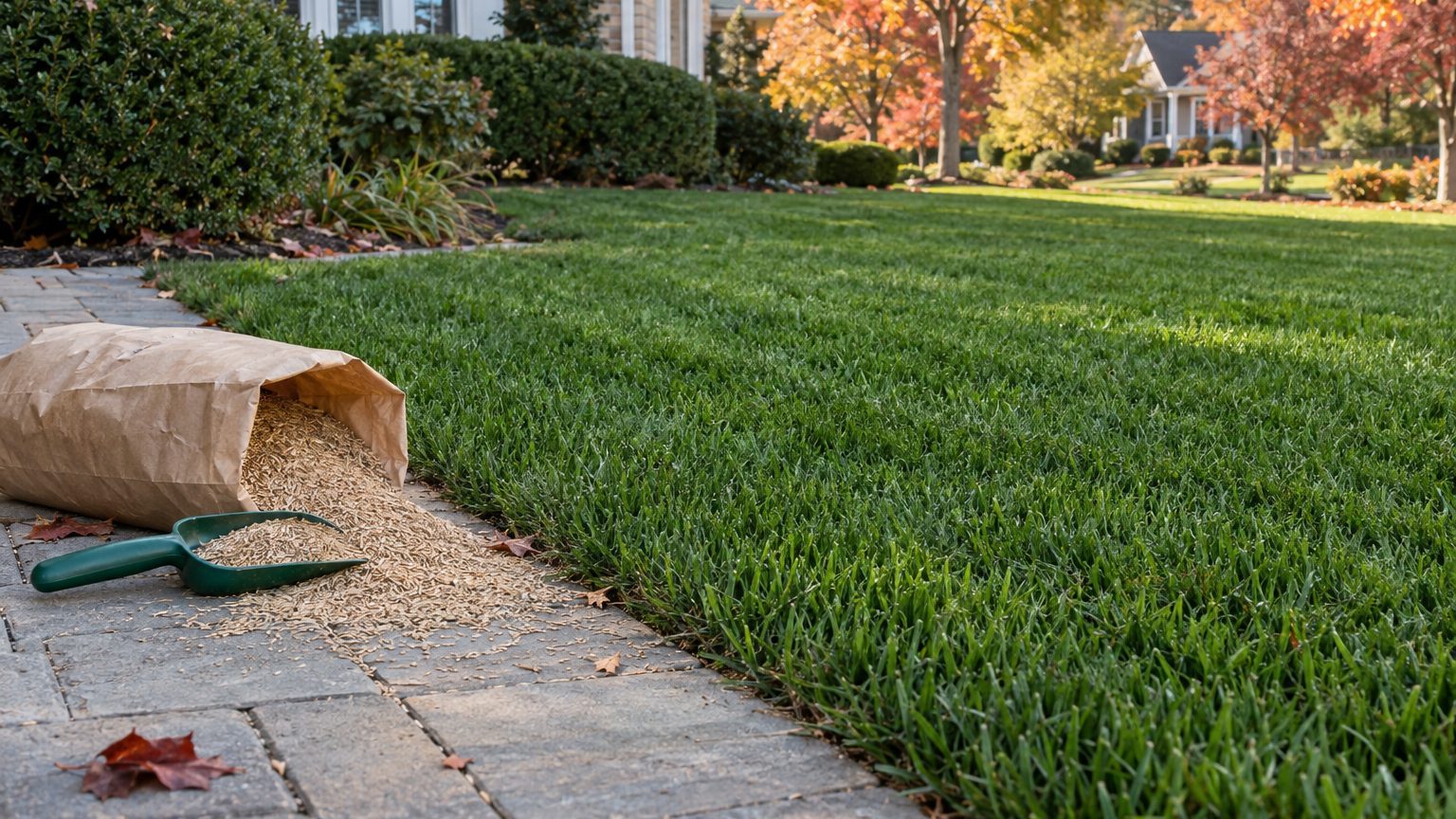
Best Grass Seed for North Carolina

Best Grass Seed for North Carolina

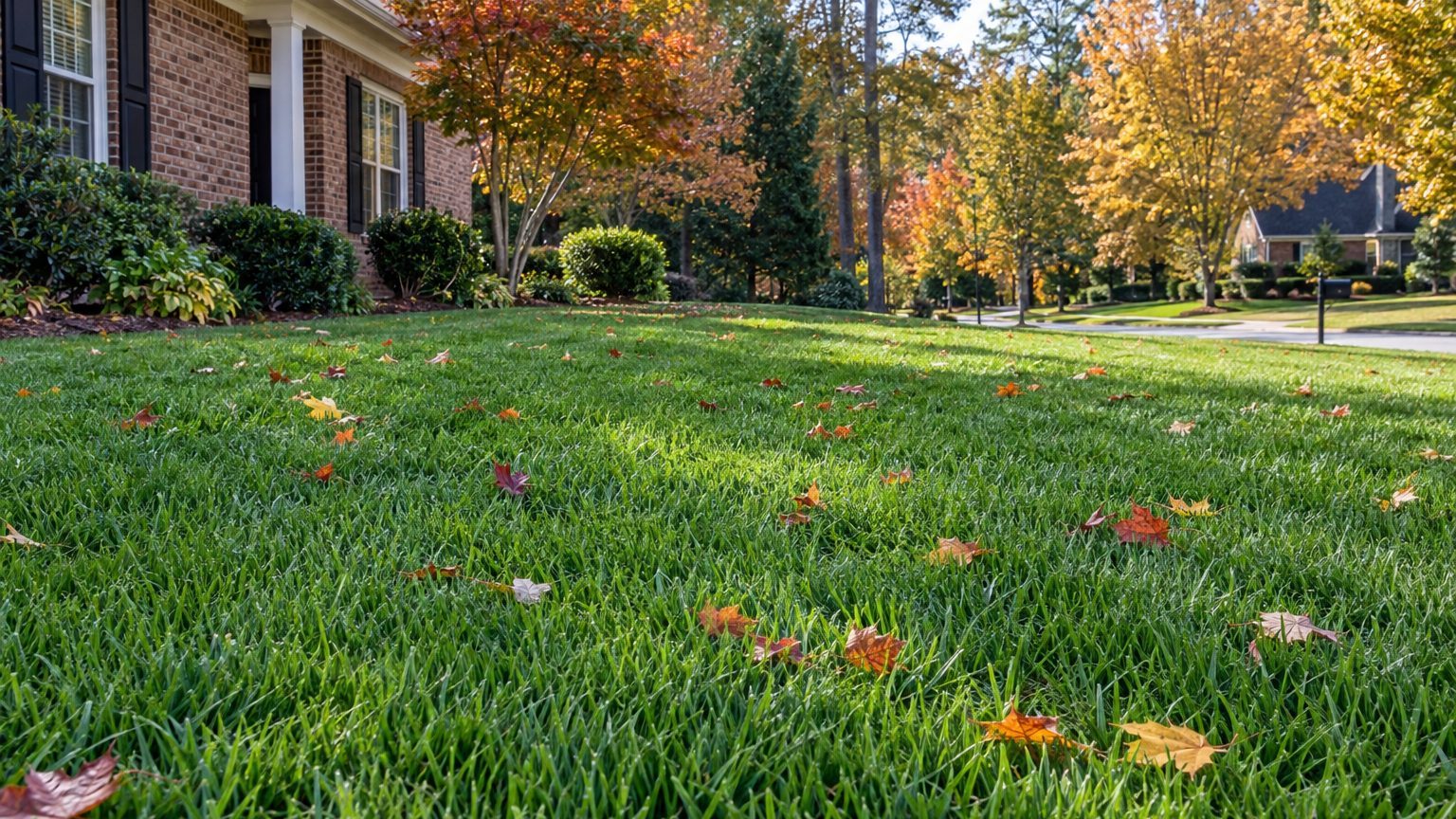
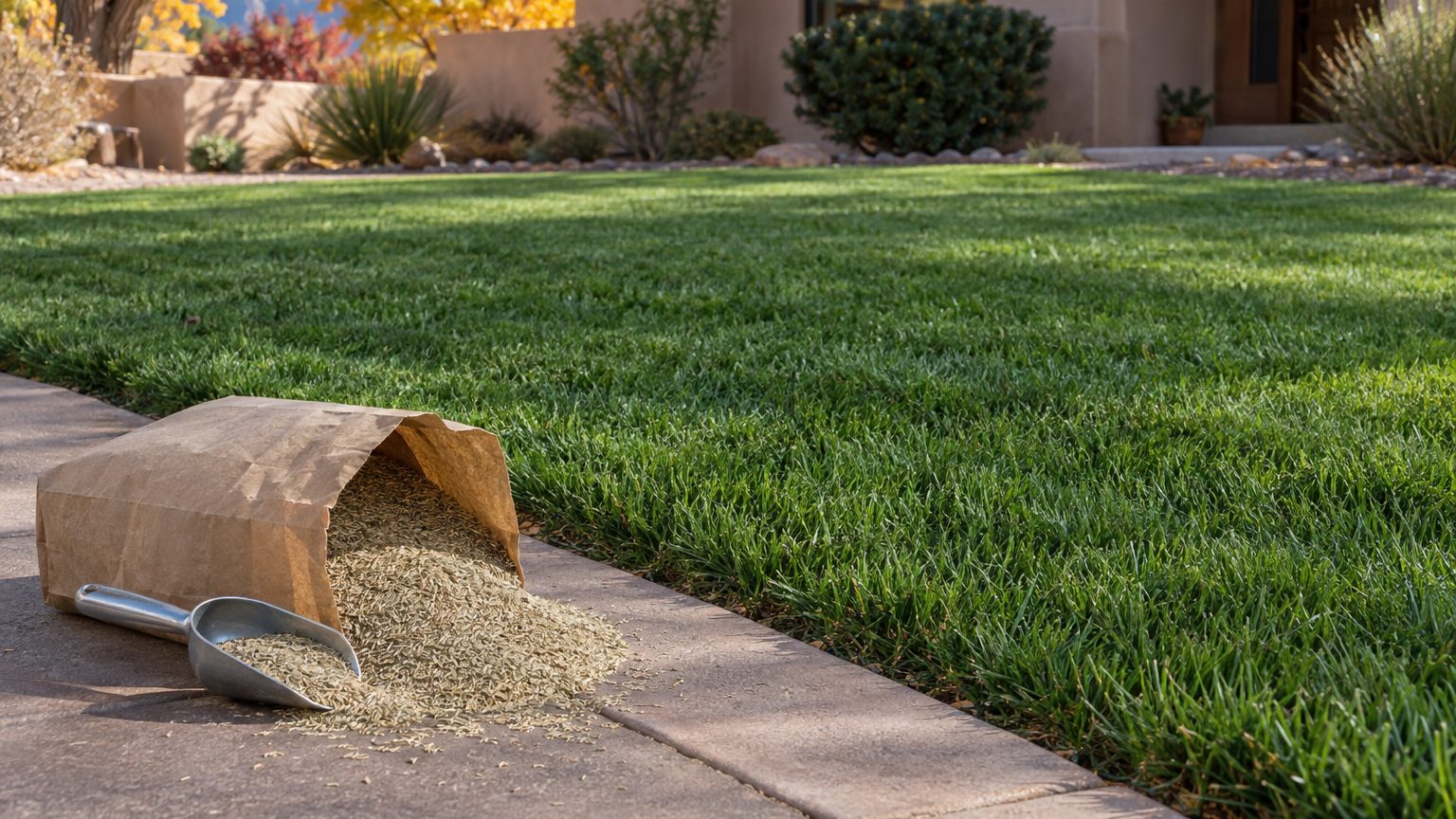
July exposes the tradeoff between cool-season and warm-season lawns in North Carolina: fescue may fade in the heat while bermudagrass is in active growth. Both can be the right call, depending on where the yard sits and how much sun it gets. Tall fescue is a widely available cool-season option for North Carolina lawns.

Which Grass Grows Best in North Carolina?

North Carolina sits in the transition zone, so both cool-season and warm-season grasses grow here, and each has a weak season. Cool-season grasses stay green through winter but strain in summer, while warm-season grasses thrive in heat and go tan after frost. The grasses below suit different parts of the state and different yard conditions.

Tall Fescue

Tall fescue is a cool-season option for North Carolina lawns. It handles summer heat better than other cool-season grasses, tolerates some shade, and stays green through winter.

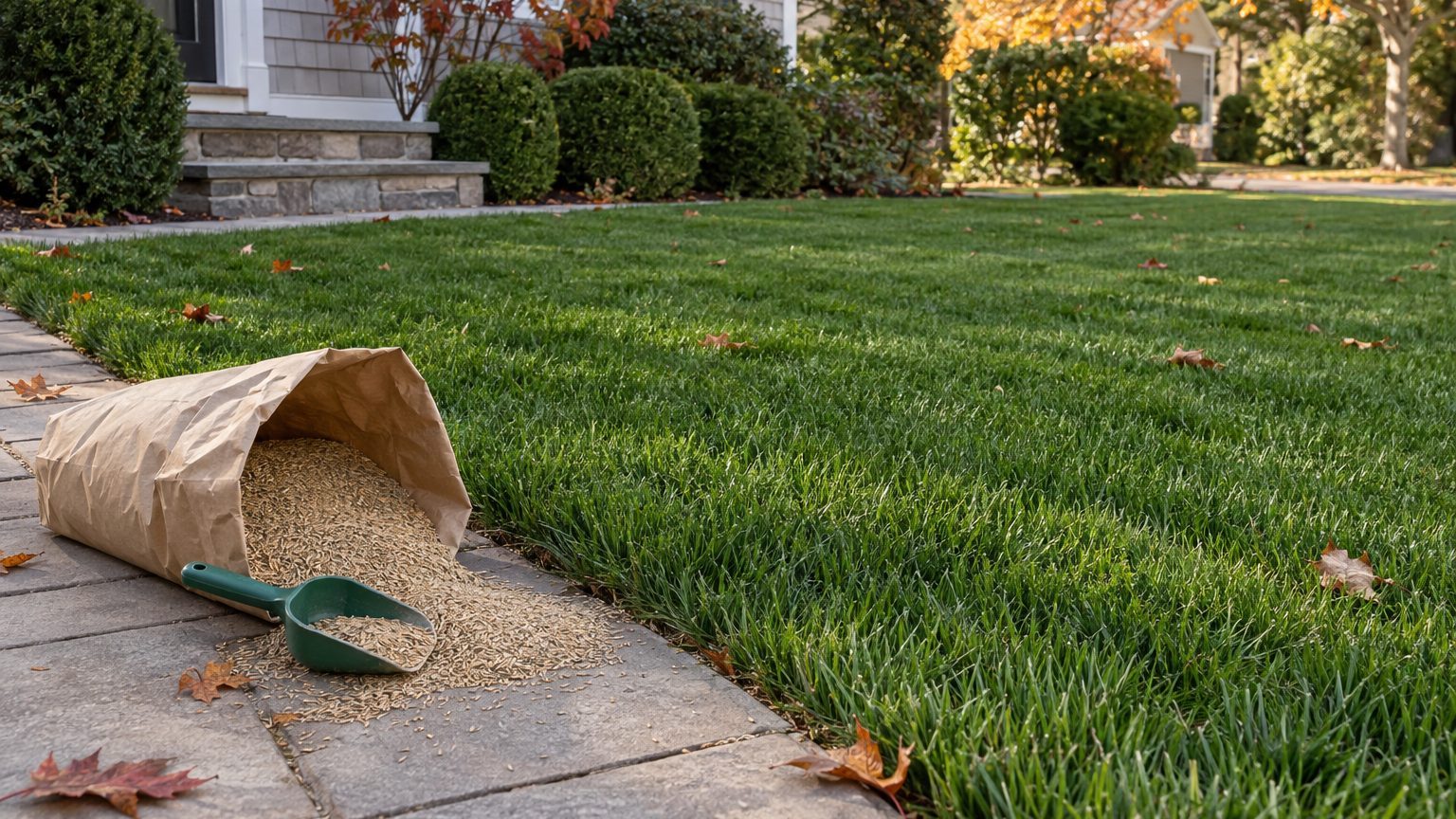
Seed it in August, with September as the fallback, so the young plants root before cold arrives. It still needs regular water from June through August.

Bermudagrass

Bermudagrass is a true sun lover that shrugs off Piedmont and coastal heat. It can go in as seed or sod, and it spreads aggressively to fill gaps.

Plant it in May, with June as a fallback. It turns tan in winter and fades quickly in shade, so keep it for open, sunny yards.

Zoysiagrass

Zoysiagrass makes a dense, carpet-like lawn that handles heat well and crowds out many weeds. It is mostly sold as sod or plugs rather than seed, which raises the upfront cost.

Lay it in May, with June and July still workable. It greens up slowly in spring and browns in winter.

Kentucky Bluegrass

Kentucky bluegrass belongs on cooler, higher ground, which in North Carolina means the mountains. Farther east, summer heat leaves it thin and prone to browning without heavy care.

If you garden in the Blue Ridge, it can work. In the Piedmont or on the coast, choose tall fescue or a warm-season grass instead.

How to Choose Grass Seed for a North Carolina Yard

Start with the sunlight your yard actually gets, then think about foot traffic, watering, and how often you want to mow. Those answers narrow the field quickly.

Shade is an important dividing line. Warm-season grasses want open sun, while tall fescue copes with filtered light under trees.

Your yard Grass Why
Full sun, heavy use Bermudagrass Tough in heat and spreads to repair wear
Partial shade Tall fescue Tolerates filtered light better than warm-season grasses
Green in winter Tall fescue Cool-season grass that holds color through the cold months
Low water, hot sun Bermudagrass Warm-season grass built for summer heat
Dense, neat turf Zoysiagrass Thick growth, usually installed as sod or plugs
Mountain yard Kentucky bluegrass Suited to cooler, higher ground

Mowing habits matter too. Warm-season lawns grow actively in summer and are mowed from April through October, while tall fescue is mowed from March through November.

Which Grasses Grow Where in North Carolina

The state stretches from the Atlantic to the Appalachians, and the grass that suits each end is different.

  • Blue Ridge Mountains: Cooler, higher ground suits Kentucky bluegrass and tall fescue. Spring comes several weeks later here than in Charlotte, so hold off on early seeding.
  • Piedmont (Charlotte, Raleigh, Greensboro): This is the transition zone at its fullest. Tall fescue tolerates filtered light, while bermudagrass and zoysiagrass suit full sun, so the choice follows your light.
  • Coastal Plain: Warmer winters and earlier springs favor bermudagrass and zoysiagrass, and tall fescue works harder to survive summer.

Whichever region you live in, sunlight and soil in your own yard still decide the final pick.

Grass Seed Mistakes to Avoid in North Carolina

Planting Fescue in Full Sun

Tall fescue struggles on a hot, sunny, unwatered slope. If the yard bakes all summer, bermudagrass is the safer match. Save fescue for shade or for yards where you will water regularly in June, July, and August.

Seeding at the Wrong Time

Cool-season seed sown in spring faces summer heat before roots are ready. Seed tall fescue in August, or in September if you miss that window. Warm-season seed goes down in May, because it needs warm soil to sprout.

Burying the Seed Too Deep

Grass seed is small, and a thick layer of soil smothers it. Rake lightly, keep the covering to 0.25 inch at most, and press the seed into the ground. For a thin fescue lawn, aerate in August and overseed right after.

Where to Get Lawn Advice in North Carolina

Local advice beats general advice here, because soil and microclimate shift from one county to the next. Local help is worth seeking.

  • North Carolina Cooperative Extension publishes turfgrass guidance for the state, and it is worth a visit before you buy seed.
  • Your county extension office can advise on soil testing and local conditions, so call before fertilizing in March, September, or October.

Common Questions

Can You Plant Grass Seed in North Carolina in Spring?

Warm-season grasses like bermudagrass can go in during May, with June as a fallback. Tall fescue is better seeded in late summer because spring seedlings often struggle once hot weather arrives.

Is Zoysiagrass Sold as Seed?

It is mostly sold as sod or plugs. Bermudagrass is the warm-season grass more often planted from seed or sod.

When Should You Fertilize a North Carolina Lawn?

Tall fescue does best with feeding in March, September, and October. Bermudagrass and zoysiagrass want it in May, June, and July. Skip fescue feeding in summer.
Lawn Problems and Solutions in North Carolina

Lawn Problems and Solutions in North Carolina

Thin spots, tan circles and a carpet of crabgrass show up in North Carolina lawns in a fairly predictable order through the year. Heat, humidity and a long growing season feed weeds and fungus, while your grass type helps shape the problems you are likely to see. Knowing the sequence lets you act before the damage spreads.

Lawn Pests and Diseases in North Carolina

Crabgrass in Spring

Crabgrass in Spring — Lawn Problems and Solutions in North Carolina

Crabgrass is a coarse, light green weed that sprawls outward and fills thin patches of turf. It sprouts as the soil warms, so a preventer needs to be down before the seeds germinate.

Apply a preventer in March. If March slips by, it also works in April, and February or May can still help in a pinch. Once crabgrass is up, keeping the lawn dense helps reduce future outbreaks.

Brown Patch in Summer

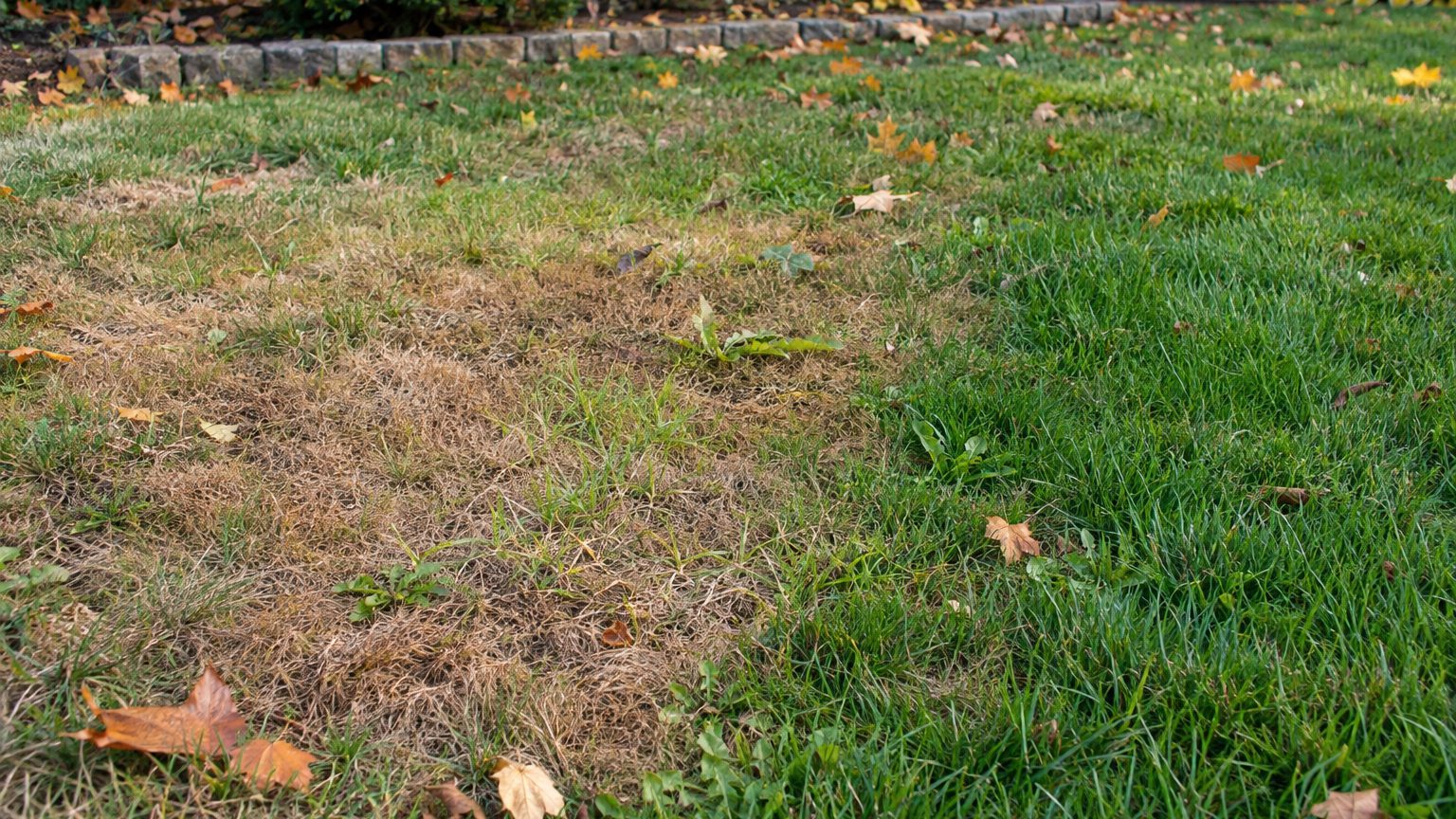
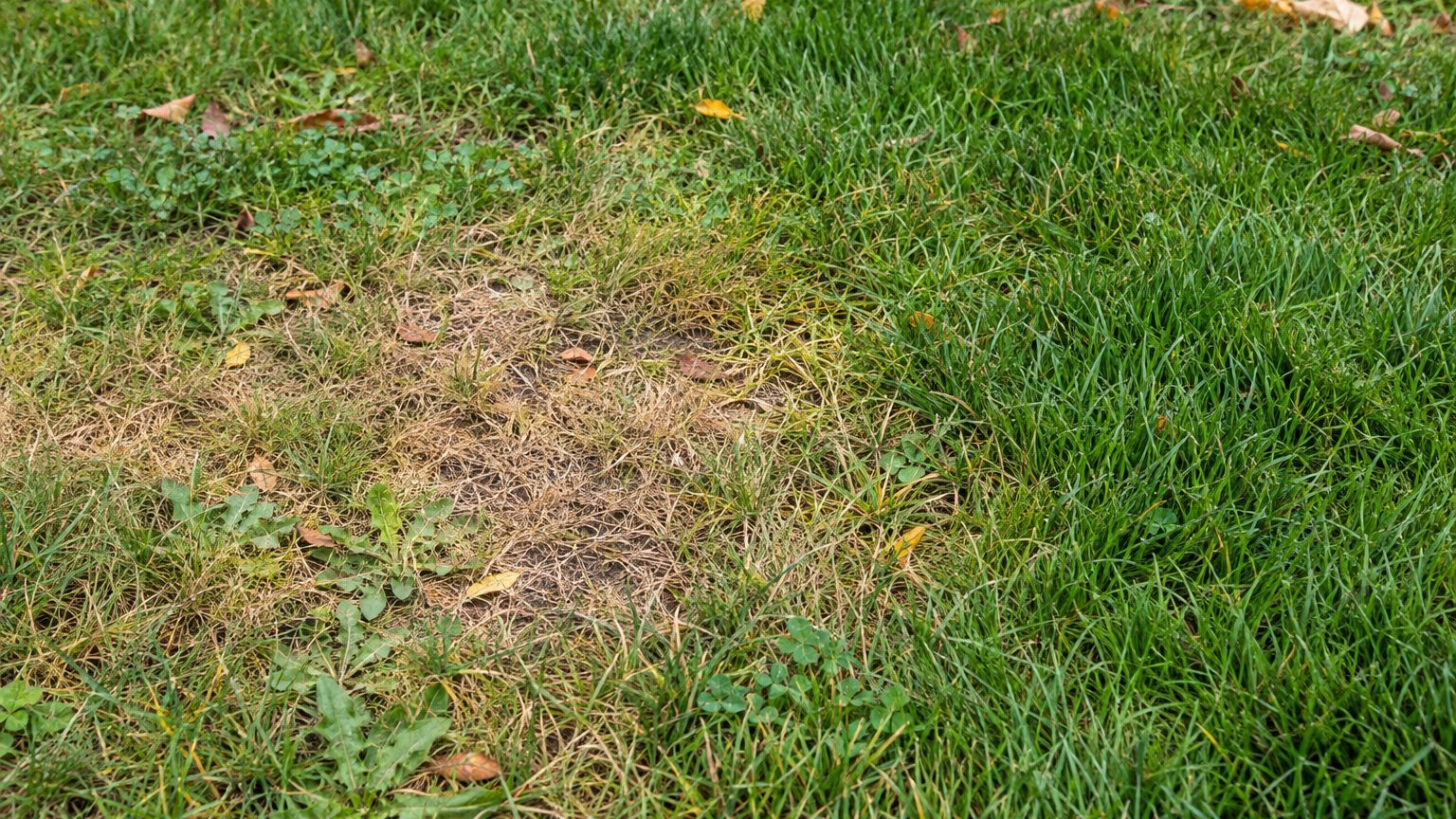
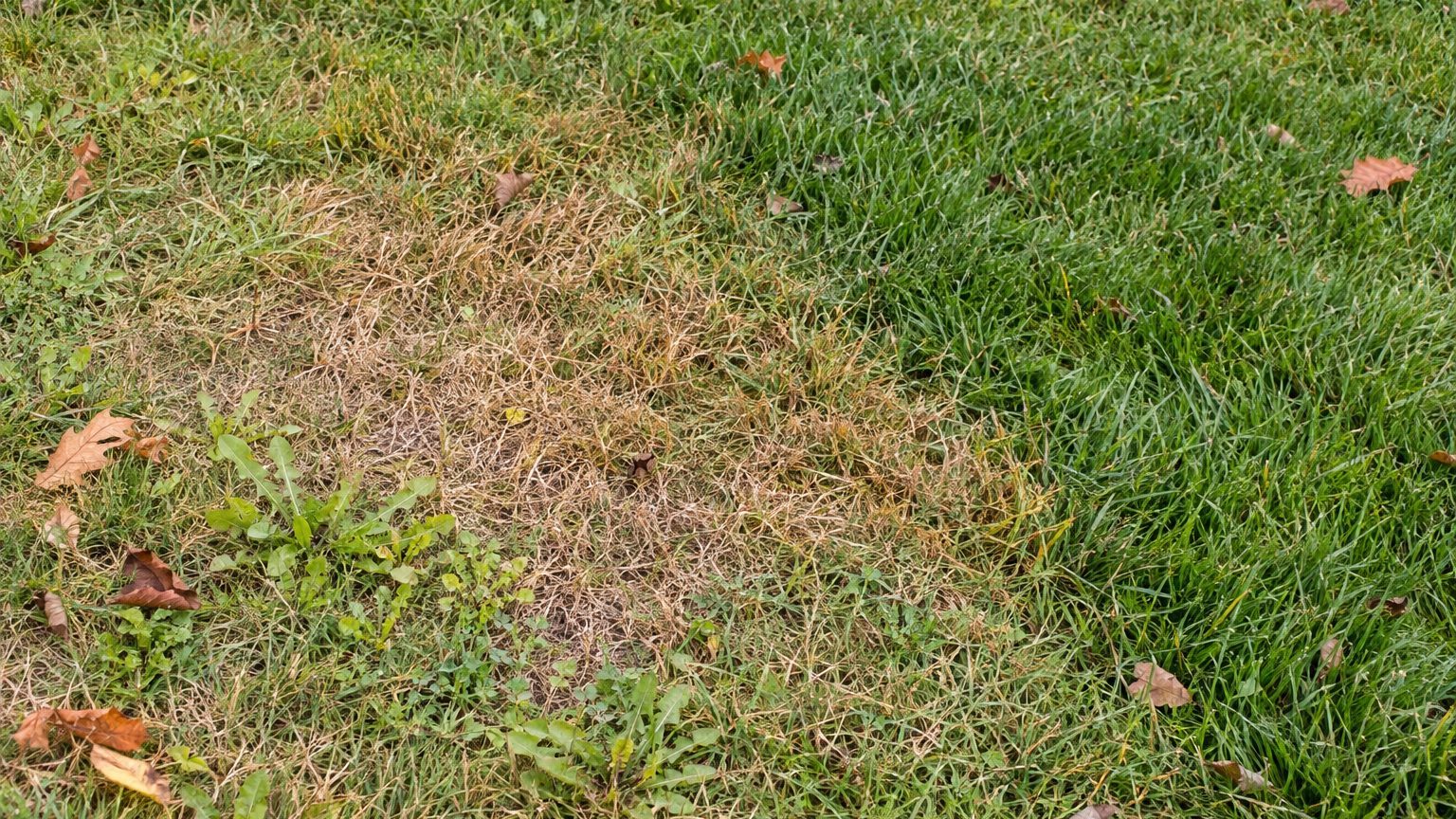
Brown patch is a fungus that strikes tall fescue in hot, sticky weather. Look for roughly circular tan or brown areas, sometimes with a darker ring at the edge, that appear after warm nights and humid days.

Water in the morning so blades dry quickly, and skip heavy nitrogen in summer. Fescue usually recovers from the roots once the weather cools, so patience matters more than panic.

White Grubs in Late Summer

Grubs are fat, C-shaped, creamy larvae that chew grass roots. Turf above them turns dull, then brown, and you can often roll it back like a loose carpet because nothing anchors it.

Peel back a section of damaged sod and look at the roots. If you find grubs among damaged roots, confirm the diagnosis before treating. Digging by birds, skunks or armadillos can also be a clue.

Large Patch in Fall

Large patch is a fungus of warm-season grasses such as zoysia, bermuda and centipede. Patches can spread widely, often with an orange or yellow-brown edge, and they appear when fall turns cool and damp.

Poor drainage and too much late-season fertilizer feed it. Improve water flow, avoid extra feeding as the grass slows down, and keep clippings and leaves from piling up in the damp spots.

How to Tell Which Lawn Problem You Have

A symptom rarely settles the question. Pair what you see with when it appeared and whether the spot gets sun or shade, then run a simple test: tug the grass and look at the roots.

Shape also helps. Circles can suggest fungus, patches that lift easily can suggest root-feeding insects, and clumps of coarse blades can suggest weeds.

What you see When and where Likely cause
Coarse, sprawling light green clumps Warm months, thin or bare sunny spots Crabgrass
Tan circles, grass still rooted Hot, humid stretches, tall fescue Brown patch
Turf peels up like a rug Late summer, often in irrigated sun White grubs
Wide patches with an orange edge Cool, wet fall, zoysia or bermuda Large patch

A spongy feel underfoot points to thatch instead. Up to 1/2 inch of thatch is healthy, and anything thicker calls for dethatching or core aeration. Dry, bluish-gray grass that stays footprinted after you walk across it usually means thirst, not disease.

Where Lawn Problems Are Worst in North Carolina

Conditions change a lot between the mountains and the beach, and so do the problems and the grass that makes sense.

  • Blue Ridge and the Asheville area: Spring comes later and summers stay milder, which suits tall fescue and eases fungus pressure. Shade and slopes bring their own thin turf and moss.
  • Piedmont, including Charlotte, Greensboro and Raleigh: Hot, humid summers push tall fescue into brown patch, while clay soil holds water and compacts. Fescue can struggle in this region.
  • Coastal Plain and the coast, from Wilmington to the Outer Banks: Warm-season grasses dominate, spring starts earlier, and sandy soil dries fast. Large patch, grubs and weeds all get a longer run.

The pattern still depends on the grass, site and weather in your yard.

Lawn Care Mistakes That Invite Problems in North Carolina

Mowing Too Short

Scalped grass has little leaf to feed its roots, and bare soil gives crabgrass and other weeds an open door. Tall fescue is especially stressed in summer heat when cut low.

Raise the mower deck, mow with a sharp blade, and avoid removing too much leaf at once. Mowing runs from March through November for fescue, and April through October for bermuda and zoysia.

Watering Lightly and Often

Short, frequent sprinkles keep the surface wet, which fungus loves, and they keep roots shallow. Grass then wilts quickly in a dry spell.

Water deeply and early in the morning instead, mainly in June, July and August when demand peaks. Let the top of the soil dry between sessions, and skip watering after a good rain.

Feeding at the Wrong Time

Nitrogen in a heat wave feeds brown patch on tall fescue and pushes weak growth. Late feeding on warm-season turf encourages large patch.

Feed tall fescue in March, September and October, never in summer. Bermuda and zoysia eat best in May, June and July, when they are growing hard and can use it.

Where to Get Lawn Advice in North Carolina

Local advice matters because soil and weather differ from county to county. NC State Extension publishes research-based lawn guidance, and your county center can answer questions about your own yard.

  • Browse the extension site for lawn care guides on your grass type, and check them before you buy any treatment.
  • Call or visit your county extension center when patches spread, and bring a small sample of affected turf with the roots attached.
  • Ask about a soil test before you feed or lime, so the next step is based on what your ground needs.

Common Questions

When Should You Aerate and Overseed a Lawn in North Carolina?

For tall fescue, aerate and overseed in August. If you miss that window, September still works. Seed needs soil contact, so the holes from core aeration give it a place to root before cold weather.

Can You Seed Bermuda or Zoysia in the Fall?

Warm-season grasses seed best in May, and June still works. Sod is another route, laid in May, with June and July as later options. Fall is too late for them to establish well.

When Should You Dethatch a Warm-Season Lawn in North Carolina?

Dethatch bermuda and zoysia in May or June, when they are growing strongly and recover fast. April also works. Tall fescue is dethatched later, in August or September, as the weather cools.

North Carolina Lawn Care Schedule, Month by Month

North Carolina Lawn Care Schedule, Month by Month

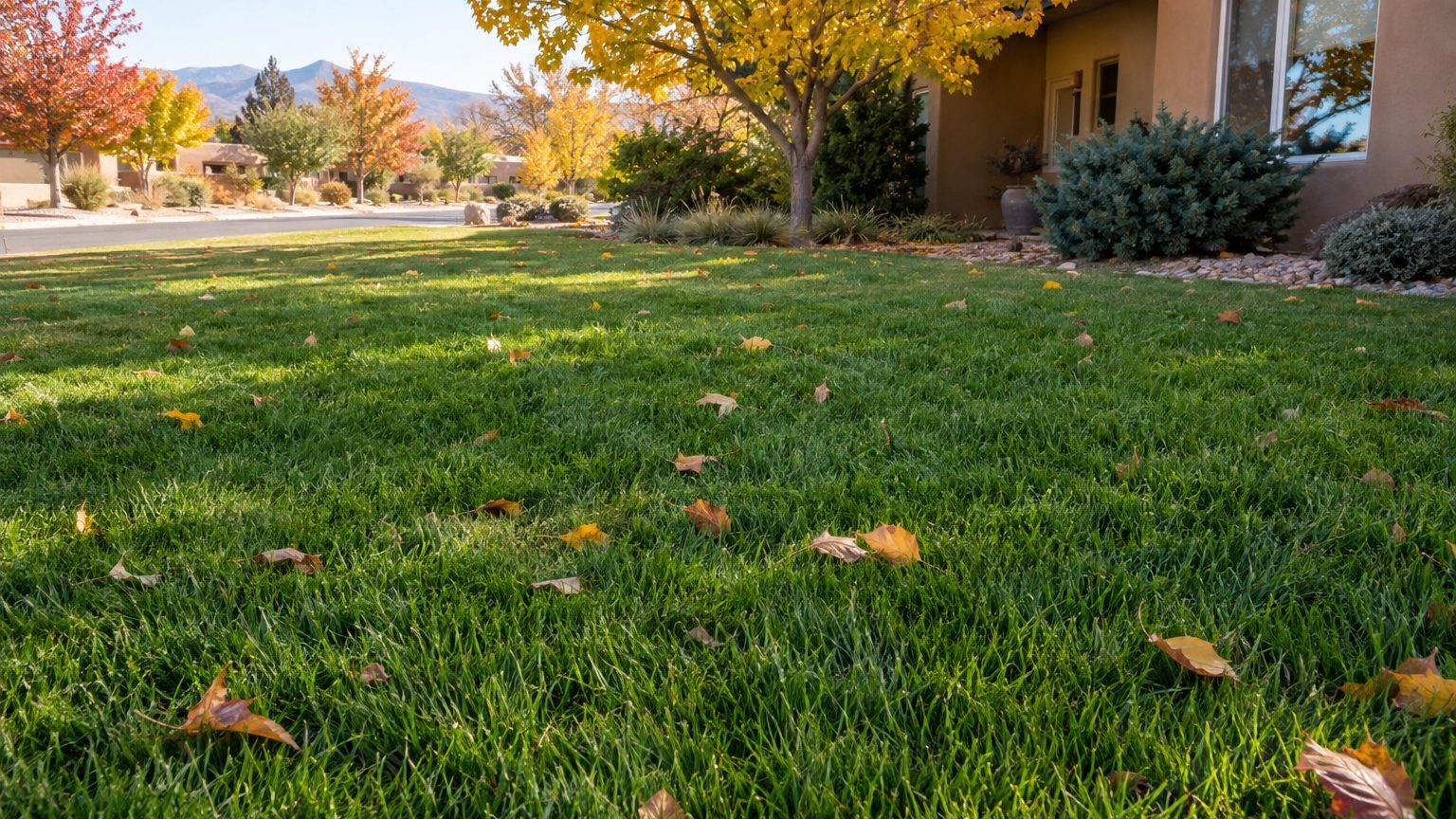
Tall fescue greens up in the cool of fall and spring, while bermuda and zoysia wait for warm weather and turn tan in winter. A North Carolina lawn follows one of those two rhythms, and nearly every chore depends on which grass you own.

What to Do Each Month in a North Carolina Lawn

Tall fescue does its heavy work in late summer and fall, and warm-season grasses (bermuda, zoysia) do theirs from late spring into midsummer. Each month below says which grass the job is for.

Month In the lawn
January Rest. Warm-season grass is dormant, while tall fescue grows slowly; keep foot traffic light on frosted turf and leave the mower in the shed.
February Still quiet. If a mild spell tempts you, crabgrass preventer already works now, though March is the better time to apply it.
March Apply crabgrass preventer before the weed seed sprouts. Feed tall fescue in early spring and start mowing as growth picks up.
April Mow regularly now that warm-season lawns are waking up. Preventer still works, and tall fescue can still take a light feeding if March slipped by. Dethatching bermuda or zoysia also works late in the month.
May Warm-season lawns are ready for seed, sod, dethatching and their first feeding. Preventer can still go down.
June Water deeply as heat builds and keep feeding bermuda and zoysia. Seed and sod for warm-season grass still take if May got away from you.
July Feed warm-season lawns and water through the heat. Leave tall fescue unfed, because summer fertilizer pushes weak growth on a stressed lawn. Sod still roots for bermuda and zoysia.
August Core aerate and seed tall fescue, and dethatch cool-season turf. Keep watering through the heat, since new seed cannot dry out.
September Feed tall fescue and keep mowing. If August passed, tall fescue can still be aerated, seeded and dethatched now.
October Feed tall fescue again so roots store energy before winter. Warm-season lawns get their last mowing as growth fades.
November Keep mowing tall fescue until growth stops. Warm-season grass is already dormant, so watch for leaf buildup smothering the turf.
December Rest. Warm-season grass is dormant and tall fescue has slowed, so the lawn needs nothing but a light rake of fallen leaves.

Treat these months as a pattern rather than fixed dates. A cold spring or a hot September can shift a task, but the order of jobs stays the same.

When Does the Lawn Season Start and End in North Carolina?

Growth follows soil warmth and grass type, not the calendar. Cool-season seed such as tall fescue germinates in soil at 50 to 65 °F, while warm-season seed wants 65 to 70 °F. That is why fescue is seeded in late summer and fall, and why bermuda seed waits for late spring.

Frost dates only tell you how risky it is for tender new grass. In Charlotte, the last spring freeze usually falls between March 23 and April 5, so a seedling started too early can be nipped. Spring frost is the main hazard for warm-season seed sown ahead of its window.

In Charlotte, the first fall freeze arrives between October 30 and November 8. Fescue seeded in late summer has time to root before then. Warm-season lawns slow and fade well before that freeze, because cooling soil, not frost, sends them toward dormancy.

How the Lawn Calendar Shifts Across North Carolina

Charlotte sits in the Piedmont, and the calendar above is built around it. Elsewhere in the state, expect the work to slide earlier or later in the direction below.

  • Blue Ridge mountains and Asheville: Spring arrives several weeks later and fall comes sooner. Tall fescue is the usual lawn here, so late-summer seeding should lean toward the early end of its window so seedlings root before cold.
  • Piedmont, including Charlotte, Greensboro and Raleigh: This is the middle of the state, where tall fescue and warm-season lawns both grow and where the monthly pattern fits as written.
  • Coastal plain, from Wilmington to the Outer Banks: Spring comes earlier and winters are milder. Warm-season lawns green up sooner and stay active later, so spring jobs such as preventer can move up and warm-season work can begin earlier.

Between those zones, shift the work by what your own lawn is doing. A lawn that is still tan and sleepy is not ready for seed, whatever the date says.

Lawn Care Timing Mistakes to Avoid in North Carolina

Crabgrass Preventer Applied Too Late

Crabgrass Preventer Applied Too Late — North Carolina Lawn Care Schedule, Month by Month

Preventer stops seeds from sprouting but does nothing to plants already up. Once crabgrass has germinated, the product has lost most of its value and you are left pulling weeds all summer. Put it down in March, with April and May as fallback months, before the weed starts.

Warm-Season Seed Sown Too Early

Bermuda and zoysia seeded in a cool, wet spring sit dormant, rot or get hit by a late freeze. You pay for seed that never establishes. Wait until May for seed and sod, and use June if the weather has stayed cold.

Dethatching at the Wrong Season

Dethatching tears up the turf and leaves it open to stress. Doing it to bermuda or zoysia in fall pulls them apart just as they head into dormancy. Warm-season lawns recover in May and June, while tall fescue handles the work in August and September.

Where to Get Lawn Advice in North Carolina

Soil, shade and grass variety differ from one yard to the next, and local help can fit the schedule to your lot. Useful lawn advice is close by.

  • NC State Extension publishes turfgrass guidance for the state, and it is the place to look when you need grass-type advice before you buy seed or fertilizer.
  • Your county extension office can help arrange a soil test and identify problems, so contact it in late summer, before the seeding window.

Common Questions

How Can You Tell If Your Lawn Is Warm-Season or Cool-Season Grass?

Start with the lawn’s seasonal color pattern. Warm-season grass such as bermuda or zoysia stays green through summer heat and turns tan in winter, while tall fescue stays green most of the year and struggles in hot, dry stretches. Blade width and a quick check at a garden center can confirm it.

Why Does Tall Fescue Struggle in a North Carolina Summer?

It is a cool-season grass growing near the warm edge of its range. Heat and humidity thin it and invite disease, so it earns its keep in fall and spring. That is why aeration, seeding and feeding are planned around cooler months and why summer feeding is skipped.

Does a Dormant Lawn Need Water in Winter?

Dormant warm-season grass needs very little, and tall fescue slows down in the cold. Save regular watering for the hot months, and give new seed steady moisture only while it is establishing.

Best Grass Seed for New York

Best Grass Seed for New York

A thin, patchy lawn in late summer is the usual cue to reseed in New York, and the seed you pick matters more than the brand on the bag. Cool-season grasses are the ones that last here: Kentucky bluegrass, fine fescues, perennial ryegrass and tall fescue.

Which Grass Grows Best in New York?

Cool-season grasses are the dependable choice for New York lawns across USDA hardiness zones 3b to 7b. The main grass choices each earn their place for a different reason.

Kentucky Bluegrass

Kentucky bluegrass is the classic New York lawn, dense and dark green, and it shrugs off hard winters. It wants full sun and regular water in summer, and it spreads to fill small bare spots on its own over time.

Fine Fescues

Creeping red, chewings and hard fescue form a soft, fine-bladed turf that tolerates shade and poor soil. They need less fertilizer and less mowing than bluegrass, which suits the shady lots under maples and oaks common across the state.

Tall Fescue

Tall fescue is a coarser, deep-rooted grass that handles foot traffic and summer dry spells well. It does best in the southern and milder parts of the state, and it can thin out after the coldest northern winters.

Perennial Ryegrass

Perennial ryegrass sprouts fast, which makes it handy for quick cover and patching. It can struggle through a harsh upstate winter, so it is a safer choice in a mix than on its own.

How to Choose Grass Seed for a New York Yard

Start with the light your yard gets and how much foot traffic it sees. Then think about whether you can water through summer and how often you want to mow. Those answers narrow the field quickly.

Most New York yards are a patchwork of sun and shade, so a mix of these species often fits better than using the same grass throughout the yard.

Your yard Grass to look for Why
Full sun, regular watering Kentucky bluegrass Dense, self-repairing turf that looks its best with water
Shade under trees Fine fescues Handle low light and dry soil better than bluegrass
Heavy foot traffic, kids and pets Tall fescue Tough blades and deep roots take the wear
Little watering Tall fescue or fine fescues Both cope with dry stretches better than bluegrass
Less mowing Fine fescues Slow growth means fewer passes with the mower

Perennial ryegrass fits best as a minor part of a mix, where its quick sprouting protects the slower grasses while they get established.

Which Grasses Grow Where in New York

New York stretches from salt air to mountain winters, so the same seed behaves differently depending on where the lawn sits.

  • Long Island and New York City: Winters are milder near the coast, with the last spring frost falling between March 23 and April 3 in the city. Tall fescue and bluegrass blends do well, and summer heat makes deep roots valuable.
  • Hudson Valley: Winters are colder than the coast but summers still run warm. Bluegrass and tall fescue both work, with fine fescues filling the shady spots.
  • Finger Lakes and Western New York: Lake moisture and snow cover protect turf through winter. Bluegrass and fine fescues are dependable choices here.
  • Adirondacks: Frost comes much earlier in fall and lingers longer in spring. Stick to hardy bluegrass and fine fescues, and skip tall fescue and ryegrass in the coldest valleys.

The more frost your yard sees, the more you should lean on bluegrass and fine fescues.

Grass Seed Mistakes to Avoid in New York

Choosing a Warm-Season Grass

Bermudagrass and zoysia may be sold in some garden centers, but they turn brown in winter and are less reliable than cool-season grasses in New York. Check the label for the cool-season species named above before you buy.

Seeding at the Wrong Time

Seed sown in August or September has warm soil to sprout in and time to root before winter. April and May also work if you miss the fall window. Seed thrown down in midsummer heat or on frozen ground is mostly wasted.

Burying the Seed or Skimping on It

Cover seed with no more than 0.25 inch of soil, and press it down so it touches the ground firmly. Buried seed struggles to sprout, and a thin scattering leaves room for weeds. Follow the rate printed on the bag for the species you chose.

Where to Get Lawn Advice in New York

Local help can match seed to your soil and microclimate in a way a bag label cannot. Local advice is worth seeking before you spend money on seed.

  • The Cornell Cooperative Extension network offers research-based lawn guidance, and a visit before the August and September seeding window gives you time to act.
  • Your county Cooperative Extension office can test your soil and suggest a seed mix for your neighborhood, so call it in summer before you buy.

Common Questions

Can You Mix Grass Seed Types in New York?

Yes. A blend of bluegrass, fine fescues and ryegrass is common, since each species covers a different weakness in sun, shade or speed of sprouting.

Is Spring a Good Time to Seed a New York Lawn?

April and May work, but August and September give better results. Spring seedlings must face summer heat and weed competition before they are fully rooted.

Should You Fertilize When You Seed?

Fertilizing works well in May and September, with April and November as fallbacks. September pairs naturally with fall seeding and helps young grass fill in before winter.

Lawn Problems and Solutions in New York

Lawn Problems and Solutions in New York

A lawn in New York usually tells you something is wrong with a patch of straw-colored grass in midsummer, a spongy feel underfoot, or weeds filling in where the turf thinned. Most of these trace back to a short list of causes, and each has a season when the fix works.

Lawn Pests and Diseases in New York

Crabgrass

Crabgrass — Lawn Problems and Solutions in New York

Crabgrass shows up as light green, coarse clumps that sprawl flat across thin spots once the weather warms. It sprouts from seed in bare or weak turf, so a thick lawn is an important part of the defense.

A preventer goes down in April, though March and May still work in a pinch. Pulling young plants by hand works on small patches.

Dollar Spot

Dollar spot leaves small, bleached, straw-colored spots about the size of a silver dollar, and they can merge into larger patches. It favors warm, humid nights, long dew periods and lawns that are short on nitrogen.

Water deeply in the morning so the blades dry quickly. A fertilizer application in May keeps the grass strong enough to outgrow the damage.

Grubs

Grubs are fat, white, C-shaped larvae that chew grass roots in late summer. The telltale sign is turf that lifts like a loose carpet, often with skunks, raccoons or birds tearing at it overnight.

Peel back a corner of damaged sod and look at the soil. Replace the lost turf with seed in August or September, when new grass roots quickly.

Thick Thatch

Thatch is the tan, spongy layer of stems and roots between the green blades and the soil. A layer up to 1/2 inch is healthy, but above that, water and fertilizer struggle to reach the roots and disease gets a foothold.

Dethatch or core aerate in August or September. April and May also work if you missed the window.

Moss in Shade

Moss forms a green, velvety mat where grass has thinned under trees or on soggy, compacted ground. It is a symptom rather than the cause, because the grass was already failing from too little light or drainage.

Aerate in late summer, open up the canopy where you can, and overseed with a shade-tolerant mix in August or September.

How to Tell Which Lawn Problem You Have

Start with the shape of the damage, then check how the grass behaves when you tug it. Roots that give way easily point to something eating them from below. Roots that hold firm point to disease, drought or the wrong conditions.

Timing and light matter as much. A patch that appears every year in the same shady corner is a different story from one that shows up suddenly in the sun.

What you see Where and when Points to
Coarse, light green clumps spreading flat Thin or bare sun, summer Crabgrass
Small bleached spots that merge Humid stretches, early to midsummer Dollar spot
Turf peels back like carpet Sunny areas, late summer Grubs
Spongy, bouncy feel underfoot Anywhere, any season Thick thatch
Green mat over thin grass Shade or wet soil, any season Moss

Matted gray or white patches that appear as snow melts in spring suggest snow mold, which is common where snow lingers. Rake the matted grass lightly so the blades dry and stand up, and the lawn usually recovers on its own.

Where Lawn Problems Are Worst in New York

New York spans USDA hardiness zones 3b to 7b, so the same lawn problem arrives at different times and in different forms depending on where you live.

  • Long Island and New York City: Heat, compacted soil and humid summer nights bring dollar spot and heavy crabgrass pressure. Small, shaded city lots also struggle with moss.
  • Hudson Valley: Mixed sun and shade under mature trees means thin turf and moss in some yards, grubs in others. Spring comes earlier here than farther north.
  • Finger Lakes and the Lake Erie and Lake Ontario shores: Heavy lake-effect snow lingers on lawns and makes snow mold a regular spring visitor.
  • Adirondacks: Short seasons and cold, slow-warming soil leave less time for grass to recover from damage, so fall seeding matters more.

Whatever your corner of the state, the problem usually follows drainage and shade before it follows latitude.

Lawn Care Mistakes That Invite Problems in New York

Mowing Too Short

Scalped grass has shallow roots and leaves bare soil open to crabgrass and other weeds. Short blades also dry out fast in July and August heat.

Set the mower high and keep the blade sharp. Mowing runs from April through November, so the habit matters for most of the year.

Watering Shallow and Late

Light, frequent sprinkling keeps the surface damp and the roots lazy, which is exactly what dollar spot and other fungi prefer. Evening watering leaves blades wet overnight.

Water deeply in the morning, then wait until the soil surface dries before watering again. June, July and August are when the lawn needs the most help.

Fertilizing at the Wrong Time

Heavy feeding in midsummer pushes soft growth that disease attacks and that burns in the heat. Feeding while the grass is dormant or the soil is frozen wastes product.

Fertilize in May and again in September. April and November are fallbacks if you miss those windows.

Where to Get Lawn Advice in New York

Soil, shade and microclimate vary from one New York yard to the next, so local advice beats general rules. Local help is close by.

  • Cornell Cooperative Extension offers research-based turf guidance for the whole state, and it is the place to start for questions about diseases and grass choices.
  • Your county extension office can look at photos or samples of the damage and often runs soil testing, so visit before you buy anything for a patch you cannot name.

Common Questions

When Does Frost End in Spring in New York City?

In New York City, the last spring frost typically falls between March 23 and April 3. Upstate and in the Adirondacks it comes later, and grass growth follows soil warmth rather than the frost date.

Can You Seed a Lawn in New York in Spring?

Yes, April and May both work for seeding. August and September give new grass more time to root before winter and less competition from weeds, so fall is the stronger choice if you can wait.

When Should You Lay Sod in New York?

August and September suit sod best, with April, May and October as fallbacks. Water it regularly until the roots knit into the soil underneath.

New York Lawn Care Schedule, Month by Month

New York Lawn Care Schedule, Month by Month

Crabgrass seedlings poke up in thin spots along driveways and sidewalks every spring, and a bare patch in August fills in only if the seed went down at the right time. A New York lawn runs on a short list of jobs, each with its own stretch of months, and the order matters more than the effort.

What to Do Each Month in a New York Lawn

Lawn in New York

Cool-season grass does most of its growing in spring and early fall, so the heavy work lands in those seasons. Summer is for mowing and watering, and winter is for leaving the lawn alone.

Month In the lawn
January Rest. The grass is dormant, so keep foot traffic off frozen turf and skip fertilizer, which state law bars from December 1 to April 1.
February Rest. Dormant turf under snow or frost needs nothing, so use the time to check your mower and sharpen the blade.
March Still dormant in most yards, though crabgrass preventer can work now in milder spots. Watch for matted snow mold when the snow melts.
April Apply crabgrass preventer before the weed seed sprouts. Start mowing as growth picks up. Seeding, sod, aeration and dethatching also work now if fall slipped by.
May Feed the lawn now while growth is strong. Mow regularly. Seed, sod, aeration and dethatching still work if you missed April, and preventer is still an option.
June Mow regularly and begin watering as rain thins out. Deep, infrequent soaking builds roots better than a light sprinkle.
July Keep mowing and watering. Heat slows the grass, so leave it a little taller and do not fertilize or seed.
August Aerate, dethatch, seed and lay sod as the soil stays warm and the nights cool. Keep watering new work. Dethatch only when thatch is thicker than about an inch.
September A strong month for repair. Aerate, seed, lay sod and feed so roots grow before cold arrives. Dethatch if the thatch layer calls for it.
October Keep mowing and rake leaves so they do not smother the grass. If you missed September, sod still works now.
November Mow until growth stops. A late feeding also works now, before the fertilizer ban begins.
December Rest. The grass is dormant, so leave fertilizer in storage.

Fall carries more of the load than spring, which surprises many homeowners who save their energy for April.

When Does the Lawn Season Start and End in New York?

Grass wakes up when the soil warms, not on a date. Seed germinates once the soil sits at 50 to 65 °F, and cool-season lawns such as Kentucky bluegrass, fescue and perennial ryegrass slow down in summer heat and speed up again as nights cool.

Frost dates only tell you the risk to young seedlings. In New York City, the last spring freeze usually falls between March 23 and April 3, so a lawn there can wake earlier than one upstate. Those dates do not describe the whole state.

In New York City, the first fall freeze tends to arrive between November 14 and November 27. That leaves a long autumn for seed to root. Mowing carries on through November, until the blades stop growing and the lawn goes to sleep.

How the Lawn Calendar Shifts Across New York

New York spans hardiness zones 3b to 7b on the USDA system, so lawn-care timing shifts from one corner to another.

  • Long Island and New York City: Ocean air often brings an earlier spring start and a later fall finish than in colder parts of the state, so spring jobs move toward the early end of their months and fall seeding runs long.
  • Hudson Valley: Somewhat cooler than the city, with a spring that arrives a little later. Follow the calendar as written.
  • Finger Lakes and Buffalo: Lake water holds heat into fall and chills spring, so grass wakes slowly but stays green late.
  • Adirondacks: Short seasons and early cold. Push fall seeding toward the front of August and September so roots set before hard frost.

Elevation also matters, since a hillside yard can lag behind a nearby valley yard.

Lawn Care Timing Mistakes to Avoid in New York

Fertilizing in Winter or Early Spring

Frozen or saturated ground makes nutrient runoff more likely. The fix is simple: feed in May and September, with April and November as fallbacks.

Seeding in Midsummer Heat

Seed thrown down in July dries out and dies, or gets overrun by weeds. Wait for August and September, when warm soil and cooler air help seedlings root. If fall gets away from you, April and May still work.

Putting Down Preventer Too Late

Crabgrass preventer works only before the weed sprouts. Apply it in April, with March and May as backups, and skip it on any area you plan to seed, since it blocks grass seed too.

Where to Get Lawn Advice in New York

Local soil, shade and grass type change the details, and trained helpers can sort them out for your yard.

  • The Cornell Cooperative Extension network offers turf guidance for New York, useful before you choose seed or a fertilizer plan.
  • Your county extension office can answer questions about local conditions, and a soil test taken in spring or late summer tells you what the lawn needs before the fall work.

Common Questions

Should You Mow a New York Lawn Shorter Before Winter?

Trim a little lower for the last cuts, but do not scalp it. Very long grass can mat under snow and invite snow mold, while grass cut too short loses protection for its crowns.

Can You Seed Over an Existing Lawn in New York?

Yes. Aerate first so seed meets soil, then keep it moist while it sprouts. August and September give the strongest results, and April and May work if fall passes.

Is It Too Late to Lay Sod in October?

No. October still works in New York, though August and September give roots more warm soil. Water new sod regularly until it knits to the ground.

Best Grass Seed for New Mexico

Best Grass Seed for New Mexico

Walk a New Mexico lawn in summer and the contrast is easy to spot: some yards need steady irrigation to stay green, while warm-season lawns turn gold in winter and green up again when the soil warms. The right grass for a New Mexico yard depends on elevation and how much you want to water, with tall fescue and bermudagrass suiting different parts of the state.

Which Grass Grows Best in New Mexico?

Both cool-season and warm-season grasses work here, and the split follows elevation. Cool-season grasses stay green longer but need more water in the dry months. Warm-season grasses handle heat and thrive in full sun but go tan after the first hard freeze. In Albuquerque, the last spring freeze usually lands between March 31 and April 12, and the first fall freeze between October 29 and November 9. Suburban and rural yards, and anything at higher elevation, typically see frost later in spring and earlier in fall, so check your own county.

Tall Fescue

Tall fescue is a cool-season grass suited to New Mexico yards at cooler elevations. Its deep roots cope with dry spells better than bluegrass, and it tolerates some shade. Seed it in August, and overseed thin spots by aerating first.

Bermudagrass

This warm-season grass loves full sun and heat, and it can be started from seed or sod. It goes dormant and tan in winter, which surprises many new owners. Seed it in May for the best start, with June as a fallback.

Zoysiagrass

A warm-season grass that forms a dense, soft carpet, but it is mostly planted as sod or plugs rather than seed. It spreads slowly, so patience is part of the deal. Lay sod in May, or in June or July if you miss that window.

Kentucky Bluegrass

Bluegrass suits the cooler, higher ground in the state, where summers are milder. In the hot lowlands it demands a lot of water and often struggles. Plant it only where elevation keeps summer heat in check and you are ready to irrigate regularly.

How to Choose Grass Seed for a New Mexico Yard

Start with the sun your yard gets and the water you can realistically give it. A lawn you can irrigate through summer opens up more options than one you plan to leave alone.

Foot traffic and mowing habits matter too. Warm-season grasses repair themselves quickly in summer, while cool-season grasses recover best after a late-summer seeding.

Grass Season How it does here
Tall fescue Cool Handles part shade and kids at play, stays greener in winter, wants regular summer water
Bermudagrass Warm Well suited to full sun and heavy use, tan in winter, mows well from April to October
Zoysiagrass Warm Dense and soft, slow to fill in, usually started from sod or plugs
Kentucky bluegrass Cool Fits cooler, higher ground and needs regular irrigation in hot spots

For shade under trees, tall fescue is the better pick. For a sunny yard where you accept a brown winter, bermudagrass can be a practical choice once established. Cool-season lawns are mowed from March through November, and warm-season ones from April through October.

Which Grasses Grow Where in New Mexico

New Mexico climbs from low desert basins to mountain towns, and the grass choice shifts with every step up.

  • Albuquerque and the Rio Grande Valley: Summers are hot and winters mild enough for either tall fescue or bermudagrass, so the choice comes down to water and winter color.
  • Las Cruces and the southern desert: Heat favors bermudagrass and zoysiagrass over cool-season types.
  • Santa Fe and the northern mountains: Cooler summers and colder winters make tall fescue and Kentucky bluegrass more reliable than warm-season grasses.

Hardiness zones in the state run from 4b to 9a in the USDA system, so check local winter conditions before choosing a grass.

Grass Seed Mistakes to Avoid in New Mexico

Picking the Wrong Grass for Your Elevation

Bluegrass in a hot lowland yard or bermudagrass in a cold mountain town leads to patchy, expensive lawns. Match the species to your local summer heat and winter cold before you buy anything.

Seeding at the Wrong Time

Cool-season seed does best sown in August, with September as a fallback, because the soil is warm and the cooler weather ahead lets seedlings root. Warm-season seed belongs in May. Seed thrown down outside those windows often fails.

Burying or Skimping on the Seed

Cover seed with no more than 0.25 inch of soil and press it down so it touches the ground firmly. Seed buried too deeply may fail to emerge, while sparse coverage leaves room for weeds. Follow the rate printed on the bag for your species.

Where to Get Lawn Advice in New Mexico

Local growing conditions change quickly across the state, so local advice pays off before you spend money on seed.

  • New Mexico State University’s extension service publishes lawn guidance written for the state’s climate, worth reading before you pick a species.
  • Your county extension office can tell you what grows in your neighborhood, and a visit in late winter leaves time to plan.
  • Ask about a soil test before the seeding window opens, so you know what the ground needs.

Common Questions

Can You Grow a Green Lawn in New Mexico Without a Lot of Water?

Bermudagrass and zoysiagrass cope with heat better than cool-season grasses once established. They go tan in winter but green up again when the soil warms.

When Should You Fertilize a New Mexico Lawn?

Tall fescue and other cool-season lawns do best fed in March, September and October, and never in summer. Bermudagrass and zoysiagrass want feeding from May through July.

When Should You Put Down Crabgrass Preventer?

Apply it in March; February, April and May can also work. Apply it before crabgrass sprouts, and skip it in any area you plan to seed.

Lawn Problems and Solutions in New Mexico

Lawn Problems and Solutions in New Mexico

Brown patches that spread in July, grass that thins under a cottonwood, and weeds that fill the gaps by June are familiar problems in a New Mexico yard. These problems can trace back to dry air, alkaline soil, intense sun and watering habits rather than to bad luck. Knowing what each problem looks like makes the fix much simpler.

Lawn Pests and Diseases in New Mexico

Crabgrass in Thin Spots

Crabgrass in Thin Spots — Lawn Problems and Solutions in New Mexico

Crabgrass shows up as coarse, light green clumps that spread flat along the ground, usually where turf is thin or bare. It sprouts as the soil warms, so a pre-emergence preventer goes down in March, with February, April and May still workable if you miss it.

Pulling young plants by hand works in small yards. Thick turf is the lasting answer.

Thatch Buildup

Thatch is the spongy mat of dead stems and roots between the green blades and the soil. Up to 1/2 inch is healthy, but a thicker layer blocks water and invites trouble. Dethatch or core aerate once it passes that mark.

Bermuda and zoysia lawns are dethatched in May or June, while tall fescue is handled in August or September.

Brown Patches in Midsummer

Dry, crunchy brown patches in July can point to drought stress, but rule out disease or root damage before treating them. Hot, bright summers pull moisture out of the soil faster than shallow watering can replace it. Water deeply and regularly through June, July and August, when the lawn needs it most.

Tall fescue can struggle in the heat, while bermuda and zoysia tolerate it better.

Grubs and Chewed Roots

Grubs are pale, C-shaped larvae that chew roots just under the surface. The telltale sign is turf that peels back like a loose carpet, with no roots holding it down.

Healthy, deeply rooted grass tolerates a few grubs. Peel back a patch of sod before treating anything, because widespread damage calls for a different response than isolated grubs.

Weeds in Bare Ground

Weeds move into openings, and bare soil from scalped mowing or drought leaves them room to spread. Pulling them while the soil is moist gets the roots out.

The better long-term answer is overseeding tall fescue in August, with September as the fallback. Warm-season lawns fill in with seed or sod in May, and June also works.

How to Tell Which Lawn Problem You Have

Symptoms can point to several causes, so consider what the damage looks like and where or when it appears. A quick tug on the grass, paired with a look at the shade pattern, can narrow the possibilities.

Start with the shape of the patch, then check whether the turf lifts and when the trouble began.

What you see Where or when Likely cause
Crunchy brown, no roots damaged Sunny areas, June to August Drought stress
Turf peels up like a rug Patchy areas, roots missing Grubs
Coarse, spreading clumps Thin or bare spots, after soil warms Crabgrass
Spongy feel underfoot Whole lawn, water runs off Thatch buildup
Thin grass Under trees, in shade Too little light

Shade thinning is its own case, since grass simply needs sun to thrive. If water pools or runs off a firm surface, test the thatch with a screwdriver or a small plug. If the clues disagree, keep investigating rather than relying on the pull test alone.

Where Lawn Problems Are Worst in New Mexico

Elevation and latitude split the state into very different lawn climates, and the problems shift with them.

  • Albuquerque and the Rio Grande Valley: Hot summers and dry air stress cool-season grass, which can leave drought patches and weeds in thin turf. The reference frost window here runs March 31 to April 12 in spring, and gardens outside the city often see frost later.
  • Santa Fe and the northern mountains: Higher elevation means a shorter season and later frost, so spring growth and seeding start later than in the valley. Check your own county before setting dates.
  • Las Cruces and the southern desert: Heat favors bermuda, and summer watering deserves close attention.

Cold-hardiness varies widely across the state, which spans USDA zones 4b to 9a.

Lawn Care Mistakes That Invite Problems in New Mexico

Mowing Too Short

Scalped grass exposes soil, dries roots and opens space for weeds. Mowing runs from March through November for cool-season lawns, and April through October for bermuda and zoysia.

Raise the blade and cut often enough that you never remove a large portion of the leaf at once.

Shallow, Frequent Watering

Light daily sprinkling keeps roots near the surface, where they bake in summer. Water deeply and less often, concentrating on June through August.

A screwdriver pushed into the soil tells you how deep the water went.

Feeding at the Wrong Time

Fertilizing tall fescue in summer pushes soft growth during heat it cannot handle. Feed it in March, September and October, and April works as a fallback.

Bermuda and zoysia want food in May, June and July, when they are actively growing.

Where to Get Lawn Advice in New Mexico

Local soil, elevation and water quality vary, so advice from nearby sources beats general rules. Nearby help is worth knowing.

  • New Mexico State University Cooperative Extension publishes guides on turf, weeds and watering that you can read before a problem escalates.
  • Your county extension office can look at a sample or photo, so call it when the cause stays unclear after the pull test.

Common Questions

Why Does My Lawn Look Worse Near the Sidewalk?

Edges near pavement heat up and dry out faster. Watering those strips a little longer, and checking sprinkler coverage, usually helps.

Can You Fix a Thin Lawn Without Replacing It?

Often yes. Aerate and overseed tall fescue in late summer, or reseed bermuda and zoysia in May, and the lawn typically thickens without starting over.

Is a Spongy Lawn Always a Thatch Problem?

Not always. Pair the spongy feel with a thick layer visible when you cut a small plug, and then you can be fairly sure.

New Mexico Lawn Care Schedule, Month by Month

New Mexico Lawn Care Schedule, Month by Month

Brown, crunchy grass in January is normal across much of New Mexico, and a green stripe by the curb in July is just as ordinary. Lawn work here follows soil warmth and the type of grass you grow, so a tall fescue yard and a bermuda yard keep different calendars.

What to Do Each Month in a New Mexico Lawn

Lawn in New Mexico

Tall fescue and other cool-season grasses work on the fall and early spring side of the year. Bermuda and zoysia wake up later and do their heavy work in late spring and summer. Unless a line says otherwise, the advice fits both.

Month In the lawn
January Rest. The grass is dormant, so keep foot traffic light and clear fallen debris.
February Still quiet. If spring runs warm, crabgrass preventer can go down now, though March suits most yards better.
March Apply crabgrass preventer before the weeds sprout, and feed cool-season lawns such as tall fescue. Mowing starts as growth picks up.
April Keep mowing. Preventer and fertilizer still work this month if March slipped by, and warm-season lawns can be dethatched now.
May Warm-season lawns take off. Seed bermuda or zoysia, lay sod, dethatch and begin feeding. Preventer still works this month too.
June Water deeply as heat builds. Warm-season lawns keep getting fed, and seeding or sodding still works if May passed.
July Peak heat. Keep watering and feeding bermuda and zoysia, and skip fertilizer on tall fescue, which stalls in summer. Sod can still go down on warm-season lawns.
August Aerate and seed tall fescue, and dethatch cool-season lawns, so seedlings root as heat eases. Keep watering.
September Feed cool-season grass again. If you missed August, aerating, seeding and dethatching still work now.
October Give cool-season lawns a last feeding and keep mowing until growth stops.
November One of the last mowings, then put the mower away as the grass slows toward dormancy.
December Rest. The lawn sleeps, and there is nothing to do but keep off frozen turf.

Fertilizing tall fescue in early spring and fall, never in summer, is the one firm rule for cool-season yards here.

When Does the Lawn Season Start and End in New Mexico?

Grass wakes when the soil warms, not when the calendar flips. Cool-season seed germinates in soil at 50 to 65 °F, while bermuda and zoysia want 65 to 70 °F. That gap is why tall fescue greens up in early spring and warm-season grasses hold off until May.

Frost dates only tell you when a young seedling could get nipped. In Albuquerque, the last spring freeze usually falls between March 31 and April 12, and the first fall freeze between October 29 and November 9. Suburban and rural yards tend to freeze later in spring and earlier in fall, and higher ground more so, so check with your county office.

For mowing, the season runs from spring into November for cool-season grass and a bit shorter for warm-season lawns, which stop once the soil cools.

How the Lawn Calendar Shifts Across New Mexico

New Mexico spans hardiness zones 4b to 9a on the USDA system, so elevation has a strong effect on lawn timing.

  • Albuquerque and the Rio Grande Valley: Spring arrives early, but use the Albuquerque timing above only as a local reference and check your county before setting dates elsewhere in the valley. Warm-season grasses do well in the valley’s long summers.
  • Santa Fe and the northern mountains: Cold lingers, so expect spring work to shift later and finish fall seeding earlier. Cool-season grass is the usual choice at this elevation.
  • Las Cruces and the southern desert: Warmth comes sooner and lasts longer, which favors bermuda. Spring work can begin a little ahead of the Albuquerque dates.

The higher you live, the more you should lean on soil warmth and less on any printed date.

Lawn Care Timing Mistakes to Avoid in New Mexico

Seeding Warm-Season Grass Too Early

Bermuda seed sown in cool April soil sits idle or rots. Wait for May, once the ground has warmed, and June still works if you miss it.

Fertilizing Tall Fescue in Summer

Feeding fescue in July pushes soft growth that summer heat can scorch, and it wastes water. Feed in March and again from September into October, and save summer feeding for bermuda and zoysia.

Waiting Too Long to Seed Fescue

Seed that goes down after August has less warm soil to root in before freezing weather arrives. Aerate and overseed in August, and if that slips, September is still open.

Where to Get Lawn Advice in New Mexico

Local conditions change fast with elevation, so ask someone who knows your county. Local sources can cover most questions.

  • New Mexico State University’s extension service offers lawn and turf guidance for the state’s climates, worth checking before each season starts.
  • Your county extension office can tell you the frost risk for your yard and which grass suits your elevation, so call before you buy seed.

Common Questions

What Grass Grows Best in New Mexico?

It depends on elevation and heat. Tall fescue handles cooler, higher yards, while bermuda and zoysia suit hot lowlands. Match the grass to your climate before you seed.

Is August Too Late to Aerate a New Mexico Lawn?

No. August is the preferred time for aerating tall fescue, and September still works if you miss it.

When Should You Dethatch a Bermuda Lawn in New Mexico?

Do it in May or June, when the grass is growing strongly and recovers fast. April also works in a warm spring.

Best Grass Seed for New Jersey

Best Grass Seed for New Jersey

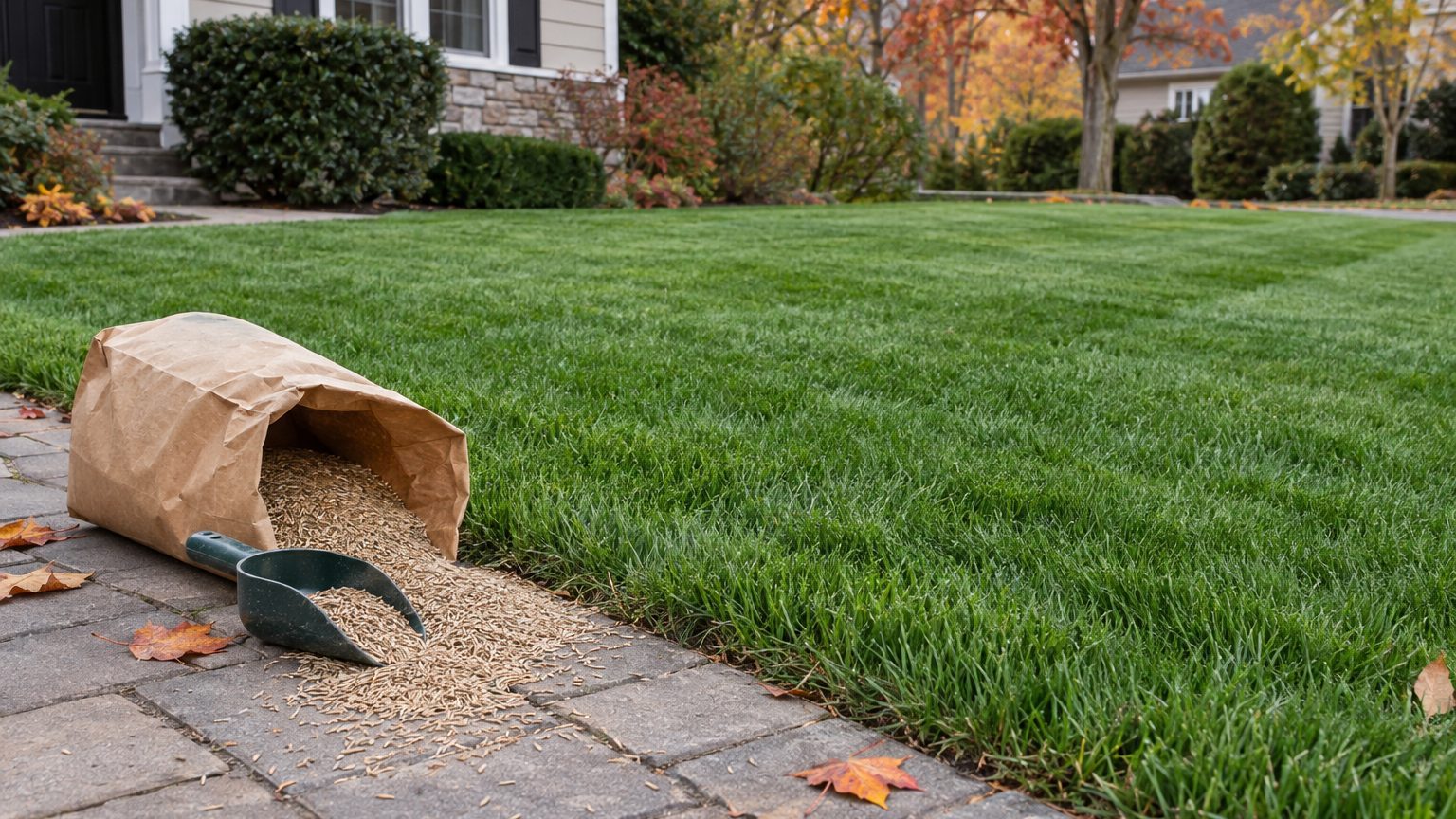
A thin, patchy lawn in a New Jersey backyard usually traces back to the wrong grass for the spot, not to a lack of effort. Cool-season grasses suit the state, with Kentucky bluegrass, tall fescue, fine fescues and perennial ryegrass doing the work. Which one belongs in your yard depends on sun, traffic and how much you want to water.

Which Grass Grows Best in New Jersey?

Cool-season grasses grow best here, because New Jersey sits in the cool-season belt where winters are cold enough to push warm-season turf into dormancy for months (hardiness zones run from 6a to 7b on the USDA system). Cool-season species grow hardest in spring and fall, and fall seeding gives them the easiest start. Each one has different strengths, so the right choice depends on the yard.

Tall Fescue

Tall fescue puts down deep roots, which helps it through New Jersey’s humid summers and dry spells. It takes foot traffic and some shade. Its coarse blades look different from bluegrass, which some homeowners accept happily and others never warm to.

Kentucky Bluegrass

Kentucky bluegrass gives the dense, dark green carpet many people picture. It spreads by underground stems and heals its own wear, but it wants full sun and more water in July and August. Planted alone in a hot, dry yard, it browns early.

Fine Fescues

Creeping red, chewings and hard fescue are the grasses for shade and poor, dry soil. They need less fertilizer and less mowing than the others. They fade under heavy traffic, so keep them to quiet corners and tree-lined edges.

Perennial Ryegrass

Perennial Ryegrass — Best Grass Seed for New Jersey

Perennial ryegrass sprouts quickly, which makes it handy for quick cover and for mixing with slower grasses. On its own, it can struggle with hard winters and long summer heat. Treat it as a partner in a mix rather than the whole lawn.

How to Choose Grass Seed for a New Jersey Yard

Start with the light your lawn gets and the feet that cross it. Those questions quickly narrow the field.

Then think about your habits. If you will water in dry spells and mow regularly, bluegrass pays you back. If you would rather do less of both, fescues are the easier path.

Your yard Grass Why it fits
Full sun, kids and pets Tall fescue Tough, deep roots, handles wear and heat
Full sun, showpiece lawn Kentucky bluegrass Dense turf that repairs itself, with regular water
Shade under trees Fine fescues Tolerate low light and thin soil
Mixed sun and shade Tall fescue with fine fescue Covers both conditions without separate seeding
Bare patch that needs fast cover Perennial ryegrass in a mix Sprouts quickly while slower grasses fill in

Low-maintenance yards lean on fine fescues and tall fescue, since both ask for less mowing and feeding than bluegrass. Whatever you choose, read the tag for the species list and skip bags that do not name them.

Which Grasses Grow Where in New Jersey

New Jersey is small, but the weather shifts from one end to the other, and the shifts nudge your choice of grass.

  • Sussex and Warren counties: Hills and higher ground in the northwest run colder, with an earlier fall chill. Bluegrass and fine fescue do well, and seeding sooner in the season gives roots time before cold arrives.
  • Central New Jersey: Mixed yards here suit tall fescue blends and bluegrass in sunny spots. Summer heat is enough to stress shallow-rooted turf.
  • The Shore and Cape May: Sandy soil drains fast and sea air dries the grass, so deep-rooted tall fescue is a practical choice.
  • South Jersey and the Pinelands: Warmer, sandy, acidic soil favors tall fescue and fine fescue over thirsty bluegrass.

Frost arrives later near the coast and earlier inland and uphill. Check your own county’s dates before you mark the calendar.

Grass Seed Mistakes to Avoid in New Jersey

Choosing the Wrong Species

Bluegrass in deep shade or fine fescue on a ball field both end badly. Match the grass to the light and the traffic before you buy, and read the species on the tag. A mix of suited grasses beats a bag built around the wrong species.

Seeding at the Wrong Time

Seed sown in the heat of summer struggles, and weeds beat it to the soil. In New Jersey, seed in August or September, when warm soil and cooler air help seedlings root. If you miss that window, April and May still work. Crabgrass preventer blocks germination of grass seed too, so skip it in any area you are seeding.

Burying or Overspreading the Seed

Grass seed is small and needs steady moisture and good soil contact. Cover it with no more than 0.25 inch of soil and press it firmly so it touches the ground. Follow the rate on the bag. Heavy piles of seed crowd each other and invite disease, while thin scatterings let weeds in.

Where to Get Lawn Advice in New Jersey

Local advice beats general advice, and New Jersey has solid sources for it. Soil, shade and rainfall differ from town to town, so a local opinion carries weight.

  • Rutgers New Jersey Agricultural Experiment Station publishes turf guidance written for the state, useful before you buy seed.
  • Your county’s Rutgers Cooperative Extension office can answer questions about your own soil and your own yard.
  • Ask about a soil test in late summer, before seeding, so the results can shape what you buy.

Common Questions

Can You Mix Grass Seed Types in New Jersey?

Yes. Blends of tall fescue with fine fescue, or bluegrass with ryegrass, cover varied light and wear in a single yard. Check the tag to see that each species is named.

Is St. Augustinegrass an Option in New Jersey?

No. It is a warm-season grass that does not tolerate the state’s winters, and it is never sold as seed anyway. Sod of warm-season types is a poor bet here.

Is Spring a Good Time to Seed a New Jersey Lawn?

April and May work as a fallback if you missed the fall window. Seedlings face summer heat and weeds sooner, so plan on regular watering through June, July and August.

The almanac, state by state. Every date on this site comes from a state’s own frost facts and its extension service’s calendar — and says where it comes from.