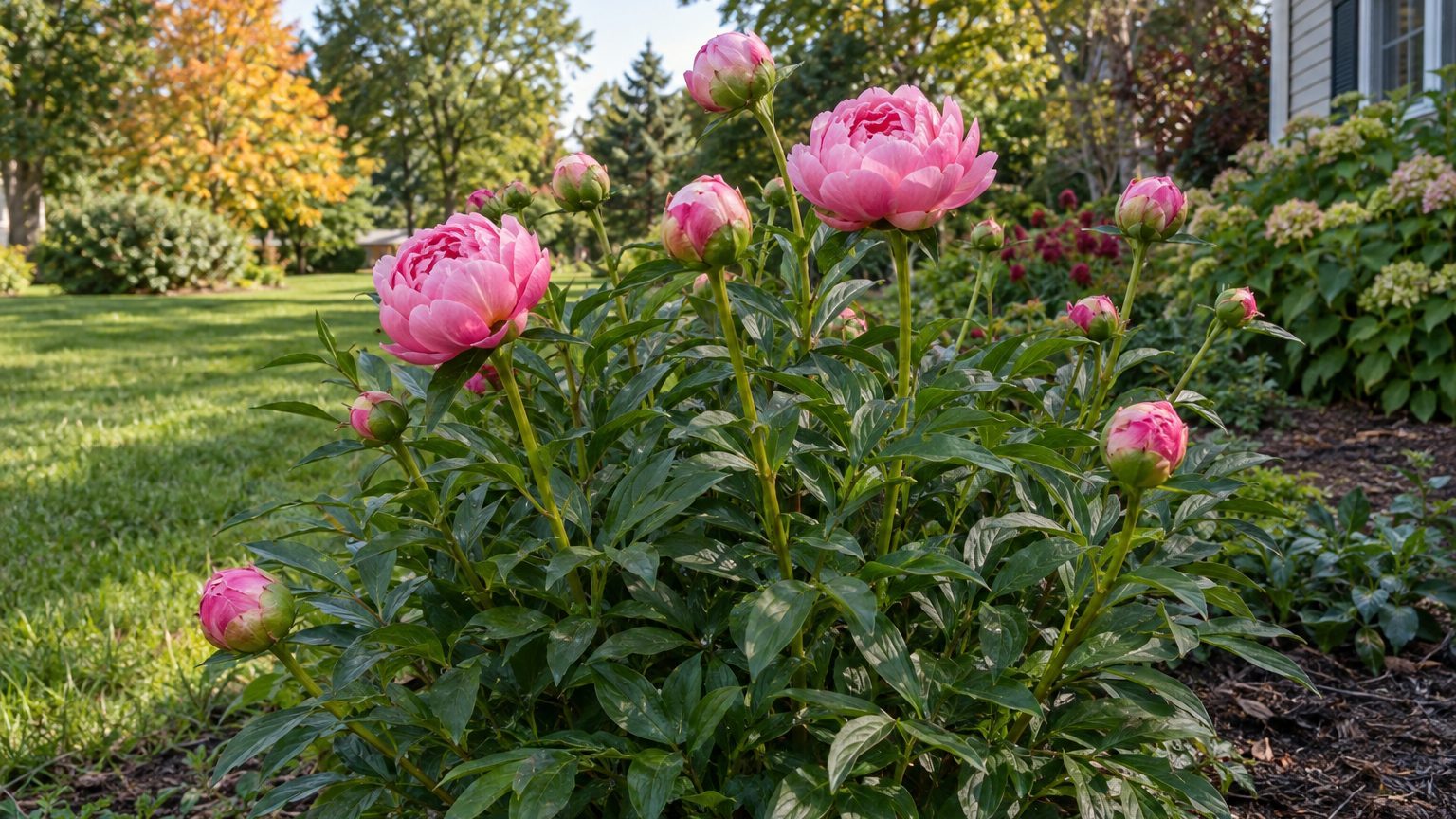
Peony shoots poke through the soil as red knobs in early spring, and the buds follow before the heat settles in. In Arkansas, the show runs through spring, with the timing depending on the cultivar you grow. The type of peony and where you garden in the state help decide whether flowers open in April or May.
When Do Peonies Bloom in Arkansas?

Peonies bloom in Arkansas in April and May, and some cultivars open as early as March. Early bloomers matter here because they finish flowering before hot weather arrives.
| Type of peony | When it blooms in Arkansas | What to know |
|---|---|---|
| Early-blooming cultivars | As early as March, into April | They flower before the heat sets in and are less prone to botrytis blight. |
| Single and Japanese types | April, May | They usually perform much better in the South than doubles do. |
| Double types | April, May | The heavy flowers tend to struggle in warm southern springs. |
Later cultivars open as late as May, which stretches the season but exposes the flowers to warmer days. Tree peonies follow their own schedule, so check the tag on the plant for its bloom group before you count on a month.
Arkansas — the year and the numbers
- State
- Arkansas
- USDA zones
- 6b-8a
- Last spring frost
- March 12 to March 28
- First fall frost
- November 7 to November 20
- Annual rain
- 50 in
- Lawn zone
- warm-season
- Source
- NOAA NCEI 1991-2020 Climate Normals, 32F freeze probabilities · Little Rock
How to Tell When Your Peonies Are About to Bloom
The plant announces its flowers well before the first petal opens, and the clues are easy to read once you know them.
- Red shoots pushing through the soil in early spring mean the plant has woken up, so clear old mulch away from the crown to give them room.
- Those shoots turn green and unfold into leafy stems, and a clump with strong, full foliage is gathering energy for flowers.
- Round buds form at the tips of the stems, and this is the moment to stake or cage the plant before the weight of the blooms bends it.
- Buds that swell and feel soft when you press one gently are nearing bloom, and that is the stage for cutting stems for a vase.
- A bud showing color at the seam is about to open, so move cut flowers indoors before it does if you want them to open in water.
- A plant with plenty of leaves but no buds, especially a newly planted or recently moved clump, may simply not be ready to bloom its first spring, or the eyes may be buried too deep, since a peony planted too deep may bloom poorly or not come up.
Keeping the eyes near the soil surface at planting avoids that last problem, and September and October are the months to plant or divide, never in the heat of summer.
When to Cut Back Peonies in Arkansas
Cut herbaceous peonies back in November, after a frost has blackened and flattened the foliage. If your yard gets its frost earlier or later than usual, October or December works too. The frost is the signal, not the date on the calendar.
Use clean pruners and cut the dead stems down to the soil surface, leaving the crown and its buds untouched. Rake up every fallen leaf and stem, then bag it or send it out with the trash instead of adding it to the compost pile, since old peony foliage can carry disease over winter.
Tree peonies are different. A tree peony keeps its woody stems through winter and is never cut to the ground. Trim only dead or broken wood, and leave the live framework in place for next spring’s growth.
How Peony Bloom Time Shifts Across Arkansas
Arkansas stretches from rugged hills to flat farmland, and peonies respond to those differences in timing and performance.
- Ozark Mountains: Cooler nights and longer winters in the northwest favor peonies, and bloom tends to land later in the spring window than in the south.
- Ouachita Mountains: Higher ground in the west-central part of the state runs cooler than the valleys below, which keeps buds from opening quite as early and gives flowers a gentler start.
- Arkansas Delta: Warm, flat country in the east brings growth earlier, so early-blooming cultivars have the best chance to finish before the heat arrives.
- South Arkansas: The mildest winters in the state give peonies the weakest cold rest, and early single or Japanese cultivars are the safer bet.
Wherever you garden, a sunny spot with good drainage matters more than small differences in location.
Where to Get Peony Advice in Arkansas
The University of Arkansas Cooperative Extension Service answers local questions about varieties, timing and problems. Staff there know how peonies behave in each part of the state, and the help reaches down to the county level.
- The extension website carries plant guides and seasonal gardening notes, so browse it before you order bare-root peonies for fall planting.
- Your county extension office can look at a photo or a sample of a struggling plant while buds and leaves are showing.
- Local master gardener programs run through the county offices, so call yours to ask about plant sales and workshops.
Common Questions
Can You Plant a Peony in Spring or Summer in Arkansas?
Fall planting gives roots time to settle before the next spring, which is why September and October are the months to aim for. A peony set out in summer heat has a hard time establishing itself, so wait for fall to plant bare-root divisions.
How Can You Stretch the Peony Season?
Plant cultivars with different bloom times, from early types that open in March or April to later ones that open into May. Staggered varieties keep flowers coming over a longer stretch.
Do Peonies Need Cold Winters, and Is Arkansas Cold Enough?
Peonies need a cold winter rest to flower, so they do best where winters are cold and may flower poorly in mild-winter climates. In Arkansas, USDA hardiness zones run from 6b to 8a, so the cooler northern hills suit them better than the milder south, where early single and Japanese types are the safest choice.