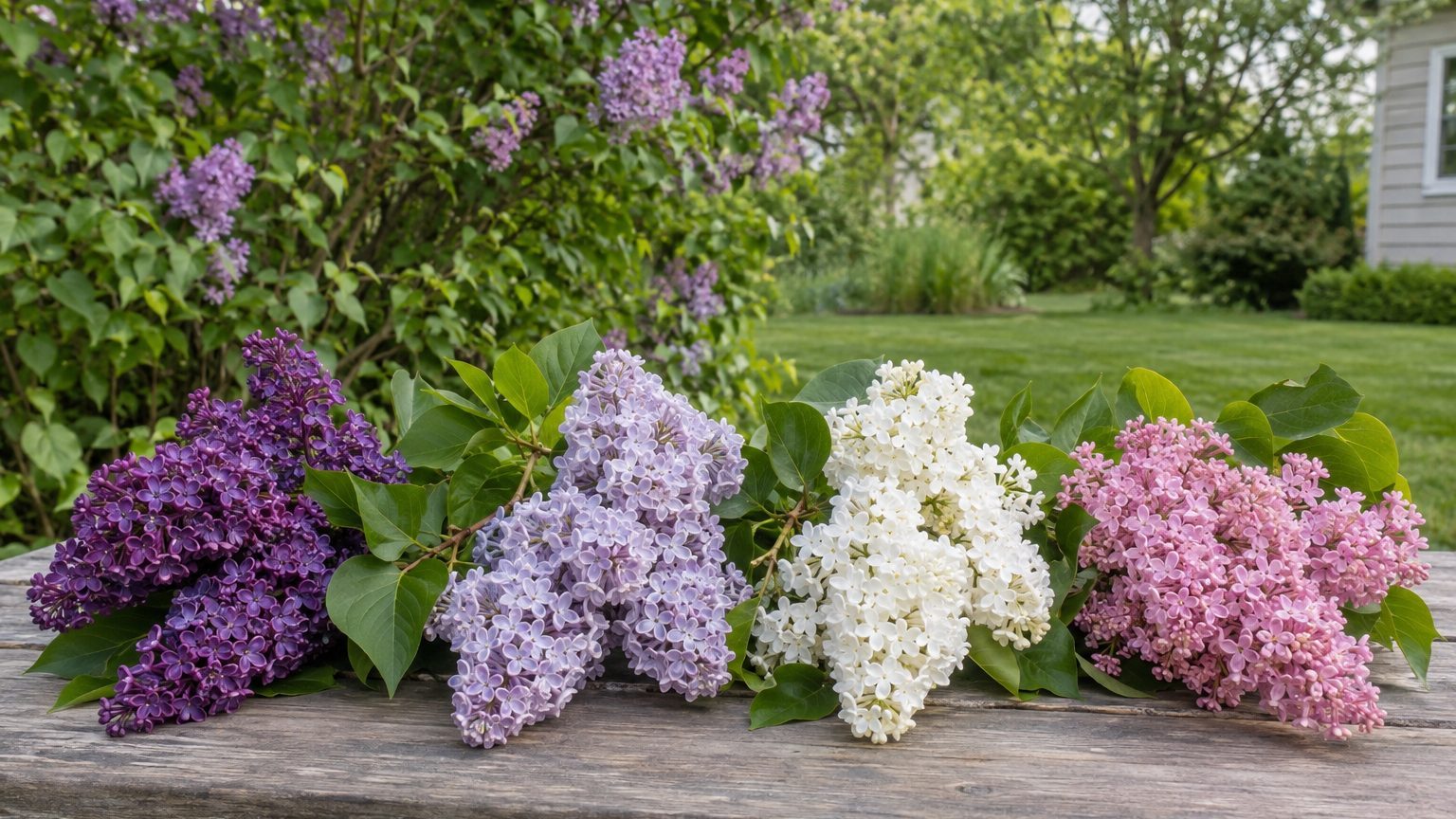
A lilac in full bloom is one of spring’s great scents, and plenty of North Carolina gardeners want one by the porch. The catch is that this plant is adapted to cold-winter climates. Which lilacs hold up in North Carolina depends on your elevation, your summer heat and the chill your winters deliver.
Best Lilacs to Grow in North Carolina

Classic lilacs struggle in the warmer parts of North Carolina. Lilacs want a long, cold winter rest to mature their flower buds, and the warmer parts of the state may not provide it. Some common lilac varieties do well in the mountains. In warmer country, look to Miss Kim, the Korean early lilac and cold-hungry reblooming types, with realistic expectations.
Common Lilac in the Mountains

Some varieties of common lilac do pretty well in the North Carolina mountains. Winters there are cold enough to give the buds the long rest they need before opening.
Outside the mountains, common lilac struggles. It does not like the heat of the warmer parts of the state and often becomes afflicted with powdery mildew and borers, so skip it in the lowlands.
Miss Kim Lilac

Miss Kim is a cultivar of Syringa patula, and it has been publicized as a lilac that can take hot Southern conditions. That reputation makes it a candidate to try in the Piedmont or farther east, where common lilac struggles.
Plant it in sun, give the roots room, and keep expectations modest. Even a heat-tolerant lilac still prefers a proper winter.
Korean Early Lilac
Syringa oblata var. dilatata, a variety of the Korean early lilac, has been mentioned as a candidate for Southern gardens. It is less common on nursery shelves than common lilac, so you may have to ask a local garden center to track one down.
Treat it as a worthwhile experiment rather than a sure thing. Buy it small and see how it handles the summer.
Bloomerang Lilacs
The Bloomerang group is noted for blooming in spring, then again in summer and fall. That reblooming habit is the draw, and it gives you a second chance at flowers if the first flush is thin.
Like nearly all lilacs, though, Bloomerang plants need a period of cold weather to bloom well. In a mild corner of the state, plan for fewer flowers than the catalog photos suggest.
Low-Chill Cultivars
Some low-chill cultivars have been developed for milder winters, and they are worth a look if you garden in a warmer part of the state. Even these perform best when they get an extended, cold winter rest.
Low chill means they cope with less cold, not that they ignore it. Pick a spot with good air movement to help against mildew in muggy summers.
North Carolina — the year and the numbers
- State
- North Carolina
- USDA zones
- 5b-8b
- Last spring frost
- March 23 to April 5
- First fall frost
- October 30 to November 8
- Annual rain
- 44 in
- Lawn zone
- transition-season
- Source
- NOAA NCEI U.S. Climate Normals 1991-2020, 32F freeze probabilities · Charlotte
How to Choose a Lilac for a North Carolina Garden
Start with where your yard sits, because winter chill and summer heat decide most of the outcome. Then match the plant to the weak point of your site.
A lilac that suits a cool mountain slope can fail on a hot, humid lowland lot. The table sorts the common situations.
| Your situation | What suits it in North Carolina | Why |
|---|---|---|
| Cold mountain winters | Common lilac | Some varieties do pretty well in the mountains, where the buds get a long winter rest |
| Hot, humid summers | Miss Kim or Korean early lilac | Miss Kim has been publicized as taking hot Southern conditions, and the Korean early lilac is a named candidate |
| Mild winters with little chill | Low-chill cultivars | They are bred for less cold, though they still do best with an extended cold rest |
| You want flowers more than once | Bloomerang group | It blooms in spring, then again in summer and fall, but still needs cold weather to bloom well |
Plants for tight spaces and low-effort yards are harder to call, since nothing here singles out a lilac for either. Check the mature size on the tag and ask the nursery how big the plant will get.
Which Lilacs Suit Different Parts of North Carolina
The state runs from mountain ridges to the Atlantic coast, and USDA hardiness zones range from 5b to 8b. That spread changes which lilacs make sense.
- Blue Ridge Mountains: This is lilac country by North Carolina standards. Common lilac does pretty well here, and spring frosts arrive later than in the lowlands, so a hard frost on open buds is a real possibility.
- Piedmont, around Charlotte and the Triangle: Summers turn hot and muggy, and common lilac often picks up powdery mildew and borers. Miss Kim and the Korean early lilac are the more sensible picks.
- Coastal Plain: Common lilac struggles in this warmer part of the state. Lilacs are a long shot, so a low-chill cultivar or a different shrub makes more sense.
Wherever you live, the closer you are to the mountains, the closer you are to a lilac’s comfort zone.
Lilac Buying Mistakes to Avoid in North Carolina
Common Lilac in the Lowlands
Common lilac is easy to find at garden centers, and it is tempting. In the warmer parts of the state it often becomes afflicted with powdery mildew and borers, and the shrub declines.
In the mountains, choose a common lilac variety with a good local record. In the Piedmont and east, choose Miss Kim or the Korean early lilac instead.
A Variety That Wants More Cold
Reblooming lilacs sound like a bargain, but they still need a period of cold weather to bloom well. In a mild winter the buds may mature poorly, and you pay for a shrub that gives few flowers.
Pick a low-chill cultivar and keep expectations modest in a mild winter.
A Pot Bought Without Its Adult Size
A lilac in a nursery pot looks harmless, but it grows into a large shrub that needs room. Planted too close to a foundation or walkway, it ends up crowded, with poor air movement, and mildew follows more easily in humid weather.
Read the tag for mature height and spread before you buy, and mark that footprint on the ground first.
Where to Get Lilac Advice in North Carolina
Local knowledge counts for a lot with a plant this sensitive to climate. Elevation and microclimate can change which lilac works from one county to the next.
- The state’s land-grant extension service, NC State Extension, publishes plant guides on lilacs and Southern-friendly alternatives, handy before you shop in late winter.
- Your county extension office can tell you which lilacs have lasted in nearby yards, so call in early spring before bloom.
Common Questions
When Should You Prune Lilacs in North Carolina?
Prune a once-blooming lilac right after the flowers fade, in May or June. July is another window for a once-blooming lilac, but not after July 10. A once-blooming lilac sets next year’s flower buds in summer, soon after it blooms, so pruning in late summer, fall or winter cuts off the next spring’s flowers.
When Do Lilacs Bloom in North Carolina?
Lilacs flower in April and May. A late cold snap while buds are open can damage the blooms, which matters most in the mountains where spring frosts come later.
Why Do Lilac Leaves Turn White and Dusty?
A white, powdery coating on the leaves that shows up during hot, humid spells points to powdery mildew. Common lilacs struggle in heat and humidity, so good spacing and a spot with air movement help.