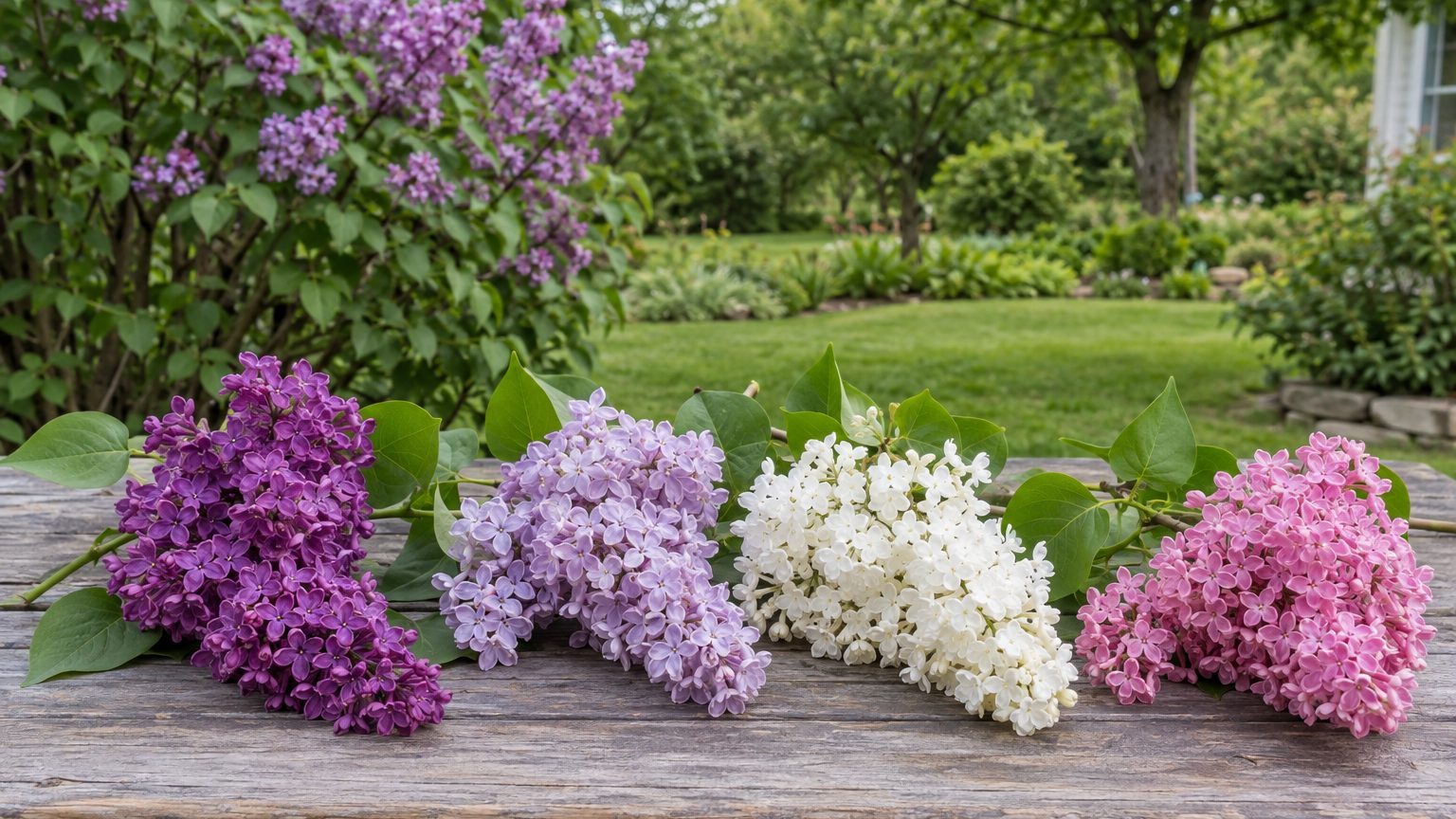
Where Arizona winters stay mild, lilacs bloom poorly or not at all because their buds need a cold winter rest. In the low desert around Phoenix, the common lilac struggles, so gardeners reach for Southern lilacs and low-chill hybrids. Up in the high country, where winters bite, a wider range of lilacs can grow.
Best Lilacs to Grow in Arizona

Southern lilacs and the Descanso hybrids are options to try where winters are mild, while the common lilac belongs only in the cold high country. Phoenix winters are generally too mild for the flower buds of a common lilac to mature. Even the low-chill kinds bloom best after a cold winter rest.
Southern Lilacs

Plants labeled Southern lilacs, or lilacs for the South, bloom early and usually grow and flower where common lilacs fail. They are not as fragrant as the lilacs you may remember from colder places. Look for that wording on the plant tag.
Descanso Hybrids

These were bred for mild-winter gardens and are worth trying in the low desert. Names to look for include the white ‘Angel White’, the blue ‘Blue Boy’ and the pink ‘California Rose’. Some varieties will bloom with only a little chilling, though more cold still means more flowers.
Low-Chill Cultivars
Breeders have developed low-chill cultivars that need less winter cold than a classic lilac. Treat them as an improvement, not a cure. Even these perform best after a long, cold winter rest, so expect lighter bloom in the lower, hotter parts of the state than in the cooler north.
Superba
The cultivar ‘Superba’ is heat tolerant and mildew resistant, with dark pink, single flowers. Heat and humidity invite powdery mildew on common lilacs, so a mildew-resistant plant gives you a fair chance through a long summer.
Meyer Lilac
Syringa meyeri is slow growing, with dense foliage and a broadly rounded shape. It stays a compact, spreading shrub, which suits a small yard. Plant it in the cooler high country, where winters give its buds the rest they need.
Common Lilac
The common lilac is not suited to the heat of the low desert. Its recommended growing range favors cold-winter climates rather than the low desert. Use it only where winters really freeze.
Arizona — the year and the numbers
- State
- Arizona
- USDA zones
- 4b-10b
- Frost
- none in an average year
- Annual rain
- 7 in
- Lawn zone
- warm-season
- Source
- NOAA NCEI 1991-2020 Climate Normals + NOAA RCC ACIS daily records, station USW00023183 — https://www.ncei.noaa.gov/access/services/data/v1?dataset=normals-annualseasonal&stations=USW00023183 · Phoenix
How to Choose a Lilac for an Arizona Garden
Start with how cold your winter gets, since that decides everything else. Arizona spans USDA zones 4b to 10b, so a lilac that thrives in one town can fail in a nearby community.
Next, think about summer. Heat and humidity bring mildew, and a plant that tolerates both saves you trouble.
| Your situation | What suits it in Arizona | Why |
|---|---|---|
| Very cold winter in the high country | Common lilac | It is suited to the colder zones and wants a pronounced winter chill |
| Hot summer with humid spells | ‘Superba’ | It is heat tolerant and mildew resistant |
| Mild low-desert winter | Southern lilacs or Descanso hybrids | They bloom with little chilling |
| Small space | Meyer lilac | It stays compact and grows slowly |
| Little time for pruning | Meyer lilac | It is slow growing with dense foliage |
| Not much winter cold | Low-chill cultivars | They need less cold, though cold still helps |
Littleleaf lilac, Syringa microphylla, is another species worth asking a nursery about.
Which Lilacs Suit Different Parts of Arizona
Elevation shapes the choice more than anything else here, because winter cold changes sharply as you climb.
- Phoenix and the low desert: Winters are mild and summers stop common lilacs cold. Stick to Southern lilacs, Descanso hybrids and low-chill cultivars, and expect modest flowering.
- Flagstaff and the high country: Winters freeze hard here, a different climate from the desert floor. Common lilacs and Meyer lilacs have the cold rest they want, but early bloomers such as the Hyacinthifloras do best where late frosts are less frequent.
Between those two places, the cooler your winters, the more of the standard lilac list opens up to you.
Lilac Buying Mistakes to Avoid in Arizona
Planting a Common Lilac in the Desert
Many nursery lilacs are common lilacs, and they languish in hot climates. The cost is a shrub that leafs out, mildews and rarely flowers. In the low desert, choose a Southern lilac or Descanso hybrid instead.
Ignoring How Much Cold a Variety Wants
A variety that needs a long cold rest will sulk where winters stay mild, because its flower buds never mature. Cultivars described as heat tolerant or low chill are the safer pick. Even so, set realistic expectations for bloom in warm places.
Buying Without Knowing Adult Size
A small pot can hide a shrub that eventually crowds its site, while a Meyer lilac stays compact. Read the tag for mature height before choosing a spot. Prune right after the flowers fade, since lilacs set next year’s buds soon after blooming and cutting later removes them.
Where to Get Lilac Advice in Arizona
Local growers know which lilacs have survived in your town. Reliable local guidance is worth a call or a visit.
- The University of Arizona Cooperative Extension offers plant guidance for each part of the state, so check it before you buy.
- Your county extension office can tell you what lilacs have done in your elevation, and a visit in spring shows what is blooming nearby.
Common Questions
Are Southern Lilacs as Fragrant as Common Lilacs?
They are not. Southern lilacs usually grow and bloom well but have less perfume than the lilacs of colder places. Many gardeners accept that trade for flowers that actually open.
Is a Lilac on Its Own Roots Better than a Grafted One?
For cold hardiness, yes. Lilacs on their own roots are far hardier than grafted lilacs, which matters most in the high country where winters freeze hard.
Can You Stretch the Bloom Season?
Planting several species gives you flowers across a longer stretch of spring, since each has its own flowering time.