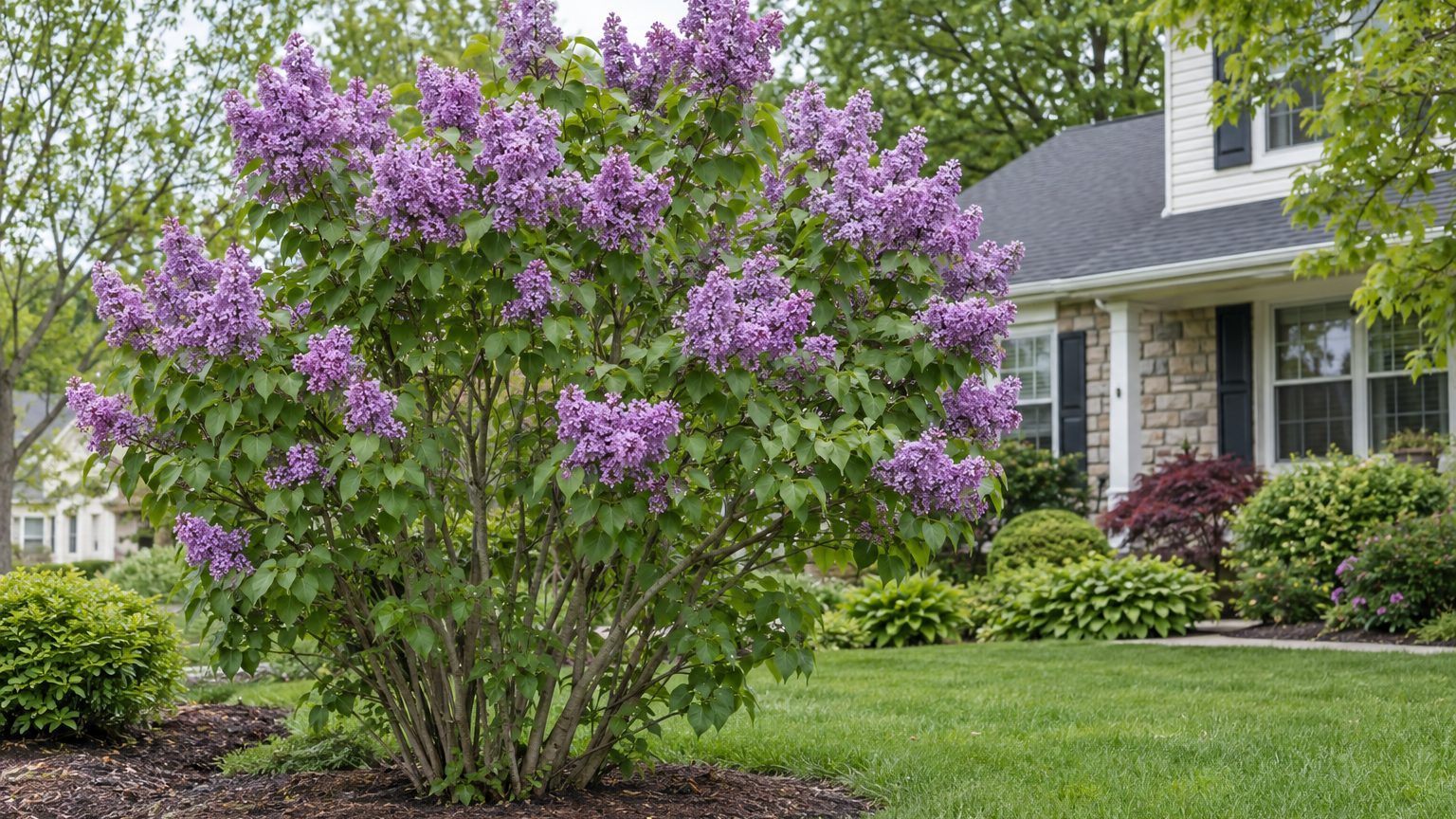
A lilac in a Virginia yard opens its first clusters of purple, lavender or white while the dogwoods are still waking up, and the scent carries across the lawn on a warm afternoon. Common lilac is a cold-country shrub that stretches to fit Virginia’s mild winters, and how well it blooms depends on where you live and when you cut it.
When Do Lilacs Bloom in Virginia?

Lilacs in Virginia bloom in April and May, and some species carry flowers into June, so mixing lilacs with different flowering times can stretch the season. Here is how a lilac’s year unfolds in the state.
- In April and May, the flower clusters open on wood that grew last year, and this is the stretch to enjoy and to cut a few stems for a vase.
- In May and June, right after the flowers fade, is the time for any regular pruning, because the shrub starts setting next year’s buds soon after it blooms.
- Through summer, the new flower buds form on the fresh growth, which is why late cuts cost you the following spring’s show.
- In fall, the leaves drop and the shrub settles down, with nothing to do but leave the stems alone.
- Through winter, the buds need a cold rest to mature, and if the shrub is badly overgrown, March and April are the months for a hard cut-back at the price of the next flowers.
At the Virginia Beach reference point, the last spring freeze usually falls between March 20 and April 3, and the first fall freeze between November 10 and November 24, in a state that spans USDA hardiness zones 5a to 8b. The Blue Ridge and southwest Virginia run weeks later in spring and earlier in fall.
Virginia — the year and the numbers
- State
- Virginia
- USDA zones
- 5a-8b
- Last spring frost
- March 20 to April 3
- First fall frost
- November 10 to November 24
- Annual rain
- 47 in
- Lawn zone
- transition-season
- Source
- NOAA NCEI 1991-2020 Climate Normals, 32F freeze probabilities · Virginia Beach
Which Lilacs Grow Best in Virginia?
Lilacs do grow in Virginia, but they are happiest where winters are properly cold. Common lilac, Syringa vulgaris, needs a stretch of winter chill to develop its flower buds and bloom fully in spring.
Hot, humid summers are the weak point, so a lilac in the warmer parts of the state will often bloom less than one in the mountains. Different lilacs flower from April through June.
| Lilac type | How it does in Virginia | Why |
|---|---|---|
| Common lilac (Syringa vulgaris) | Blooms well where winters are cold, thinner in warm areas | Flower buds need winter chill to mature |
| Lilacs that flower in April | Open the season | Each species has its own flowering time |
| Lilacs that flower in May | The main show for most yards | Peak bloom falls in the middle of the lilac season |
| Late species that run into June | Extend the display | Some species flower after the others finish |
Planting several species with different flowering times gives a much longer lilac season than any single shrub. After bloom, lilacs fade into the background, so tuck them where summer foliage can hide them.
When to Plant, Prune and Feed Lilacs in Virginia
Pruning is the task with the tightest window. Lilacs set next year’s flower buds in summer, soon after they flower, so pruning in late summer, fall or winter cuts off the next spring’s flowers.
The right moment is the sign, not the date: the flowers have faded and the shrub is still in spring growth. The full pruning method has its own page for Virginia.
| Task | Best timing in Virginia | Why then |
|---|---|---|
| Enjoy bloom and cut stems for the house | April and May, and into June for late species | The flowers open on last year’s wood |
| Regular pruning | May and June, right after the flowers fade | Next year’s buds have not yet set |
| Hard renovation of an overgrown shrub | March and April, while the plant is dormant | The cut removes the next flowers, and the shrub will not flower for a few years afterward |
| Planting and feeding | Ask your county extension office about planting and feeding for your site | Local soil and site conditions determine what the shrub needs |
After bloom, thinning an old lilac by removing its oldest, thickest stems can open crowded growth. That same idea works in a Virginia yard, since thick old stems tend to flower poorly anyway.
How Lilac Bloom Time Changes Across Virginia
Bloom time shifts from one part of the state to another, with cooler ground opening later and warmer ground earlier.
- Virginia Beach and the coast: Mild winters mean the earliest start to spring, but less winter chill, so flowering can be lighter.
- The Blue Ridge: Cooler spring weather holds the buds back, so lilacs open later than they do in the east.
- Southwest Virginia: Spring arrives later here, and colder winters give the buds the chill they like.
If your yard sits between these places, expect bloom to fall somewhere in between.
Where to Get Lilac Advice in Virginia
Virginia Cooperative Extension is the place to turn when a lilac refuses to bloom or the leaves look wrong. Your county office can help with a diagnosis or a soil test.
- The extension publications cover lilac varieties and flowering times, handy before you buy a shrub.
- Your county extension office can explain how to submit soil or leaf samples.
Common Questions
Why Is My Lilac Not Blooming in Virginia?
Look at when the shrub was last cut, and how much sun it gets. A lilac pruned in late summer, fall or winter loses its buds, and a shrub in heavy shade will bloom thinly. In warmer parts of the state, too little winter chill can also hold flowers back.
Can You Grow Lilacs in Southeast Virginia?
You can, but expect less from them. Lilacs struggle in hot, humid summers, and the coast has mild winters that give the buds less chill. Choose a sunny, well-drained spot and keep expectations modest.
Can You Cut an Overgrown Lilac Back to the Ground?
Yes, in March or April while the plant is dormant. The shrub will grow back, but the next flowers are lost and it will not flower for a few years afterward.