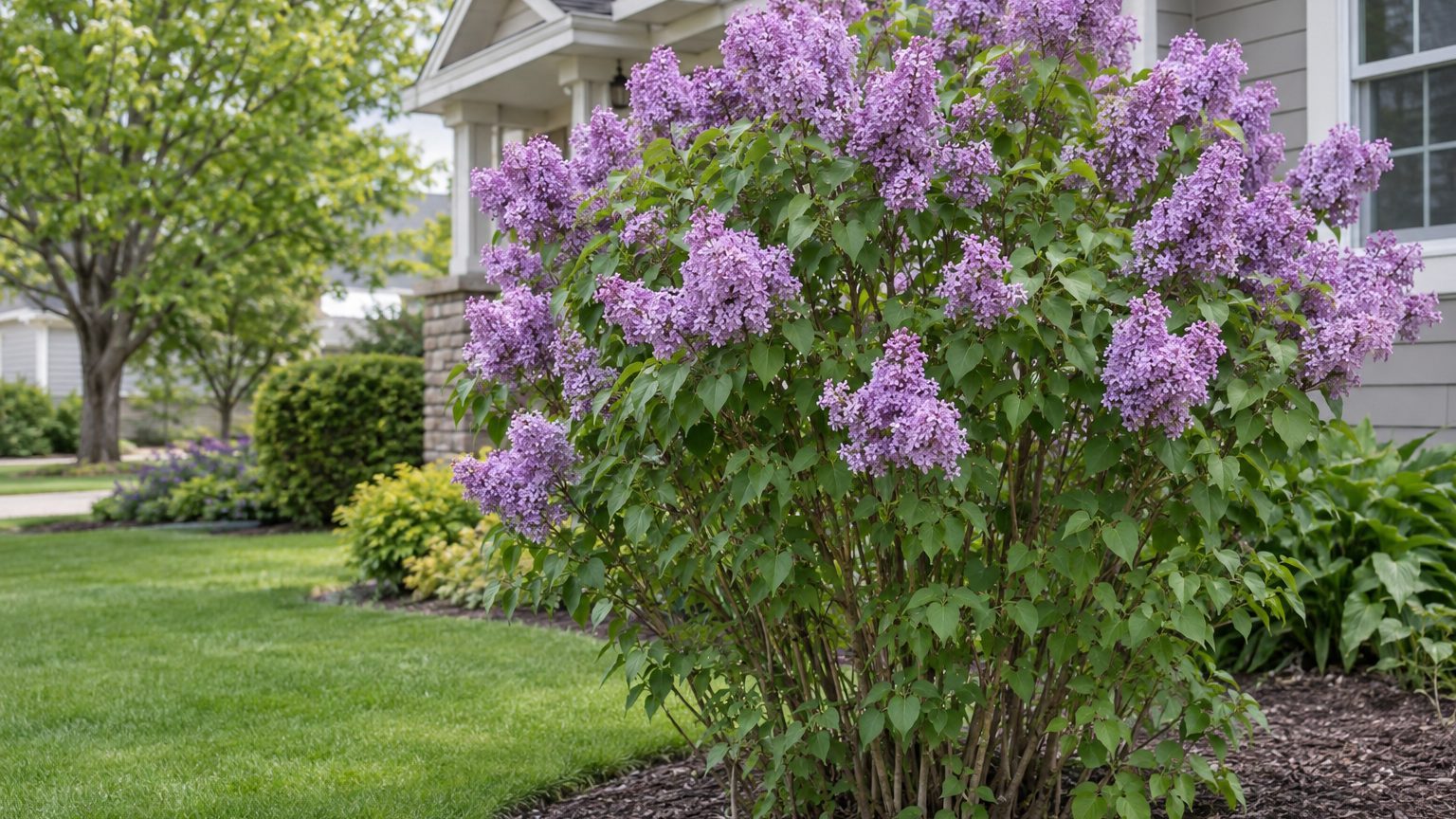
A lilac in North Dakota smells like the end of a long winter. Lilacs in the yard bloom in late spring, and it helps to know when to expect the flowers, which lilacs handle the cold, and the yearly tasks that keep them flowering.
When Do Lilacs Bloom in North Dakota?

Lilacs in North Dakota bloom from May into June, with the common lilac opening first and the late and tree lilacs closing the season. Here is how a lilac’s year runs in your yard.
- In May, the common lilac opens its fragrant clusters, and the show carries on into June.
- In June, the late lilacs and tree lilacs take over, and this is also when you prune, right after the flowers fade.
- Through the rest of summer, the shrub sets the buds for next spring on the new growth, so it needs to be left alone.
- In fall, the plant slows down and hardens off for the cold, with no pruning needed.
- In winter, the shrub rests in deep cold, which is exactly what ripens those buds. An overgrown shrub can get a hard cut in March or April while dormant, though that costs the next flowers.
For frost, the reference city of Fargo sees its last spring freeze between May 4 and May 15, and its first fall freeze between September 25 and October 5. Gardens outside town usually freeze later in spring and earlier in fall, often by one to two weeks, so check the dates for your own county. The state sits in USDA hardiness zones 3a to 4b, and the zone differs from one part of the state to another.
North Dakota — the year and the numbers
- State
- North Dakota
- USDA zones
- 3a-4b
- Last spring frost
- May 4 to May 15
- First fall frost
- September 25 to October 5
- Annual rain
- 24 in
- Lawn zone
- cool-season
- Source
- NOAA NCEI U.S. Climate Normals 1991-2020, 32F freeze probabilities · Fargo
Which Lilacs Grow Best in North Dakota?
Lilacs suit North Dakota well. They need a cold winter rest to ripen their flower buds, and they struggle in hot, humid summers, which is rarely a problem here. The state’s USDA hardiness zones suit them, and they like sun and good air circulation.
Choose by bloom timing, since a late freeze can hurt the earliest flowers.
| Lilac type | How it does in North Dakota | Why |
|---|---|---|
| Common lilac | Reliable, blooms first in May | Hardy in cold zones and likes full sun |
| Hyacinthiflora hybrids | Very hardy, but plant with care | They bloom earlier, so late spring frosts can catch the flowers |
| Late lilacs | Good choice for June color | They open after the common lilac has finished |
| Tree lilacs | Close the season in June | They flower late, which helps dodge spring frost |
The early hybrids of S. oblata and S. vulgaris also suit cold climates, but they open earlier than the common lilac. Plant them only where May frosts are less frequent.
When to Plant, Prune and Feed Lilacs in North Dakota
Lilacs bloom on last year’s wood and set next year’s flower buds in summer, soon after flowering. Prune right after the flowers fade, because cutting in late summer, fall or winter removes the next spring’s flowers.
| Task | Best timing in North Dakota | Why then |
|---|---|---|
| Enjoy the bloom | May into June | The common lilac opens first, then the late and tree lilacs |
| Routine pruning | June, right after the flowers fade | The new flower buds have not formed yet, so you keep them |
| Pruning while dormant | March or April | It works, but you give up that spring’s flowers |
| Hard renovation cut | March or April | The shrub is dormant and regrows from the base |
An overgrown lilac can be cut back hard in late winter, but it will not flower for a few years afterward. For the details of cutting, see the page on when to prune lilacs in North Dakota. Planting and feeding have no set month here, so follow the soil: plant when the ground is workable and not frozen, and go easy on feeding, since too much fertilizer favors leaves over flowers.
How Lilac Bloom Time Changes Across North Dakota
Bloom follows the local spring, so a warmer corner opens sooner than a cooler one, and a few places in the state show it.
- Red River Valley: Let the local bloom, rather than a statewide assumption, guide your timing.
- Bismarck and the Missouri River country: Bloom timing follows local spring conditions.
- Northern towns near the Canadian border: spring comes later, so the common lilac opens later and the late lilacs push well into June.
A yard in town and an open farmstead can warm at different rates, so let the shrub’s flowers guide you.
Where to Get Lilac Advice in North Dakota
When a lilac sulks or refuses to flower, local help can sort it out. NDSU Extension publishes cold-climate gardening guidance, and your county office can answer yard-specific questions.
- The county extension office can help diagnose a struggling shrub, so bring a sample of the affected branch and leaves in late spring or summer.
- A soil test through the office shows what your yard needs, and it is best done before you add any fertilizer.
Common Questions
Why Is My Lilac Not Blooming?
Too little sun is a frequent cause, so check that the shrub gets full sun for most of the day. Pruning at the wrong time is another, since cutting after summer removes next spring’s buds. A young shrub may also simply be too young to flower yet.
Can You Move a Lilac in North Dakota?
Yes, a lilac can be moved while dormant, but expect it to sulk. A shrub that is transplanted often skips flowers for a time while the roots settle. Choose a sunny spot with good air circulation to give it a good start.
Do Late Frosts Harm Lilac Flowers?
A hard freeze after the buds open can brown the flowers, and the earliest-blooming hybrids are most exposed. The shrub itself is very hardy and recovers, so you lose that year’s show but not the plant.