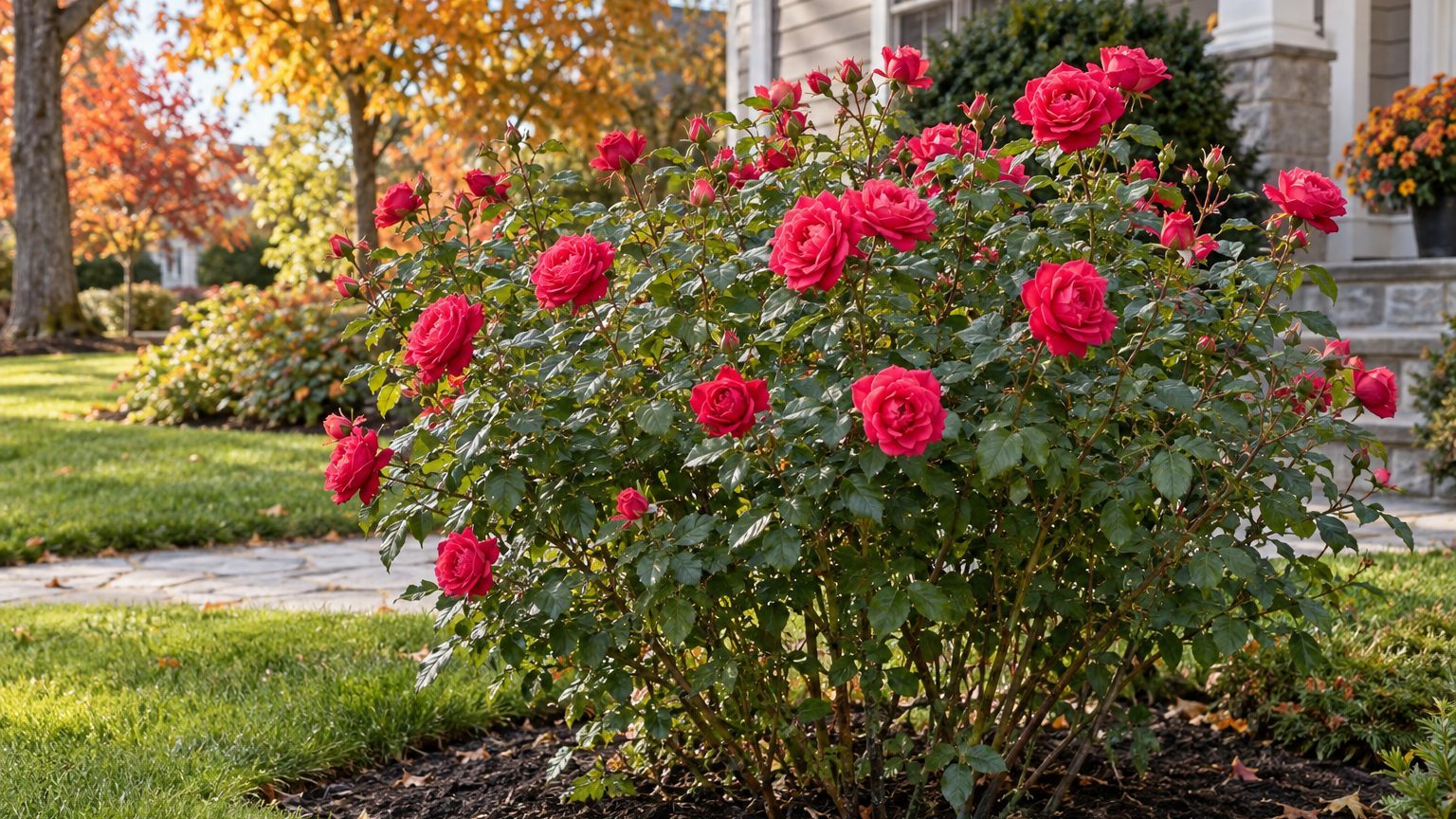
Roses in New York go through a clear rhythm: bare canes in early spring, plants leafing out as the soil warms, and mounded or wrapped canes once winter settles in. The dates that fit a Long Island yard differ from those in the Adirondacks, so the windows here start with New York City and then shift with where you live.
When to Plant Roses in New York

Bare-root roses go in first, while they are still dormant, and container roses follow once the weather settles. Local conditions shape the planting window. In New York City, the last spring frost arrives between March 23 and April 3, and a freeze after leaves have opened can blacken tender new growth on a young rose.
- In March and April, plant bare-root roses before growth starts, because a dormant plant settles in without any leaves to support.
- In April, container roses can begin going in, and they can keep going in through midsummer.
- From May through July, bare-root roses can also be planted if they turn up late, though the earlier months suit them better.
- In April, May, June and July, feed the new plant along with the established ones, starting after pruning, again at first bloom and once more in mid-July.
- In November, after several killing freezes, tuck in winter protection on tender types.
In New York City, the first fall frost comes between November 14 and November 27, and upstate it comes sooner. The state spans USDA hardiness zones 3b to 7b, so a rose that shrugs off winter near the coast may need more care farther north.
New York — the year and the numbers
- State
- New York
- USDA zones
- 3b-7b
- Last spring frost
- March 23 to April 3
- First fall frost
- November 14 to November 27
- Annual rain
- 50 in
- Lawn zone
- cool-season
- Source
- NOAA NCEI U.S. Climate Normals 1991-2020, 32F freeze probabilities · New York City
Which Roses Grow Best in New York?
Winter decides most of the choices here. Hardy shrub roses such as Knock Out or the Explorer series perform well without extra protection, while hybrid teas, floribundas and grandifloras need it in cold winters.
Look at the label before you buy. A rose bred for a colder zone needs little added protection in a milder garden, which gives you room to choose.
| Rose type | How it does in New York | Why |
|---|---|---|
| Hybrid teas, floribundas, grandifloras | Rewarding, but need winter protection | Cold winters can damage the canes |
| Hardy shrub roses (Knock Out, Explorer series) | Performs well without extra winter protection | Bred to take cold without extra cover |
| Old garden roses | Many tolerate cold well | Many bloom once a year on last year’s wood |
| Climbing roses | Varies by cultivar | Hardiness depends on the zone each was bred for |
Match the rose to your zone first and your color preference second. A tender hybrid tea can still earn a spot near the house, where you can cover it each November.
When to Prune, Feed and Protect Roses in New York
Rose care follows a seasonal rhythm. Winter cover comes off in early spring, pruning follows, feeding runs through summer, and cover goes back on after the freezes arrive.
| Task | Best months in New York | Why then |
|---|---|---|
| Remove winter protection | March, April | The ground has thawed and the plants are ready to wake |
| Prune repeat-blooming roses | March, April | Buds are swelling and these roses flower on new wood |
| Feed roses | April, May, June, July | Feeding follows pruning, first bloom and midsummer, and stops after mid-August |
| Put on winter protection | November | Several killing freezes mean the plants are truly dormant |
Pruning can also be done in February, and protection can go on in December if November slips by. Once-blooming roses, such as old garden roses, ramblers and many climbers, flower on last year’s wood, so prune them right after they bloom and never in early spring. Hold off on feeding after mid-August to avoid soft growth that frost will catch.
How Rose Care Dates Change Across New York
Cold decides most of the shift.
- New York City: Frost clears in spring and arrives in fall later than it does upstate, so the planting and protection windows here fit most closely.
- Upstate New York: Frost comes earlier in fall and lingers later in spring, so lean toward the late end of the spring planting window and toward November for winter protection.
- The Adirondacks: This is a colder part of the range, where winter cover matters and spring work starts later.
Let the weather in your own yard, not the calendar alone, tell you when the ground has thawed or the plants have gone dormant.
Where to Get Rose Advice in New York
The state’s land-grant extension system, Cornell Cooperative Extension, answers rose questions for home gardeners, and your county office serves as the local branch.
- Your county Cooperative Extension office can help diagnose a sick plant if you bring a cane or leaf in spring or summer.
- The same office can guide you through a soil test, so call in late winter before planting bare-root roses.
- Bring a few photos of the plant and its spot to a visit, so the advice fits your actual yard.
Common Questions
How Do You Know When to Take Winter Protection Off Roses?
Wait until the ground thaws, which usually happens between mid-March and mid-April in New York. Pull the cover away gently and in stages, rather than all at once, so the canes meet the weather gradually.
Why Not Fertilize Roses in Late Summer?
Feeding that late pushes soft, tender growth that will not harden before winter. Frost damages that new growth, which weakens the plant going into the cold months.
What Does Forsythia Have to Do with Pruning Roses?
Forsythia blooms in early spring, around the time pruning should begin, and many growers use it as a signal. When the yellow flowers open, repeat-blooming roses are ready for the pruning shears.