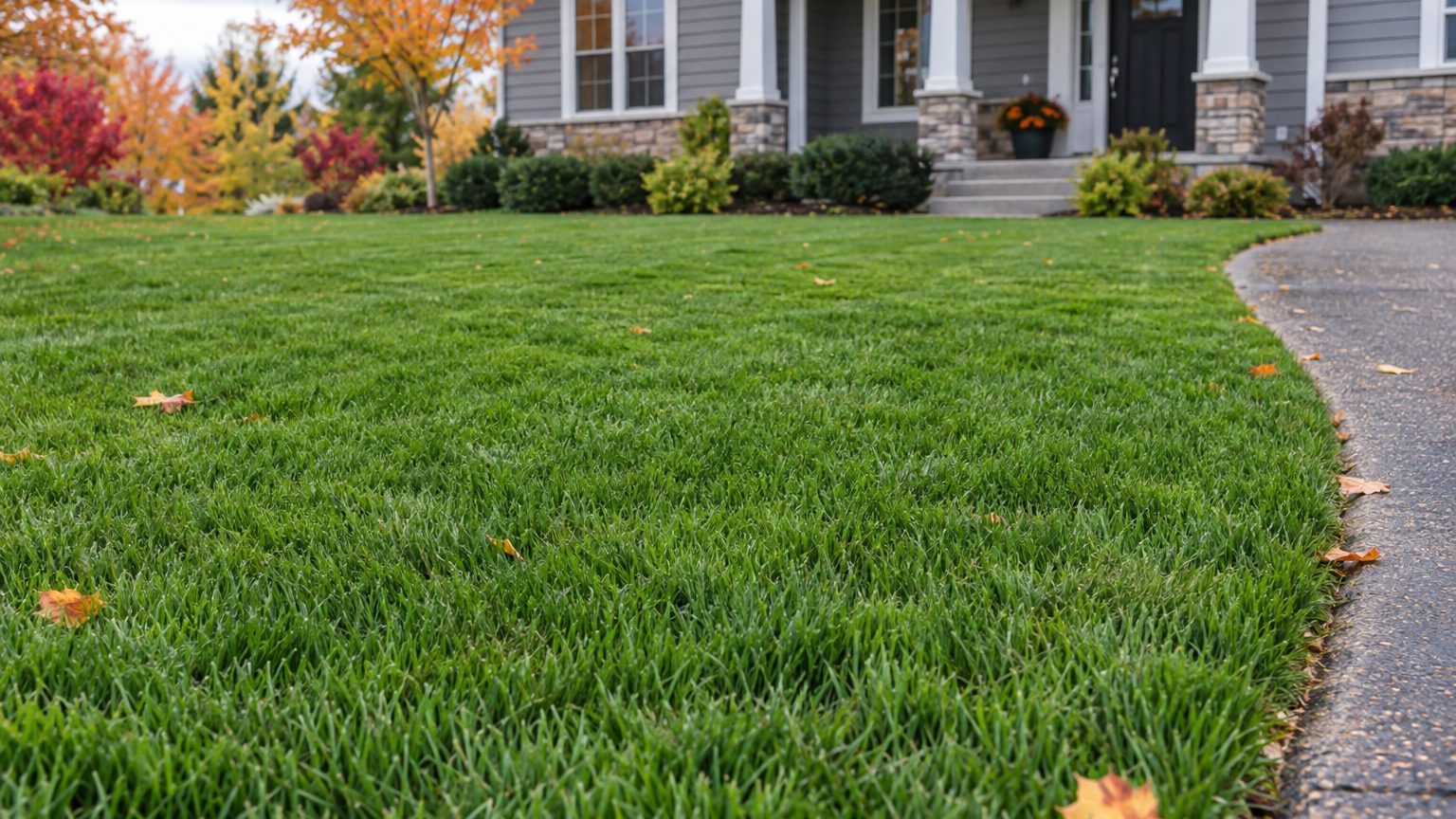
Raking last fall’s leaves off a cold lawn and watching the first green push through is a spring ritual on the Island, and it comes later than many mainland neighbors expect. Lawns in Prince Edward Island run on a short, cool season, so the right grass and the right timing matter more than any extra product.
Frost Dates and Growing Season in Prince Edward Island
Around Charlottetown, the last spring frost falls on average around May 16, which means half of all years still see frost after that day. Treat it as the middle of a window, not a safe date. Northern and upland districts run weeks behind. Around Charlottetown, the first fall frost averages October 17; treat that as the middle of a window, not a safe date. Charlottetown is in Canadian hardiness zone 5b, a system that does not convert to USDA zones. Grass grows when the soil warms, not on a frost date, so frost mainly tells you when a young seedling is at risk and when seeding season closes.
- In early spring, the ground thaws and dries slowly, so stay off soggy turf and rake only lightly to lift matted grass.
- In May, the soil warms enough for steady growth, and this is the month for crabgrass preventer, mowing and, if needed, a light fertilizing or core aeration.
- From June through August, mowing carries on and watering matters most, because summer dry spells stress shallow-rooted turf.
- In late summer, August and September, seed, dethatch and aerate while the soil is still warm and nights are cooling.
- In October and November, mowing winds down, a last feeding is still possible in October, and bare spots can be dormant seeded in November.
Seed sown in late summer gets weeks to root before the first hard frost, which is why that window beats spring for most repairs.
Prince Edward Island — the year and the numbers
- State
- Prince Edward Island
- Hardiness zones
- 5b
- Last spring frost
- May 16
- First fall frost
- October 17
- Annual rain
- 46 in
- Lawn type
- cool-season
- Source
- Environment and Climate Change Canada — Canadian Climate Normals 1981-2010, station CHARLOTTETOWN A · Charlottetown
Cool-Season or Warm-Season Grass in Prince Edward Island?
Cool-season grass is the only sensible choice here. Winters are cold, summers are mild, and warm-season grasses would sit brown for most of the year. A dry stretch in midsummer can send cool-season turf dormant.
Mixes of several species usually do better than a single grass, since each covers a weakness of the others.
| Grass | How it does in Prince Edward Island | Why |
|---|---|---|
| Kentucky bluegrass | Dense, hardy lawn | Handles cold winters and spreads to fill thin spots |
| Fine fescues | Reliable in lean or shadier ground | Creeping red, chewings and hard types need less feeding |
| Perennial ryegrass | Quick to sprout | Gives fast cover while slower grasses establish |
| Tall fescue | Sturdy and deep rooted | Copes better with dry spells than bluegrass |
Warm-season grasses such as zoysia or Bermudagrass do not belong on Island lawns, and St. Augustinegrass is never sold as seed anyway.
When to Seed, Fertilize and Aerate a Lawn in Prince Edward Island
September brings several important lawn jobs together. Warm soil, cooler air and fewer weeds help new grass establish, and a feeding that month helps it build roots before winter.
If you miss a window, the timing column notes any fallback.
| Task | When to do it in Prince Edward Island | Why then |
|---|---|---|
| Seeding | August, September (May also works) | Warm soil and time to root before frost |
| Fertilizing | September (May or October also work) | Feeds root growth ahead of winter |
| Core aeration | September (May also works) | Opens compacted soil while grass recovers fast |
| Dethatching | August, September | Grass is growing strongly and heals quickly |
| Crabgrass preventer | May | Goes down before weed seed germinates |
| Dormant seeding | November | Seed lies on cold soil and sprouts in spring |
| Watering | June, July, August | Summer dry spells are when turf needs help |
Mowing runs from May through October, and it also works in April and November when the weather allows.
Lawn Problems to Watch for in Prince Edward Island
Winter Damage in Spring
Patches of matted, grayish or straw-colored grass after the snow melts point to winter injury, especially where snow piled up or water pooled. Rake gently to lift the blades, wait for warmth, and see what greens up on its own. Seed any patch that stays bare once May arrives.
Brown Turf in Dry Summers
A lawn that turns tan across sunny, open areas in July or August, and springs back after rain, is usually dormant rather than dead. Water deeply and regularly in June through August to keep it green, and mow high so the soil stays shaded.
Thin Grass on Compacted Soil

Thin turf along walkways and play areas, where a screwdriver hardly pushes in, signals compaction. Core aeration in September opens the soil, and overseeding right after fills the gaps.
How Lawn Care Dates Change Across Prince Edward Island
The Island is small, but the sea still nudges the calendar a little from one end to the other.
- Charlottetown and the south shore: Springs warm a bit sooner here, so mowing and seeding may begin earlier than in cooler parts of the Island.
- North Shore and Tignish: Exposed to the Gulf of St. Lawrence, these districts warm later in spring and cool earlier in fall, so shift spring jobs later.
- Souris and the eastern end: Cool sea air keeps soil chilly longer, which favors waiting a little before spring feeding or seeding.
Watch your own soil and grass rather than the calendar alone, and adjust the timing to local conditions.
Where to Get Lawn Advice in Prince Edward Island
Canada has no county extension offices, so help comes from the province and from local growers. The Prince Edward Island Department of Agriculture is the starting point for questions about soil and turf.
- The provincial agriculture department can point you to soil testing before you fertilize or lime.
- A local garden centre can help match a seed mix to sun, shade and soil, ideally before the August seeding window.
- A local master gardener group can help diagnose patches when you bring a clear photo and a sample of turf.
Common Questions
Should You Rake a Lawn in Spring in Prince Edward Island?
Yes, but only lightly and only once the ground has firmed up. Raking wet soil pulls out crowns and leaves ruts.
Can You Lime a Lawn on the Island?
Test the soil first. Many Island soils run acidic, and a test tells you whether lime would help and how much to use.
Is Dormant Seeding Worth Trying?
It suits bare patches you could not repair in late summer. Seed goes down in November on cold soil and stays put until spring warmth wakes it.