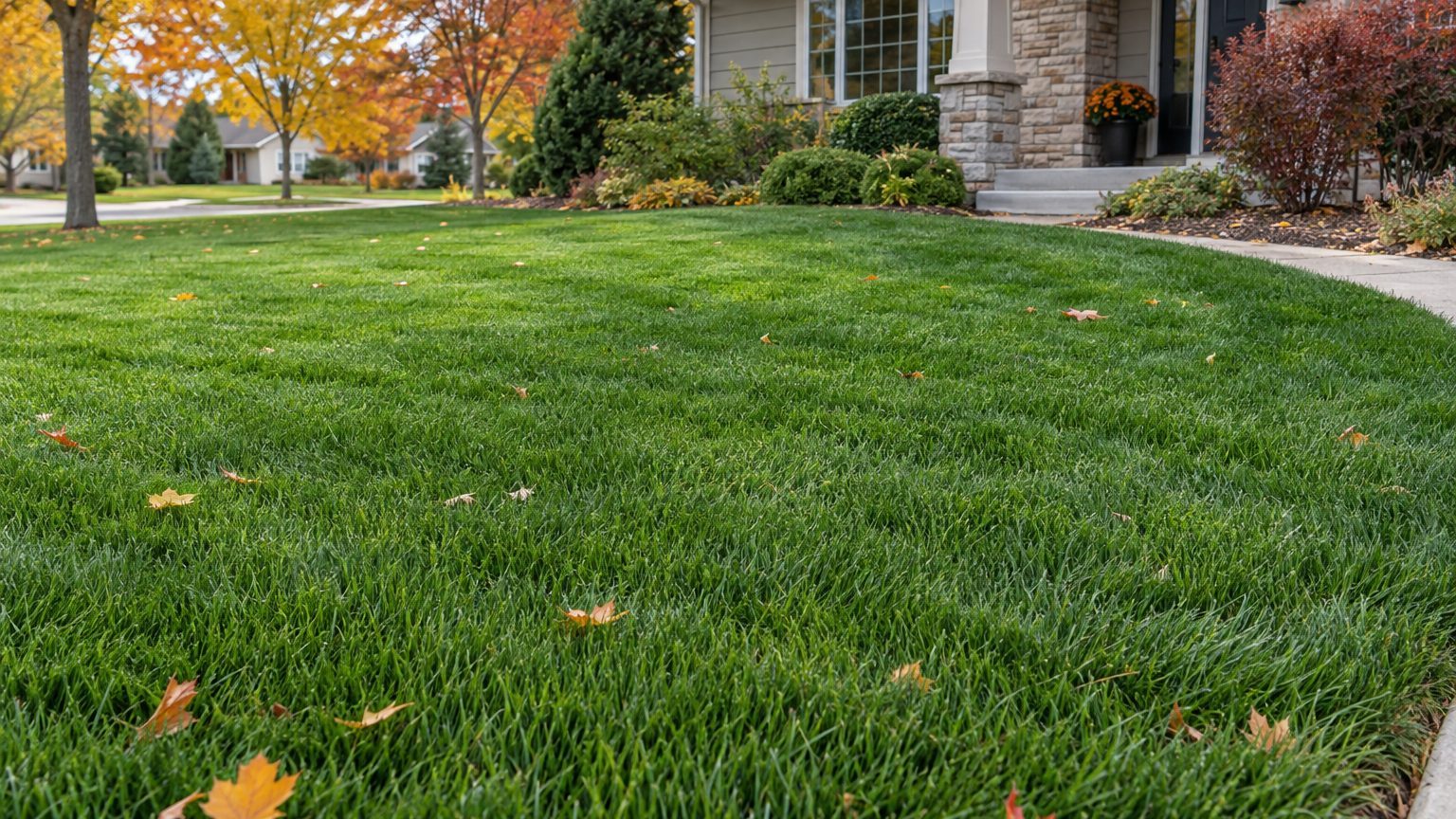
A Minnesota lawn greens up slowly after snowmelt, grows steadily through the cool months of early summer, and thickens during late summer and fall. The lawns here are mostly cool-season grasses, and the calendar of jobs leans toward spring and September rather than midsummer.
Frost Dates and Growing Season in Minnesota
In Minneapolis, the last spring freeze usually lands between April 17 and April 30. Hardiness zones in Minnesota run from 3a to 5a on the USDA system, so the far north is noticeably colder than the metro.
- In early spring, once the snow is gone and the ground firms up, rake out matted blades and wait. A freeze can still arrive until the end of April, which is why fresh seed sown this early often gets nipped.
- In April and May, crabgrass preventer goes down before the weed sprouts, and mowing starts again as the grass wakes. The grass grows when the soil warms, not on a date, so let the lawn show you it is ready.
- In May and June, sod can go down and roots establish easily while days are mild and rain is still regular. This is also when watering becomes part of the routine as the weather dries out.
- From August through September, seeding and core aeration get their best window. The soil is still warm for sprouting, nights are cooling, and weeds slow down, which gives new grass time to root before winter.
- In September and October, fertilizing and broadleaf weed control fit the season. In Minneapolis, the first fall freeze usually arrives between October 11 and October 23, and a lawn that is fed and clean going in handles that turn better.
- In November, once the ground is cold, dormant seeding lets seed sit through winter and sprout when spring warms the soil.
Those dates describe the Twin Cities. Other parts of the state, especially the north, start later and finish sooner.
Minnesota — the year and the numbers
- State
- Minnesota
- USDA zones
- 3a-5a
- Last spring frost
- April 17 to April 30
- First fall frost
- October 11 to October 23
- Annual rain
- 32 in
- Lawn type
- cool-season
- Source
- NOAA NCEI 1991-2020 Climate Normals, 32F freeze probabilities · Minneapolis
Cool-Season or Warm-Season Grass in Minnesota?
Cool-season grasses suit Minnesota lawns. Winters are cold enough to kill warm-season turf outright, and the cool-season species handle the shorter growing season and grow actively in spring and fall, when Minnesota weather suits them.
Summer heat and dry spells slow these grasses without ending them. A cool-season lawn browns a little and rests, then picks up again when cooler weather and rain return.
| Grass | How it does in Minnesota | Why |
|---|---|---|
| Kentucky bluegrass | Dense, dependable lawn in full sun | Spreads by underground stems and fills thin spots over time |
| Fine fescues (creeping red, chewings, hard) | Good in shade and on poorer soil | Needs less fertilizer and tolerates dry shade better than bluegrass |
| Perennial ryegrass | Common in mixes for fast cover | Sprouts quickly, which helps hold soil while slower grasses establish |
| Tall fescue | Tough and drought tolerant | Deep roots help it ride out dry stretches in summer |
A blend can match the sun and shade conditions across the yard. Minnesota seed mixes often combine these grasses.
When to Seed, Fertilize and Aerate a Lawn in Minnesota
Late summer is the busiest stretch for lawn work in Minnesota. Seeding, aerating, dethatching and fertilizing all cluster between August and October, when the grass is recovering and weeds have less pull.
Minnesota law limits phosphorus on lawns. Skip phosphorus fertilizer unless a soil test shows a need or you are starting a new lawn from seed or sod, and sweep any fertilizer off pavement so it does not wash into storm drains.
| Task | Best months in Minnesota | Why then |
|---|---|---|
| Core aeration | August, September, October (May works too) | Grass is growing and fills the holes quickly |
| Crabgrass preventer | April, May | Goes down before crabgrass seed sprouts |
| Dethatching | August, September | Lawn recovers while the weather is still mild |
| Seeding | August, September (May works too) | Warm soil and cooler air help seedlings root |
| Dormant seeding | November (December through March also works) | Seed waits in cold soil and sprouts in spring |
| Fertilizing | September, October (May or early August also work) | Feeds roots going into winter, never in hot midsummer |
| Laying sod | May, June, August, September, October (July works too) | Roots knit into the soil during mild weather |
| Broadleaf weed control | September, October (May and June work too) | Weeds are pulling food down and take up treatment well |
Mowing runs from May through October, and watering matters across those same months, especially for new seed and fresh sod.
Lawn Problems to Watch for in Minnesota
Matted Patches After Snowmelt

Gray or straw-colored circles that look flattened and crusty right after the snow melts are usually snow mold. Long snow cover over unfrozen ground sets it up in Minnesota. Rake the patches gently to fluff the blades and let air in, and most grass recovers on its own.
If the patches stay bare after the lawn warms, patch them with seed in late summer rather than spring, when weeds are quick to move in.
Brown Strips Along Pavement
A band of brown or thin grass along driveways, sidewalks and streets in spring points to road salt. Check the pattern: if the damage hugs the pavement edge and fades toward the middle of the yard, salt is the likely cause.
Water the strip well once the ground thaws to flush salt down past the roots, then reseed any gaps.
Dry Midsummer Lawn
Straw-colored grass in July and August that feels crisp and does not spring back when walked on is often heat and drought stress, not disease. Cool-season grass can go dormant to survive, and it usually greens up again when rain returns.
Deep, regular watering keeps it growing if you prefer. Avoid fertilizing in the heat, since that pushes growth the grass cannot support.
How Lawn Care Dates Change Across Minnesota
- Twin Cities and southern Minnesota: Spring comes earliest here and fall frost holds off the longest.
- Northern Minnesota, including the Iron Range and Red River Valley country: Seasons run two to three weeks tighter at both ends, so spring work starts later and fall seeding needs to start sooner.
- North Shore of Lake Superior: The big lake keeps spring cool and slow, so grass wakes late and mowing starts later than inland. Fall seeding should still start sooner than in the Twin Cities.
Wherever you live, let soil warmth and the lawn itself tell you when growth has truly started.
Where to Get Lawn Advice in Minnesota
Local help is easy to find, and a soil test or a photo of a problem spot answers many questions faster than guessing.
- University of Minnesota Extension offers lawn guides written for Minnesota conditions, including advice on grass types, soil testing and weed control.
- Your county extension office can guide you on soil testing or help identify a puzzling patch, so call or visit before the work of late summer begins.
- Take a soil sample before you fertilize, since a test tells you whether phosphorus is needed at all.
Common Questions
Can You Mow a Minnesota Lawn in April or November?
Yes, on mild days. Mowing is mostly a May through October job, but a light first cut in April or a last cut in November is fine when the grass is growing and dry enough to cut cleanly.
Is July Too Late to Lay Sod in Minnesota?
July works, though it asks more of you. Heat dries sod fast, so water carefully. May, June and August through October are easier months for it.
Do Minnesota Lawns Need Water Every Summer?
Watering matters from May through October, especially for new seed and sod. An established lawn can go dormant in a dry spell and return in cooler weather, but deep watering keeps it green if you choose to.