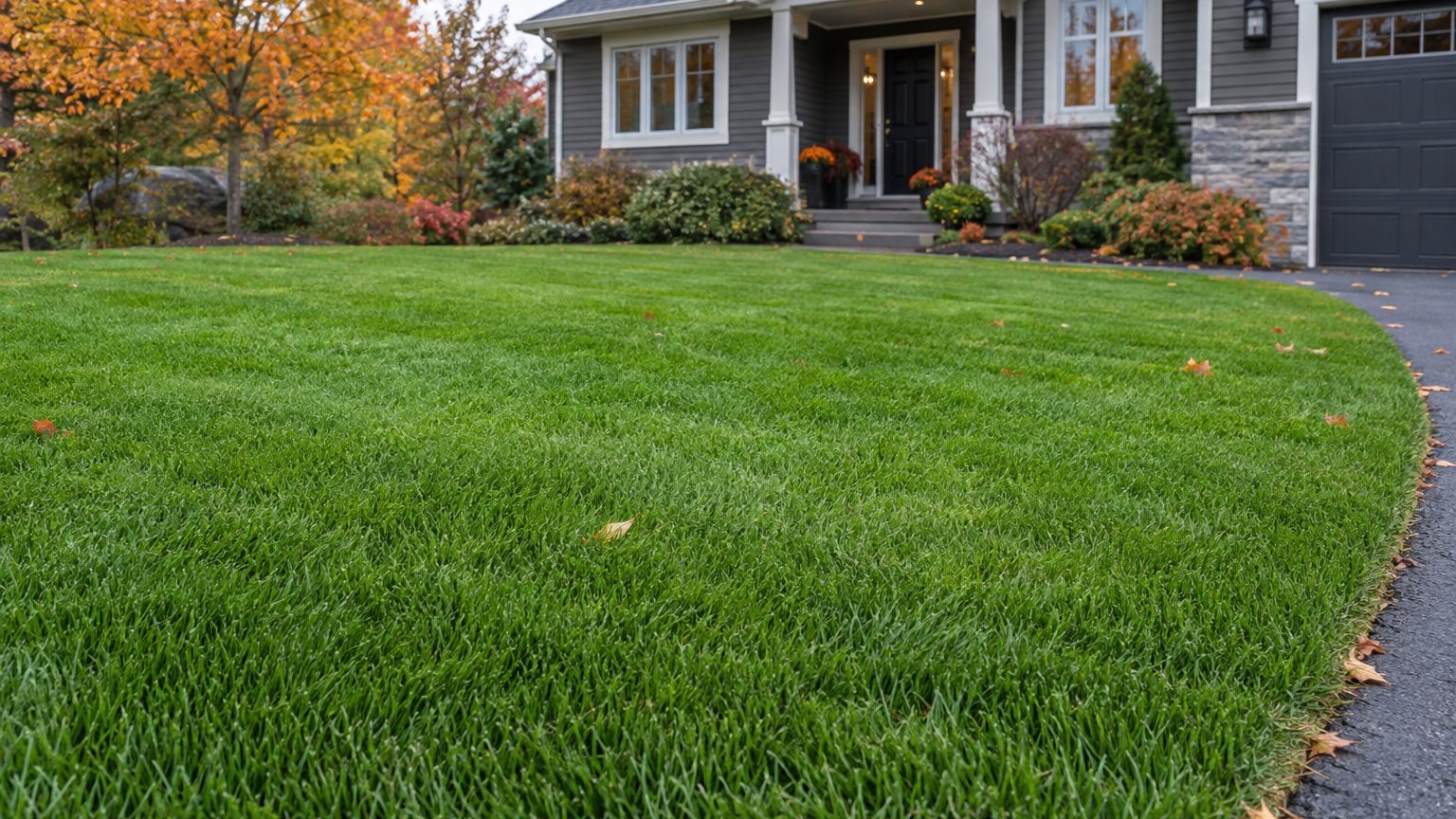
A lawn in Newfoundland and Labrador spends a good part of the year waiting for warmth, then grows hard through a cool, damp summer. The grass here is a cool-season mix, and the work clusters in late summer and early fall.
Frost Dates and Growing Season in Newfoundland and Labrador

Around St. John’s, the last spring frost arrives on average around May 30, which means half of all years see frost later than that, so treat it as the middle of a window and not a safe date. Around St. John’s, the first fall frost averages October 17; treat it as the midpoint of a window, not a safe date. The city sits in Canadian hardiness zone 6a, which does not convert to a USDA zone. Growth follows soil warmth, not the calendar, and the year runs like this:
- In early spring, the ground thaws slowly and stays cold and soggy, so keep off it and let the grass wake up on its own schedule.
- Through May, mowing can begin once the grass is actively growing, and a late frost can still nip seedlings that emerge too early.
- In June, July and August, growth is steady and mowing is regular, with watering mostly needed during dry spells in these months.
- In August and September, warm soil and cooling nights make this the best stretch for seeding, aerating and feeding, with time to root before the first fall frost.
- In October and November, mowing winds down, and seed sown into cold soil in November waits quietly until spring.
These dates come from St. John’s, and inland and northern districts, especially Labrador, follow a different timetable.
Newfoundland and Labrador — the year and the numbers
- State
- Newfoundland and Labrador
- Hardiness zones
- 6a
- Last spring frost
- May 30
- First fall frost
- October 17
- Annual rain
- 60 in
- Lawn type
- cool-season
- Source
- Environment and Climate Change Canada — Canadian Climate Normals 1981-2010, station ST JOHN'S A · St. John's
Cool-Season or Warm-Season Grass in Newfoundland and Labrador?
Cool-season grass is the only sensible choice here. Long winters, a short frost-free stretch and mild summers suit grasses that grow in spring and fall, and warm-season types would barely wake up before the cold returned.
Four kinds of lawn grass are commonly recommended for this part of Canada, and they are often blended so that each covers the others’ weak spots.
| Grass | How it does in Newfoundland and Labrador | Why |
|---|---|---|
| Kentucky bluegrass | Dense, hardy turf | Cool-season grass that handles cold winters and fills in by spreading |
| Fine fescues (creeping red, chewings, hard) | Reliable in lean or shadier spots | Cool-season, fine-bladed and comfortable in cool conditions |
| Perennial ryegrass | Quick to sprout | Cool-season and useful for fast cover in a blend |
| Tall fescue | Coarser, sturdy lawn | Cool-season with a deep-rooting habit |
Warm-season grasses such as zoysia or bermudagrass are left out because the climate never gives them enough heat to thrive.
When to Seed, Fertilize and Aerate a Lawn in Newfoundland and Labrador
September carries most of the big jobs. Seed, feed and aerate then, while the soil holds summer warmth and the air has cooled. Spring works as a fallback for several tasks.
If you miss September for seeding, May still works, though young seedlings face weeds and a late frost risk.
| Task | Best months in Newfoundland and Labrador | Why then |
|---|---|---|
| Seeding | August, September (May also works) | Warm soil and cool air help seed sprout and root |
| Core aeration | September (May also works) | Grass is growing and recovers quickly from the holes |
| Fertilizing | September (May and October also work) | Feeds roots as the grass prepares for winter |
| Dethatching | August, September | Grass can recover before the cold arrives |
| Crabgrass preventer | May | Goes down before weed seeds germinate |
| Watering | June, July, August | Summer dry spells stress the turf the most |
| Mowing | May through October (April and November also work) | Follows active growth |
Dormant seeding, spreading seed on cold ground so it sprouts in spring, can be done in November.
Lawn Problems to Watch for in Newfoundland and Labrador
Thin Patches After Winter
Long, wet winters and lingering snow leave bare or matted spots by spring. Rake gently once the ground firms up, then reseed in late summer instead of rushing in spring when cold soil stalls germination.
Soggy, Mossy Ground
Cool, damp weather and heavy or compacted soil keep some lawns wet, and moss moves into the weak spots. If the moss sits where water pools and the grass is thin, core aeration in September opens the soil. A soil test will show whether acidity is part of the problem.
Weeds in Open Gaps
Crabgrass and other weeds take hold wherever grass is thin. A preventer applied in May helps, but a thick lawn from fall seeding is the better defense against them.
How Lawn Care Dates Change Across Newfoundland and Labrador
Lawn timing shifts from place to place within the province, mainly with the ocean, elevation and distance north.
- St. John’s and the Avalon Peninsula: Ocean fog and cool springs hold the season back, but the sea also softens early frosts in fall.
- Central Newfoundland: Inland spots swing warmer in summer and colder in winter, so frost can come earlier in fall and linger in spring.
- Western Newfoundland and Corner Brook: Milder air along the coast can open the season a little sooner, though hills and higher ground still run cooler.
- Labrador: Spring arrives much later and fall frost comes sooner, leaving a short window for seeding.
When in doubt, let soil warmth and your own last frost guide the timing.
Where to Get Lawn Advice in Newfoundland and Labrador
Canada has no county extension offices, so help comes through the province’s agriculture department and local garden groups.
- The Newfoundland and Labrador Department of Fisheries, Forestry and Agriculture can point you to soil testing and plant health guidance, so contact it before you fertilize.
- A local garden centre or master gardener group can help identify problem patches, especially if you bring a sample in late summer.
Common Questions
Can You Plant Grass Seed in the Fall in Newfoundland and Labrador?
Yes, and it is the favored time. Seed sown in August or September gets warm soil to sprout in and cooler air to grow in, with time to root before winter.
Should You Rake the Lawn in Spring?
Wait until the ground is firm and no longer soggy. Raking too early tears wet turf, so a light rake in May removes dead growth and matted patches.
Is Kentucky Bluegrass a Good Choice Here?
It is one of the standard cool-season choices and handles cold winters well. Many homeowners blend it with fine fescue or perennial ryegrass for a more even lawn.