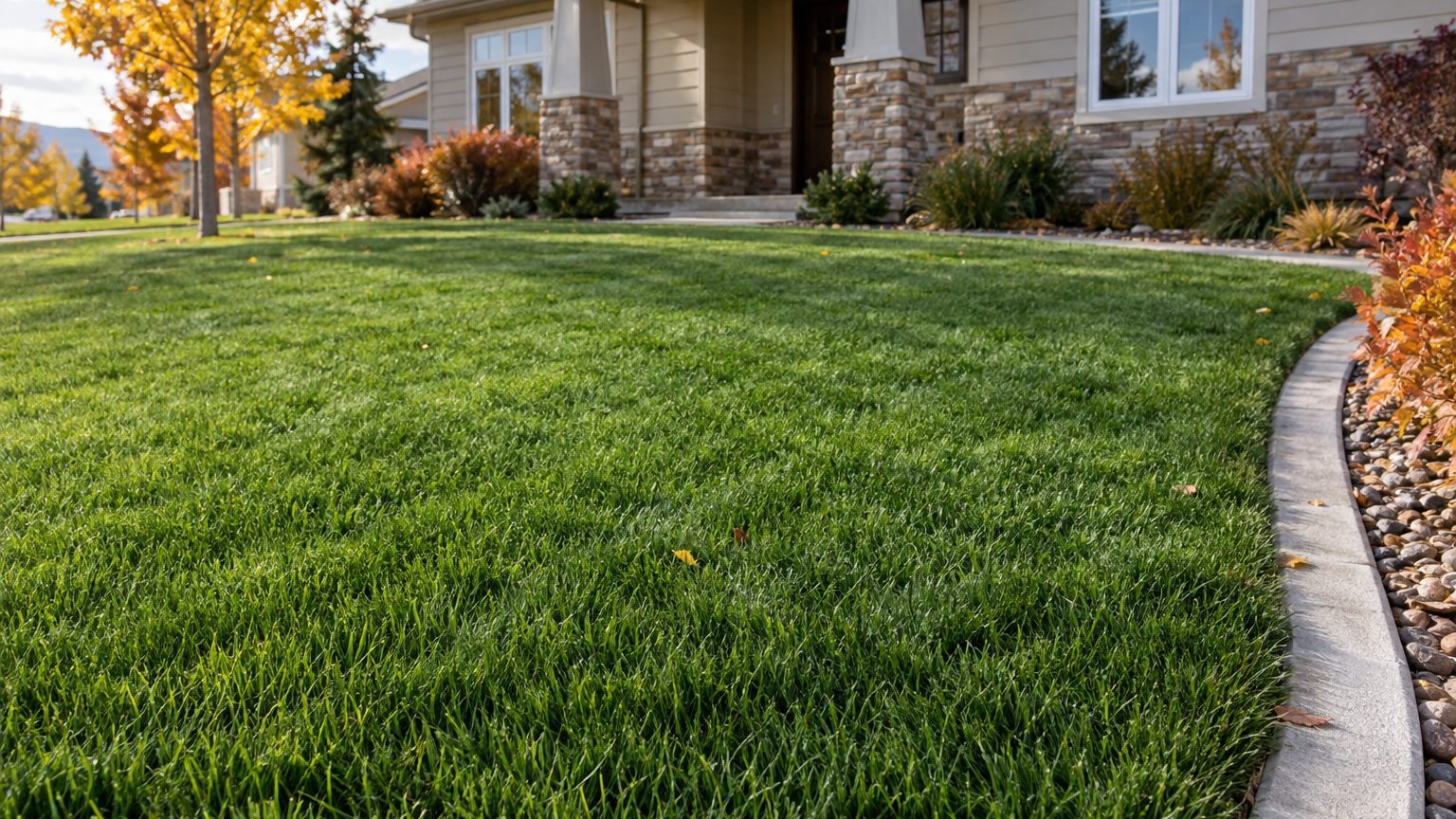
Wyoming lawns spend a long stretch under snow, wake up late, and then have to put on growth before the next hard freeze arrives. The grasses that thrive here are cool-season types, and the work that matters most happens in spring and in late summer.
Frost Dates and Growing Season in Wyoming
Wyoming spans USDA hardiness zones 3a to 6a, so dates shift with elevation; in Cheyenne, the last spring frost falls between May 7 and May 18 and the first fall frost between September 24 and October 5. Frost is possible in any month at higher elevations.
- In late winter and early spring, the lawn is still dormant under snow or crusty, cold ground, so the useful jobs are raking off debris and staying off soggy turf.
- In April, crabgrass preventer goes down and core aeration or dethatching can happen if the soil is workable, while mowing starts as soon as the grass has something to cut.
- From May into June, growth picks up, but tender new seedlings can still suffer if a late cold snap arrives.
- Through June, July and August, watering carries the lawn, and August opens the best seeding window because warm soil and cooler nights help seed root before winter.
- In September, seeding and aeration wrap up, while fertilizing is timed for September or November and mowing continues through November as long as the grass is growing.
Roughly 130 frost-free days at 6,000 feet is not much, so growth follows soil warmth rather than the calendar, and a late cold snap can pause everything.
Wyoming — the year and the numbers
- State
- Wyoming
- USDA zones
- 3a-6a
- Last spring frost
- May 7 to May 18
- First fall frost
- September 24 to October 5
- Annual rain
- 15 in
- Lawn type
- cool-season
- Source
- NOAA NCEI 1991-2020 Climate Normals, 32F freeze probabilities · Cheyenne
Cool-Season or Warm-Season Grass in Wyoming?
Cool-season grass is the one that holds up here. Winters are long and cold enough to kill most warm-season turf, and the short summers suit grasses that grow in spring and fall and rest in the heat.
Dry air and thin rainfall mean even the tougher choices need regular water through the warmest months, so match the grass to how much you are willing to irrigate.
| Grass | How it does in Wyoming | Why |
|---|---|---|
| Kentucky bluegrass | Dense, hardy lawn that recovers well | Handles cold winters and spreads to fill gaps |
| Fine fescues (creeping red, chewings, hard) | Good in lean soil and lighter shade | Fine blades need less feeding and tolerate cold |
| Perennial ryegrass | Sprouts fast, often mixed with other seed | Quick cover while slower grasses establish |
| Tall fescue | Deep-rooted, a sturdy all-around turf | Roots reach lower moisture during dry spells |
Choose bluegrass or a blend that includes it for a dense lawn that can recover from wear, and consider fine fescues where the soil is poor or the lawn gets less water.
When to Seed, Fertilize and Aerate a Lawn in Wyoming
Late summer and early fall do most of the heavy lifting for a Wyoming lawn. Seed and fertilizer applied then meet warm soil and a long runway of cool weather before winter shuts things down.
If you miss a window, spring offers a fallback for several jobs, though weeds compete harder with new seed in that season.
| Task | Recommended timing in Wyoming | Why then |
|---|---|---|
| Seeding | August, September (April and May also work) | Warm soil and cooler air help seed root before winter |
| Fertilizing | September, November (May also works) | Feeds roots as top growth slows for the cold |
| Core aeration | September (April and May also work) | Opens compacted soil while grass can still recover |
| Dethatching | August, September (April also works) | Grass is growing and fills in quickly afterward |
| Crabgrass preventer | April (May also works) | Goes down before weed seed sprouts in warming soil |
| Watering | June, July, August | Hot, dry weather draws moisture from the root zone |
Mowing runs from April through November, so the mower stays busy for most of the open season.
Lawn Problems to Watch for in Wyoming
Winter-Killed Brown Patches

Straw-colored areas that appear as snow melts, usually on exposed, windy slopes or along south-facing edges, often come from dry winter wind and cold that dried the grass out. Rake the patch lightly, water as spring warms, and overseed in late summer if it does not fill in.
Drought Stress in Summer
Grass that turns dull gray-green and keeps footprints visible after you walk across it is short of water, especially in the dry heat of midsummer. Water deeply and regularly through the warmest months instead of giving it a quick sprinkle that never reaches the roots.
Compacted, Thin Turf
Thin grass where kids play or where the mower always turns, with water running off instead of soaking in, points to hard, packed soil. Core aeration in September opens it up, and overseeding afterward helps the turf thicken again.
How Lawn Care Dates Change Across Wyoming
Elevation does most of the sorting in Wyoming, so a lawn in a lower basin and one in the mountains can be weeks apart in the same year.
- Cheyenne and the southeast plains: Spring arrives earlier here than in the high country, but wind and dry air make watering and winter protection matter more.
- Casper and the central basin: Conditions sit in the middle, with a moderate season that suits the usual seeding window.
- Jackson Hole and the high mountain valleys: Frost lingers into late spring and returns early, so the growing season is short and seeding is best done at the start of its window.
- Sheridan and the northern foothills: Cooler nights and a bit more moisture ease summer stress, though the season still shifts later than on the lower plains.
Treat any date as a guide and watch soil warmth and local frost before you commit seed.
Where to Get Lawn Advice in Wyoming
For a question about a stubborn patch or a soil that never seems to behave, University of Wyoming Extension is the place to start, and your county office can point you to local help.
- The county extension office can explain how to collect a soil sample and send it for testing, which tells you what the lawn actually needs before you buy fertilizer.
- Bring a small cutting of the affected turf for diagnosis, ideally while the problem is visible and before you treat it.
Common Questions
Can You Plant Grass Seed in Spring in Wyoming?
Yes, April and May both work for seeding, though new grass faces weed competition and a risk of late frost. Late summer is the stronger choice if you can wait.
What Is the Best Mowing Season for Wyoming Lawns?
Mowing runs from April through November, following the grass as it grows. Keep the mower going while the lawn is actively growing and stop once growth ends for the year.
Why Does My Wyoming Lawn Look Dry Even After Rain?
Thin, gray-green grass that stays dull after a light shower usually needs deeper watering, and packed soil that sheds water points to compaction. Check for thirst and compaction before changing anything else.