Skip to content

Zephirine Drouhin Rose: Size, Zones, Pruning and Care

Zephirine Drouhin Rose: Size, Zones, Pruning and Care

A rose that climbs a fence post and sends fruity perfume across the porch from spring onward is easy to love, and Zephirine Drouhin is one that does exactly that. Zephirine Drouhin is a fragrant Bourbon climbing rose, and in the yard it matters to know how large it grows, where it thrives, how to prune it and what problems to watch for.

What Is the Zephirine Drouhin Rose?

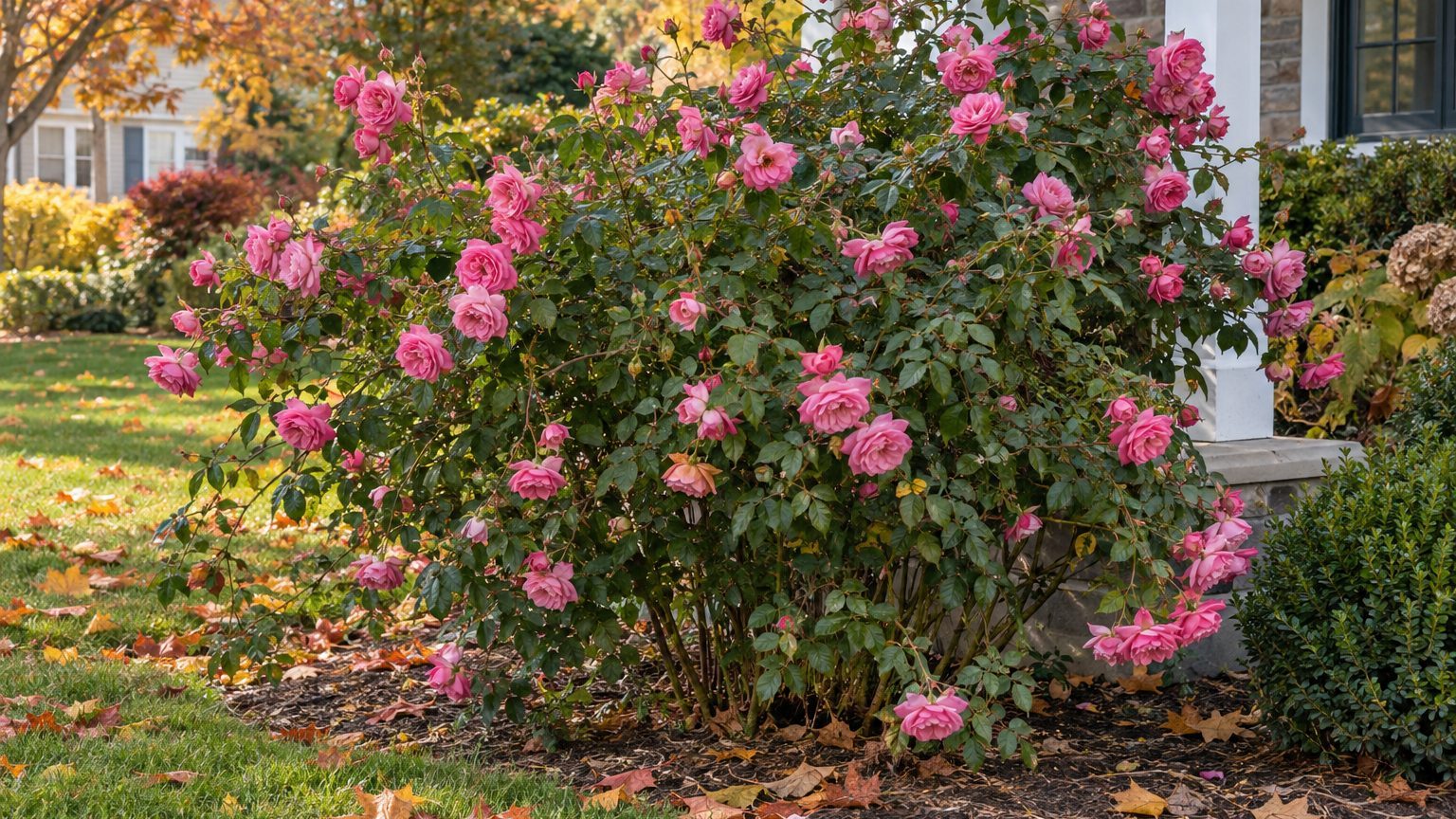
Zephirine Drouhin is a climbing shrub in the rose family, and it is known as a Bourbon rose because it originated on Reunion Island in the Indian Ocean, once called Ile Bourbon. Left to climb, it can reach 12 feet.

The flowers are strongly fragrant with a fruity scent, and the canes are almost prickle-free. It blooms from spring to fall.

Grown as a shrub instead of on a support, the arching branches spread to a width of 3-6 feet.

Where Does the Zephirine Drouhin Rose Grow Best?

Its high resistance to black spot, powdery mildew, and Japanese beetles can be useful in many gardens.

  • Southeast and Gulf Coast: Zephirine Drouhin is highly resistant to black spot and keeps blooming even when spots appear on its leaves.
  • Midwest and Northeast: Zephirine Drouhin is highly resistant to Japanese beetles. Check the plant tag for hardiness before you buy.
  • Pacific Northwest: Zephirine Drouhin is highly resistant to powdery mildew. Check the plant tag for site requirements before choosing a wall or support.

The state selector just below this section takes you to the page for your state, with the timing that fits your local climate.

How to Care for the Zephirine Drouhin Rose Through the Year

Spring

Spring — Zephirine Drouhin Rose: Size, Zones, Pruning and Care

New growth starts along last year’s canes, so check which ones are green at the buds and which are dead. This is the moment to guide the long canes sideways along the fence or trellis, since horizontal canes produce more flowering shoots than upright ones.

Pruning

Leave a young plant alone for the first two to three years so the flowering canes can develop. After that, use the timing on your state page and remove only the wood that needs to go.

Bloom

Bloom — Zephirine Drouhin Rose: Size, Zones, Pruning and Care

This is a vigorous, free-flowering rose that blooms from spring to fall, so it rewards a spot where you pass often. Plant it near a patio, a gate or an open window to enjoy the fruity fragrance.

Summer

Water deeply at the base when the weather turns dry, and keep the leaves dry as much as you can. A layer of mulch over the roots holds moisture.

Fall

Use your state page for local feeding timing. Clear fallen leaves from the base, and tie in any long canes that have swung loose so winter wind cannot whip them against the support.

Winter

Check the plant tag and your state page before choosing winter protection. If the canes remain on the support, tie them securely against wind.

Zephirine Drouhin Rose Diseases and Weak Points

Zephirine Drouhin is considered a disease-resistant rose, which is a large part of why gardeners choose it over fussier climbers. Its high resistance can reduce the damage caused by black spot and powdery mildew.

Resistance reduces the damage but does not make the plant immune to everything, so you still want to look at the leaves regularly.

Threat How Zephirine Drouhin handles it
Black spot Highly resistant, and it keeps blooming even if spots show
Powdery mildew Highly resistant
Japanese beetles Highly resistant

Other pests and problems depend on your yard, so check the undersides of leaves and the cane tips when you tie in new growth.

Is the Zephirine Drouhin Rose Right for Your Yard?

It suits a fence, a wall, a pillar or a porch post where it has room to climb. The size rules out a tight bed, and the climbing form needs support.

  • A gardener who wants fragrance and few thorns near a path or seating area will find an easy rose to handle, and it is worth planting wherever you brush past it.
  • A gardener with little room should note that the unsupported, arching branches may reach 3-6 feet wide.
  • Your state page gives the months for planting and pruning where you live, so open it before you buy and plan the support first.

Common Questions

Does Zephirine Drouhin Need Deadheading?

Deadheading is not required, but removing spent flowers encourages more blooms. Snip just above a leaf on the stem so the plant has a place to push new growth.

Is Zephirine Drouhin Really Thornless?

It is almost prickle-free, so you may find a few here and there. That makes tying in canes much more pleasant than with a typical climbing rose.

Can You Grow Zephirine Drouhin as a Shrub?

Yes. Without a support, the arching branches reach a width of 3-6 feet. Give it room to arch.
Oso Easy Rose: Size, Zones, Pruning and Care

Oso Easy Rose: Size, Zones, Pruning and Care

Low, bushy roses with repeat blooms define the Oso Easy line, which needs fertile, well-drained soil in full sun. Oso Easy roses are compact, low-fuss shrubs, and knowing how big they get, which climates suit them, when to prune and what care they need through the year will help them thrive in your yard.

What Is the Oso Easy Rose?

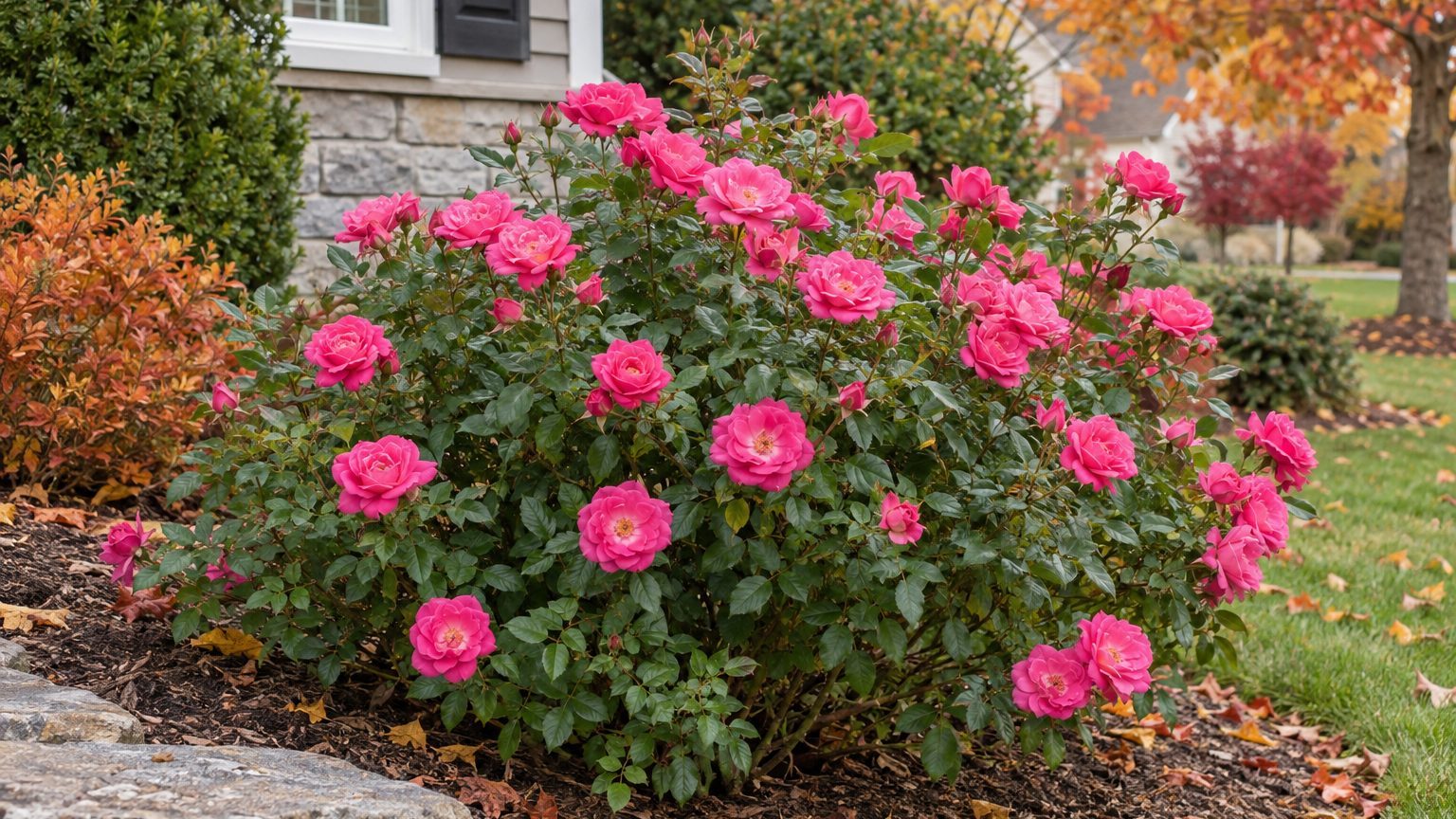
Oso Easy is a group of landscape roses, grown as compact shrubs rather than tall, leggy hybrid teas. They were bred to be bushy, disease resistant and hardy, and to bloom again after the first flush instead of flowering once.

Most of them make rounded bushes between 2 and 4 feet tall and wide. Mango Salsa and Fragrant Spreader stay shorter and spread more, which suits them to the front of a bed.

Flowers run from single to double, in red, pink, orange, yellow and lavender. Because the group covers so many colors, the plant tag matters when you shop.

Where Does the Oso Easy Rose Grow Best?

The group is hardy in zones 3 to 9.

  • Minnesota and the Upper Midwest: Oso Easy roses should be able to survive a Minnesota winter without special protection, so there is no need to bury or wrap the canes.
  • The Carolinas and the Mid-South: Fertile, well-drained soil in full sun matters more, along with water during dry spells.
  • North Florida and the Gulf Coast: Zone 9 is the warm limit of the range. Plan on regular watering through the dry stretches.
  • South Florida: Compare the group’s zones 3 to 9 with the conditions on your state page.

The state selector just below this section leads to the page for your state, with local timing for the work described here.

How to Care for the Oso Easy Rose Through the Year

Waking Up

Waking Up — Oso Easy Rose: Size, Zones, Pruning and Care

In early spring the canes show what winter did. Some plants look bare after winter but recover quickly if they are healthy. Wait for new growth before deciding anything.

Spring is also when feeding starts. A first round of fertilizer and a layer of mulch set the plant up for the season.

Pruning

Pruning — Oso Easy Rose: Size, Zones, Pruning and Care

Most growers prune in early spring, shaping the branches and removing any that show winter damage. That is the whole job.

Oso Easy Paprika needs no pruning, so a light tidy is enough if the shape already pleases you.

Bloom

Oso Easy roses repeat bloom, and Paprika flowers from summer to frost. Deadheading is not needed, which removes a tedious rose-growing chore.

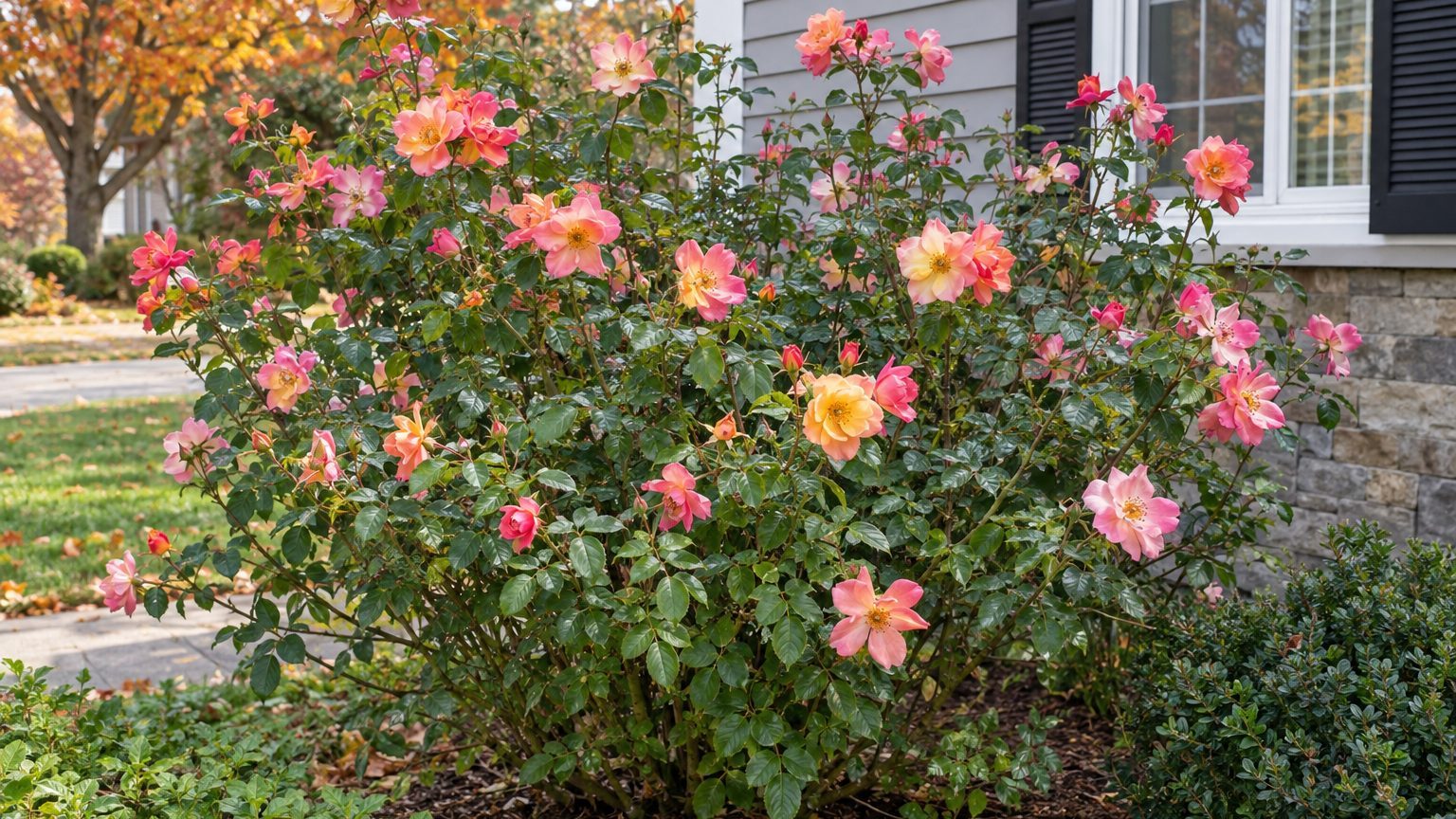
Paprika opens a deep orange shade, then fades to coral with gold at the center, so one bush shows several tones at once.

Summer

Fertilize again in summer, and water whenever a dry spell sets in. Mulch keeps weeds down and holds moisture in the soil.

Spraying is not part of the routine, since the plant carries its own resistance to disease.

Fall

Fall asks little. Keep the mulch in place, and let the last flowers finish on their own. Feeding belongs to spring and summer, so it stops once the season turns.

Winter

In Minnesota, special winter protection is not needed. The group is hardy in zones 3 to 9. Whatever the freeze damages, you will see and trim in early spring.

Oso Easy Rose Diseases and Weak Points

Disease resistance is the main reason to choose this rose. The plants are highly resistant, and they do not need the spray schedule many other roses demand.

Skimp on sun or soil and the plant will not give the abundant bloom it is known for.

Threat How Oso Easy handles it
Rose diseases Highly resistant, with no spraying needed
Winter cold Survives a Minnesota winter without special protection
Dry spells Needs water to keep blooming
Poor site Needs fertile, well-drained soil in full sun

Weeds and moisture loss are handled with mulch. Check the plant regularly so you can respond early to other problems.

Is the Oso Easy Rose Right for Your Yard?

It suits a sunny, well-drained bed where you want repeat bloom with limited pruning. It is a poor fit for shade, heavy wet soil, or a spot where you want a tall climbing or cutting rose.

  • Give it a sunny, well-drained spot, add mulch, and fertilize in spring.
  • Pick the size on the plant tag, since the group runs from low spreaders to bushes 4 feet tall and wide.
  • Open the state selector under the zones section and read your state’s page for local timing before you plant.

Common Questions

What Colors Does the Oso Easy Rose Come In?

The group includes red, pink, orange, yellow and lavender, in single and double forms. Check the plant tag for the exact color of each variety.

How Tall Does Oso Easy Paprika Get?

Paprika reaches about 12 to 24 inches, which suits it to the front of a bed or a small residential landscape.

Will an Oso Easy Rose Come Back If Winter Kills the Stems?

Often it will. Healthy plants replace winter-killed stems with new growth from the crown, so wait for spring growth before pulling anything out.

New Dawn Rose: Size, Zones, Pruning and Care

New Dawn Rose: Size, Zones, Pruning and Care

Long, arching canes of soft pink flowers spilling over a fence or arbor in early summer are the mark of a New Dawn rose. It is a tough, vigorous climber that suits yards in much of the country. Its size, hardiness range, pruning and yearly care decide whether it thrives at your house.

What Is the New Dawn Rose?

New Dawn is a large-flowered climber with a vigorous, arching habit. The flowers are light pink and semi-double to double, with yellow stamens at the center, and they sit on long stems.

The variety was discovered in 1930 at a New Jersey nursery as a sport of ‘Dr. W. Van Fleet’. Plan for a plant that grows 10-15 feet tall.

Leave room on the sides too, since the spread reaches 6-8 feet wide. The heaviest flush comes in June, and flowers keep repeating through fall.

Where Does the New Dawn Rose Grow Best?

New Dawn is hardy in zones 4-9a, which covers a large share of the country, though the ends of that range feel different from the middle.

  • Upper Midwest (Minnesota, Wisconsin): compare New Dawn’s zones 4-9a with the conditions on your state page.
  • Mid-Atlantic and Southeast (North Carolina, Virginia, Georgia): compare New Dawn’s zones 4-9a with the conditions on your state page.
  • Gulf Coast (Texas, Louisiana, Alabama): compare New Dawn’s zones 4-9a with the conditions on your state page.

The state selector just below this section takes you to the page for your own state.

How to Care for the New Dawn Rose Through the Year

Spring Wake-Up

Spring Wake-Up — New Dawn Rose: Size, Zones, Pruning and Care

The canes are heavy and hard to work with, so check ties, wires and the trellis as growth starts. Strong support matters for this climber because its canes are heavy, and fixing a weak spot is easier before new shoots lengthen.

Pruning

Pruning — New Dawn Rose: Size, Zones, Pruning and Care

Prune in late winter to early spring, and only as needed. New Dawn repeat blooms, so prune only as needed and tie the heavy canes securely to their support.

Bloom

Expect the heaviest show in June, when the canes carry sweet pink double flowers along their length. Repeat flowers follow through fall, but June brings the heaviest bloom.

Summer

Mulch helps hold moisture around the roots. Water regularly, soaking the soil rather than wetting the leaves.

Fall

Clean up dropped leaves and flowers from the ground beneath the canes. Debris left under a climber is hard to reach later, and clearing it removes a place where disease can linger.

Winter

With the leaves gone, the framework of canes is easy to see. Look for loose ties, leaning posts or sagging wire, because heavy canes depend on solid support. Hold off on major cutting until late winter.

New Dawn Rose Diseases and Weak Points

New Dawn has good disease tolerance when paired with sound cultural practices. The plant does well when canes have room and air moves through them.

Its weak points are mostly physical. The canes are heavy, so the structure holding them has to be strong.

Threat How New Dawn handles it
Disease in general Good tolerance, and good resistance with sound cultural practices
Poor soil Tolerates it
Partial shade Tolerates it, and seems a bit more shade tolerant than other climbers
Heavy canes Need strong support to carry the weight

Crowded or crossing canes are the other weak point, since they trap moisture and reduce air circulation. Opening up the plant lowers the chance of trouble.

Is the New Dawn Rose Right for Your Yard?

New Dawn suits a fence, arbor, pergola or sturdy wall with plenty of open space. It is a poor match for a small bed or a spindly trellis, and for anyone who wants a compact plant.

  • A sunny or partly shaded spot with ordinary or poor soil gives it what it needs, and the main flush arrives in June.
  • A strong structure that can carry the heavy canes should go up before planting, because adding one later disturbs the roots.
  • Your state page gives the months to prune and plant, so open it before you pick up the loppers.

Common Questions

Does the New Dawn Rose Have a Scent?

Yes, a mild, sweet, fruity fragrance. It is gentle rather than strong, so plant it near a seat or doorway to notice it.

When Can You Remove Dead or Crossed Canes on a New Dawn Rose?

Crossed, diseased or dead canes can come out at any time. Removing them improves air circulation and lowers the chance of disease, so do not wait for the main pruning season.

How Many Petals Does a New Dawn Flower Have?

Up to 40. The flowers measure about 3 inches wide, so the double blooms look full against the long, arching canes.

Mutabilis Rose: Size, Zones, Pruning and Care

Mutabilis Rose: Size, Zones, Pruning and Care

A Mutabilis bloom changes from yellow to pink and then crimson as it ages. This old China rose repeats its flowers through the growing season and grows into a large, handsome shrub.

What Is the Mutabilis Rose?

Mutabilis is an old China rose, introduced before 1894, and China roses are best known for repeat blooming. It grows as a medium shrub and reaches a symmetrical seven feet tall and seven feet wide at maturity, so it fills a lot of space.

The flowers are single, flat and medium sized, with one circular row of petals. They open pale yellow or peach gold, slowly shift to pink and finally turn crimson, which is where the name comes from.

Fragrance is slight to none. The appeal is color, and the shrub’s shape is attractive even without pruning.

Where Does the Mutabilis Rose Grow Best?

Mutabilis is winter hardy in USDA zones 6 through 9, which covers a wide band of the country but leaves out the coldest northern yards. Here is how that plays out by region.

  • The Deep South and Gulf Coast: Check your exact hardiness zone before planting in this region. It keeps blooming right through summer’s heat.
  • The Mid-Atlantic and Ohio Valley: Local hardiness zones vary across this region, so check your exact zone before planting.
  • The Upper Midwest and northern New England: The rose is hardy in zones 6-9.

The state selector shown just below this section takes you to the page for your state, where the local timing is laid out.

How to Care for the Mutabilis Rose Through the Year

Spring Wake-Up

Spring Wake-Up — Mutabilis Rose: Size, Zones, Pruning and Care

Give it ample room from the start, since a shrub that reaches seven feet across crowds anything planted too close.

Pruning

Mutabilis looks good even without pruning, so cut for a purpose, not out of habit. Its growth habit and shape remain attractive even without pruning.

For a striking accent, it can be pruned into a miniature tree, and a rose tree can reach 8′ to 10′ in height.

Bloom Season

Bloom Season — Mutabilis Rose: Size, Zones, Pruning and Care

Flushes of bloom come in spring, summer and fall. Because the flowers pass through three color phases, one shrub carries yellow, pink and crimson blossoms together, so leave the aging flowers on for the full effect.

Summer

Heat does not stop the flowering.

Autumn

The last flush arrives in fall. Enjoy it as the flowers shift from yellow to pink and crimson.

Winter

Zone 6 is the cold edge of the stated hardiness range. Use your state page to check local winter-care advice.

Mutabilis Rose Diseases and Weak Points

Its size is an important consideration. This cultivar needs ample room to perform its best, and a cramped planting loses the symmetrical shape that makes it attractive.

Its strengths are vigor and versatility. It works as a hedge or a mass planting, and it keeps flowering through summer heat.

Threat How Mutabilis handles it
Summer heat Keeps producing flushes of bloom through the heat
Winter cold Hardy in zones 6-9; colder yards fall outside its stated range
Crowding Needs ample room for its seven by seven foot form

Fragrance is another thing to know before buying, since the blossoms have little or no scent.

Is the Mutabilis Rose Right for Your Yard?

It suits a yard with space for a seven-foot shrub and a gardener who wants steady color without much fuss. It is a poor match for a narrow bed, a spot where scent matters, or a garden colder than its stated hardiness range.

  • A hedge or mass planting uses its vigor well, and successive flushes bring color from spring through fall.
  • A pruned rose tree gives a focal point, and an underplanting of shade-tolerant annuals finishes the look.
  • Planting and pruning times vary by location, so check the timing for your area before you buy.

Common Questions

Does the Mutabilis Rose Have a Scent?

Very little. The blossoms have little or no fragrance, so plan on color rather than perfume.

Can You Grow a Mutabilis Rose as a Small Tree?

Yes. It can be pruned into a miniature tree, and a rose tree can reach 8′ to 10′ in height.

Why Do the Flowers on One Mutabilis Rose Have Different Colors?

Each bloom changes as it ages, from yellow or peach gold to pink and then crimson. A shrub with flowers of different ages shows all three colors together.

Mr. Lincoln Rose: Size, Zones, Pruning and Care

Mr. Lincoln Rose: Size, Zones, Pruning and Care

A tall, upright rose with bright red blooms that scent a front walk is what Mr. Lincoln brings to a yard. This hybrid tea grows upright and bushy, with repeat bloom from summer to fall.

What Is the Mr. Lincoln Rose?

Mr. Lincoln is a hybrid tea rose in the rose family, named in honor of President Abraham Lincoln. It grows as an upright, bushy shrub, not a sprawler or a climber, so it suits a bed better than a fence.

Height surprises people used to compact roses. This one reaches 3 to 7 feet tall and stays slim, with a 2- to 3-foot spread, so it takes up more sky than ground.

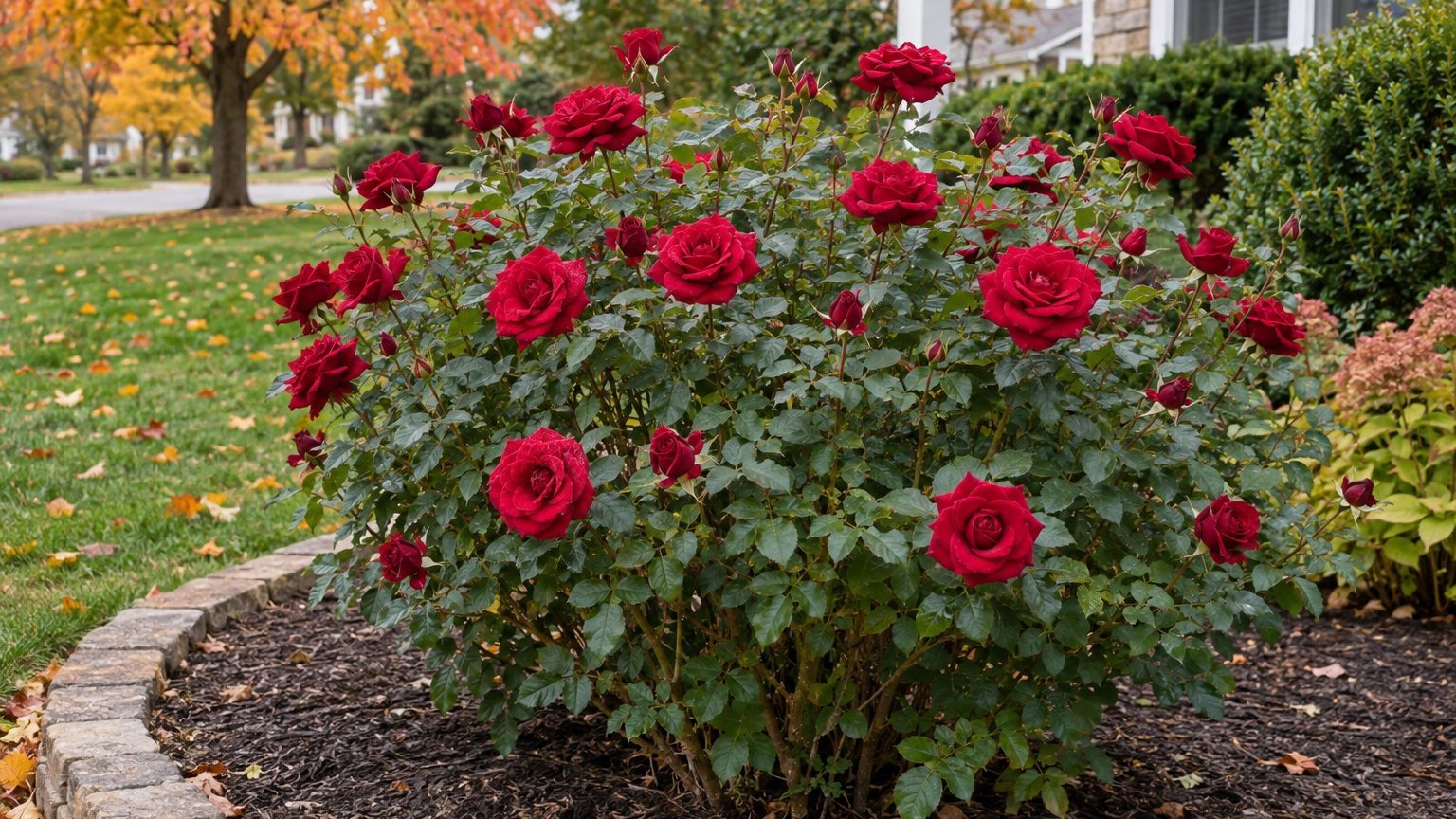
The flowers set it apart. They are bright red, velvety, fragrant and fully double, with a high center, and each bloom is 4-5 inches across. The plant repeats its flowering from summer to fall.

Where Does the Mr. Lincoln Rose Grow Best?

Mr. Lincoln is rated for USDA zones 5a, 5b, 6a, 6b, 7a, 7b, 8a, 8b, 9a, and 9b, and it is described as heat-resistant. Its limits show up at the cold and the hot ends of that band.

  • Upper Midwest: The coldest zone in the stated range is 5a, so check your exact hardiness zone before planting.
  • Mid-South and Southeast: The rose is heat-resistant, but check your exact hardiness zone before planting.
  • Gulf Coast and Florida: Check your exact hardiness zone before planting near the warm end of the rose’s range.

The state selector just below this section leads to the page for your state, where the timing is worked out for where you live.

How to Care for the Mr. Lincoln Rose Through the Year

Waking Up

Waking Up — Mr. Lincoln Rose: Size, Zones, Pruning and Care

Use your state page to check local care timing as winter ends. Mr. Lincoln repeats its blooms from summer to fall.

Pruning

Prune in late winter to early spring. Cut out dead, diseased and crossed canes.

Flowering

Blooms repeat from summer to fall, so the work is steady, not a single burst.

Summer

This rose is heat-resistant.

Autumn

Flowers keep coming into fall, so leave the shears alone and let the late blooms finish.

Winter

Check your state page for winter-care advice at the cold end of the rose’s range.

Mr. Lincoln Rose Diseases and Weak Points

Mr. Lincoln is described as disease-resistant and heat-resistant. Resistance does not mean immunity.

Threat How Mr. Lincoln handles it
Disease Resistant
Heat Resistant

The weak points are mostly about place and shape. Crossed canes should be removed during pruning.

Is the Mr. Lincoln Rose Right for Your Yard?

It suits a gardener with room for a tall, narrow plant who is willing to prune it. It is a poor fit for a low border or a spot where winters fall below its range.

  • Choose it for a bed where height is welcome and the fragrant red flowers can be seen from a path or window.
  • Skip it where winters run colder than its zones, or where you need a short, spreading shrub.
  • Open your state’s page on this site, reached through the state selector, to confirm local pruning timing.

Common Questions

Do Mr. Lincoln Roses Fade in the Sun?

The velvety red flowers are described as not fading, even as the plant repeats its blooming through the season. The plant is heat-resistant and repeats its blooms from summer to fall.

Is Mr. Lincoln a Good Rose for Cutting?

The high-centered flowers sit on long stems, and they are fragrant, which makes them a natural choice for a vase.

Is Mr. Lincoln a Climbing Rose?

No. It is a hybrid tea with an upright, bushy habit, so it stands on its own in a bed without a trellis. Grow it where its height will not shade smaller plants.

Knock Out Rose: Size, Zones, Pruning and Care

Knock Out Rose: Size, Zones, Pruning and Care

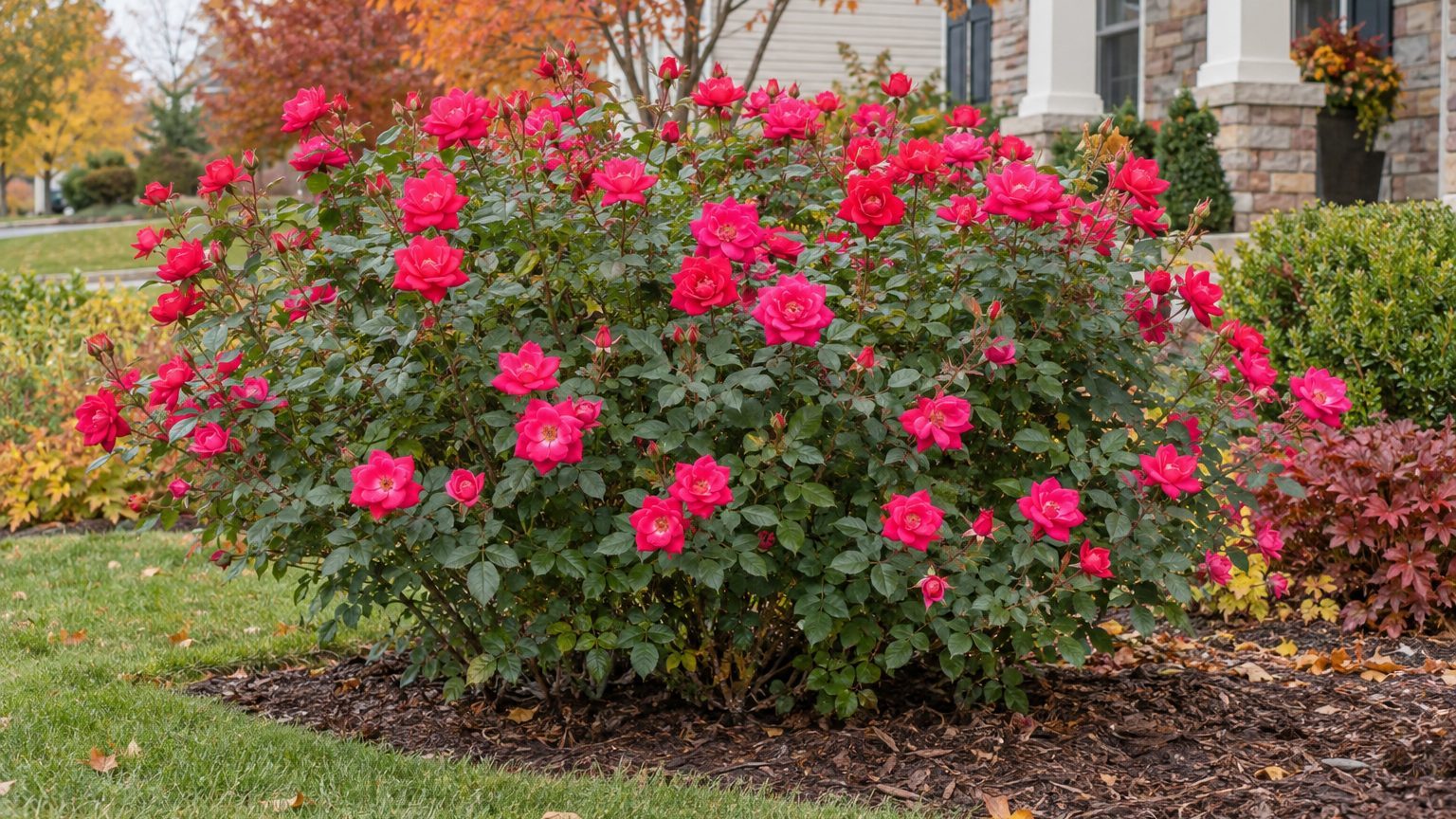
A Knock Out rose in full flower, covered in cherry red blooms from spring into fall, looks like a plant that needs constant attention. It does not. This shrub rose asks for sun, well-drained soil and one yearly haircut, yet rewards that modest care with successive flushes of bloom.

What Is the Knock Out Rose?

Knock Out is a shrub rose, a medium shrub rather than a climber or a fussy hybrid tea. Bred in the United States in 1999 and introduced in 2000, it asks little of the person who plants it.

The flowers are medium-sized and single, with a open face rather than a tight many-petaled bud. The original color is cherry red, though the plant is now sold in multiple colors.

Blooms arrive in successive flushes through spring, summer and fall, so the shrub is not a one-week show. The flowers are also self-cleaning, which means you do not have to snip off every spent bloom to keep it looking tidy.

Where Does the Knock Out Rose Grow Best?

Knock Out is hardy in zones 5b-9, which covers a large share of the country, though conditions inside that range still differ from one region to the next. Pick the part of the country that sounds like yours.

  • Upper Midwest and New England: Zone 5b is the cold edge of its stated hardiness range. Plant it in a sunny spot with well-drained soil.
  • Mid-Atlantic and the Carolinas: These areas fall within the stated hardiness range. In North Carolina, it does fine with well-drained soil and plenty of sunlight.
  • Texas and the Gulf Coast: Heat and dry spells are part of the deal, and the rose is drought tolerant. It is also described as virtually disease-free.
  • Northern Plains and the high Rockies: Yards colder than zone 5b fall outside this rose’s stated hardiness range.

The state selector just below this section takes you to the page for your own state, with the months that fit where you live.

How to Care for the Knock Out Rose Through the Year

Waking Up

Waking Up — Knock Out Rose: Size, Zones, Pruning and Care

As spring warms, watch the canes for swelling buds. That swelling is your signal that the plant is stirring and that pruning time has arrived. Soil that drains well and a spot with plenty of sun do most of the work from here.

Pruning

Prune late in the winter, when the buds begin to swell. Doing it every year is the safer habit, though you might get away with pruning for size every other year.

A hard cut brings a strong growth response, and cutting the shrub back to around 18 inches is a routine approach in North Carolina. Hard pruning is used to prompt a strong growth response.

Bloom Season

Bloom Season — Knock Out Rose: Size, Zones, Pruning and Care

The first flush comes in spring, followed by more in summer and fall. Because the blooms clean themselves, there is little to do except enjoy them. Keep the plant in full sun so it keeps producing.

Summer

Drought tolerance is the trait to lean on here. It also needs well-drained soil.

Fall

The last flush of bloom arrives in fall, so leave the shrub alone and let it finish. Resist the urge to cut it back now. Pruning waits until the buds swell late in winter.

Winter

Zone 5b is the cold edge of the rose’s stated hardiness range. Prune when the buds begin to swell late in winter.

Knock Out Rose Diseases and Weak Points

Knock Out is popular because pest and disease issues are very few. It is described as virtually disease-free and requires little to no maintenance.

That reputation rests on a few specific traits, laid out here.

Threat How Knock Out handles it
Black spot Resistant
Drought Tolerant
Spent flowers Self-cleaning, no deadheading chore
Poor drainage Needs well-drained soil to do well
Shade Needs plenty of sunlight

The weak points are really about the site rather than the plant. Soggy ground and too little sun are what hold it back, and a zone colder than 5b is a limit no amount of care will fix.

Is the Knock Out Rose Right for Your Yard?

It suits a sunny bed with soil that drains, and it suits people who want a low-maintenance rose. It is a good fit for beginners with roses. It does not suit shady corners, wet ground or yards colder than zone 5b.

  • Your state page gives the months for pruning and care where you live, so open it before the buds begin to swell.
  • Check the plant tag for the mature size before you choose a spot, then give the shrub room to fill out.

Common Questions

Does the Knock Out Rose Need Deadheading?

No. The blooms are self-cleaning, so spent flowers drop without help, and the shrub keeps making new ones.

Can You Prune a Knock Out Rose Every Other Year?

You might get away with pruning for size every other year, but a yearly cut is the better habit.

Will a Knock Out Rose Grow in a Cold Climate?

It is hardy in zones 5b-9. Colder than that, the plant is not reliably hardy, so check your zone before planting.

Julia Child Rose: Size, Zones, Pruning and Care

Julia Child Rose: Size, Zones, Pruning and Care

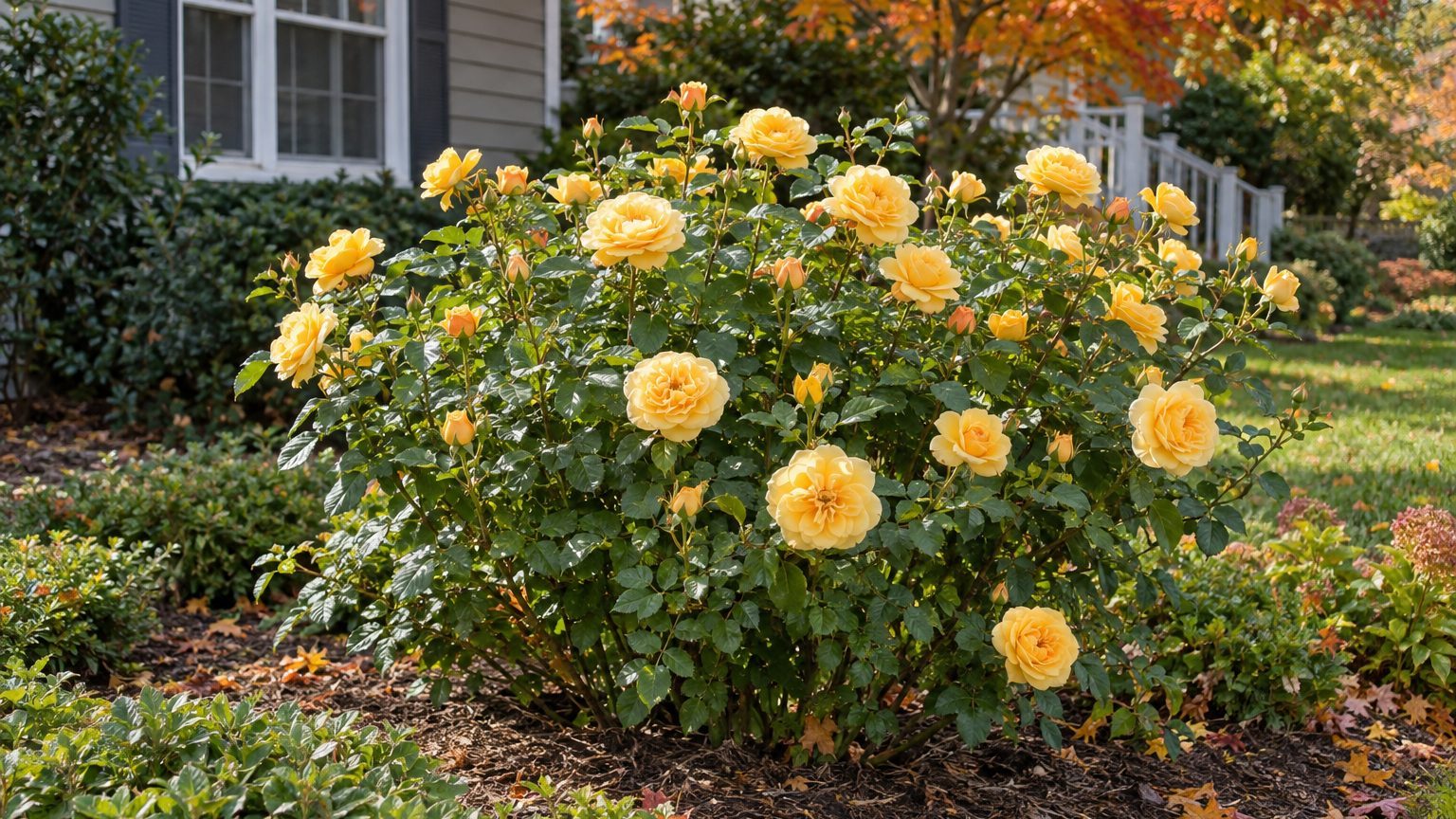
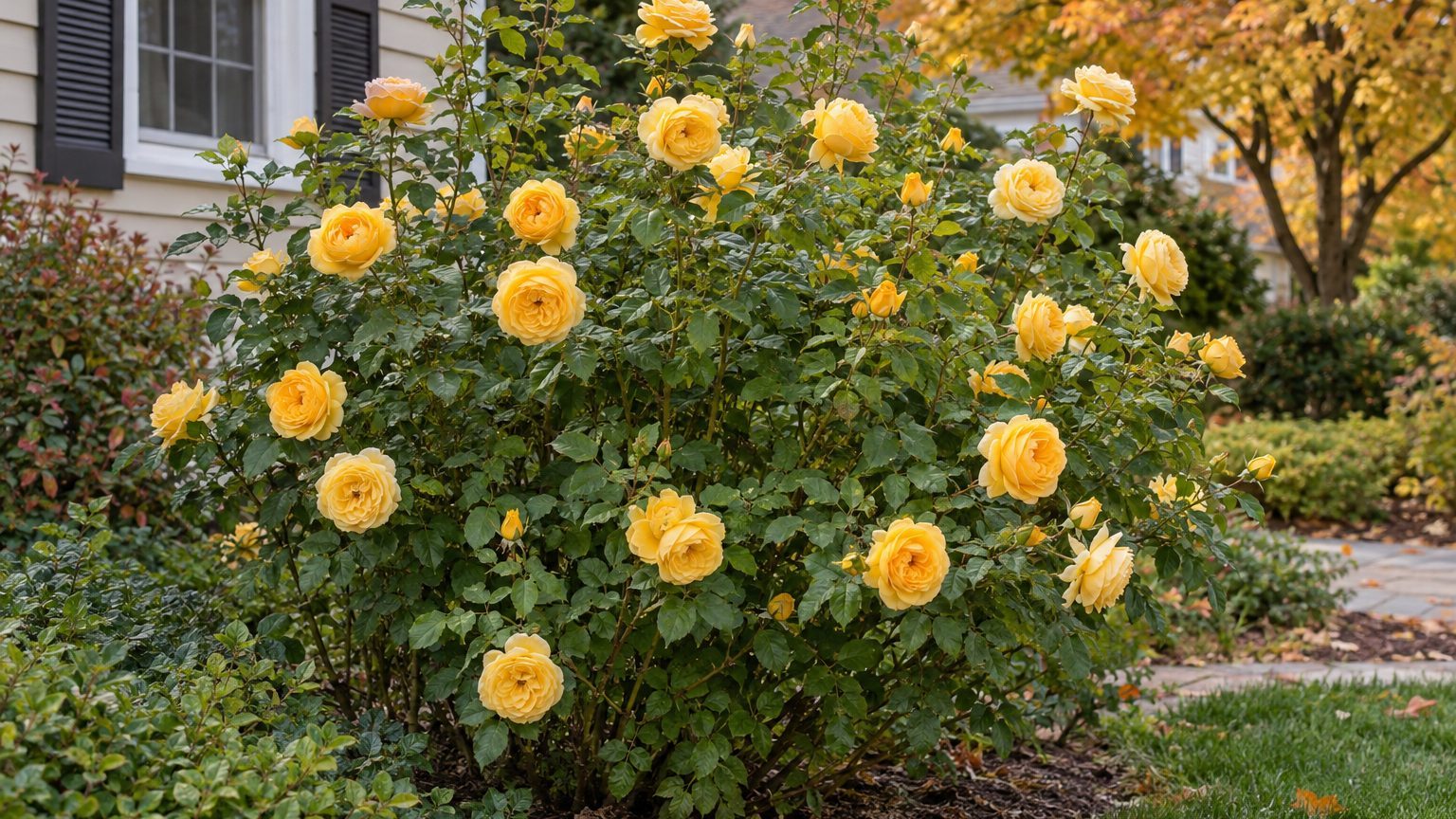
A low mound of buttery yellow roses beside a front walk or a mailbox bed is how the Julia Child rose usually shows up in a yard. It stays compact and flowers repeatedly through the warm months.

What Is the Julia Child Rose?

Julia Child is a hybrid floribunda shrub in the rose family, bred by Tom Carruth. It grows as a compact, rounded mound, so it fits a bed edge or a large pot better than a back fence.

The flowers are fully double, buttery yellow, and open in small clusters. They look old-fashioned, with ruffled petals, and carry a strong licorice and clove scent.

The shrub grows 2-3 feet tall and wide. In warmer climates it can reach 5 feet tall, which changes how much room to leave around it.

Where Does the Julia Child Rose Grow Best?

Hardiness zones 5 – 9 are listed for Julia Child. Check your local hardiness zone before planting.

  • Upper Midwest: In Illinois and Wisconsin, winters sit at the cold edge of the rose’s range. Plant it where it gets sun and shelter, and expect a more modest mound than in the South.
  • Mid-Atlantic and Southeast: In North Carolina and Virginia, the shrub fits comfortably in its zones. Warm seasons here push it taller, so give it room to reach 5 feet.
  • Gulf Coast and Florida: In Alabama and the Florida Panhandle, the warm end of the range applies. Expect a larger shrub than the compact mound seen farther north.
  • Southern California and the Desert Southwest: In coastal Southern California and Arizona, check your local hardiness zone before planting. In warmer sites, plan for taller growth.

The state selector just below this section leads to the page for your state, where timing is set for your own climate.

How to Care for the Julia Child Rose Through the Year

Spring Wake-Up

Spring Wake-Up — Julia Child Rose: Size, Zones, Pruning and Care

New growth appears as the weather warms, and this is the moment to look the shrub over. Cut back anything that is plainly dead or darkened so energy goes into healthy canes.

Pruning

Prune in late winter or early spring, before the buds push far. The goal is to remove old, dead or diseased canes and to shape the shrub into its rounded form.

Prune in late winter or early spring to remove old, dead or diseased canes and to shape. Cutting back into healthy wood sets up the first flush.

Bloom

Bloom — Julia Child Rose: Size, Zones, Pruning and Care

Flowers begin in late spring and continue in flushes into fall. Each flush comes in small clusters with a strong licorice-clove scent.

Deadheading encourages additional blooms, so snip spent flowers back to a healthy leaf. Clip cluster by cluster, as flowers fade at different times.

Summer

Between flushes the shrub works on new buds. Water at the base in the morning so the leaves stay dry, and keep up with deadheading so the next round arrives on schedule.

Fall

Blooming runs into October, so there is no need to rush the shrub to rest. Once flowers thin out, clear fallen leaves from the base so old foliage does not sit against the canes.

Winter

In colder zones, a mound of mulch over the base protects the crown through hard freezes. Leave the main pruning for late winter, when you can see which canes came through the cold alive.

Julia Child Rose Diseases and Weak Points

Black spot is the disease that troubles many roses, with dark blotches on the leaves and early leaf drop. Julia Child stands out here, which cuts down on spraying and leaf cleanup.

Resistance helps most when the rose has sun and airflow. Space plants so the leaves dry quickly after rain.

Threat How Julia Child handles it
Black spot Highly resistant, with good disease tolerance overall

Other problems can still turn up on any rose. If leaves show spots and also yellow and drop from the lower canes, look closer at the shrub and your watering, rather than assuming one cause.

Is the Julia Child Rose Right for Your Yard?

This rose suits a small bed, a front walk or a container where a compact mound with scented flowers earns its place. It is less suited to a spot that needs a tall hedge or a climber on a wall.

  • Choose it for a sunny bed with room to reach 2-3 feet, or taller if you garden in a warm climate.
  • Skip it if you want a climbing rose or a large screening shrub.
  • Open the state page for your area before pruning, since late winter and early spring arrive at different times from state to state.

Common Questions

How Big Are Julia Child Rose Flowers?

The blooms are 3-4 inches across and fully double, with 26-40 ruffled petals. They open in small clusters rather than on single stems.

What Does a Julia Child Rose Smell Like?

The scent is licorice with clove and spice, and it is strong enough to notice when you walk by. Cut blooms for the house if you want the scent indoors.

Who Bred the Julia Child Rose?

Tom Carruth bred it in 2004. It is a hybrid floribunda, a class known for flowers in clusters and repeat bloom through the season.

Graham Thomas Rose: Size, Zones, Pruning and Care

Graham Thomas Rose: Size, Zones, Pruning and Care

A rose that opens apricot-pink buds into golden cups is hard to walk past in a front yard, and Graham Thomas does it repeatedly from late spring on. Bred in Britain, it grows into a big, bushy shrub that needs generous room.

What Is the Graham Thomas Rose?

Graham Thomas is a hybrid shrub rose, sometimes grown as a climber, bred by David Austin of Britain in 1983. It forms an upright, bushy plant that reaches 4-10 feet tall and 4-8 feet wide, so the final size depends a lot on your climate and how you prune.

The buds are apricot-pink and open into golden yellow double flowers. Each bloom is 3-4 inches wide with 26-40 petals and a strong tea fragrance, and the blooms come in small clusters.

The canes are rather stiff, which matters if you want to train it up a support. It can be done, but it takes persistence.

Where Does the Graham Thomas Rose Grow Best?

This rose tends to be taller in warmer climates, so the same plant becomes a different shape depending on where you live. Match the space you have to the region.

  • Gulf Coast: In Texas, Louisiana or Florida, expect growth toward the top of the 4-10 foot range, so give it a wall, a fence or a corner with plenty of room.
  • Southeast Piedmont: In North Carolina and Georgia, the plant is a large shrub that can also be trained as a climber with some patience.
  • Upper Midwest: In Minnesota, Wisconsin or Michigan, the plant tends to stay lower than in warm regions, so it can suit a mixed border where a plant at the top of its height range would crowd its neighbors.

Check the hardiness zone on the plant tag against your own before buying. The state selector just below this section leads to the page for your state.

How to Care for the Graham Thomas Rose Through the Year

Waking Up

Waking Up — Graham Thomas Rose: Size, Zones, Pruning and Care

As the weather warms, watch the canes for swelling buds and the first red leaf tips. Plant or move this rose into full sun with amended, well-drained, moist soil, since a spot that stays soggy after rain works against it.

Pruning

Graham Thomas repeat blooms, so it flowers on new growth. Remove dead and weak canes first, then shorten the rest to shape the plant. Cut back harder if space is tight, and lighter if you want height.

Bloom

Bloom — Graham Thomas Rose: Size, Zones, Pruning and Care

The first flush arrives in late spring and the rose keeps repeating through frost. Snip spent clusters back to a healthy leaf so the plant keeps its energy for new buds. The golden color gradually softens as each flower ages.

Summer

Water deeply at the base instead of overhead, and keep a layer of mulch over the root zone to hold moisture. Warm regions push this rose taller, so summer is the time to tie in long canes before they flop under the weight of the flower clusters.

Autumn

Let the last flowers finish and stop heavy pruning. Clear fallen leaves from around the base, which keeps old foliage from sitting on the soil over winter.

Winter

Leave the canes standing and mound mulch or compost around the base. In colder areas, wait until buds swell in spring to cut anything back.

Graham Thomas Rose Diseases and Weak Points

Give Graham Thomas enough room for air to move freely through the plant. A crowded planting in damp shade is where leaf problems usually start.

The plant is a big shrub, and the weak points that matter most come from its size and its needs.

Threat How Graham Thomas handles it
Stiff canes Can be trained as a climber, but it takes persistence
Wet or poor soil Needs amended, well-drained, moist soil in full sun
Crowding Spreads 4-8 feet wide, so it needs generous spacing

Spotted or yellowing leaves, especially in humid weather, are best checked up close. Look at both sides of the leaf and at where on the plant the damage starts before you treat anything.

Is the Graham Thomas Rose Right for Your Yard?

It suits a yard with a sunny corner and room to spare, where a tall, fragrant shrub can anchor a border or climb a sturdy support. It is a poor fit for a small bed or a shady spot.

  • Find your state page to see the planting and pruning months that apply where you live.
  • Use the state selector under the second section to jump straight to your state and plan the spot before you buy.

Common Questions

How Far Apart Should You Plant Graham Thomas Roses?

Plan for the full width of 4-8 feet. Spacing at the wider end keeps air moving between plants and leaves room to prune.

Does the Flower Color Change?

Yes. The golden yellow blooms fade to pale lemon with age, so a single plant shows several shades at once.

Can You Grow Graham Thomas as a Climber?

You can, though the canes are rather stiff and need persistent tying to a support. Start training them while they are young and flexible.

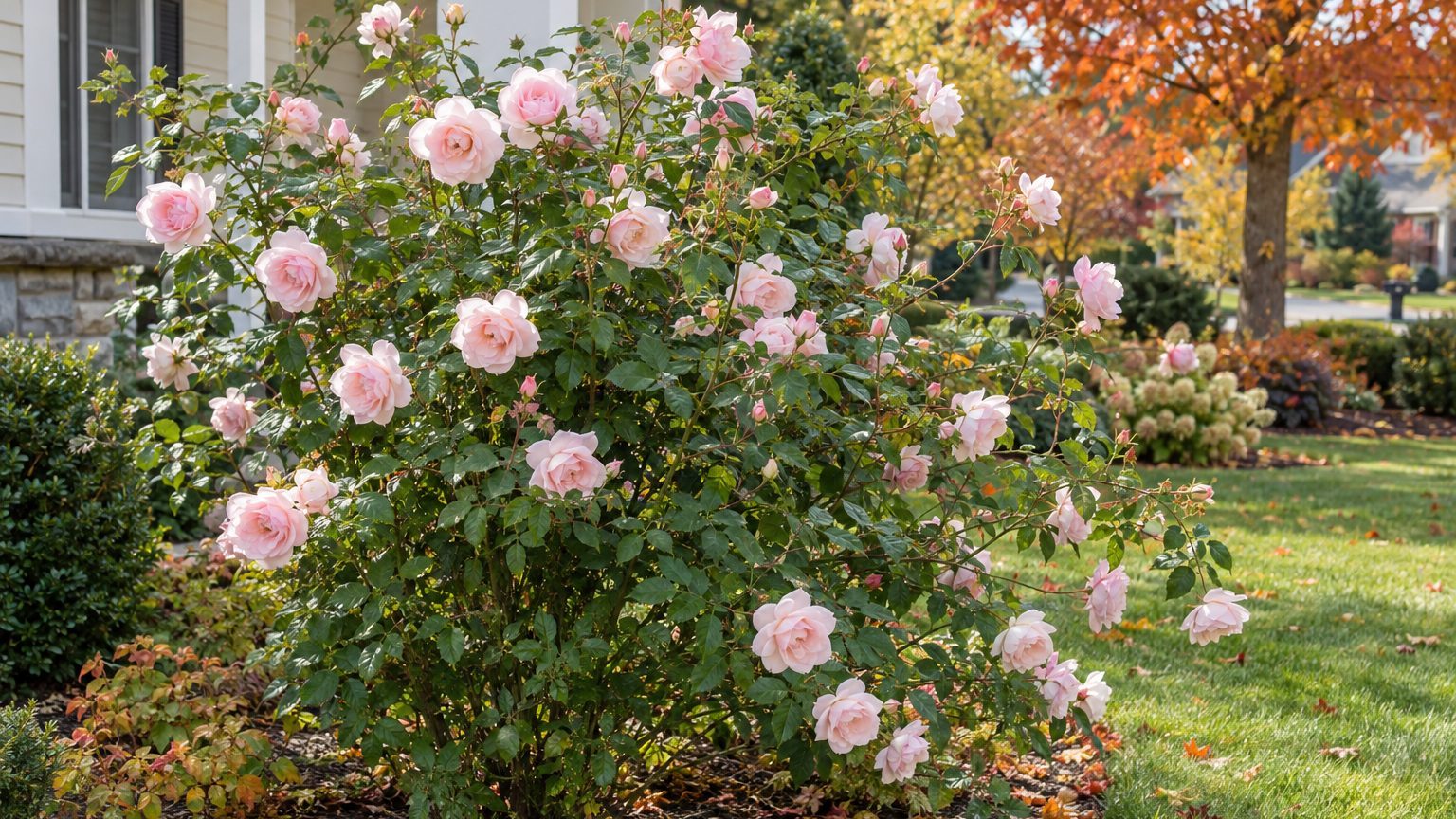
Gertrude Jekyll Rose: Size, Zones, Pruning and Care

Gertrude Jekyll Rose: Size, Zones, Pruning and Care

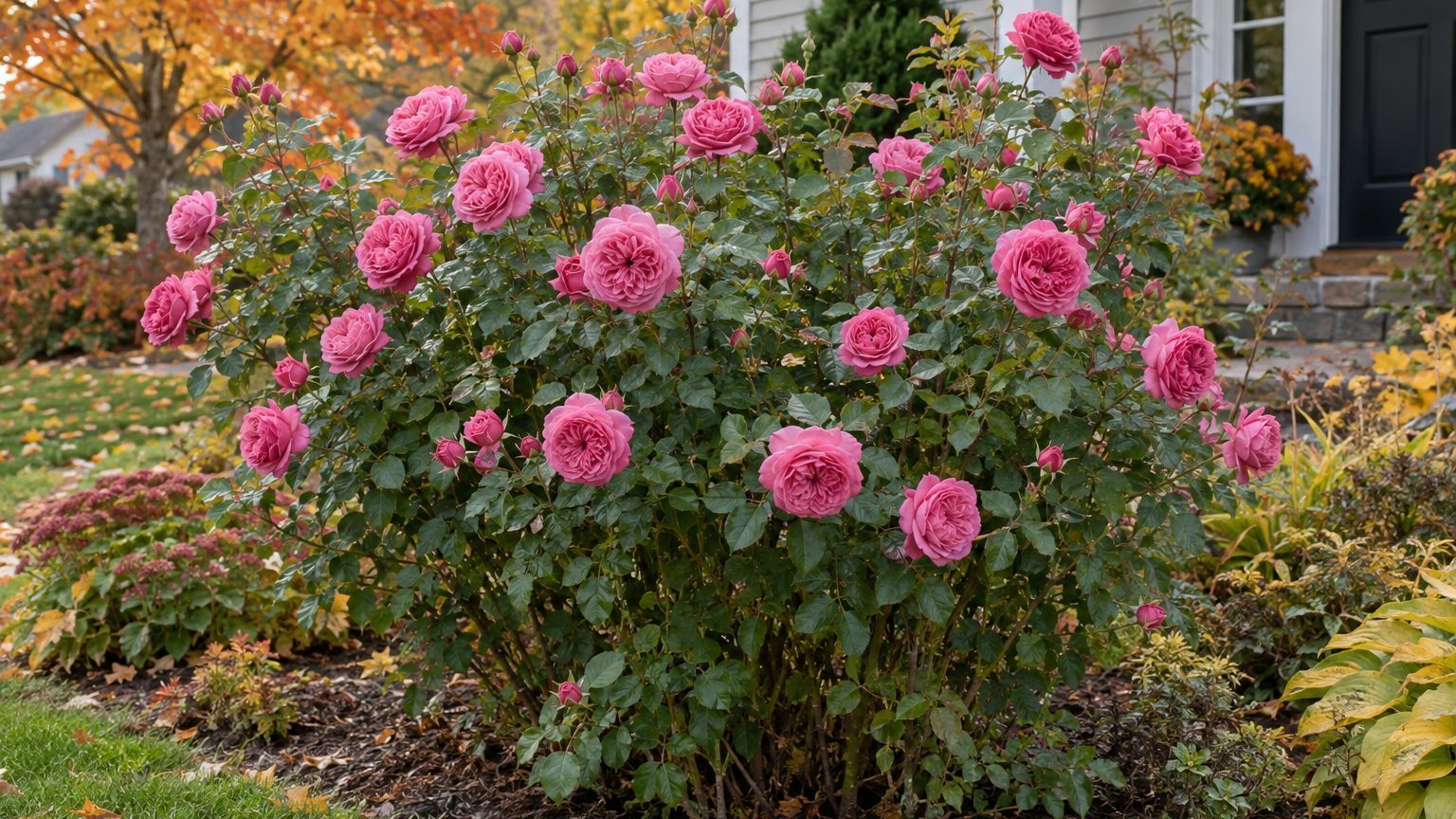
A rose that throws long, arching canes loaded with pink flowers by late spring is usually Gertrude Jekyll, and it keeps going until frost. The Gertrude Jekyll rose is a tall, fragrant shrub that can be trained as a climber, and it behaves differently in a humid Southeast yard than in a dry one.

What Is the Gertrude Jekyll Rose?

Gertrude Jekyll is a hybrid shrub rose in the rose family (Rosaceae), bred by David Austin in 1986. It forms a bushy, vigorous plant with arching canes that reaches 6-10 feet tall and only 3-4 feet wide, so it is tall and narrow rather than mounded.

The bright pink flowers have a reddish center and a strong old-world fragrance. Each bloom is a flat rosette 4-5 inches wide with 50-80 petals, and the flowers open in small clusters.

It grows tallest in warm climates, which matters when you pick a spot. A rose that stays near the low end of its height in one yard can reach the top of the range in another.

Where Does the Gertrude Jekyll Rose Grow Best?

Warmth pushes this rose toward its full height, and humidity decides how much you will fight leaf diseases. These factors shape the differences from region to region.

  • Gulf Coast: In warm climates, the canes reach their greatest height. Humid air also invites black spot, rust and powdery mildew, so give the plant room for airflow.
  • Southeast Piedmont: In warm climates, the rose can be trained as a climber. Humid summers make disease watching part of the routine.
  • Upper Midwest: In colder climates, expect a shorter plant than in warm climates, since height follows the climate. Choose a sunny, well-drained spot.
  • Pacific Northwest: In humid conditions, fungal problems show up first.

The state selector just below this section leads to the page for your state, with the months that apply where you garden.

How to Care for the Gertrude Jekyll Rose Through the Year

Waking Up

Waking Up — Gertrude Jekyll Rose: Size, Zones, Pruning and Care

Growth starts when the canes begin to swell and leaf buds show color. Planting is best in full sun, in amended, well-drained, moist soil, so spring is a good moment to work compost into the bed before the plant leafs out.

Pruning

Pruning — Gertrude Jekyll Rose: Size, Zones, Pruning and Care

This rose repeat blooms, so prune as the buds swell in spring. Remove dead and damaged canes first, then thin crowded stems so air moves through the center.

If you grow it as a climber, keep healthy long canes and tie them to the support as they lengthen.

Bloom

The first flowers open in late spring in small clusters rather than as solitary blooms. Snip spent clusters back to a healthy leaf to keep the plant producing.

Summer

Keep the soil evenly moist, since the plant likes moist ground. Water at the base in the morning so the leaves dry quickly, which matters most in humid conditions where black spot and mildew take hold.

A tall plant also catches wind, so check ties on climbing canes after storms.

Autumn

Flowers keep coming until frost, so do not stop deadheading early. Rake up fallen leaves around the base, especially any with spots, so disease does not carry over to next year.

Winter

Leave the heavy pruning for spring. In colder climates, tie long canes together loosely so snow and wind do not whip them, and check your local extension office for local timing.

Gertrude Jekyll Rose Diseases and Weak Points

The main weak points are fungal diseases of the leaves. They show up most where the air is humid and the foliage stays wet, which is why spacing and morning watering carry so much weight.

Catching problems early is easier on a rose this tall if you look at the lower canes, where air circulation may be limited.

Threat How Gertrude Jekyll handles it
Black spot Watch for it, especially in humid conditions
Rust Watch for it, especially in humid conditions
Powdery mildew Watch for it, especially in humid conditions

Pull off affected leaves as soon as you see them. Open the center of the shrub at spring pruning so breezes can dry the foliage.

Is the Gertrude Jekyll Rose Right for Your Yard?

It suits yards with a sunny spot and vertical room, because the plant is much taller than it is wide. It works as a specimen, in a border, as a hedge or on a trellis.

  • Choose it if you want strong fragrance near a path, a patio or a window, where you will brush past the blooms.
  • Skip it if your only spot is shady or constantly damp, since full sun and good drainage are what keep it healthy.
  • Plan on regular deadheading, and a look at the leaves whenever the weather turns humid.

Common Questions

Can You Grow a Gertrude Jekyll Rose in a Pot?

Yes. A pot placed near the patio puts the fragrance within reach. Use a large container, since the plant likes moist but well-drained soil.

Can You Train a Gertrude Jekyll Rose on a Trellis?

Yes. The long, arching canes can be trained to a vertical surface, and the plant tends to climb higher in warm climates. Tie canes loosely as they grow.

Can You Use Gertrude Jekyll as a Hedge?

It can be grown as a hedge as well as a specimen or border plant. Space the plants so air still moves between them, because crowding raises the risk of black spot, rust and mildew.

Flower Carpet Rose: Size, Zones, Pruning and Care

Flower Carpet Rose: Size, Zones, Pruning and Care

A Flower Carpet rose can spread across a sunny bank while covering itself in flowers. It stays compact, blooms from spring to fall without deadheading, and needs little pruning.

What Is the Flower Carpet Rose?

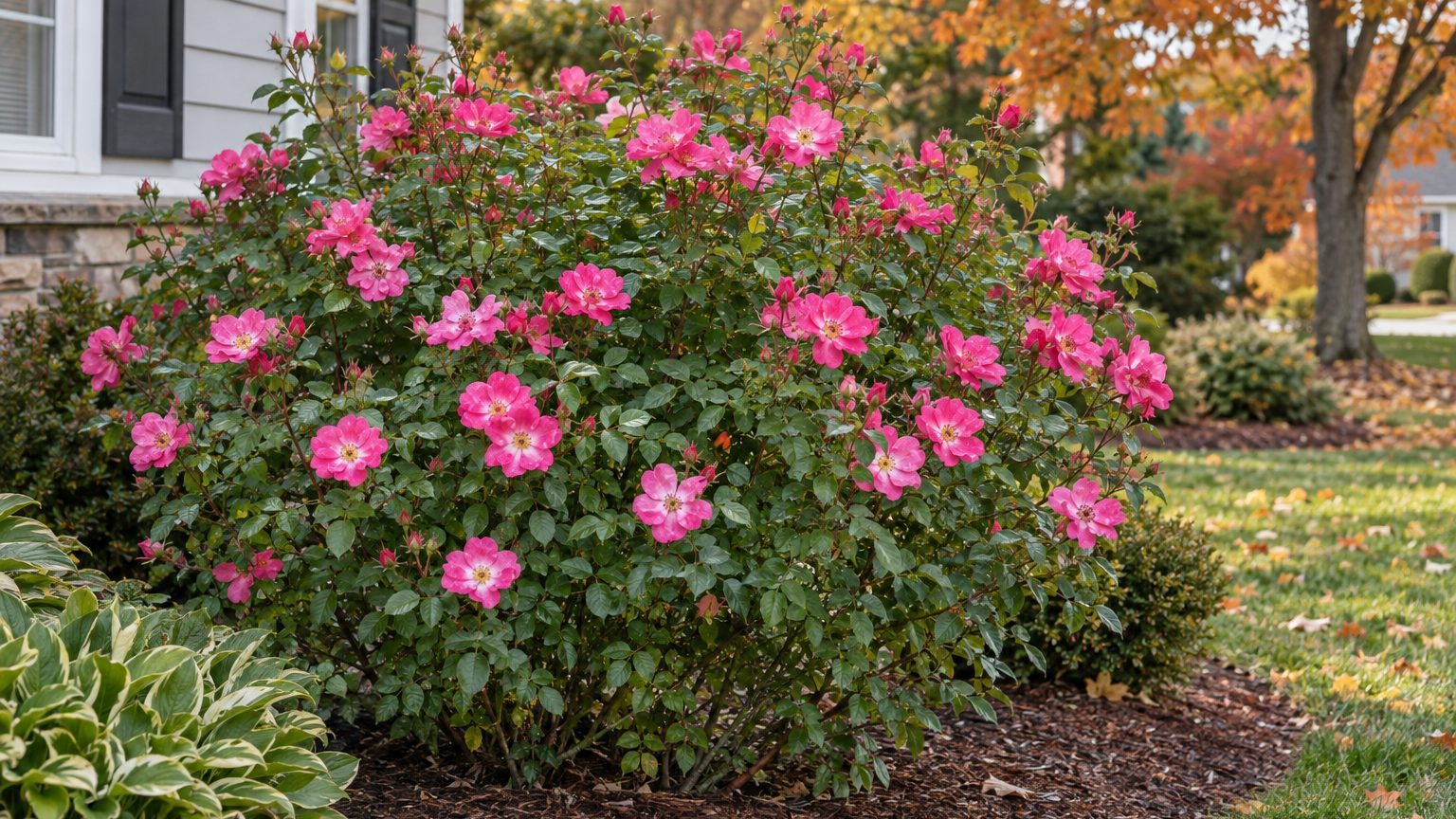
Flower Carpet is a group of low-growing, compact hybrid shrubs in the rose family (Rosaceae). The flowers come in a variety of colors and range from single to semi-double, so the look depends on which one you buy.

The habit is bushy and spreading, which is why it works as a groundcover. A mature plant reaches 2-4 feet tall, which keeps it well below eye level in a border.

It also spreads 3-4 feet wide, so one plant fills a good patch of ground. That width is the number to plan around when you space plants along a walk or a slope.

Where Does the Flower Carpet Rose Grow Best?

Winter cold affects how much protection Flower Carpet needs. The state selector just below this section takes you to the page for your own state.

  • Upper Midwest, including Minnesota and Wisconsin: Winter protection is needed in colder climate areas, so plan to shelter the plant before deep cold settles in.
  • Southeast, including North Carolina and Georgia: Watch for rust, powdery mildew and black spot.
  • California: Low-growing ground cover roses are used on sloping banks, along walkway borders, and cascading over walls, and Flower Carpet is among the varieties used this way.

Wherever you live, give it full sun. It tolerates some shade but produces fewer blooms there.

How to Care for the Flower Carpet Rose Through the Year

Waking Up

Waking Up — Flower Carpet Rose: Size, Zones, Pruning and Care

When growth resumes in spring, look the plant over and cut out any damaged or diseased canes. That is the only cleanup this rose truly needs, and it gives new growth clear room.

Check the soil too. Flower Carpet prefers fertile, moist, well-drained ground with a slightly acid pH.

Pruning

No pruning is needed, which sets this rose apart from many that demand a yearly cut. If you want a shorter, bushier plant, prune in late winter, before spring growth starts.

Leave it alone and it simply keeps its natural mounding shape.

Bloom

Bloom — Flower Carpet Rose: Size, Zones, Pruning and Care

Flowers keep coming from spring to fall, and no deadheading is required. You can skip the spent-flower rounds that other repeat-blooming roses ask for.

Summer

Spread mulch around the plant to help hold moisture through hot spells. Water at the base and avoid overhead watering, since wet leaves invite the diseases this rose can get.

A drip line or a hose set low on the ground does the job well.

Fall

Blooms continue into fall, and no deadheading is required. Keep removing any canes that look diseased or damaged, and clear fallen leaves from beneath the shrub.

Winter

In colder climate areas, winter protection is needed. Use your state page to choose the right winter protection and timing, and remember that deer and rabbits will browse the plant.

In milder winters, follow local guidance before adding protection.

Flower Carpet Rose Diseases and Weak Points

Flower Carpet has good disease resistance, but it is not immune. Three leaf diseases are the usual ones to watch for, and wet foliage makes each of them more likely.

Good airflow and watering at the soil line help the plant stay clean.

Threat How Flower Carpet handles it
Rust Good resistance, but watch for it
Powdery mildew Good resistance, but watch for it
Rose black spot Good resistance, but watch for it
Leaf diseases from wet foliage Avoid overhead watering to help prevent them
Deer and rabbits They will browse the plant

If a cane looks damaged or diseased, cut it out. That keeps trouble from spreading through the mound.

Is the Flower Carpet Rose Right for Your Yard?

It suits a sunny spot where you want color over a wide area without much work. It fits slopes, borders and wall edges. It is a poorer match for deep shade or for yards where deer and rabbits roam freely.

  • The state selector leads to the Flower Carpet page for your state, with the local months for pruning and winter protection.
  • Go there before you buy, so the planting spot and the protection plan are settled before cold arrives.
  • Check the plant tag for mature size, then mark out a patch wide enough for it before you dig.

Common Questions

What Soil Suits a Flower Carpet Rose?

Fertile, moist, well-drained soil with a slightly acid pH. Mulch helps hold moisture in the root zone.

Can a Flower Carpet Rose Grow in Part Shade?

It prefers full sun but tolerates some shade. Expect fewer blooms in the shadier spot.

Can Flower Carpet Roses Cover a Slope or Spill Over a Wall?

Yes. Low-growing ground cover roses are used on sloping banks, as borders along walkways, and cascading over walls, and its bushy, spreading habit suits those jobs.

The almanac, state by state. Every date on this site comes from a state’s own frost facts and its extension service’s calendar — and says where it comes from.