Skip to content

Quebec

  1. Jan
  2. Feb
  3. Mar
  4. Apr
  5. May
  6. Jun
  7. Jul
  8. Aug
  9. Sep
  10. Oct
  11. Nov
  12. Dec
State
Quebec
Hardiness zones
5b
Last spring frost
May 6
First fall frost
October 5
Annual rain
39 in
Lawn zone
cool-season
Source
Environment and Climate Change Canada — Canadian Climate Normals 1981-2010, station MONTREAL/ST-HUBERT A · Montreal

The year in Quebec, from the calendar

  1. Jan—
  2. Feb—
  3. MarRenew an overgrown lilac · Prune fruit trees
  4. AprSpring bulbs bloom · Lilacs bloom · Renew an overgrown lilac · Feed roses · Plant roses
  5. MaySpring bulbs bloom · Feed hydrangeas · Plant hydrangeas · Lilacs bloom · Prune lilacs
  6. JunPlant hydrangeas · Prune bigleaf hydrangeas · Prune lilacs · Peonies bloom · Feed roses
  7. JulFeed hydrangeas · Prune bigleaf hydrangeas · Feed roses · Mow · Water
  8. AugPlant hydrangeas · Seed the lawn · Plant peonies · Dethatch · Mow
  9. SepPlant hydrangeas · Seed the lawn · Plant peonies · Aerate · Dethatch
  10. OctPlant spring bulbs · Mow · Plant trees
  11. NovCut back peonies · Protect roses for winter
  12. DecCut back peonies

From the state frost facts and extension calendars: University of New Hampshire Extension ; University of New Hampshire Extension · Cornell Cooperative Extension (Monroe County) · Clemson HGIC factsheet — Hydrangea · Guelph Turfgrass Institute (University of Guelph) — Spring care tips for your yard.

Best Time to Plant Trees in Quebec

Best Time to Plant Trees in Quebec

Bare branches in winter, a shovel leaning against the shed, and soil that finally gives way in spring: that is the moment Quebec trees want to go in. Spring is the main planting season in the province, with a shorter window in early fall.

When Is the Best Time to Plant Trees in Quebec?

A young shade tree newly planted in a home yard

Shade and ornamental trees do best planted in April and May, with early fall as a fallback. The dates for local frost and timing vary across the province, so confirm them with a local garden centre, a garden society or the provincial gardening groups, since the months here follow the nearest comparable climate.

  • In April, as soon as the frost is out of the ground and the soil can be worked, trees can go in while they are still dormant and the roots have the cool, moist soil they like.
  • Through May, container and balled-and-burlapped trees can keep going in, and they can be planted into late May or early June without much trouble.
  • In summer, planting gets hard, because heat and dry soil stress new roots that have not yet spread.
  • In September, planting works again, since the soil is still warm and roots keep growing while the air cools.
  • Through October, fall planting should be finished before the end of the month, and a tree planted then needs watering until the ground freezes.

At the Montreal reference station, the last spring frost falls on average around May 6, which means a frost can still come later in half the years, so treat that date as the middle of a window. The first fall frost arrives on average around October 5. The reference zone is Canadian hardiness zone 5b, a separate system from the USDA zones. Northern and upland districts run weeks behind Montreal.

Container trees are the most flexible, since they can go in most of the growing season if watered, though they settle best in the dormant season. A few species do better in spring than in fall, including magnolia, dogwood, tuliptree, sweet gum, red maple, birch, hawthorn, poplars, cherries, plums and many oaks.

When to Plant Fruit Trees in Quebec

Fruit trees go in during April and May, in early spring, as soon as the frost has left the ground. Bare-root trees are planted in April or early May, while they are still dormant and before the buds open.

Fall planting is a poor idea for fruit trees in Quebec. The winters are too cold for a newly planted fruit tree, which has not had time to anchor its roots.

Kind of fruit tree When to plant in Quebec Why then
Bare-root April or early May The tree is dormant and the buds have not opened yet
Container April and May The frost is out of the ground and roots can settle before summer heat

Bare-root stock is usually less expensive than container trees, and it establishes and grows well when planted on time. Apricot trees come through winter well but turn tender quickly as late-winter temperatures climb, so a spot that does not warm too early helps them. Pruning is covered on the page about when to prune fruit trees.

Best Trees to Plant in Quebec

Paper birch, aspen and red maple suit a range of soils and are common on cool, forested ground. Eastern redbud can grow here with some care, and oak, magnolia, tuliptree and ginkgo are best planted in spring. Choose by space, sun and your hardiness zone.

Tree How it does in Quebec Why
Paper birch Does well in full sun It is shade-intolerant and survives best with full sunlight
Aspen Does well in full sun It is shade-intolerant and adapts to a variety of soils
Red maple Adapts to many soils It tolerates a variety of sites and is best planted in spring
Eastern redbud At the edge of its hardiness It needs well-drained soil and shelter from drying winds and ice that can break brittle limbs
Sugar maple Handsome but fussy It dislikes road salt, compacted soil and heat

Magnolia, tuliptree, oak and ginkgo are better suited to spring planting. For sugar maple, skip spots beside salted driveways or compacted lawn edges.

When to Plant, Water and Prune Trees in Quebec

Planting and pruning both follow the dormant season, while watering follows the weather. Each gesture below has its own moment, and the tree’s stage, whether dormant or leafed out, tells you more than the date on the wall.

Task Best timing in Quebec Why then
Plant shade and ornamental trees April and May, or September and October Roots settle in cool soil, away from summer heat
Plant fruit trees April and early May, never in fall Winters are too cold for a newly planted fruit tree
Water a young tree Regularly through the first growing season, and in fall until the ground freezes New roots dry out quickly in summer heat
Prune fruit trees March and April, in late winter into early spring It least affects winter hardiness and tree health

Fruit trees are pruned while dormant, before the buds swell. Avoid pruning in fall or early winter, because new growth may not harden before the cold. Peaches are pruned last, closest to bloom, since their flower buds are easily hurt by cold, while apples go first.

Where to Get Tree Advice in Quebec

Quebec has no county extension office, so tree questions go to the province’s agriculture ministry, a local garden centre or a garden society. Each can help with species choice or a soil test.

Common Questions

Can You Plant a Tree in July in Quebec?

You can, if the tree comes in a container and you water it faithfully, but July is the hardest time to plant. Heat and dry soil stress the roots, so a tree planted in April or September settles with far less effort.

Should You Remove the Burlap from a Balled-and-Burlapped Tree?

Lower the tree into a hole with the root flare level with the soil, then cut away any wire basket and fold back or remove the burlap from the top of the ball. Leftover wire and wrap can restrict roots as they grow.

Can You Plant Fruit Trees in Fall in Quebec?

Fall is the wrong season for fruit trees here. Wait until early spring, when the soil can be worked and the tree is still dormant, so the roots get a full season before the next winter.
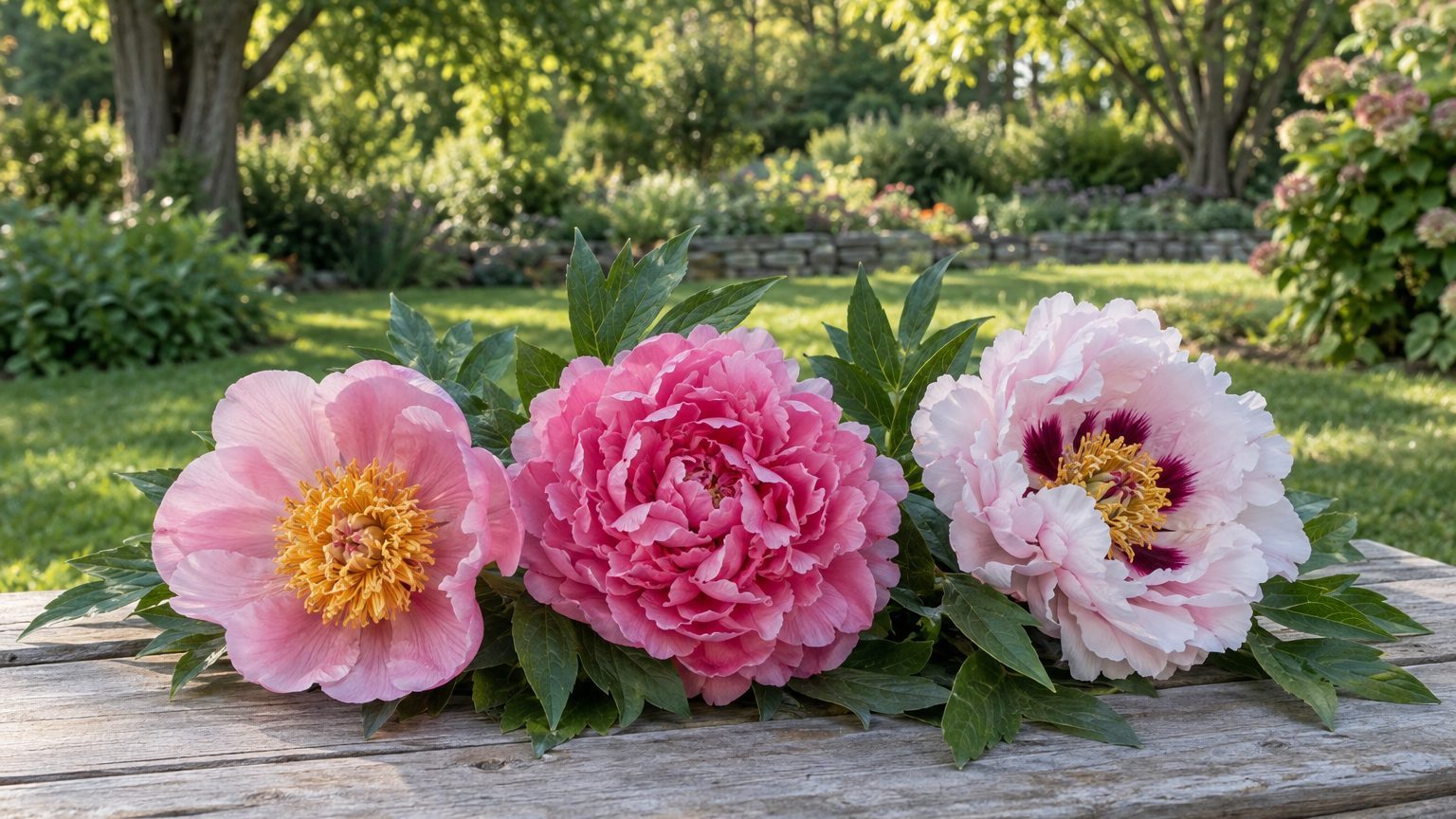
Best Peonies for Quebec

Best Peonies for Quebec

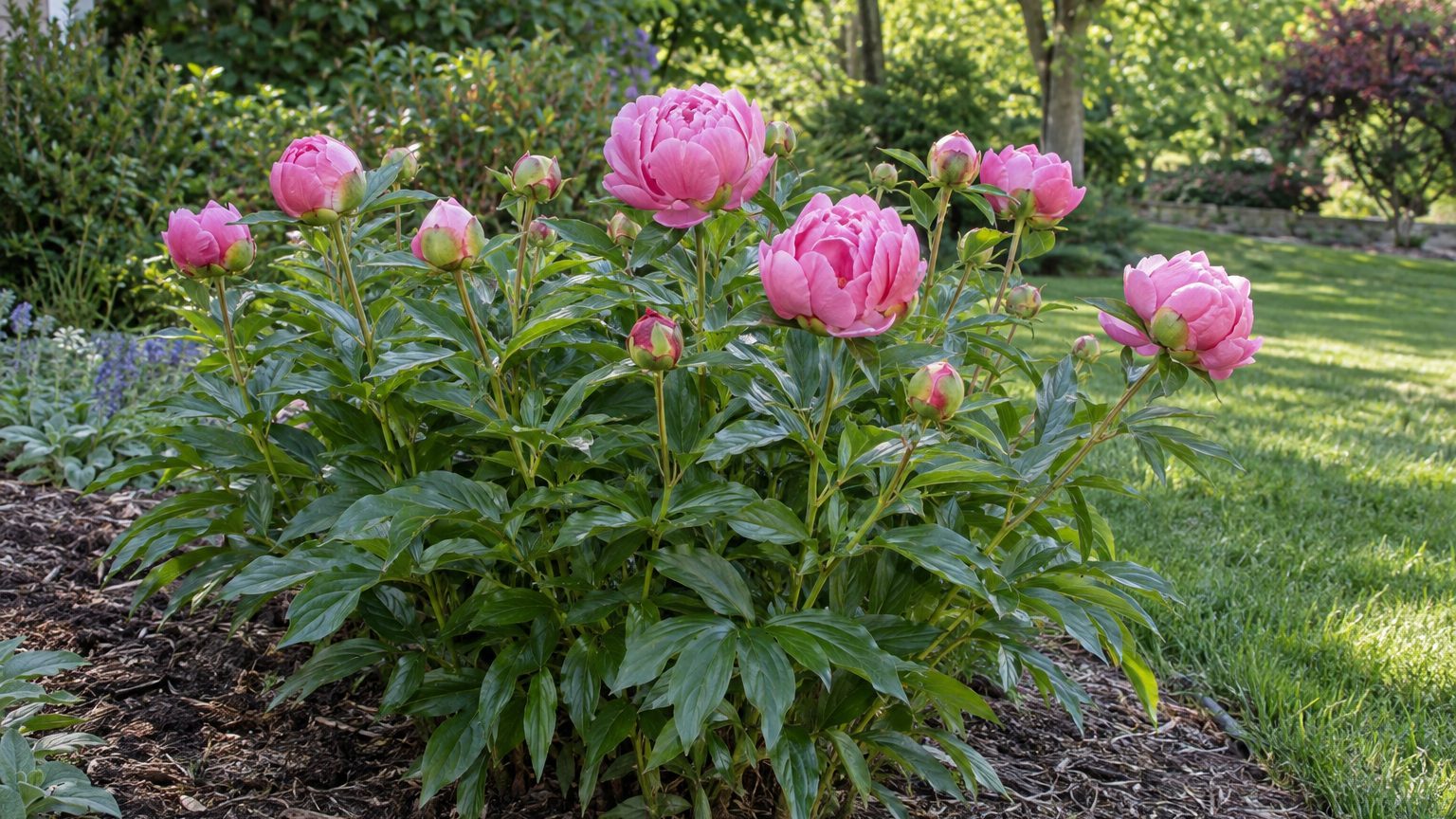
Red shoots push out of the soil in spring, and by late spring into June the first buds are fattening on stems that were bare earlier in the season. Quebec winters are exactly the cold rest peonies want, so the question here is less about survival and more about which type fits your yard, your time and your space.

Best Peonies to Grow in Quebec

Best Peonies for Quebec

The peony types commonly grown in home landscapes can work in many Quebec gardens because peonies need a cold winter rest to flower. The reference city of Montreal sits in Canadian hardiness zone 5b, a Canadian rating that does not convert to a USDA zone. Each type below earns its place differently.

Garden Peony

Garden Peony — Best Peonies for Quebec

The garden, or herbaceous, peony (Paeonia hybrids) is the classic choice. It dies back to the ground every year, so winter has nothing above the soil to damage. Cut the foliage back after frost has blackened it.

Plant it with the eyes near the soil surface. A peony set too deep may bloom poorly or never come up at all.

Tree Peony

Tree Peony — Best Peonies for Quebec

The tree peony (including Paeonia suffruticosa) keeps its woody stems through the year, which gives you a small shrub with large flowers in late spring. It is never cut back to the ground, and that is the difference you need to remember at cleanup time.

Because those stems stand through the Quebec winter, plant it where snow and wind are not at their worst, such as near a wall or a fence.

Intersectional Peony

The intersectional peony, also called the Itoh, is a cross between the garden and tree peonies. It blooms after the herbaceous types, which stretches your flowering season well into June.

It suits a gardener who wants the look of a tree peony without keeping woody stems.

Woodland Peony

The woodland peony (Paeonia japonica) is white-flowered and opens before the other types. It is the one to choose for the first flowers of the season and for a shadier spot where you would like a quieter bloom.

Like the others, it needs a cold winter, which Quebec provides.

How to Choose a Peony for a Quebec Garden

Start with the work you are willing to do and the season you want. Quebec winters give every peony its cold rest, so the choice comes down to how the plant handles winter above ground and how much cleanup you want.

Give a newly planted or transplanted peony time to settle, because it may skip blooming the first spring.

Your situation What suits it in Quebec Why
Very cold winter Garden peony It dies back to the ground, so no stems are left exposed to winter
Need for winter cold Any of these types Peonies need a cold rest to flower and Quebec winters supply it
Little time for cleanup Tree peony It is never cut back, while herbaceous types are cut back after frost
Flowers over a long season Woodland, tree, garden and intersectional together Each type opens at a different point from late spring into June

Herbaceous peonies are cut back in November or December, once the foliage has died, and cutting can also wait until March or April. Tree peonies skip this job.

Which Peonies Suit Different Parts of Quebec

The reference city of Montreal sets the pace, and the average last spring frost there is May 6. Frost comes later than that date in one year out of two, and northern or upland districts run weeks behind it.

  • Montreal and the Montérégie: Ask a local garden centre which type and cultivar suit this area. Plant in the fall and combine types for a longer stretch of bloom.
  • Quebec City: Winters are colder, so lean on the garden and intersectional peonies, which leave nothing above ground. Tree peonies belong in a sheltered corner.
  • The Laurentians: Spring arrives later in this upland, and buds open later too. Choose herbaceous types and protect any woody stems from wind.
  • Saguenay-Lac-Saint-Jean: Frost lingers into spring, so favor plants that die back each year and count on bloom late in the season.

Wherever you garden in Quebec, a local garden centre can help identify what survives in your district.

Peony Buying Mistakes to Avoid in Quebec

A Tree Peony in an Exposed Spot

Tree peonies keep woody stems all winter, so a plant set in open wind may lose growth and flower poorly. Plant it where it has shelter. In a very exposed yard, a garden or intersectional peony is the safer buy because it dies back to the ground.

A Plant Raised for Mild Winters

Peonies need a cold rest to flower, and a variety suited to mild-winter climates may not suit your garden. Buy from a nursery that sells for cold regions, and ask the staff whether the variety is known to flower in your district.

A Pot Bought Without Its Adult Size

A small potted peony hides how big it will become. A tree peony grows into a woody shrub, while a garden peony forms a large clump. Read the tag, then give the plant room, because moving it later sets back flowering. Plant in August or September, or in October if the first dates pass you by. Spring planting is possible but may delay flowers a year.

Where to Get Peony Advice in Quebec

Local help is close at hand. Because Quebec has no local page on peony timing, the planting dates here follow the nearest comparable climate; confirm local timing with a garden centre, a garden society or a provincial gardening group.

  • The Ministère de l’Agriculture, des Pêcheries et de l’Alimentation du Québec is the provincial agriculture ministry, a good first stop before you plan a bed.
  • A local garden centre can tell you which peony types do well in your district, so visit in late summer before fall planting.
  • A garden society or master gardener group is useful in spring, when you want to compare how neighbors’ peonies came through winter.

Common Questions

Can You Plant a Peony in Spring in Quebec?

Yes, though a spring planting may delay flowers a year. Fall planting gives the roots time to settle before the cold.

Do Tree Peonies Need to Be Cut Back in Fall?

No. A tree peony keeps its woody stems and is never cut to the ground. Only herbaceous peonies are cut back after frost.

When Do Peonies Bloom in Quebec?

Bloom runs from May into June, depending on the type. Woodland peonies open first, tree peonies follow, and the intersectional hybrids finish the season.

When Do Peonies Bloom in Quebec?

When Do Peonies Bloom in Quebec?

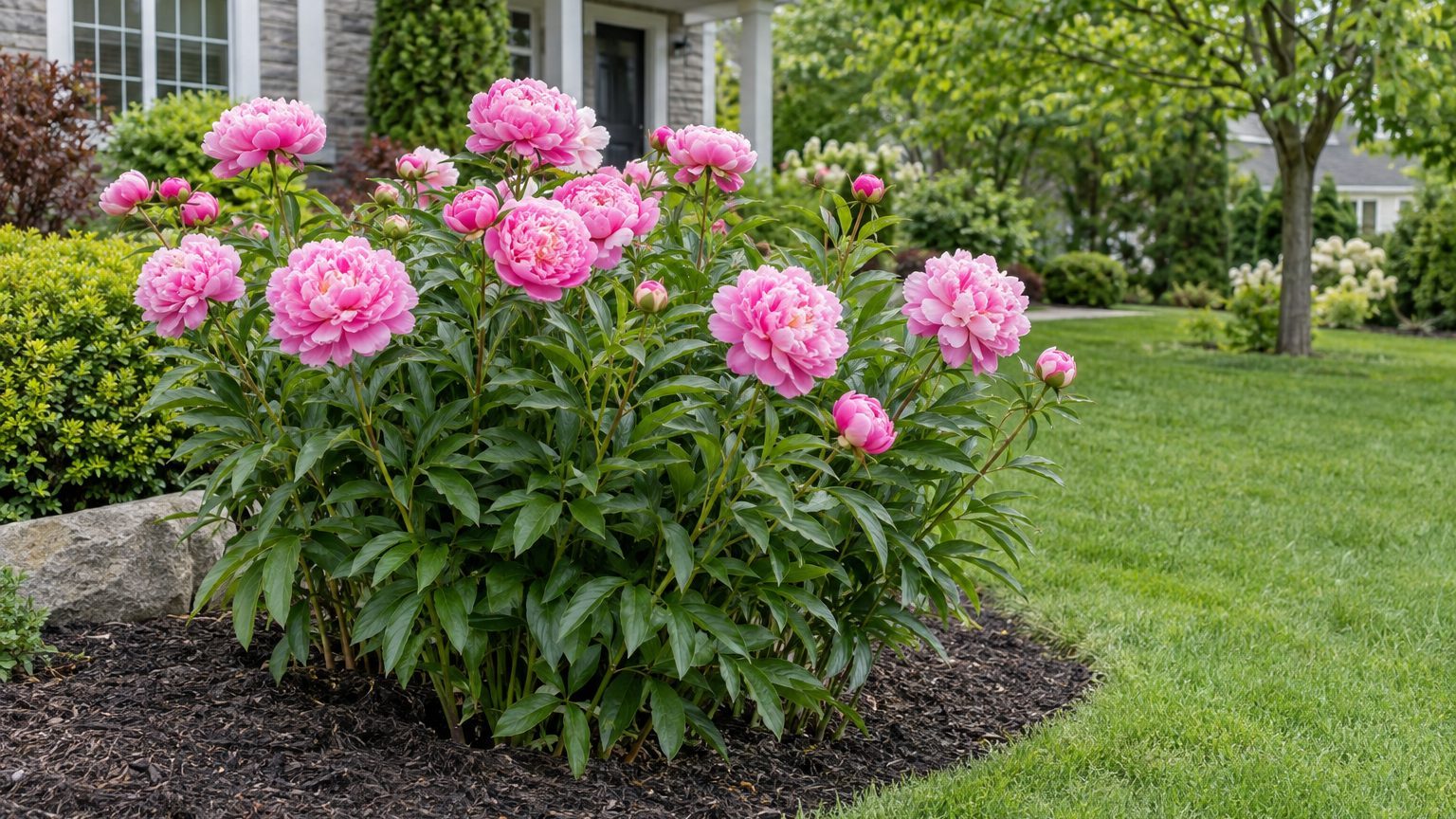
Peony buds swell on the stems while the last cold nights of spring still linger, and the big flowers open as the garden tips into early summer. In Quebec, that moment lands in late spring and runs into June. The exact week depends on the type of peony you grow and on how far north your yard sits.

When Do Peonies Bloom in Quebec?

When Do Peonies Bloom in Quebec?

Peonies bloom in Quebec from May through June. Quebec has no local extension page on peony timing, so these months follow the nearest comparable climate in northern New England. Confirm local timing with a garden centre, a garden society or a provincial gardening group.

Peonies bloom in a relay rather than all at once, and each type takes its turn.

Type of peony When it blooms in Quebec What to know
Tree peony (woody, including Paeonia suffruticosa) Late spring, after the woodland type Keeps its woody stems through winter and is never cut back
Herbaceous (garden) peony Late spring into June Dies back each year and is cut back after frost
Itoh (intersectional) peony June, after the herbaceous types A hybrid of the garden and tree peonies

The woodland peony (Paeonia japonica) opens first, with white flowers. The sequence runs woodland, tree, herbaceous, then Itoh, so a yard with several types can stay in flower from late spring into June. Peonies need a cold winter rest to flower, and Quebec winters supply it. Montreal sits in Canadian hardiness zone 5b (a Canadian rating that does not convert to a USDA zone). A peony planted or divided this year may skip its first spring bloom.

How to Tell When Your Peonies Are About to Bloom

The plant announces the show well ahead of the first petal, and the signs build in a clear order.

  • Red shoots pushing through the soil in spring mean the plant is awake, while flowering is still ahead.
  • Round, swelling buds show that flowers are developing, so stake or ring the clump before the heads get heavy.
  • Buds that swell and then feel soft when pressed gently are close to opening.
  • A thin band of color showing at the bud tip means petals are about to unfurl.
  • Ants crawling over the buds are normal and harmless.

A peony planted too deep may bloom poorly, so check that the eyes sit near the soil surface.

When to Cut Back Peonies in Quebec

Herbaceous peonies are cut back in November or December, once the foliage has died back after a hard frost. If you miss that window, March or April works as well. Cut the stems to the ground.

Discard foliage that shows disease rather than adding it to a home compost pile. Old peony foliage can carry fungal spores, so removing it keeps the clump cleaner for the next season.

Tree peonies are the exception. They keep their woody stems all year, so leave them standing and remove only dead or broken wood. Cutting a tree peony to the ground would sacrifice the framework that carries next year’s growth.

How Peony Bloom Time Shifts Across Quebec

Quebec stretches across very different climates, and peonies follow the weather of each district, so the same variety opens at different times in different yards.

  • Around Montreal, peonies tend to open within the May to June window. In Montreal, the average last spring frost falls on May 6, though frost can come later in about half of all years.
  • Quebec City and the Saint Lawrence corridor: Spring warms more slowly than around Montreal, so bloom usually slips later in the window.
  • The Laurentians and the Saguenay: Colder nights and a later thaw push growth back compared with the south, so expect flowers later in the window.

Within any district, a sheltered, south-facing wall will bring flowers on sooner than an open, shaded corner.

Where to Get Peony Advice in Quebec

Local help comes from the province and from nearby growers. The Quebec agriculture ministry, MAPAQ, is the provincial starting point for horticulture questions.

  • Provincial agriculture resources are worth checking before you plan a new peony bed.
  • A local garden society or master gardener group can tell you how your district’s peonies behave.
  • A nearby garden centre can advise on varieties suited to your area, and late August is a good time to visit if you plan to plant or divide.

Common Questions

When Should You Plant or Divide Peonies in Quebec?

August and September are the months to plant or divide, with October as a fallback. Spring planting is possible but may delay flowers a year. Set the eyes near the soil surface, because a peony planted too deep may bloom poorly or fail to come up.

Do Peonies Bloom Every Year in Quebec?

Established plants often bloom reliably when their growing conditions are right. Peonies need a cold winter rest to flower and may flower poorly in mild-winter climates.

Which Peony Types Can You Grow in a Quebec Yard?

The types grown in home landscapes include woodland, tree, herbaceous and Itoh peonies. Herbaceous peonies are the usual choice for a first bed, while mixing in a tree or Itoh peony extends the season.

When to Plant Peonies in Quebec: Dates and Care

When to Plant Peonies in Quebec: Dates and Care

Peony clumps in Quebec go quiet after the first hard frosts, and that pause sets up the next June’s flowers. Planting and dividing belong to late summer and early fall, when the soil is still warm and the roots have time to settle before winter.

When to Plant Peonies in Quebec

When to Plant Peonies in Quebec: Dates and Care

Plant or divide peonies in Quebec from August through September, so the roots settle in before the ground freezes. The dates here follow the nearest comparable climate, since Quebec has no local guidance on peony timing. Confirm the local window with a garden centre, a horticultural society or a provincial gardening group. A peony’s year then runs like this:

  • In early spring, red shoots push up through cold soil, and anyone who skipped the fall cutback can trim last year’s stems in March or April.
  • From May into June, the plants bloom, with the exact weeks depending on the type.
  • Through summer, the leaves feed the roots and next year’s buds, so the foliage stays on the plant.
  • In late August and September, new plants go in and old clumps can be lifted and divided.
  • In November and December, once the foliage has died back, herbaceous stems are cut to the ground (October planting is a fallback if the window above slipped by).

At Montreal, the last spring frost falls on average around May 6, which means frost still arrives after that date in about half of years. Treat it as the middle of a window rather than a safe date. In the fall, the first frost comes on average around October 5, a date that is later in upland and northern districts. Montreal sits in Canadian hardiness zone 5b (a Canadian system that does not convert to USDA zones).

Which Peonies Grow Best in Quebec?

Peonies suit Quebec. They need a cold winter rest to set flowers, and Quebec winters deliver it, while mild-winter climates leave them flowering poorly.

The peony types grown in home landscapes bloom one after another from late spring into June.

Peony type How it does in Quebec Why
Herbaceous (garden peony) Reliable border plant, blooms in the middle of the season Dies back each year and regrows from the roots after winter
Tree peony Grows well, flowers early in the season Woody stems stay above ground, so the plant is never cut back
Itoh (intersectional) Blooms last, stretching into June A hybrid of garden and tree peonies that carries traits of each
Woodland peony First to open in late spring A white-flowered type that starts the sequence

Mixing the types can stretch peony season from the first white woodland flowers to the last Itoh blooms. For a simple starting point, choose an herbaceous peony.

When to Plant, Cut Back and Feed Peonies in Quebec

Planting depth matters as much as timing. A peony set too deep may bloom poorly or not come up at all, so keep the eyes (the pink buds on the root) near the soil surface.

A newly planted or transplanted peony may not bloom its first spring, and a local garden centre can advise whether your soil calls for feeding.

Task Best timing in Quebec Why then
Plant or divide August to September, with October as a later fallback Warm soil lets roots establish before winter
Enjoy bloom May to June, depending on the type Each type opens in turn through late spring
Cut back herbaceous peonies November to December, or March to April Foliage has died back, so stems come away cleanly
Cut back tree peonies Never, only remove dead wood Woody stems carry next year’s buds

Spring cutting is also possible if you prefer to leave the dead stems standing through winter. Either way, wait until the foliage has collapsed on its own.

How Peony Planting Dates Change Across Quebec

The calendar above suits the Montreal area, and districts farther north or higher up run later in spring and meet frost sooner in the fall.

  • Montérégie and the Montreal area: Planting follows the main window, August into September, with the soil still warm.
  • Laurentians: Higher ground warms later in spring and chills earlier in fall, so aim for the early end of the planting window.
  • Saguenay–Lac-Saint-Jean: Frost arrives well before it does around Montreal, so plant in August rather than waiting for September.

In every district, a local garden centre knows how early frost tends to arrive in its own valley.

Where to Get Peony Advice in Quebec

Questions about peonies can go to the provincial agriculture ministry, local gardening groups and nearby garden centres.

Common Questions

Can You Plant a Peony in Spring in Quebec?

Yes, as soon as the soil is workable. Spring planting may delay flowering by a year, so fall planting remains the better route if you can wait.

Why Is a Peony Not Blooming in Quebec?

Look for healthy leaves without flower buds, and then dig gently around the crown to check the eyes. If they sit well below the surface, the plant was probably set too deep and needs replanting at the right depth in late summer.

How Do You Divide an Old Peony in Quebec?

Lift the clump, cut it into sections that each carry several eyes, and replant them with the eyes near the soil surface. Water the new divisions in, and expect the first flowers to come a little later than from an established plant.

Best Lilacs for Quebec

Best Lilacs for Quebec

A lilac in bloom perfumes a Quebec front yard from the street. The shrub belongs here because it wants a real winter, and Quebec supplies one. French lilacs, a compact Korean type and a repeat-blooming series cover the choices that matter in a home garden. Space, summer humidity and the time you want to spend decide among them.

Best Lilacs to Grow in Quebec

Best Lilacs for Quebec

Lilacs are cold-climate shrubs, and the chill of winter is what matures their flower buds, so French lilacs, the dwarf Korean lilac and the Bloomerang series all earn a place in Quebec. Montreal sits in Canadian hardiness zone 5b, a Canadian rating that does not convert to a US zone. Hot, humid summers are the weak point because lilacs struggle there, so choose an airy, sunny planting spot.

French Lilacs

French Lilacs — Best Lilacs for Quebec

French lilacs are the best known of the group. They are selections of the common lilac, Syringa vulgaris, and there are hundreds of cultivars with many colours and floret shapes. That range is why they suit so many Quebec yards.

Plant them in full sun where air moves freely. Their flowers open from late April into May, which fits the province’s slow spring.

Sensation

Sensation — Best Lilacs for Quebec

‘Sensation’ has purple flowers edged with white, so each floret looks outlined in a pale thread. It is a French lilac, which means it carries the same appetite for winter cold as the rest of the group.

Give it room near a path or a window, where the white-edged purple flowers can be seen up close and the scent reaches the door.

Dwarf Korean Lilac

Syringa meyeri, the dwarf Korean lilac, is also called the little-leaf lilac. It usually grows about 5 ft tall and just as wide, though occasionally it reaches 8 ft. That compact habit is the reason breeders have used it so often.

It is a profuse bloomer, with small, elegant violet flowers in great numbers. Choose it for a foundation planting or a small front yard where a full-size lilac would crowd the walk.

Bloomerang Series

The Bloomerang series is resistant to powdery mildew and reblooms. Mildew is a common trouble when summers turn muggy, as they can around Montreal, so resistance takes some worry out of the season.

Plant it as you would any lilac, in sun and with space around it for airflow. The reblooming habit gives you flowers again after the main show has passed.

How to Choose a Lilac for a Quebec Garden

Start with what your yard does to a plant between June and September, because Quebec winters rarely trouble a lilac and humid summers can. Then think about space and how much attention you want to give.

Most choices come down to the situations below.

Your situation What suits it in Quebec Why
Very cold winter French lilacs Lilacs are well suited to cold climates, and the winter chill matures their buds
Hot, humid summer Bloomerang series It resists powdery mildew, which thrives in muggy weather
Little time Bloomerang series Mildew resistance and reblooming mean less fuss through the season
Small space Dwarf Korean lilac It usually stays near 5 ft tall and wide
A yard that gets a proper cold rest Any French lilac, such as Sensation Buds need the cold winter rest to mature

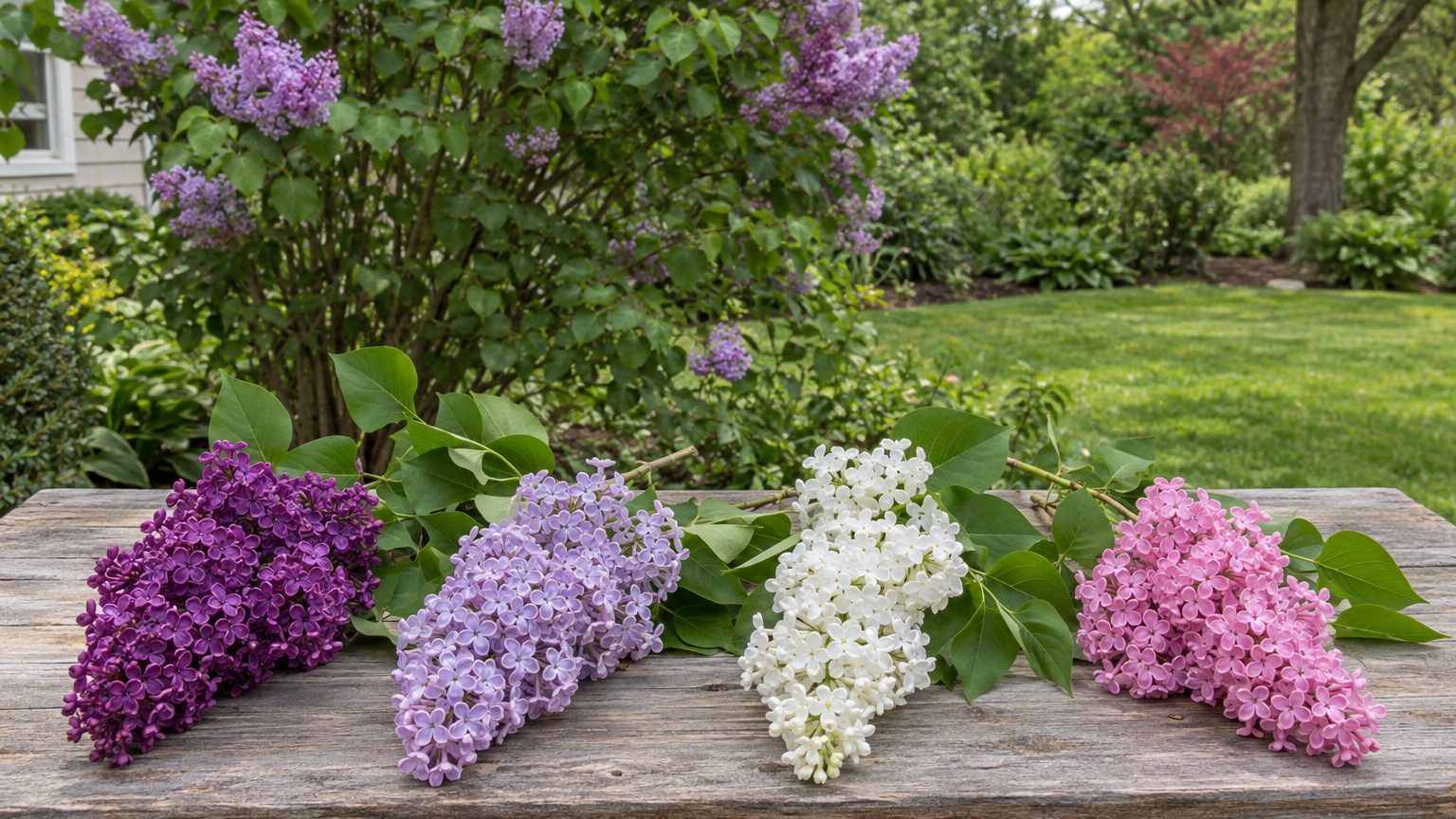
Colour can settle a tie. Named cultivars range across lilac, purple, white, pink and a reddish hue, so pick the shade you like once the situation is sorted out.

Which Lilacs Suit Different Parts of Quebec

In the Montreal area, the last spring frost falls on average May 6, which means it comes later in half the years. Districts farther north or higher up run weeks behind, so local spring timing matters when you choose a lilac.

  • Montreal area: The wide choice works here. French lilacs do well, and the Bloomerang series earns its place where summers turn humid and mildew follows.
  • Eastern Townships: Hillier ground and cooler air slow the spring. Plant French lilacs in an open, sunny site and keep the dwarf Korean lilac in mind for tighter lots.
  • Quebec City and the Saguenay: Spring arrives later, and the long winter suits lilacs well. Expect flowers toward the late end of the bloom season, and favour open, airy sites.

In every district, the cold rest that matures the buds is a gift rather than a risk. The thing to manage is sun and airflow.

Lilac Buying Mistakes to Avoid in Quebec

Ignoring Mildew in Humid Summers

Lilacs struggle in hot, humid summers, and a shrub tucked into a still corner suffers most. Leaves turn dusty and the plant looks tired.

Pick the Bloomerang series where summers are muggy, and give every lilac sun and space between neighbours so air can move.

Pruning at the Wrong Time

A lilac blooms on last year’s wood and sets next year’s flower buds in summer, soon after it flowers. Pruning in late summer, fall or winter cuts off the coming spring’s flowers.

Prune right after the flowers fade, in May or June. An overgrown shrub can be cut back hard in March or April, but it will not flower for a few years afterward.

Buying Without Knowing Adult Size

A small potted lilac hides its future. The dwarf Korean lilac usually reaches about 5 ft and sometimes 8 ft, and a French lilac gets larger than that.

Read the label for the mature size and plant where the shrub can reach it. Crowding leads to hard cuts later, and every hard cut costs flowers.

Where to Get Lilac Advice in Quebec

Quebec has no county extension office, so local advice comes from the provincial agriculture ministry, MAPAQ, and from people who garden near you. Quebec has no local extension page on lilac timing, so the months here follow the nearest comparable climate.

  • A local garden centre can tell you which lilacs thrive in your town, and early spring is a good time to ask.
  • A garden society or master gardener group often holds plant sales and walks, and bloom time is when to see lilacs in person.
  • Provincial gardening groups can confirm timing for your district before you plant.

Common Questions

When Do Lilacs Bloom in Quebec?

Most open from late April into May. Later species carry the show into June.

Do Lilacs Need Full Sun?

Yes. They thrive in sunny sites with good air circulation, which also helps keep mildew away in humid summers.

Do Lilacs Come in Colours Other than Purple?

They do. Named cultivars come in lilac, purple, white, pink and a reddish hue.

When to Prune Lilacs in Quebec

When to Prune Lilacs in Quebec

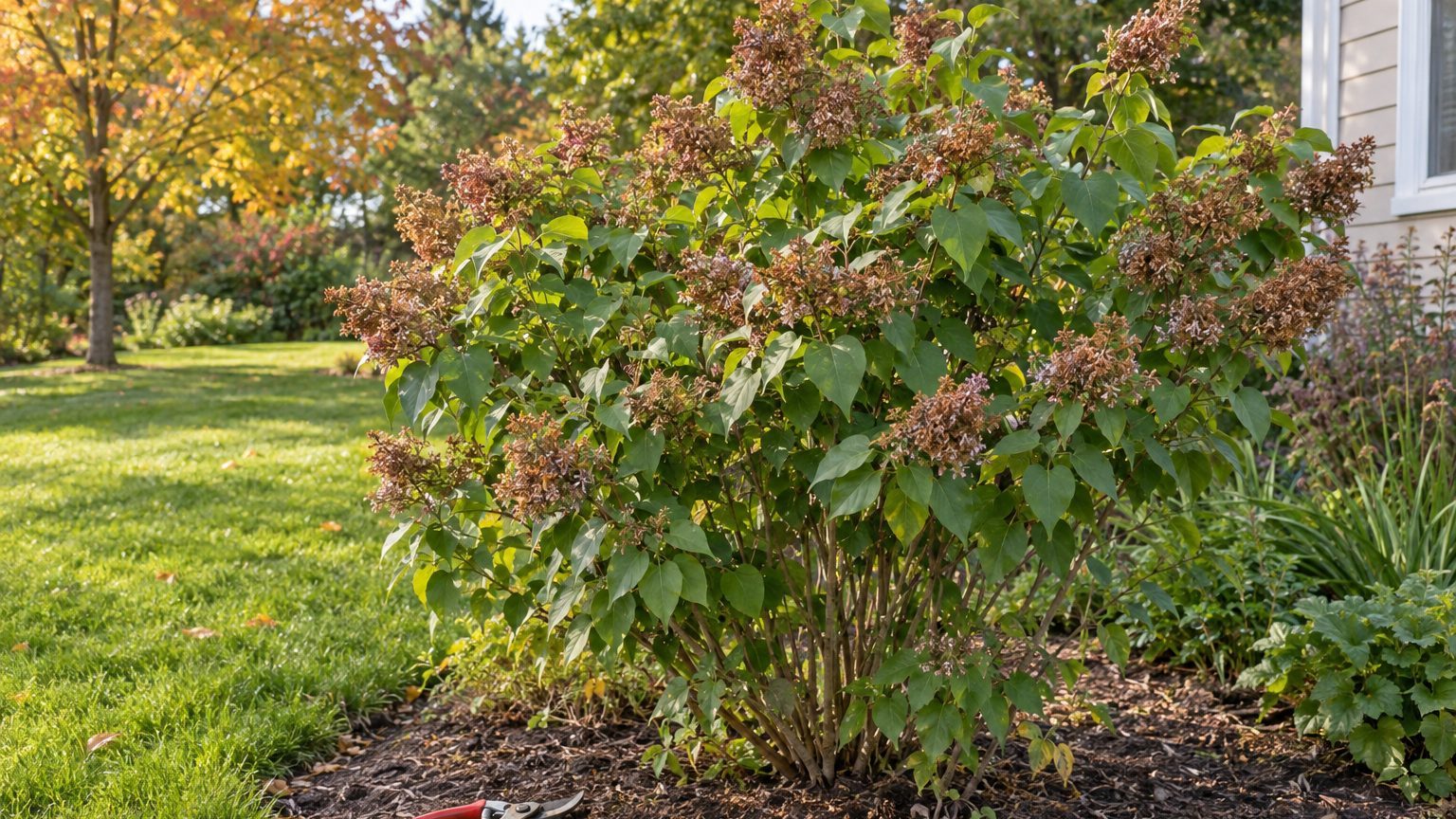
Lilac clusters turn from fragrant purple to rusty brown soon after blooming, and that browning is the cue to pick up the pruners. In Quebec, prune after the flowers finish because a lilac blooms on last year’s wood and sets next year’s buds in summer, soon after it flowers.

When to Prune Lilacs in Quebec

Lilac stems after flowering

Prune lilacs in Quebec right after the flowers fade, usually in May and often stretching into June. Quebec has no local extension page on lilac timing, so these months follow the nearest comparable climate. Confirm local timing with a garden centre, a horticultural society or a provincial gardening group.

Type of pruning When in Quebec Why
Routine upkeep after flowering May, June Next year’s buds form soon after bloom, so cutting right after the flowers fade keeps them
Hard renovation cut of an overgrown lilac March, April The shrub is dormant, but the cut costs flowers for a few years

Lilacs are pruned right after their flowers fade. The hard renovation cut is a last resort for a tall, leggy shrub that has stopped flowering well anyway, so the lost blooms matter less than the fresh start.

How to Tell When Your Lilacs Are Ready to Prune

The plant gives clearer signals than the calendar, and they matter most in a cool spring or with a late-blooming species.

  • Flower clusters turn brown and dry, which tells you the show is over and the pruners can come out.
  • Petals drop and leave small green seed clusters behind; remove only the spent flower heads.
  • New shoots stretch from just below the old clusters, so leave that fresh growth intact.
  • A late species still in full flower is not ready, since those types bloom into June and should wait for their own fade.
  • Leaves are fully open and the whole shrub looks green and settled, which makes it easy to see what to thin and what to leave.

If some clusters have browned but the rest are still fragrant, wait until the shrub has finished flowering.

Should You Prune Lilacs in Fall or Winter in Quebec?

No. A cut made in late summer, fall or winter takes off the buds that would open the next spring, and you will not get them back. The shrub may look tidier but will flower less, sometimes hardly at all.

Late-winter renovation is reserved for an overgrown lilac. Cutting a tall, tangled shrub back hard in March or April gives it a fresh start, but it will not flower for a few years afterward.

Quebec’s winters suit lilacs well, since they need cold rest to mature flower buds and struggle in hot, humid summers. Routine pruning belongs in May or June, right after the flowers fade.

How Lilac Pruning Time Shifts Across Quebec

Bloom time moves with the local climate, and pruning follows the bloom wherever you live in the province.

  • Montreal and the St. Lawrence lowlands: lilacs here flower earlier than farther north, so pruning usually falls in May.
  • Quebec City and the Eastern Townships: hills and cooler pockets can delay flowering a little, so check the clusters before you cut.
  • Saguenay–Lac-Saint-Jean, the Laurentians and the Gaspé: spring arrives later, and pruning often slides into June once the flowers have faded.

A cold hollow in your yard can run later than a nearby lilac, so trust the shrub in front of you.

Where to Get Lilac Advice in Quebec

The province’s agriculture ministry, MAPAQ, is the starting point, and local gardeners can fill in the details for your area.

  • Use its provincial gardening information when you are planning the year’s jobs.
  • Ask a local horticultural society or master gardener group about when lilacs bloom in your town, ideally just before the flowers open.
  • Talk to a garden centre about late-blooming and reblooming varieties before you buy, then ask how the type you choose should be pruned.

Common Questions

Why Did Your Lilac Stop Flowering After Pruning?

A cut made after the buds formed removed them, so the shrub had nothing to open. Too much shade also cuts flowering, since lilacs do best in sunny spots with good air circulation. Let it recover and prune right after the next bloom.

Can Lilacs Handle Quebec Winters?

Yes. Lilacs are well suited to cold climates, and the winter chill helps their flower buds develop. Montreal falls in zone 5b of the Canadian hardiness system, which does not convert to a USDA zone, and that cold climate suits lilacs.

Should You Remove Faded Lilac Flowers?

Yes, snipping off the browned clusters just below the flower head tidies the shrub. Make the cut where the cluster joins the stem and leave the new shoots beneath it untouched.

When Do Lilacs Bloom in Quebec? Dates and Care

When Do Lilacs Bloom in Quebec? Dates and Care

Lilacs in Quebec flower in April and May, and the later species stretch the show into June. The shrubs you see in old farmyards and front gardens across the province are built for long winters, so the bloom feels like the true start of the growing season. The year around a lilac has a clear rhythm, with bloom and pruning at its center.

When Do Lilacs Bloom in Quebec?

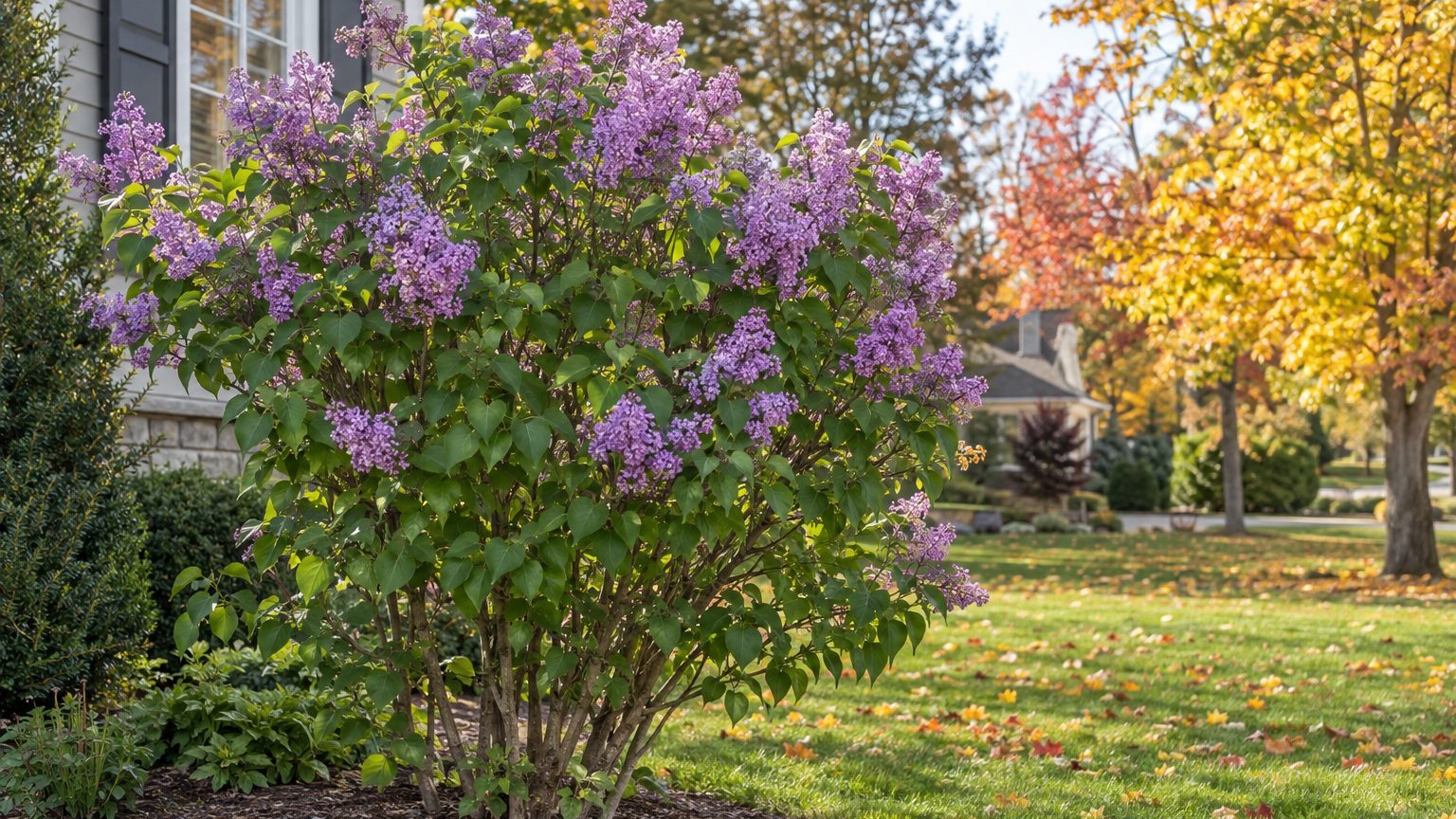
A lilac bush in bloom in a home garden

Lilacs in Quebec bloom from April into May, and later species can carry on into June. The rest of the year follows from that bloom.

  • In April and May, the flower clusters open and the scent drifts across the yard, with late-opening species still going into June.
  • In early spring, a frost can still arrive after the buds swell. Around Montreal, the last spring frost falls on average around May 6, so in one year out of two it comes later than that. Treat it as the middle of a window, never as a safe date.
  • In May and June, once the flowers fade, the shrub is ready for any shaping you want to do.
  • Through summer, the shrub quietly forms the buds that will open the following spring, so the branches carry next year’s show.
  • In fall, the first frost arrives on average around October 5 near Montreal.
  • In winter, the dormant shrub sits through the cold, which is exactly the rest the buds need.

Montreal sits in Canadian hardiness zone 5b, a Canadian system that does not convert to a USDA zone. No Quebec-specific lilac timing page exists, so these dates follow the nearest comparable climate, and a local garden centre, a garden society or the provincial gardening groups can confirm timing for your own neighborhood.

Which Lilacs Grow Best in Quebec?

Lilacs belong here. They are members of the olive family and suited to cold climates, and the chill of winter is essential to the way their flower buds develop and mature. A Quebec winter does that work for free.

Heat is the weak point. Lilacs struggle in hot, humid summers, so a spot with good air movement and full sun suits them far better than a damp, closed-in corner.

Lilac type How it does in Quebec Why
Lilacs that bloom from late April into May Reliable, and the usual spring display Cold winters ripen the flower buds
Later-blooming species Fine, with flowers that run on into June They open after the early kinds finish
Old, overgrown shrubs Can be renewed, but skip flowers for a few years A hard cut removes the wood that carries the buds
Lilacs in shade or crowded corners Weaker bloom and more disease risk They need sun and moving air

A sunny site with drainage gives a lilac good growing conditions. Avoid a site that stays wet and still after rain. Pick a sunny corner and give the shrub room, since crowding traps humid air around the leaves.

When to Plant, Prune and Feed Lilacs in Quebec

For planting and feeding, ask a local garden centre about timing for your site; prune in the window below. A lilac blooms on last year’s wood and sets next year’s flower buds in summer, soon after it flowers. Cut late and you remove the coming spring’s flowers.

A heavy renewal cut follows different rules, because it is meant to reset an old shrub rather than to tidy it.

Task Best timing in Quebec Why then
Enjoy the bloom April and May, with later species into June Warming spring opens the buds in turn
Regular pruning Right after the flowers fade, often in May, and into June Pruning promptly avoids removing next spring’s flower buds
Hard renewal cut of an overgrown shrub Late winter, in March and April The shrub is dormant, but it will not flower for a few years afterward

Pruning in late summer, fall or winter can cut off many of next spring’s flower buds; a deliberate renewal cut sacrifices flowers for a few years. For the full pruning method, the page When to Prune Lilacs in Quebec goes deeper than this.

How Lilac Bloom Time Changes Across Quebec

A province this large does not bloom all at once. Warmth, elevation and distance from the south push the opening of the flowers earlier or later from one region to another.

  • Montreal and the Montérégie: This is a milder part of the province, so flowers can open earlier here than farther north. The frost dates in this article are for the Montreal area.
  • Laurentians: Higher ground holds the cold longer, so buds swell later and the bloom shifts toward the end of the usual window.
  • Quebec City: Spring arrives a little behind Montreal, and lilacs here open somewhat later in May.
  • Saguenay–Lac-Saint-Jean: Winters are colder and springs slower, so the bloom comes late and later species may flower into June.

As a rule, move the date later as you go north or uphill, and keep an eye on the buds themselves rather than a calendar page.

Where to Get Lilac Advice in Quebec

Help comes through the provincial agriculture ministry, MAPAQ, local master gardener and garden society groups, and neighborhood garden centres.

  • It publishes provincial agriculture information, so check it when you need guidance on plant health questions.
  • A garden society or master gardener group can tell you when lilacs open in your own town, and many can help diagnose a shrub that will not flower.
  • A garden centre can advise on local soil conditions, so ask after the flowers fade and note the bloom date for next year.

Common Questions

Why Does a Healthy Lilac Not Flower?

Watch for these signs appearing together. A shrub with plenty of lush green growth that leans toward the light usually sits in too much shade. Moving it to sun, or opening up the canopy above it, can give it the light it needs.

Will a Late Frost Ruin the Lilac Bloom?

A frost on open flowers can turn them brown and limp, which spoils that season’s display. The shrub itself is hardy and recovers, and its buds for the following year form later in summer.

Can You Cut Lilacs for a Vase?

Yes. Cut stems when the clusters are partly open, taking a modest amount from each branch. Cut stems as the clusters open; shape the shrub only after its flowers fade.

Best Roses for Quebec

Best Roses for Quebec

A rose that comes through a Quebec winter with green canes and plump buds is usually a hardy shrub rose, not a hybrid tea. Cold-hardy choices for Quebec include Explorer roses, Meidiland shrubs, floribundas and old-fashioned roses. Hardy shrub roses need little fuss, while floribundas need protection in cold winters.

Best Roses to Grow in Quebec

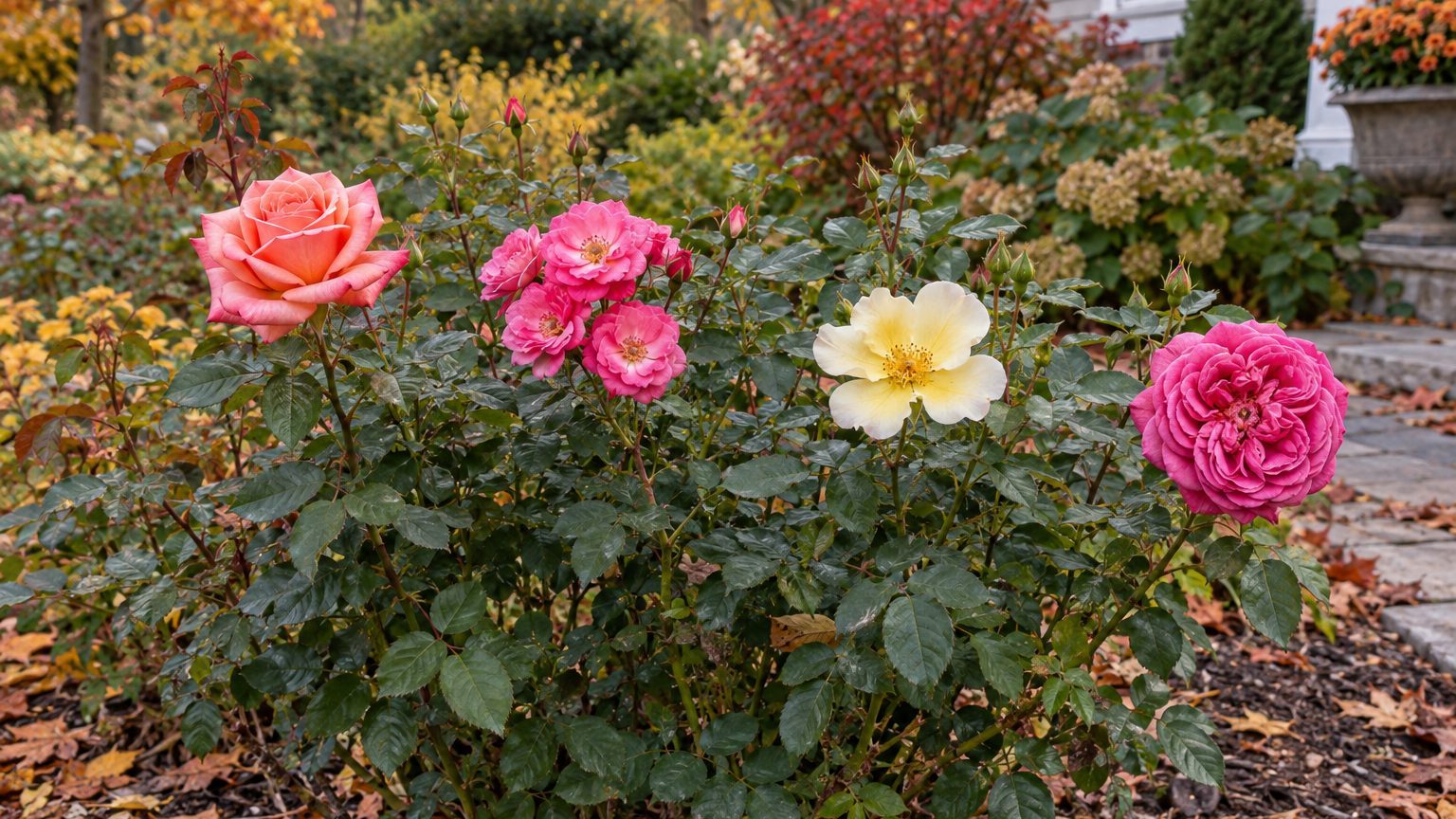
Healthy roses in bloom

Winter decides which roses last here, so cold-hardy choices include shrub roses, polyanthas, floribundas, hybrid perpetuals and many old-fashioned roses. All of them tend to be hardier than hybrid teas and grandifloras. Around Montreal the Canadian hardiness zone is 5b (a Canadian rating that does not convert to a USDA zone), and colder districts need hardier picks still.

Explorer Series Roses

These Canadian-bred shrub and climbing roses carry the names of explorers such as Champlain, Cabot and Kelsey. They are built for cold winters, which is why they suit Quebec so well. Hardy shrub roses of this kind perform well without extra winter protection, so they are a good place to start.

Meidiland Series Roses

Meidiland shrub roses have held up in cold-climate trials, though some varieties are marginal in colder districts. Check the hardiness of the specific variety before you buy. In a milder pocket near Montreal they are a sensible choice for low, easy borders.

Knock Out Roses

Knock Out is another hardy shrub rose that performs well without extra protection. That makes it useful where you want color without wrapping canes every November. Plant it in a spot where the shoots can grow freely and the plant keeps its natural shape.

Floribundas and Polyanthas

Both prove more winter hardy than hybrid teas, and both reward you with clusters of blooms across the season. Floribundas repeat-bloom on new wood, so they are pruned in spring once growth is active. They are a step up in tenderness from shrub roses, so give them a sheltered spot.

Hybrid Perpetuals and Old-Fashioned Roses

Hybrid perpetuals and many old-fashioned roses come through winter better than hybrid teas. Some old garden roses and ramblers flower only once a year, on last year’s wood. Prune those right after they bloom and never in early spring, or you cut off the flowers.

How to Choose a Rose for a Quebec Garden

Start with how much winter work you want to do. Hardy shrub roses ask for little winter work, while hybrid teas, floribundas and grandifloras need winter protection in cold winters. Choose only types hardy enough to survive the coldest average winter in your growing zone.

Your own garden may be colder or milder than the zone for the reference city, so a hardy variety is the safer bet.

Your situation What suits it in Quebec Why
Very cold winter Explorer series roses Bred as shrub or climbing roses that mostly live in cold climates
Little time for winter work Knock Out or Explorer series They perform well without extra protection
Unsure of local hardiness Meidiland series, checked by variety Some varieties are marginal in colder districts
You want hybrid teas or grandifloras Plant them with a winter cover plan They are less hardy than shrub and old-fashioned roses
You love old garden roses and ramblers Prune right after they bloom They flower once a year on last year’s wood

For repeat-blooming roses (hybrid teas, floribundas, modern shrub roses), pruning falls in April and May, and it can also be done in March once you see active growth. In Montreal, the last spring frost falls on average around May 6. That is a midpoint, so in half of years the frost comes later. This province has no local rose-timing page, so the dates follow the nearest comparable climate. Confirm them with a local garden centre or rose society.

Which Roses Suit Different Parts of Quebec

Quebec is not one climate, and the choice of rose shifts as you move away from the Montreal area.

  • Montreal and the St. Lawrence lowlands: The Canadian zone 5b figure applies to Montreal, not to the St. Lawrence lowlands as a whole. Floribundas and well-protected hybrid teas are workable if you will cover them each fall.
  • The Laurentians and other upland districts: Spring runs behind Montreal, so wait for active growth before pruning. Lean on Explorer roses and check the hardiness of any Meidiland variety.
  • Saguenay and the northern districts: Winters are harsher and the season starts later. Stick to hardy shrub and Explorer roses and skip tender types.

A sheltered corner against a wall can give a marginal rose a better chance, but it never turns a tender type into a hardy one.

Rose Buying Mistakes to Avoid in Quebec

Buying Hybrid Teas Without a Winter Plan

Hybrid teas, floribundas and grandifloras need winter protection in cold winters. Without it, canes can die back and the plant starts the next season weak. Buy them only if you are willing to cover them after the hard frosts. Otherwise choose a hardy shrub rose.

Trusting a Marginal Variety

A label that says hardy does not always mean hardy for you. Some Meidiland varieties are marginal in colder districts, and any rose rated above your zone is a gamble. Pick types suited to the coldest average winter in your growing zone, and ask the garden centre which varieties have wintered locally.

Pruning Once-Bloomers in Spring

Old garden roses, ramblers and many climbers flower once a year on last year’s wood. A spring prune removes the buds, and you get leaves but few flowers. Cut them right after they bloom instead. Repeat-blooming roses are different, since they bloom on new wood and take spring pruning well.

Where to Get Rose Advice in Quebec

The province’s agriculture ministry, MAPAQ, is the official starting point, and local growers fill in the details of your own district.

  • A local garden centre can tell you which varieties have wintered well nearby, so visit before you buy bare-root roses in April or May.
  • A rose society or master gardener group is useful in spring, when you are deciding what to prune and when to uncover.
  • Provincial gardening groups can confirm local timing, so ask them before you start pruning.

Common Questions

When Should You Cover Roses for Winter in Quebec?

Cover them in November, in late November after hard frosts have killed the leaves. Take the cover off in May, in early May before new growth begins. It can also come off in April if spring is early.

When Should You Feed Roses in Quebec?

Feed from April through July, with August as a late fallback. Stop feeding after August, since late feeding pushes new growth that may not harden off before winter.

Can You Plant a Rose in Quebec in Summer?

Bare-root roses go in during April and May. Potted roses can go in later, so a potted plant can be set out after the bare-root season if you keep it well watered.

When to Prune Roses in Quebec

When to Prune Roses in Quebec

Rose canes look bare and brown for a long stretch of a Quebec spring, then the buds fatten and the job is suddenly on. Repeat-blooming roses are pruned as the garden wakes up, while once-blooming roses wait until after they flower. Which group your rose belongs to decides the month.

When to Prune Roses in Quebec

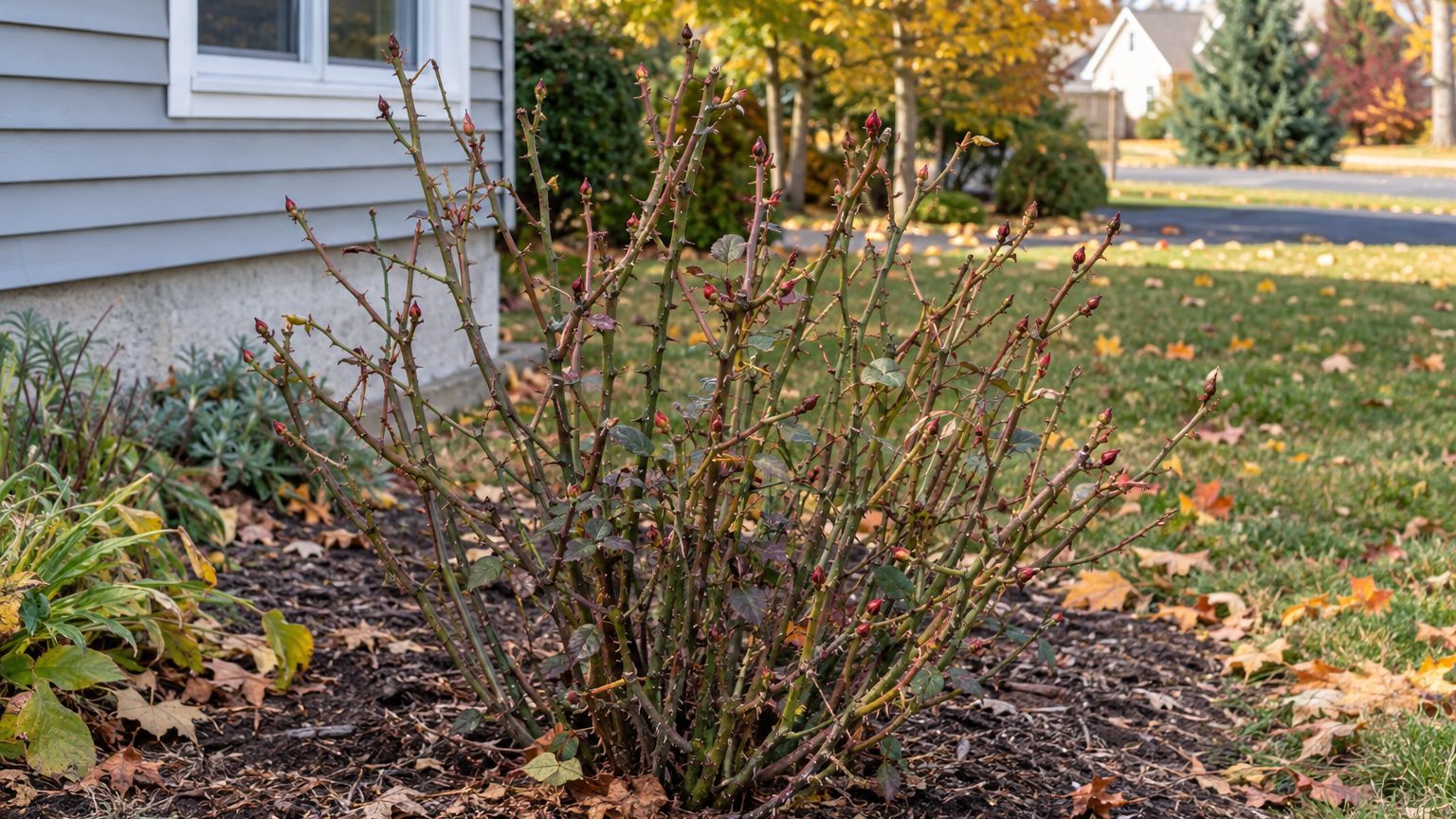
Rose canes at pruning time

Prune repeat-blooming roses in April and May, once the buds are moving. Quebec has no local rose-timing page of its own, so these months follow the nearest comparable climate. Confirm local timing with a garden centre, a rose society or a provincial gardening group.

Type of rose When to prune in Quebec Why
Repeat-blooming roses (hybrid teas, floribundas, modern shrub roses) April and May, or March if you wait for active growth They flower on new wood, so spring pruning sets up the season’s stems
Once-blooming roses (old garden roses, ramblers, many climbers) Right after they bloom, never in early spring They flower once a year on last year’s wood, and a spring cut removes the buds

March pruning is a fallback for a mild spell, and late winter while the canes are still dormant is its outer limit. Quebec’s reference city of Montreal sits in Canadian hardiness zone 5b, a Canadian rating that does not convert to a USDA zone. Roses in colder districts need a gentler hand and a later start.

How to Tell When Your Roses Are Ready to Prune

Roses answer to the weather in your own yard, so the plant itself is a better guide than the date on the calendar.

  • Buds that swell and turn from tight brown knobs to plump, reddish ones tell you the cane is alive and the plant is waking up.
  • New shoots show where healthy wood begins, so you can cut to a bud above live tissue and remove what stayed dead.
  • A winter mound that has already come off, usually in May or sometimes in April, means the canes are uncovered and you can see what needs cutting.
  • A hard freeze behind you matters because a cut stimulates growth, and tender new shoots do badly in a sharp frost.
  • The average last spring frost in Montreal falls on May 6, which means that in one year out of two a frost still arrives later than that.

Prune too soon and a late frost can undo the work, so when the buds are still tight, waiting a little longer costs the rose nothing.

Should You Prune Roses in Fall or Winter in Quebec?

No, not in any real sense. Fall and winter are for protection, not pruning. At most, shorten very long stems that would whip in the wind and loosen the roots, and leave the shaping and the severe cuts for spring, after growth resumes.

Winter protection goes on in November, late in the month, after hard frosts have killed the leaves. Mounding too early traps warmth and can start fungus on canes still carrying live foliage. Hybrid teas, floribundas and grandifloras need that cover in a cold winter, while hardy shrub roses such as Knock Out and the Explorer series do well without extra protection.

Take the cover off in early May, or in April if conditions allow, before new growth begins. Pull the mound back gradually, then prune once the canes are exposed and the buds show where the live wood ends.

How Rose Pruning Dates Shift Across Quebec

Quebec is a large province, and rose gardens farther north or higher up generally start later than gardens around Montreal.

  • Montreal and the Montérégie: the calendar is a guide, while the buds show when each rose is ready. Buds swell here sooner than in the districts to the north.
  • The Laurentians: higher ground holds cold air and snow longer, so the buds swell later and pruning belongs toward the end of the window, with March out of the question.
  • Saguenay-Lac-Saint-Jean and the Gaspé: northern districts run behind Montreal, so wait for the buds and the shoots rather than the month, and keep winter cover on until May.

Wherever you garden, the buds decide the start. A rose that has not swollen is not ready, whatever the month says.

Where to Get Rose Advice in Quebec

Canada has no county extension offices, so rose advice comes from the province and from local growers who know your climate.

Common Questions

When Should You Plant Bare-Root Roses in Quebec?

April and May suit bare-root roses, and potted roses can go in later. Setting bare-root plants early gives the roots time to establish before summer heat.

When Should You Feed Roses After Pruning?

Start in April and feed monthly through July, with August as a last possible round. Feeding later pushes soft growth that may not harden off before winter.

Which Roses Handle Quebec Winters Best?

Polyanthas, floribundas, hybrid perpetuals, shrub roses and many old-fashioned roses are hardier than hybrid teas and grandifloras. The Explorer series, named for Canadian explorers such as Champlain, Cabot and Kelsey, includes shrub and climbing roses bred for cold. Choose types that match your coldest winters.

When to Plant Roses in Quebec: Dates and Varieties

When to Plant Roses in Quebec: Dates and Varieties

Bare canes arrive in a bundle in early spring, and the first planting goes in while the buds are still shut tight. Quebec gardeners can grow beautiful roses, but winter sets the rules, so timing and variety matter. These are the dates that suit roses in Quebec and the types that come through the cold.

When to Plant Roses in Quebec

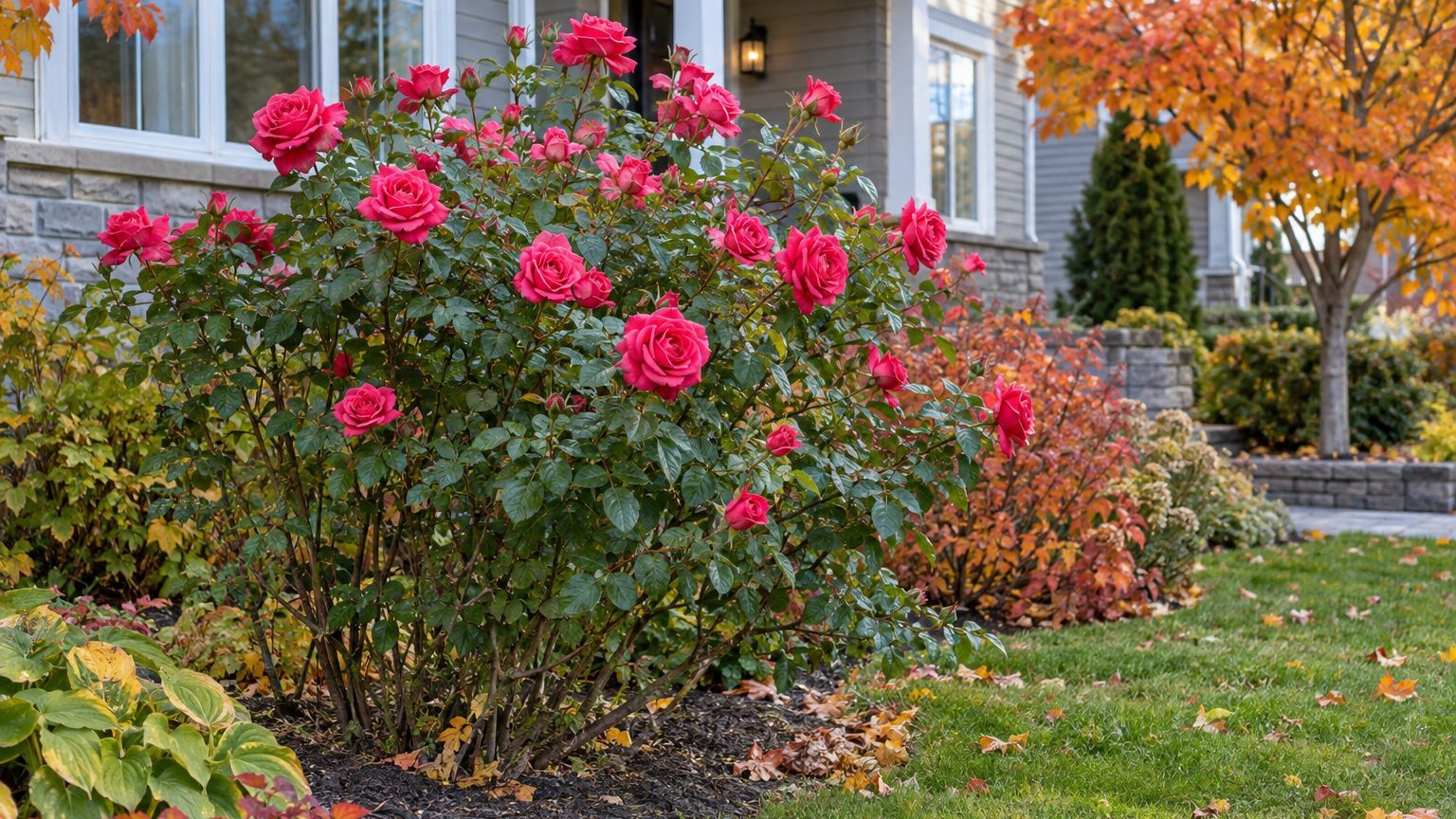
A rose bush in bloom in a home garden

Bare-root roses go in first, in April and May, while they are still dormant. Potted roses can wait until later in spring, once the cold snaps have passed. In Montreal, the last spring frost falls on average May 6, which means frost comes later than that in about half of years, so treat the date as the middle of a window rather than a safe day. In Montreal, the first fall frost arrives on average October 5, a midpoint rather than a safe date for the whole province. Montréal sits in Canadian hardiness zone 5b, a separate system from USDA zones that cannot be converted to them. Northern and upland districts run later than the Montréal area. The months here follow the nearest comparable climate, so confirm local timing with a garden centre, a rose society or a provincial gardening group.

  • In April, bare-root roses can go into the ground as soon as the soil is workable, and this is also when repeat-blooming roses are pruned once shoots begin to grow.
  • In May, planting of bare-root roses continues, and potted roses can follow once the frost risk has eased. Winter protection comes off in early May, before new growth begins.
  • From April through July, roses are fed monthly, which supports steady growth through the blooming season.
  • In August, feeding stops, so that new growth has time to harden before winter.
  • In late November, after hard frosts have killed the leaves, the winter protection goes on.

Keep bare-root roses dormant until planting, while potted roses can go in later once the cold has eased.

Which Roses Grow Best in Quebec?

Roses that tolerate hard winters do well here. Hardiness to cold is an important thing to check on the tag, so choose types that survive the cold winters in your zone.

Tender types can still be grown, but they need more winter-protection work.

Rose type How it does in Quebec Why
Hybrid teas and grandifloras Need winter protection in cold winters Less winter hardy than floribundas, polyanthas and many old garden roses
Floribundas, polyanthas and hybrid perpetuals Come through winter more reliably More winter hardy than hybrid teas
Shrub roses such as Knock Out Perform well without extra protection Bred for hardiness
Explorer series Perform well without extra protection Canadian shrub and climbing roses named for explorers such as Champlain, Cabot and Kelsey
Old garden roses Many are more winter hardy than hybrid teas Many of the old-fashioned roses prove tougher than hybrid teas

Old garden roses, ramblers and many climbers bloom once a year on last year’s wood, so prune them right after they flower and never in early spring. Cutting them in spring removes the buds that would have flowered.

When to Prune, Feed and Protect Roses in Quebec

Rose care follows the plant’s growth and the weather. Pruning follows the buds, feeding follows the growing season, and protection follows the frosts.

The page on when to prune roses in Quebec goes deeper on cutting. These are the key dates.

Task When to do it in Quebec Why then
Pruning repeat-blooming roses April, May (March is fine once growth has started) Wait until active growth begins, because these roses bloom on new wood
Feeding April to July, into August at the outer edge Fertilizer feeds steady growth, and it stops before late growth can be caught by frost
Putting on winter protection November, late in the month Wait until hard frosts have killed the leaves
Taking winter protection off May (April in a mild spring) Remove it in early May, before new growth begins

Apply protection only after hard frosts have killed the leaves, and remove it before new growth begins.

How Rose Care Dates Change Across Quebec

Quebec spans many climates, so the months above shift with where you garden.

  • Montréal and the St. Lawrence lowlands: spring comes sooner here than in the hills and the north, so planting and uncovering happen at the early end of each window.
  • The Laurentians: higher ground warms later in spring, so bare-root planting and pruning move toward the later months, while frost comes sooner in fall.
  • Saguenay and Lac-Saint-Jean: northern districts run behind the south, so wait longer in spring before planting or removing winter protection.

Watch the buds and the weather where you live, and let the calendar months serve as a guide.

Where to Get Rose Advice in Quebec

For local help, use the provincial resource below and ask gardeners near you. The province’s agriculture ministry, MAPAQ, is the official place to start, and local groups can help with problems in your own yard.

  • This provincial resource offers guidance on plants and growing, and it is worth a visit before you plan a large planting.
  • A local garden centre or rose society can tell you when bare-root stock arrives and what has survived nearby winters, so call before spring planting begins.
  • A master gardener group in your area can help diagnose a struggling rose, ideally with a photo and a sample of the affected leaves.

Common Questions

Can You Plant Potted Roses After Bare-Root Season?

Yes. Potted roses can go in later in spring than bare-root ones, once the cold has eased. Water them regularly while they establish.

Can You Compare a Canadian Hardiness Zone with a USDA Zone?

Not directly. The Canadian system rests on several climate variables, while the USDA system uses one, so there is no simple conversion. When you shop for roses, look for hardiness stated in Canadian zones.

Why Stop Feeding Roses in August?

Fertilizer pushes soft new growth, and shoots that appear late may not harden before winter. Stopping in August lets the canes toughen up before winter.

The almanac, state by state. Every date on this site comes from a state’s own frost facts and its extension service’s calendar — and says where it comes from.