Skip to content

Minnesota Lawn Care: What to Do and When

Minnesota Lawn Care: What to Do and When

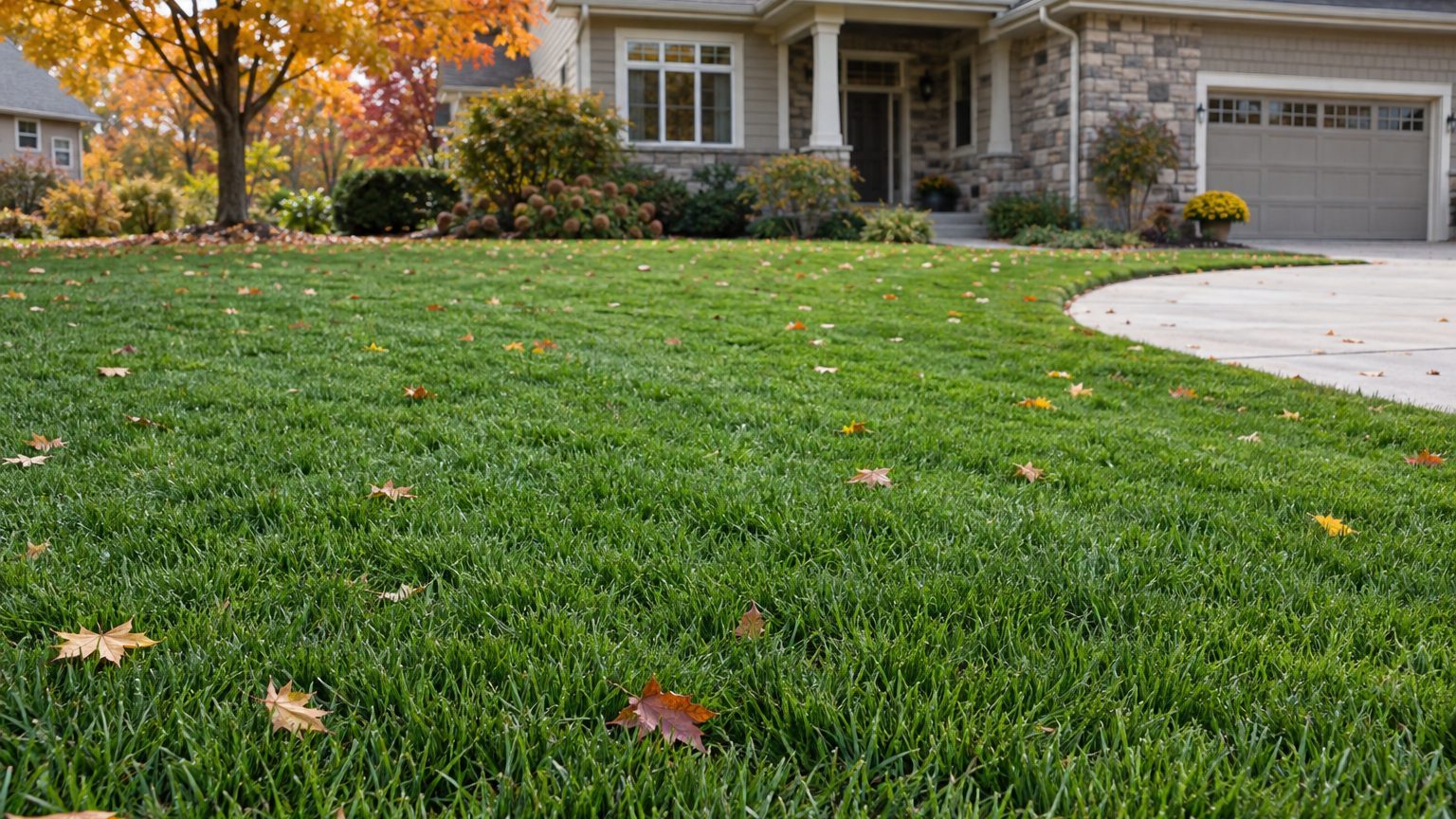
A Minnesota lawn greens up slowly after snowmelt, grows steadily through the cool months of early summer, and thickens during late summer and fall. The lawns here are mostly cool-season grasses, and the calendar of jobs leans toward spring and September rather than midsummer.

Frost Dates and Growing Season in Minnesota

In Minneapolis, the last spring freeze usually lands between April 17 and April 30. Hardiness zones in Minnesota run from 3a to 5a on the USDA system, so the far north is noticeably colder than the metro.

  • In early spring, once the snow is gone and the ground firms up, rake out matted blades and wait. A freeze can still arrive until the end of April, which is why fresh seed sown this early often gets nipped.
  • In April and May, crabgrass preventer goes down before the weed sprouts, and mowing starts again as the grass wakes. The grass grows when the soil warms, not on a date, so let the lawn show you it is ready.
  • In May and June, sod can go down and roots establish easily while days are mild and rain is still regular. This is also when watering becomes part of the routine as the weather dries out.
  • From August through September, seeding and core aeration get their best window. The soil is still warm for sprouting, nights are cooling, and weeds slow down, which gives new grass time to root before winter.
  • In September and October, fertilizing and broadleaf weed control fit the season. In Minneapolis, the first fall freeze usually arrives between October 11 and October 23, and a lawn that is fed and clean going in handles that turn better.
  • In November, once the ground is cold, dormant seeding lets seed sit through winter and sprout when spring warms the soil.

Those dates describe the Twin Cities. Other parts of the state, especially the north, start later and finish sooner.

Cool-Season or Warm-Season Grass in Minnesota?

Cool-season grasses suit Minnesota lawns. Winters are cold enough to kill warm-season turf outright, and the cool-season species handle the shorter growing season and grow actively in spring and fall, when Minnesota weather suits them.

Summer heat and dry spells slow these grasses without ending them. A cool-season lawn browns a little and rests, then picks up again when cooler weather and rain return.

Grass How it does in Minnesota Why
Kentucky bluegrass Dense, dependable lawn in full sun Spreads by underground stems and fills thin spots over time
Fine fescues (creeping red, chewings, hard) Good in shade and on poorer soil Needs less fertilizer and tolerates dry shade better than bluegrass
Perennial ryegrass Common in mixes for fast cover Sprouts quickly, which helps hold soil while slower grasses establish
Tall fescue Tough and drought tolerant Deep roots help it ride out dry stretches in summer

A blend can match the sun and shade conditions across the yard. Minnesota seed mixes often combine these grasses.

When to Seed, Fertilize and Aerate a Lawn in Minnesota

Late summer is the busiest stretch for lawn work in Minnesota. Seeding, aerating, dethatching and fertilizing all cluster between August and October, when the grass is recovering and weeds have less pull.

Minnesota law limits phosphorus on lawns. Skip phosphorus fertilizer unless a soil test shows a need or you are starting a new lawn from seed or sod, and sweep any fertilizer off pavement so it does not wash into storm drains.

Task Best months in Minnesota Why then
Core aeration August, September, October (May works too) Grass is growing and fills the holes quickly
Crabgrass preventer April, May Goes down before crabgrass seed sprouts
Dethatching August, September Lawn recovers while the weather is still mild
Seeding August, September (May works too) Warm soil and cooler air help seedlings root
Dormant seeding November (December through March also works) Seed waits in cold soil and sprouts in spring
Fertilizing September, October (May or early August also work) Feeds roots going into winter, never in hot midsummer
Laying sod May, June, August, September, October (July works too) Roots knit into the soil during mild weather
Broadleaf weed control September, October (May and June work too) Weeds are pulling food down and take up treatment well

Mowing runs from May through October, and watering matters across those same months, especially for new seed and fresh sod.

Lawn Problems to Watch for in Minnesota

Matted Patches After Snowmelt

Matted Patches After Snowmelt — Minnesota Lawn Care: What to Do and When

Gray or straw-colored circles that look flattened and crusty right after the snow melts are usually snow mold. Long snow cover over unfrozen ground sets it up in Minnesota. Rake the patches gently to fluff the blades and let air in, and most grass recovers on its own.

If the patches stay bare after the lawn warms, patch them with seed in late summer rather than spring, when weeds are quick to move in.

Brown Strips Along Pavement

A band of brown or thin grass along driveways, sidewalks and streets in spring points to road salt. Check the pattern: if the damage hugs the pavement edge and fades toward the middle of the yard, salt is the likely cause.

Water the strip well once the ground thaws to flush salt down past the roots, then reseed any gaps.

Dry Midsummer Lawn

Straw-colored grass in July and August that feels crisp and does not spring back when walked on is often heat and drought stress, not disease. Cool-season grass can go dormant to survive, and it usually greens up again when rain returns.

Deep, regular watering keeps it growing if you prefer. Avoid fertilizing in the heat, since that pushes growth the grass cannot support.

How Lawn Care Dates Change Across Minnesota

  • Twin Cities and southern Minnesota: Spring comes earliest here and fall frost holds off the longest.
  • Northern Minnesota, including the Iron Range and Red River Valley country: Seasons run two to three weeks tighter at both ends, so spring work starts later and fall seeding needs to start sooner.
  • North Shore of Lake Superior: The big lake keeps spring cool and slow, so grass wakes late and mowing starts later than inland. Fall seeding should still start sooner than in the Twin Cities.

Wherever you live, let soil warmth and the lawn itself tell you when growth has truly started.

Where to Get Lawn Advice in Minnesota

Local help is easy to find, and a soil test or a photo of a problem spot answers many questions faster than guessing.

  • University of Minnesota Extension offers lawn guides written for Minnesota conditions, including advice on grass types, soil testing and weed control.
  • Your county extension office can guide you on soil testing or help identify a puzzling patch, so call or visit before the work of late summer begins.
  • Take a soil sample before you fertilize, since a test tells you whether phosphorus is needed at all.

Common Questions

Can You Mow a Minnesota Lawn in April or November?

Yes, on mild days. Mowing is mostly a May through October job, but a light first cut in April or a last cut in November is fine when the grass is growing and dry enough to cut cleanly.

Is July Too Late to Lay Sod in Minnesota?

July works, though it asks more of you. Heat dries sod fast, so water carefully. May, June and August through October are easier months for it.

Do Minnesota Lawns Need Water Every Summer?

Watering matters from May through October, especially for new seed and sod. An established lawn can go dormant in a dry spell and return in cooler weather, but deep watering keeps it green if you choose to.
Iowa Lawn Care: What to Do and When

Iowa Lawn Care: What to Do and When

Iowa lawns green up in spring after a hard winter, push through a humid summer, and return to active growth as the nights cool in September. Cool-season grasses carry the state, and most of the work falls in spring and early fall.

Frost Dates and Growing Season in Iowa

Iowa sits in USDA hardiness zones 4b to 6a, so winters bite and lawn grass has to be tough. These dates apply to central Iowa around Des Moines; the season shifts slightly in northern and southern Iowa.

  • In early spring in Des Moines, the last frost usually lands between April 12 and April 24, which means a freshly sown patch can still get nipped if it sprouts too soon.
  • Once the soil warms, usually in April and May, grass wakes up and growth takes off, because roots and blades follow soil warmth more than the calendar.
  • Through June, July and August, mowing continues and watering matters most, since summer heat slows cool-season grass.
  • In late summer and September, seeding, aeration and fertilizing hit their stride, with air cooling and soil still warm enough for seed to root.
  • By October and November, the first fall frost in Des Moines arrives between October 14 and October 25, which closes the window for young seedlings that have not yet toughened up.

Those frost dates are optimistic for central Iowa. County figures run roughly four days later in spring. In fall, they run roughly ten days earlier. Plan with a little cushion around those dates.

Cool-Season or Warm-Season Grass in Iowa?

Cool-season grass is the right choice here. Iowa winters are cold enough to injure warm-season turf, and the grasses that thrive in spring and fall are the ones that handle the winters well.

Summer heat and dry spells do slow them down, so they go semi-dormant when it gets dry. The grasses below are the lawn grasses of the region.

Grass How it does in Iowa Why
Kentucky bluegrass Cool-season, forms a dense turf Spreads and fills in, handles cold winters
Tall fescue Cool-season, stays green longer in summer Deeper roots help it ride out dry stretches
Perennial ryegrass Cool-season, sprouts quickly Often mixed in to give fast cover
Fine fescues (creeping red, chewings, hard) Cool-season, fine-bladed Suits lighter, shadier spots in a mix

Warm-season grasses are not the standard choice for an Iowa yard, and St. Augustinegrass is never sold as seed anyway. Most homeowners do well with a bluegrass or tall fescue base, with a fine fescue blend in the shade.

When to Seed, Fertilize and Aerate a Lawn in Iowa

September is the busiest month for lawn work in Iowa, and for good reason. Soil is still warm, weeds slow down and cool nights help new grass settle in before winter.

Spring works for several jobs too, as a fallback or for specific tasks. If you miss September for seeding, April and May still work.

Task Timing in Iowa Why then
Seeding August, September (April, May also work) Warm soil and cooler air help seed root
Core aeration September (April, May also work) Grass is actively growing and recovers fast
Fertilizing September, November (May also works) Feeds roots going into winter
Dethatching August, September (April also works) Turf can rebound while growth is strong
Crabgrass preventer April (May also works) Goes down before crabgrass seed sprouts
Watering June, July, August Summer heat dries the soil fastest

Mowing runs from April through November, as long as the grass is growing. Keep the schedule loose and let growth lead the way.

Lawn Problems to Watch for in Iowa

Winter Kill and Thin Spring Patches

Winter Kill and Thin Spring Patches — Iowa Lawn Care: What to Do and When

Iowa winters can leave brown or thinning areas when snow melts, especially where ice sat or the grass was stressed going in. Rake lightly to lift matted blades, wait for steady growth, then overseed bare spots in spring or the following late summer.

Brown Grass in Summer Heat

When heat and dry weather arrive together, cool-season lawns turn tan and stop growing. If the crown is still alive, the grass usually greens up again once cooler weather and moisture return. Water deeply during June, July and August rather than sprinkling lightly.

Compacted, Hard Soil

Heavy clay soils and foot traffic leave hard ground where water runs off and roots stay shallow. If the lawn looks thin and a screwdriver is hard to push in, core aeration in September is the fix.

How Lawn Care Dates Change Across Iowa

Iowa is a big state, and the season shifts a bit from top to bottom. Colder winters in the north and milder ones in the south move your timing in opposite directions.

  • Northern Iowa, around Mason City and Spirit Lake: spring warms later and fall cools sooner, so seed a little earlier in late summer and expect a shorter growing season.
  • Central Iowa, around Des Moines and Ames: the usual spring and fall windows fit best here.
  • Southern Iowa, around Ottumwa and Council Bluffs: soil warms earlier in spring and frost comes later in fall, so seeding and fertilizing windows stretch a bit later.

Use the dates here as a starting point and watch your own yard for timing cues like soil warmth and daytime highs.

Where to Get Lawn Advice in Iowa

Local help can sharpen the timing for your own lot, especially for soil and for puzzling problems.

  • Iowa State University Extension offers lawn guidance written for Iowa conditions, useful before you choose seed or a fertilizer.
  • Your county extension office can help with a soil test or a diagnosis, so bring a sample or a photo when you stop in.

Common Questions

Can You Seed a Lawn in Iowa in Spring?

Yes, April and May work when fall is missed, though young grass has to face summer heat before it matures. Water new seed regularly as it sprouts.

Why Does an Iowa Lawn Turn Brown in July?

Tan color plus dry, crunchy soil points to heat dormancy. Grass that pulls up easily with rotted roots suggests something else, such as grubs or disease, so check the roots as well as the soil.

How Short Should You Mow an Iowa Lawn?

Cut high enough that you remove only a little of the blade at a time, and keep mowing from April through November as the grass grows. Taller grass shades the soil and holds up better in summer.

Montana Lawn Care: What to Do and When

Montana Lawn Care: What to Do and When

Montana lawns spend a long stretch under snow, then wake slowly once the ground thaws. Kentucky bluegrass and fine fescues handle that rhythm well, and most of the real work happens in late summer, when the soil is warm and the nights turn cool.

Frost Dates and Growing Season in Montana

Montana spans USDA hardiness zones 3a to 6a, and lawn-care dates vary widely across its valleys. For Billings, one of the milder valleys, the last spring frost falls between April 29 and May 10, and the first fall frost arrives between October 1 and October 14. Grass grows when the soil warms, not on a frost date, but those dates tell you when a new seedling is at risk and when seeding runs out of time.

  • In early spring, the lawn is still dormant or just greening, and a late freeze will not hurt established grass, though it can nip tender new seedlings.
  • Once the soil warms in late spring, growth takes off, mowing becomes regular, and this is the time to put down crabgrass preventer.
  • Through June, July and August, watering matters most, because dry summer air pulls moisture from the lawn quickly.
  • In late summer, August and September, cooler nights and warm soil make this the strongest window for seeding and for dethatching.
  • In autumn, from October into November, the mower keeps working while the grass stores energy, and a final feeding in November helps roots before the ground freezes.

Mountain valleys elsewhere in the state can frost in any month, so treat these dates as a guide and watch your own yard.

Cool-Season or Warm-Season Grass in Montana?

Cool-season grass is the only sensible choice here. Long, hard winters and short summers suit grasses that grow in spring and fall and tolerate deep cold, while warm-season types are unreliable here.

The main cool-season lawn grasses in Montana differ mainly in how they handle wear, shade and dry spells.

Grass How it does in Montana Why
Kentucky bluegrass Dense, hardy turf in sun Spreads by underground stems and fills in thin spots
Fine fescues (creeping red, chewings, hard) Reliable in lean soil and some shade Fine leaves, modest needs for water and feeding
Perennial ryegrass Quick to sprout, a good mixing partner Germinates fast and gives a new lawn early cover
Tall fescue Coarser blades, sturdy under traffic Deep roots cope with dry stretches

Many Montana homeowners combine bluegrass with fine fescue or ryegrass so the lawn has a backup when one species struggles in a given spot.

When to Seed, Fertilize and Aerate a Lawn in Montana

Late summer carries most of the load. Seeding, aeration and dethatching cluster in August and September, when warm soil helps seed sprout and the coming cool weather lets seedlings root before winter.

Spring works as a fallback for several tasks, though crabgrass preventer is a spring job only. Mowing runs from April through November.

Task Best months in Montana Why then
Seeding August to September (April or May also works) Warm soil and cooling air help seedlings root
Core aeration September (April or May also works) Grass recovers quickly and fills the holes
Dethatching August to September (April also works) Active growth repairs the disturbed turf
Fertilizing September and November (May also works) Roots store the nutrients going into winter
Crabgrass preventer April (May also works) Applied before weed seeds germinate
Watering June to August Summer heat and dry air draw down soil moisture

If you miss the September window for seeding, the spring months still give seed a chance, though summer drought will test those seedlings sooner.

Lawn Problems to Watch for in Montana

Winter Kill and Snow Mold

Winter Kill and Snow Mold — Montana Lawn Care: What to Do and When

When snow melts and you see matted, gray or straw-colored circles, or large dead patches that stay brown while the rest greens up, winter has done the damage. Long snow cover and cold, wet ground favor the trouble. Rake the patches gently to lift the matted blades, and reseed bare spots once the soil warms.

Dry Summer Browning

Grass that turns tan from midsummer on, especially along driveways and on slopes, is usually short of water. Dry air and sun dry these areas fastest. Water deeply during the summer months rather than sprinkling lightly, and keep the mower blade high so the soil stays shaded.

Thin Turf in Compacted Soil

Thin grass where foot traffic is heavy, with hard soil that a screwdriver barely penetrates, points to compaction. Core aeration in September opens the soil, and overseeding right afterward fills the gaps with new grass.

How Lawn Care Dates Change Across Montana

Elevation and latitude shift the calendar more than anything else in this large state, and the gap between valleys can be wide.

  • Billings and the Yellowstone Valley: Lower elevation brings a longer season, so spring work starts earlier and seeding can run later into autumn.
  • Bozeman and the Gallatin Valley: Higher ground and colder nights shorten the season, so spring tasks wait a bit longer and late-summer seeding should start on the early side.
  • Flathead Valley and Kalispell: Lake influence and more moisture soften the dry summers, though cold air still settles into the valley and can bring frost late.
  • Missoula and the western valleys: Sheltered valley floors warm up sooner than the surrounding hills, but cold air pooling at night can still bring frost outside the usual window.

Watch the soil and the grass in your own yard, and shift the dates earlier or later to match.

Where to Get Lawn Advice in Montana

Local conditions vary so much between valleys that a nearby expert is worth a call. Montana State University Extension supports homeowners across the state.

  • The extension website offers research-based lawn guidance for Montana conditions, useful before you choose seed or a fertilizer.
  • Your county extension office can help with soil testing and with identifying a problem from a sample or photo.

Common Questions

Can You Grow a Lawn at High Elevation in Montana?

Yes, with hardy cool-season grasses such as Kentucky bluegrass and fine fescues. Expect a shorter season, slower spring growth and more attention to winter damage.

Is Spring a Bad Time to Seed a Montana Lawn?

Spring seeding works in April or May, but summer heat and dry weather arrive soon after, so new grass needs regular water. August and September give seedlings an easier start.

Do You Need to Water a Montana Lawn in Winter?

Watering matters most from June to August. Once the ground is frozen, there is nothing to apply, and winter care focuses on keeping heavy objects and foot traffic off dormant turf.

Ohio Lawn Care: What to Do and When

Ohio Lawn Care: What to Do and When

Ohio’s lawn season starts with grass that greens up slowly, races ahead once the soil warms, and finishes with autumn conditions that suit cool-season grass. Lawns in Ohio do best on a calendar built around spring and fall, with summer for mowing and watering and winter for rest.

Frost Dates and Growing Season in Ohio

The frost dates here are for Columbus, in USDA hardiness zone 6a. Across the state, USDA hardiness zones range from 5b to 6b. Grass growth follows soil warmth, not the calendar, but frost dates tell you when a young seedling is at risk and when seeding time runs out.

  • In Columbus, in early spring, the last frost usually falls between May 5 and May 15, so a lawn seeded in April can still meet a frost and needs watching.
  • Once the soil warms in April and May, grass leaves its slow start behind, mowing begins and crabgrass preventer goes down before weeds sprout.
  • Through June, July and August, growth slows in the heat, so water deeply and mow high while keeping up with regular mowing.
  • In Columbus, in late summer and early fall, the first frost arrives between October 5 and October 15, so seed sown in August and September has time to root before cold weather.
  • From October into November, mowing continues as long as the grass grows, and a final feeding in November prepares roots for winter.

A seeding that misses the fall window can still work in spring, but it faces summer heat with shallow roots.

Cool-Season or Warm-Season Grass in Ohio?

Cool-season grass is the answer in Ohio. Cold winters and humid summers favor grasses that grow hard in spring and fall, then rest in July heat. Warm-season grasses would turn brown for much of the year here.

Each of the common choices handles heat, shade and wear a little differently, and mixes are common.

Grass How it does in Ohio Why
Kentucky bluegrass Dense, self-repairing lawn Cool-season grass that thrives in sun and cold winters
Tall fescue Handles summer stress well Deep roots help it ride out dry spells
Perennial ryegrass Sprouts quickly Useful for fast cover and often blended with bluegrass
Fine fescues Good in shade and poor soil Creeping red, chewings and hard fescue need less feeding

Pick by the light your yard gets, since a shaded lot and a sunny one rarely want the same seed.

When to Seed, Fertilize and Aerate a Lawn in Ohio

Early fall is the busiest stretch for lawn work in Ohio. Warm soil and cooling air help seed sprout, while weeds slow down.

If you miss the fall window, spring works as a fallback for most jobs.

Task Recommended timing in Ohio Why then
Seeding August, September (April, May also work) Warm soil and cool air help seedlings root
Core aeration September (April or May also work) Grass is growing and recovers quickly
Fertilizing September, November (May also works) Feeds roots instead of pushing leaf growth
Crabgrass preventer April (May also works) Goes down before weed seeds germinate
Dethatching August, September (April also works) Lawn bounces back during active growth
Watering June, July, August Summer heat dries the soil fastest

Mowing runs from April through November, so the mower is rarely idle for long.

Lawn Problems to Watch for in Ohio

Brown Patches in Summer Heat

Brown Patches in Summer Heat — Ohio Lawn Care: What to Do and When

Cool-season grass slows in July and August, and dry spells turn it tan. Watch for patches that stay dry-looking and crunchy underfoot. Water deeply during June, July and August, and mow high so the blades shade the soil.

Thin Grass Under Trees

Bare, sparse turf beneath maples and oaks means shade and root competition. Check whether the thin area sits under the canopy and stays dark most of the day. Fine fescues tolerate it better, and seeding in August or September gives them a head start.

Crabgrass in Thin Areas

Pale green, spreading clumps in sunny, bare spots usually mean crabgrass. A preventer in April stops seeds from sprouting, and a thicker lawn from fall seeding crowds out what is left.

How Lawn Care Dates Change Across Ohio

Ohio is not uniform, and lake influence and latitude move the season a little in either direction.

  • Lake Erie shore: Water cools spring air and warms fall air, so greening comes a bit later but fall growth lingers.
  • Cleveland and the northeast: Cooler weather and later warming push spring jobs a little later and make early fall seeding more valuable.
  • Cincinnati and the Ohio River valley: Warmer soil arrives sooner in spring, and frost holds off a bit longer in autumn.

Watch the soil and the weather in your own yard and adjust the dates to match.

Where to Get Lawn Advice in Ohio

Local experts know your soil and your weather, and they can settle questions that general advice cannot.

  • Ohio State University Extension offers lawn guidance for the whole state, so check it before you buy seed or fertilizer.
  • Your county extension office can arrange a soil test, which is worth doing before a fall feeding.
  • Bring a sample of a struggling patch to the county office for diagnosis.

Common Questions

Can You Seed a Lawn in Ohio in Spring?

Yes, April and May both work, though fall seeding gives roots more time before summer heat arrives.

Should You Stop Mowing in Late Fall?

Keep mowing while the grass grows, which can run through November.

Is Dethatching Necessary Every Year?

Only when the thatch layer gets thick and spongy. If the turf feels firm, skip it. If it feels bouncy, dethatch in August or September.

Oklahoma Lawn Care: What to Do and When

Oklahoma Lawn Care: What to Do and When

A lawn in Oklahoma spends the summer dealing with heat and the winter dealing with sudden cold, and the grass you grow decides which season gives you trouble. Warm-season turf browns up after the first hard freeze, while tall fescue stays green but struggles in July.

Frost Dates and Growing Season in Oklahoma

Lawn in a Oklahoma home landscape

For Oklahoma City, the last spring freeze usually falls between March 28 and April 10, and the first fall freeze between October 29 and November 8, in a state spanning USDA zones 6a to 8a. Suburban and rural yards often freeze later in spring and earlier in fall, so check your own county. Grass growth follows soil warmth, not the calendar.

  • In late winter, warm-season lawns are still dormant and tan, so leave them alone and let the soil warm before asking them to grow.
  • In March, cool-season lawns wake up, and this is the window to put down crabgrass preventer and give tall fescue its spring feeding.
  • From May through July, bermudagrass and zoysiagrass grow vigorously. Feed them throughout that period; seed in May or June, lay sod from May through July, and dethatch in May or June.
  • In August and September, tall fescue recovers from summer stress, so this is when you aerate, dethatch and overseed it before the first freeze arrives.
  • Give cool-season turf its final fall feeding in October, and keep mowing through November while it is still growing.

A frost in the spring window can nip a young seedling, and a seeding done too late in fall may not root before the first freeze, which is why late summer beats a rushed October job.

Cool-Season or Warm-Season Grass in Oklahoma?

Warm-season grass is the safer bet across most of Oklahoma, because it shrugs off summer heat and dry spells. Cool-season grass can work, but it needs more water and care to get through July and August, and it fits best in cooler, higher ground.

Grass Season How it does here
Bermudagrass Warm Thrives in heat, grown from seed or sod
Zoysiagrass Warm Handles the summers well, mostly laid as sod or plugs
Tall fescue Cool Stays green in winter but needs help in midsummer
Kentucky bluegrass Cool Best in cooler, higher ground

Bermudagrass spreads fast and recovers from wear, while zoysiagrass fills in more slowly but forms a dense mat. Both turn tan after a hard freeze and green up again as the soil warms in spring. If you want green all winter, tall fescue is the usual choice, with the extra summer watering that comes with it.

When to Seed, Fertilize and Aerate a Lawn in Oklahoma

The right month depends on your grass type. Warm-season lawns get their work in late spring and early summer, while tall fescue gets its work in late summer and fall.

Tall fescue should be fed in early spring and fall, never in summer.

Task When to do it Why then
Seeding tall fescue August, with September as a fallback Aerate and overseed in late summer so seedlings root before cold
Seeding bermudagrass or zoysiagrass May, and June also works Warm soil gets seed sprouting quickly
Laying sod, warm-season May, and June or July also work Roots take hold in the heat
Core aeration August, and September also works Opens compacted soil while fescue is recovering
Fertilizing, cool-season March, September, October Feeds the grass when it is actively growing
Fertilizing, warm-season May, June, July Matches the peak of growth
Crabgrass preventer March, and February, April or May also work Goes down before weed seeds sprout
Dethatching, warm-season May, June, and April also works Grass recovers quickly in warm weather

Dethatching a fescue lawn belongs in August or September, in step with aeration. Mowing runs from March through November for cool-season grass, and from April through October for bermudagrass and zoysiagrass. Watering matters most in June, July and August.

Lawn Problems to Watch for in Oklahoma

Brown Fescue in Midsummer

Tall fescue often thins and turns straw-colored when heat and dry weather stack up, but disease can cause similar symptoms. Water deeply through the hottest months, and plan to aerate and overseed in late summer to fill in the gaps.

Winter-Tan Bermudagrass

A bermudagrass or zoysiagrass lawn goes tan after the first hard freeze, and that is normal dormancy, not death. Tan turf with firm, living stolons is simply asleep. It greens up again once the soil warms in spring, so wait before you reseed.

Weedy Thin Spots

Bare patches in spring, especially along edges and thin areas, invite crabgrass. A preventer applied in March keeps it from sprouting, and a thick, well-fed lawn shades out the rest.

How Lawn Care Dates Change Across Oklahoma

Oklahoma stretches a long way east to west and north to south, so the season starts earlier in some corners and later in others.

  • The Panhandle: Higher and more exposed, it runs cooler, so spring warms later and fall freezes arrive sooner. Delay warm-season seeding until the soil is truly warm.
  • Oklahoma City and central Oklahoma: This is the middle of the range, and the dates above fit it best.
  • Southeastern Oklahoma: Milder winters let warm-season grass wake up sooner, and the growing season runs longer.

Suburban and rural yards freeze later in spring and earlier in fall than city airports, so give your own yard a little extra margin.

Where to Get Lawn Advice in Oklahoma

Oklahoma State University Extension offers research-based lawn guidance, and your county office can help with local questions.

  • Visit the extension website for guidance on grass types and seasonal care before you buy seed or fertilizer.
  • Contact your county extension office for a soil test or to diagnose a problem patch, and bring a sample of the grass.

Common Questions

Can You Grow Tall Fescue in Oklahoma?

Yes, and it stays green through winter. It needs more care in midsummer than bermudagrass or zoysiagrass, so expect to water through the hottest months and overseed in late summer.

Is It Normal for a Lawn to Turn Brown in Winter?

Warm-season lawns go tan after a hard freeze. If the grass is tan across the whole yard and the stolons are firm, it is dormant, and it should green up again in spring.

Should You Mow a Dormant Lawn?

Not much is needed while the grass is dormant. Mowing resumes in April for bermudagrass and zoysiagrass, and in March for cool-season grass such as tall fescue.

Nunavut Lawn Care: What to Do and When

Nunavut Lawn Care: What to Do and When

Snowmelt on a northern lawn shows you what survived the winter: green blades where the grass held on, straw-colored patches where it did not. Lawns in Nunavut live on a short, cool season, and the work that matters falls into a few summer months, tied to when the ground thaws and the soil warms.

Frost Dates and Growing Season in Nunavut

In Rankin Inlet, the last spring frost falls on average around June 19, a midpoint rather than a safe date, so in about half of years frost arrives later and can still nip a young seedling.

  • In early spring, the ground is still frozen or soggy, so the job is to wait and keep traffic off the thawing turf, which tears easily when wet.
  • In June, once the ground has thawed, seeding is at its best, and the first feeding goes down as the grass starts to grow.
  • Through June, July and August, regular watering keeps the short season productive, and mowing begins as soon as the grass needs it.
  • In July, you can still seed if June slipped away, though the grass then has less warm time to root before the cold returns.
  • If you skipped feeding in June, August still works for a lawn that looks hungry, while mowing carries on.
  • In September, mowing continues; in Rankin Inlet, the first fall frost falls on average around September 13, a midpoint rather than a safe deadline for new work.

Frost dates mark risk to tender growth, not the day grass starts or stops. Growth follows soil warmth, and in this territory the soil warms late and cools early, so judge by the ground as well as the date.

Cool-Season or Warm-Season Grass in Nunavut?

Cool-season grass is the only kind that makes sense here. It tolerates long, hard winters and grows in mild summer weather, while warm-season grasses need a stretch of real heat that the territory does not supply.

Drought matters less than cold. The real test is whether the grass comes through winter with its crown alive, so choose the toughest cool-season types and expect a modest lawn.

Grass How it does in Nunavut Why
Kentucky bluegrass A standard lawn grass for cold regions Cool-season type that spreads to fill gaps
Fine fescues (creeping red, chewings, hard) Suited to cold, low-input lawns Cool-season types that cope with lean soil
Perennial ryegrass Short-lived in the coldest winters Less winter-hardy than bluegrass or fescue

A mix of Kentucky bluegrass and fine fescues gives the lawn a backup if one species struggles. Ryegrass can help a new lawn green up quickly, but plan to reseed it. Warm-season types, including St. Augustinegrass, have no place in a Nunavut yard.

When to Seed, Fertilize and Aerate a Lawn in Nunavut

Seed in spring, once the ground has thawed. The season is too short for fall seeding, because seedlings need the full run of summer to root before freeze-up.

Feeding waits until the grass is actually growing, which is later than in most of the country, and the other jobs follow the same short stretch of summer.

Task Best months in Nunavut Why then
Seeding June, and it also works in July Thawed ground and the whole growing season ahead
Fertilizing June for the first feeding, and August also works Grass is growing and can use the nutrients
Mowing June, July, August, September Cut whenever the grass is growing
Watering June, July, August Warm months, when the lawn is putting on growth

June does most of the work. If June slips away, July still works for seeding, and August still works for feeding. After that, mowing is the only job left.

Lawn Problems to Watch for in Nunavut

Winter-Killed Patches

Winter-Killed Patches — Nunavut Lawn Care: What to Do and When

Straw-colored, matted patches that appear as the snow melts and stay brown while nearby grass greens up usually mean winter killed the turf. A gentle tug that lifts the grass with no roots supports that diagnosis, but it does not prove the cause.

Rake the dead grass away and reseed the bare spots early in the season, giving the new grass as much summer as possible. Perennial ryegrass suffers most in hard winters.

Pale, Slow Spring Growth

Grass that stays thin and yellowish-green well after thaw, especially in low, damp corners, is usually waiting on cold soil. Feeding does not cure it.

Hold off on fertilizer until the lawn is visibly growing, then give the first feeding. Pushing nutrients into cold ground wastes them.

Dry, Browning Blades

Grass that turns brown and crisp in a warm, windy stretch of summer may be short of water. Push a screwdriver into the soil; if it meets hard, dry ground beneath the surface, the lawn may need water.

Water deeply through the summer months and not just on the surface. Thin turf on shallow, gravelly soil dries out fastest.

How Lawn Care Dates Change Across Nunavut

Nunavut covers a huge area, so the dates here shift with latitude and with how close you are to cold water, and the farther north you go, the later spring comes.

  • Kivalliq: Rankin Inlet and Arviat sit on the west coast of Hudson Bay, where the cold water holds spring back along the shore. The dates in this article speak for Rankin Inlet.
  • Kitikmeot: Cambridge Bay faces the Arctic coast and tends to run later in spring and earlier in fall, so seeding gets a tighter window.
  • Qikiqtaaluk: Iqaluit on southern Baffin Island is exposed to the sea, and communities farther north on the island, such as Pond Inlet, run later still.

Treat every date as a starting point and let the thaw and the feel of the soil in your own yard decide when to begin.

Where to Get Lawn Advice in Nunavut

Canada has no county extension office, so advice comes from agriculture departments, gardening groups and garden centers. Local experience counts for a lot in a place where few people grow lawns.

  • Agriculture and Agri-Food Canada offers general guidance on soils and plant growth, useful when you are planning a seeding.
  • A local gardening group or garden center, if your community has one, can tell you what has survived winters in your town.

Common Questions

What Hardiness Zone Is Nunavut?

Rankin Inlet falls in Canadian hardiness zone 0a. That is Canada’s own system, which weighs several climate variables, and it does not convert to a USDA zone, so do not match it to a US map.

Can You Grow St. Augustinegrass in Nunavut?

No. It is a heat-loving grass that is never sold as seed, and the cool summers here would not support it. Stick with bluegrass and fine fescue.

Is a Lawn Practical Everywhere in Nunavut?

It depends on the community and the site. A sheltered, thawed patch with some soil can hold a small lawn, while exposed or rocky ground may not. Start with a small area and see how it winters.

Wisconsin Lawn Care: What to Do and When

Wisconsin Lawn Care: What to Do and When

The lawn year in Wisconsin turns on a long cool stretch in spring and fall, when the grass does its best growing, and a short hot spell in between, when it mostly waits. Most of the real work happens in late summer and fall. Spring is for light chores and patience.

Frost Dates and Growing Season in Wisconsin

Lawn in a Wisconsin home landscape

Around Milwaukee, the last spring freeze usually lands between April 16 and April 29, which is the window when a freshly sown patch can still be nipped. Grass itself wakes up with soil warmth, so the lawn year runs on its own clock.

  • In early spring, while the soil is still cold, crabgrass preventer goes down in April and May, ahead of the weed seedlings.
  • Once the soil warms, mowing starts in earnest and the lawn grows fast, so May is a good month for bare-patch seeding and the start of the sod-laying window, which continues through June.
  • In the heat of July, cool-season grass slows down and may turn straw colored in dry spells, so keep mowing and watering through the summer without pushing it with fertilizer.
  • In late summer, August and September, warm soil and cooler nights give seed the best start, and it is also the time to aerate and dethatch.
  • Around Milwaukee, the first fall freeze arrives between October 17 and October 29, which closes the seeding season and leaves September and October for fertilizing and weed control.
  • In November, once the ground is cold, dormant seeding lets seed sit through winter and sprout on its own in spring.

Wisconsin spans USDA hardiness zones 3b to 6a, so a gardener in Madison and one near Superior are working with different winters, and the dates here lean toward the southeastern part of the state.

Cool-Season or Warm-Season Grass in Wisconsin?

Cool-season grass is the answer here. Wisconsin lawns favor grasses that grow in spring and fall, then ease off in summer heat.

That also explains why lawns brown in a dry July without being dead. Most local lawns are a blend or a single species chosen for sun, shade or traffic.

Grass How it does in Wisconsin Why
Kentucky bluegrass Dense, durable lawn in full sun Spreads by rhizomes and repairs itself after winter
Fine fescues (creeping red, chewings, hard) Holds up in shade and poor soil Needs less water and fertilizer than bluegrass
Perennial ryegrass Sprouts fast, often mixed with other seed Fills in quickly while slower grasses establish
Tall fescue Handles dry spells and foot traffic Deep roots reach moisture when topsoil dries out

Most of these grasses are sold as blends, so a seed bag often combines them. Matching the mix to your sun and shade matters more than any single name on the label.

When to Seed, Fertilize and Aerate a Lawn in Wisconsin

Late summer and fall carry most of the heavy work. Seed, fertilizer and weed killers all do their best when the soil is warm and the air is cooling, because the grass is thickening up instead of fighting heat.

Wisconsin law also sets two limits on fertilizing. You may not spread lawn fertilizer on frozen ground, and phosphorus is allowed only on a new lawn or where a soil test shows a shortage.

Task Best months in Wisconsin Why then
Seeding August to September Warm soil and cool nights help seed root before winter
Core aeration August to October Grass is growing and recovers quickly from the holes
Dethatching August to September Turf can regrow before cold sets in
Fertilizing September to October Roots store the nutrients that carry the lawn into spring
Crabgrass preventer April to May It has to be down before the weed seed germinates
Broadleaf weed control September to October Weeds are pulling nutrients down and take the product with them
Dormant seeding November Seed lies still on cold soil and sprouts as spring warms

If you miss the late-summer window, seeding also works in May. Fertilizing in May is a fallback too, and so is early August, though never in the heat of midsummer. Dormant seeding is still possible from December through March.

Lawn Problems to Watch for in Wisconsin

Matted Gray or Pink Patches in Spring

When snow melts and you find circles of flattened, crusty grass, often with a gray or pinkish tint, snow mold is the likely cause. It develops under long snow cover on unfrozen ground. Rake the patches gently to lift the blades and let them dry. Healthy grass usually grows back on its own as the soil warms.

Brown Lawn in Midsummer Dry Spells

A lawn that turns tan during a dry July while the roots stay firm and pale is usually dormant, not dead. Cool-season grass slows in heat, and Kentucky bluegrass is especially quick to do it. Watering regularly through the season keeps it green, and the lawn greens up again when cooler weather returns.

Dead Strips Along Roads and Driveways

Brown, thin grass along pavement that shows up in spring and sits where plows push snow is a sign of road salt damage. Wisconsin winters mean heavy salt use, and the salt dissolves into the soil beside the pavement. Flushing the area with water in spring helps, and reseeding the strip with salt-tolerant fine fescue fills the gaps.

How Lawn Care Dates Change Across Wisconsin

Wisconsin is long and has a Great Lake along its eastern edge, so spring and fall do not arrive at the same time everywhere.

  • Lake Michigan shoreline (Milwaukee, Door County): The lake keeps the first fall freeze later at the lakeshore, which stretches the seeding and fertilizing season, and spring tends to run cooler there.
  • Southern inland Wisconsin (Madison and the surrounding farmland): Freezes usually come in early October, so late-summer seeding needs to be finished a little sooner than along the shore.
  • Northwoods and the far north: Freezes arrive far earlier and spring comes later, so seed in the first part of the late-summer window and expect a shorter mowing season.

If you live between these places, shift the dates a little toward whichever one resembles your yard.

Where to Get Lawn Advice in Wisconsin

Local help can settle many questions. A soil test in particular tells you whether the lawn needs phosphorus.

  • University of Wisconsin Extension publishes lawn guides written for Wisconsin soils and climate, which are worth a look before you buy seed or fertilizer.
  • Your county extension office can point you to soil testing and help diagnose a patch if you bring a sample, ideally while the problem is still visible.

Common Questions

When Can You Lay Sod in Wisconsin?

May and June work well, and so do August through October. July is possible if you water carefully, since the heat stresses new sod.

When Should You Start Mowing a Lawn in Wisconsin?

Mowing is at its best from May through October. In a warm spring you can start in April, and in a mild fall the last cut can come in November.

Is Summer a Good Time to Fertilize a Wisconsin Lawn?

Not in the heat of midsummer, when cool-season grass is slowing down and can burn. Early August counts as late summer and is fine, but September and October are better.

Hawaii Lawn Care: What to Do and When

Hawaii Lawn Care: What to Do and When

A Hawaii lawn has no frost-driven dormancy, so mowing and watering can continue in every season. What changes from one yard to the next is rainfall, elevation and whether your house sits on the wet windward side or the dry leeward side of its island.

Frost Dates and Growing Season in Hawaii

Where people live in Hawaii, no freeze occurs, so there is no last spring frost or first fall frost to plan around. Frost shows up only on the high volcanic summits of Mauna Kea, Mauna Loa and Haleakala. The USDA hardiness system, which rates the average coldest night of the year, puts the state at zone 9a to 13a, so cold never ends a season for a young seedling. Grass growth follows rain and sun instead, and the year splits into these moments:

  • In winter, from January through February, grass keeps growing, so mowing and watering carry on all twelve months, and windward yards can ease off fertilizer because cool, wet weather slows the turf.
  • In early spring, around March and April, fertilizing picks up on a monthly rhythm as days lengthen and the lawn thickens.
  • Through late spring and summer, from May to August, growth peaks, so the mower runs often and leeward lawns need regular irrigation to stay green.
  • In early fall, in September and October, feeding continues while the heat eases, which makes it a comfortable time to patch bare spots with sod or plugs.
  • In late fall, in November and December, fertilizing becomes optional, and windward lawns can skip it while mowing and watering go on as usual.

Because no cold season interrupts planting, a bare patch can be filled whenever you can keep the new grass watered.

Cool-Season or Warm-Season Grass in Hawaii?

Warm-season grass is the answer here. Hawaii has no hard winter to make a cool-season lawn worth the trouble, and the steady warmth and sun suit grasses that thrive in heat. Rainfall then decides which warm-season type fits your yard.

Salt spray, dry leeward slopes and soggy windward soil each favor different choices. Hawaii lawns use five warm-season grasses.

Grass How it does in Hawaii Why
Common bermudagrass Widely grown, and the only one sold as seed Grows from seed, so it is the easy choice for starting from scratch
Zoysiagrass (Manila, Mascarene) Established by sod, plugs or sprigs Planted vegetatively, never from seed
St. Augustinegrass Grown across island yards Planted vegetatively, because it is never sold as seed
Centipedegrass Listed as a lawn option Also spreads from plugs or sprigs rather than seed
Seashore paspalum Listed as a lawn option Suited to coastal conditions, planted vegetatively

Since only common bermudagrass comes as seed, most other lawns here start from sod, plugs or sprigs, which is a different job than scattering seed over bare soil.

When to Seed, Fertilize and Aerate a Lawn in Hawaii

Hawaii has few hard deadlines. Most tasks run all year, and the real choice is which months give the best results for feeding and planting.

Only common bermudagrass can be seeded, so every other grass goes in as sod, plugs or sprigs. Aeration has no dated window for the islands, so base it on how compacted your soil feels underfoot.

Task Best months in Hawaii Why then
Fertilizing March through October Warm, active growth uses the nutrients; it also works in January, February, November and December
Mowing January through December Grass grows in every month
Laying sod, plugs or sprigs January through December Any month works as long as the new grass gets water
Seeding common bermudagrass It works in any month, January through December No cold season to threaten seedlings
Watering January through December Leeward lawns especially need steady moisture

Fertilize monthly during the active months. In windward locations, reduce or skip feeding in the winter months, since cool, wet weather there slows the grass and wastes the product.

Lawn Problems to Watch for in Hawaii

Thin, Pale Grass in Wet Windward Yards

Constant rain on the windward sides leaches nutrients out of the soil, so grass turns pale and thins even though it never stops growing. Pale blades plus soil that stays soggy point to feeding and drainage trouble. Keep up monthly fertilizing in the active months, then reduce it in winter, and avoid watering on top of rain.

Brown Patches on Dry Leeward Lawns

On the leeward coasts, sun and little rain dry the turf fast. Straw-colored areas that spring back after a good soaking are thirsty, not dead. Water deeply and regularly, and mow often enough that the grass stays healthy instead of stressed, since mowing continues all year.

Bare Spots That Never Fill In

A spot that stays bare in a warm, mild place usually has compacted soil or too much shade. Check by pushing a screwdriver into the ground, since it should slide in easily. If it resists, loosen the soil, then fill the gap with sod, plugs or sprigs of the same grass, which can go in any month.

How Lawn Care Dates Change Across Hawaii

The islands share a mild climate, but local weather shifts quickly over short distances, and the calendar bends with it.

  • Windward Hilo and the Hamakua coast: Steady rain keeps soil wet and nutrients washing away, so winter feeding can be skipped or reduced while mowing continues.
  • Leeward Kona and Kihei: Dry, sunny conditions make irrigation the main task, and lawns here keep taking fertilizer through winter more readily.
  • Upcountry Maui and the higher slopes of Hawaii Island: Cooler air at elevation slows growth, so these lawns grow more slowly and need less frequent mowing than those at sea level.

Use your own rainfall and elevation as your guide rather than the island you live on.

Where to Get Lawn Advice in Hawaii

The University of Hawaii extension service, run through CTAHR, offers grass guides written for island conditions. Your county extension office can also help with soil tests and lawn diagnosis.

  • The extension service publishes grass guides, so look there before choosing between bermudagrass, zoysia or St. Augustine.
  • Your county office can help with soil testing, which is worth doing before you fertilize a pale, thinning lawn.

Common Questions

Do Lawns in Hawaii Go Dormant in Winter?

No freeze reaches inhabited areas, so grass keeps growing in winter. Growth slows on cool, wet windward sides and at higher elevations, but mowing and watering still apply in every month.

Can You Grow St. Augustinegrass from Seed in Hawaii?

No. St. Augustinegrass is never sold as seed, so it goes in as sod, plugs or sprigs. Zoysiagrass is planted the same way, and only common bermudagrass comes as seed.

Is There a Wrong Month to Lay Sod in Hawaii?

Not for the calendar. Sod, plugs or sprigs can go in during any month, provided the new grass gets water while it roots, which matters most on dry leeward sides.

Nova Scotia Lawn Care: What to Do and When

Nova Scotia Lawn Care: What to Do and When

Lawns in Nova Scotia green up slowly in spring and keep growing well into the cool, damp days of autumn. That rhythm suits grasses that like cool weather, and it sets the timing for nearly every job in the yard.

Frost Dates and Growing Season in Nova Scotia

Lawn in a Nova Scotia home landscape

Around Halifax, the last spring frost falls on average on May 7, and the first fall frost on average on October 18. Those are midpoints, so in one year out of two each frost falls later than its average date, and northern or upland districts can run weeks behind Halifax. Halifax sits in Canadian hardiness zone 6b, a Canadian rating that does not convert to a USDA zone. Frost dates mark risk to young seedlings, while the grass itself grows when the soil warms.

  • In early spring, the soil is still cold and the grass is barely moving, so April is for light mowing only when the blades have grown enough to need it.
  • In May, the soil warms and growth picks up, which is the time for crabgrass preventer and, if you must, a spring round of seeding, aeration or feeding.
  • From June to August, mowing is steady and watering matters most, since cool-season turf slows down in summer heat.
  • In late summer, warm soil and cooler nights make August and September the strongest window for seeding and dethatching; aerating and feeding belong in September.
  • In October and November, mowing carries on while the grass is growing, feeding can still happen in October, and seed can go down on cold soil in November to sprout in spring.

Seed sown in late summer can root before the first fall frost, which is why that window beats spring for new lawns.

Cool-Season or Warm-Season Grass in Nova Scotia?

Cool-season grass is the right choice here. Winters are cold enough to stop warm-season turf, and summers are mild enough that cool-season species rarely struggle for long.

Dry spells in July and August can still slow growth, so the mix you pick should match your sun and soil.

Grass How it does in Nova Scotia Why
Kentucky bluegrass Thrives in sunny, open lawns Cool-season grass that spreads and fills in thin spots
Tall fescue Handles summer stress well Cool-season grass with deep roots for dry spells
Perennial ryegrass Sprouts quickly in a mix Cool-season grass that covers bare ground fast
Fine fescues Suits lighter, shadier ground Cool-season group (creeping red, chewings, hard) that tolerates less sun

Seed blends can combine these grasses, so check the label to see what you are buying. Warm-season grasses are not a fit for this climate, and St. Augustinegrass is never sold as seed anyway.

When to Seed, Fertilize and Aerate a Lawn in Nova Scotia

Late summer and early fall carry most of the big jobs. Spring is a fallback for some of them, and a few tasks have just one good window.

Task Recommended timing in Nova Scotia Why then
Seeding August and September (May also works) Warm soil and cool nights help seed root before winter
Fertilizing September (May or October also work) Feeds roots as the grass recovers from summer
Core aeration September (May also works) Opens compacted soil while the grass is growing strongly
Dethatching August and September Turf recovers fast in active growth
Crabgrass preventer May Goes down before weed seed sprouts
Watering June, July and August Summer is when turf runs short of moisture

If you miss the seeding window, November still allows dormant seeding, where seed sits on cold soil and sprouts in spring. Mowing runs from May through October, with April and November as shoulder months.

Lawn Problems to Watch for in Nova Scotia

Winter Damage in Spring

Straw-colored or matted patches that show up as snow melts, often in low spots where meltwater sat, point to winter injury. Rake the area lightly to lift the matted blades, then wait for steady growth. If bare spots remain, reseed in late summer.

Compacted, Thin Turf

Thin grass along walkways or where kids play, plus soil that feels hard when you push a screwdriver in, suggests compaction. Core aeration in September opens the soil, and overseeding right after fills the gaps.

Summer Dry Patches

Grass that turns dull and grayish-blue, then tan, first on sunny slopes and near pavement, is short of water. Water deeply in the summer months so roots reach down, rather than sprinkling lightly each day.

How Lawn Care Dates Change Across Nova Scotia

The province is mostly a peninsula, so the sea shapes the season more than latitude does.

  • Halifax and the Atlantic coast: the ocean keeps spring cool and delays warm-up, but it also holds off the first fall frosts a little longer.
  • Annapolis Valley: sheltered from coastal fog, the valley tends to warm earlier in spring, so work there can start a little ahead of the coast.
  • Cape Breton Island: cooler air and higher ground push spring later, so wait for the soil to warm before seeding or feeding.

Wherever you live, let the soil and the grass tell you when to start, and treat the dates here as a guide.

Where to Get Lawn Advice in Nova Scotia

Canada has no county extension offices, so advice comes through the provincial agriculture department, local garden groups and nurseries. Nova Scotia Department of Agriculture is a good place to begin, and the other options are close to home.

  • The provincial Nova Scotia Department of Agriculture offers general guidance on soil and crops, useful before you buy seed or fertilizer.
  • A local master gardener group can help identify a patch problem, especially if you can bring a photo or a small sample.
  • A garden centre can test your soil or point you to a lab, a sensible step before September feeding.

Common Questions

Can You Seed a Lawn in Nova Scotia in Spring?

Yes, May works as a fallback. Seed sown then has less time to root before summer dryness, so keep it watered regularly and expect to patch in late summer.

Is November Too Late to Seed in Nova Scotia?

No, as long as the soil is cold. Seed sown in November stays dormant through winter and sprouts when spring warms the ground.

Why Does a Nova Scotia Lawn Look Patchy After Winter?

Matted, straw-colored areas in low spots after snowmelt usually mean winter injury. Thin, hard-packed turf along paths suggests compaction instead, which September aeration addresses.

Arizona Lawn Care: What to Do and When

Arizona Lawn Care: What to Do and When

Brown, crunchy grass in July signals summer stress across the Arizona desert, while a green lawn in January often comes from winter overseeding. Lawns in Arizona follow heat more than cold, so the care schedule runs on soil warmth and summer stress rather than on frost dates.

Frost Dates and Growing Season in Arizona

In Phoenix, the low desert reference point, a freeze is rare, with a cold snap reaching 32F only between late December and mid January in some years. Those cold snaps matter little for an established lawn but can nip a young seedling. There is no dependable fall freeze, so the seeding season is not cut short by cold. Growth follows soil warmth, and the zone range of 4b to 10b on the USDA system means Flagstaff and the high country live in another climate entirely.

  • In winter, bermudagrass goes dormant and tan, and a perennial ryegrass overseeding keeps the yard green through the cool months.
  • In March and April, mowing begins as the grass wakes up, and watering starts in April once growth picks up.
  • In April and May, soil is warm enough for seed to sprout quickly, which makes these the months to seed.
  • In May and June, the lawn is growing hard, so this is the window for dethatching and feeding.
  • From July through August, heat is the main stress, so you keep mowing and watering and hold off on heavy work.
  • In September and October, cooling nights bring a fall feeding window.

Because the low desert has almost no frost season, the limiting factor is summer heat rather than a last-frost date.

Cool-Season or Warm-Season Grass in Arizona?

Warm-season grass is what holds up in the low desert. Summer heat and dry air punish cool-season types, while mild winters let warm-season grass go dormant without damage.

Many homeowners add a cool-season grass on top in fall so the yard stays green through winter, then let it fade as heat returns.

Grass Season How it does here
Bermudagrass Warm Thrives through summer heat, then turns tan in winter
Perennial ryegrass Cool Used only for winter overseeding, since it fades in summer heat

St. Augustinegrass is also grown in warm climates, but it is never sold as seed, so it goes in as sod or plugs. In the high country around Flagstaff, where winters freeze hard, the choice looks very different.

When to Seed, Fertilize and Aerate a Lawn in Arizona

The key dates cluster in late spring and early fall. Seed when the soil is warm enough for fast germination but before intense summer heat arrives.

Ask your county extension office about aeration timing, since the available guidance does not provide a window.

Task Best months in Arizona Why then
Seeding April, May Warm soil sprouts seed fast and roots build before peak heat
Fertilizing May, June, September, October Grass is actively growing and can use the nutrients
Dethatching May, June The lawn is growing strongly and recovers quickly
Watering April through October Growth and heat demand regular moisture
Mowing March through November The lawn is growing for most of the year

If you miss the spring seeding window, wait for the next season rather than seeding into peak summer heat.

Lawn Problems to Watch for in Arizona

Brown Patches in Midsummer

Brown Patches in Midsummer — Arizona Lawn Care: What to Do and When

Heat and dry air stress turf even when it is watered. Look for dull, bluish grass that stays footprinted after you walk across it, especially along hot driveways and sidewalks.

Water regularly through summer and keep mowing, since the lawn is still growing and needs moisture to hold up.

Thick Thatch and Spongy Turf

Bermudagrass builds a layer of dead stems and roots at the soil surface. If the lawn feels springy underfoot and water runs off instead of soaking in, thatch is the likely cause.

Dethatch in May or June, when the grass grows fast enough to recover.

Winter Dormancy That Looks Like Death

Straw-colored bermudagrass in winter alarms many homeowners. If the turf is tan across the whole lawn and the stolons still look firm and pale rather than brittle, it is simply dormant. It greens up again as the soil warms.

How Lawn Care Dates Change Across Arizona

Elevation shapes the season more than distance. The desert floor and the mountains run on different clocks.

  • Phoenix and the low desert: Frost is rare, so summer heat sets the pace, and the schedule here follows the calendar above.
  • Flagstaff and the high country: Winters freeze hard and the growing season starts later, so spring work comes later and cool-season grass makes more sense.
  • Southern valleys and foothills: Conditions vary, so local advice is more reliable than a statewide climate shortcut.

If you live outside Phoenix, treat these dates as a starting point and shift them toward your own local warmth.

Where to Get Lawn Advice in Arizona

Local conditions vary a great deal across the state, so local advice pays off, especially for soil and diagnosis.

  • University of Arizona Cooperative Extension offers lawn guidance written for desert and high country conditions, useful before you plan a seeding.
  • Your county extension office can help with a soil test or a diagnosis of problem patches, and a visit before spring work helps you plan.

Common Questions

Can You Keep a Lawn Green All Year in Arizona?

Yes, in the low desert. Bermudagrass goes tan in winter, so many homeowners overseed with perennial ryegrass to keep the yard green until warm weather returns.

Is Summer Too Hot to Seed a Lawn in Arizona?

Yes. Seeding works best in April and May, when soil is warm but peak heat has not set in.

Does Frost Matter for Lawns in Phoenix?

Rarely. A freeze happens only in some years, and the biggest risk is to young seedlings rather than established grass.

The almanac, state by state. Every date on this site comes from a state’s own frost facts and its extension service’s calendar — and says where it comes from.