Skip to content
  1. Jan
  2. Feb
  3. Mar
  4. Apr
  5. May
  6. Jun
  7. Jul
  8. Aug
  9. Sep
  10. Oct
  11. Nov
  12. Dec
State
Alberta
Hardiness zones
4a
Last spring frost
May 21
First fall frost
September 16
Annual rain
17 in
Lawn zone
cool-season
Source
Environment and Climate Change Canada — Canadian Climate Normals 1981-2010, station CALGARY INT'L A · Calgary

The year in Alberta, from the calendar

  1. Jan—
  2. Feb—
  3. MarRenew an overgrown lilac · Prune fruit trees
  4. AprSpring bulbs bloom · Renew an overgrown lilac · Feed roses · Plant roses · Prune roses
  5. MaySpring bulbs bloom · Feed hydrangeas · Plant hydrangeas · Lilacs bloom · Feed roses
  6. JunPlant hydrangeas · Prune bigleaf hydrangeas · Lilacs bloom · Prune lilacs · Peonies bloom
  7. JulFeed hydrangeas · Plant hydrangeas · Prune bigleaf hydrangeas · Feed roses · Mow
  8. AugPlant hydrangeas · Seed the lawn · Aerate · Dethatch · Mow
  9. SepPlant spring bulbs · Seed the lawn · Plant peonies · Aerate · Dethatch
  10. OctPlant spring bulbs · Cut back peonies · Plant peonies · Mow
  11. NovCut back peonies · Protect roses for winter · Dormant seeding
  12. Dec—

From the state frost facts and extension calendars: South Dakota State University Extension · South Dakota State University Extension ; University of Wisconsin Extension · Clemson HGIC factsheet — Hydrangea · NDSU Extension — Dakota Gardener (lawns).

When to Plant Roses in Alberta: Dates and Varieties

When to Plant Roses in Alberta: Dates and Varieties

Roses arrive in Alberta garden centres as dormant bare-root bundles while the ground is still cold, opening an early planting window. Potted roses follow once severe frost has passed.

When to Plant Roses in Alberta

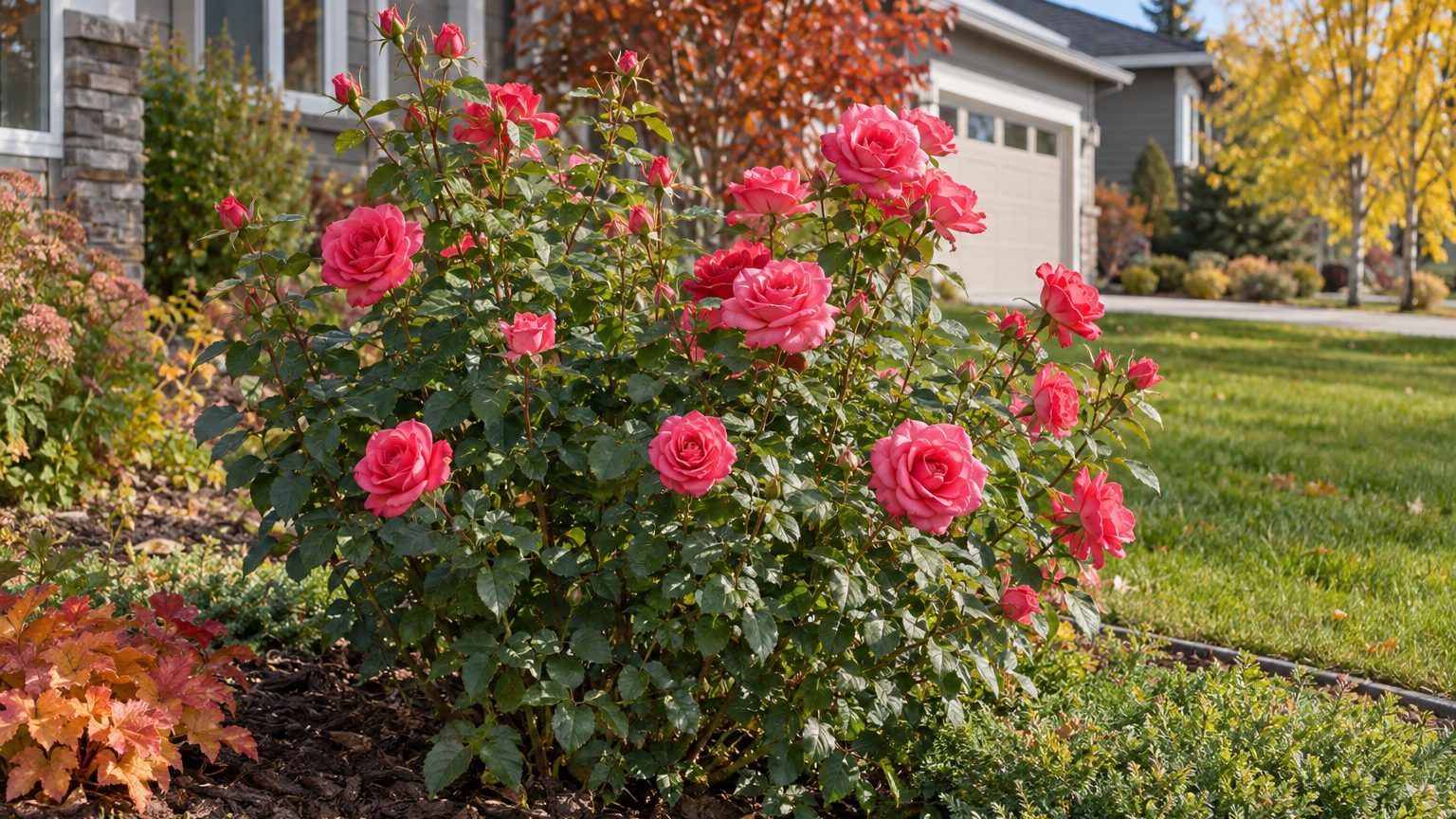
A rose bush in bloom in a home garden

Calgary’s average last spring frost falls on May 21, which means frost comes later than that date in one year out of two, so treat it as the middle of a risky window and never as a safe day. Bare-root roses sidestep that risk because they go in dormant, while a leafy young rose cannot take a hard frost.

  • In April, take the winter mound off in stages and plant bare-root roses while they are still dormant, ideally before the trees and shrubs leaf out.
  • By early May, finish the bare-root planting, since a rose that wakes up in the nursery bag struggles once it is in the ground.
  • In late May or early June, set out potted roses, once severe frost is truly behind you. Bare-root roses can also go in during June if you missed spring.
  • Feed your roses from late April through July, including as the plants approach peak bloom, and stop after July so the canes can harden off.
  • In November, after several hard freezes and once the rose is fully dormant, cover the canes with winter protection.

Calgary’s average first fall frost arrives on September 16, and the garden is in Canadian hardiness zone 4a there (a Canadian rating that does not convert to a USDA zone). The dates here follow the nearest comparable climate, so confirm local timing with a local garden centre, a rose society or a provincial gardening group.

Which Roses Grow Best in Alberta?

Winter decides everything. Hybrid teas, floribundas and grandifloras were bred for warmer climates, and they cannot survive northern winters without protection. Hardy shrub roses skip that chore.

Choose by how much work you want to do in November, because every rose type below needs suitable care to come through Alberta winters.

Rose type How it does in Alberta Why
Hybrid teas, floribundas and grandifloras Survive only with winter protection Bred for warmer climates and not fully hardy in northern areas
Hardy shrub roses, such as Knock Out or the Explorer series Perform well without extra protection They tolerate cold winters, so there is no mounding job
Canadian Artist Series Winter hardy and resistant to disease Bred for exactly that purpose

If a November mounding job sounds like too much work, the shrub roses and the Canadian Artist Series are the easy route. Hybrid teas are still worth growing if you enjoy the ritual of tucking them in for winter.

When to Prune, Feed and Protect Roses in Alberta

The year’s key gestures cluster in spring and again in November. Each one waits for a signal from the rose rather than from the calendar alone, such as a mound that has come off, a hard freeze that has passed or a plant gone fully dormant.

Task Best months in Alberta Why then
Taking winter protection off April, and May if spring runs late Taking the mound off in stages avoids exposing tender canes all at once
Pruning repeat-blooming roses April to May Done once the mound is off and the chance of a hard freeze has passed
Planting bare-root roses April to May, and June if needed Dormant roses settle in before leaf-out
Feeding April to July Late April, again at peak bloom, none after July
Putting on winter protection November Wait until the rose is fully dormant after several hard freezes

Once-blooming roses, such as old garden roses, ramblers and many climbers, flower on last year’s wood. Prune them right after they bloom, never in early spring, or you cut off the flowers.

How Rose Care Dates Change Across Alberta

Alberta is not one climate, and the dates above are anchored to Calgary. Rose seasons shift as you move north or up in elevation, and they start later in both directions.

  • Calgary: Spring tasks fit these dates most closely, though the frost date is only the middle of a risky window.
  • Edmonton and the Peace River country: Northern districts run behind Calgary, so hold off on planting potted roses and pruning until the weather has clearly settled.
  • Foothills and mountain towns such as Canmore: Upland gardens warm later than the city, so the mound comes off later and potted roses wait longer.

If your garden sits north or higher than Calgary, lean toward the later end of each month range.

Where to Get Rose Advice in Alberta

Alberta has no county extension offices. Gardeners turn to the provincial agriculture ministry, local gardening groups and nearby garden centres for help with diagnosis and local timing.

  • Browse Alberta Agriculture and Irrigation for provincial guidance on plants and soil, and check it before spring planting.
  • Ask a local garden centre or rose society which varieties winter well in your district, ideally before you buy in spring.
  • Look for a provincial gardening group in your area, and bring photos of any problem canes to make a spring visit more useful.

Common Questions

Is Alberta’s Hardiness Zone the Same as a USDA Zone?

No. Calgary sits in Canadian zone 4a, and that system uses seven climate variables where the USDA uses one. Canadian zone 4a overlaps nine different USDA zones, from 3a to 7a, so always shop by the Canadian rating.

How Can You Tell If a Rose Cane Is Dead in Spring?

Dead wood looks dark and discolored, and it usually sits beside weak, small stems that never grew well. Remove it after the winter mound comes off, and leave the healthy canes alone.

Should You Prune Hybrid Teas in Fall?

No. Repeat-blooming roses are pruned in April or May. November is for covering the canes once the rose is fully dormant, so fall is for protection, not pruning.
Best Spring Bulbs for Alberta

Best Spring Bulbs for Alberta

Daffodils glowing beside a leftover snowbank are a familiar Alberta sight, and the bulbs behind them went into the ground the autumn before. Daffodils, alliums and species tulips do well across the province. Showy hybrid tulips tend to fade after a few seasons. The reasons come down to cold, clay and hungry animals.

Best Spring Bulbs to Grow in Alberta

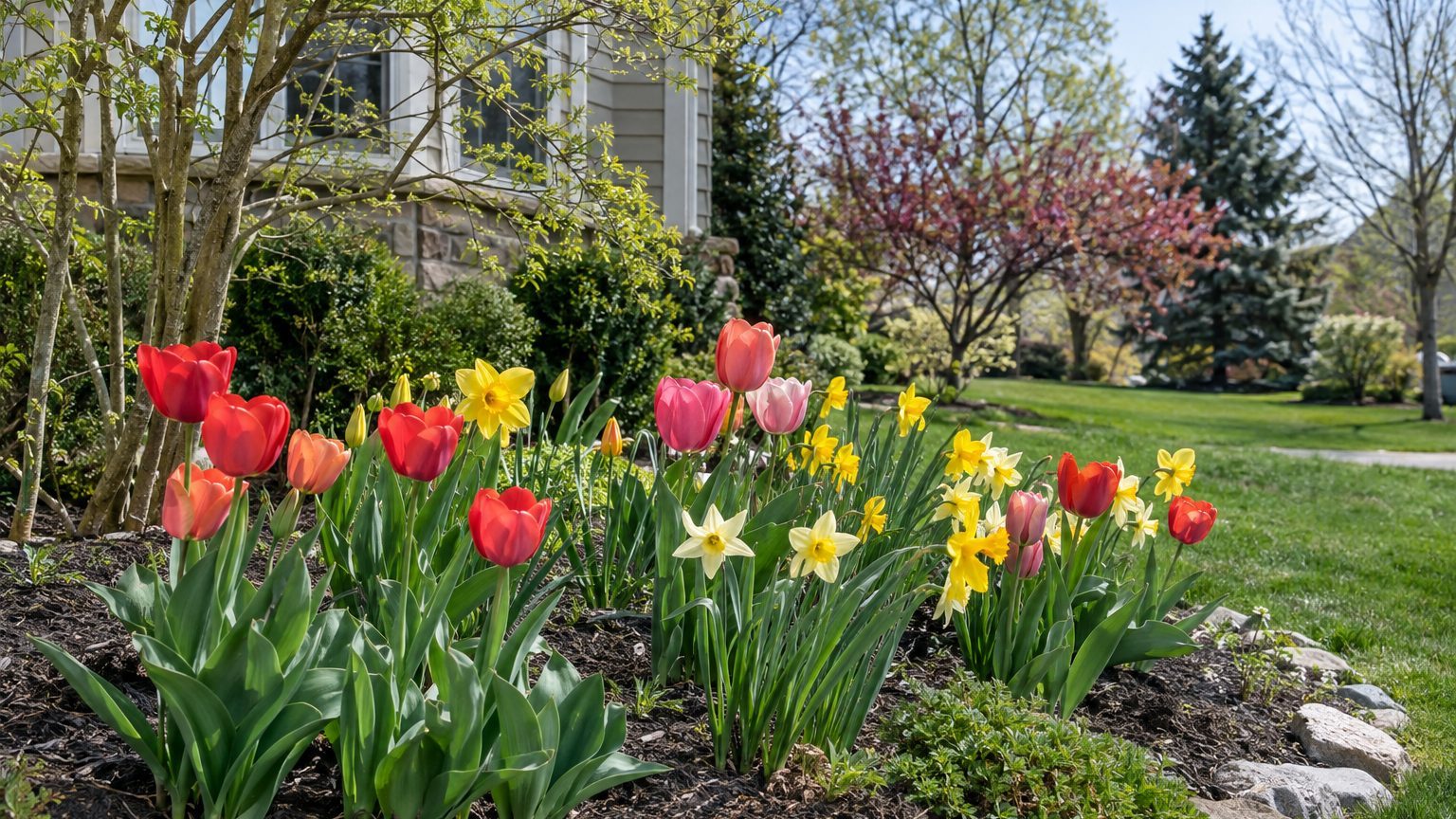
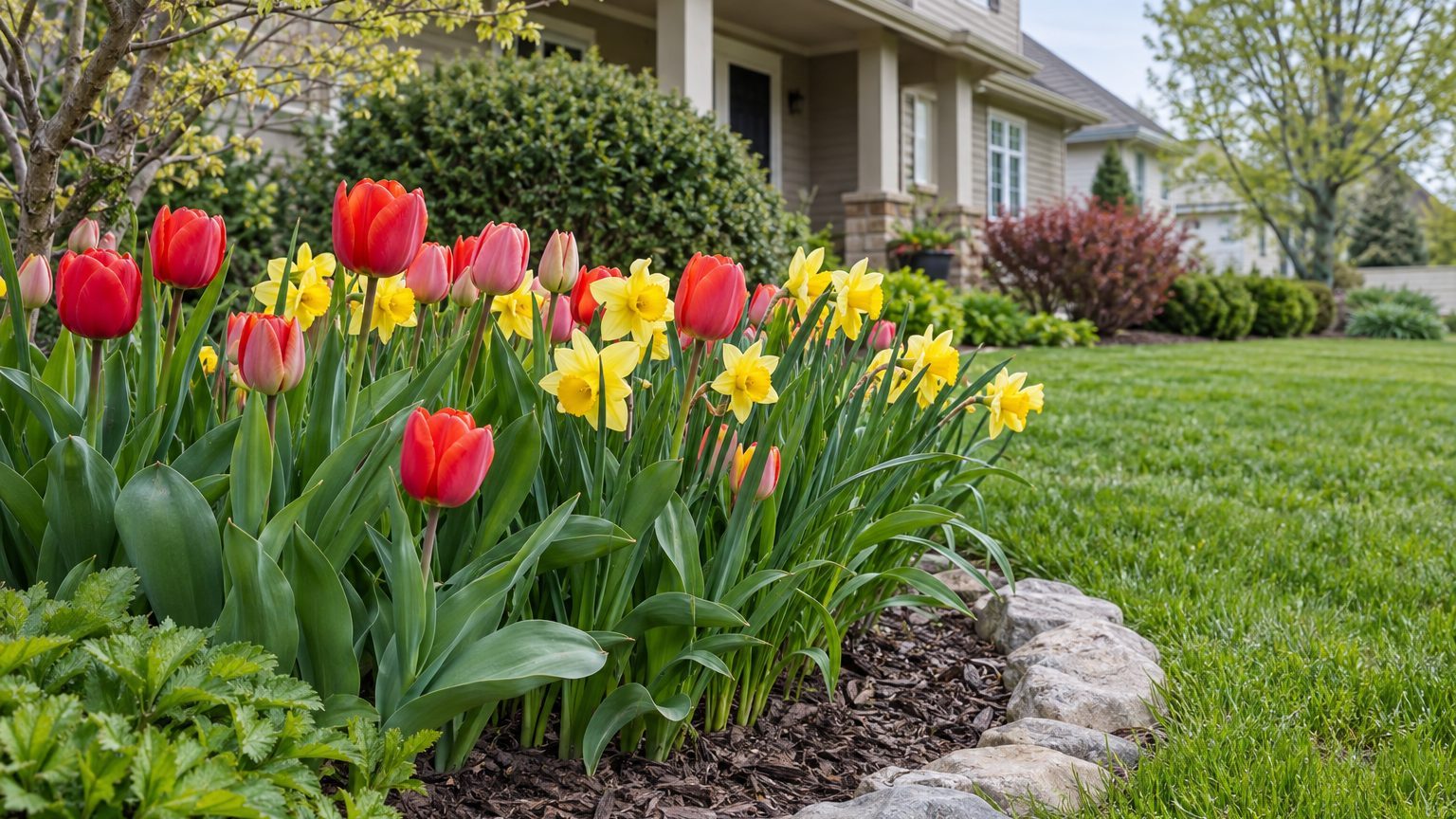
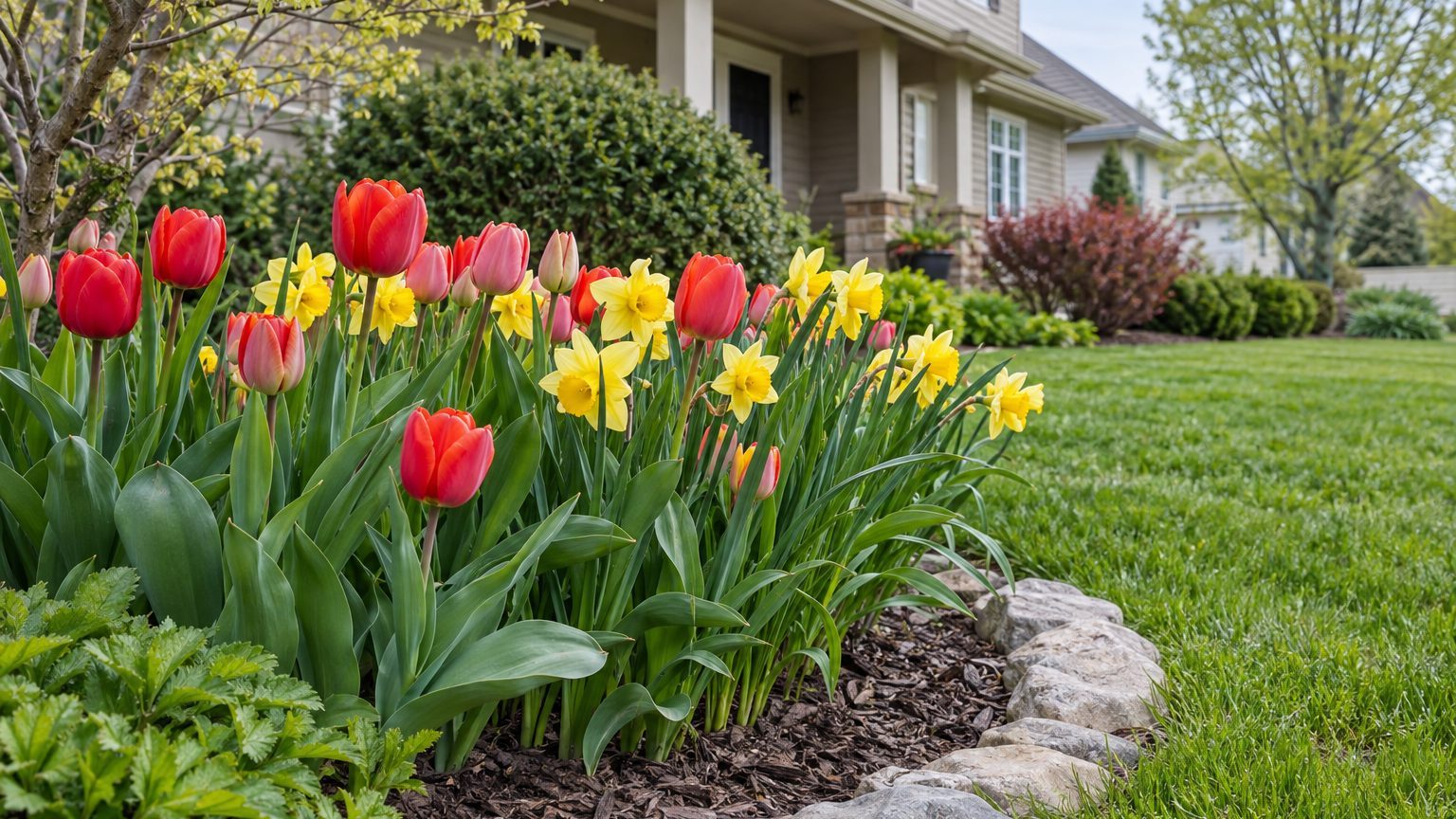
Healthy spring bulbs in bloom

Daffodils, alliums and species tulips are the bulbs that settle in here, while hybrid tulips are better treated as a one-season splurge. Cold is not the obstacle. Calgary sits in hardiness zone 4a of the Canadian system (a rating that does not convert to a USDA zone), and spring bulbs need a real winter to flower. The trouble is wet, heavy clay and animals that raid the garden.

Daffodils

Daffodils live longer than tulips in heavy soil, which makes them the more reliable perennial bulb. Voles, squirrels, rabbits and deer leave them alone. They are the sensible backbone of an Alberta spring planting, and clumps thicken over the years.

Alliums

Ornamental onions finish the spring succession, blooming after the early bulbs have faded. They have a slight skunky odor that repels rodents and deer, so they rarely get dug up or nibbled.

Species Tulips

Species tulips are the shorter types with smaller flowers. Most hardy bulbs evolved in desert or Mediterranean climates, so they dislike wet, heavy clay. The species types cope with it better than the large hybrids, which makes them the tulip to choose when you want one to last.

Hybrid Tulips

Breeding has weakened the ability of hybrid tulips to return year after year. In wet clay they may come back for only a few seasons, especially if thirsty annuals are planted on top of or beside them. Buy them for a season of big color and expect to replant.

How to Choose Spring Bulbs for Your Alberta Garden

Match the bulb to the problem in your yard. A site with clay, animals or little free time points to a different bulb than a sheltered bed with room to spare.

Your situation What suits it in Alberta Why
Very cold winter Daffodils, alliums, species tulips Spring bulbs need winter cold to flower, and a zone 4a winter supplies it.
Wet, heavy clay soil Daffodils and species tulips Hybrid tulips are poorly adapted to wet clay and may return only a few years.
Little time Alliums They are not picky and can go in a few weeks before a hard frost.
Small space Species tulips They are short with smaller flowers, so they fit tight beds.
Deer and rodents about Daffodils and alliums Daffodils are left alone, and alliums smell skunky enough to repel animals.

Planting runs from September through October, roughly mid-September to mid-October, once the soil has cooled below about 16°C (60°F). That lets roots form before the ground freezes without sending up shoots in fall. A bulb still in the bag goes in as long as the ground can be dug.

Which Spring Bulbs Suit Different Parts of Alberta

Alberta is not one climate, and the main difference for bulbs is how late spring arrives, not which types survive.

  • Calgary: The average last spring frost falls on May 21, and in one year out of two it comes later. Daffodils, alliums and species tulips all suit the city, but treat that date as the middle of a risk window.
  • Edmonton and the north: Northern districts run weeks behind Calgary in spring. Choose the hardy, long-lived types here, and expect blooms to open later than in the south.
  • Foothills and mountain towns such as Canmore and Banff: Upland sites warm up later still. Daffodils and alliums, which animals tend to leave alone, are a sound choice where deer wander through yards.

Because the types that suit Alberta are tough, the usual adjustment is expecting bloom to arrive later as you go north or uphill.

Spring Bulb Buying Mistakes to Avoid in Alberta

Counting on Hybrid Tulips to Return

Big hybrid tulips are the ones most gardeners reach for, and they are the ones that fade in wet clay. Planted as permanent, they leave bare gaps after a few years. Plant daffodils for staying power, add species tulips for the tulip look, or accept the hybrids as annuals.

Feeding the Wildlife

Voles, squirrels, rabbits and deer eat tulips and crocus. Dig up a bed of tulips and you may find the bulbs gone before spring. If animals visit your yard, put daffodils and alliums in the exposed beds and keep the tulips close to the house, or accept some losses.

Cutting the Leaves Too Early

After bloom, remove only the faded flowers. The leaves feed the bulb for next year, so leave them on the plant until they turn brown. Tying them in knots or cutting them while green leaves the bulb hungry, and the following spring brings fewer flowers.

Where to Get Spring Bulb Advice in Alberta

Canada has no county extension office, so local help comes from the province and from nearby gardeners. Bulb dates here follow the nearest comparable climate, so confirm local timing with a garden centre, a garden society or a provincial gardening group.

  • The Alberta Agriculture and Irrigation site is the place for provincial gardening and growing information, and it is worth a look before planting season.
  • A local garden centre can tell you which bulbs are in stock and what grows well in your town.
  • A garden society or master gardener group in your area can show you what has lasted in local yards, so ask before you buy.

Common Questions

Do You Need to Chill Bulbs in the Fridge in Alberta?

No. Most spring-flowering bulbs need about 12 to 16 weeks of cold to flower, and Alberta winters supply that in the ground. Fridge chilling for tulips and hyacinths is only for places where winters are too mild.

Can You Plant Alliums Later than Other Bulbs?

Yes. According to Iowa State University Extension, alliums, like other spring-flowering bulbs, need the cold of winter to bloom. That makes them a forgiving choice if the season got away from you.

When Do Tulips and Daffodils Bloom in Alberta?

Tulips and daffodils bloom in April and May, with peak tulip bloom from late April to mid-May. Spring weather shifts the timing from year to year, and northern and upland gardens come later.

When Do Tulips and Daffodils Bloom in Alberta?

When Do Tulips and Daffodils Bloom in Alberta?

Green spears push through cold Alberta soil in spring, and every gardener starts watching for color. Tulips and daffodils open in the province from April into May, and the exact week shifts with the weather and with where the bed sits. A few signs in the garden tell you when buds are close.

When Do Tulips and Daffodils Bloom in Alberta?

When Do Tulips and Daffodils Bloom in Alberta?

Tulips and daffodils bloom in Alberta from April to May, with tulips peaking from late April to mid-May. Bloom follows the warming of spring, so a cool year pushes flowers later and a mild one brings them sooner.

These dates follow the nearest comparable climate. Confirm local timing with a garden centre, a garden society or one of the provincial gardening groups.

Bulb When it blooms in Alberta What sets the timing
Daffodils April to May Spring warming and the spot where the bed sits
Tulips April to May, peaking late April to mid-May Spring temperatures, which shift bloom from year to year
Alliums Late in the spring succession of bulbs Needs winter chill to flower, and timing follows the warming of the season.

Crocus and hyacinths flower in the same spring run, but how early depends on the bed. A sheltered spot against a south wall opens ahead of an open lawn edge. Early, mid-season and late tulips spread the show across the window, so a mixed planting keeps color going longer than a single variety.

How to Tell Your Bulbs Are About to Bloom

Bulbs announce themselves in the bed well before the first petal opens, and a regular walk along the border is enough to catch each stage.

  • Green tips breaking the surface mean the bulb has had its winter cold and is responding to warming soil, so pull back any heavy mulch gently.
  • Leaves that open and thicken tell you the plant is feeding the bulb, which is why they stay put from here on.
  • A bud rising on a stem between the leaves means flowers are close.
  • Buds that swell and show color at the tip are a few days from opening, so cut stems for a vase at this stage if you want them.
  • Chewed shoots with the daffodils untouched beside them point to voles, squirrels, rabbits or deer, which eat tulips and crocus but leave daffodils alone.
  • A cold night after buds show color can do harm, since at Calgary the average last spring frost falls on May 21 and in one year out of two it comes later.

Cover open flowers with a sheet on frosty nights and they usually come through.

What to Do After Tulips and Daffodils Bloom in Alberta

Snap off the faded flowers and leave everything else. The leaves gather energy for next year’s bloom, so let them stay until they turn yellow or brown. Do not cut them while they are green, and do not braid or tie them into neat bundles, since both cut off the bulb’s food supply.

Expect daffodils to outlast tulips. Daffodils are the more reliable perennial bulb, while tulips are often short-lived, because hybridizing has weakened their ability to return year after year. Species tulips, the shorter types with smaller flowers, tend to return better than large hybrids, and that logic can guide an Alberta border.

Wet, heavy clay makes things harder for tulips. Where soil stays soggy, and where thirsty annuals are planted right on top of the bulbs, hybrid tulips may return for only a few years. Plant annuals a little apart and give the bulbs drier ground. Hardiness zone 4a, in the Canadian system, is the zone for Calgary, so bulbs here are chosen for cold winters rather than mild ones.

How Bloom Time Shifts Across Alberta

Alberta is not one climate, and bloom moves with latitude and elevation more than anything else.

  • Calgary: This is the reference point for the timing above, and a bed here follows the April to May window described earlier.
  • Edmonton and the Peace River country: Northern districts run behind Calgary, so flowers open later and the window slides toward May.
  • Banff and the Rocky Mountain foothills: Higher ground stays cold longer, and bulbs here bloom later than on the open plains.
  • Lethbridge and Medicine Hat: The south warms earlier, so bulbs here tend to open ahead of Calgary.

Within any town, a bed against a warm wall will bloom before one in a cold hollow, so use your own garden’s microclimate as the final guide.

Where to Get Bulb Advice in Alberta

Alberta has no county extension office, but local help exists. The province’s agriculture ministry, Alberta Agriculture and Irrigation, publishes growing information, and nearby gardeners know your microclimate best.

  • Check the provincial agriculture ministry for general growing guidance before you plan a new bed.
  • Ask a local garden society or master gardener group about bloom times in your town, and go to a meeting in early spring.
  • Visit a garden centre in September, when the bulbs are in stock, and ask which tulips and daffodils do well locally before you buy.

Common Questions

When Should You Plant Tulips and Daffodils in Alberta?

Plant in September and October, from mid-September through mid-October. That puts bulbs in the ground four to six weeks before the soil freezes, enough time for roots to form. Wait until the soil has cooled below about 16°C (60°F) so the bulbs do not sprout in the fall.

Can You Plant Bulbs That Are Still in the Bag?

Yes. A bulb still unplanted is better in the ground late than stored over the winter, so plant any that remain for as long as the soil can be dug.

Do Tulips and Daffodils Need a Cold Winter to Bloom?

Most spring-flowering bulbs need about 12 to 16 weeks of cold to flower, and Alberta winters supply it, so no refrigerator chilling is needed. Alliums need the cold of winter to bloom.

When to Plant Tulips and Daffodils in Alberta

When to Plant Tulips and Daffodils in Alberta

Daffodil leaves poking through cold Alberta soil are one of the first signs that spring has really arrived, and they are a sign that someone planted the bulbs the autumn before. For Alberta yards, the work happens between late summer and the first hard freeze, and it comes down to a few weeks of soil you can still dig.

When to Plant Tulips and Daffodils in Alberta

When to Plant Tulips and Daffodils in Alberta

Plant tulips and daffodils in Alberta from mid-September through mid-October, while the soil is cool and still workable. The bulb’s year runs like this:

  • In late summer, buy bulbs that are firm and heavy for their size, and keep them somewhere cool and dry until the soil is ready.
  • Skip the refrigerator, because Alberta winters supply all the chill that tulips and hyacinths need, and planting outdoors lets the cold do that work.
  • In September and October, plant once the soil has cooled below about 16°C (60°F), early enough for roots to form before the ground freezes and late enough that the bulbs do not sprout in autumn.
  • When the soil begins to freeze, spread a layer of mulch over the bed so the ground stays evenly cold through the winter.
  • In April and May, shoots push up and the flowers open, with tulips peaking from late April to mid-May.

First fall frost arrives around September 16 on average in Calgary, which sits in Canadian hardiness zone 4a, and in half of years it comes later than that. Alberta has no local bulb timing page of its own, so these dates follow the nearest comparable climate, and a local garden centre, garden society or provincial gardening group can confirm timing for your district.

Which Spring Bulbs Do Best in Alberta?

Daffodils and alliums are the dependable choices in Alberta. Winter cold is plentiful, so chilling is not the problem. The risk lies in how long a bulb lives and in who else wants to eat it, and tulips and crocus fare worst on both counts.

Hyacinths are worth planting alongside the others, since they need the same cold winter and the same autumn timing as tulips.

Bulb type How it does in Alberta Why
Daffodils Reliable year after year They live longer than tulips, and animals leave them alone
Alliums Easygoing and dependable They need the cold of winter to bloom and can go in a few weeks before a hard frost
Hybrid tulips Short-lived, often fading after a few springs Years of hybridizing have weakened their ability to return
Species tulips Better at coming back The shorter types with smaller flowers last better than showy hybrids
Crocus Likely to be eaten Voles, squirrels, rabbits and deer go after them

Alliums have a slight skunky odor that repels rodents and deer, which makes them useful beside bulbs animals prefer. Plant tulips for a show you expect to renew, and let daffodils carry the long-term display.

When to Plant, Chill and Care for Spring Bulbs in Alberta

The yearly rhythm is simple: plant in autumn, let winter do the chilling, and leave the foliage alone after bloom. Most spring-flowering bulbs need about 12 to 16 weeks of cold to flower, and an Alberta winter delivers that without help.

Where the months are not fixed, a sign in the garden does the job instead.

Task Best timing in Alberta Why then
Plant tulips, daffodils, crocus, alliums and hyacinths September to October, when the soil is below about 16°C (60°F) Roots settle before the ground freezes, and the bulbs stay below ground until spring
Chill tulips and hyacinths in the refrigerator Not needed in Alberta Winter cold is long enough on its own
Mulch the bed When the soil begins to freeze Steady cold keeps bulbs from being pushed around by thaws
Enjoy the bloom April to May Spring warmth brings the flowers up after the cold winter
Leave the foliage As long as the leaves are green The leaves feed the bulb for next year

After bloom, remove only the faded flowers and let the leaves stay until they turn brown. Never cut or tie green leaves, because that starves the bulb for next spring.

How Bulb Planting Time Changes Across Alberta

Alberta is not one climate, and the planting window slides a little depending on where your yard sits. Calgary is the reference point for the dates above, and districts to the north or in the hills run behind it.

  • Peace River country: The north cools sooner in autumn, so aim for the early part of the planting window, when the soil is still workable.
  • Edmonton: Farther north than Calgary, the soil here tends to cool a little sooner, so lean toward the earlier part of the window.
  • Banff and Canmore: Mountain towns sit at higher elevation and freeze early, so plant at the start of the window and watch for frozen ground.
  • Medicine Hat: The south stays milder into autumn, so planting can drift toward the later part of the window.

Wherever you live, let the soil temperature and the thaw-free ground guide you more than the calendar alone.

Where to Get Bulb Advice in Alberta

Alberta has no county extension offices, so advice comes from the province and from local gardeners. Alberta Agriculture and Irrigation is the provincial ministry to start with for general questions on soil and plant health.

  • A local garden centre can tell you which bulbs arrive in stock and how your area’s soil usually behaves, so visit before the planting window opens.
  • A local garden society or master gardener group can help diagnose problem beds and point you to soil testing, ideally in late summer before you dig.
  • Provincial gardening groups share what works in your district, which helps fine-tune planting dates before the cold arrives.

Common Questions

Can You Plant Spring Bulbs After October in Alberta?

Yes, as long as the ground can still be dug. A bulb that is still in the bag is better planted late than stored over the winter, because it will not keep until next year.

Why Do Tulips Fade After a Few Years?

Tulips are perennials, but hybridizing has weakened the bulbs’ ability to come back every year. Species tulips, the shorter types with smaller flowers, tend to return better, and you can also treat showy hybrids as annuals and replant.

How Can You Keep Squirrels and Deer Away from a Bulb Bed?

Mix daffodils and alliums among or around the tulips and crocus. Daffodils are left alone by animals, and alliums have a slight skunky odor that repels rodents and deer.

Best Grass Seed for Alberta

Best Grass Seed for Alberta

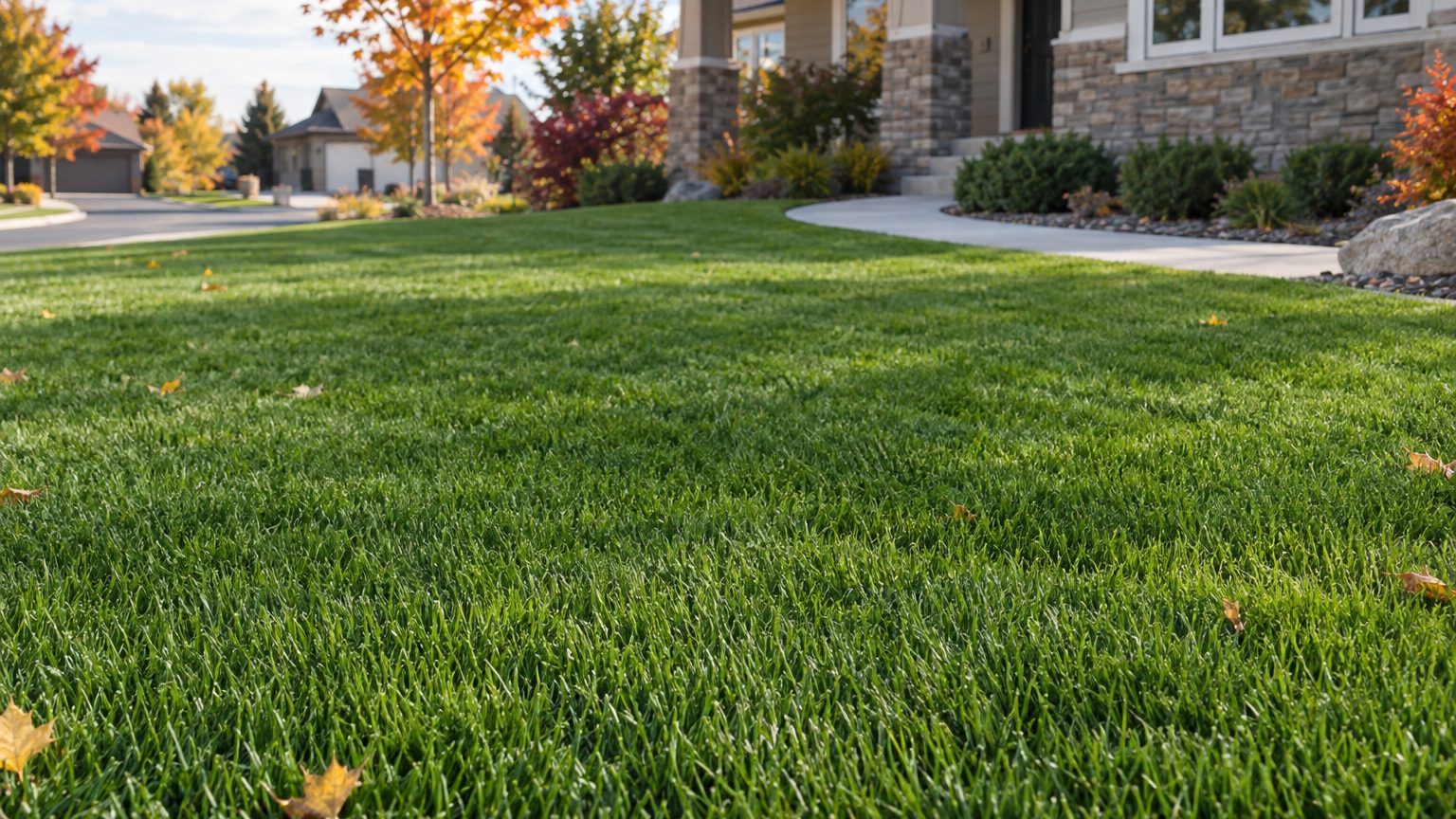
Cool-season lawns survive Alberta winters, and the grasses that matter are Kentucky bluegrass, fine fescues and perennial ryegrass. Spring snowmelt, cold nights and a short growing season reward seed that wakes up in cool soil and tolerates a hard freeze. Warm-season grasses have no place on a prairie lawn.

Which Grass Grows Best in Alberta?

Cool-season grasses win here, because Alberta winters are long and the lawn spends months dormant under snow. In Canadian hardiness zone 4a (not a USDA zone), which is the zone of Calgary, a grass has to shrug off deep cold and then grow fast once the soil warms. These grasses do that reliably.

Kentucky Bluegrass

This is the backbone of the Alberta lawn. It survives severe winters, spreads by underground runners and repairs its own thin spots. It is slow to germinate, so give it patience and keep the seedbed damp.

Fine Fescues

Creeping red, chewings and hard fescue all belong here. They handle shade and poor, dry soil better than bluegrass does, and they need less mowing and less feeding. Many homeowners blend them with bluegrass for a lawn that copes with both sun and tree shade.

Perennial Ryegrass

Perennial Ryegrass — Best Grass Seed for Alberta

Ryegrass sprouts quickly, which makes it handy for filling in a bare patch fast. The catch is that it is short-lived in the coldest winters, so it tends to thin out over the years. Treat it as a helper in a mix rather than the main grass.

How to Choose Grass Seed for a Alberta Yard

Start with the light, because sun and shade strongly influence which grasses fit the yard. Then think about how much foot traffic the lawn takes, whether you can water through dry spells, and how often you are willing to mow.

Seed depth matters more than most people expect. Cover seed with no more than 6 mm (0.25 inch) of soil, or it will struggle to reach daylight.

Your yard Grass to favor Why
Full sun, regular watering Kentucky bluegrass Dense, hardy and self-repairing
Shade under trees Fine fescues Tolerate low light and root competition
Busy play area Bluegrass with ryegrass Ryegrass fills in fast while bluegrass settles
Dry spot, little watering Fine fescues Cope with thin, dry soil
Low mowing effort Fine fescues Grow slowly and stay fine-textured

Most yards are a patchwork of these situations, so a mix of bluegrass and fine fescues, with a little ryegrass if you need quick cover, usually suits the whole property better than a single species.

Which Grasses Grow Where in Alberta

Alberta is not one climate, and the right blend shifts a little from the foothills to the northern parkland.

  • Calgary and the foothills: Chinook winds and swings between warm and freezing weather can strip snow cover, so cold-hardy bluegrass and fescue blends suit those conditions.
  • Edmonton and central Alberta: Winters run colder and the growing season starts a little later, which favors bluegrass with fine fescues and keeps ryegrass to a small share.
  • Peace River country and the north: Frost arrives earlier in fall and leaves later in spring, so lean on cold-hardy bluegrass and fescue types and expect later green-up.
  • Lethbridge and the south: Warmer, drier summers make fine fescues and irrigated bluegrass the practical pairing.

Calgary’s frost dates are midpoints rather than guarantees, and northern districts run weeks behind.

Grass Seed Mistakes to Avoid in Alberta

Choosing a Warm-Season Grass

Warm-season seed or sod is unlikely to survive an Alberta winter. Stick to bluegrass, fine fescues and ryegrass, and check the label for those names before you buy.

Seeding at the Wrong Time

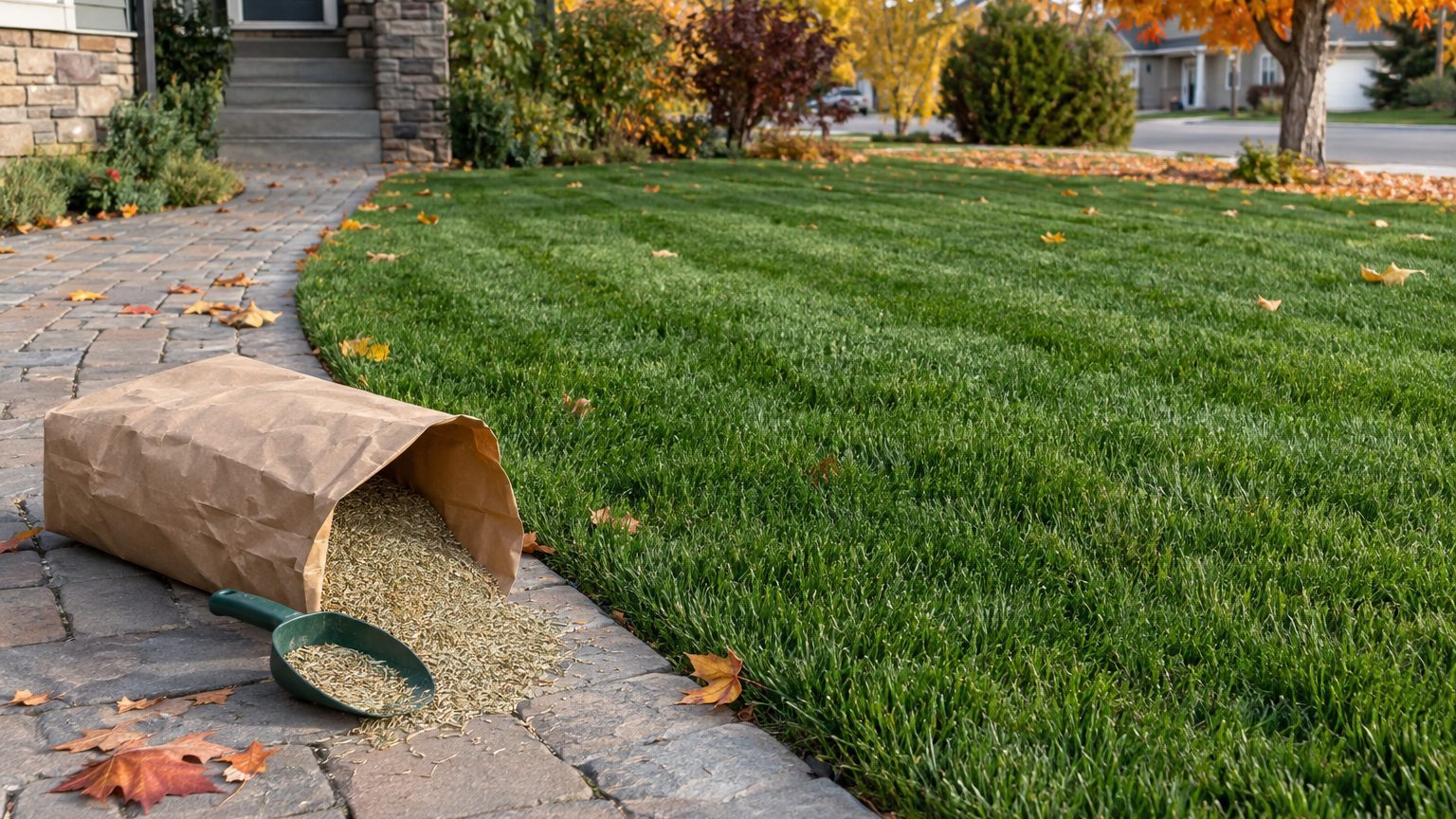
Seed in August or September; May can work if you miss that window. Seed needs warm soil to sprout and time to root before the freeze. Dormant seeding in November is another route, since seed laid on cold soil waits and sprouts in spring, with October as a fallback.

Burying or Skimping on Seed

Thin sowing leaves gaps that weeds happily fill, while heavy sowing crowds seedlings so they die. Follow the rate on the bag, rake the seed in lightly and keep the top of the soil moist until the grass is up.

Where to Get Lawn Advice in Alberta

Canada has no county extension offices, so local help comes from the province and from people who garden nearby.

  • Alberta’s provincial ministry, Agriculture and Irrigation, publishes guidance on soils and crops, worth a look before you plan a big reseed.
  • Local master gardener groups answer questions about your town’s soil and weather, and spring is a good time to ask.
  • A garden centre in your area can show which seed blends are made for prairie conditions, so bring a photo of your yard.

Common Questions

Can You Overseed an Alberta Lawn in Spring?

Yes, May works for overseeding thin areas. Fall gives seedlings cooler weather and more reliable moisture, so spring seeding calls for steadier watering through summer.

Is Ryegrass Enough on Its Own?

Not in this climate. It sprouts fast but is short-lived in the coldest winters, so it does better mixed with bluegrass or fine fescues.

Does Shade Change Which Seed You Should Buy?

It does. Fine fescues cope with low light far better than bluegrass, so a shady lawn should be sown with a fescue-heavy blend.

Lawn Problems and Solutions in Alberta

Lawn Problems and Solutions in Alberta

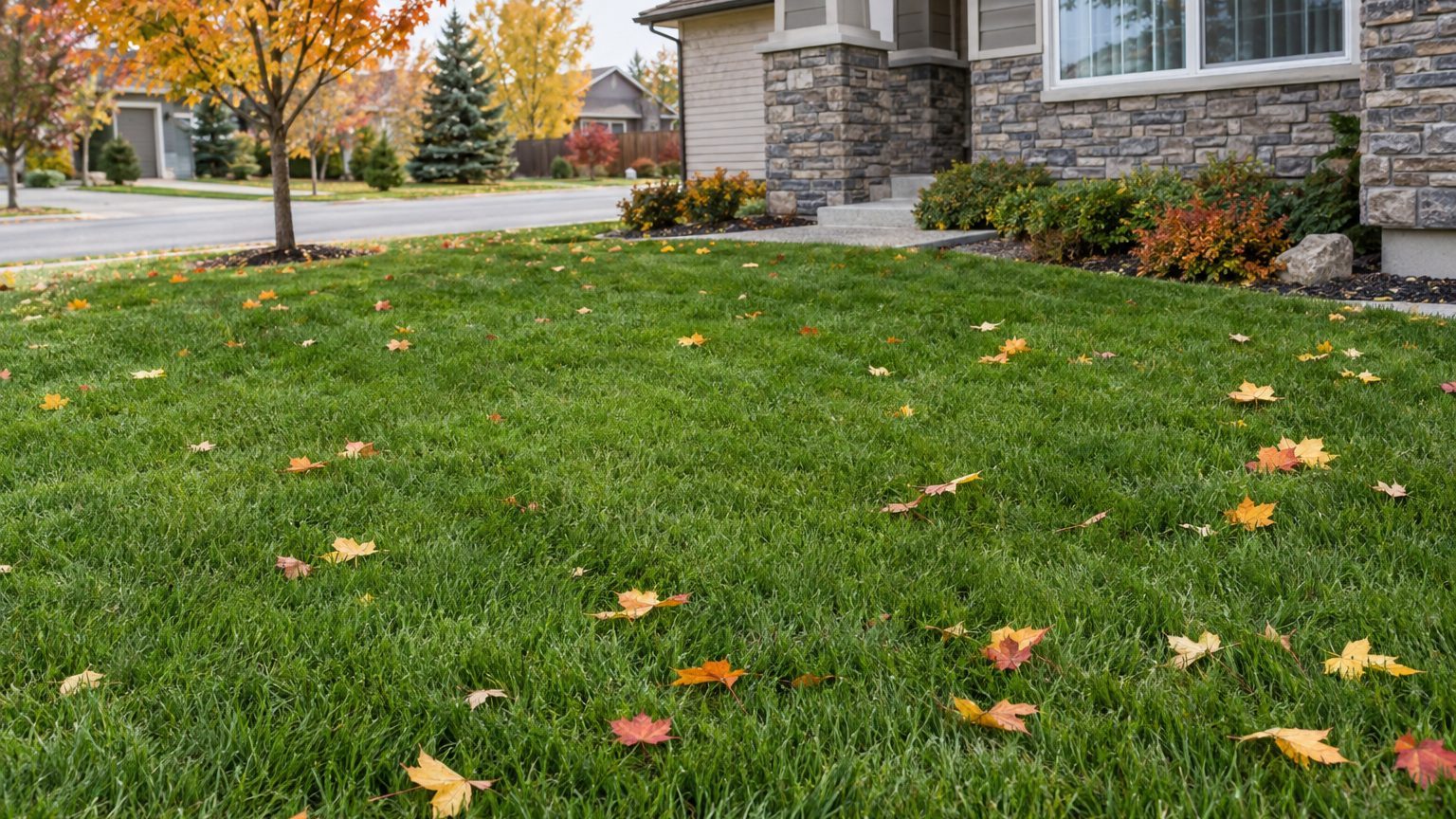
Straw-colored, matted patches show up where the last snowbank melts, and dandelions follow close behind. Those sights are familiar at the start of an Alberta lawn season. Cold winters, chinook thaws, dry summers and short growing seasons shape which problems appear, when they appear and what actually fixes them.

Lawn Pests and Diseases in Alberta

Snow Mold Patches

Snow Mold Patches — Lawn Problems and Solutions in Alberta

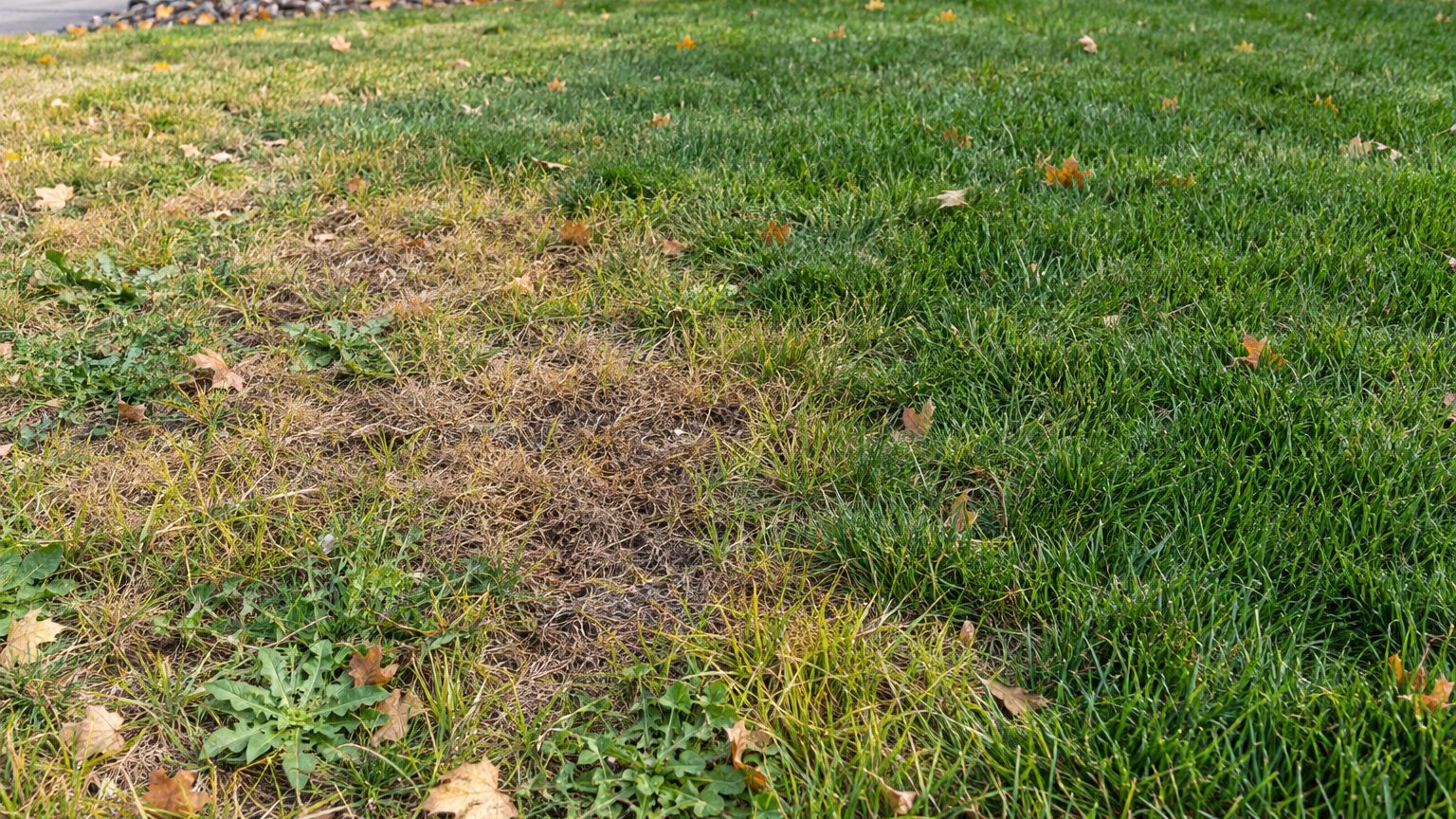
Snow mold shows up as gray or pinkish, matted circles as snow melts, usually where drifts lingered longest. The grass blades are stuck together in a crust. Gently rake the patches to lift the mat and let air in. Most lawns recover on their own as the weather warms.

Dandelions in Spring

Dandelions spread quickly in thin turf, with their yellow heads and deep taproots. Pulling works best when the soil is damp and you get the whole root. A thick lawn is the lasting fix, because crowded grass leaves them no bare soil to sprout in.

Creeping Bellflower

Creeping bellflower has heart-shaped leaves and spreads by underground roots, so pulled stems return. It is a stubborn weed in Alberta lawns and borders. Dig out what you can, mow regularly, and keep the grass dense, since repeated cutting weakens it over time.

Quackgrass Streaks

Quackgrass looks like coarse, pale green streaks that stand taller than the grass around them. Pull a stem and you find white, pointed rhizomes running underground. Dig out the patch and as much of the rhizome network as possible, then reseed the gap and watch for regrowth.

Necrotic Ring Spot

Necrotic ring spot appears in midsummer as sunken rings or crescents of dead bluegrass with green grass in the center. Stress from drought and compacted soil makes it worse. Water deeply, aerate in late summer, and overseed damaged rings with a mix of grasses rather than bluegrass alone.

How to Tell Which Lawn Problem You Have

Identify the problem by comparing the patch’s appearance with when and where it appears. A quick tug on the grass helps too. If it lifts like a loose carpet, the roots are damaged; firmly rooted grass still needs the other clues to identify the cause.

What you see When and where Likely problem
Gray or pink matted circles Just after snowmelt, under old drifts Snow mold
Yellow flowers on a taproot Spring, in thin or bare spots Dandelions
Heart-shaped leaves that regrow after pulling Summer, in sun or part shade Creeping bellflower
Coarse pale streaks with white underground runners Summer, spreading outward Quackgrass
Sunken rings with green centers Midsummer heat, dry or compacted ground Necrotic ring spot
Brown, crisp grass that stays firmly rooted Hot spells, sunny slopes and south sides Drought stress

Drought stress is easy to mistake for disease. If brown turf begins to recover after a deep soaking, drought stress is more likely than disease. Patches that stay brown after watering deserve a closer look at the roots.

Where Lawn Problems Are Worst in Alberta

Alberta spans foothills, prairie and parkland, so the same lawn trouble does not strike everywhere with equal force.

  • Calgary and the foothills: Chinook winds melt snow and then temperatures drop again, which exposes grass to drying and ice damage. Winter-dried patches are common in spring.
  • Edmonton and the parkland: Deeper, longer-lasting snow cover favors snow mold, and cooler, wetter springs keep turf soggy.
  • Lethbridge and southern Alberta: Hot, windy, dry summers make drought stress the main worry, and heat-stressed bluegrass is more likely to develop ring spot.
  • Peace River country: A shorter season leaves less time for recovery and reseeding, and the thaw comes later.

Spring comes later as you move north, even though Calgary’s last frost averages May 21 and half of years run later than that.

Lawn Care Mistakes That Invite Problems in Alberta

Cutting the Grass Too Short

Scalped grass has shallow roots and leaves bare soil for weeds. Raise the mower deck a notch and mow regularly from May through October. Taller blades shade the soil, which keeps dandelion and quackgrass seeds from getting going and helps the lawn ride out dry spells.

Watering Lightly and Often

Quick sprinkles wet only the surface, so roots stay shallow and summer heat browns the lawn. Water slowly and deeply from May through September, then let the top of the soil dry a little. Deep roots are what carry Alberta turf through a dry spell.

Feeding at the Wrong Time

Fertilizer works best in May and again in September, when the grass can use it. Heavy feeding builds thatch, so check the spongy layer under the green blades. A layer up to 1.3 cm (1/2 inch) is healthy, and above that, dethatch or core aerate in August or September.

Where to Get Lawn Advice in Alberta

Canada has no county extension offices, so lawn questions go to the province, local gardeners and nearby garden centers.

  • Alberta Agriculture and Irrigation, through Alberta Agriculture and Irrigation, is the place for provincial guidance on weeds and turf. Check there before treating an unfamiliar patch.
  • A local master gardener group can look at photos or visit a sick patch, and spring is a good time to ask.
  • A garden center near you knows which grass mixes and weeds are common in your town, so bring a sample of the weed or a bit of the turf.

Common Questions

What Is Dormant Seeding and Does It Work in Alberta?

Dormant seeding means sowing on cold soil so the seed lies still over winter and sprouts in spring. Sow in November; October can also work if the ground is not yet frozen.

When Should You Put Down Crabgrass Preventer in Alberta?

May is the month for it, applied before crabgrass seeds sprout. It only matters if crabgrass has been a problem in your yard before, because many Alberta lawns never see it.

Should You Reseed Patches Left by Snow Mold?

Only if the grass does not fill in on its own after raking. Reseed in August or September, when seed has time to root. If you miss that window, May also works.

Alberta Lawn Care Schedule, Month by Month

Alberta Lawn Care Schedule, Month by Month

Alberta lawns spend long months under snow, then get a short season to thicken up before the cold returns. A few jobs, mostly in late spring and late summer, decide whether the grass fills in or thins out. Timing matters more here than effort.

What to Do Each Month in a Alberta Lawn

Lawn in Alberta

Cool-season grasses carry Alberta lawns, so the work clusters in late spring and late summer. Late spring starts the growing year, and late summer sets up the next one.

Month In the lawn
January Rest. The grass is dormant under snow, so keep heavy foot traffic and piled shoveled snow off it.
February Rest. A midwinter thaw can tempt you outside, but the grass is still asleep.
March Rest, with a watch on the melt. Keep off soggy turf, and note any matted, grayish patches where snow lay longest.
April Rake off winter debris once the ground firms up. The grass is only starting to stir, so seed, feed and mower can wait.
May Apply crabgrass preventer before weed seed sprouts, keeping it away from areas you plan to seed, and feed the lawn as growth picks up. Start mowing and watering. Seeding also works this month if you missed late summer.
June Mow regularly and water when rain falls short. This is steady upkeep with no big jobs.
July Keep mowing and watering. Cool-season grass slows in heat, so deep, regular soaking carries it through.
August Core aerate compacted areas and dethatch only where buildup warrants it, then seed thin areas. Warm soil and cooling nights help new grass root quickly.
September Finish any needed aerating, dethatching and seeding, and feed the lawn to build roots for winter. Mow and water until the month closes.
October Keep mowing while the grass still grows, and stop watering. If you prefer not to wait until November, October also works for dormant seeding.
November Spread seed on cold soil so it sleeps through winter and sprouts in spring. That is dormant seeding.
December Rest. The grass is dormant, and the tools can go in the shed.

Skipping a month in the middle rarely hurts. Skipping late summer can hurt, because seeding, feeding and aeration all pay off during that stretch.

When Does the Lawn Season Start and End in Alberta?

Grass wakes up when the soil warms, not when the calendar says so. Seed germinates once the soil reaches 10 to 18 °C (50 to 65 °F), and cool-season grasses grow hardest in the mild weather of late spring and early fall. Mowing runs from May through October, then the lawn goes quiet.

Frost dates matter mostly to young seedlings. In Calgary, the last spring frost falls on average May 21, which means that in about half of years it arrives later. Treat that as the middle of a risky stretch, not a safe planting date.

The first fall frost comes on average September 16 in Calgary, and again half of years it falls later. Seed sown in August has time to root before then. Seed sown much later is better left on cold soil until it sprouts the following spring.

How the Lawn Calendar Shifts Across Alberta

Alberta stretches from the dry southern prairie to the boreal north, so the monthly jobs slide earlier or later depending on where you live.

  • Lethbridge and Medicine Hat: The south warms sooner and dries out faster. Spring work starts earlier, and summer watering matters more than elsewhere in the province.
  • Calgary: Chinook winds can melt snow in midwinter and fool you into thinking spring has arrived. Wait for the soil to warm steadily before you feed or seed.
  • Banff and Canmore: Altitude shortens the season, with greening later in spring and frost earlier in fall. Shift the late summer jobs toward the early end of their window.
  • Peace River country: The north runs weeks behind Calgary in spring. Plan your seeding for the front of the late summer window so roots settle before winter.

Local weather can override all of this, so let your own lawn’s color and growth guide the start of each job.

Lawn Care Timing Mistakes to Avoid in Alberta

Feeding During a Winter Thaw

A warm spell in winter or early spring makes feeding feel timely, but the grass is dormant and the ground may still be frozen. Fertilizer sits on the surface and can wash away with meltwater. Wait for May, when growth is real, and feed again in September.

Applying Crabgrass Preventer Late

A crabgrass preventer can also interfere with lawn seed in the treated area, and it does nothing once crabgrass seedlings are already up. Put it down in May, as the lawn starts growing. Applying it after weeds appear wastes the product and leaves the weeds in place.

Seeding Too Late in Fall

Seed sown after September gives seedlings little time to root before hard cold, and many thin out over winter. Use August or September for regular seeding. If that window passes, hold the seed until November and let it sprout in spring.

Where to Get Lawn Advice in Alberta

Canada has no county extension offices, so advice comes from the province and from local growers. The province publishes farm and horticulture guidance, and nearby people know your soil and microclimate.

  • Alberta’s ministry, Alberta Agriculture and Irrigation, is the place to look for provincial guidance on soil, turf and pests.
  • A local master gardener group or horticultural society can tell you how your neighborhood behaves in spring, so ask before your first spring job.
  • A nearby garden centre can suggest grass seed mixes that suit local conditions, so stop in before you buy seed in August.

Common Questions

Does a Chinook Thaw Mean the Grass Is Waking Up?

No. A warm, windy day melts snow, but the soil underneath stays cold and the grass stays dormant. Wait until the lawn greens and the soil warms steadily before feeding, seeding or mowing.

Is It Too Late to Aerate in October?

Aeration and dethatching are best in August and September, while the grass is still growing and can recover. By October the window has closed, so leave them until next summer.

What If the Lawn Is Still Brown in May?

Slow greening is common after a long winter, especially in cold shade. Grass that is brown in patches and pulls up easily with no roots after the soil has warmed is more likely dead and needs reseeding. Grass that holds firm in the ground is usually just slow.

Alberta Lawn Care: What to Do and When

Alberta Lawn Care: What to Do and When

A good Alberta lawn greens up late, grows hard through early summer, and settles into dormancy at the first real cold. The grasses that cope best are the cool-season types, and most of the work happens in May and again from August to September.

Frost Dates and Growing Season in Alberta

In Calgary, the average last spring frost falls on May 21, which means frost can still arrive after that date in about half of all years. Think of it as the middle of a window, never a safe date. Calgary sits in Canadian hardiness zone 4a (a Canadian system that does not convert to a USDA zone), and northern or upland districts run weeks behind it. Grass growth follows soil warmth, not the calendar, so the year looks like this:

  • In early spring, the lawn is still dormant or just stirring, so you rake off debris and stay off soggy turf.
  • In May, the soil warms, mowing begins, and it is the month for fertilizing and for crabgrass preventer. In Calgary, a frost after May 21 can nip a young seedling, which is why spring seeding is a fallback rather than the plan.
  • From June to July, growth is at its peak and watering matters most, because dry spells arrive fast on the Prairies.
  • In August and September, the soil is warm and the nights cool, which suits aeration, dethatching and seeding. In Calgary, the average first fall frost is September 16, but that date is the middle of a window rather than a deadline.
  • In October and November, mowing winds down, and a lawn seeded on cold soil in November sprouts the following spring.

Frost marks the risk to tender growth, but the grass itself slows and stops as the soil cools, usually a little after the first frost.

Cool-Season or Warm-Season Grass in Alberta?

Cool-season grass is the only sensible choice here. Warm-season types need long, hot summers and are unlikely to survive winters in Calgary’s Canadian hardiness zone 4a. Cool-season grasses handle the cold, green up early and grow best in the mild days of May and September.

Drought is the other test. Summers can turn dry, and grasses that go dormant and recover do better than those that need constant water.

Grass How it does in Alberta Why
Kentucky bluegrass Reliable, forms a dense turf Cold hardy and recovers from winter damage
Creeping red fescue Good, especially in lighter soil and shade A fine fescue that tolerates cold and less fertility
Chewings fescue Good in mixes A fine fescue that handles cold and lower light
Hard fescue Good for low-maintenance lawns A fine fescue that copes with cold and leaner conditions
Perennial ryegrass Fair, can thin out Short-lived in the coldest winters

Bluegrass and the fine fescues carry most Alberta lawns, often blended together. Ryegrass sprouts quickly, which is handy, but expect to patch it after a hard winter.

When to Seed, Fertilize and Aerate a Lawn in Alberta

Most of the big jobs cluster in May and from August through September. Late summer is the stronger one for building a lawn, because warm soil helps seed germinate and cooler weather spares the seedlings from heat stress.

Dormant seeding is the odd one out. It works only after the soil is cold enough that nothing sprouts until spring.

Task When to do it in Alberta Why then
Seeding August, September (May also works) Warm soil and cool air help seedlings root before winter
Dormant seeding November (October also works) Seed lies on cold soil and sprouts in spring
Fertilizing May, September Feeds spring growth, then helps the lawn recover and store energy
Core aeration August, September Grass is growing strongly and fills the holes
Dethatching August, September Turf recovers quickly in the same window
Crabgrass preventer May Goes down before weed seed sprouts

Mowing runs from May through October, and watering matters most from May through September. If you miss the late-summer seeding window, dormant seeding in November is the next route, with October still workable.

Lawn Problems to Watch for in Alberta

Winter Kill and Thin Spring Patches

Winter Kill and Thin Spring Patches — Alberta Lawn Care: What to Do and When

Straw-colored or matted patches that stay bare after the rest of the lawn greens up point to winter damage, especially where snow melted and refroze or sat in low spots. Rake lightly to lift matted grass, then overseed bare areas once the soil warms.

Summer Drought Browning

Grass that turns tan across open, sunny areas while shaded turf stays green is usually drought stress. Bluegrass often goes dormant and returns when water does. Water regularly through the warm months, and mow high enough to shade the soil.

Compacted, Thin Turf

Worn grass along paths, with hard soil that sheds water, signals compaction. Core aeration in August or September opens the soil, and overseeding right after helps the lawn thicken.

How Lawn Care Dates Change Across Alberta

Alberta is not one climate, and the dates above are anchored to Calgary. Elevation and latitude have a strong effect on the season.

  • Calgary and the foothills: Chinook winds can melt snow early and then leave grass exposed to dry air and sudden freezes, so green-up can start and stall.
  • Edmonton and the north: Springs arrive later and fall frost comes sooner, so shift spring jobs later and finish late-summer seeding early.
  • Lethbridge and the south: Warmer, drier conditions give an earlier start, though watering matters more through summer.

Judge your own yard by soil warmth and by how the grass is behaving, and nudge the dates accordingly.

Where to Get Lawn Advice in Alberta

Canada has no county extension offices, so advice comes from the province and from local growers. A soil test takes the guesswork out of fertilizing.

  • The Alberta Agriculture and Irrigation ministry offers provincial guidance on soil and growing conditions.
  • A local garden centre can help diagnose a patch if you bring a sample and describe where and when it appeared.
  • A local master gardener group is a good place to ask about your district’s conditions.

Common Questions

Can You Plant Grass Seed in Spring in Alberta?

Yes, May works as a fallback if you missed late summer. Seedlings face frost and summer heat as they establish, so keep them watered.

How Tall Should You Mow a Lawn in Alberta?

Mow higher rather than lower, since taller blades shade the soil and hold up better in dry spells. Raise the mower if a cut would remove a large share of the blade.

Why Is a Lawn Slow to Green Up in Alberta?

Cool soil keeps cool-season grass dormant after the snow melts. Greening follows soil warmth, so a cold spring delays it even when the air feels mild.

When to Prune Hydrangeas in Alberta

When to Prune Hydrangeas in Alberta

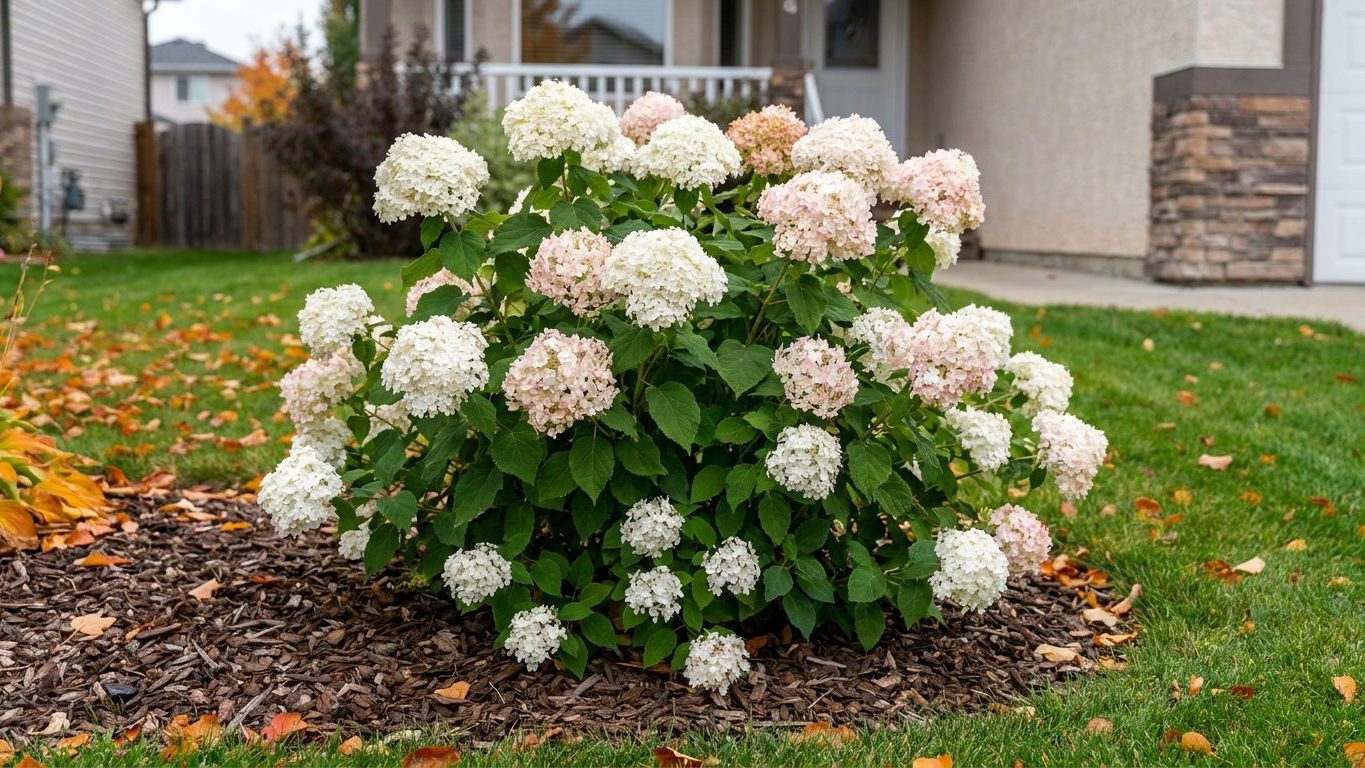
Plant hydrangeas in Alberta between May and August, once the ground has warmed well past the region’s mean last spring frost. Calgary’s frost-free stretch runs from roughly May 21 to September 16 in an average year, and that four-month plant window sits right inside it. Bigleaf types get their pruning done in June and July, in the middle of that same stretch.

When to prune hydrangeas in Alberta: The Short Answer

Environment and Climate Change Canada’s Canadian Climate Normals put Calgary’s average last spring frost at May 21 and the average first fall frost at September 16, and the twelve months below run against that same, single frost line.

  • January: The shrubs sit dormant under mulch, with the mean last frost still four months off. There is nothing to plant or prune this month, just check that winter mulch hasn’t blown clear of the roots.
  • February: Frost is still roughly three months out, so hydrangeas stay wrapped and left alone. Use this quiet stretch to order stock for the May planting window instead of touching the plants.
  • March: With around eight weeks left before the mean frost date, soil is still too cold to dig planting holes. Start hardening off any greenhouse-grown plants on mild afternoons only.
  • April: About four weeks out from the average frost, prep beds and work in compost so May planting goes fast. Resist planting early, since a late frost can still hit well past this point.
  • May: Planting opens as the mean last frost of May 21 passes, and this is also the first of the two fertilize months. Get bigleaf types in the ground early in the window so roots settle before summer heat.
  • June: Planting continues, and this is the first of the two months set aside for pruning bigleaf hydrangeas. Cut back only spent or damaged wood, since bigleaf sets next year’s buds on old growth.
  • July: Both planting and bigleaf pruning stay open, alongside the second fertilize window. Water deeply through summer heat, since new transplants dry out fast in Alberta’s dry prairie air.
  • August: This is the last month in the four-month planting window, so anything going in now needs the rest of the season to root before frost returns. Hold off on further pruning past this point.
  • September: The average first fall frost lands September 16, so treat mid-month as the line for any exposed new growth. Stop feeding and pruning, and start planning winter protection.
  • October: With the mean frost date now behind, pile mulch deep over the root zone before the ground freezes hard. Leave faded flower heads on the stems for extra bud insulation.
  • November: Ground is freezing solid across most of the province, so wrap or cage exposed stems if last month’s mulch feels thin. A zone 4a winter tests any shrub left uncovered.
  • December: Everything stays dormant and buried until spring, with no gestures needed beyond a snow check. Brush heavy snow off cages so the weight doesn’t snap branches.

None of these twelve months are a hard rule, since a mean frost date means half of all years run later than that. Treat May and September as the pivot points, and let August close the planting window before the average fall frost arrives.

How to Work Out the Dates for Your Own Yard

Working from the mean frost dates turns one province wide guess into a window that actually fits your own yard, not just the airport station the numbers come from.

  1. Start from the mean last frost: Calgary’s average is May 21, and treat it as the middle of a window, not a guarantee, since frost lands later than that in half of all years.
  2. Push planting two to three weeks past that date: waiting into early June for potted bigleaf hydrangeas gives roots a buffer against the years when frost runs long.
  3. Count backward from the mean fall frost: September 16 is the average, so anything planted after early August has barely six weeks to root before cold weather returns.
  4. Check your own microclimate: a yard against a south facing wall or in a low frost pocket can run a week or two earlier or later than the Calgary station these dates are built from.
  5. Match pruning to bloom type: bigleaf hydrangeas only get cut back in June and July, since they set next year’s flower buds on the current season’s old wood.
  6. Watch soil temperature, not the calendar: cold, wet clay in early May can hold root growth back even after the air has warmed past frost risk.

None of this replaces walking the yard itself. A thermometer pushed a few inches into the soil where the shrub will go tells you more than any date on a page.

Alberta North to South: How the Dates Shift

Frost timing shifts across the province with elevation, latitude, and how close a spot sits to the Rockies.

  • Southern Alberta (Calgary, Lethbridge, Medicine Hat): sits closest to the dates above, with the mildest and longest stretch between spring and fall frost in the province.
  • Central Alberta (Red Deer, Camrose, Stettler): typically loses a week or two off each end of the growing season compared with Calgary, so treat the plant window as a touch narrower.
  • Northern Alberta and the Peace Country (Grande Prairie, Peace River, Fort McMurray): frost can linger deeper into spring and arrive noticeably earlier in fall, favoring hardier panicle and smooth types over bigleaf.
  • Foothills and higher elevation towns (Cochrane, Canmore, Bragg Creek): cold air pools at elevation, so gardeners here often see frost weeks outside the Calgary averages in both directions.

Whichever part of the province you garden in, check the Alberta guide for the province wide frost dates first, then adjust toward whichever end of this list your town sits closer to.

Mistakes Alberta Punishes

Planting Before the Mean Frost Passes

Getting a bigleaf hydrangea into the ground in early May, right after the soil finally thaws, invites a hit from the mean frost still sitting at May 21. Wait until the plant window truly opens and give the shrub the extra two weeks of buffer instead.

Pruning Bigleaf Outside June and July

Cutting bigleaf stems back in September or the following spring removes the very buds meant to open into next year’s flowers, since this species blooms on old wood. Keep pruning inside the June and July window and nowhere else on the calendar.

Leaving Roots Bare Into Winter

Skipping a thick mulch layer before the ground locks up exposes roots to a zone 4a winter that regularly kills stems back to the snow line. Pile mulch deep by October, right after the mean fall frost date passes, not after the first hard freeze.

Alberta Extension Offices and County Contacts

The province wide numbers above are a starting point, not the last word for your own yard. Alberta Agriculture and Irrigation and your local county office fill in what these dates can’t.

  • Your province page: the frost dates and pruning window for all of Alberta in one place.
  • Which ones hold up here: hydrangea varieties matched to Alberta’s zone 4a winters.
  • What goes wrong here: the pests and problems this province’s growing season brings on hydrangeas.

Common questions

Can I plant hydrangeas in Alberta in early spring?

Hold off until May at the earliest. The mean last frost falls May 21, and planting into cold, still-thawing soil before then sets roots back rather than ahead.

Do hydrangeas survive Alberta winters without protection?

Most need help. In a zone 4a winter, exposed bigleaf stems commonly die back to the snow line, so a deep mulch layer or a wrap by October matters more than the variety label on the tag.

When should I prune hydrangeas in Alberta?

Bigleaf types get pruned in June and July only, since they set next year’s buds on this year’s wood. Pruning outside that window removes flowers before they ever open.

Hydrangea Pests and Diseases in Alberta

Hydrangea Pests and Diseases in Alberta

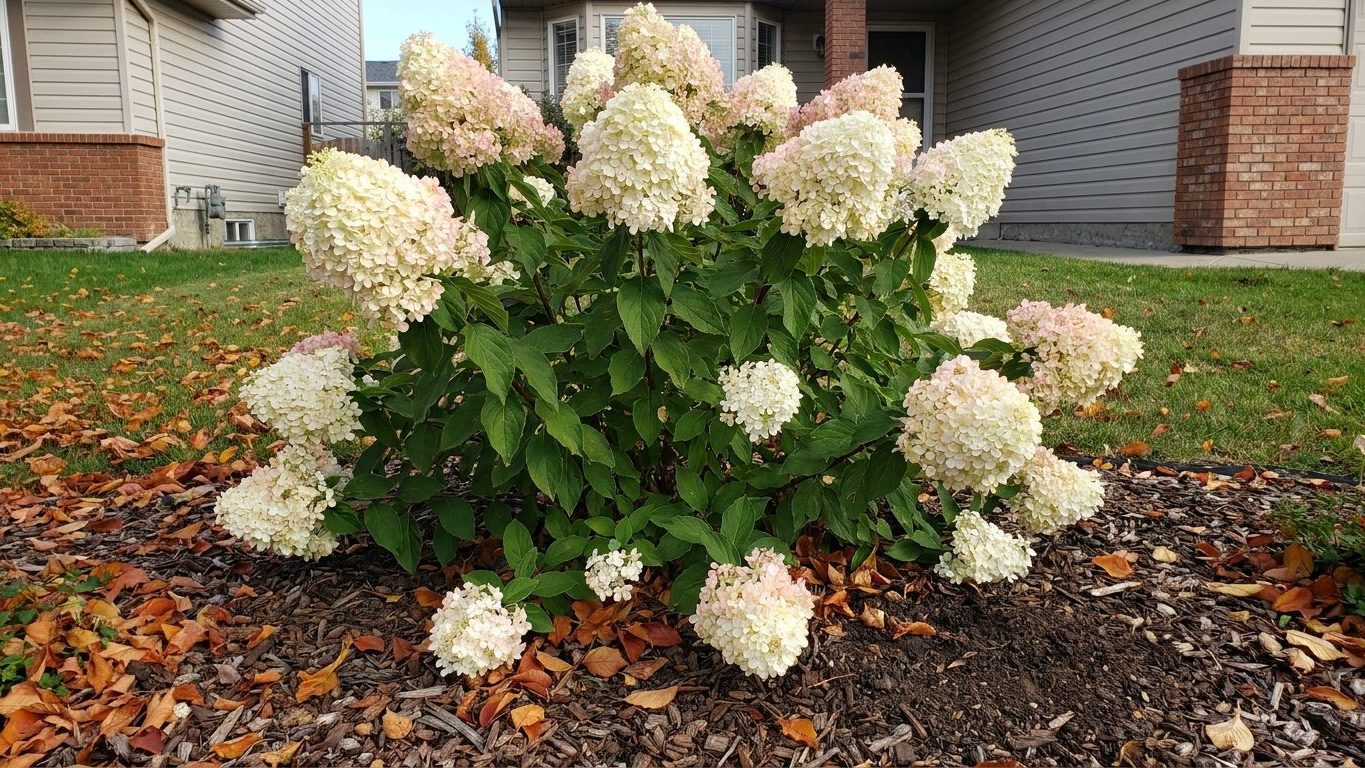
In Calgary, the short answer is that hydrangeas fight winter more than they fight bugs. Zone 4a winters kill unprotected flower buds and scorch leaves before any insect gets a chance, while powdery mildew, aphids, and botrytis only show up after a wet or crowded summer.

Hydrangea pests and diseases Alberta: The Short Answer

Bark stripped near the ground

Voles and rabbits tunnel under deep snow all winter and gnaw the bark at the base, girdling the stem below where next year’s growth should start. Wrap the lower foot of each shrub in hardware cloth before the first real snowfall, because bark chewed all the way around usually kills that stem outright.

No flower buds after winter

No flower buds after winter — Hydrangea Pests and Diseases in Alberta

Natural Resources Canada’s Plant Hardiness Site puts Calgary at zone 4a, cold enough that an unprotected bigleaf hydrangea loses its old wood flower buds in most winters. Pick a reblooming or panicle variety instead, or pile mulch over the crown before the ground freezes solid, so next spring’s blooms come from wood that actually made it through.

Leaf edges scorched brown in spring

Leaf edges scorched brown in spring — Hydrangea Pests and Diseases in Alberta

Dry chinook winds pull moisture out of exposed leaves faster than frozen roots underneath can replace it, leaving a papery brown edge by the time growth resumes in spring. Wrap the shrub in burlap or pile loose mulch around it to break the wind, and skip fall pruning that would expose more stem to that drying air.

Yellow leaves with green veins

Yellow leaves with green veins — Hydrangea Pests and Diseases in Alberta

Alberta’s alkaline prairie soil locks up iron before hydrangea roots can use it, turning new leaves yellow while the veins stay noticeably dark green. A simple soil test tells you the actual pH, and a chelated iron drench applied to the roots usually greens the leaves back up within a few weeks.

Sticky curled new leaves

Aphids cluster on tender spring growth and leave behind a sticky honeydew residue that curls the newest leaves inward. A strong jet of water from the hose knocks most of them off, and insecticidal soap handles the rest without hurting the bees working the blooms later in summer.

Purple-brown spots scattered on leaves

Purple-brown spots scattered on leaves — Hydrangea Pests and Diseases in Alberta

Cercospora leaf spot shows up as small purple-brown spots scattered across older leaves after a stretch of humid weather, sometimes causing early leaf drop. Rake up and discard fallen leaves each fall instead of composting them, and water the soil rather than the leaves to keep the fungus from spreading further.

White powdery coating on leaves

Powdery mildew builds up on leaves crowded together in humid August air with poor circulation between the branches. Space plants for airflow, water the soil instead of the foliage, and snip off the worst affected leaves so spores do not spread to the rest of the shrub.

Brown mushy flower clusters after rain

Botrytis blight moves into flower heads that stay wet after a summer storm, turning the petals brown and slimy within a day or two. Cut the affected blooms off right away, and water at the base of the plant instead of overhead so the flowers stay dry.

How to Work Out the Dates for Your Own Yard

I work backward from Calgary’s own frost window instead of trusting a bag tag, and most of these problems sort themselves out by the calendar rather than by guesswork.

  1. Mark the average last frost: Environment and Climate Change Canada’s Canadian Climate Normals put Calgary’s mean last spring frost at May 21, but that is a midpoint, since frost lands later than that in half of all years.
  2. Wait two extra weeks before judging leaf scorch: brown edges that show up before early June are almost always winter desiccation, not disease, since fresh growth has not even had time to get infected yet.
  3. Scratch the bark in late April: green underneath means the stem is alive even with no visible buds, so hold off on cutting anything back until new growth actually appears.
  4. Check new growth by June for aphids: curled, sticky leaf tips this early point to insects, while spotting or powder this early is rare before the air turns humid.
  5. Watch for the first fall frost: the same station puts the average at September 16, so any fertilizing after July risks new growth that never has time to harden off.
  6. Test soil pH once a season: a reading above 6.5 explains yellow leaves faster than any pest search does, and it points straight at the fix.

None of these dates are a guarantee, they are the middle of a range, and the actual day in your yard depends on the microclimate around your house as much as the calendar.

Alberta North to South: How the Dates Shift

Calgary’s numbers are one point on a large map, and moving across the province shifts every date in this guide by weeks in either direction.

  • Southern Alberta and the Chinook belt (Lethbridge, Medicine Hat, Calgary): frequent winter thaws break dormancy early and then refreeze it, which raises the desiccation and bud kill risk above rather than lowering it.
  • Central Alberta (Red Deer, Edmonton): colder, steadier winters without the same thaw and freeze swings mean less scorch, but the frost free season itself runs shorter, so bud survival is not any easier.
  • Northern Alberta and the Peace Country (Grande Prairie, Peace River): an even shorter frost free stretch and drier air keep powdery mildew rare, while winter dieback stays the dominant problem all the way north.
  • The foothills and mountain valleys (Canmore, Banff): elevation adds harder, earlier frosts on top of the provincial averages, making bud loss and bark damage the two problems to plan around first.

Check the Alberta guide page for this province’s own frost dates before deciding how much winter protection your yard actually needs.

Mistakes Alberta Punishes

Planting bigleaf without any winter cover

Bigleaf hydrangea blooms on the previous year’s wood, and Calgary’s zone 4a winters kill that wood if it sits exposed. Choose a panicle or smooth variety instead, or commit to mounding mulch over the crown every fall, since skipping this step is the single biggest reason for a shrub with leaves but no flowers.

Pruning bigleaf in September or October

Cutting back bigleaf stems in fall removes next year’s flower buds along with the growth, since this variety only flowers on wood grown the year before. Keep pruning inside the June and July window instead, and remove only what is clearly dead once new growth shows where it stopped.

Fertilizing after the July window closes

A late feeding pushes soft new growth that has no time to harden before frost, and Environment and Climate Change Canada’s Canadian Climate Normals put Calgary’s average first fall frost at September 16. Stick to the May and July fertilizing windows only, and let the plant slow down naturally through August.

Alberta Extension Offices and County Contacts

Calgary’s frost dates and zone 4a rating are a province wide starting point, not a diagnosis for your particular yard. Alberta Agriculture and Irrigation and your county’s horticulture desk fill in the rest, from a soil test to a look at whatever is eating your leaves.

  • Alberta Agriculture and Irrigation: the provincial extension service for soil testing, pest identification, and horticulture questions specific to your county.
  • Your province guide: the frost dates and hardiness zone for wherever you garden in Alberta.
  • The Alberta planting calendar: month by month planting, fertilizing, and pruning windows for this province.

Bring a photo of the actual leaf or stem when you call, it settles the diagnosis faster than any guide ever will.

Common questions

Do hydrangeas survive Alberta winters without protection?

Bigleaf types rarely do, since Calgary sits at zone 4a and its old wood buds are not built for that cold. Panicle and smooth hydrangeas, which flower on new wood each year, come through far more reliably without a wrap.

What is the most common hydrangea problem in Alberta?

Winter dieback and the resulting lack of flowers show up far more often here than any insect or fungal issue, simply because so many winters dip past what bigleaf wood can take.

When should I check for pest damage versus winter damage?

Wait until at least the average last frost in mid to late May before judging a shrub, since anything showing before then is almost certainly cold and wind, not insects or disease.

The almanac, state by state. Every date on this site comes from a state’s own frost facts and its extension service’s calendar — and says where it comes from.