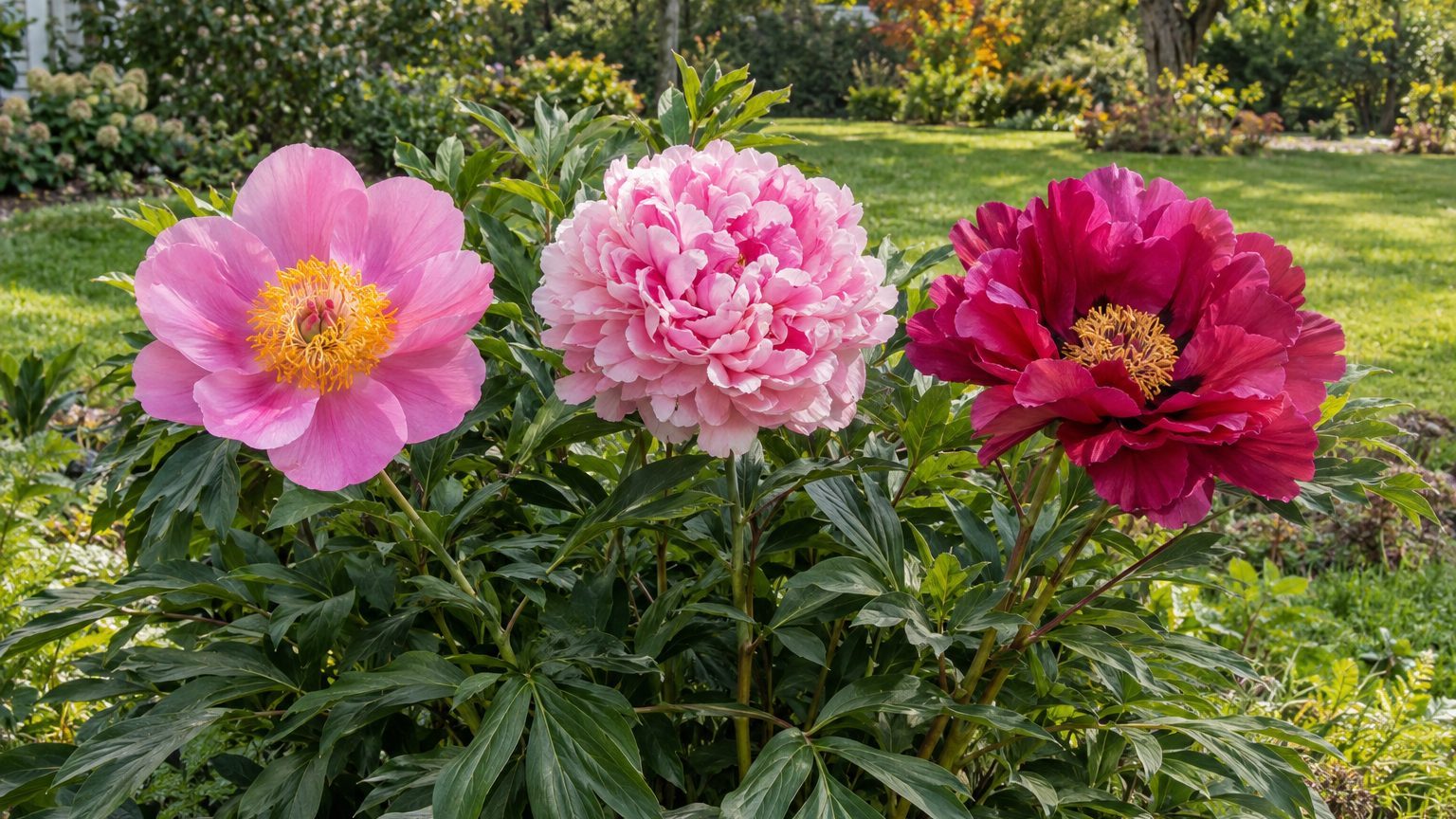
A peony in full bloom is one of spring’s showpieces, but in Oklahoma many gardeners watch healthy plants leaf out and never flower. Winters here often fall short of the cold rest peonies need to set buds. Choosing the right kind, and the right spot in the state, decides whether you get blooms or only foliage.
Best Peonies to Grow in Oklahoma

Early-blooming cultivars of herbaceous peonies are worth trying because Oklahoma’s climate is on the mild side for the plant. Peonies need a cold winter rest to flower, so they do best where winters are cold and may flower poorly where winters are mild. Across the warmer South, gardeners lean on early bloomers for that reason.
Early-Blooming Cultivars

Early bloomers open before hot weather sets in, which matters in a state where spring warms fast. Look for the word early on the plant tag or in the catalog description. Give them a spot in full sun with good drainage so they can finish their show before the heat arrives.
Early Bloomers for Botrytis Trouble

Botrytis blight, a gray mold that blackens buds and stems, thrives in warm, damp spring weather. Early-blooming cultivars are less prone to it than later ones, since they bloom ahead of the muggy stretch. If your yard holds moisture, choose early types and give each plant room so air moves through the clump.
Herbaceous Peonies in Zone 6a Gardens
Oklahoma spans USDA hardiness zones 6a to 8a, but that range describes extreme winter lows rather than the length of the cold rest peonies need. Peonies need a sustained cold winter rest to flower well. Where winters fall short of that, expect fewer flowers and plan on early bloomers.
Oklahoma — the year and the numbers
- State
- Oklahoma
- USDA zones
- 6a-8a
- Last spring frost
- March 28 to April 10
- First fall frost
- October 29 to November 8
- Annual rain
- 36 in
- Lawn zone
- transition-season
- Source
- NOAA NCEI U.S. Climate Normals 1991-2020, 32F freeze probabilities · Oklahoma City
How to Choose a Peony for an Oklahoma Garden
Start with the winter your yard actually gets. A peony that needs more cold than your garden delivers will grow leaves and skip the flowers, no matter how well you tend it.
Then think about spring heat and humidity, which decide how long blooms last and how much disease you fight. The table pairs common Oklahoma situations with the type that fits.
| Your situation | What suits it in Oklahoma | Why |
|---|---|---|
| Mild winters in the southern part of the state | Early-blooming herbaceous cultivars | Peonies need winter chilling to bloom, and many fall short in the lower South |
| Hot weather arriving soon after spring warms up | Early-blooming cultivars | They open before the heat sets in |
| Damp, humid springs | Early-blooming cultivars | They are less prone to botrytis blight |
| Colder winters in the north and west | Herbaceous peonies | Check how reliably cold the site stays through winter |
Small spaces and busy schedules follow the same logic as anywhere. Whatever the size of your bed, the chilling need comes first, and bloom time comes right after it.
Which Peonies Suit Different Parts of Oklahoma
Winter cold is the dividing line inside the state, and it eases as you travel south and east. That shifts how much you can lean on any single peony type.
- The Panhandle: Colder winters can give herbaceous peonies more of the winter rest they need.
- Oklahoma City and central Oklahoma: Winters are milder, so early-blooming cultivars are the safer pick, and they also escape the heat that follows spring.
- Red River country along the Texas border: Mild winters can fall short of the chill peonies need, making flowering less certain.
Your own yard may run colder or warmer than its region, so a low spot or an open, windy site can change the picture.
Peony Buying Mistakes to Avoid in Oklahoma
Choosing a Late Bloomer
A late-blooming cultivar may open as heat and humidity arrive, which can shorten the show and increase the risk of botrytis. That can leave buds damaged and the display short-lived. Pick early-blooming types instead and check the bloom time on the label before you buy.
Planting Too Deep
A peony set too deep may bloom poorly or not come up at all. Keep the eyes, the pink or red buds on the root, near the soil surface when you plant. Anyone who already has a nonblooming plant should check this first, and lifting and resetting the clump at the right depth is the fix.
Ignoring Your Winter Cold
Buying whatever looks pretty ignores the one thing peonies demand, a cold winter rest. A plant in a warm pocket of the state can stay green without flowering. Match the plant to your corner of Oklahoma, and lean toward early bloomers, especially in the south.
Where to Get Peony Advice in Oklahoma
Local growers and educators know which cultivars have performed in your area. Oklahoma State University Extension is the state’s source for tested garden advice, and your county office can speak to conditions near you.
- The extension website carries fact sheets on flowers and perennials, useful before you order plants.
- Your county extension office can help you compare peony types before you buy.
- Ask the county office how your yard’s sun and drainage should shape the planting spot.
Common Questions
Will a New Peony Bloom the First Spring?
A newly planted or transplanted peony may not bloom its first spring. Give it time to settle in before judging it.
Do You Cut Back Peonies in Oklahoma?
A herbaceous peony dies back each year, and you cut it back after frost. A tree peony keeps its woody stems and is never cut back.
When Is the Last Frost for Peonies in Oklahoma City?
Around Oklahoma City, the last spring freeze usually falls between March 28 and April 10. Suburban and rural gardens often see it a week or two later, so check with your county extension office for your own area.