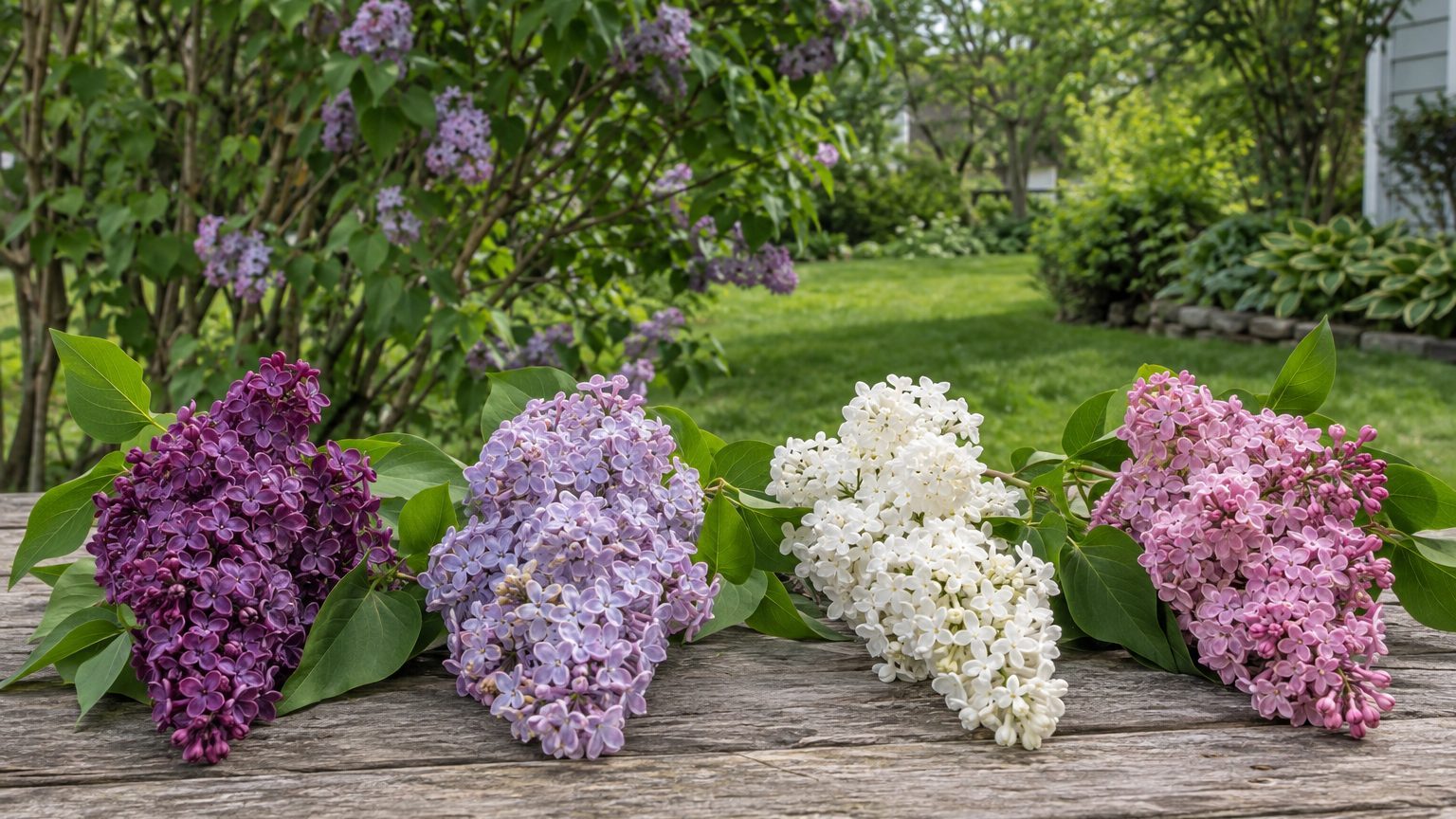
Where winters stay mild, common lilacs may bloom poorly or not at all because their buds need a cold rest. Oklahoma summers can also bring the heat and humidity common lilacs dislike. Southern lilacs, warm-climate hybrids and a lookalike shrub fit better, and the right pick depends on where you garden.
Best Lilacs to Grow in Oklahoma

Oklahoma sits in USDA zones 6a to 8a, which is cold enough for lilacs to survive but often too mild and too hot and humid for the classic common lilac to flower well. The plants that earn a spot here are Southern lilacs, Descanso hybrids, early-flowering types and lilac vitex.
Southern Lilacs

Look for plants labeled Southern lilacs or lilacs for the South. They are early-blooming types that usually grow and flower in warm climates, though they are less fragrant than the old northern favorites. For most Oklahoma yards, this label is the safest starting point at the garden center.
Descanso Hybrids

Some Descanso hybrids were bred for mild winters, which makes them worth trying where the chill is short. The white ‘Angel White’, the blue ‘Blue Boy’ and the pink ‘California Rose’ offer a choice of flower colors for a trial planting. Give them a trial spot rather than a whole hedge.
Early Flowering Lilac
Syringa × hyacinthiflora is commonly called the early flowering lilac, and it opens its blooms ahead of the common lilac. Early flowers tend to finish before the worst heat arrives, which suits a state with a quick spring. It is a sensible choice if you want the real lilac look.
Lilac Vitex
Lilac vitex, also called lilac chaste tree, is not a true lilac. It was recommended for warm southern gardens as a plant that mimics the lilacs of the north. It grows best in full sun and in a spot that drains well, and it accepts both acid and alkaline soils.
Common Lilac
Syringa vulgaris is the familiar common lilac, and it may still bloom in colder parts of the state. Cultivars sold as heat tolerant often do not thrive in the South as well as they do in northern climates. Hot, humid stretches also invite powdery mildew, so plant it only where winters bite.
Oklahoma — the year and the numbers
- State
- Oklahoma
- USDA zones
- 6a-8a
- Last spring frost
- March 28 to April 10
- First fall frost
- October 29 to November 8
- Annual rain
- 36 in
- Lawn zone
- transition-season
- Source
- NOAA NCEI U.S. Climate Normals 1991-2020, 32F freeze probabilities · Oklahoma City
How to Choose a Lilac for an Oklahoma Garden
Start with the winter you actually get and the summer you have to live through. A lilac needs cold to set its buds, and heat and humidity work against it, so the match depends on which of those problems your yard has.
Light, drainage and the time you want to spend matter too. The table pairs common situations with the plant that suits them.
| Your situation | What suits it in Oklahoma | Why |
|---|---|---|
| Hot, humid summers | Southern lilacs or lilac vitex | Common lilacs struggle in high heat and humidity, which invites powdery mildew |
| Short, mild winters | Descanso hybrids | They were bred for a mild climate and need little chilling to bloom |
| Acid or alkaline soil | Lilac vitex | It needs full sun and good drainage and tolerates acid or alkaline soil |
| Early flowers before the heat | Early flowering lilac | Syringa × hyacinthiflora opens ahead of the common lilac |
| A chance at the true lilac look | Southern lilacs | They usually grow and bloom, with less fragrance than northern types |
Even the low chill cultivars perform best after an extended, cold winter rest. Plant them where cold air settles rather than against a sun-baked south wall.
Which Lilacs Suit Different Parts of Oklahoma
Winter cold is the dividing line, since the state runs from USDA hardiness zones 6a to 8a. The colder your winter, the more a true lilac makes sense.
- The Panhandle: This is the cold end of the range, where winters give lilacs the rest they want. Common lilacs and early flowering types have their best odds here.
- Red River country: Winters are mild in the south, so lean on Descanso hybrids, Southern lilacs or lilac vitex. Expect common lilacs to flower sparsely.
- Eastern Oklahoma: Humid summers make powdery mildew a real risk on common lilacs. Choose Southern types and give plants open air around them.
Check your own county’s winter before buying, since your yard may sit toward either end of the range.
Lilac Buying Mistakes to Avoid in Oklahoma
Choosing a Northern Favorite
A lilac that thrives in colder climates may leaf out here and never flower, because its buds did not get the cold rest they need. You pay for a shrub and may get foliage but no flowers. Choose a Southern lilac or a Descanso hybrid, and save the common lilac for the cooler parts of the state.
Trusting a Heat Tolerant Label
Plenty of common lilac cultivars are sold with a heat tolerance claim, and many still struggle in southern summers. The cost is a plant that wilts, mildews and fades. Look for the Southern lilac label instead, and consider lilac vitex if you want a warm-climate lookalike.
Pruning After Summer
A lilac blooms on last year’s wood and sets next year’s flower buds in summer, soon after it flowers. Prune right after the flowers fade. Cutting in late summer, fall or winter removes the next spring’s flowers, and you lose a whole season of bloom.
Where to Get Lilac Advice in Oklahoma
Oklahoma State University Extension publishes garden guidance written for the state’s soils and climate. Your county extension office can speak to local conditions.
- The state extension site has plant guides and care sheets you can read before you shop.
- Your county extension office can tell you which lilacs have done well nearby, so call before planting day.
- Local master gardener volunteers often answer questions at spring plant sales, which is a good time to ask about Southern lilacs.
Common Questions
Are Southern Lilacs Fragrant?
They are usually less fragrant than the northern lilacs you may remember. In exchange, they grow and bloom more dependably in a warm climate.
Can Lilac Vitex Grow in Any Oklahoma Soil?
It adapts to both acid and alkaline soils. What it needs is full sun and a spot that drains well, so avoid low areas where water stands.
Why Do Lilac Leaves Turn White and Powdery?
A white coating on the leaves that shows up during hot, humid weather points to powdery mildew. Common lilacs are prone to it in warm climates, so give the plant better air flow and consider a Southern type next time.