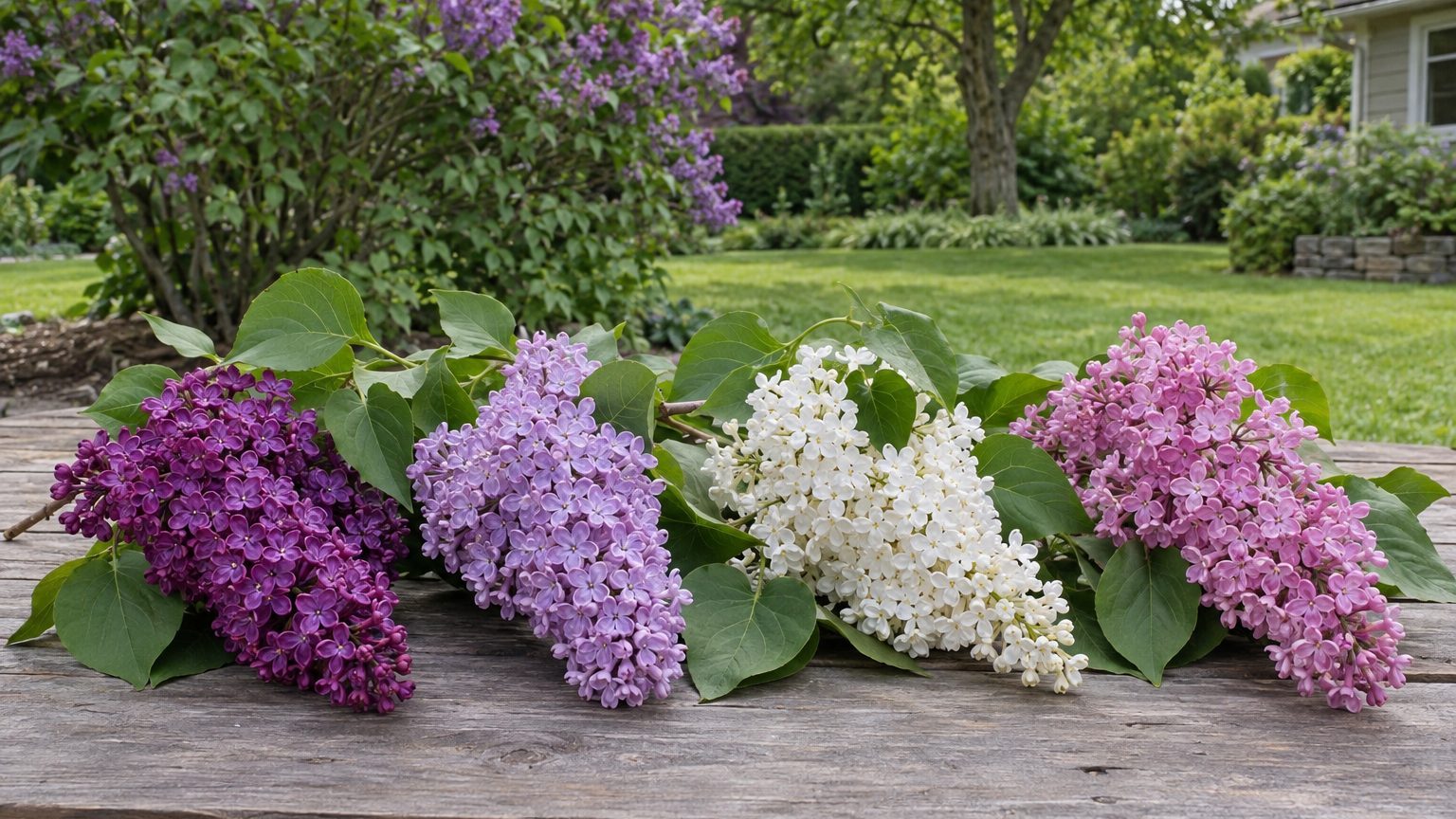
Lilacs bloom on bare, cold-hardened branches in spring, and that rhythm is what Georgia gardeners have to work around. Many Georgia winters do not give the long cold rest a common lilac wants.
Best Lilacs to Grow in Georgia

Common lilacs often struggle in Georgia’s milder, hotter and more humid areas. Lilacs need a cold winter rest to mature their flower buds, so the ones that tend to work are the early-blooming Southern lilacs, warm-climate hybrids, and heat-tolerant, mildew-resistant selections.
Southern Lilacs

Look for plants labeled Southern lilacs or lilacs for the South. They usually grow and bloom where common lilacs sulk, and they flower early. They are not as fragrant as the lilacs you may remember from colder places, so set your expectations before you buy.
Descanso Hybrids

These hybrids were bred in a warm-winter region and are worth trying in a mild climate. Named examples include the white ‘Angel White’, the blue ‘Blue Boy’ and the pink ‘California Rose’. Their warm-winter origin makes them candidates for a mild site.
Even low-chill cultivars perform best with an extended cold winter rest. Plant them where winter cold settles in, such as an open spot away from a warm south wall.
Superba
The cultivar ‘Superba’ is heat tolerant and mildew resistant, with dark pink, single flowers. That pairing matters in Georgia. Common lilacs can struggle in high heat and humidity, which can lead to powdery mildew.
Meyer Lilac
Syringa meyeri, the Meyer lilac, is slow growing, with dense foliage and a broadly rounded shape. That compact habit suits a front-yard bed where a tall, leggy shrub would crowd the walkway.
Littleleaf Lilac
Syringa microphylla is called the littleleaf lilac. Syringa microphylla is called the littleleaf lilac.
Georgia — the year and the numbers
- State
- Georgia
- USDA zones
- 6a-9b
- Last spring frost
- March 11 to March 29
- First fall frost
- November 13 to December 1
- Annual rain
- 50 in
- Lawn zone
- transition-season
- Source
- NOAA NCEI 1991-2020 Climate Normals, 32F freeze probabilities · Atlanta
How to Choose a Lilac for a Georgia Garden
Start with what your summers and winters actually do in your yard. A lilac that thrives in a cold-winter state may sulk through a humid Georgia summer, while a Southern type can bloom with less chilling.
Georgia spans USDA zones 6a-9b, so a yard in the mountains and one near the coast call for different expectations.
| Your situation | What suits it in Georgia | Why |
|---|---|---|
| Hot, humid summers | ‘Superba’ | Heat tolerant and mildew resistant |
| Mild winters | Southern lilacs | Early bloomers that grow and flower with less cold |
| Warm spot, little chilling | Descanso hybrids such as ‘Blue Boy’ | Bred for a warm-winter climate |
| Small space | Meyer lilac | Slow growing with a dense, rounded shape |
| Need for cold | Low-chill cultivars in the coolest spot you have | Even these do best with an extended cold winter rest |
In the colder, higher parts of North Georgia, more lilacs may be realistic. Even there, the rule that a lilac blooms on last year’s wood still applies. Prune right after the flowers fade, because the next buds form soon afterward and later cuts remove them.
Which Lilacs Suit Different Parts of Georgia
Winter cold is what a lilac is after, so the parts of Georgia that get more of it give you more choices.
- North Georgia mountains: Cold arrives here weeks earlier in fall than farther south. A low-chill cultivar or heat-tolerant selection has a better chance of blooming well here.
- Atlanta: Atlanta’s airport is an urban heat island, so nearby winter conditions can be milder than in the surrounding countryside. Stick with Southern lilacs, warm-climate hybrids and ‘Superba’.
- Coastal plain: Winters run milder here, which is the hardest setting for lilacs. Expect sparse flowering, and treat any lilac as an experiment rather than a centerpiece.
Lilac Buying Mistakes to Avoid in Georgia
Buying a Standard Common Lilac
Plenty of common lilac cultivars on the market claim heat tolerance, but they often do not thrive in warm, humid climates the way they do farther north. The result can be a shrub that struggles in summer, develops powdery mildew and flowers poorly.
Choose a Southern lilac or a selection known for heat and mildew tolerance instead.
Ignoring Chilling Needs
Some varieties need more winter cold than Georgia gives, and the plant simply will not set its flower buds well. You may end up with a shrub that flowers poorly or not at all.
Check the label for low-chill or Southern wording, and choose a cooler corner of the yard over a spot sheltered against a warm wall.
Skipping the Adult Size
A small pot hides a big shrub. A common lilac can become a large shrub where it is happy.
That same plant can spread wide enough to swallow a foundation bed. If space is tight, a slow-growing Meyer lilac with its dense, rounded shape is the more practical pick.
Where to Get Lilac Advice in Georgia
Local conditions vary from the mountains to the coast, so a nearby expert can tell you more than any general rule. University of Georgia Extension offers local gardening advice.
- The extension website has plant and pest information you can read any time of year, before you buy a shrub.
- Your county extension office can discuss local soil, climate and lilac performance.
- Take a photo of any leaf with powdery white coating and ask the office what they have seen locally.
Common Questions
Are Southern Lilacs as Fragrant as Common Lilacs?
Not quite. They usually grow and bloom well in warmer climates, but their scent is milder than the lilacs people remember from colder regions.
What USDA Zone Is Georgia for Lilacs?
Georgia runs from zone 6a-9b in the USDA system. Winter minimums are not the whole story for lilacs, since hot, humid summers and limited chilling also decide how well one performs, so your own part of the state matters.
Do Low-Chill Lilacs Still Need a Cold Winter?
Yes. Low-chill cultivars have been developed, but they perform best with an extended cold winter rest, so a cooler site in your yard helps.