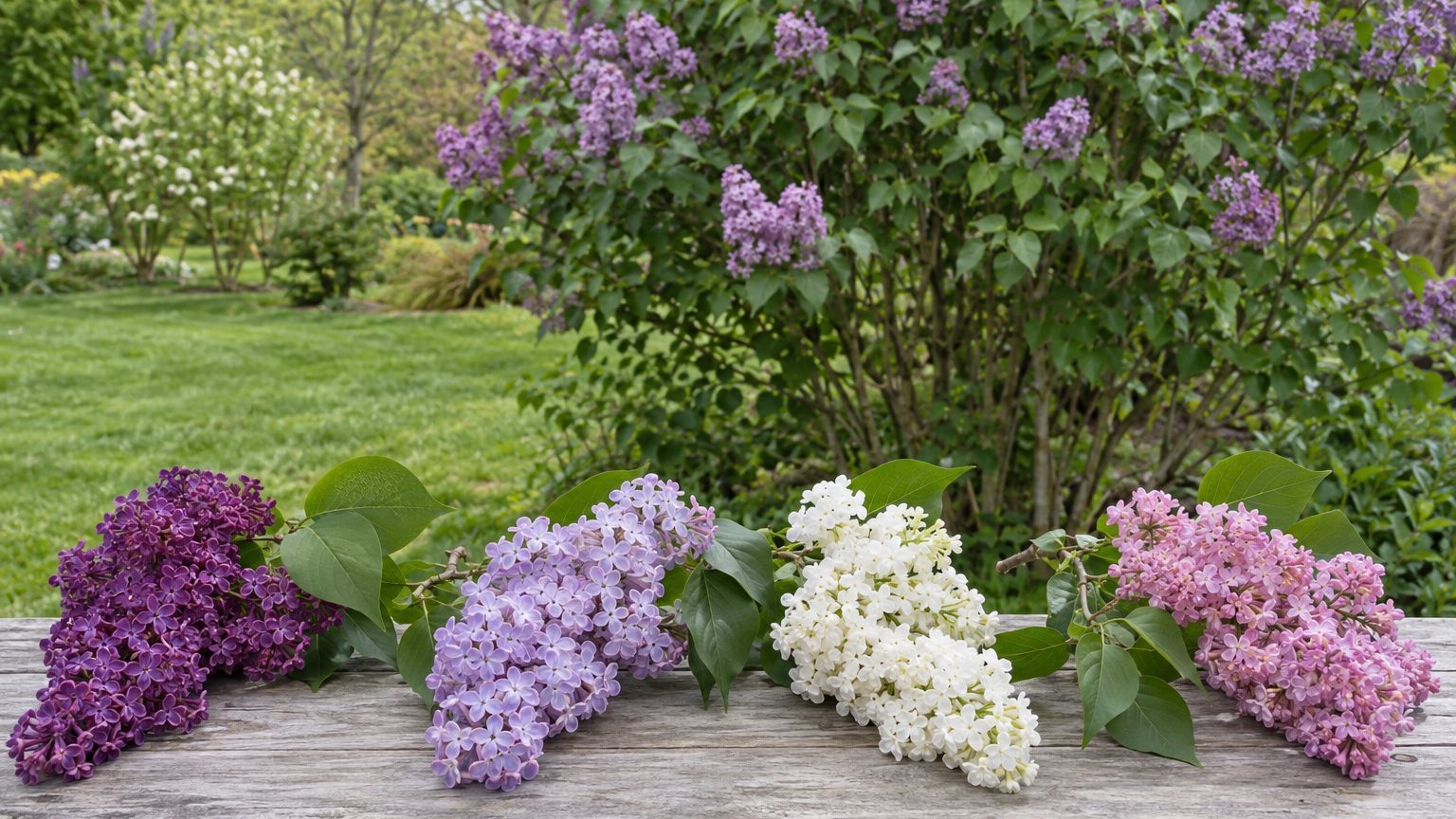
Every May, a lilac in bloom turns a front yard into the one everybody slows down for. In British Columbia the choice of shrub matters more than usual, because the province runs from mild coast to cold interior. Compact, mildew-resistant and classic fragrant lilacs all have a place here, depending on where you garden and how much room you have.
Best Lilacs to Grow in British Columbia

French lilacs, the dwarf Korean lilac and the Bloomerang series give gardeners a useful range of choices. The coast is a mild-winter place (Vancouver sits in Canadian hardiness zone 9a, a system that does not convert to a USDA zone), and lilacs want a cold winter rest to ripen their flower buds. Humid summer weather is what they like least, so compact and mildew-resistant types earn their spot.
French Lilacs

These are selections of the common lilac, Syringa vulgaris, and they are the best known of the group. Hundreds of cultivars exist, in many colours and floret shapes, so you can pick the fragrance and look you want. They are the classic choice for a spot with real winter cold.
Sensation
Sensation is a French lilac with purple flowers edged with white, which makes it easy to spot in a garden centre and easy to tell from a plain purple one. It suits a gardener who wants a bicolour bloom rather than a solid colour. Plant it where it gets cold winters and airy summers.
Dwarf Korean Lilac
Syringa meyeri, also called the little-leaf lilac, usually reaches about 1.5 m (5 ft.) tall and just as wide. Occasionally it grows to as much as 2.4 m (8 ft.). It is a profuse bloomer with small violet flowers, and its compact shape makes it a good fit for smaller front yards.
Bloomerang Series
The Bloomerang series is described as powdery mildew resistant and reblooming. That matters in a province where damp spells can leave leaves coated in white. If humid summers are your worry, this series is worth considering.
British Columbia — the year and the numbers
- State
- British Columbia
- Hardiness zones
- 9a
- Last spring frost
- March 18
- First fall frost
- November 10
- Annual rain
- 47 in
- Lawn zone
- transition-season
- Source
- Environment and Climate Change Canada — Canadian Climate Normals 1981-2010, station VANCOUVER INT'L A · Vancouver
How to Choose a Lilac for a British Columbia Garden
Start with the weather your yard actually gives a lilac, then with the space you can spare. A lilac that matches your climate and available space has a better chance to bloom without crowding its site.
Lilacs do best where winters are cold and struggle in hot, humid summers, so winter cold, summer humidity and mature size should guide the choice.
| Your situation | What suits it in British Columbia | Why |
|---|---|---|
| Very cold winter | French lilacs | Lilacs need a cold rest to mature their flower buds, and these are the common lilac selections |
| Hot, humid summer | Bloomerang series | It resists powdery mildew, the problem damp air invites |
| Small space | Dwarf Korean lilac | It stays compact, usually about 1.5 m (5 ft.) wide |
| Want a bicolour flower | Sensation | Purple blooms edged with white |
If your garden is on the mild coast, where winter cold is limited, a local garden centre can tell you which cultivars flower well in your neighbourhood. Bloom and pruning dates follow the nearest comparable climate, so confirm local timing with a garden centre, a garden society or one of the provincial gardening groups.
Which Lilacs Suit Different Parts of British Columbia
Winter cold is what a lilac needs, so the choice shifts with how much of it your part of the province gets.
- Lower Mainland: Winters are mild, so consider the mildew-resistant Bloomerang series for damp summer weather or the compact dwarf Korean lilac for a tight lot.
- Okanagan: Winters run colder than on the coast, which gives French lilacs the rest they want to set flower buds, so the classic fragrant types are a natural fit.
- Peace River country: Spring arrives later than on the coast, so let the flowers themselves set the schedule and prune as soon as they fade.
Northern and upland districts run behind the coast in spring, so give them extra time before judging how a young lilac is doing.
Lilac Buying Mistakes to Avoid in British Columbia
Expecting Cold Your Garden Lacks
A lilac that does not get enough winter rest produces few flowers, and a beautiful shrub with no blooms is a disappointing purchase. On the mild coast, check with a local garden centre which cultivars bloom well nearby before you buy.
Skipping Mature Size
A pot gives no hint of the adult plant. The dwarf Korean lilac usually reaches about 1.5 m (5 ft.) tall and wide but can climb to 2.4 m (8 ft.), so leave room for the upper figure along a walk or under a window. Read the tag, and ask for the adult size of any cultivar.
Pruning After Summer Starts
A lilac sets next year’s flower buds in summer, soon after it flowers. Pruning in winter or in July removes those buds and costs you the following spring’s blooms. In British Columbia, lilacs usually bloom in May, with April or June possible in some years. Prune in June, right after the flowers fade, and May also works when bloom comes early.
Where to Get Lilac Advice in British Columbia
British Columbia has no local extension page on lilac timing, so advice comes from the province and from people who garden locally. The British Columbia Agriculture and Seafood pages are the provincial starting point.
- A local garden centre can tell you which lilac cultivars have bloomed well in your neighbourhood, and spring is the time to ask.
- Garden societies and master gardener groups can confirm local bloom and pruning timing when you visit a meeting or open garden.
- Bring a photo of your planting spot, so the advice fits your sun and space before you buy.
Common Questions
When Do Lilacs Bloom in British Columbia?
May is the usual month, and April or June can also bring flowers depending on the year and your district. That timing is why pruning follows quickly after the blooms fade.
What Colours Do Lilacs Come In?
Named cultivars range through lilac, purple, white, pink and a reddish hue. Some, like Sensation, combine purple petals with white edges.
When Is the Last Spring Frost in Vancouver?
In Vancouver, on average it falls on March 18, but in one year out of two the frost arrives later than that. Treat the date as the middle of a window, not a safe day, and expect upland and northern districts to run behind it.