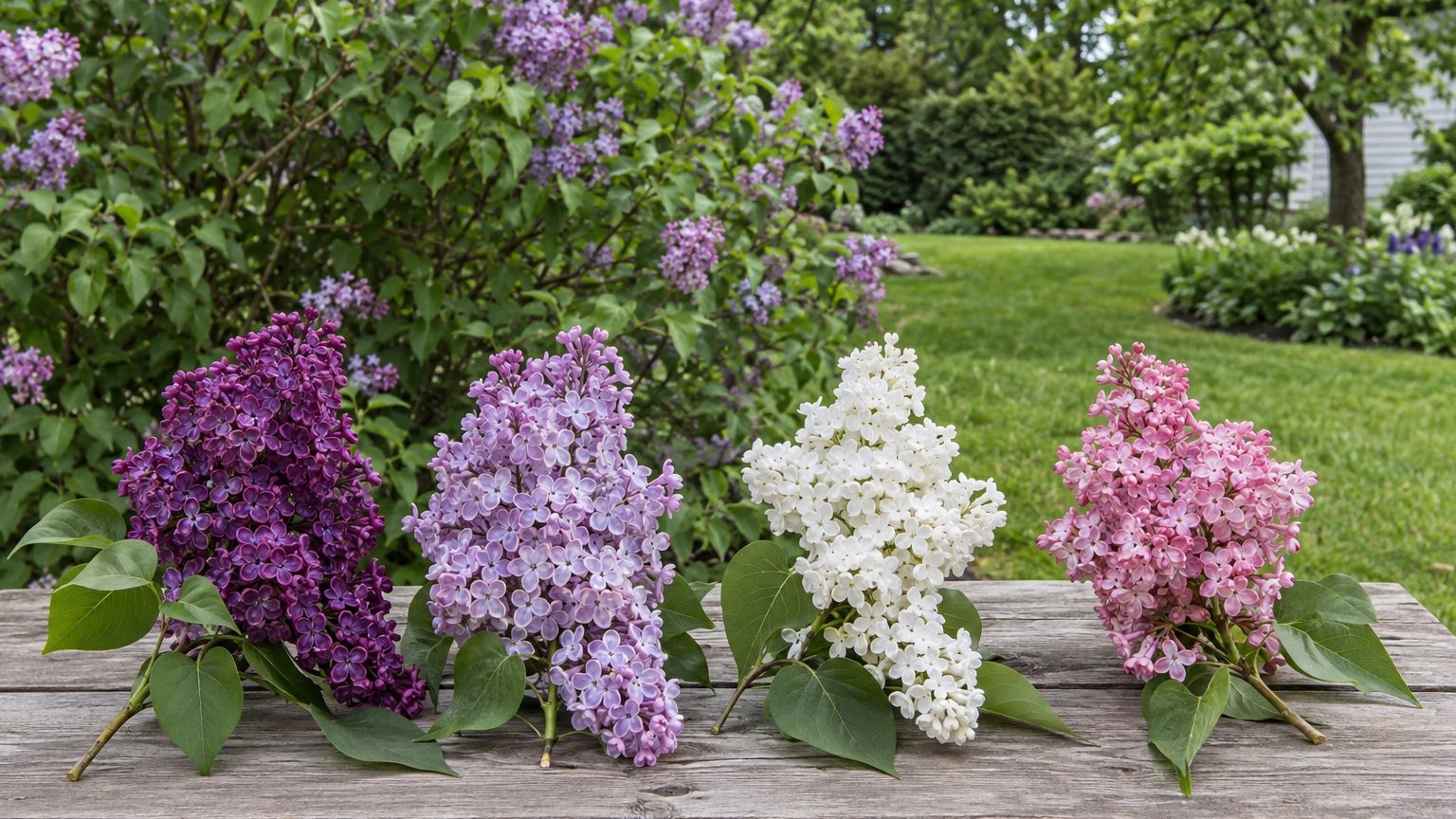
A lilac in full bloom, heavy with scent, is one of spring’s great pleasures, and Alabama gardeners often want one by the porch. The state’s mild winters make that harder than it looks. Lilacs bred for cold country sulk here, but a few kinds handle the warmth and the humidity well enough to be worth planting.
Best Lilacs to Grow in Alabama

Alabama is too mild and too humid for the classic common lilac to do its best. Lilacs need a cold winter rest to mature their flower buds, and they struggle through hot, humid summers. Across USDA zones 7a to 9a, the better bets are early-blooming types sold as Southern lilacs, the Descanso hybrids, the heat-tolerant cultivar Superba, and the Meyer lilac.
Southern Lilacs

Look for plants labeled Southern lilacs or lilacs for the South. They are early blooming, and they usually grow and flower where the common lilac gives up.
Expect less fragrance than the old-fashioned lilacs of cold regions. Even these low-chill selections flower best after an extended cold rest, so a mild winter can still thin the display.
Descanso Hybrids

Some Descanso hybrids are worth trying in Alabama’s warm climate. Named examples include the white Angel White, the blue Blue Boy and the pink California Rose.
Treat them as worth trying rather than guaranteed. They may have a better chance than a common lilac in an Alabama summer.
Superba
Superba is a cultivar described as heat tolerant and mildew resistant, with dark pink, single flowers. Heat tolerance and mildew resistance matter in Alabama, where muggy air invites powdery mildew on common lilacs.
Plant it where air moves freely around the leaves, which helps a mildew-resistant plant stay clean.
Meyer Lilac
Syringa meyeri, the Meyer lilac, is slow growing, with dense foliage and a broadly rounded shape. That tidy habit makes it easier to place near a walk or a foundation than a sprawling old lilac.
Dense leaves look good even when the bloom is modest, which counts for something in a state with little winter cold.
Alabama — the year and the numbers
- State
- Alabama
- USDA zones
- 7a-9a
- Last spring frost
- March 19 to April 3
- First fall frost
- November 2 to November 16
- Annual rain
- 54 in
- Lawn zone
- warm-season
- Source
- NOAA NCEI 1991-2020 Climate Normals, 32F freeze probabilities · Huntsville
How to Choose a Lilac for an Alabama Garden
Match the plant to the problem your yard presents. Heat, humidity and a mild winter each point to a different type.
Where a plant already struggles with mildew, choose resistance first. Where winters barely chill the buds, choose a lilac sold for the South.
| Your situation | What suits it in Alabama | Why |
|---|---|---|
| Hot, humid summers | Superba | Heat tolerant and mildew resistant |
| Mild winters with little chill | Southern lilacs | Early blooming, and they usually grow and flower in the South |
| Want a white, blue or pink flower | Angel White, Blue Boy, California Rose | Descanso hybrids developed for a warm climate |
| Want a tidy, rounded shrub | Meyer lilac | Slow growing with dense foliage |
The Littleleaf lilac, Syringa microphylla, is another species worth asking a local nursery about, though little is established about how it behaves in Alabama heat.
Which Lilacs Suit Different Parts of Alabama
Alabama stretches from cooler hills to a warm, damp coast, and the lilac you pick should lean the same way.
- North Alabama: This is where a lilac is more likely to get the cold rest it needs. Southern lilacs and Superba are worth trying.
- Central Alabama: Summer heat and humidity build, so mildew resistance becomes the priority, which favors Superba.
- Gulf Coast: Winters are mild and the air is damp. A lilac may leaf out but bloom poorly, so keep expectations modest and stay with Southern types.
Your own county may differ from these general patterns, especially on higher ground.
Lilac Buying Mistakes to Avoid in Alabama
Choosing a Common Lilac
Plenty of cultivars of Syringa vulgaris are sold with heat-tolerance claims, yet they often do not thrive in a warm Southern climate. Powdery mildew follows the humidity.
The fix is to start with a plant labeled for the South or a named heat-tolerant selection such as Superba.
Expecting Low Chill to Mean No Chill
Some low-chill cultivars exist, but even these perform best with an extended, cold winter rest. A plant that leafs out yet never flowers is often short on cold.
Buying a Southern-labeled lilac and placing it where winter air settles, away from warm walls, gives the buds a cooler resting place.
Ignoring Adult Size
A common lilac grows 10 to 15 feet tall with a spread of 6 to 12 feet, which is far bigger than the pot suggests. Check the mature size on the tag before you choose a spot.
Prune right after the flowers fade, because next year’s buds form soon afterward; pruning in late summer, fall or winter removes the next spring’s flowers. Slower growers like the Meyer lilac need less cutting back.
Where to Get Lilac Advice in Alabama
Local advice matters for lilacs because success depends on how much winter chill your exact spot gets.
- The Alabama Cooperative Extension System publishes plant guides and answers questions on shrubs for the state’s climate.
- Your county extension office can tell you which lilacs have bloomed in nearby yards, so call before you buy.
- Bring a leaf sample with powdery coating to the county office as soon as you spot it, and ask about the nearest nursery that carries Southern lilacs.
Common Questions
When Do Lilacs Bloom in Alabama?
Where winters stay mild, lilacs bloom poorly or not at all, because the buds need a cold rest. When they do flower, the show follows the local spring, and early-blooming Southern types open first.
Do Southern Lilacs Smell Like Common Lilacs?
They are usually less fragrant than the lilacs people remember from colder places. Their value is that they grow and bloom in warmth.
Is a Meyer Lilac a Good Choice for a Small Yard?
Its slow growth and dense, rounded form make it easier to manage than a common lilac, which can reach 10 to 15 feet. Still, check the tag for the size of the plant you buy.