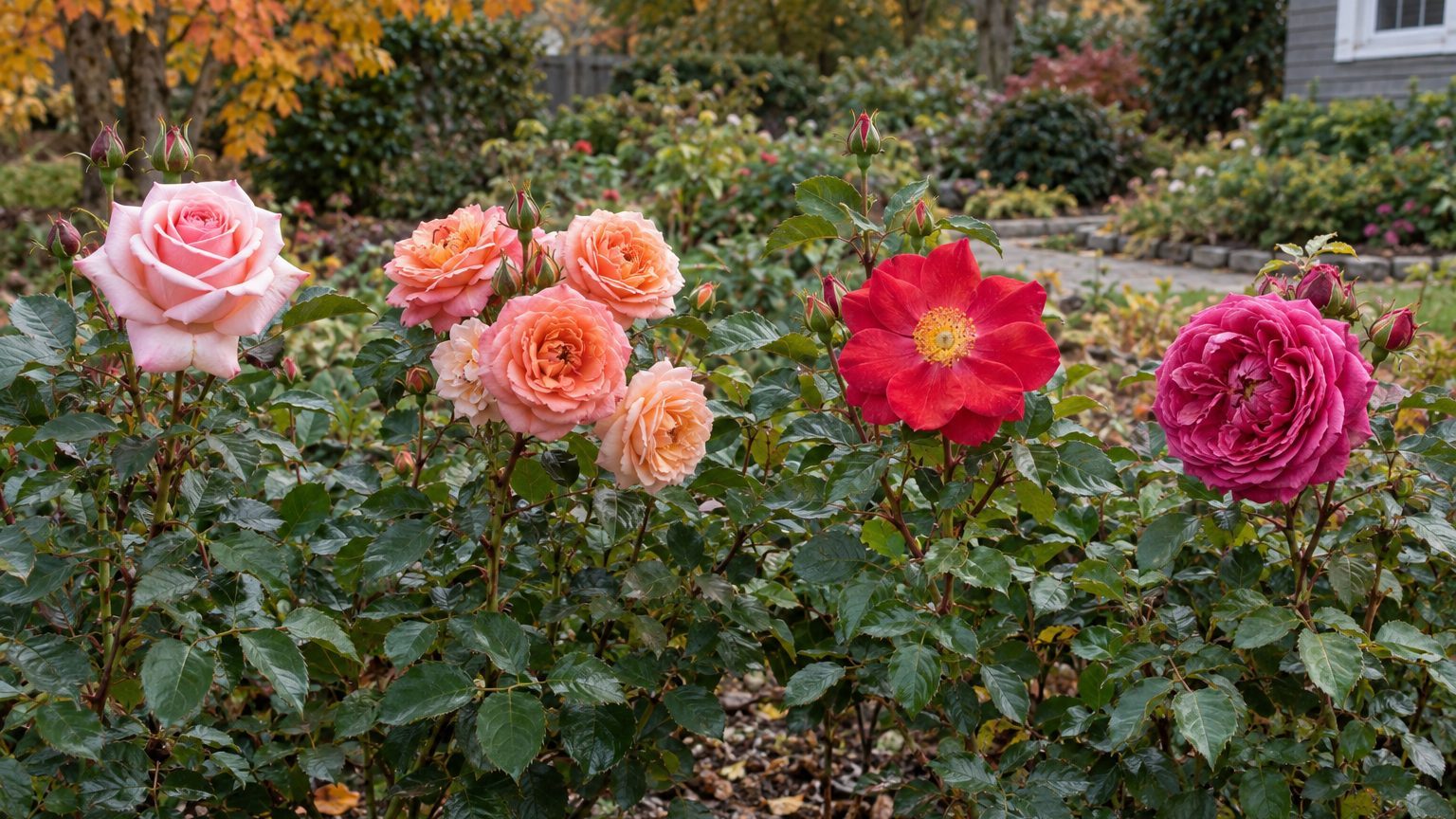
A rose that does well in Tennessee resists summer leaf disease and handles cold weather. Rugosa roses, Explorer roses and old garden roses fit that description. Hybrid teas can still earn a spot, though they ask for more attention through winter.
Best Roses to Grow in Tennessee

Tennessee runs from zone 5b to zone 8a in the USDA hardiness system, so cold tolerance matters more in the east and on the plateau than in the middle of the state. Tough, disease-resistant shrub roses suit the humid summers. Tender types do well only with care.
Rugosa Roses
Rugosa is a hardy, multi-stemmed, disease-resistant shrub that also tolerates drought, which helps through a dry spell in July. It likes full sun and moist, well-drained soil, and it copes with poor soil. Many cultivars have single, semi-double or double flowers with fewer prickles than the species.
Explorer Roses
The Explorer group was bred to be hardy, disease-resistant and repeat blooming, which suits a humid summer and a cold snap. Most are shrubs. ‘Louis Jolliet’ is a climber, and ‘Charles Albanel’ works as a groundcover. Plant bare-root ones in March or April, or in February if the ground allows. Potted plants can go in later.
Old Garden Roses
Many old garden roses tolerate cold well, so they need little fuss in the colder parts of the state. Once-blooming old garden roses flower on last year’s wood, so prune them right after they bloom, never in early spring. They also do not need hard pruning, which can spoil their graceful shape and cut the flowering.
Hybrid Teas
Hybrid teas are grown for large, fragrant, solitary blooms, and they repeat bloom. They can suffer considerable damage in cold winters, so plant them in a spot that is more sheltered and warmer than the rest of your garden. Prune them in March, when the forsythia blooms and the buds swell. February and April also work if the season runs early or late.
Floribundas and Miniatures
Floribundas bear clusters of small flowers, and miniature roses carry small flowers on dwarf plants. Floribundas repeat bloom and take the same spring pruning as hybrid teas. Feed them from April through August, once the first leaves open. March feeding is fine if the plants leaf out early.
Ramblers and Climbers
Ramblers and many once-blooming climbers flower on old wood, while repeat-blooming climbers flower on new wood. Check which one you are buying before you prune. A once-blooming rambler needs cutting after its flowers fade, and a repeat-blooming climber follows the spring schedule.
Tennessee — the year and the numbers
- State
- Tennessee
- USDA zones
- 5b-8a
- Last spring frost
- March 31 to April 12
- First fall frost
- October 28 to November 8
- Annual rain
- 51 in
- Lawn zone
- transition-season
- Source
- NOAA NCEI 1991-2020 Climate Normals, 32F freeze probabilities · Nashville
How to Choose a Rose for a Tennessee Garden
Start with what bothers you most: winter, summer or the time you have. A rose that fits the problem will outperform a showier one that fights it.
If problems overlap in your garden, start with the problem that has caused the greatest losses.
| Your situation | What suits it in Tennessee | Why |
|---|---|---|
| Very cold winter | Old garden roses, Explorer roses | Old garden roses tolerate cold well, and Explorer roses were bred to be hardy. |
| Humid summer | Rugosa roses, Explorer roses | These groups are disease-resistant. |
| Heat and drought | Rugosa roses | The shrub tolerates drought and poor soil in full sun. |
| Little time | Old garden roses, rugosa roses | Old roses skip hard pruning, and rugosas resist disease. |
| Small space | Miniature roses | They carry small flowers on dwarf plants. |
Explorer roses stretch across jobs, since depending on the cultivar they work as a ground cover, on a trellis, as a hedge or as a specimen.
Which Roses Suit Different Parts of Tennessee
Spring runs cooler and later in the east and on the plateau than around Nashville, which changes how much risk you can take.
- Cumberland Plateau and East Tennessee: lean on old garden roses, Explorer roses and rugosas, which tolerate cold better. Wait for the buds to swell before pruning repeat bloomers, which may land in April instead of March.
- Nashville and Middle Tennessee: spring arrives sooner, but check local conditions before choosing a tender rose. Prune in March when the forsythia blooms, and plant bare-root roses in March.
Wherever you garden, the buds are a better guide than the calendar page.
Rose Buying Mistakes to Avoid in Tennessee
Choosing a Tender Type for a Cold Site
Hybrid teas can suffer considerable damage in cold winters, and the loss shows up as dead canes in spring. In the colder parts of the state, shift to Explorer roses or old garden roses and keep hybrid teas for sheltered corners.
Ignoring Disease in Humid Summers
A rose that needs frequent attention in wet weather turns into a chore by midsummer. Disease-resistant types like rugosas and Explorer roses save that work. Check the plant tag for resistance before you buy.
Pruning Old Roses Like Hybrid Teas
A heavy spring cut on an old garden rose can ruin its graceful shape and cut the flowering. Treat it gently and trim after bloom; hybrid teas and floribundas take their annual pruning in spring.
Where to Get Rose Advice in Tennessee
Local, tested guidance is available, and your county extension office can help with conditions in your garden.
- Check the University of Tennessee Extension pages for rose care and disease notes before you shop.
- Call your county extension office in late winter, ahead of planting, to ask which roses do well locally.
Common Questions
Can Potted Roses Be Planted Later than Bare-Root Roses?
Yes. Bare-root roses go in during March or April, while potted roses can go in later in the season.
When Should You Feed Roses in Tennessee?
Feed from April through August, starting when the first leaves open. March works when the plants leaf out early.
Can Roses Work as a Hedge or Ground Cover?
Some can. Depending on the cultivar, Explorer roses serve as a ground cover, hedge, trellis plant or specimen.