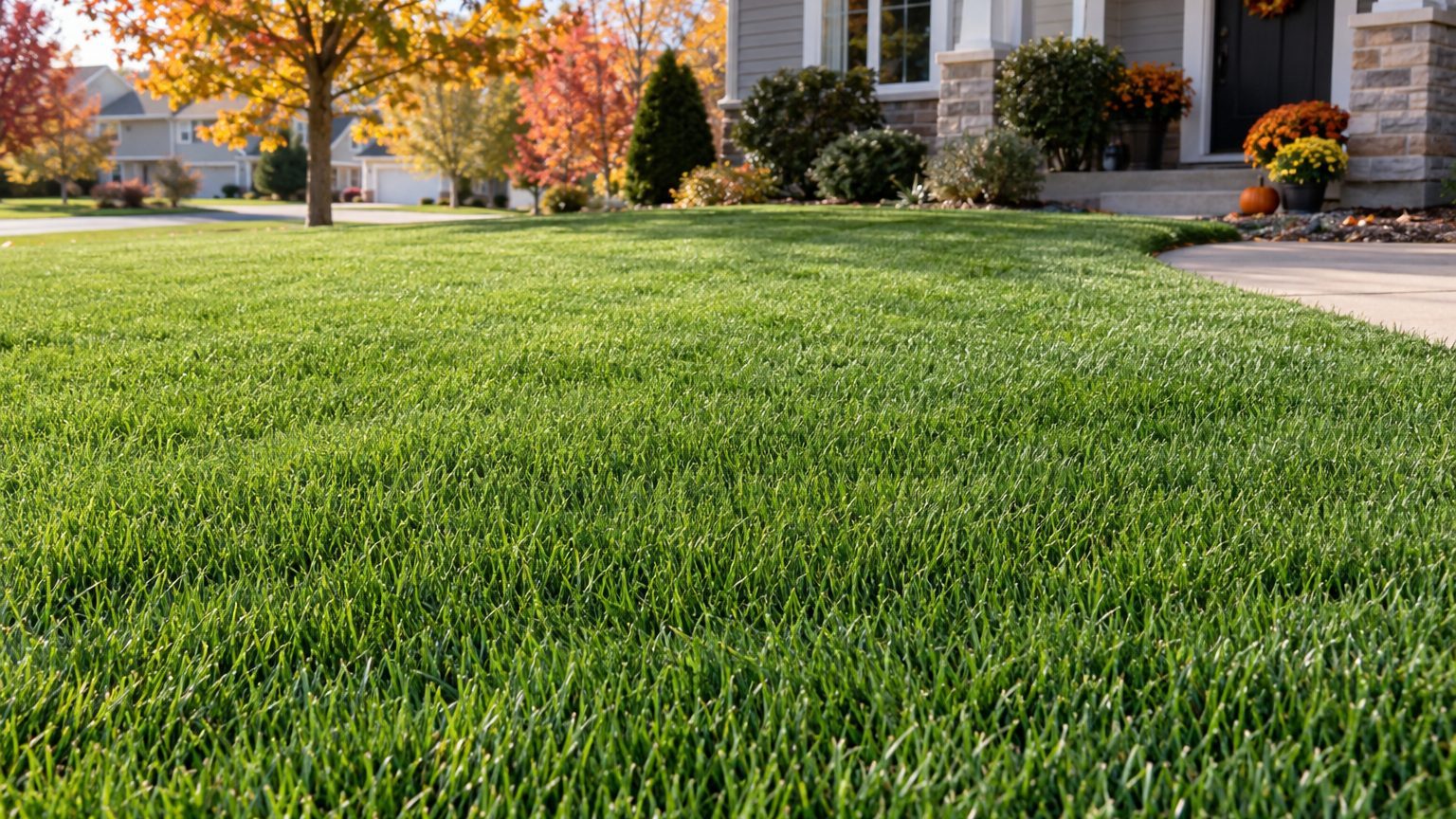
Iowa lawns green up in spring after a hard winter, push through a humid summer, and return to active growth as the nights cool in September. Cool-season grasses carry the state, and most of the work falls in spring and early fall.
Frost Dates and Growing Season in Iowa
Iowa sits in USDA hardiness zones 4b to 6a, so winters bite and lawn grass has to be tough. These dates apply to central Iowa around Des Moines; the season shifts slightly in northern and southern Iowa.
- In early spring in Des Moines, the last frost usually lands between April 12 and April 24, which means a freshly sown patch can still get nipped if it sprouts too soon.
- Once the soil warms, usually in April and May, grass wakes up and growth takes off, because roots and blades follow soil warmth more than the calendar.
- Through June, July and August, mowing continues and watering matters most, since summer heat slows cool-season grass.
- In late summer and September, seeding, aeration and fertilizing hit their stride, with air cooling and soil still warm enough for seed to root.
- By October and November, the first fall frost in Des Moines arrives between October 14 and October 25, which closes the window for young seedlings that have not yet toughened up.
Those frost dates are optimistic for central Iowa. County figures run roughly four days later in spring. In fall, they run roughly ten days earlier. Plan with a little cushion around those dates.
Iowa — the year and the numbers
- State
- Iowa
- USDA zones
- 4b-6a
- Last spring frost
- April 12 to April 24
- First fall frost
- October 14 to October 25
- Annual rain
- 37 in
- Lawn type
- cool-season
- Source
- NOAA NCEI 1991-2020 Climate Normals, 32F freeze probabilities · Des Moines
Cool-Season or Warm-Season Grass in Iowa?
Cool-season grass is the right choice here. Iowa winters are cold enough to injure warm-season turf, and the grasses that thrive in spring and fall are the ones that handle the winters well.
Summer heat and dry spells do slow them down, so they go semi-dormant when it gets dry. The grasses below are the lawn grasses of the region.
| Grass | How it does in Iowa | Why |
|---|---|---|
| Kentucky bluegrass | Cool-season, forms a dense turf | Spreads and fills in, handles cold winters |
| Tall fescue | Cool-season, stays green longer in summer | Deeper roots help it ride out dry stretches |
| Perennial ryegrass | Cool-season, sprouts quickly | Often mixed in to give fast cover |
| Fine fescues (creeping red, chewings, hard) | Cool-season, fine-bladed | Suits lighter, shadier spots in a mix |
Warm-season grasses are not the standard choice for an Iowa yard, and St. Augustinegrass is never sold as seed anyway. Most homeowners do well with a bluegrass or tall fescue base, with a fine fescue blend in the shade.
When to Seed, Fertilize and Aerate a Lawn in Iowa
September is the busiest month for lawn work in Iowa, and for good reason. Soil is still warm, weeds slow down and cool nights help new grass settle in before winter.
Spring works for several jobs too, as a fallback or for specific tasks. If you miss September for seeding, April and May still work.
| Task | Timing in Iowa | Why then |
|---|---|---|
| Seeding | August, September (April, May also work) | Warm soil and cooler air help seed root |
| Core aeration | September (April, May also work) | Grass is actively growing and recovers fast |
| Fertilizing | September, November (May also works) | Feeds roots going into winter |
| Dethatching | August, September (April also works) | Turf can rebound while growth is strong |
| Crabgrass preventer | April (May also works) | Goes down before crabgrass seed sprouts |
| Watering | June, July, August | Summer heat dries the soil fastest |
Mowing runs from April through November, as long as the grass is growing. Keep the schedule loose and let growth lead the way.
Lawn Problems to Watch for in Iowa
Winter Kill and Thin Spring Patches

Iowa winters can leave brown or thinning areas when snow melts, especially where ice sat or the grass was stressed going in. Rake lightly to lift matted blades, wait for steady growth, then overseed bare spots in spring or the following late summer.
Brown Grass in Summer Heat
When heat and dry weather arrive together, cool-season lawns turn tan and stop growing. If the crown is still alive, the grass usually greens up again once cooler weather and moisture return. Water deeply during June, July and August rather than sprinkling lightly.
Compacted, Hard Soil
Heavy clay soils and foot traffic leave hard ground where water runs off and roots stay shallow. If the lawn looks thin and a screwdriver is hard to push in, core aeration in September is the fix.
How Lawn Care Dates Change Across Iowa
Iowa is a big state, and the season shifts a bit from top to bottom. Colder winters in the north and milder ones in the south move your timing in opposite directions.
- Northern Iowa, around Mason City and Spirit Lake: spring warms later and fall cools sooner, so seed a little earlier in late summer and expect a shorter growing season.
- Central Iowa, around Des Moines and Ames: the usual spring and fall windows fit best here.
- Southern Iowa, around Ottumwa and Council Bluffs: soil warms earlier in spring and frost comes later in fall, so seeding and fertilizing windows stretch a bit later.
Use the dates here as a starting point and watch your own yard for timing cues like soil warmth and daytime highs.
Where to Get Lawn Advice in Iowa
Local help can sharpen the timing for your own lot, especially for soil and for puzzling problems.
- Iowa State University Extension offers lawn guidance written for Iowa conditions, useful before you choose seed or a fertilizer.
- Your county extension office can help with a soil test or a diagnosis, so bring a sample or a photo when you stop in.
Common Questions
Can You Seed a Lawn in Iowa in Spring?
Yes, April and May work when fall is missed, though young grass has to face summer heat before it matures. Water new seed regularly as it sprouts.
Why Does an Iowa Lawn Turn Brown in July?
Tan color plus dry, crunchy soil points to heat dormancy. Grass that pulls up easily with rotted roots suggests something else, such as grubs or disease, so check the roots as well as the soil.
How Short Should You Mow an Iowa Lawn?
Cut high enough that you remove only a little of the blade at a time, and keep mowing from April through November as the grass grows. Taller grass shades the soil and holds up better in summer.