Skip to content

Best Spring Bulbs for Saskatchewan

Best Spring Bulbs for Saskatchewan

Green daffodil shoots pushing through cold ground are one of the first signs of spring on the Prairies, and they come from bulbs planted the autumn before. For Saskatchewan, daffodils, alliums and species tulips are the dependable choices, while showy hybrid tulips are a short-term pleasure.

Best Spring Bulbs to Grow in Saskatchewan

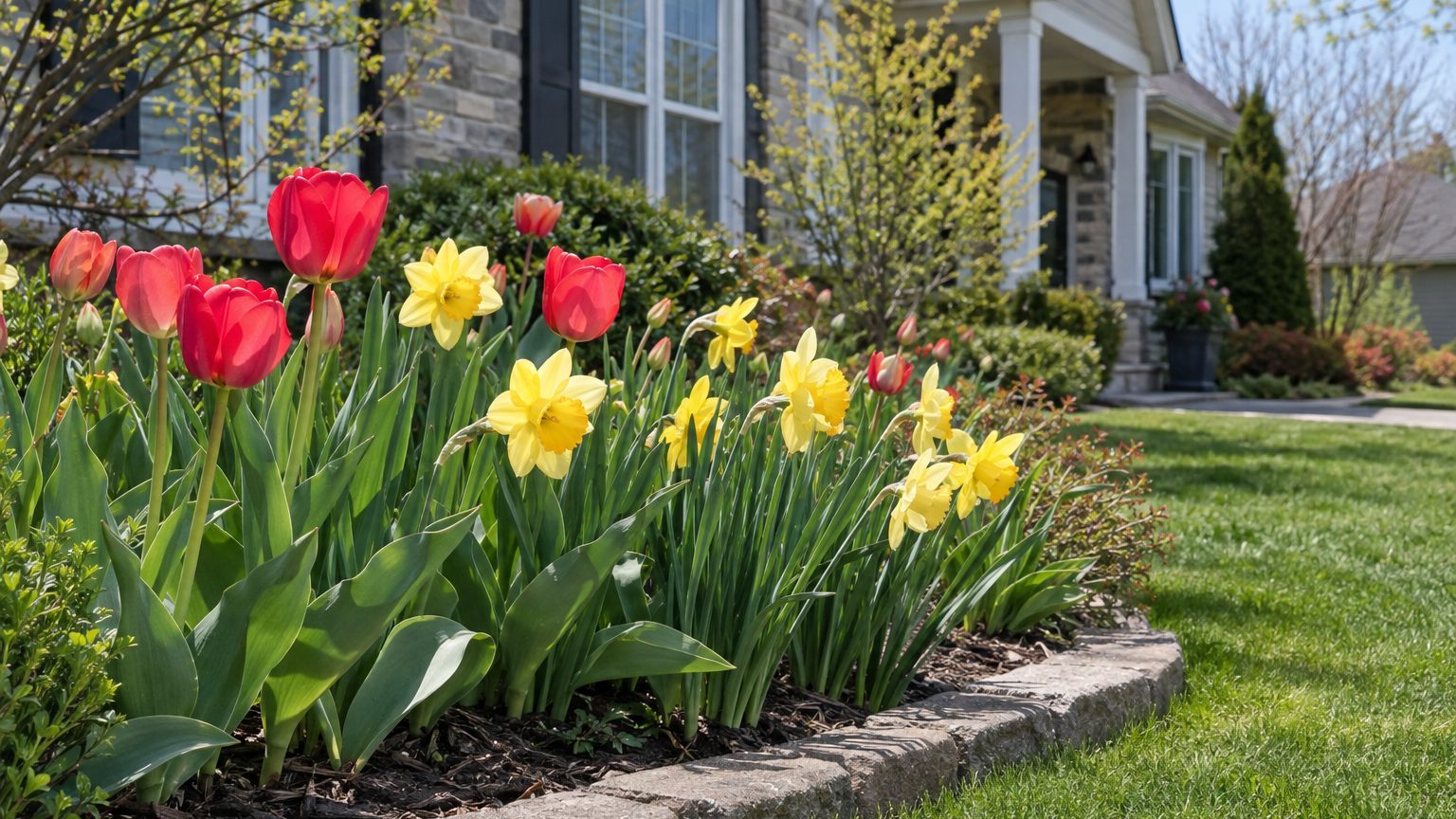
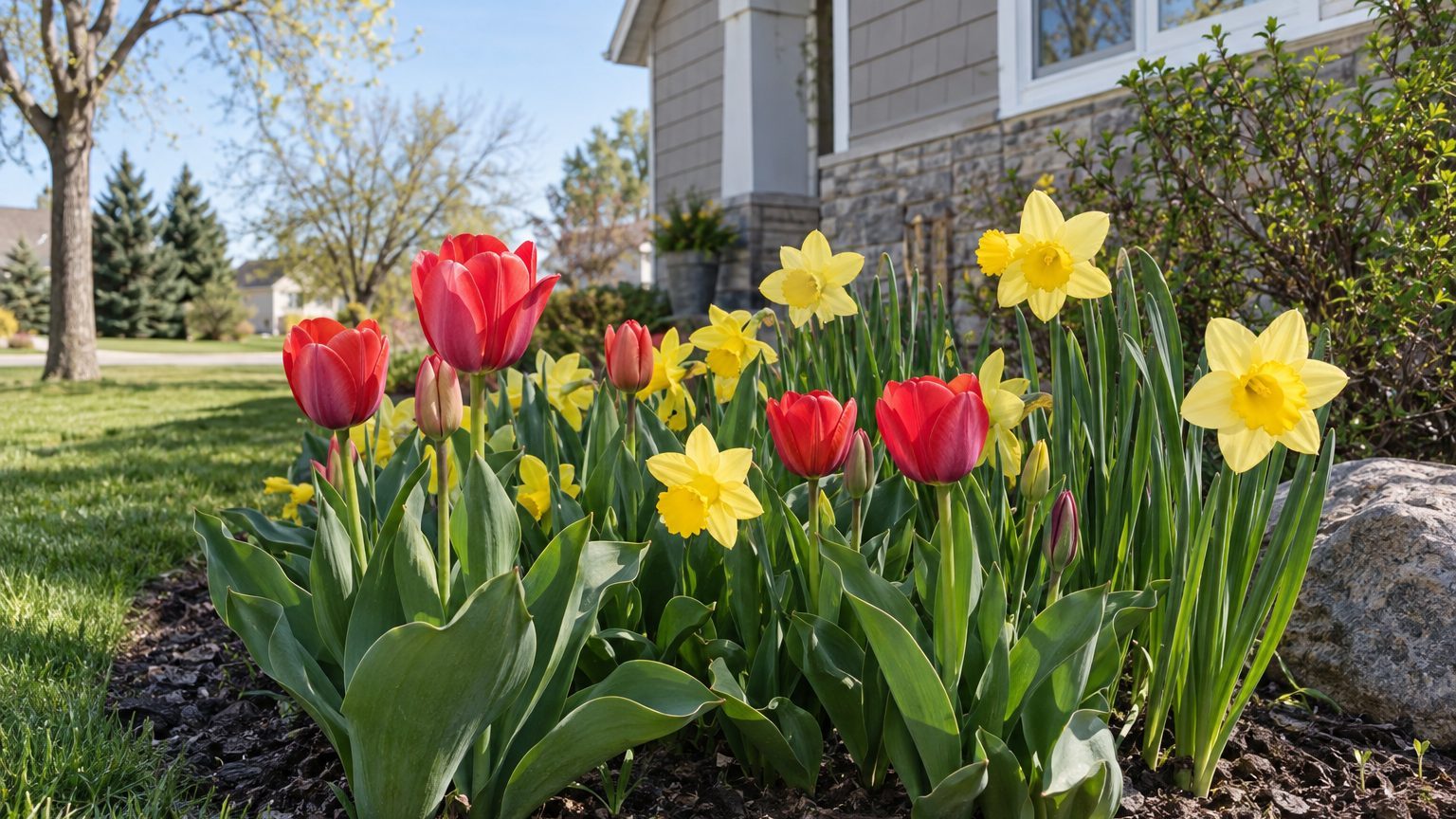
Healthy spring bulbs in bloom

Saskatchewan sits in Canadian hardiness zone 3a (the Canadian system, which does not convert to a USDA zone), so winter cold is never the problem. Bulbs get all the chill they need. The real question is which ones keep coming back year after year, and that favors tougher, simpler types over heavily bred ones.

Daffodils

Daffodils are the more reliable perennial bulb and tend to last longer in the ground than tulips. Voles, squirrels, rabbits and deer leave them alone, which matters in a yard where critters are active.

Plant them in a spot that gets sun in spring and let the clumps grow for years.

Alliums

Alliums, the ornamental onions, are not picky, and according to Iowa State University Extension, they need a chill period to bloom. Their slight skunky odor repels rodents and deer.

They can go in a few weeks before a hard frost, so they suit gardeners who tend to start fall planting late.

Species Tulips

These are the shorter tulips with smaller flowers, and they hold up better than their showy cousins. Voles, squirrels, rabbits and deer do eat tulips, so plant them where you can keep an eye out.

They make a good stand-in when you want tulip color but would rather not replant every year.

Hybrid Tulips

Through years of hybridizing, the large hybrids have lost some of their ability to return. Plant them for one big spring show and treat them as annuals.

If they do come back, count it as a bonus. Tulips in general are often short-lived in the garden.

How to Choose Spring Bulbs for Your Saskatchewan Garden

Start with how much work you want to do each fall. Bulbs that return on their own save the most effort, and Saskatchewan’s long winters already provide the cold that most spring bulbs need to flower.

Then think about space and wildlife. A few small changes in what you buy can mean the difference between a clump that thickens for years and a bed that needs replanting.

Your situation What suits it in Saskatchewan Why
Very cold winter Daffodils, species tulips, alliums The winter supplies the chill that most spring bulbs need, so no fridge chilling is required.
Little time Daffodils They are the more reliable perennial bulb and are left alone by voles, squirrels, rabbits and deer.
Late to plant Alliums They can go in a few weeks before a hard frost.
Small space Species tulips They are shorter, with smaller flowers.
Deer and rodents Alliums and daffodils Alliums have a skunky odor that repels them, and daffodils are left alone.
Heavy clay soil Daffodils over hybrid tulips Hybrid tulips may return only for a few years in wet, heavy clay, while daffodils live longer.

Bulbs still in the bag after the planting window need no special storage plan. They go in the ground as soon as it can be dug.

Which Spring Bulbs Suit Different Parts of Saskatchewan

Saskatchewan is not one climate, and the differences change how much risk you take with early bloomers.

  • Saskatoon: Spring frost lingers here, with May 18 as the average last date, so in about half of years it falls later. Late frosts can nip open flowers, so favor sturdy daffodils and alliums alongside any tulips.
  • Northern districts: Spring arrives weeks behind Saskatoon, so bloom runs later. Rely on daffodils and alliums, and treat hybrid tulips as a one-season treat.
  • Cypress Hills: Upland ground also runs behind the lower prairie, so the same tough bulbs make the safest choice.

Wherever you garden, the planting window stays the same autumn stretch, just a little tighter where winter arrives sooner.

Spring Bulb Buying Mistakes to Avoid in Saskatchewan

Counting on Hybrid Tulips to Return

The big, showy tulips are bred for flowers, not staying power, and they often fade after the first spring or two. Buy them expecting one show, or choose species tulips and daffodils for beds you want to keep.

Planting Too Early

Bulbs set out while the soil is still warm may sprout in the fall. Wait until the soil has cooled below about 16°C (60°F), which usually fits a planting window from mid-September through mid-October. That gives roots time to form before the ground freezes.

Saving Bulbs for Next Year

A bulb that is still in the bag does better planted late than stored over the winter. Keep planting as long as the ground can be dug, even after the ideal window has passed.

Where to Get Spring Bulb Advice in Saskatchewan

Saskatchewan has no county extension office. The Saskatchewan Ministry of Agriculture is the provincial starting point for farm and garden information. The planting months here follow the nearest comparable climate, so confirm local timing with a nearby source.

  • A local garden centre can tell you which bulbs are in stock and what has done well nearby, so visit in late summer before stock thins out.
  • A garden society or provincial gardening group knows your district’s quirks, and meetings in late summer are a good time to ask.
  • Master gardener groups can answer questions about soil and varieties, so contact them before you buy.

Common Questions

When Do Tulips and Daffodils Bloom in Saskatchewan?

Bloom falls in April and May, with peak tulip color from late April to mid-May. Spring temperatures push it earlier or later from year to year. After the flowers fade, remove only the spent blooms and leave the leaves until they turn brown, because they feed the bulb for next year.

How Long Does a Bulb Need Cold to Flower?

Most spring-flowering bulbs need about 12 to 16 weeks of cold. Saskatchewan winters supply that without help, so nothing needs chilling in the refrigerator.

Is There a Bulb That Blooms Late in the Spring Season?

Ornamental onions, the alliums, bloom at the end of the spring bulb season, after the snowdrops and winter aconites that open it. They carry color forward when the daffodils and tulips are finished.
Best Spring Bulbs for Rhode Island

Best Spring Bulbs for Rhode Island

Daffodils opening beside a stone wall while the lawn is still brown are the payoff for work done the autumn before. Spring bulbs go in the ground in fall and flower after a winter of cold. Daffodils, Fosteriana tulips, crocus and alliums suit Rhode Island yards, and the choice among them depends on hungry animals, shade and how much upkeep you want.

Best Spring Bulbs to Grow in Rhode Island

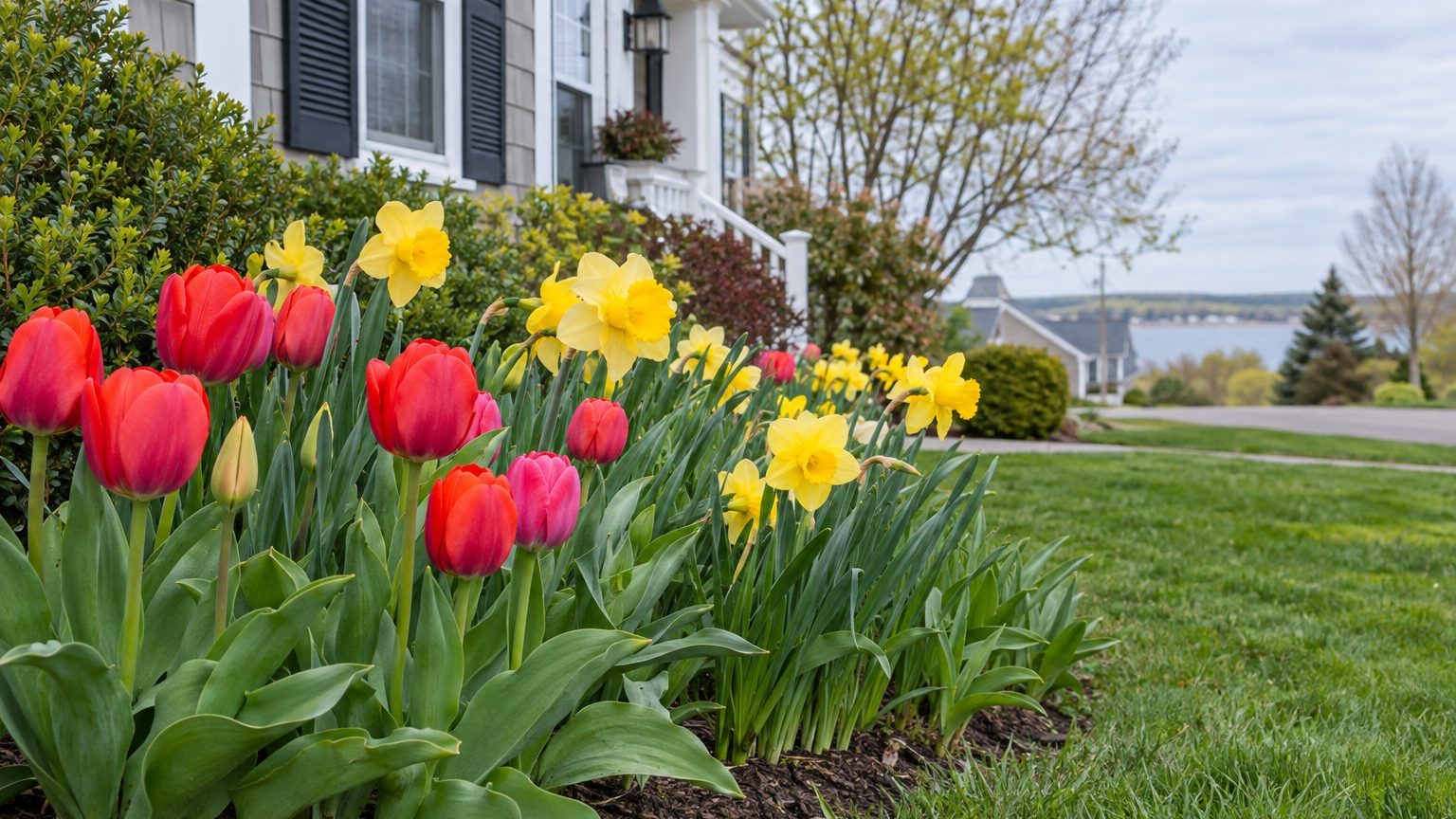
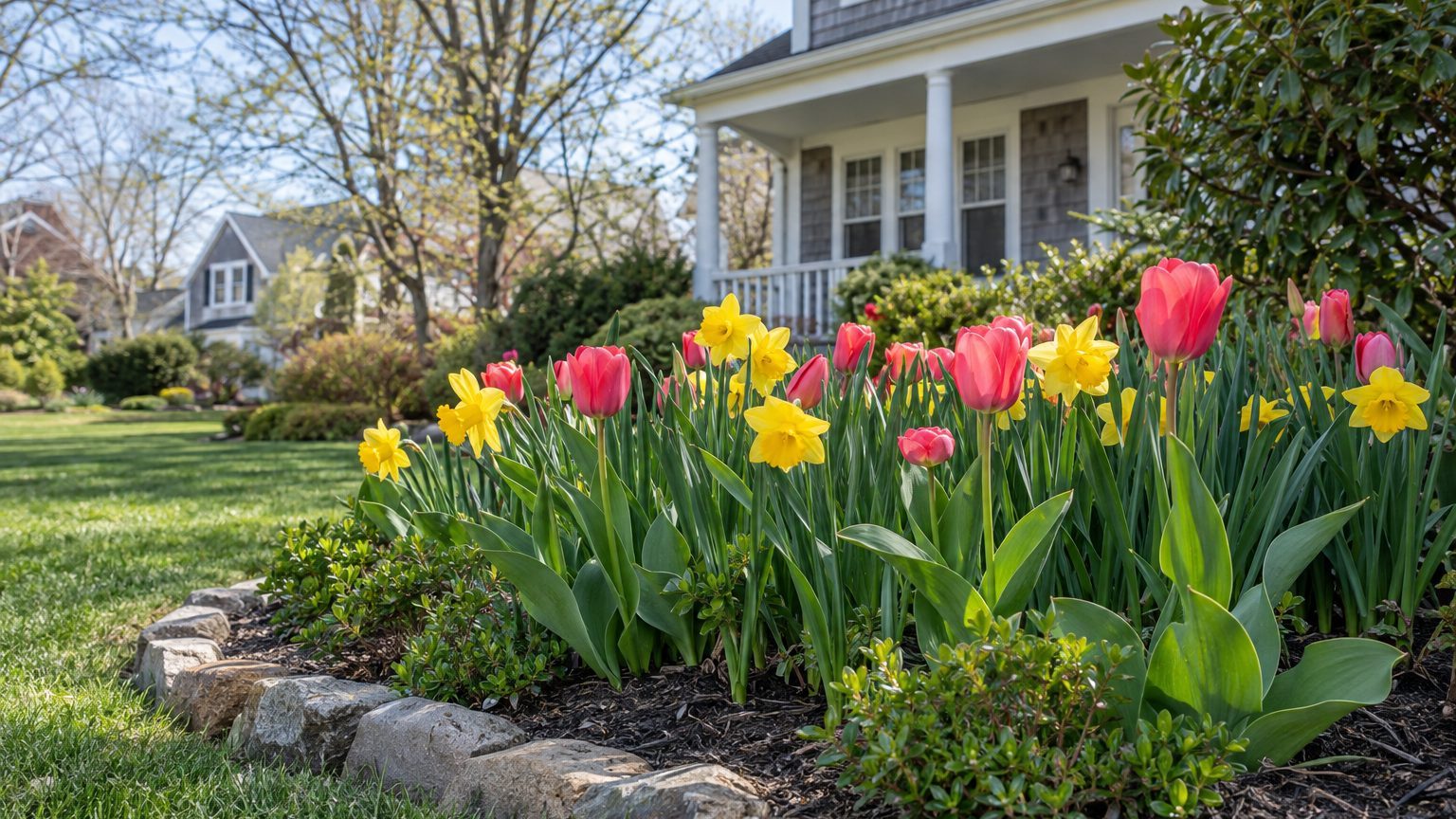
Healthy spring bulbs in bloom

Daffodils, Fosteriana tulips, crocus and alliums all suit Rhode Island, where USDA hardiness zones run from 6a to 7b and winters supply the cold bulbs need to flower. Daffodils are the dependable core of a planting, and the others fill in around them.

Daffodils

Most daffodils are hardy to zone 3, so a Rhode Island winter is well within their comfort. Voles, squirrels, rabbits and deer leave them alone, and they last longer than tulips, which makes them the more reliable perennial bulb.

They also naturalize well in partly shady areas, such as under deciduous trees or along a woodland edge. Plant them once and let them spread.

Fosteriana Tulips

Tulips are often short-lived in the garden, and many hybrids fade after a few seasons. Fosteriana tulips perennialize well, so they are the group to pick if you want tulips that keep returning.

Because animals go after tulips, plant them where you can watch them, or set daffodils close by as a buffer.

Crocus

Crocus bring color to the yard on small stems, but voles, squirrels, rabbits and deer eat them along with tulips. If animals are regular visitors, expect losses unless you plant crocus near the house or among daffodils.

Daffodils can act as deer training plants, protecting more tempting plants nearby from browsing.

Alliums

According to Iowa State University Extension, alliums, the ornamental onions, need the cold of winter to bloom. That makes them forgiving after a mild winter, and they carry the bulb display toward the end of the season.

How to Choose Spring Bulbs for Your Rhode Island Garden

Start with what your yard throws at a bulb. Cold is rarely the problem here, since most daffodils and many other bulbs are hardy to zone 3. Animals, shade and the time you want to spend matter more.

Match the bulb to the most pressing problem, then add a few extras for variety.

Your situation What suits it in Rhode Island Why
Very cold winter spot Daffodils Most are hardy to zone 3, well below Rhode Island’s winters
Little time for upkeep Daffodils They last longer than tulips and come back reliably
Deer, rabbits, voles or squirrels Daffodils Animals leave them alone, while tulips and crocus get eaten
Partly shaded bed Daffodils They naturalize well in partial shade
Tulips that return Fosteriana tulips They perennialize well, unlike many short-lived tulips
Worry about winter chill Alliums They need winter cold to bloom.

Small spaces get no special row here, but a few daffodils tucked between perennials give the longest return for the room they use.

Which Spring Bulbs Suit Different Parts of Rhode Island

The state is small, yet the zone range from 6a to 7b shows that growing conditions do shift between shore and inland hills, and the choice of bulbs shifts a little with them.

  • Newport County and the Narragansett Bay shore: Winters run milder near the water, so tulips and alliums face less risk from deep cold. Daffodils still carry the planting.
  • Providence and the inner bay: In Providence, the last spring frost typically falls April 7 to April 17, so open flowers can meet a late frost. Suburban yards usually see it later still.
  • Northwest Rhode Island, around Burrillville and Foster: Winters are colder and frost lingers longer at elevation, which favors hardy daffodils over tulips.

Check your own town’s conditions before planning a showy tulip bed, since a yard a few miles inland can run a week or two behind the coast.

Spring Bulb Buying Mistakes to Avoid in Rhode Island

Planting Only Tulips

Tulips are often short-lived, and voles, squirrels, rabbits and deer eat them. A bed of nothing but tulips can thin out fast or vanish overnight.

Mix in daffodils, which animals ignore, or choose Fosteriana tulips if you want tulips that keep returning.

Leaving Bulbs in the Bag

Bulbs bought and left in a garage over the winter dry out and lose their chance to flower. A bulb still in the bag is better planted late than stored.

Put it in the ground as long as the soil can be dug, even into early winter.

Planting While the Soil Is Warm

Bulbs set in warm September soil can sprout in the fall, and that tender growth gets hit by winter. Wait until the soil has cooled below about 60°F.

In Rhode Island, October is the planting month, so roots form before the ground freezes. If the ground is not yet frozen, November or December still works.

Where to Get Spring Bulb Advice in Rhode Island

The University of Rhode Island Cooperative Extension gives local advice on bulbs, soil and animal damage, and the extension office nearest you can answer questions specific to your town.

  • Extension staff and the extension website cover bulb planting, soil questions and animal problems for Rhode Island yards.
  • Contact the nearest extension office before planting day, when you still have time to change what goes in the bed.

Common Questions

When Do Tulips and Daffodils Bloom in Rhode Island?

Most flower in April and May, and the earliest hardy bulbs can start in March. Later varieties carry the display into late April and May.

Should You Cut the Leaves After Spring Bulbs Bloom?

No. Remove only the faded flowers and leave the leaves in place until they turn brown, because they feed the bulb for next year’s bloom.

How Much Cold Do Spring Bulbs Need to Flower?

Most spring-flowering bulbs need about 12 to 16 weeks of cold. Rhode Island winters usually supply that, so refrigerating tulips or hyacinths before planting is not needed.

Best Spring Bulbs for Quebec

Best Spring Bulbs for Quebec

Daffodil shoots pushing through the cold ground are the first sign that a Quebec garden has made it through winter. That show is planted the autumn before, and the bulbs you choose decide whether it returns or fizzles.

Best Spring Bulbs to Grow in Quebec

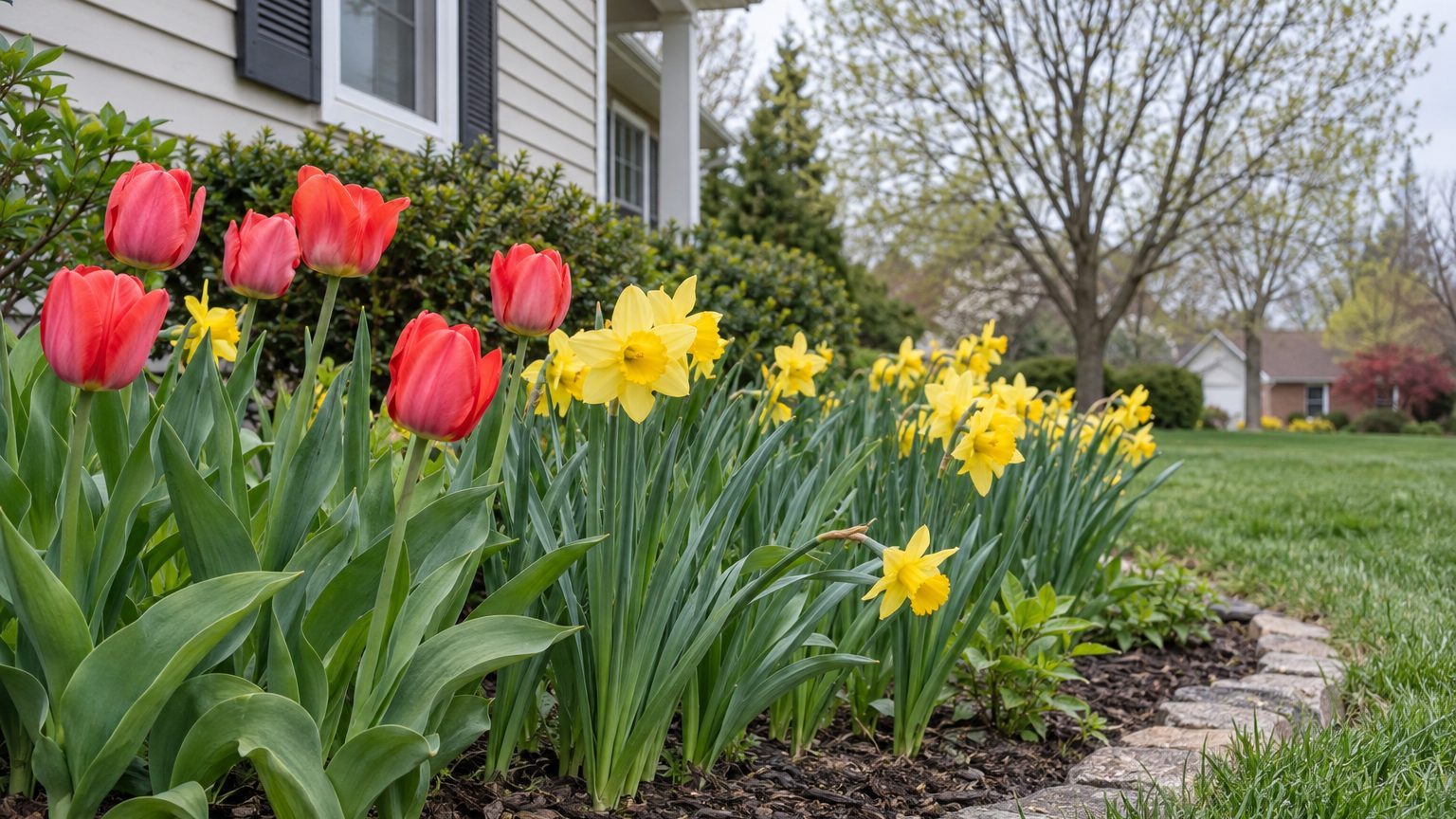
Healthy spring bulbs in bloom

Daffodils, fosteriana tulips, alliums and crocus suit Quebec, with daffodils as the dependable core because they return year after year and animals leave them alone. Most spring bulbs need about 12 to 16 weeks of cold to flower, and Quebec winters supply it, so the refrigerator chilling used in mild climates is not part of your routine.

Daffodils

Daffodils last longer in the garden than tulips and are the more reliable perennial bulb. Voles, squirrels, rabbits and deer leave them alone, so they are the safe pick for beds that critters visit.

They also naturalize well, especially in partly shady areas. Plant them under deciduous trees or along a fence line and let them spread.

Fosteriana Tulips

Most tulips fade after a few seasons, but fosteriana tulips perennialize well. If you want tulip color without replanting every autumn, this group is where to look.

They still appeal to hungry animals, so a spot close to the house or a bed that deer rarely cross helps.

Alliums

According to Iowa State University Extension, alliums, the ornamental onions, like other spring bulbs, need the cold of winter to bloom. They come at the tail end of the bulb season, after the earliest flowers are finished.

Crocus

Crocus are among the bulbs that voles, squirrels, rabbits and deer find most tempting, along with tulips. Plant them where you can watch over them, such as near a door or a window, and expect to replace a few.

How to Choose Spring Bulbs for Your Quebec Garden

Start with the problem in your own yard. A bed that deer cross every night calls for different bulbs than a shady corner you rarely visit. The Montreal area sits in Canadian hardiness zone 5b, a Canadian rating that does not convert to a USDA zone.

Match the bulb to the situation, then plant in October so the roots form before the ground freezes.

Your situation What suits it in Quebec Why
Very cold winter Daffodils They are the more reliable perennial bulb and last longer than tulips
Little time to replant Daffodils or fosteriana tulips Both return on their own, since daffodils naturalize and fosteriana tulips perennialize
Squirrels, voles, rabbits or deer Daffodils Animals leave them alone, while tulips and crocus get eaten
Partly shady spot Daffodils They naturalize well in partly shady areas
Need for winter cold Most spring bulbs, including alliums Most bulbs want 12 to 16 weeks of cold, while alliums also need the cold of winter to bloom

Hyacinths follow the same cold rule as tulips, so they also rely on the winter to do the chilling for you.

Which Spring Bulbs Suit Different Parts of Quebec

Quebec is not one climate, and your spring bulb choices shift a little from the St. Lawrence plain to the uplands and the far north.

  • Montreal area: This is the milder end of the province and the place the reference climate figures describe, so the full range of daffodils, fosteriana tulips and alliums is open to you.
  • Laurentians: Upland ground warms later, so spring comes behind Montreal and bloom follows later too. Daffodils, which take hard winters well, are the safest foundation here.
  • Saguenay and Lac-Saint-Jean: Winters run colder and spring arrives later still. Favor daffodils and alliums, and keep tulips and crocus to a smaller, protected corner.

Wherever you garden, a later spring only pushes the show back and does not change which bulbs earn their place.

Spring Bulb Buying Mistakes to Avoid in Quebec

Counting on Tulips to Return

Tulips are often short-lived in the garden, so a bed planted once and left alone thins out. Voles, squirrels, rabbits and deer also eat them. Plan on replacing them, or lean on daffodils and fosteriana tulips for the long haul.

Planting While the Soil Is Warm

Bulbs set in too early can sprout in the fall, and that growth does not survive winter. Wait until the soil has cooled below about 16°C (60°F), then plant in October so the roots settle before the ground freezes.

Saving Bulbs in the Bag

A bulb still in its bag is better planted late than stored over the winter. In Quebec, November or even December still works as long as the ground can be dug and is not frozen. Bulbs left unplanted soften and lose their flowering strength.

Where to Get Spring Bulb Advice in Quebec

Quebec has no local extension page on bulb timing, so the dates here follow the nearest comparable climate. Confirm local timing with people who garden near you.

  • The provincial agriculture ministry, MAPAQ, is the place to look for provincial growing guidance before the planting season opens.
  • A local garden centre or garden society can tell you when the ground freezes in your district, so visit in late summer before you buy.
  • Provincial gardening groups and master gardener clubs hold fall sales and talks, a good time to ask about bulbs for your soil.

Common Questions

What Should You Do with Bulb Leaves After Bloom?

Leave the leaves on the plant until they turn brown, and remove only the faded flowers. The leaves feed the bulb for next year, so cutting or tying them while green weakens the next bloom.

When Do Tulips and Daffodils Bloom in Quebec?

Bloom runs April and May, and the earliest hardy bulbs can start in March. Later varieties come toward the end of that range.

Is Quebec’s Hardiness Zone the Same as a USDA Zone?

No. The Montreal area is in Canadian zone 5b, and the Canadian system uses several climate variables, so it does not convert to a USDA zone. Use it only when a bulb label names the Canadian system.

Best Spring Bulbs for Prince Edward Island

Best Spring Bulbs for Prince Edward Island

Daffodils nodding along a fence line are one of the first colors to show once the snow pulls back on the Island. Bulbs go in the ground the autumn before, and the choice you make then decides whether spring brings a few seasons of flowers or many.

Best Spring Bulbs to Grow in Prince Edward Island

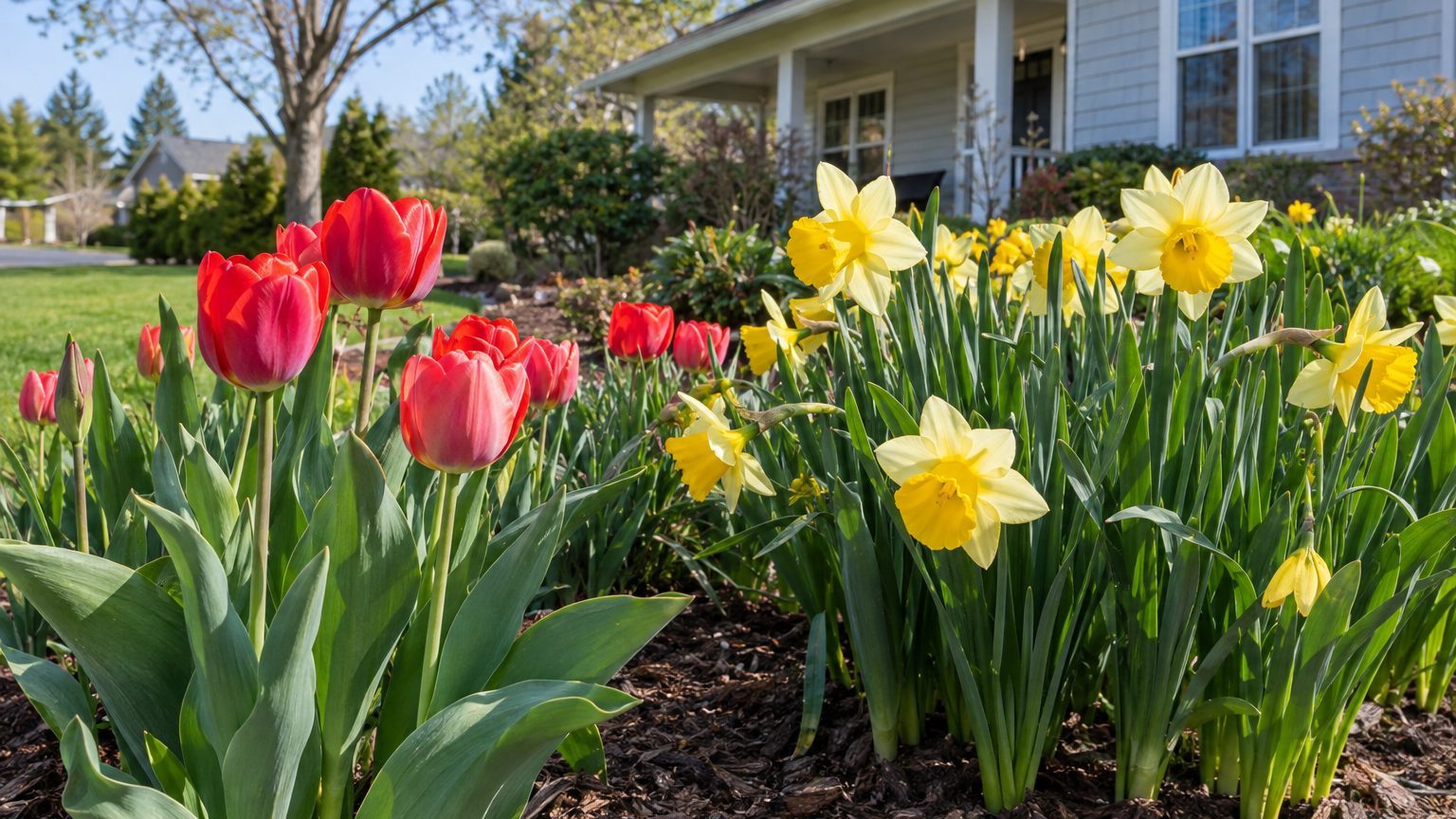
Healthy spring bulbs in bloom

Daffodils are the dependable choice here, with Fosteriana tulips, alliums and crocus filling in around them. Island winters are cold enough to give bulbs the 12 to 16 weeks of chill most of them need to flower, so no refrigerator chilling is required. Charlottetown sits in Canadian hardiness zone 5b, a system separate from the USDA map.

Daffodils

Daffodils are hardy enough for Island winters and last longer in the garden than tulips, which makes them the more reliable perennial bulb. They also naturalize well, especially in partly shady spots under trees and along borders.

Voles, squirrels, rabbits and deer leave daffodils alone, so they hold up where other bulbs get eaten. Plant them where you want a clump to widen over the years.

Fosteriana Tulips

Tulips are often short-lived, but Fosteriana tulips perennialize well and come back instead of fading after a season or two. If you want tulip color that returns, this is the group to look for.

Plant them in a spot that drains well and keep an eye out for rodents and deer, which go after tulips.

Alliums

According to Iowa State University Extension, alliums, the ornamental onions, need the cold of winter to bloom, like other spring-flowering bulbs. They flower at the tail end of the bulb season, after the early color has faded.

Tuck them between perennials so their tall stems rise through the foliage.

Crocus

Crocus are among the bulbs that voles, squirrels and rabbits go after, along with tulips. They are worth planting for early color, but expect to protect them or accept some losses.

Planting them near daffodils, which animals avoid, is a sensible way to hedge your bets.

How to Choose Spring Bulbs for Your Prince Edward Island Garden

The right bulb depends less on the catalog photo than on what your yard throws at it. Cold winters, hungry animals and shade each point toward a different answer, and daffodils come up more often than anything else.

Whatever you pick, plant once the soil has cooled below about 15°C (60°F). Roots then have time to form before the ground freezes, and the bulbs stay put instead of sprouting in the fall.

Your situation What suits it in Prince Edward Island Why
Cold winter Daffodils They are hardy and last longer than tulips
Little time to tend the bed Daffodils They are the more reliable perennial bulb and naturalize on their own
Deer, voles or squirrels visit Daffodils Animals leave them alone, while tulips and crocus get eaten
Partly shady spot Daffodils They naturalize well in partial shade
You want tulips that return Fosteriana tulips They perennialize well where other tulips fade
Winters that supply the cold Tulips, hyacinths and most other spring bulbs Most need 12 to 16 weeks of cold, and the winter provides it

Alliums need the cold of winter to bloom, like other spring-flowering bulbs. Bulbs still in the bag late in the season go into the ground anyway, as long as the soil can be dug.

Which Spring Bulbs Suit Different Parts of Prince Edward Island

The province is small, but a province is not one climate, and districts away from Charlottetown can run behind it in spring.

  • Charlottetown and the surrounding area: This is the district that falls in Canadian hardiness zone 5b, and it handles daffodils, Fosteriana tulips, alliums and crocus without trouble.
  • North Shore: Spring tends to arrive later here, so daffodils, which tolerate the cold and the animals, are the safer foundation for a bed.
  • Western and eastern districts: Expect bloom to come later than in town, and plant on the early side of the fall window so roots settle before the ground freezes.

In every district, a thick planting of daffodils is the sturdy base, and tulips and crocus are the extras.

Spring Bulb Buying Mistakes to Avoid in Prince Edward Island

Counting on Tulips to Last

Tulips are often short-lived in the garden, and voles, squirrels, rabbits and deer eat them. A bed planted only with ordinary tulips can thin out fast.

Choose Fosteriana tulips if you want them to return, and let daffodils carry the bed.

Planting Too Early

Bulbs set in warm soil may sprout in the fall, and that growth is hurt by the first hard freezes. Wait until the soil has cooled below about 15°C (60°F).

October is the month to aim for on the Island, so the roots form before the ground freezes.

Saving Bulbs in the Bag

A bulb left in the bag over the winter is worse off than one planted late. If bulbs are still unplanted when the weather turns, plant them as long as the ground can be dug.

Afterward, leave the leaves on until they turn brown, and remove only the faded flowers. Those leaves feed the bulb for next year.

Where to Get Spring Bulb Advice in Prince Edward Island

Canada has no county extension offices, so local help comes from the province and from nearby growers. Planting months follow the nearest comparable climate, so confirm local timing with a garden centre or garden society.

  • The Prince Edward Island agriculture pages are the place to look for provincial gardening and pest information before you plant.
  • A local garden centre can tell you what has done well nearby, so visit before the fall planting window opens.
  • Provincial gardening groups and garden societies meet through the growing season and can answer questions about your district.

Common Questions

When Should You Plant Spring Bulbs in Prince Edward Island?

October is the month for tulips, daffodils, crocus, alliums and hyacinths. Bulbs that are still unplanted can go in during November or December, as long as the ground is not frozen.

When Do Tulips and Daffodils Bloom on the Island?

Most flower in April and May. The earliest hardy bulbs can start in March, and later varieties carry on into late April and May.

When Can You Cut Back the Leaves After Bloom?

Wait until the leaves turn brown, since they feed the bulb for next year. Until then, remove only the faded flowers.

Best Spring Bulbs for Pennsylvania

Best Spring Bulbs for Pennsylvania

Daffodils nodding along a fence line while the lawn is still brown are one of the surest signs that spring has arrived in Pennsylvania. The bulbs behind that show go into the ground in autumn, and some handle the state’s winters, hungry deer and clay soil far better than others.

Best Spring Bulbs to Grow in Pennsylvania

Healthy spring bulbs in bloom

Daffodils are the dependable choice here, with alliums, hyacinths, fritillaria and scilla close behind because deer, squirrels and rabbits tend to leave them alone. Pennsylvania spans USDA hardiness zones 5a to 7b, so cold-hardiness matters, and these bulbs cope with it. Tulips and crocus can still earn a place, with some protection.

Daffodils

The daffodil is a hardy bulb that overwinters in USDA zones 3 through 8, which covers every corner of Pennsylvania. Plant them in scattered clumps and they naturalize, and they never have to be dug up. They are also rabbit and deer resistant.

After bloom, remove only the faded flowers. Leave the leaves standing until they turn brown, because they feed the bulb for next year.

Alliums

Ornamental onions finish the bulb season, and deer and squirrels pass them by. In Maryland, they are named among the bulbs to pick when deer or squirrels visit the garden, and that advice carries over to Pennsylvania yards with the same visitors.

Hyacinths

Hyacinths belong on the same deer-proof list. Their dense, fragrant spikes work well near a front walk or entry, where you will notice them every time you pass.

Fritillaria

Fritillaria is another bulb that deer and squirrels leave alone. It suits gardeners who want something less common than a tulip, planted in the same season and the same way as the others.

Scilla

Scilla rounds out the animal-resistant group. Tuck it in drifts among daffodils, and the planting stays low-risk where wildlife browses freely.

Tulips and Crocus

Voles, squirrels, rabbits and deer eat tulips and crocus. Tulips are also often short-lived in the garden, so plan to replace them now and then. Plant them near the house or in a protected bed, and lean on daffodils for the long haul.

How to Choose Spring Bulbs for Your Pennsylvania Garden

The right bulb depends on what your yard throws at it. Winter cold, wildlife and the time you want to spend all push the choice in different directions.

Plant in October for most bulbs. September and November also work, depending on how fast the soil cools, and the whole stretch runs from mid-September to late November.

Your situation What suits it in Pennsylvania Why
Very cold winter Daffodils They are hardy bulbs that overwinter in USDA zones 3 through 8
Deer, squirrels or rabbits in the yard Daffodils, hyacinths, alliums, fritillaria, scilla Animals leave them alone, while tulips and crocus get eaten
Little time to spend Daffodils They naturalize in clumps, never need digging and return year after year
Short on winter cold Alliums need cold They need a chill period to bloom, like tulips and hyacinths

Tulips fit best where you can protect them and accept a shorter life. Pennsylvania winters usually supply the cold most bulbs need, so chilling is rarely a worry here.

Which Spring Bulbs Suit Different Parts of Pennsylvania

Pennsylvania is not one climate, and the gap between the southeast corner and the high country changes how your bulbs behave.

  • Philadelphia and the southeast: This part of the state has an earlier spring than the north, with the last spring frost around March 29 to April 6. Bulbs here wake early, so an early warm spell can expose new shoots to a late freeze.
  • The Northern Tier and the Alleghenies: Spring arrives later, so bulbs bloom later than in the southeast. Daffodils are the safest pick in these colder districts because of their hardiness.

Wherever you garden, start from the same planting window and let the local season decide when the flowers open.

Spring Bulb Buying Mistakes to Avoid in Pennsylvania

Planting While the Soil Is Warm

Bulbs set out too early can sprout in the fall, and the tender growth then suffers in winter. Wait until the soil has cooled below about 60°F, which gives roots time to form before the ground freezes without pushing top growth.

A bag of bulbs still unplanted is better planted late than stored. Plant as long as the ground can be dug.

Counting on Tulips to Return

Tulips are often short-lived in the garden, and many yards see fewer blooms each year. Daffodils last longer and are the more reliable perennial bulb. If you love tulips, treat them as a seasonal treat and let daffodils carry the long-term planting.

Cutting the Leaves Too Soon

Green leaves after bloom are still working. Tulips and daffodils flower on the energy their leaves store, so cutting or tying them early shrinks next spring’s show. Let them turn yellow or brown, then clear them away. Hide the fading foliage behind later-leafing perennials.

Where to Get Spring Bulb Advice in Pennsylvania

Penn State Extension publishes guidance on bulbs, including daffodil care. Your county extension office can speak to the soil and conditions in your own neighborhood.

  • Penn State Extension offers articles on daffodils and other bulbs, handy to read before you shop for the fall planting season.
  • The county office, often with a master gardener program, can answer questions about local soil and wildlife pressure, and a visit in late summer leaves time to act before planting.

Common Questions

When Do Tulips and Daffodils Bloom in Pennsylvania?

Most flowers open from March through May, and the first can appear as early as February in a mild spell. Where you live in the state shifts the timing a little.

How Much Cold Do Spring Bulbs Need to Flower?

Most spring-flowering bulbs need about 12 to 16 weeks of cold. According to Iowa State University Extension, alliums are not the exception: they need a chill period to bloom.

Which Spring Bulbs Start and End the Season?

Snowdrops and winter aconites open the season, and ornamental onions (alliums) close it. Mixing them with daffodils and hyacinths keeps flowers coming through spring.

Best Spring Bulbs for Oregon

Best Spring Bulbs for Oregon

Daffodils pushing through wet soil and tulips opening on a gray spring morning are the sights that make an Oregon yard feel awake again. Tulips, daffodils and crocus all settle in well here, and a few types return year after year with little attention.

Best Spring Bulbs to Grow in Oregon

Healthy spring bulbs in bloom

Tulips, daffodils and crocus are the dependable spring bulbs for Oregon yards, and the tougher forms of each earn their place by coming back for years. Oregon’s range is wide, from USDA zone 4a to 9b, so hardiness matters more than showiness.

Darwin Hybrid Tulips

Darwin hybrids are bred to return for several years, which sets them apart from many big tulips that fade after a short time. They suit a bed where you want tall, classic color without replanting every fall.

Emperor Tulips

Emperor tulips share that bred-in staying power. Plant them in groups so the blooms read as a block of color, and expect flowers in March, April and May, depending on the variety.

Species Tulips

Species tulips are less showy than the big hybrids, but they are very hardy and well suited to naturalizing. They are smaller and more likely to return each year, which makes them a good fit for rock gardens, path edges and lawn borders.

Crocus

Crocus is an early bloomer, and a sensible place to start if you are building a spring display from scratch. Squirrels and voles eat tulips and crocus, and slugs go after crocuses, so tuck them where you can keep an eye on them.

Daffodils

Daffodils, also sold as narcissus, are the more reliable perennial bulb. Choosing early and late varieties stretches the color into early summer. Because their sap burns the mouth, animals leave them alone, so they hold up in yards where tulips get eaten.

How to Choose Spring Bulbs for Your Oregon Garden

Start with how much time you want to spend and how cold your winters run. A yard in the Willamette Valley and a yard on the high desert call for different planting dates and different bulbs.

Chill matters too. Most spring-flowering bulbs need about 12 to 16 weeks of cold to flower.

Your situation What suits it in Oregon Why
Very cold winter Species tulips and daffodils Species tulips are very hardy, and colder interior yards are planted from late September through October.
Little time to spare Daffodils, Darwin hybrid tulips, Emperor tulips Daffodils are the more reliable perennial, and these tulip types are bred to return for several years.
Small space Species tulips and crocus Species tulips are smaller and more likely to return, and crocus starts the season early.
Deer, rabbits or squirrels visiting Daffodils Animals leave daffodils alone but eat tulips and crocus.
Winters too mild to chill the bulbs Tulips and hyacinths, chilled in the refrigerator first Chilling gives them the cold they need before planting.

Hyacinths need chilling ahead of time in a spot where winters are too mild.

Which Spring Bulbs Suit Different Parts of Oregon

Gardening conditions change at the Cascades, and the planting window and bulb choice shift with them.

  • Portland and the Willamette Valley: Western Oregon has a long fall planting season, and October and November suit it best. Bulbs can go in as late as mid-December if the soil can still be dug, so tulips, daffodils and crocus all have room to work.
  • Central and Eastern Oregon: The high desert has colder winters, so bulbs go in earlier, from late September through October, to give roots time to form before the ground freezes. Favor hardy daffodils and species tulips here.

Whichever side you garden on, tulips and daffodils flower from March into May.

Spring Bulb Buying Mistakes to Avoid in Oregon

Counting on Tulips to Last

Tulips are often short-lived in the garden, so a bed of showy hybrids can thin out over time. Buy daffodils for the long haul, and treat tulips as a bonus. Darwin hybrids, Emperor tulips and species tulips can come back in later years.

Skipping the Chill

A bulb that never gets enough cold will sulk or fail to flower. In a spot where winters are too mild, chill tulips and hyacinths in the refrigerator before planting. Alliums skip this step and can go straight into the ground.

Holding Bulbs Over the Winter

A bulb left sitting in the bag is better planted late than stored. Put it in as long as the ground can be dug. Wait until the soil has cooled below about 60°F so the bulbs form roots without sprouting in the fall.

Where to Get Spring Bulb Advice in Oregon

Local advice settles questions about a particular yard, such as soil, elevation or a tricky slope. Oregon State University Extension publishes planting guidance, and your county office can help with local conditions.

  • The extension website carries planting articles, best read before bulbs go on sale.
  • Your county extension office can tell you how much cold your area gets and when planting should start.

Common Questions

Which Spring Bulbs Do Deer and Squirrels Leave Alone?

Daffodils. Their sap contains needle-sharp crystals that burn the mouth and damage internal organs, so animals avoid them. Voles, squirrels, rabbits and deer all eat tulips and crocus.

Do Alliums Need a Cold Period to Bloom?

Yes. According to Iowa State University Extension, alliums need the cold of winter to bloom. They close out the season of spring bulbs.

Should You Cut Back Daffodil and Tulip Leaves After the Flowers Fade?

Remove only the faded flowers. Leave the leaves until they turn brown, since they feed the bulb for next year’s bloom.

Best Spring Bulbs for Ontario

Best Spring Bulbs for Ontario

Daffodil trumpets and tulip cups opening against the last patches of snow are a spring ritual across Ontario, and they start with a handful of bulbs planted in the fall. A few kinds handle the province’s winters and its hungry wildlife far better than others.

Best Spring Bulbs to Grow in Ontario

Healthy spring bulbs in bloom

Daffodils, tulips and crocus all suit Ontario, because winters here deliver the cold that spring bulbs need to flower, and according to Iowa State University Extension, alliums also need that cold to bloom. Toronto sits in Canadian hardiness zone 7a (a Canadian rating, not a USDA zone). The planting window runs September and October, and November or even December works if the ground is still unfrozen.

Daffodils

Daffodils are the most dependable bulb to put in an Ontario bed. They are more vigorous than tulips and most other spring bulbs, they come back year after year, and deer and other animals leave them alone.

Each year the American Daffodil Society honors cultivars with the Wister Award, given for long-lasting flowers, disease resistance and good vigor. Look for that mark when choosing.

Tulips

Tulips give the boldest color, but they are often short-lived in the garden. Plan on treating the larger kinds as annuals, lifting them in late spring to make room for summer plants.

They are also a favorite food of voles, squirrels, rabbits and deer. Plant them where you can watch over them, close to the house rather than at the back of the lot.

Alliums

Alliums, the ornamental onions, close out the spring bulb season. They do not need a chill period to bloom, which makes them forgiving if a fall goes sideways.

Plant them in the same September to October window as everything else and let them follow the tulips.

Crocus

Crocus bring early color, though they share a weakness with tulips: voles, squirrels and rabbits go after them. Plant them in drifts so a few losses do not leave a bare patch.

Tuck them near daffodils, which animals leave alone, and the clumps are less likely to be dug up.

How to Choose Spring Bulbs for Your Ontario Garden

Your choice depends less on the catalog photo than on what your yard throws at a bulb: hungry animals, a short list of free evenings, a bed that is already crowded. Match the bulb to the problem and it will earn its spot.

Start with winter, because most spring bulbs only flower after a long cold spell. An Ontario winter supplies it without any help from you.

Your situation What suits it in Ontario Why
Cold winters you want a bulb to simply survive Daffodils They are more vigorous than tulips and last longer as a reliable perennial bulb.
Deer, voles or squirrels visit the yard Daffodils Animals eat tulips and crocus but leave daffodils alone.
Little time for yearly replanting Daffodils and alliums Daffodils return on their own, and alliums need winter cold to bloom.
A small bed or crowded border Tulips lifted after bloom Larger bulbs like tulips can be treated as annuals and lifted in late spring to free the space.
You want a bulb that needs real winter cold Tulips and hyacinths Most spring bulbs need about 12 to 16 weeks of cold to flower, which a normal Ontario winter gives.

Crocus fit almost any of these situations as an accent, as long as you accept some losses to animals.

Which Spring Bulbs Suit Different Parts of Ontario

Ontario is a big province, and spring does not arrive everywhere at once. The bulbs stay the same, but the pace of the season shifts with where you live.

  • Toronto: Spring frost lingers on average until April 30, and in one year out of two it falls later than that, so the date marks the middle of a window rather than a safe day. Daffodils, tulips, alliums and crocus all fit here, and tulips are most worth lifting where beds are crowded.
  • Northern Ontario: Spring runs weeks behind Toronto, so bulbs bloom later and the ground freezes sooner in fall. Plant toward the early part of the window, and choose daffodils, the most dependable perennial bulb, for beds you do not want to replant.

Wherever you garden, the same fall habits apply, and the local season only moves the calendar a little.

Spring Bulb Buying Mistakes to Avoid in Ontario

Tulips Planted as Forever Bulbs

Tulips are often short-lived, and animals go after them.

Plant daffodils where you want a lasting show, and treat tulips as a seasonal bonus you may need to refresh.

Bulbs Left in the Bag

A bulb stored over the winter is a bulb wasted. Cold is what triggers flowering, so bulbs that never go into the ground never get it.

If bulbs are still in the bag after the usual window, plant them anyway, as long as the soil can be dug.

Leaves Cut Too Soon

After the flowers fade, the leaves keep feeding the bulb for next year. Cutting or tying green leaves weakens the bulb and shrinks the next bloom.

Remove only the faded flowers and leave the foliage until it turns brown.

Where to Get Spring Bulb Advice in Ontario

Ontario has no county extension office. The planting months here follow the nearest comparable climate, so confirm local timing with people who garden near you.

  • The province’s agriculture and food service is the official starting point for provincial guidance, worth a look before fall planting.
  • A local garden centre can confirm local timing, so ask when you shop in September.
  • A local garden society or provincial gardening group can tell you how the season runs where you live, and many meet through the fall.

Common Questions

When Do Spring Bulbs Start to Come Up in Ontario?

Tulips, daffodils and other spring bulbs normally begin emerging from the ground in March or early April. Tulips flower April through May, and some daffodils can open as early as late February.

Can You Plant Forced Daffodils Outdoors?

Yes. Many forced daffodil cultivars perform well when planted outdoors, and they can be saved after indoor bloom. Plant them in the garden once the ground can be dug.

Do You Need to Chill Tulips in the Refrigerator Before Planting?

Not in Ontario. Chilling in the refrigerator is for places with winters too mild to give the cold, while an Ontario winter does that work for you in the ground.

Best Spring Bulbs for Oklahoma

Best Spring Bulbs for Oklahoma

Yellow daffodils opening over a gray late-winter lawn are the payoff of fall planting. Oklahoma yards can carry bulbs into spring, but the choice matters, because some varieties want more winter cold than a mild Oklahoma winter delivers. Others need no help at all, and those are the ones worth building a bed around.

Best Spring Bulbs to Grow in Oklahoma

Healthy spring bulbs in bloom

Daffodils and alliums are dependable choices for Oklahoma; daffodils don’t depend on a long cold spell, while alliums need the cold of winter to bloom. Tulips and hyacinths can still work, but they need a chill that you supply yourself when the winter soil stays warm.

Daffodils

Daffodils (Narcissus) are the reliable, low-maintenance bulb for Oklahoma. They need no chilling or pre-treatment, and deer and rodents leave them alone. Plant them in fall and they come back without fuss, which makes them the backbone of a bed that has to look good with little attention.

St. Keverne Daffodil

For a classic, large-flowered yellow daffodil that returns and multiplies for years, ‘St. Keverne’ is one of the strongest all-around performers for southern landscapes. Oklahoma sits at the northern edge of that description, so plant it in the same fall window as other daffodils and let it settle into a sunny spot.

Alliums

Alliums, the ornamental onions, like other spring-flowering bulbs, need the cold of winter to bloom. That removes a common concern about a warm winter, which makes them an easy way to fill the end of the bulb season with round purple or white flower heads. Plant them with your daffodils in fall.

Tulips

Tulips are the tricky ones. In warm-soil gardens they rarely come back year after year, so treat them as annual flowers and replant each fall. Buy pre-chilled bulbs, or chill them yourself in a refrigerator, away from fruit, then plant them in December.

Hyacinths

Hyacinths follow the same rule as tulips. Where winters are too mild to supply the cold they need, chill the bulbs in the refrigerator before planting. Once they have had their cold, they go in the ground like any other fall bulb, and their fragrance carries across a porch bed.

How to Choose Spring Bulbs for Your Oklahoma Garden

Match the bulb to what your yard and your schedule can give it. Plant in fall once the soil has cooled below about 60°F, early enough for roots to form before the ground freezes and late enough that the bulbs do not sprout before winter. November is the target, and October or December works too.

Your situation What suits it in Oklahoma Why
Little time for upkeep Daffodils They need no chilling or pre-treatment
Deer, rabbits, squirrels or voles visit Daffodils Animals leave them alone, while tulips and crocus get eaten
You want tulips Pre-chilled bulbs planted in December Soil often stays too warm for tulips, so chilling replaces the cold
Winters too mild for cold-hungry bulbs Tulips and hyacinths chilled in the refrigerator Most spring bulbs need about 12 to 16 weeks of cold to flower
Bulbs still in the bag Plant them anyway Late planting beats storing them, as long as the ground can be dug

The months for planting here follow the nearest comparable climate rather than a local bulb calendar for Oklahoma. Confirm timing with a local garden center or garden society before you buy a large order.

Which Spring Bulbs Suit Different Parts of Oklahoma

Oklahoma covers USDA hardiness zones 6a to 8a, so the winter cold your bulbs get changes from one corner of the state to another, and so does the choice between tulips and daffodils.

  • Panhandle: Winters run colder here than in the rest of the state, which gives tulips and hyacinths more of the chill they need. Daffodils and alliums still go in without extra steps.
  • Oklahoma City and Tulsa: Milder city winters make daffodils and alliums the easy picks. Tulips and hyacinths are worth the effort if you chill them first.
  • Southern Oklahoma along the Red River: The warmest soil in the state makes tulips the shortest-lived bulb here, so plan on pre-chilled bulbs replanted each fall and lean on daffodils and alliums for the lasting color.

Gardens outside the cities usually run colder than the city, so check with your county extension office before you commit to a tulip bed.

Spring Bulb Buying Mistakes to Avoid in Oklahoma

Expecting Tulips to Return

Tulips planted once and left alone usually fade, because the soil does not stay cold long enough for them to rebuild. Tulips are often short-lived in the garden, and voles, squirrels, rabbits and deer eat them. Plant them as annuals and put perennial daffodils beside them.

Skipping the Chill

Buying tulips or hyacinths and planting them straight from the bag in warm soil costs you the flowers, since these bulbs need that cold stretch to bloom. Buy pre-chilled bulbs, or chill them yourself in the refrigerator before planting.

Storing Bulbs Over Winter

Bulbs left in the bag lose strength with every week they wait. If planting day slipped past, put them in the ground as soon as the soil can be dug, even if the calendar says it is late. A late bulb in the ground does better than a stored one.

Where to Get Spring Bulb Advice in Oklahoma

Local advice settles questions about timing and chill better than any general rule. Oklahoma State University Extension serves every county, and the staff know what grows in your soil and winter.

  • Your county extension office can tell you how cold your part of Oklahoma gets and whether tulips are worth trying, so call before ordering bulbs.
  • A local garden center or garden society can confirm planting timing for your area, and early autumn visits give you the widest choice.
  • Ask whether the tulips and hyacinths you are buying are already pre-chilled before you pay.

Common Questions

How Long Do Tulips and Daffodils Last in the Garden?

Daffodils multiply over time and last longer, which makes them the reliable perennial bulb. Tulips are often short-lived, so plan to replant them rather than count on them returning.

When Do Tulips and Daffodils Bloom in Oklahoma?

Blooms run from February through April. Early, mid and late-season varieties flower in succession, so mixing them stretches the show across those months.

Should You Cut the Leaves After Spring Bulbs Bloom?

Remove only the faded flowers. Leave the leaves on the plant until they turn brown, because they feed the bulb for next year’s bloom.

Best Spring Bulbs for Ohio

Best Spring Bulbs for Ohio

Daffodils pushing up through cold soil are often the first real color in an Ohio yard, with tulips following as the weather warms. Both come from bulbs planted the autumn before.

Best Spring Bulbs to Grow in Ohio

Best Spring Bulbs for Ohio

Daffodils are a dependable choice in Ohio, with tulips, crocus and alliums filling in around them. Ohio sits in USDA hardiness zones 5b to 6b, so winters are cold enough to give most bulbs the long chill they need before they flower. Mild-winter tricks like refrigerator chilling are not part of the routine here.

Daffodils

Daffodils — Best Spring Bulbs for Ohio

Daffodils are the reliable perennial bulb. They are more vigorous than tulips and most other spring bloomers and often return and spread over the years; deer and other animals leave them alone.

That makes them a practical first purchase for a front yard, a slope near woods, or any bed that critters visit.

Wister Award Daffodils

Wister Award Daffodils — Best Spring Bulbs for Ohio

The Wister Award recognizes cultivars with long-lasting flowers, disease resistance and strong plant vigor. Choosing from that list takes some of the guesswork out of a catalog, since those traits are what you want in a bed that must perform year after year.

Tulips

Tulips bring plenty of color and flower from April into May in Ohio. They are often short-lived in the garden, though, and the larger types are sometimes treated as annuals and lifted in late spring to make room for summer plantings.

Expect a great first spring, then fewer blooms in later years.

Crocus

Crocus are small, early and cheerful, but voles, squirrels and rabbits go after them just as they do tulips. They suit a protected spot, such as a bed close to the house, better than an open lawn edge where animals roam freely.

Alliums

According to Iowa State University Extension, alliums need the cold of winter to bloom. Their round purple flower heads stand above the foliage of other plants and add height to a bed after the daffodils fade.

How to Choose Spring Bulbs for Your Ohio Garden

The right bulb depends less on the state than on what happens in your yard: who visits the beds, how much time you have, and how long you want the planting to last.

Ohio winters already supply the cold that tulips and most other bulbs require, so the choice comes down mostly to wildlife and upkeep.

Your situation What suits it in Ohio Why
Deer, rabbits or voles in the yard Daffodils Animals leave them alone, while tulips and crocus get eaten
Little time for upkeep Daffodils Vigorous plants that last longer than tulips and keep returning
Want tulips with no disappointment Tulips treated as annuals They are often short-lived, so replanting keeps the show full
Worried about winter cold Any common spring bulb Winters supply the 12 to 16 weeks of cold most bulbs need

Small beds and containers need no special variety. Pick the bulb by the animal pressure and the attention you can give it, then plant in generous clumps rather than single rows so a bed looks full the first spring.

Which Spring Bulbs Suit Different Parts of Ohio

Ohio spans USDA hardiness zones 5b to 6b, while local conditions affect how early bulbs wake.

  • Lake Erie shore and northern Ohio: Colder winters can keep spring bulbs dormant longer than in southern Ohio.
  • Cincinnati and the Ohio River valley: Milder winters mean bulbs emerge and bloom a little earlier than in the north, and the earliest daffodils can open in late February.
  • Appalachian foothills of southeast Ohio: Where deer browse, daffodils are a practical backbone for the planting.

Across these areas, the planting routine stays the same, while bloom dates can shift.

Spring Bulb Buying Mistakes to Avoid in Ohio

Expecting Tulips to Return Forever

Tulips are often short-lived, and a bed bought as a long-term investment can thin out within a few seasons. Buy them with that in mind, plant a fresh batch when the show fades, and rely on daffodils for the permanent layer.

Planting Before the Soil Cools

Bulbs set in warm ground can sprout leaves in autumn, and that soft growth gets caught by winter. Wait until the soil has cooled below about 60°F, which gives roots time to form before the ground freezes without pushing top growth too soon.

Cutting Leaves Too Soon

After bloom, remove only the faded flowers. The leaves feed the bulb for next year’s flowers, so leave them until they turn brown. Braiding or tying them neatly costs the bulb some of that feeding, and mowing them off costs the following spring’s display.

Where to Get Spring Bulb Advice in Ohio

Ohio State University Extension publishes planting guidance written for Ohio soils and winters, and a county office can answer questions about your own yard.

  • The extension website carries fact sheets on daffodils and other bulbs, and early autumn is a good moment to read them before ordering.
  • Your county extension office can point you to local plant sales and the pests that are active near you.
  • Master gardener volunteers answer questions in many counties, and spring is a good time to walk a neighbor’s bed and note which bulbs came back.

Common Questions

When Do Tulips and Daffodils Bloom in Ohio?

Tulips flower in April through May, while daffodils start earlier, with the first blooms opening in late February in a mild spell. Bulbs usually push up in March or early April.

How Late Can You Plant Spring Bulbs in Ohio?

September and October are the planting months. November and even December still work if the ground is unfrozen and you can dig a hole.

Can You Plant Forced Daffodils Outdoors in Ohio?

Yes. Daffodils are an exception among forced bulbs, and many forced cultivars do well when moved outdoors after flowering. Keep the leaves growing and plant them out when the soil can be worked.

Best Spring Bulbs for Nunavut

Best Spring Bulbs for Nunavut

Snow still sits on the beds when the first green shoots of hardy bulbs push through in the short northern spring. Gardeners in Nunavut work with some of the harshest winters in North America, so the question is which bulbs can sit out that cold underground and still flower. A few small, tough species can, and a few showier ones are worth a gamble.

Best Spring Bulbs to Grow in Nunavut

Healthy spring bulbs in bloom

Scilla, snowdrops and ornamental alliums are the safest picks, with grape hyacinth and Greigii tulips as bets that sometimes pay off. Nunavut sits in plant hardiness zone 0a in the Canadian system (not a USDA zone), so winter cold is the main test. Small, early, tough bulbs pass it most reliably.

Scilla

Scilla tends to winter over well in far-northern gardens, which is why it leads this list. Plant it in late summer or early fall so the roots settle before the ground freezes.

Once established, it comes back without fuss. Leave the foliage alone after the blue flowers fade.

Snowdrops

Snowdrops are also hardy, and that single fact earns them a place in nearly every cold-climate bulb bed. They are small, so plant them in groups where the display will be seen from a window or doorway.

Purple Sensation Allium

The showy allium called ‘Purple Sensation’ is recommended as a fall-planted bulb. According to Iowa State University Extension, alliums, like other spring-flowering bulbs, need the cold of winter to bloom.

Plant it in fall alongside the others, and let the leaves yellow after bloom.

Grape Hyacinth

Grape hyacinth sometimes winters over as well, though the word is sometimes, not always. Treat it as an experiment: plant a modest handful in the most sheltered spot you have, and expand the planting only if it returns the following spring.

Greigii Tulips

A Greigii tulip called Pinochio came up the first spring after a mild winter. Tulips are often short-lived in the garden, so think of them as a bonus to enjoy.

Daffodils last longer and are the more reliable perennial bulb, so they make a steadier companion where you want repeat bloom.

How to Choose Spring Bulbs for Your Nunavut Garden

Your choice depends on what your garden throws at the bulb and how much attention you can give it. Winter severity matters most here, so start with the toughest small bulbs and add showier ones as you learn what survives in your own bed.

Time, pests and the bulbs left over from a late purchase all shift the answer a little, as the table sets out.

Your situation What suits it in Nunavut Why
Very cold winter Scilla, snowdrops Both winter over well in hard climates
Little time to fuss Daffodils Longer lived and the more reliable perennial bulb
Need for cold to flower Alliums They need winter cold to bloom
Rodents or rabbits around Daffodils Tulips and crocus get eaten, daffodils are left alone
Bulbs still unplanted Whatever you have, planted soon Plant as long as the ground can be dug

Grape hyacinth and Greigii tulips fit the gambler in you rather than a firm situation, so try them in small numbers beside the dependable choices.

Which Spring Bulbs Suit Different Parts of Nunavut

Nunavut covers a huge area, and the climate shifts a lot from one community to the next, so no single list fits every yard.

  • Rankin Inlet: the average last spring frost falls on June 19, which means frost comes later than that in one year out of two. Treat the date as the midpoint of a window and favor the hardiest small bulbs.
  • Communities north of Rankin Inlet: northern and upland districts run weeks behind that date, so stick to scilla and snowdrops and hold the tulips for a sheltered corner.

Wherever you garden, a spot shielded from wind and warmed by a south-facing wall gives bulbs a better chance than open ground.

Spring Bulb Buying Mistakes to Avoid in Nunavut

Counting on Tulips and Crocus

Tulips are often short-lived, and tulips and crocus are the bulbs that voles, squirrels, rabbits and deer eat. Buying a large bag of them can mean a small return. Make daffodils the backbone of your planting, and treat tulips as a bonus.

Planting at the Wrong Time

Plant spring bulbs once the soil has cooled below about 60°F, which gives roots time to form before the ground freezes without tempting the bulbs to sprout. For Nunavut, the calendar points to August and September, late August to early September, or when the soil is in the low to mid 50s °F. Those dates follow the nearest comparable climate, so confirm local timing with your own garden contacts.

Keeping Bulbs in the Bag

A bulb left in its bag over the winter is a bulb wasted. Plant as long as the ground can be dug, even if the season has slipped, because a late bulb in the soil does better than one in storage.

Where to Get Spring Bulb Advice in Nunavut

Agriculture and Agri-Food Canada is the federal department, and it offers a good starting point for general growing information.

  • A local garden centre can tell you which bulbs arrive in your community and when, so visit in late summer before stock runs out.
  • A garden society or territorial gardening group can share what has survived in nearby yards, and the answers are most useful before you plant.

Common Questions

Do Spring Bulbs Need to Be Chilled Before Planting in Nunavut?

Most spring-flowering bulbs need about 12 to 16 weeks of cold to flower. Nunavut winters supply that, so the refrigerator step used in mild climates is not needed here.

When Should You Remove the Leaves After Bulbs Bloom?

Take off only the faded flowers and leave the leaves in place until they turn brown. The leaves feed the bulb for next year’s bloom.

Do All Spring Bulbs Flower at the Same Time?

No, spring bulbs bloom in a long succession, from snowdrops and winter aconites at the start of the season to ornamental onions (alliums) at the end. Mixing a few types stretches the display.

The almanac, state by state. Every date on this site comes from a state’s own frost facts and its extension service’s calendar — and says where it comes from.