Skip to content

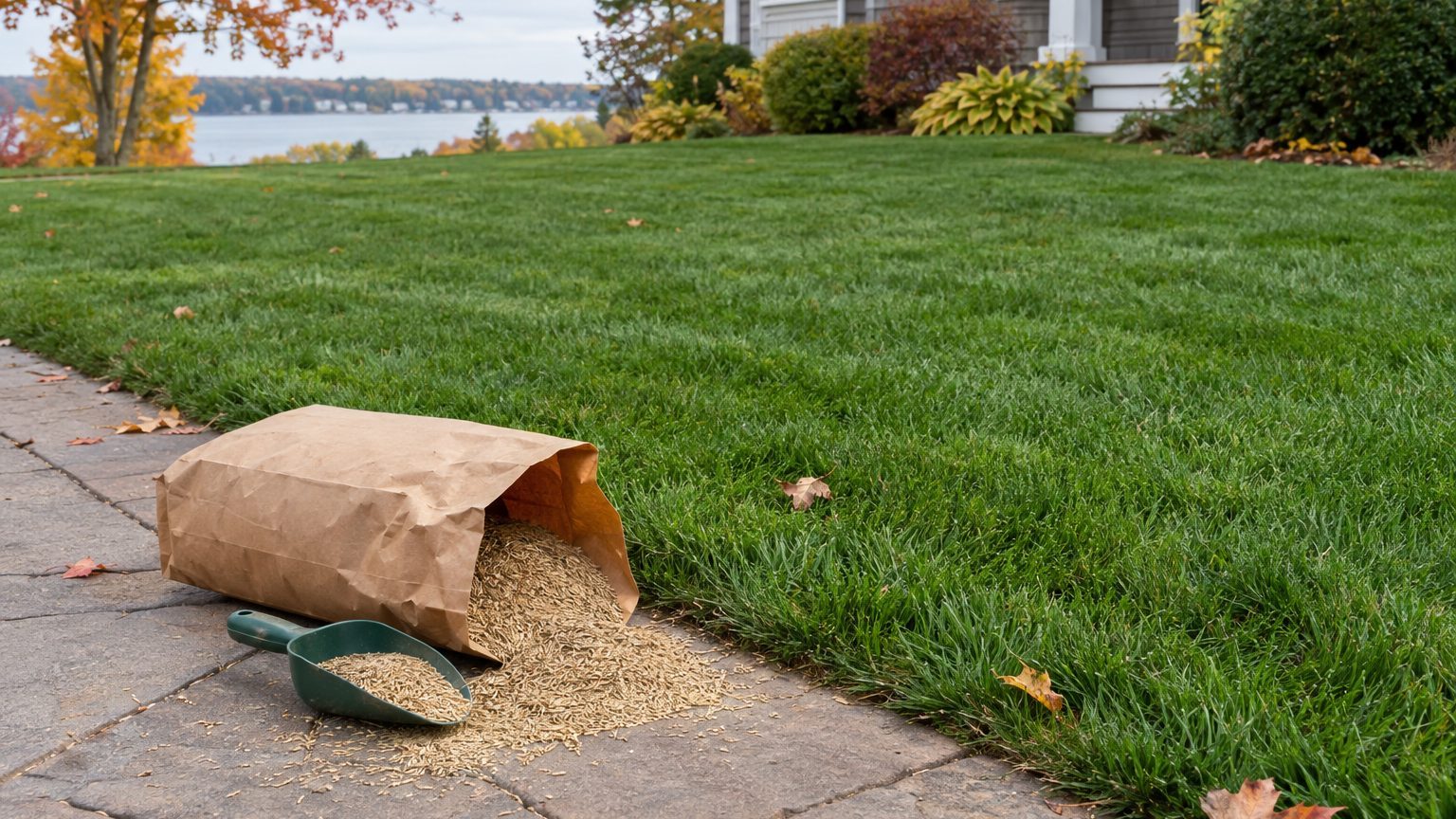
Best Grass Seed for Prince Edward Island

Best Grass Seed for Prince Edward Island

Thin patches in a Prince Edward Island lawn usually show up after a wet spring or a hard winter, and the fix starts with the seed you pick. Cool-season grasses suit the Island, and a blend built on Kentucky bluegrass and fine fescues covers most yards. Perennial ryegrass and tall fescue fill particular jobs.

Which Grass Grows Best in Prince Edward Island?

Cool-season grasses are the ones to buy here, because the Island has cool summers, cold winters and a growing season that favors grass making its best growth in spring and early autumn. Warm-season grasses stall in these conditions. Charlottetown sits in Canadian hardiness zone 5b (a Canadian rating that does not match USDA zones), and every species below handles that cold.

Kentucky Bluegrass

This is the dependable base of most Island lawns. It spreads by underground stems, so it knits together and slowly repairs small bare spots on its own. It wants sun and a regular mowing, and it is slow to sprout, so give it patience after seeding.

Fine Fescues

Creeping red, chewings and hard fescue belong together in this group. They cope with shade, thin soil and less fertilizer better than bluegrass does, which makes them the choice under maples and spruces. Mixed into a blend, they keep the lawn looking even where light is uneven.

Perennial Ryegrass

Perennial Ryegrass — Best Grass Seed for Prince Edward Island

Ryegrass sprouts fast, so it shows green quickly and helps hold a new seedbed against rain. It is less hardy than bluegrass, and in a hard winter it can thin out. Use it as a partner in a mix, not as the whole lawn.

Tall Fescue

Tall fescue is deep-rooted and tough under foot traffic, but it grows in clumps and does not spread. Because tall fescue grows in clumps, a dead patch leaves a gap that must be reseeded. Follow the seeding rate on the label and reseed thin spots as they appear.

How to Choose Grass Seed for a Prince Edward Island Yard

Start with what your yard actually does: how much sun it gets, who walks on it and whether you can water in dry spells. Match those answers to a species, then choose a blend whose grasses complement each other when conditions change.

August and September are the best months for seeding, with May as a fallback if the season slips by. If you miss the autumn window, November dormant seeding still works, because seed laid on cold soil waits and sprouts in spring.

Your yard Grass to look for Why it fits
Full sun, regular mowing Kentucky bluegrass Spreads and fills gaps into a dense turf
Shade or under trees Fine fescues Tolerate low light and thinner soil
Heavy foot traffic Tall fescue with bluegrass Deep roots take wear, bluegrass repairs
Fast cover on bare soil Perennial ryegrass in a blend Sprouts quickly and steadies the seedbed
Little watering, less mowing Fine fescues Manage with less fertilizer and less fuss

Watering matters most from June to August, so a yard where you cannot water leans toward fescues. If you do not want to mow often, fine fescues grow slowly and stay low, while bluegrass and ryegrass ask for a regular cut.

Which Grasses Grow Where in Prince Edward Island

Exposure and elevation can change how quickly a lawn warms in spring, so Charlottetown is only a reference point. A spring frost date shifts from one district to the next, so treat any date as the middle of a window, not a safe day to seed.

  • Charlottetown and central Queens County: Frost leaves on average around May 16, which means half of years it lingers later. Bluegrass blends with fine fescues do well here, and May is the fallback month for seeding when local soil and weather are suitable.
  • Summerside and West Prince: lawns on exposed sites near the shore can face wind and salt spray. Choose the grass mix for the light, soil and care available in your coastal yard.
  • Souris, Montague and eastern Kings County: use Charlottetown’s frost date only as a reference point and adjust seeding to local conditions.

Shaded yards, wherever they are, call for fine fescues first.

Grass Seed Mistakes to Avoid in Prince Edward Island

Buying a Single Grass for Every Spot

The same grass rarely suits a whole yard, since the sunny front lawn and the shaded side strip need different traits. Read the label for the blend, and look for bluegrass and fine fescues together. Seed a shadier strip with a fescue-heavy mix and leave the sunny lawn to bluegrass.

Seeding Too Late in Autumn

Seed needs time to sprout and root before the ground freezes, and on average the first fall frost arrives around October 17 in Charlottetown. Seed in August or September so the grass is established first. If you miss that window, seed in November on cold soil and let it come up in spring.

Burying Seed or Spreading It Unevenly

Grass seed needs shallow cover and firm contact with the soil. Cover it no more than 6 mm (0.25 inch) deep, which a light raking achieves, and press it against the soil. Spread it evenly, thicker than a light dusting but without piles, and water regularly so the surface never fully dries while seedlings emerge.

Where to Get Lawn Advice in Prince Edward Island

Canada has no county extension office, so help comes from the province and from local growers. The Island has several good places to ask about soil, seed blends and local conditions before you buy.

  • The Prince Edward Island agriculture department publishes provincial guidance, and it is worth checking before you plan your seeding.
  • A local master gardener group can answer questions about your district, and spring is a good time to ask.
  • A garden centre near you can help read a seed label and match a blend to your yard, ideally before August.

Common Questions

Is November Too Late to Seed a Lawn in Prince Edward Island?

Not if you seed on cold soil. Seed sown in November stays put over winter and sprouts in spring, so it works as a fallback when autumn slips away, though August and September give better results.

When Should You Aerate or Dethatch a Lawn in Prince Edward Island?

Dethatching works best in August and September, and aeration is best in September, with May as a fallback. Doing either just before seeding opens the soil so seed meets it directly.

Can You Keep Mowing a Prince Edward Island Lawn into Autumn?

Yes. Mowing is best from May through October, and April or November may still call for a cut if the grass keeps growing. Mow only while the grass is growing, and stop when growth stops.
Lawn Problems and Solutions in Prince Edward Island

Lawn Problems and Solutions in Prince Edward Island

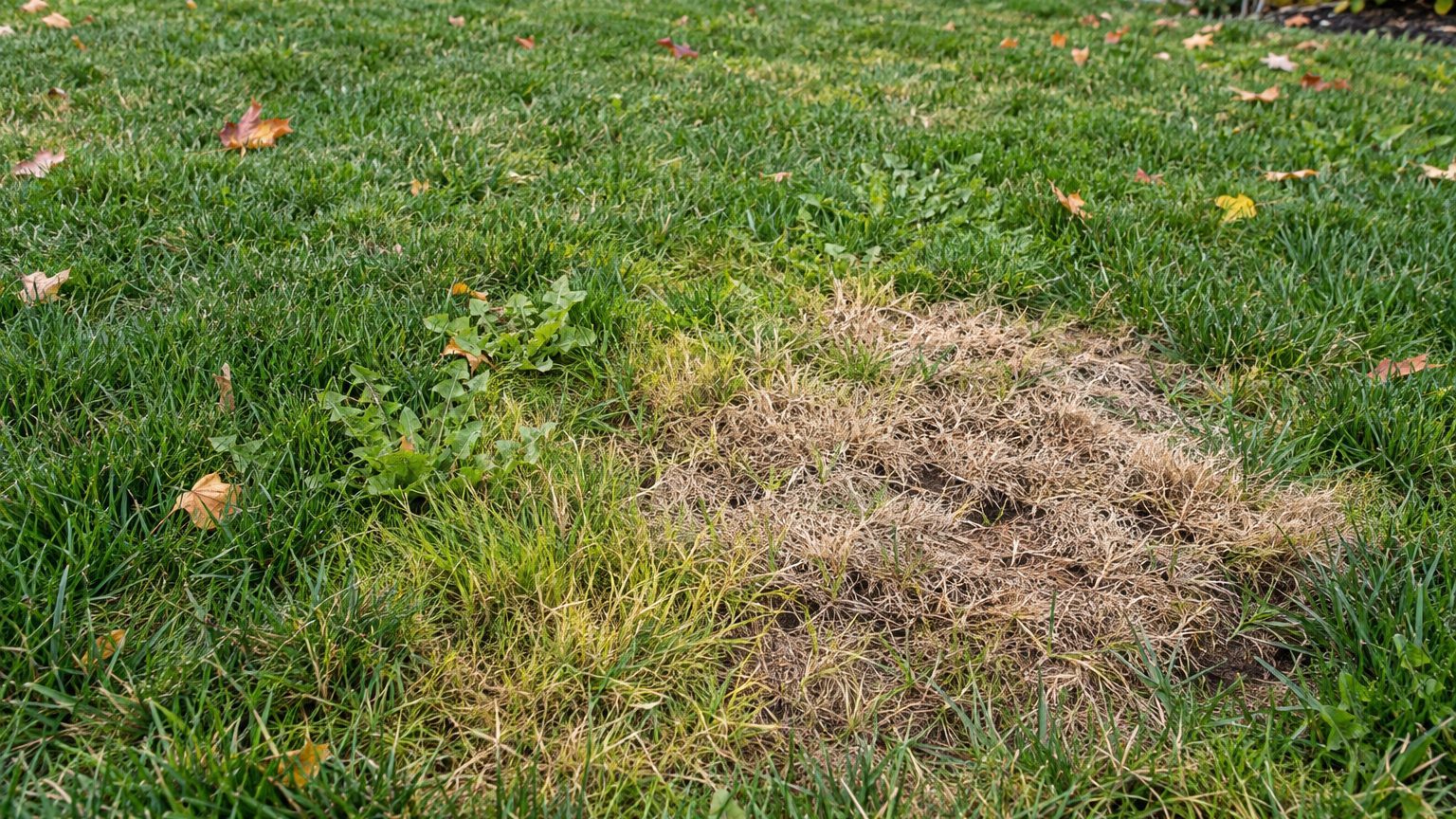
Gray, matted patches after the snow melts, and brown circles or peeling turf later in the summer, are the usual signs of trouble on a Prince Edward Island lawn. Prince Edward Island lawns can face snow mold, red thread, white grubs, crabgrass and moss, but each problem favors different conditions. Good timing, mowing and watering can prevent or reduce many of them.

Lawn Pests and Diseases in Prince Edward Island

Snow Mold

Snow Mold — Lawn Problems and Solutions in Prince Edward Island

Snow mold shows up as gray or pinkish circles of flattened, crusty grass as soon as the snow leaves. It forms under long-lasting snow cover on grass that went into winter long and wet.

Rake the patches gently to lift the blades and let air in. Most lawns recover on their own as growth picks up, and a light reseeding fills any bare spots.

Crabgrass in Thin Spots

Crabgrass is a coarse, light green grass that sprawls outward in a star shape on sunny, thin or bare ground. It sprouts after the soil warms in late spring and dies with the first hard frost, leaving gaps behind.

A thick lawn helps control crabgrass because seedlings struggle without bare soil. Fill thin areas with seed in late summer so nothing is left open to sprout the next year.

Red Thread

Red thread looks like tan or bleached patches with fine pink to red threads sticking out from the leaf tips. Cool, humid weather and hungry, underfed grass favor it, and the Island has plenty of both.

Feed the lawn on schedule and water in the morning so the blades dry quickly. The grass usually outgrows the damage once it is well fed.

White Grubs

White grubs are plump, C-shaped larvae that chew grass roots. The lawn turns brown and the turf lifts like a loose rug, often with skunks, crows or gulls tearing at it.

Peel back a corner of affected sod and look at the soil beneath. Finding grubs beneath damaged sod supports the diagnosis, but their presence alone does not show how serious the damage is.

Moss in Shade and Wet Spots

Moss forms a soft green mat where grass has already given up, usually under trees, beside north-facing walls or in low, compacted ground. It moves into thin turf rather than killing healthy grass.

Open the canopy, loosen the soil with core aeration, and seed a shade-tolerant mix. Raking out the moss alone brings it back.

How to Tell Which Lawn Problem You Have

No symptom settles the diagnosis by itself. Pair the shape of the patch with the time of year, and check whether the spot sits in sun or shade. A quick tug on the grass tells you whether roots are still holding.

Grass that pulls up easily because its roots are damaged can point to an insect underneath, but it is not conclusive by itself. Grass that stays firmly anchored makes root-feeding grubs less likely, so compare the other symptoms before deciding.

What you see Where and when Points to
Gray or pink matted circles, blades stuck together Just after snow melt, in low or long-covered spots Snow mold
Pink threads on tan patches Cool, damp stretches from late spring into fall Red thread
Coarse, spreading clumps Sunny thin spots in summer Crabgrass
Turf lifts like carpet, animals digging Late summer into fall, roots missing White grubs
Soft green velvet mat Shade, damp or packed soil Moss

A spongy lawn that feels bouncy underfoot may simply carry too much thatch. A layer up to 1.3 cm (1/2 inch) is healthy, and anything thicker calls for dethatching or core aeration.

Where Lawn Problems Are Worst in Prince Edward Island

Charlottetown’s last spring frost averages May 16, and in half of years it arrives later. Use Charlottetown only as a reference point; northern or upland districts can run behind it.

  • North Shore and Cavendish: on exposed sites, wind and salt spray can thin turf and leave room for crabgrass.
  • Charlottetown and Queens County: shaded or compacted yards can hold moisture, which favors moss and red thread.
  • Summerside and Prince County: exposed yards can dry in summer and show winter burn where wind reaches the turf.
  • Souris and Kings County: compare the Charlottetown reference point with the conditions in your yard before timing spring work.

Wherever you live, a spot beside the road or driveway also takes winter salt, and its grass thins first.

Lawn Care Mistakes That Invite Problems in Prince Edward Island

Mowing Too Short

Scalped grass exposes soil, gives crabgrass room to germinate and leaves the lawn less resilient. Mowing runs from May through October here, and April or November works if the grass is still growing.

Raise the mower to a higher setting and avoid removing a large share of the blade at once.

Watering Lightly and Often

Frequent shallow sprinkling keeps the surface wet, which red thread and moss love, and trains roots to stay near the top. Watering matters most from June through August.

Water deeply and less often, in the morning, so the blades dry by evening and roots chase moisture downward.

Feeding at the Wrong Time

Overfeeding can push soft, fast leaf growth instead of steady root development. September is the strongest time to fertilize, while May and October also work.

Feed in autumn to build roots and thickness, and keep spring applications light.

Where to Get Lawn Advice in Prince Edward Island

Canada has no county extension offices, so advice here comes from the province, local gardeners and nurseries. Start with the agriculture pages from the Government of Prince Edward Island.

  • The provincial agriculture ministry has resources on soil, pests and plant health, and is a good first stop in spring.
  • A local master gardener group can look at photos of a problem patch, which helps before you buy anything.
  • A garden centre can identify a grub or weed if you bring a sample, especially in late summer.

Common Questions

When Should You Seed a Lawn in Prince Edward Island?

August and September give new grass time to root before winter. If you miss that window, May still works, and seed spread on cold ground in November sprouts in spring.

When Should You Put Down Crabgrass Preventer?

May is the month to apply it, before the seeds germinate. Putting it down later misses the sprouting, and the product does little once crabgrass is up.

When Should You Core Aerate a Prince Edward Island Lawn?

September is the best time, when the grass recovers quickly and fills the holes. Spring aeration in May is a fallback, though avoid doing it where crabgrass seed is waiting.

Prince Edward Island Lawn Care Schedule, Month by Month

Prince Edward Island Lawn Care Schedule, Month by Month

Mowing in May, seeding in late summer and feeding in September: those are the habits that keep a Prince Edward Island lawn thick through cool, damp, salt-tinged weather. The island’s grass grows hardest in spring and again in early fall, and rests under snow for the winter months.

What to Do Each Month in a Prince Edward Island Lawn

Cool-season grass does most of its work when the weather is mild, so the busy months cluster in spring and early fall. Summer is for mowing and watering, and winter is for staying off the turf.

Month In the lawn
January Rest. The grass is dormant under snow and frozen ground, so keep foot traffic off it.
February Rest. Nothing grows, and walking on frozen blades only bruises them.
March Rest. Meltwater pools and the soil stays soggy, so wait before raking or driving a mower across it.
April Mowing starts to work once the grass greens up and the ground firms. Cut high and light, and clear winter debris by hand.
May Put down crabgrass preventer before the weed seed sprouts. Mow regularly now. Aeration, seeding and feeding also work this month if you prefer spring.
June Mow and begin watering when rain falls short. Deep, infrequent soaks push roots down.
July Keep mowing and watering. Leave the blades a little taller to shade the soil in the warmest weeks.
August Dethatch if the thatch layer is thick, then start seeding thin spots. Water stays on the list.
September The main month. Aerate, feed, seed and dethatch while the soil is warm and the nights turn cool.
October Keep mowing until growth stops. If you missed September, a feeding still works now.
November A final cut works if the grass is still growing. Seed spread on cold ground will wait out the winter and sprout in spring.
December Rest. The lawn is dormant, so clear leaves and keep salt and heavy piles of snow off the turf edges.

September brings aerating, feeding, seeding and dethatching together, so it pays to protect that fall window on your calendar. Spring tasks can slide a little, but the fall window is the one that builds next year’s lawn.

When Does the Lawn Season Start and End in Prince Edward Island?

Grass wakes up when the soil warms, not when the last frost passes. Seed germinates in soil between 10 to 18 °C (50 to 65 °F), which on the island usually means May for spring work and August through September for fall work. The type of grass matters too, since fine fescues and Kentucky bluegrass, both common here, start earlier and keep going later than warm-season turf.

Frost dates only tell you how risky it is for young seedlings. In Charlottetown, the last spring frost comes around May 16 on average, which means that in about one year out of two a frost lands later. Treat that date as the middle of a window, not a safe date.

The first fall frost arrives around October 17 on average, and again it can come earlier or later. Seed sown in August or September has time to root and toughen up before that, while seed sown after it faces cold nights with little growth left. Use the Charlottetown dates as midpoints rather than province-wide deadlines; northern or upland districts can run behind them.

How the Lawn Calendar Shifts Across Prince Edward Island

The island is small, but the water around it shapes each end differently, and your lawn follows the nearest shoreline more than the map grid.

  • Charlottetown and Queens County: the central part of the province sets the baseline for the schedule, with a spring green-up and fall slowdown that match the months in the calendar.
  • Summerside and Prince County: exposed lawns can dry faster in a windy summer, so watch the turf and soil rather than assuming every yard follows the same pattern.
  • The North Shore around Cavendish: cold Gulf of St. Lawrence water holds spring back, so green-up and May tasks run later, and salt spray can burn turf near the dunes.
  • Kings County and the Eastern Shore near Souris: use the Charlottetown schedule as a reference point and adjust it to the exposure and conditions in your yard.

If your yard sits close to the water, use its actual spring green-up and fall slowdown to adjust the schedule. Inland yards should also adjust the monthly calendar to local conditions.

Lawn Care Timing Mistakes to Avoid in Prince Edward Island

Seeding Too Late in Fall

Seeding Too Late in Fall — Prince Edward Island Lawn Care Schedule, Month by Month

Seed that goes down after September has little time to root before the cold arrives, and thin seedlings heave or die over winter. Aim for August to September, when the soil is still warm.

If you miss it, May is the fallback. A November sowing on cold ground can also work if you intend it to sleep until spring.

Crabgrass Preventer Applied Too Late

Preventer works by stopping weed seed as it sprouts, so once crabgrass is up the product does nothing. In the island’s cool spring, May is the month to apply it.

Seeding the same week undoes the job, because the barrier stops grass seed too. Choose one or the other for any given patch.

Feeding at the Wrong Time

A heavy feeding in the middle of summer pushes soft growth just when the lawn is stressed and thirsty. September is the strongest month for fertilizer, with May and October as workable alternatives.

Fertilizer put down after October mostly washes off frozen or saturated ground, so it is wasted.

Where to Get Lawn Advice in Prince Edward Island

Canada has no county extension offices, so local help comes from the province and from people who grow grass nearby. For questions that depend on your soil or your stretch of coast, these are the places to start.

  • The Prince Edward Island Department of Agriculture publishes provincial guidance, so check it in early spring before you plan your seeding.
  • A local master gardener group can look at your site and your soil, and spring is a good time to ask.
  • A garden centre near you stocks seed and fertilizer suited to the island, so visit in August before you buy.

Common Questions

Does Canadian Hardiness Zone 5b Tell You When to Seed?

No. Charlottetown’s 5b rating belongs to the Canadian system and does not convert to a USDA zone. That system uses seven climate variables, while seeding time follows soil warmth. It describes what plants survive in winter, while seeding time follows soil warmth.

Can You Aerate and Fertilize in the Same Month?

Yes, September is a good month for both. Aerate first so the feeding reaches the root zone through the holes.

What If You Miss the Late-Summer Seeding Window?

Seeding in May also works, though the grass will face its first summer young. Seed spread on cold ground in November is another route, since it sprouts when spring warms the soil.

Best Grass Seed for Pennsylvania

Best Grass Seed for Pennsylvania

A Pennsylvania lawn that stays green through July heat and still greets you in April is almost always built on cool-season grass. Kentucky bluegrass, fine fescues, perennial ryegrass and tall fescue are the main grass groups for the state, and good seed choices come from that short list.

Which Grass Grows Best in Pennsylvania?

Cool-season grasses fit Pennsylvania, because they grow hardest in spring and fall and slow down, rather than quit, when winter arrives. Warm-season lawn grasses go brown for much of the year here, and hardiness zones from 5a to 7b mean winter lows differ widely across the state. The grass groups below suit different combinations of sun, shade, traffic and water.

Tall Fescue

Tall fescue has deep roots, so it rides out dry July stretches better than bluegrass does. It forms a coarse, upright turf that tolerates foot traffic and some shade.

It grows in clumps rather than spreading, so bare spots need reseeding instead of waiting for it to fill in.

Kentucky Bluegrass

Kentucky bluegrass is the classic Pennsylvania lawn, dense and soft, and it spreads by underground stems to heal small wear spots. It handles cold winters easily, including in the colder north.

It wants full sun and regular water in summer, and it is slow to germinate, so give it patience after seeding.

Fine Fescues

Creeping red, chewings and hard fescue are the answer for shade and poor, dry soil. They make a fine-textured lawn that needs less fertilizer and water than bluegrass.

They dislike heavy foot traffic and constant wet, so keep them for the quieter corners of the yard.

Perennial Ryegrass

Perennial Ryegrass — Best Grass Seed for Pennsylvania

Perennial ryegrass sprouts fast, which makes it handy for quick cover and in blends with slower species. It wears well under play.

In the colder north, use perennial ryegrass as a partner in a mix rather than the whole lawn.

How to Choose Grass Seed for a Pennsylvania Yard

Start with the light your yard gets, then think about traffic, water and how much mowing you want to do. A blend can suit changing conditions across a Pennsylvania lawn because the grasses balance each other’s weaknesses.

Seeding goes best in August and September, when the soil is warm and the cold is still a ways off. If you miss that window, April and May also work.

Your yard Grass to lean on Why
Full sun, regular watering Kentucky bluegrass Dense turf that spreads and repairs itself
Full sun, dry spells, no irrigation Tall fescue Deep roots hold up in summer drought
Shade under trees Fine fescues Cope with low light better than bluegrass
Kids and pets playing Tall fescue with ryegrass Tough, and ryegrass fills in fast
Low mowing and feeding Fine fescues Slow, fine growth with modest needs

When you buy, read the tag and choose seed that clearly identifies every grass species it contains. Whatever you choose, cover the seed with no more than 0.25 inch of soil and press it down so it touches the ground firmly.

Which Grasses Grow Where in Pennsylvania

Winters and growing seasons change a lot from one corner of the state to another, and that shifts which species you can lean on.

  • Philadelphia and the southeast: This is the mildest part of the state, where spring frost ends between March 29 and April 6. Tall fescue does well here, and the long season suits fall seeding.
  • The northern tier: Winters are colder and spring arrives later, so Kentucky bluegrass and fine fescues are the steady choices. Ryegrass can be included in a blend.
  • The Allegheny Mountains: Cold and a short season favor fine fescues and bluegrass. Seed a little earlier in late summer so roots form before cold sets in.

Before you shop, note your own yard’s sun and shade.

Grass Seed Mistakes to Avoid in Pennsylvania

Picking the Wrong Species

Sun-loving bluegrass sown under a maple can thin out. Match the species to the light and the water you can really give, using the choices above.

Seeding at the Wrong Time

Spring seed has to fight crabgrass and summer heat before it matures. August and September give seedlings warm soil and cooler air. If you miss September, October still works for laying sod, though seed has less time to root.

Burying or Skimping on Seed

Deep covering smothers seed, and a thin scatter leaves room for weeds. Rake lightly, press it in, and follow the rate on the bag. If you fertilize while establishing the lawn, Pennsylvania law (Act 83 of 2022) bans lawn fertilizer from December 15 to March 1, on ground frozen 2 inches deep, or on snow-covered ground.

Where to Get Lawn Advice in Pennsylvania

Local help can settle questions about soil, shade and the seed that suits your exact corner of the state.

  • Penn State Extension publishes lawn establishment and seasonal care guidance, useful before you buy seed in late summer.
  • Your county extension office can answer questions about your area and help with a soil test, ideally before seeding.

Common Questions

Is It Okay to Mix Grass Seed Types in Pennsylvania?

Yes. A blend of bluegrass with fine fescue or ryegrass spreads the risk across sun, shade and wear, so different parts of the yard each find a species that suits them.

Can You Grow Warm-Season Grass in Pennsylvania?

It is not a good fit. Warm-season grasses turn brown for much of the year in Pennsylvania, making them a poor fit for lawns here.

Should You Dethatch Before Seeding?

Only when thatch is thicker than about an inch. Late summer, in August or September, is the best time, and April or May also works.

Lawn Problems and Solutions in Pennsylvania

Lawn Problems and Solutions in Pennsylvania

Bare spots, brown rings and weedy patches show up on Pennsylvania lawns as the seasons turn, and most trace back to a short list of causes: crabgrass, thatch, summer fungus and grubs, helped along by a few mowing, watering and feeding habits. Knowing which one you face decides whether the fix is a spring step or a late-summer one.

Lawn Pests and Diseases in Pennsylvania

Crabgrass

Crabgrass — Lawn Problems and Solutions in Pennsylvania

Crabgrass appears as coarse, light green clumps that spread flat across thin turf once the soil warms. It dies with the first frost but leaves bare gaps and seed behind. A preventer goes down in April, and it still works in March or May. Thick turf shades out the seedlings, so patch thin areas rather than just treating them.

Spongy Thatch Layer

Thatch is the tan mat of stems and roots between the green blades and the soil. When your fingers sink into it and water runs off the surface, it has built up. A layer up to 1/2 inch is healthy, but anything thicker should be dethatched or core aerated. Do either in August or September, or in April or May if the timing slipped.

Brown Patch in Midsummer

Brown patch is a fungus that thrives in warm, humid weather, especially on tall fescue and ryegrass. Look for roughly circular tan patches, sometimes with a darker, smoky edge in the early morning. Pennsylvania summers stay muggy, so airflow matters. Water early in the day so the blades dry quickly, and avoid heavy nitrogen in the hot months.

White Grubs

Grubs are fat, C-shaped beetle larvae that chew grass roots in late summer. The turf turns brown, feels loose underfoot, and often peels back like carpet, with creamy grubs sitting in the soil below. Raccoons, skunks and birds tearing up the lawn offer another clue. Healthy, deeply rooted grass can tolerate grub activity; if the turf is damaged, repair it with seed once the weather cools.

How to Tell Which Lawn Problem You Have

One clue rarely settles it. Pair what the patch looks like with when it appears and what happens when you tug it. A quick pull on the grass and a look at the soil underneath tell you more than any color.

Brown grass that stays rooted points toward fungus or drought. Brown grass that lifts away easily points toward roots that have been eaten.

What you see When and where Best time to act
Coarse, light green clumps in thin turf Summer, in sunny, sparse spots April
Spongy turf and water that runs off Any time, across the whole lawn August, September
Thin, bare patches Shady areas and worn traffic paths August, September

For brown patch and grubs, diagnosis depends more on the signs than on the season. Round tan patches in humid weather with grass that stays rooted suggest brown patch. Turf that peels back like a rug in late summer, with torn-up ground nearby, suggests grubs.

Where Lawn Problems Are Worst in Pennsylvania

Pennsylvania stretches from the Delaware River to Lake Erie, and the problems shift with the climate along the way.

  • Philadelphia and the Southeast: Spring comes earliest here, with the last frost typically between March 29 and April 6. Crabgrass germinates sooner, and warm humid summers favor brown patch.
  • The Northern Tier: Spring arrives later and the growing season is shorter. Snow can sit on the lawn for a long time, so expect more winter damage and slower recovery than in the Southeast.
  • The Allegheny Mountains: Higher ground stays cooler, so grass has less time to grow in spring and fall. Late seeding is risky because seedlings can be caught by cold before they root.
  • The Erie Lakeshore: Lake-effect snow blankets lawns for long stretches, and the cool, damp conditions that follow can leave turf slow to green up.

Because of these differences, spring tasks start later in the northern tier and the Alleghenies than in Philadelphia.

Lawn Care Mistakes That Invite Problems in Pennsylvania

Cutting the Grass Too Short

Scalped turf lets sunlight reach the soil, which encourages crabgrass and stresses the roots. Mow high, and take off only a small portion of the blade at a time. Mowing is on the schedule from April through November, so keep the mower blade sharp for a clean cut.

Watering Lightly and Late

Short sprinkles keep roots shallow and leave the blades wet overnight, which invites brown patch. Water deeply and less often, in the early morning, when summer heat peaks from June to August. Skip it when rain has done the job.

Feeding at the Wrong Time

Pennsylvania law (Act 83 of 2022) bans lawn fertilizer from December 15 to March 1, on ground frozen 2 inches deep, or on snow-covered ground. Within the legal window, the best feedings come in May and September. If you miss one, April or November still works. Heavy summer nitrogen fuels fungus rather than roots.

Where to Get Lawn Advice in Pennsylvania

Local help matches advice to your grass, soil and county, which saves guesswork when a patch looks unfamiliar.

  • Penn State Extension publishes lawn guides covering identification, seeding and fertilizing that are written for Pennsylvania conditions.
  • Your county extension office can answer questions about a specific patch, and a soil test through them is a good first step before spring feeding.

Common Questions

When Should You Seed a Lawn in Pennsylvania?

August and September give new grass warm soil and cooling air, so seedlings root before winter. If that window passes, April and May also work, though summer heat then arrives sooner.

When Should You Lay Sod in Pennsylvania?

August and September are the preferred months. April, May and October also work, as long as you keep the new sod evenly moist until it knits to the soil.

How Late in the Year Should You Keep Mowing?

Keep mowing into November while the grass is still growing. Mowing is on the schedule from April through that month, so stop when growth slows rather than by the calendar.

Pennsylvania Lawn Care Schedule, Month by Month

Pennsylvania Lawn Care Schedule, Month by Month

Early spring in Pennsylvania means a few warm afternoons, a lot of mud, and neighbors eyeing their lawns for the first green. The grass wakes slowly, and what you do in each month decides whether it thickens up or fights weeds and heat all summer.

What to Do Each Month in a Pennsylvania Lawn

Pennsylvania Lawn Care Schedule, Month by Month

Pennsylvania lawns are mostly cool-season grasses, which grow hardest in spring and fall and sulk in July. The months below follow that rhythm, with the best time for each job named plainly and backup options noted along the way.

Month In the lawn
January Rest. The grass is dormant, so the spreader stays in the shed.
February Rest. Keep foot traffic off frozen grass, and tune up the mower and sharpen the blade.
March Still mostly asleep. If spring runs warm, you can put down crabgrass preventer this month, though April is better.
April Apply crabgrass preventer now, before the seeds sprout. Start mowing as growth picks up. Aeration, dethatching, seeding and sod all work this month too, though they’re not the best time, and fertilizing also works.
May Fertilize now while growth is strong. Keep mowing. Preventer, aeration, dethatching, seeding and sod work as backups if April slipped by.
June Mow regularly and begin watering as the heat builds. Skip heavy work, since cool-season grass is starting to slow down.
July Water deeply and mow. Brown patches in a dry spell are the grass resting, not always dying.
August Time to renovate. Aerate, dethatch only if thatch is thicker than about an inch, seed, and lay sod. Keep watering and mowing.
September In September, you can seed, lay sod, aerate, dethatch and fertilize. Warm soil and cooler nights help new roots.
October Keep mowing, and clear fallen leaves so they do not smother the grass. Sod can go down this month too.
November Mow until growth stops. A last fertilizer feeding also works this month, and it must go on before the ground freezes.
December Rest. The grass is dormant.

When Does the Lawn Season Start and End in Pennsylvania?

Grass wakes up when the soil warms, not when the calendar says spring. Cool-season seed sprouts once the soil sits between 50 and 65 °F. That makes spring seeding workable. September’s warm ground makes fall an even better window. Warm-season grasses need 65 to 70 °F, and they are uncommon in Pennsylvania yards.

Frost dates tell a different story. In Philadelphia, the last spring freeze usually lands between March 29 and April 6, and that matters mainly for young seedlings, which are tender. Seed put down too early can get nipped by a late cold snap.

In Philadelphia, the first fall freeze arrives between November 5 and November 16. Seed sown in August or September can take root before that, which is the logic of a late-summer start. Growth fades well before the freeze and the mower keeps working until the grass stops.

How the Lawn Calendar Shifts Across Pennsylvania

Philadelphia is the mildest corner of the state, so the dates above lean early, and the rest of Pennsylvania moves later in spring and earlier in fall depending on where you live.

  • Philadelphia and the southeast: Spring work generally starts earlier here, and the fall renovation window tends to stay open longer. Summer heat stress can also be a concern.
  • The northern tier: Spring runs weeks behind the southeast, so preventer, seeding and the first mowing all wait. Fall seeding should begin at the early end of the window so roots form before hard frost.
  • The Alleghenies: Elevation holds the soil cold well into spring and brings frost back sooner in autumn. Treat the later months of each spring window as your best bet and seed early in August.
  • Pittsburgh and the southwest: Timing sits between the southeast and the high ground, with the same spring and fall rhythm.

Hardiness zones in the state range from 5a to 7b on the USDA system, reflecting differences in winter cold rather than the full climate.

Lawn Care Timing Mistakes to Avoid in Pennsylvania

Fertilizing Too Late in the Year

Fertilizing Too Late in the Year — Pennsylvania Lawn Care Schedule, Month by Month

State law now blocks lawn fertilizer from December 15 to March 1, and on frozen or snow-covered ground at any time. Feed in May and September instead, with November as a backup.

Spring Seeding in Summer’s Shadow

Seed sown in May has less time to establish before summer heat and drought, and seedlings can struggle in July. If you can, wait for August and September, when warm soil and cooler air let roots settle before winter.

Crabgrass Preventer Applied Late

Preventer works only before crabgrass seed sprouts. Put it down in April; March and May also work, because once the weed is up the product does nothing. Many crabgrass preventers also stop new grass seed from sprouting, so check the label before combining the two.

Where to Get Lawn Advice in Pennsylvania

Local conditions vary enough that a neighbor’s advice from the next valley may not fit your yard. Nearby guidance can fill the gaps in a general schedule.

  • Penn State Extension publishes lawn guides on seeding, fertilizing and the state’s fertilizer rules, and it is a good first stop before any big renovation.
  • Your county extension office can answer questions about local soil, and it can arrange a soil test before you buy lime or fertilizer in late summer.

Common Questions

Should You Mow a Pennsylvania Lawn Short Before Winter?

Mow at your normal height until growth stops, with the last cut in November. Scalping the lawn does not help, and it leaves crowns exposed to cold.

Can You Seed a Lawn in Spring in Pennsylvania?

Yes, April and May both work, though they’re not the best choice. Seedlings must fight weeds and summer heat before they are established, so they need regular watering.

Do You Need to Water a Pennsylvania Lawn in Winter?

No. Dormant grass needs no watering in winter, and watering matters most from June through August, when heat and dry spells stress the turf.

Best Grass Seed for Oregon

Best Grass Seed for Oregon

Thin patches can show up after winter, and the fix starts with the seed you pick. In Oregon, the grasses that do well are cool-season types that grow through mild, wet winters and spring. Choosing among them comes down to sun, shade, foot traffic and how much you want to water.

Which Grass Grows Best in Oregon?

Cool-season grasses suit Oregon, especially west of the Cascades, because they grow actively in the damp, mild weather of spring and fall and slow down through dry summers. Warm-season grasses need long, hot stretches to thrive, so they are not the usual choice here. The cool-season choices below have different strengths and care needs.

Perennial Ryegrass

Perennial Ryegrass — Best Grass Seed for Oregon

Perennial ryegrass sprouts quickly and forms a dense, fine-textured lawn, which makes it a dependable partner for Oregon’s wet winters. It fills in bare spots fast, so it is popular for overseeding. Give it regular water in summer, since it has shallower roots than tall fescue.

Fine Fescues

Creeping red, chewings and hard fescue are the fine fescues, and they cope with shade and thinner soil better than bluegrass does. That makes them a natural fit under Douglas firs and maples. They look best mowed on the higher side and left without heavy feeding.

Tall Fescue

Tall fescue sends roots deep, so it handles dry summer spells with less water than most other lawn grasses. The blades are coarser, and it grows in clumps rather than spreading. Seed it evenly and fill thin spots promptly, since it will not creep in to close gaps on its own.

Kentucky Bluegrass

Kentucky bluegrass makes a lush, self-repairing lawn because it spreads by underground stems. It is slow to germinate, and it browns in a dry summer unless you water it regularly. In full sun with irrigation it does well. Without irrigation, it is a risky choice.

How to Choose Grass Seed for an Oregon Yard

Start with the light your yard gets and how you use it. A play area, a shady corner and a sunny strip along the street each call for a different grass, and a blend can adapt to varied conditions across the yard.

Watering matters most from June through August, so be honest about whether you will run a sprinkler. Mowing habits count too. Some grasses look tidy with less frequent cutting, while others want a trim more often.

Grass Season Fits this yard
Perennial ryegrass Cool Busy lawns and quick repairs, with regular summer water
Fine fescues Cool Shade, thin soil, and owners who prefer less mowing and feeding
Tall fescue Cool Sunny yards with heavy use and limited watering
Kentucky bluegrass Cool Sunny lawns with irrigation and a taste for a lush look

If your yard mixes sun and shade, a blend that includes fine fescue for the shaded parts and ryegrass or tall fescue for the open areas tends to settle into the right spots naturally. Read the seed tag for the species list rather than judging by the front of the bag.

Which Grasses Grow Where in Oregon

Oregon’s climate changes sharply from the coast to the Cascades to the high desert, and USDA hardiness zones (a measure of winter cold) range from 4a to 9b across the state.

  • Willamette Valley: Portland, Salem and Eugene have mild, wet winters and dry summers that suit cool-season lawns. Tall fescue handles dry spells better, while fine fescues work in the shade of tall evergreens.
  • Oregon Coast: Cool, foggy and damp conditions keep grass growing through much of the year. Fine fescues and perennial ryegrass are comfortable here, though shade and moisture invite moss.
  • Rogue Valley: Summers run hotter and drier than in the Willamette Valley, so deep-rooted tall fescue earns its place. Plan on watering to keep bluegrass green.
  • Central Oregon: Around Bend, the high desert brings cold winters and a short growing season. Hardy bluegrass and fine fescue blends are the usual picks, and seeding needs to happen early enough to root before the cold.

The frost dates you see quoted for Portland do not carry over to the east side of the Cascades, so check local timing before you plan a seeding date.

Grass Seed Mistakes to Avoid in Oregon

Choosing the Wrong Grass

Buying whatever is on the shelf often means a grass that struggles with your light or water. Bluegrass in dry shade or fine fescue on a busy play field both thin out. Match the species to the spot first, and check the tag for the exact mix.

Seeding at the Wrong Time

August and September are the best months for seeding, because warm soil and cooling air help seed sprout and root. In Portland, the first fall frost tends to arrive between November 11 and November 27. Seed sown in August or September has time to establish before then. If you miss that window, April and May also work, though summer heat comes sooner for those seedlings.

Too Much Seed or Buried Seed

More seed does not make a thicker lawn. Crowded seedlings compete and are prone to disease in damp weather, so stay with the rate on the bag. Cover seed with no more than 0.25 inch of soil or mulch, and press it down so it touches the ground firmly.

Where to Get Lawn Advice in Oregon

Local conditions vary enough that a quick check with someone nearby can save a season. Nearby guidance can help you narrow the choice for your own soil, shade and slope.

  • Oregon State University Extension Service publishes lawn care and seeding guidance written for Oregon conditions, and it is a good first stop before you buy seed.
  • Your county extension office can answer questions about local soil, moss and weed pressure, so call before the August and September seeding window.

Common Questions

Should You Aerate Before Seeding an Oregon Lawn?

Core aeration works best in September and gives seed better contact with the soil. It also can be done in April or May if you are seeding in spring.

Can You Mix Grass Types in One Oregon Lawn?

Yes, and many Oregon yards do better with a blend. Pairing fine fescue with ryegrass or tall fescue lets each species fill the part of the yard that suits it.

When Should You Fertilize a Newly Seeded Lawn?

September and November are the best months for feeding cool-season lawns in Oregon. If you seeded in spring, May is a fallback for fertilizing.

Lawn Problems and Solutions in Oregon

Lawn Problems and Solutions in Oregon

Spongy green moss, tan circles that spread in summer, and crabgrass crowding the driveway edge show up in Oregon lawns year after year. These problems often trace back to wet winters, dry summers, shade, or everyday mowing, watering, and feeding habits. Knowing which problem you have, and when it appears, decides what you do about it.

Lawn Pests and Diseases in Oregon

Lawn in Oregon

Moss in Wet Winters

Moss is a soft, dark green mat that fills thin spots in shade and on soggy ground. West of the Cascades, long rainy winters give it a head start. It is a symptom of weak grass, so scraping it out only helps if you also fix the shade, drainage, or compaction. Core aerating in September helps, and April and May also work.

Crane Fly Larvae

These gray-brown grubs chew grass crowns and roots from the soil surface, mostly in the cool, damp months. You see thinning, yellowing patches, and birds or skunks digging at them. Peel back a piece of sod in a patch’s edge and look for the grubs. Healthy, well-fed turf tolerates light feeding without much damage.

Red Thread in Cool, Damp Weather

Look for pinkish-red threads sticking out of tan patches of grass blades, usually in spring and early summer. Red thread tends to strike lawns that are low on nitrogen. A fertilizer application in September or November builds strength for the following year, and May also works if the patches appear.

Crabgrass in Summer Heat

Crabgrass is a light green, coarse annual that sprawls outward from a central crown and thrives in thin, sunny turf. It sprouts as the soil warms, so a preventer goes down in April, and May also works. Once the weeds are up, pulling young plants and thickening the lawn in late summer works better than chasing them later.

Dry Summer Brown Patches

Western Oregon summers are dry, and unwatered cool-season grass goes tan and dormant. Dormant turf bounces back when rain returns. Stressed grass is also where weeds and disease gain ground, so watering in June, July, and August keeps the lawn dense enough to crowd them out.

How to Tell Which Lawn Problem You Have

Appearance alone is rarely enough for a diagnosis. Pair what the patch looks like with when it appeared and whether it sits in sun or shade. Then tug on the grass. Turf that lifts like a loose carpet points to root feeders, while turf that holds firm points to disease, drought, or compaction.

What you see When and where Likely problem
Soft green mat over thin grass Wet months, shade or poor drainage Moss
Yellow patches, grass lifts easily Cool, damp months, anywhere Crane fly larvae
Tan patches with pink threads Spring to early summer, low-fed turf Red thread
Coarse, sprawling light green clumps Summer, thin sunny areas Crabgrass
Straw-colored turf that stays firm Dry summer, sunny and unwatered Summer dormancy

A spongy feel underfoot adds another clue. A thatch layer up to 1/2 inch thick is healthy, and anything thicker calls for dethatching or core aeration. Dethatch in August or September, and April also works.

Where Lawn Problems Are Worst in Oregon

Oregon holds a wide spread of climates, from 4a to 9b on the USDA hardiness system, so the main trouble changes with where you live.

  • Willamette Valley: Moss, red thread, and crane fly larvae thrive in the damp months, and shady yards in Portland, Salem, and Eugene take the brunt.
  • Oregon Coast: Frequent coastal moisture and fog favor moss and fungal patches, and salt wind can scorch grass edges.
  • Bend and Central Oregon: Cold winters, dry air, and a short growing season mean drought stress and slow recovery matter far more than moss.
  • Eastern Oregon: High desert heat and little rain make summer watering and crabgrass in thin turf the main headaches.

The calendar dates are written for western Oregon. Mountain and desert yards should start spring work later and finish fall work sooner.

Lawn Care Mistakes That Invite Problems in Oregon

Mowing Too Short

A scalped lawn exposes soil, lets sunlight reach weed seeds, and weakens roots before dry summers. Raise the mower deck so you remove only a small portion of each blade. Mowing runs from April through November here, so consistent mowing habits matter throughout the growing season.

Watering Lightly and Often

Short, frequent sprinkles keep the surface wet, which favors moss and disease and keeps roots shallow. Soak the lawn deeply in June, July, and August; west of the Cascades, skip watering during the rainy months. Water in the morning so blades dry out during the day.

Feeding at the Wrong Time

A heavy spring dose pushes soft top growth just as weeds wake up. Feed in September and November instead, so roots build strength before winter. May is a fallback if you missed those months. Fed grass crowds out crabgrass and resists red thread.

Where to Get Lawn Advice in Oregon

Oregon State University Extension Service offers research-based guidance for the state’s climates, and your county office knows local soils and pests.

  • The extension website has lawn care and weed identification pages worth reading before you buy anything.
  • Your county office can help identify a stubborn patch if you bring a small sample of turf.
  • A soil test before a fall seeding tells you what the lawn needs, so order one ahead of time.

Common Questions

When Should You Reseed Bare Patches in Oregon?

August and September give new grass warm soil and cooler air. April and May also work if you missed the fall window, though summer dryness will test young seedlings.

Does Aerating Help a Lawn on Heavy Clay?

Yes, pulling plugs relieves compaction and helps water reach the roots. September is the preferred month, and April and May also work.

Can You Mow Through Winter in Oregon?

Mowing is on the calendar from April through November. In the coldest months, grass growth slows, so leave it alone.

Oregon Lawn Care Schedule, Month by Month

Oregon Lawn Care Schedule, Month by Month

Oregon lawns green up fast in a mild, wet spring and spend the long dry summer asking for water. Lawn work picks up in April and May, then again from August through November.

What to Do Each Month in an Oregon Lawn

Lawn in Oregon

Cool-season grass sets the rhythm here, so the big jobs cluster in spring and early fall. Mowing runs from April through November, while feeding, seeding, and aeration have narrower windows.

Month In the lawn
January Rest. The grass is dormant or barely moving, so keep foot traffic off soggy, frosty turf.
February Rest. Soils are cold and wet, so wait for the spring seeding window. Clear fallen branches and plan the season.
March Rest, mostly. Growth is just stirring, so hold off on mowing and feeding until the grass is clearly moving.
April Start mowing. Put down crabgrass preventer now, before the weed seed sprouts. Core aeration, dethatching and seeding also work this month if fall slipped by.
May Mow regularly as growth peaks. If you missed April, crabgrass preventer still works, and so does a spring feeding, aeration or patch seeding.
June Mow and begin watering as the dry season sets in. Deep, infrequent soaking builds roots better than light sprinkles.
July Water through the dry stretch and mow. Raise the mower a notch so shade protects the soil.
August Keep watering and mowing. Dethatching and seeding open now, since warm soil starts new seed quickly.
September The busiest month. Core aerate, dethatch, seed and fertilize while soil is warm and rain returns.
October Keep mowing as growth slows. Rake leaves off the grass so they do not smother it.
November Give a last feeding to carry roots through winter, then finish the final mowings.
December Rest. Growth is slow, so stay off frozen or soggy turf and keep leaves cleared.

West of the Cascades, rain often handles watering outside June through August, so a hose is mainly a summer tool. Missed a fall job? Spring covers seeding and aeration, though fall gives better results.

When Does the Lawn Season Start and End in Oregon?

Grass wakes up when the soil warms, not when the calendar says spring. Cool-season seed germinates in soil at 50 to 65 °F, which is why April and May work for spring seeding and August and September work even better. Warm-season grasses need 65 to 70 °F and rarely suit Oregon.

Frost dates matter mostly to young seedlings. In the Portland area, the last spring freeze usually falls between March 6 and March 21, so a seeding in April meets little frost risk. A tender new stand can be hurt by a late freeze, though, so wait for the grass to be growing steadily.

Fall frost arrives later. The first freeze in the Portland area typically comes between November 11 and November 27, which gives September seed plenty of time to root first. Mowing continues into November because cool-season turf keeps growing slowly until then.

How the Lawn Calendar Shifts Across Oregon

The Cascades divide Oregon’s lawn climates, and the Portland-based timing above fits only the west side.

  • Willamette Valley: Mild, wet winters and dry summers make this the home of the schedule above. Fall seeding does especially well here.
  • Oregon Coast: Cooler summers and frequent coastal moisture slow drying, so you usually water less than in the Willamette Valley. Moss and wet soil are the bigger worries.
  • Bend and Central Oregon: High desert elevation brings a far shorter growing season. Spring jobs start later and fall jobs finish sooner, so shift each window toward the warmer months.
  • Eastern Oregon: Hot, dry summers and cold winters mean heavier watering and a tighter seeding window than in the valley.

Zones run from 4a to 9b across the state in the USDA system, so a neighbor over the mountains may follow a very different calendar.

Lawn Care Timing Mistakes to Avoid in Oregon

Seeding Too Early in Spring

Seed spread on cold, soggy March soil can rot or wash away. Wait until April, when soil warms into the germination range, or better, save the job for August and September.

Feeding Too Late in Spring

A heavy spring feeding pushes soft, fast growth just before dry weather. Feed in September and November instead, when roots can use the nutrients. If you want a spring feeding, May is the month.

Waiting Past Early Spring for Crabgrass Preventer

Preventer works only before weed seed sprouts. Apply it in April, and if you slip, May still helps. After that you are pulling crabgrass in summer rather than stopping it.

Where to Get Lawn Advice in Oregon

Oregon varies so much from valley to desert that local advice pays off. Oregon State University Extension publishes lawn guidance written for the state, and your county office knows the local soil and weather.

  • Browse the extension site for turf guides before you plan a fall seeding or renovation.
  • Call your county extension office in spring if you need help with moss, thin patches or weeds.

Common Questions

Is October Too Late to Seed a Lawn in Oregon?

In western Oregon, August and September both work. If you miss that window, wait until April or May.

Do You Need to Water an Oregon Lawn in Winter?

Rarely. Winter rain keeps the grass supplied, and the lawn is dormant or slow. Watering matters mainly from June through August, when the dry season arrives.

Should You Dethatch in Spring or Fall?

Fall is the stronger choice, in August or September, because grass recovers quickly in warm soil. Spring dethatching in April works if thatch is thick, though recovery is slower.

Best Grass Seed for Ontario

Best Grass Seed for Ontario

Cool-season grasses carry an Ontario lawn: Kentucky bluegrass, fine fescues, perennial ryegrass and tall fescue. Cold winters suit them, though summer heat and humidity can be stressful, and they grow most vigorously in spring and early fall. A blend of these grasses often suits an Ontario lawn better than a pure stand.

Which Grass Grows Best in Ontario?

Cool-season grasses win in Ontario, because winters are cold enough to stop warm-season turf and summers stay mild enough for cool-season types to hold on. Toronto sits in Canadian hardiness zone 7a, which is a Canadian rating and not a USDA zone. Here is how these lawn grasses differ.

Kentucky Bluegrass

Bluegrass is the classic Ontario lawn grass. It handles cold winters easily and spreads by underground stems, so it fills thin spots and recovers from wear. It is slow to sprout, so give it patience after seeding.

Fine Fescues

Creeping red, Chewings and hard fescues are good options for shade, dry soil and low-care lawns. They stay fine-bladed and need less fertilizer and water than bluegrass. Consider adding them to a seed blend if trees shade part of your yard.

Perennial Ryegrass

Perennial Ryegrass — Best Grass Seed for Ontario

Ryegrass sprouts fast, which makes it handy for quick cover and for blending into mixes. It tolerates foot traffic well. Its weak spot is hard winters, so in colder districts it works best as a minor partner in a blend rather than the main grass.

Tall Fescue

Tall fescue is deep rooted and stands up to summer drought better than bluegrass. It grows in clumps rather than spreading, so it can look patchy if you seed it thinly. Tall fescue is less reliable in the coldest districts, where winter can thin it out, so it generally fits the milder south better.

How to Choose Grass Seed for an Ontario Yard

Start with the light your yard gets, then think about traffic, watering and how often you want to mow. Sun, shade and wear each point to a different grass, and a blend lets you cover varied conditions.

Read the seed label for the species names rather than a catchy product title. A good blend lists the grasses and their share of the mix, so you can see what you are buying.

Your yard Grass to favor Why
Full sun, regular watering Kentucky bluegrass Dense, self-repairing turf
Shade under trees Fine fescues Tolerate low light and dry roots
Heavy foot traffic Perennial ryegrass with bluegrass Ryegrass sprouts fast, bluegrass repairs
Little watering Tall fescue or fine fescues Deep roots or low water needs
Less mowing Fine fescues Slow, fine growth

Most yards are a mix of these situations, which is why blends make sense. A sunny front lawn and a shaded back corner can share a bluegrass and fine fescue mix, and each grass settles where it grows best.

Which Grasses Grow Where in Ontario

Ontario stretches across very different climates, and the lakes shape much of it. Frost timing and winter severity shift the mix you should favor.

  • Greater Toronto and the Niagara Peninsula: Lake Ontario softens winters, so tall fescue and ryegrass blends can work here alongside bluegrass.
  • Southwestern Ontario, around Windsor and London: summers run hot and humid, which makes deeper rooted tall fescue a useful part of the mix.
  • Ottawa and Eastern Ontario: winters are colder and snow lies longer, so lean on bluegrass and fine fescues and keep ryegrass a small share.
  • Northern Ontario, around Sudbury and Thunder Bay: the season is short and winters are harsh, so hardy bluegrass and fine fescues are reliable options.

Frost dates run weeks later in spring and earlier in fall as you move north, so the seeding window shortens there.

Grass Seed Mistakes to Avoid in Ontario

Seeding at the Wrong Time

Late summer is the strongest time to seed in Ontario, with August and September the best months and May a fallback. Warm soil sprouts seed quickly, and the young grass roots before winter. In Toronto, the first fall frost arrives on average October 16, but that is only the midpoint, and frost can come earlier. If you miss the window, dormant seeding in November also works, with the seed sprouting in spring.

Burying the Seed Too Deep

Grass seed is tiny and should stay close to the soil surface. Cover it with no more than a quarter inch (6 mm) of soil, or just rake it in lightly. Deeper seed often never reaches the surface, and you end up with bare patches and wasted money.

Choosing the Wrong Grass for the Spot

Bluegrass in deep shade or tall fescue in the far north will struggle however well you tend them. Match the species to the light and your district first. Mixed blends help, but check that the label lists the grasses your yard actually needs.

Where to Get Lawn Advice in Ontario

Canada has no county extension offices, so advice comes from provincial and local sources. These are good places to start before you buy seed.

  • The Ontario Ministry of Agriculture, Food and Agribusiness offers provincial guidance on plants and soils, handy when you plan a big renovation.
  • Local master gardener groups answer district questions, and spring or late summer is a good time to ask about seeding.
  • A neighborhood garden center can tell you which blends sell well locally, so visit before you pick a bag.

Common Questions

Can You Mix Grass Seed Types in Ontario?

Yes, and it usually helps. A blend of bluegrass, fine fescue and a little ryegrass can cover sun, shade and wear across a yard, so the mix can balance their different weaknesses.

Is Spring a Good Time to Seed an Ontario Lawn?

May works as a fallback, but young grass then has to survive summer heat and weeds. Late summer gives it cooler nights and more time to root.

When Should You Fertilize New Grass in Ontario?

September is the best month, with May and October as fallbacks. A fall feeding helps roots build up before the cold sets in.

The almanac, state by state. Every date on this site comes from a state’s own frost facts and its extension service’s calendar — and says where it comes from.