Skip to content
  1. Jan
  2. Feb
  3. Mar
  4. Apr
  5. May
  6. Jun
  7. Jul
  8. Aug
  9. Sep
  10. Oct
  11. Nov
  12. Dec
State
Kansas
USDA zones
5b-7a
Last spring frost
April 4 to April 18
First fall frost
October 23 to November 2
Annual rain
34 in
Lawn zone
transition-season
Source
NOAA NCEI 1991-2020 Climate Normals, 32F freeze probabilities · Wichita

The year in Kansas, from the calendar

  1. Jan—
  2. FebPrune fruit trees
  3. MarFeed hydrangeas · Renew an overgrown lilac · Plant roses · Prune roses · Uncover roses in spring
  4. AprSpring bulbs bloom · Plant hydrangeas · Lilacs bloom · Renew an overgrown lilac · Feed roses
  5. MaySpring bulbs bloom · Feed hydrangeas · Plant hydrangeas · Lilacs bloom · Prune lilacs
  6. JunPrune bigleaf hydrangeas · Prune lilacs · Peonies bloom · Feed roses · Dethatch (warm-season lawns)
  7. JulFeed hydrangeas · Prune bigleaf hydrangeas · Feed roses · Fertilize the lawn (warm-season lawns) · Mow
  8. AugPlant hydrangeas · Seed the lawn · Aerate · Dethatch · Mow
  9. SepPlant spring bulbs · Plant hydrangeas · Plant peonies · Dethatch · Fertilize the lawn
  10. OctPlant spring bulbs · Cut back peonies · Plant peonies · Plant trees · Fertilize the lawn
  11. NovCut back peonies · Protect roses for winter · Mow
  12. Dec—

From the state frost facts and extension calendars: Iowa State University Extension ; K-State Research and Extension · Iowa State University Extension ; Purdue Extension · Clemson HGIC factsheet — Hydrangea · University of Tennessee Extension — PB1903 Lawn Maintenance Calendar (2025).

Best Spring Bulbs for Kansas

Best Spring Bulbs for Kansas

Daffodils pushing up through cold Kansas soil in late winter are a sign the bulbs you tucked in the previous fall made it through. Daffodils, tulips, and a few other bulbs do well across the state, and each one asks for something different, from soil that has cooled to a plan for hungry animals.

Best Spring Bulbs to Grow in Kansas

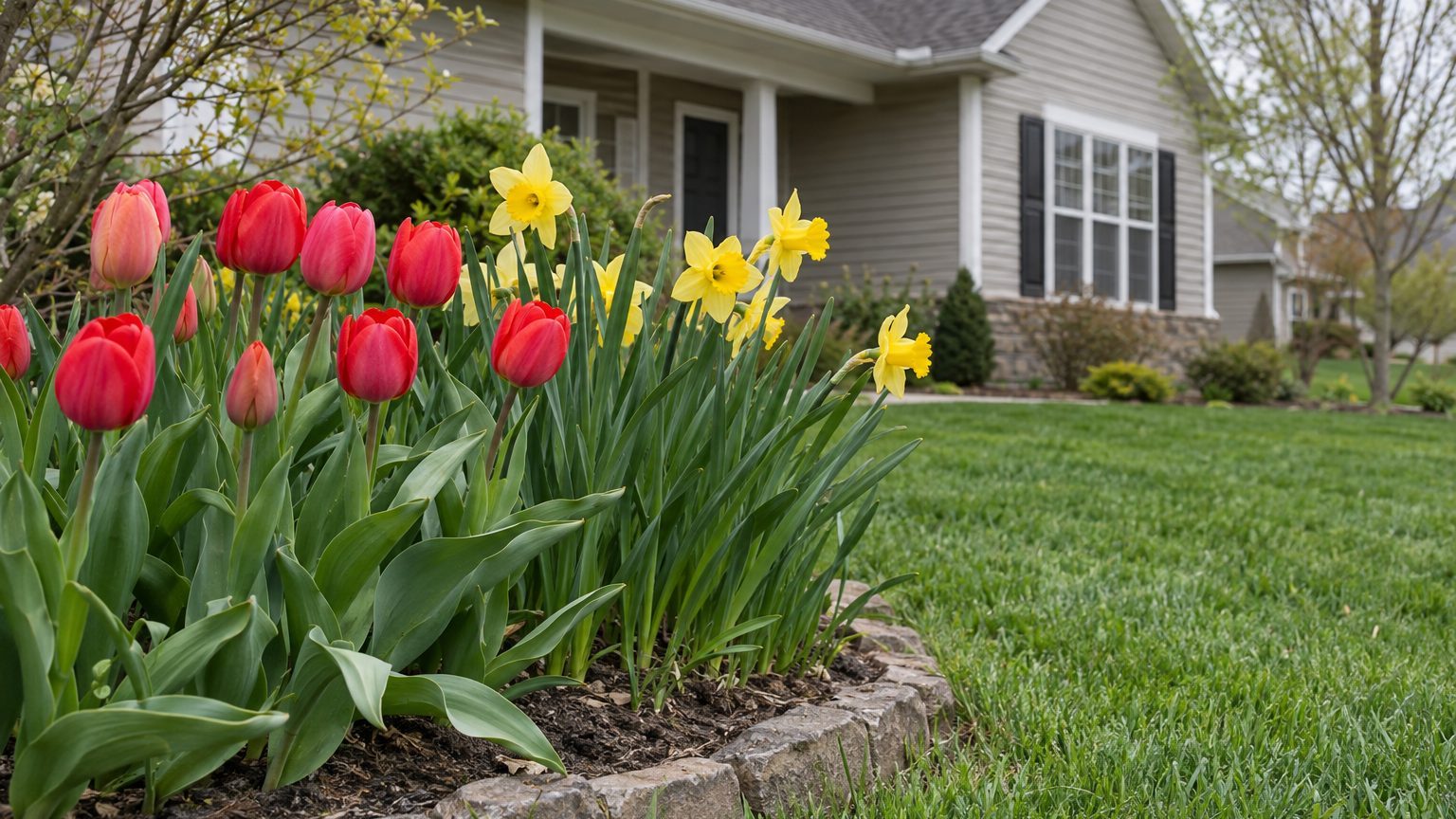
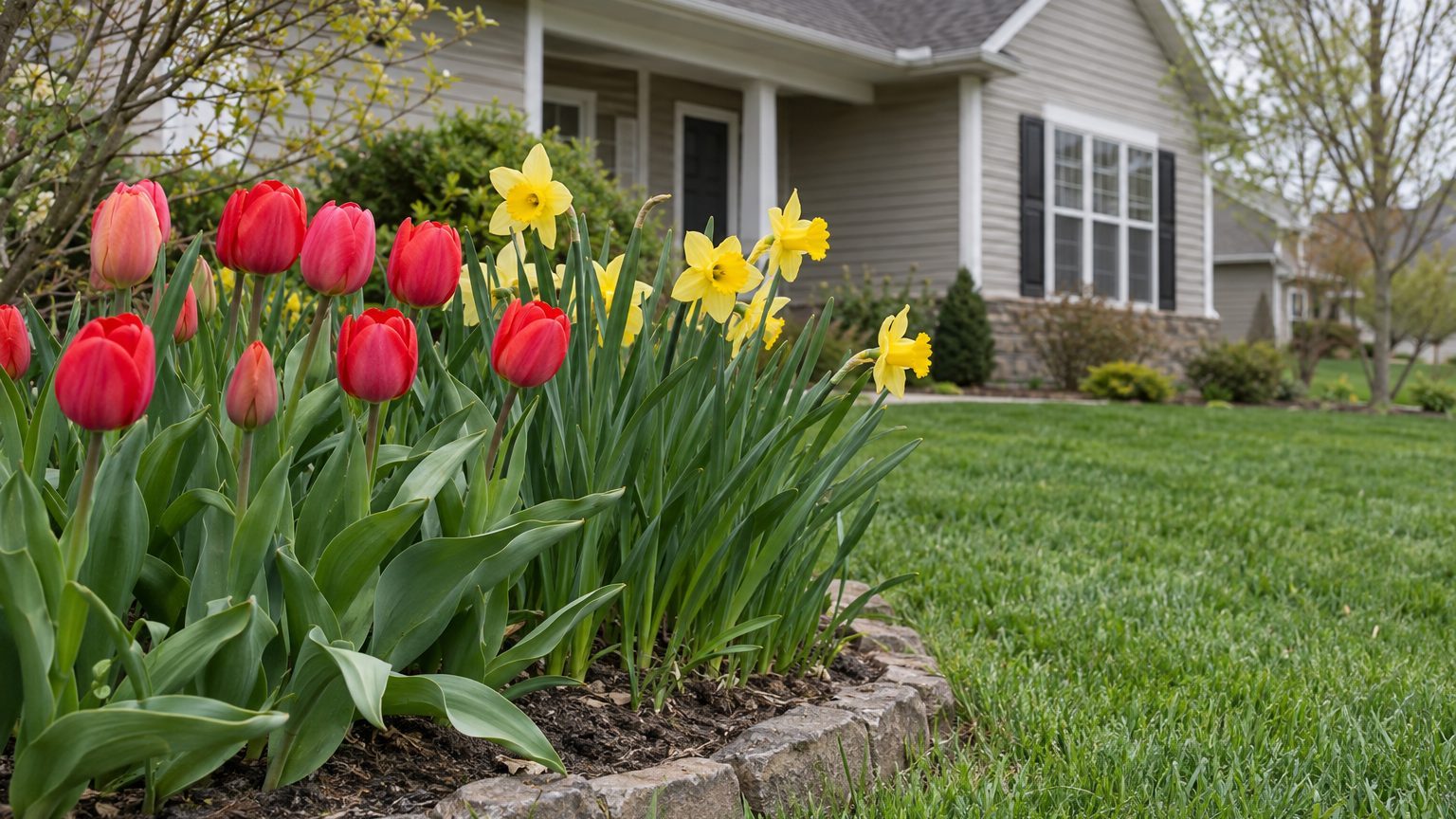
Healthy spring bulbs in bloom

Daffodils

Daffodils are the dependable pick here. They are more vigorous than tulips and most other spring-flowering bulbs, and rabbits, deer, voles, and squirrels leave them alone. Plant them in the fall and let them settle in. They last longer in the garden than tulips do.

Giant Darwin Hybrid Tulips

In Kansas, Giant Darwin hybrids are a good tulip choice, blooming April through May with vibrant colors on strong stems. Tulips are often short-lived, and some of the larger bulbs may be treated as annuals and lifted in late spring to make room for other plants.

Crocus

Crocus bring early color, but rabbits, deer, chipmunks, voles, and mice go after them, as they do tulips. Plant them where animal pressure is low, or accept that some may be lost. In Iowa, gardeners see the same damage on crocus and tulips.

Alliums

According to Iowa State University Extension, alliums need the cold of winter to bloom. Ornamental onions finish the long succession of spring bulb bloom, so they carry color after other bulbs fade.

Hyacinths

Hyacinths belong in the same fall planting window as tulips and daffodils. Most spring bulbs need about 12 to 16 weeks of cold to flower, and where winters are too mild to give it, tulips and hyacinths are chilled in the refrigerator before planting.

How to Choose Spring Bulbs for Your Kansas Garden

Match the bulb to what your yard faces: animals, time, space, and the cold that Kansas winters deliver. Hardiness zones in the state run from 5b to 7a on the USDA system, so a bulb that does well in one county may need more thought in another.

Most spring-flowering bulbs need winter cold to bloom, and Kansas supplies plenty. That leaves your choice to depend on pests, upkeep, and how long you want the bulbs to last.

Your situation What suits it in Kansas Why
Very cold winter Daffodils, tulips, hyacinths Most spring bulbs need about 12 to 16 weeks of cold, which the winter supplies.
Little time for upkeep Daffodils They are more vigorous than tulips and last longer in the garden.
Deer, rabbits, or voles around Daffodils Animals eat tulips and crocus but leave daffodils alone.
Small space or bed to reuse Tulips lifted after bloom Larger bulbs can be treated as annuals and lifted in late spring to free up room.

Hyacinths fit most beds and sit well beside daffodils, since both go in during the same fall window.

Which Spring Bulbs Suit Different Parts of Kansas

The state spans a range of winter cold, so the choice shifts a little from one part of Kansas to another.

  • Northern Kansas: Winters run colder here, so lean on daffodils and hardy tulips that get their full chill.
  • Southern Kansas: Winters are milder, so plant tulips and hyacinths early in the fall window.
  • Western Kansas: Colder winter nights and exposure make daffodils the steadier choice for a low-fuss bed.

Check conditions in your own county, since gardens outside town often see frost later than the figures for the airport reference city, Wichita.

Spring Bulb Buying Mistakes to Avoid in Kansas

Planting Tulips Where Animals Roam

Voles, squirrels, rabbits, and deer eat tulips and crocus. A bed full of them can vanish before bloom. Swap in daffodils where animals are active, since they are left alone.

Planting Too Early or Too Late

Bulbs belong in the ground in September or October, once the soil has cooled below about 60°F. Planted earlier, they may sprout in the fall. If bulbs are still in the bag, plant them as late as November or December if the ground is unfrozen, rather than storing them.

Cutting the Leaves Too Soon

Leaves feed the bulb for next year, so leave them until they turn brown and remove only the faded flowers. Cutting green leaves weakens next spring’s bloom, and tulips already tend to fade quickly.

Where to Get Spring Bulb Advice in Kansas

K-State Research and Extension publishes guidance for Kansas gardeners, and your county office can speak to local soil and weather.

  • The state extension site has fall bulb guidance, worth reading before you buy in late summer.
  • Your county extension office can advise on local conditions, so call before planting season.

Common Questions

Can You Plant Spring Bulbs in December in Kansas?

Yes, as long as the ground can still be dug. Bulbs planted late still have time to establish.

Do Tulips Come Back Every Year in Kansas?

Sometimes, though tulips are often short-lived. Daffodils are the steadier perennial bulb.

When Do Kansas Spring Bulbs Bloom?

Tulips and daffodils flower in April through May. The earliest daffodils can open in late February, and bulbs come up in March or early April.
When Do Tulips and Daffodils Bloom in Kansas?

When Do Tulips and Daffodils Bloom in Kansas?

Green shoots poking through cold Kansas soil, sometimes with a late snow still on them, are the first sign that last fall’s planting worked. Tulips and daffodils turn the front bed from brown to bright over a long stretch of spring, and the timing depends on the bulb, the variety and the weather that year.

When Do Tulips and Daffodils Bloom in Kansas?

When Do Tulips and Daffodils Bloom in Kansas?

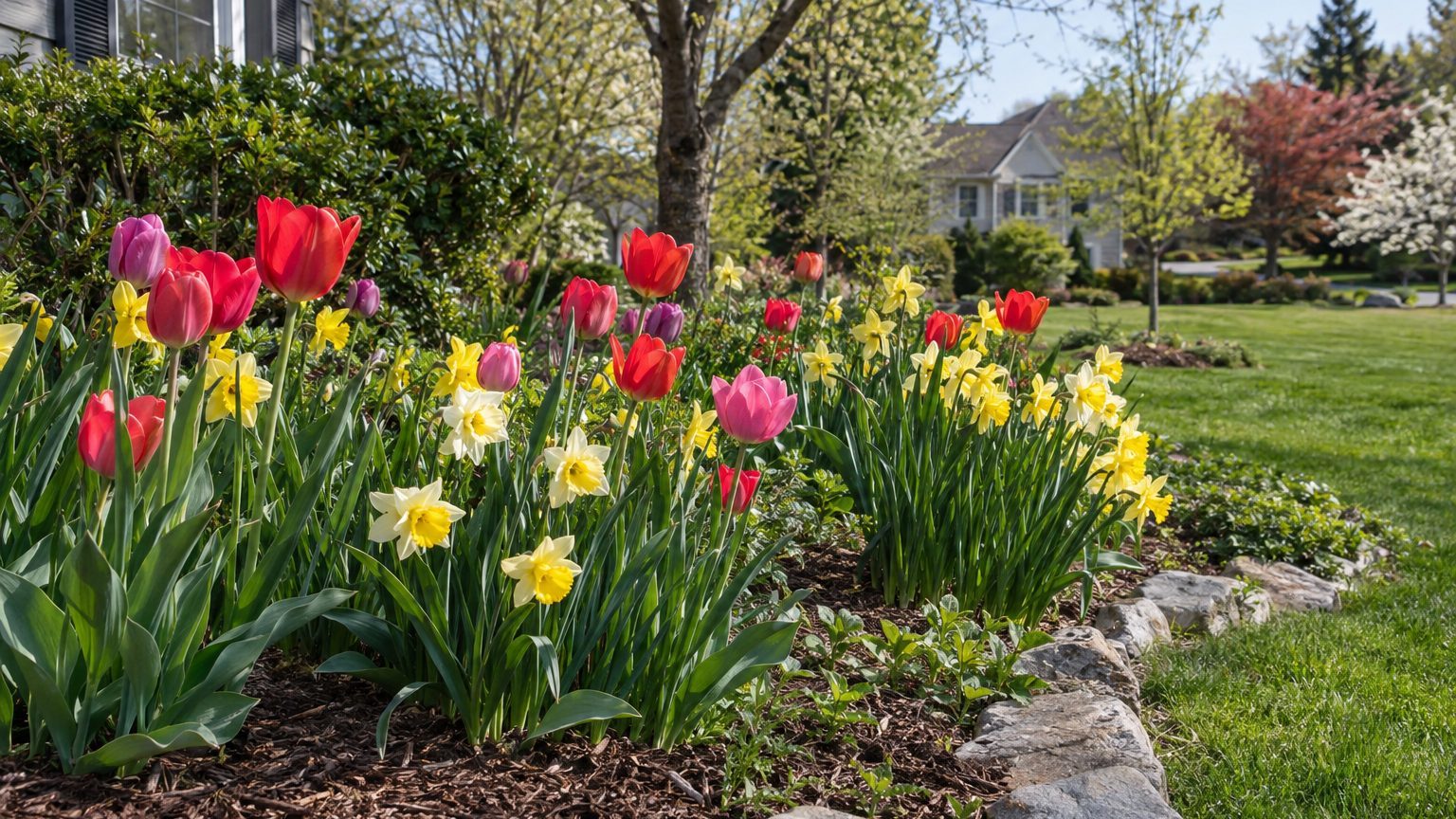
Tulips and daffodils bloom in Kansas from April through May, and a few daffodils open as early as late February. The shoots push up in March or early April, so the show follows the spring warm-up rather than a fixed date.

Bulb When it blooms in Kansas What sets the timing
Daffodils Late February into May Variety and how fast spring warms
Tulips April through May Variety, such as Giant Darwin hybrids, and a full winter chill

Crocus and hyacinths fit into the same spring stretch, and alliums, the ornamental onions, close the season. According to Iowa State University Extension, alliums need the cold of winter to bloom, though they still open with the warmth of late spring. A mild week can pull flowers forward, and a cold snap holds them back.

How to Tell Your Bulbs Are About to Bloom

Bulbs announce themselves well before the first petal opens, and a walk past the bed on a mild day tells you where things stand.

  • Green tips breaking the surface in March or early April mean the bulbs have finished their winter rest and are growing.
  • Leaves that stand several inches tall with a fat bud tucked in the center mean flowers are only a short stretch away.
  • A bud that swells and starts to show its color through the green is close to opening, so enjoy it before a hard freeze or strong wind arrives.
  • Stems that stretch upward while the bud stays tight tell you the flower is gathering size, and it can wait a little longer for a warm spell.
  • Foliage that appears but never forms a bud usually points to a bulb that was planted too shallow or came from a tired planting.

If a freeze is forecast once buds are showing color, a light cover of old sheets overnight protects the blooms and comes off in the morning.

What to Do After Tulips and Daffodils Bloom in Kansas

Snip off the faded flowers once the petals drop, and leave everything else alone. The leaves keep working after the blooms are gone, feeding the bulb for next year, so they stay on the plant until they turn yellow and then brown. Do not cut them early and do not tie or braid them, because that cuts off the bulb’s food supply.

Tulips are often short-lived in the garden, and in Kansas the larger bulbs may be treated as annuals and lifted in late spring to make room for other plants. Daffodils are more vigorous than tulips and last longer, which makes them the more reliable perennial bulb.

Planting summer annuals in front of the fading foliage hides the yellowing leaves without disturbing the bulbs underneath. Once the leaves have gone brown they pull away easily, and the bed is ready for its next planting.

How Bloom Time Shifts Across Kansas

Kansas runs from USDA hardiness zone 5b to 7a, and that spread nudges bloom earlier in the milder south and later in the colder north and west.

  • Northwest Kansas near Goodland and Colby: Winters are colder and the spring warm-up comes later, so bulbs here tend to open after those farther east and south.
  • Kansas City area: Flowers usually open in step with the main April through May window, and city yards often run a little ahead of open suburbs.
  • Wichita and south-central Kansas: Milder winters and earlier warmth bring shoots up sooner, and the daffodils that bloom early are most likely to show in these yards.

Yards on the edge of town and on higher ground tend to bloom a bit later than a city center, so watch your own beds rather than a neighbor across the county.

Where to Get Bulb Advice in Kansas

Local help is easy to reach, and it matters most when a bed behaves differently from the rest of your street.

  • K-State Research and Extension publishes horticulture guides on fall bulbs, so read them before planting season starts.
  • Your county or district extension office can tell you how your part of Kansas runs, so call it in late winter when you are planning new beds.

Common Questions

Can You Plant Tulips and Daffodils in December in Kansas?

Yes, as long as the ground can still be dug. September and October suit planting best, and November and even December still work if the soil is unfrozen. Wait until the soil has cooled off enough in autumn so roots form before the freeze without the bulbs sprouting in fall. A bulb still in the bag goes in rather than waiting out the winter.

Do Tulips and Daffodils Need a Cold Winter to Bloom?

They do. In Kansas, fall bulbs need 12 weeks of temperatures below 40°F to bloom in spring, which a normal Kansas winter supplies. Most spring bulbs ask for about 12 to 16 weeks of cold, and where winters run too mild, tulips and hyacinths are chilled in the refrigerator before planting.

Will Deer and Rabbits Eat Tulips and Daffodils?

Tulips and crocus are the ones they go after, along with voles and squirrels. Daffodils are left alone, so they make a safer choice for beds that animals visit often. Planting daffodils around the edge of a tulip bed is a simple way to add some protection.

When to Plant Tulips and Daffodils in Kansas

When to Plant Tulips and Daffodils in Kansas

Tulip and daffodil bulbs go into Kansas soil in the fall, and the flowers come back in spring after a long, cold rest underground. Getting the planting window right gives the roots time to settle before the ground freezes.

When to Plant Tulips and Daffodils in Kansas

When to Plant Tulips and Daffodils in Kansas

Plant them in September and October, with November and even December still workable when the ground has not frozen. Kansas sits in USDA hardiness zones 5b to 7a, so winters deliver the cold that bulbs need without any help from you.

  • In late summer and early fall, shop for firm, plump bulbs and keep them somewhere cool and dry until the soil is ready.
  • Throughout September and October, plant once the soil has cooled well down from its summer warmth, which gives roots time to form before winter without tempting the bulbs to sprout.
  • When the first frost arrives, somewhere between October 23 and November 2 at the Wichita reference station, bulbs should already be settled in. Gardens outside the city usually frost sooner, so check with your county office.
  • After planting, spread a layer of mulch over the bed to keep the soil temperature steady through the winter freeze and thaw.
  • In late winter and early spring, the first shoots push up in March or early April, and the earliest daffodils can open in late February.

Kansas winters are cold enough that no refrigerator chilling is needed. A bag of bulbs still unplanted in November or December should go in as soon as the ground can be dug, since late planting beats storing them over winter.

Which Spring Bulbs Do Best in Kansas?

Daffodils are the dependable choice here, since they are vigorous, long-lived and left alone by wildlife. Tulips bloom beautifully but tend to fade after a few seasons, and voles, squirrels, rabbits and deer treat them as a snack. Alliums need the cold of winter to bloom and fill in the end of the spring show.

Bulb type How it does in Kansas Why
Daffodils Reliable, returns year after year Vigorous, and animals leave them alone
Tulips Bloom April through May, often short-lived Larger bulbs may be treated as annuals; animals eat them
Crocus Pretty but often nibbled Rabbits, voles and squirrels go after them
Alliums Good late-season color Needs winter cold to bloom

Giant Darwin hybrids are a popular tulip group in Kansas, with strong stems and vivid color from April through May. Some gardeners lift the larger tulip bulbs in late spring to make room for summer plants, treating them as annuals. Hyacinths grow here too, so plant them with the same timing and care as tulips.

When to Plant, Chill and Care for Spring Bulbs in Kansas

The yearly rhythm is simple: plant in fall, leave the bulbs alone through winter, and let the foliage fade on its own after bloom. Kansas winters supply the cold, so there is no chilling step to add.

Task Best timing in Kansas Why then
Plant September and October, or November and December if the ground is unfrozen Roots form before freeze-up without fall sprouting
Chill Not needed Winter supplies roughly 12 to 16 weeks of cold that most bulbs want
Leave the foliage Until the leaves turn brown after bloom Green leaves feed the bulb for next year

After the flowers fade, snip off only the spent blooms. In Kansas, bulb guidance notes that bulbs need about 12 weeks of temperatures below 40°F to bloom, which a typical winter provides. Tulips that have thinned out over the years can be replaced with fresh bulbs in the next planting window.

How Bulb Planting Time Changes Across Kansas

Kansas stretches from the cooler northern tier to the warmer southern border, and planting time moves along with it.

  • Northern Kansas: Gardens in this part of the state run colder, so plant early in the fall to give roots a head start before hard freezes.
  • Wichita and south-central Kansas: The reference city sees frost from October 23 to November 2, so the main window of September and October fits comfortably, with November as a fallback.
  • Southern border counties: Winters are milder, so planting later in the window, into November, works well, as long as the soil has cooled well down from its summer warmth.

Rural and suburban yards often frost earlier than the city, so lean toward the early end of the window if your garden sits outside town or on higher ground.

Where to Get Bulb Advice in Kansas

Local help is easy to reach. K-State Research and Extension publishes fall bulb guidance, and county offices can answer questions about your specific soil and conditions.

  • The state extension site has fall bulb publications covering planting depth, varieties and spring care, and is worth browsing before you buy.
  • Your county extension office can diagnose problems and arrange a soil test, so call before planting if drainage is a concern.

Any bulbs still in the bag should go into the ground as soon as the soil can be dug.

Common Questions

Can You Plant Tulips in December in Kansas?

Yes, as long as the ground is still unfrozen and can be dug. Late-planted bulbs root more slowly, but they still bloom in spring, and that beats leaving them in the bag.

Do Daffodils Need Full Sun in Kansas?

Daffodils bloom best with sun while they are flowering and while the foliage is green, since the leaves feed the bulb for next year. Beds that get good light in spring suit them well.

Why Do Tulips Disappear After a Few Years?

Tulips are often short-lived in the garden, and animals like voles and squirrels also dig them up. Daffodils are the more dependable perennial, so mix them in where you want lasting spring color.

Best Grass Seed for Kansas

Best Grass Seed for Kansas

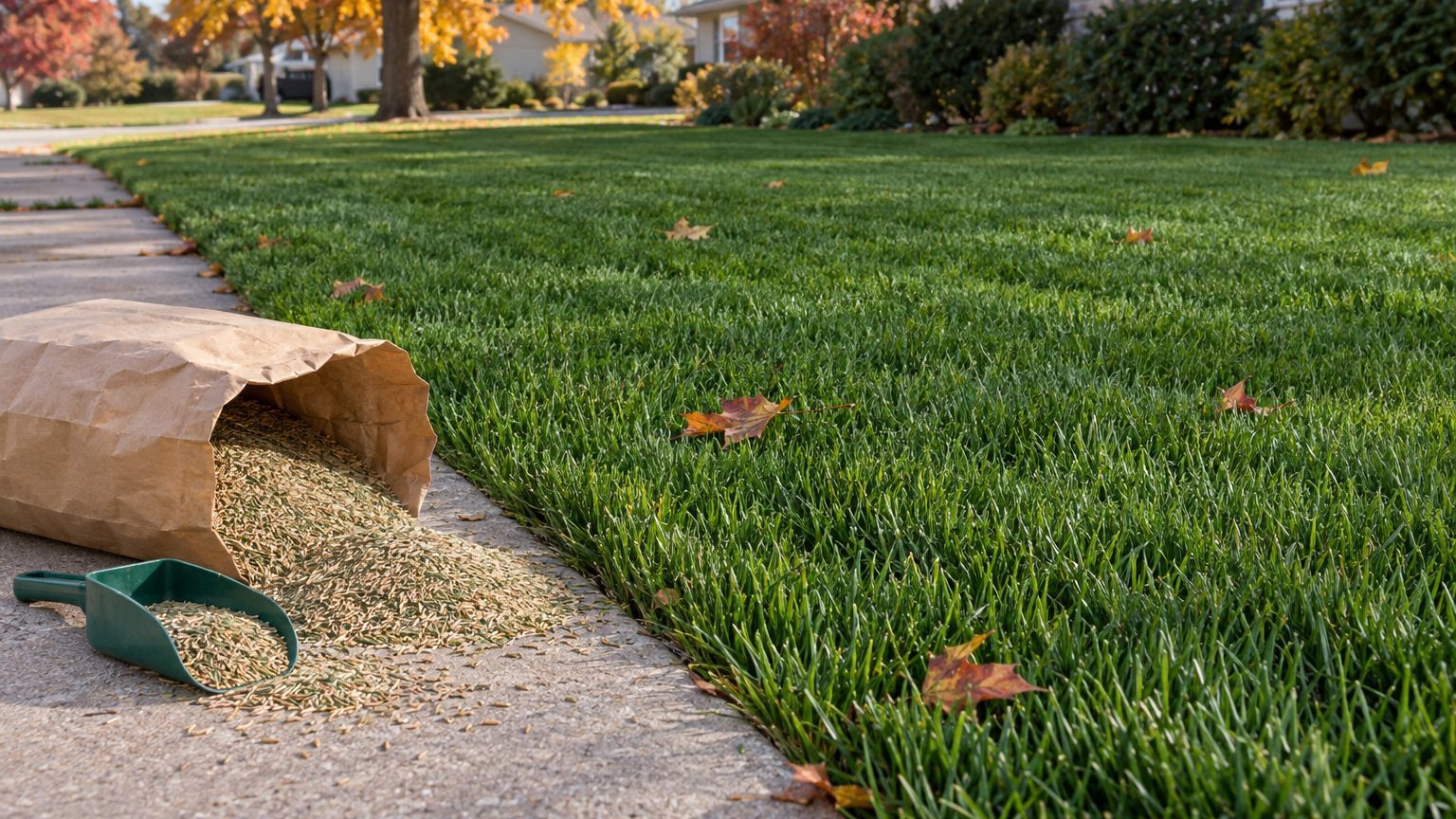
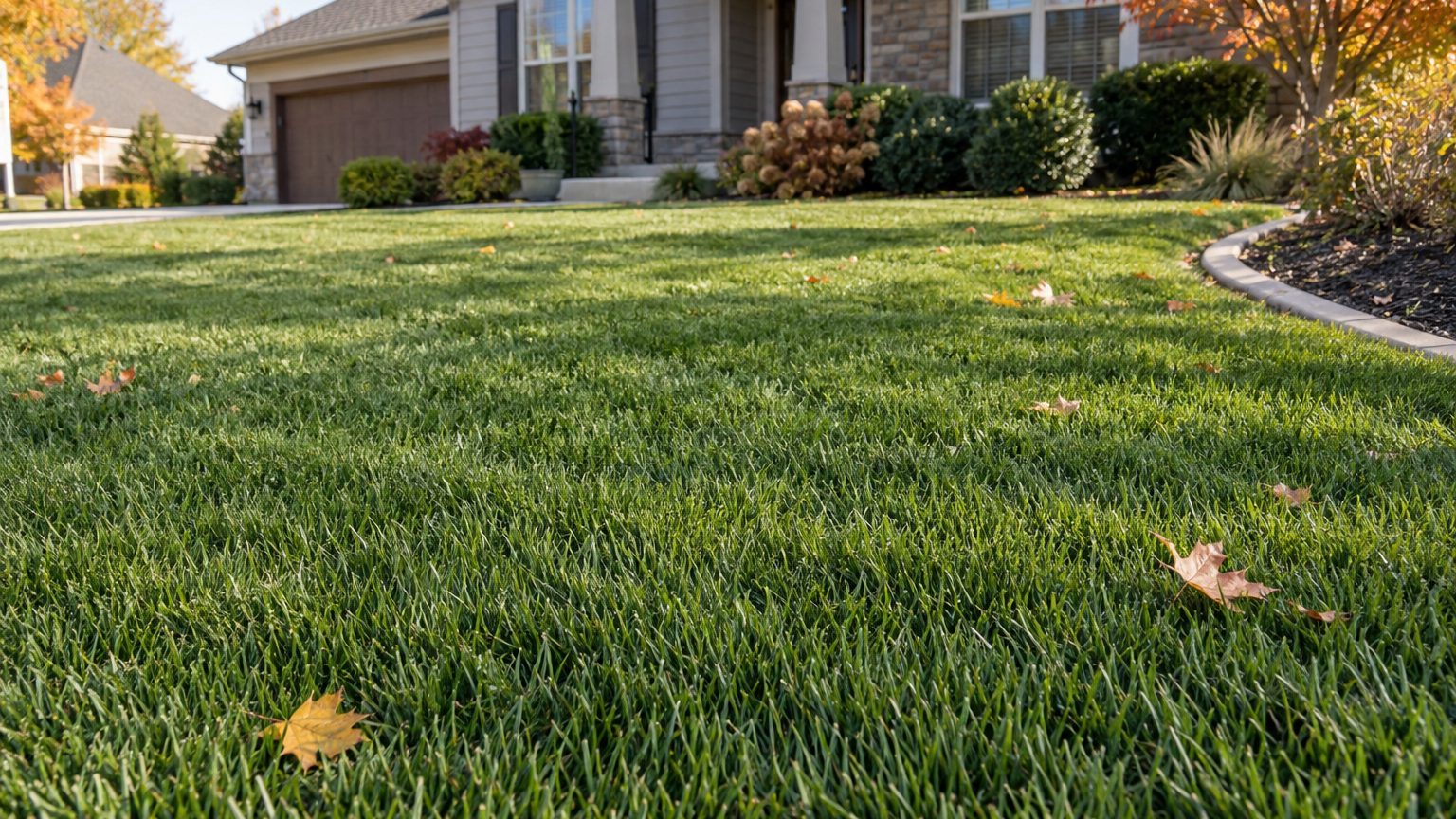
Tall fescue seeded in late summer suits many Kansas yards, while bermudagrass and zoysiagrass fit sunny sites where summers bake. Kansas sits in the transition zone, where winters bite and summers scorch, so no single seed wins everywhere.

Which Grass Grows Best in Kansas?

Kansas is transition-zone country, and both cool-season and warm-season grasses can work depending on your sun, water and tolerance for a brown winter lawn. Cool-season types stay green longer but struggle in July heat, while warm-season types love summer and go tan after frost. The USDA hardiness range runs from 5b to 7a, so winters differ a lot across the state.

Tall Fescue

Tall fescue is a dependable cool-season choice here. Its deep roots carry it through hot, dry stretches better than bluegrass, and it stays green into late fall. Seed it in late summer, ideally in August, when the soil is warm and the cold is still far off.

Bermudagrass

Bermudagrass thrives in Kansas heat and recovers fast from traffic, which suits sunny yards and play areas. It can be grown from seed or sod, and seeding works best in May. Expect it to turn straw-colored after the first hard frost and wake up again the following spring.

Zoysiagrass

Zoysiagrass makes a dense, soft lawn that handles heat and some shade better than bermudagrass. It is mostly planted as sod or plugs rather than seed. It also fills in slowly, which is a fair trade if you want something tough and tidy.

Kentucky Bluegrass

Kentucky bluegrass can work in cooler, higher ground, but it is a demanding pick for much of Kansas. It wants regular water in summer and can thin out or go dormant in heat. If you choose it, plan on irrigation and seed in late summer alongside the other cool-season grasses.

How to Choose Grass Seed for a Kansas Yard

Start with the hours of sun and how much water you are willing to give the yard in summer. Then think about foot traffic and how often you want to mow. Those answers narrow the field quickly.

A yard that mixes sun and shade usually does best with a cool-season grass, while a full-sun yard that you can water leaves the door open for warm-season types.

Your yard Grass to lean toward Why
Full sun, little watering Bermudagrass Handles heat and dry spells, goes tan in winter
Part shade Tall fescue Tolerates some shade and stays green into fall
Heavy foot traffic Bermudagrass Spreads to repair worn spots
Dense lawn, mow less often Zoysiagrass Grows slowly and forms a thick turf
Regular irrigation, cooler spot Kentucky bluegrass Lush color if kept watered

Deep shade is hard for every lawn grass, so thin areas under mature trees may be better served by mulch or a shade-tolerant groundcover than by more seed.

Which Grasses Grow Where in Kansas

Kansas stretches from humid hills in the east to dry plains in the west, and that shift affects how each grass performs.

  • Eastern Kansas, around Kansas City and Topeka: More rainfall makes tall fescue and bluegrass easier to keep green, and zoysiagrass does well in sunny yards.
  • Wichita and the south: Hotter summers favor bermudagrass and zoysiagrass, while tall fescue needs extra care through July and August.
  • Western Kansas, toward Garden City and Goodland: Drier air and colder winters make bermudagrass riskier in the far northwest, while cool-season lawns there depend more on irrigation.

Check conditions in your own county, since local elevation can shift what survives winter.

Grass Seed Mistakes to Avoid in Kansas

Seeding at the Wrong Time

Cool-season seed sown in spring meets summer heat before its roots are ready. Seed tall fescue in August, with September as a fallback. Warm-season seed belongs in May, and June still works, because the soil needs to be warm.

Burying the Seed Too Deep

Seed buried under a thick layer of soil struggles to emerge. Cover it with no more than 0.25 inch and press it down so it touches the soil. Aerating first and overseeding helps tall fescue lawns in late summer.

Picking Grass the Yard Cannot Support

Planting bluegrass in a hot, dry, unwatered yard sets you up for brown patches by midsummer. Match the grass to your sun and watering habits instead of chasing the greenest photo. Putting down a warm-season grass in a shady lot leads to thin, weak turf for the same reason.

Where to Get Lawn Advice in Kansas

Local experts know your soil and weather better than any general guide. Local sources can help before you buy seed.

  • K-State Research and Extension offers lawn publications and soil testing guidance, handy before you choose a grass.
  • Your county extension office can advise on local problems and the grasses that hold up in your area, so call before seeding season in late summer.

Common Questions

Can You Plant Bermudagrass Seed in Kansas?

Yes. Bermudagrass can be started from seed or sod, and May is the best time, with June as a fallback. The soil needs to be warm for the seed to sprout.

Is Zoysiagrass Grown from Seed?

Mostly it is planted as sod or plugs. Seed is uncommon, so budget for sod if you want a zoysiagrass lawn.

When Should You Fertilize a Tall Fescue Lawn in Kansas?

Early spring and fall suit tall fescue, with March, September and October the best months. Skip summer feeding, which stresses cool-season grass in the heat.

Lawn Problems and Solutions in Kansas

Lawn Problems and Solutions in Kansas

Crabgrass in the thin spots, tan patches in July heat, and a spongy feel underfoot are the Kansas lawn complaints that come back year after year. Most trace to a few causes: weeds that find gaps, fungus in humid heat, grubs in late summer, and care habits that don’t suit the grass. Each one has a fix with a season attached.

Lawn Pests and Diseases in Kansas

Crabgrass in Thin Turf

Crabgrass in Thin Turf — Lawn Problems and Solutions in Kansas

Crabgrass is a summer annual that sprouts in bare or thinning soil as spring warms, then spreads into pale, sprawling clumps with flat stems. Pre-emergence preventer works best in March, and it also works in February, April or May.

In Wichita, the last freeze lands between April 4 and April 18, and suburban or rural yards often see it later, so check your own county.

Dandelions and Clover

These broadleaf weeds show up in spring wherever the turf is open. Dandelions leave a rosette of toothed leaves on a deep taproot, and clover forms low mats of rounded leaflets.

Pull them when the soil is damp so the root comes out whole. Thick grass, fed in the right months, is what keeps them from returning.

Brown Patch in Midsummer

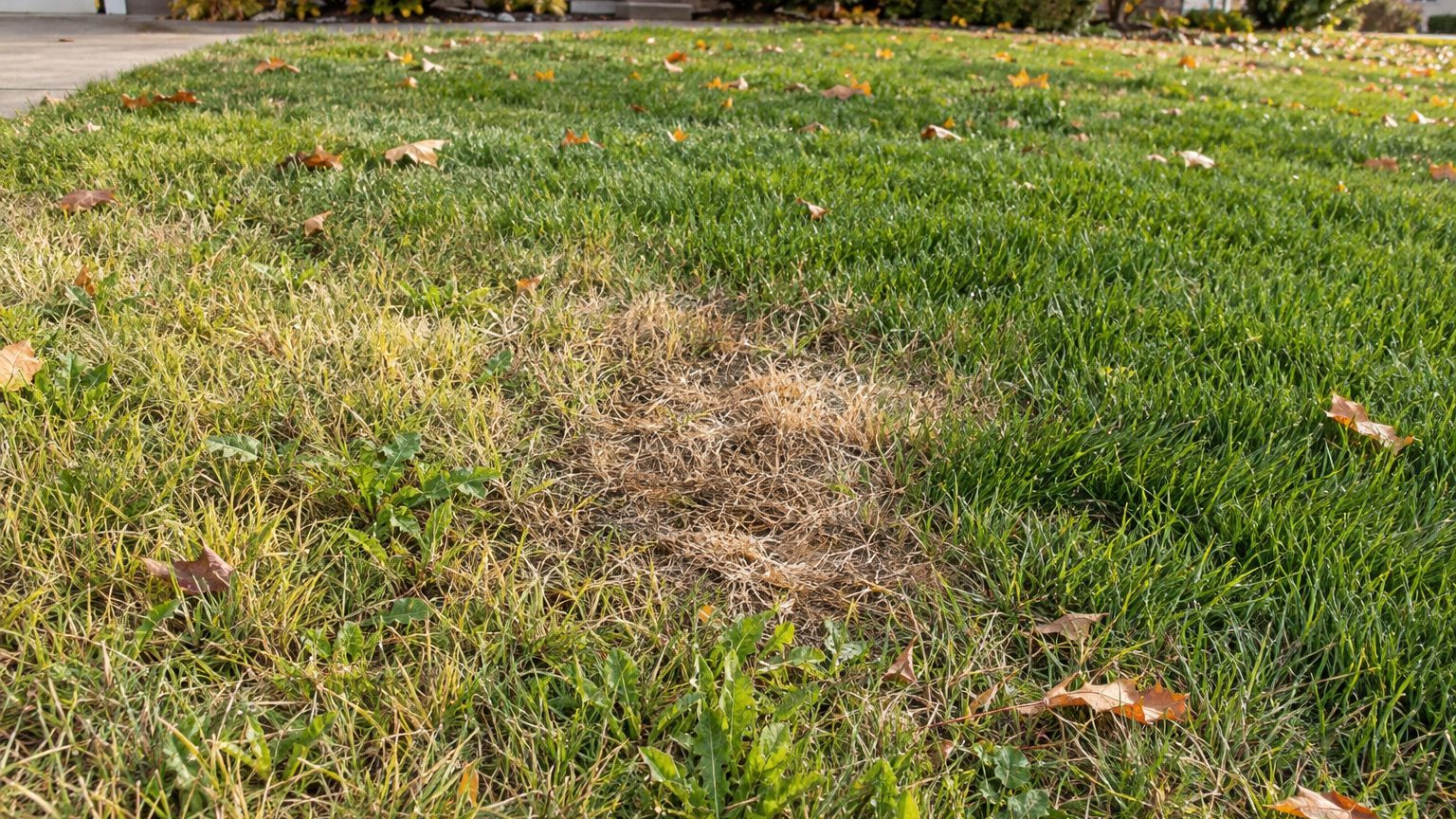
Tall fescue, the common cool-season lawn grass across much of Kansas, can develop circular tan patches when warm, muggy weather settles in. Look for a darker, smoky ring at the edge on humid mornings.

Water in the early morning so blades dry quickly, and hold off on nitrogen all summer, because lush growth feeds the fungus.

White Grubs and Chewed Roots

Grubs are fat, C-shaped, creamy larvae that feed on grass roots in late summer. The turf turns drought-looking even after a watering, and the sod lifts like a loose carpet.

Peel back a section of the dead area and inspect the soil just beneath the turf. Confirm that grubs are causing the damage before choosing a treatment.

Thatch Buildup

Thatch is the tan, springy layer of stems and roots between green blades and soil. A layer up to 1/2 inch thick is healthy. Beyond that, water and air struggle to get through, and disease settles in.

For fescue and bluegrass, dethatch or core aerate in August or September. Bermuda and zoysia lawns do better with dethatching in May or June.

How to Tell Which Lawn Problem You Have

Appearance alone rarely settles it, so consider where and when the patch appears as well. Give the grass a gentle tug and look at the roots. Together, those checks help distinguish common Kansas lawn problems.

Shade versus full sun matters too, since a sunny strip beside the driveway and a damp corner under a maple rarely share the same trouble.

What you see Where and when Likely problem
Coarse, pale clumps spreading outward Thin sunny spots, summer Crabgrass
Circular tan patches, dark ring at dawn Tall fescue, humid midsummer Brown patch
Turf lifts like a rug, no roots Late summer, even after watering White grubs
Spongy feel, thin and weak grass Whole lawn, worse after heavy feeding Thatch buildup
Rosettes or low mats of leaves Open spots, spring Dandelions or clover

Dry, crunchy grass that still has solid roots and springs back after a deep soaking points to drought stress rather than any of the above. Mowing with a dull blade leaves frayed, whitish tips, which can look like disease from a distance.

Where Lawn Problems Are Worst in Kansas

The state stretches from humid hills in the east to dry high plains in the west, and USDA hardiness zones run from 5b to 7a. Problems shift accordingly.

  • Kansas City area and the Flint Hills: Wetter air and heavier soils make brown patch and other fungal trouble more likely on tall fescue. Good drainage and morning watering matter more here.
  • Wichita and south-central Kansas: Long, hot summers stress cool-season grass and open the door to crabgrass and grubs. Bermuda and zoysia handle the heat better but need warm-season timing.
  • Western Kansas and the High Plains: Drier air and colder winters make drought stress a frequent problem. Buffalograss and other tough, low-water turf suit the region, and cool-season lawns need more irrigation to stay green.

A yard in the cooler northwest may still be waking up while the southeast is already mowing.

Lawn Care Mistakes That Invite Problems in Kansas

Mowing Too Short

Scalped grass has shallow roots and leaves bare soil for crabgrass seed to germinate. Cutting low in summer heat also bakes the crowns.

Raise the mower deck and mow regularly, removing only a modest amount of leaf blade each time. Mowing season runs from March through November for cool-season turf, and April through October for bermuda and zoysia.

Watering Lightly and Often

Frequent sprinkles keep the surface wet, which fuels brown patch and keeps roots shallow. Summer is when the lawn truly needs help, with June, July and August the months to water.

Soak the soil deeply and then let it dry between sessions. Do it early in the morning, never at night.

Feeding Tall Fescue in Summer

A summer dose of fertilizer pushes tender growth that disease loves and the heat then punishes. Tall fescue does best fed in early spring and again in fall, with March, September and October as the core months.

Bermuda and zoysia are the opposite. Feed them in May, June and July, when they are actively growing.

Where to Get Lawn Advice in Kansas

K-State Research and Extension is the state’s extension service, with lawn guidance written for Kansas soils and weather. Your county office can look at a sample and tell you what you are really dealing with.

  • Search the state extension site for turf publications on your grass type before you buy any treatment.
  • Call your county extension office when a patch spreads, and bring a clipping with roots and soil attached.
  • Ask about a soil test in late summer, so results are in hand before the fall feeding.

Common Questions

When Should You Seed a Lawn in Kansas?

For tall fescue, August is the best month to aerate and overseed, and September still works. Bermuda and zoysia are best seeded in May, with June as a fallback.

When Should You Aerate a Kansas Lawn?

August suits cool-season lawns, and September also works if you miss it. Aerating just ahead of overseeding gives new seed good contact with soil.

Can You Lay Sod in Summer in Kansas?

Warm-season sod such as bermuda or zoysia goes down best in May, and it also works in June and July. Keep new sod watered through hot weather so the roots can knit into the soil.

Kansas Lawn Care Schedule, Month by Month

Kansas Lawn Care Schedule, Month by Month

As spring warms, a Kansas lawn reveals a split personality. Tall fescue and bluegrass turn green early, while bermuda and zoysia sit tan and wait. Each type has its own season for seeding, feeding and mowing.

What to Do Each Month in a Kansas Lawn

Lawn in Kansas

Cool-season lawns (tall fescue, bluegrass) do their heavy work in late winter, late summer and fall. Warm-season lawns (bermuda, zoysia) do theirs from late spring through midsummer.

Month In the lawn
January Rest. The grass is dormant, so keep foot traffic light on frozen turf.
February Still resting, though an early crabgrass preventer application also works now if the weather turns mild.
March Apply crabgrass preventer before the soil warms. Feed cool-season lawns, and start mowing as fescue and bluegrass green up.
April Warm-season lawns start mowing as they wake up. Preventer and a light feeding still work this month, and so does dethatching bermuda or zoysia.
May Seed bermuda or zoysia and lay warm-season sod now. Dethatch and feed warm-season lawns too. Crabgrass preventer can still go down this month.
June Keep feeding bermuda and zoysia, and dethatch them if you missed May. Seeding and sod still work this month. Start watering as heat builds.
July Water deeply, and feed warm-season lawns. Leave tall fescue unfed, since fertilizing it in summer is a mistake. Sod laid now needs steady moisture.
August Core aerate, dethatch, and seed or overseed tall fescue and bluegrass. Keep watering through the heat.
September Feed cool-season lawns and dethatch. If you missed August, aerating and seeding still work now.
October Feed cool-season lawns again and keep mowing. Warm-season grass slows down and fades.
November Make the last mows of the year as growth stops. Rake leaves so they do not smother the grass.
December Rest. The grass is dormant, so clean and put away the mower.

Not every task suits every lawn. If you are unsure which grass you have, check the FAQ at the bottom of the page before you buy seed or fertilizer.

When Does the Lawn Season Start and End in Kansas?

Grass grows when the soil warms, not when the last frost passes. Cool-season seed germinates once the soil sits at 50 to 65 °F. Warm-season seed wants it warmer, at 65 to 70 °F. That is why fescue is seeded in late summer and bermuda in late spring.

Frost dates matter mainly to young seedlings. In Wichita, the last spring freeze usually falls between April 4 and April 18. Suburban and rural yards often freeze a week or two later, and higher ground later still.

In Wichita, the first fall freeze typically arrives between October 23 and November 2. Country yards often see it sooner. A seedling that has not rooted by then can heave or die, which is why cool-season seeding belongs in August and September. Check your own county for local timing.

How the Lawn Calendar Shifts Across Kansas

Kansas stretches a long way from the High Plains to the Missouri border, and the lawn calendar leans with it.

  • Northwest Kansas: Springs arrive later and winters bite harder. Expect green-up and spring tasks to run behind the rest of the state, and give seedlings extra time to root before fall cold.
  • Flint Hills and central Kansas: Timing sits close to the middle of the schedule above. Summer heat and dry spells make deep watering and August seeding matter more than any single date.
  • Kansas City area and northeast Kansas: Tall fescue and bluegrass dominate, so late summer aeration and overseeding carry the year. Spring tends to come a bit earlier than in the west.
  • Southeast Kansas: This area offers favorable conditions for bermuda and zoysia. Warm-season tasks can start toward the early end of their windows.

Near a regional boundary, follow the closer area and let your own grass decide the final week.

Lawn Care Timing Mistakes to Avoid in Kansas

Feeding Tall Fescue in Summer

Fescue struggles in Kansas heat, and fertilizer pushes soft growth the lawn cannot support. That invites disease and burns stressed turf. Feed fescue in early spring and in fall, and save summer feeding for bermuda and zoysia.

Applying Crabgrass Preventer Too Late

Preventer works by stopping seeds as they sprout, so it must be down before the soil warms. Applied after crabgrass is up, it does little. Aim for March, and treat April and May as a late catch-up only.

Seeding at the Wrong Time

Cool-season seed sown in spring meets summer heat before the roots are ready, and much of it dies. Sow fescue and bluegrass in August, with September as a fallback. Warm-season grass should wait until May, when the soil is warm enough to sprout it.

Where to Get Lawn Advice in Kansas

Local conditions vary from county to county, so a nearby expert beats a general rule. Local sources can help before you spend money on seed or fertilizer.

  • K-State Research and Extension publishes turf guides for Kansas grasses, and it is a good first stop before choosing a grass type or planning an overseeding.
  • Your county extension office can answer questions about your own soil and grass, so call it before the August seeding window opens.

Common Questions

How Can You Tell If Your Lawn Is Cool-Season or Warm-Season?

Look at these clues. Cool-season grass such as tall fescue or bluegrass stays greener through winter and greens up early in spring. Warm-season bermuda and zoysia go tan after fall frost and stay that way until late spring.

Is October Too Late to Seed Tall Fescue in Kansas?

Yes, for the best results. August is the target, and September still works. Seed sown later has little time to root before cold arrives, so wait for next August and spend the fall on feeding and mowing.

Is a Tan Lawn in Winter Dead?

Not necessarily. Warm-season grass turns tan when it goes dormant, and it recovers once the soil warms. Check for stems that still feel firm at the base and new green shoots in late spring.

Kansas Lawn Care: What to Do and When

Kansas Lawn Care: What to Do and When

Kansas lawns green up in spring, push through a hot, dry summer, and get their second wind when fall cools the soil again. Most yards here are tall fescue or bluegrass, with bermudagrass and zoysiagrass in sunnier, hotter spots. What you do in each season depends on the grass you have and the frost risk around your own address.

Frost Dates and Growing Season in Kansas

Kansas spans hardiness zones 5b to 7a on the USDA system, so a lawn in the northwest faces a different winter than one in the southeast. In Wichita, the last spring freeze falls between April 4 and April 18. There, the first fall freeze falls between October 23 and November 2. Suburban and rural yards usually freeze later in spring and earlier in fall, so check your own county.

  • In late winter and early spring, cool-season lawns wake slowly, and March is the time for the first feeding and for crabgrass preventer before weeds germinate.
  • Once the soil warms in May and June, bermudagrass and zoysiagrass take off, which makes that the window to seed, sod or feed them.
  • Through summer, from June to August, the job is watering deeply and mowing steadily while the grass copes with heat.
  • In late summer, August and September, cool-season lawns are aerated and overseeded, because warm soil and cooler nights help seed root before winter.
  • In fall, September and October bring a second feeding, and mowing continues into November as long as the grass grows.

A frost date marks the risk of cold damage, not the day grass starts or stops growing. A freeze after a spring seeding can kill tender seedlings, and seed sown too close to the first fall freeze may not establish before cold weather.

Cool-Season or Warm-Season Grass in Kansas?

Both can work, because Kansas sits where cold winters meet hot summers. Cool-season grasses stay green longer and are the usual choice for most yards. Warm-season grasses handle heat and drought well but turn tan after the first hard freeze.

Grass How it does in Kansas Why
Tall fescue Common, stays green much of the year Tolerates heat and dry spells better than bluegrass
Kentucky bluegrass Suited to cooler, higher ground Prefers milder summers and more moisture
Bermudagrass Thrives in full sun, from seed or sod Loves summer heat, goes dormant in cold
Zoysiagrass Dense turf, mostly from sod or plugs Handles heat and wear, slow to fill in

Fescue and bluegrass are cool-season lawns that you seed in late summer. Bermudagrass and zoysiagrass are warm-season lawns that go in during late spring, once the soil has warmed.

When to Seed, Fertilize and Aerate a Lawn in Kansas

Cool-season and warm-season lawns follow different calendars, so match the task to your grass. Tall fescue should never be fed in summer, while bermudagrass and zoysiagrass want their feeding then.

Task When to do it in Kansas Why then
Seeding tall fescue or bluegrass August, with September as a fallback Warm soil and cooler nights help seed root
Core aeration (cool-season) August, or September Opens the soil just before overseeding
Fertilizing cool-season lawns March, September, October Feeds roots when the grass is growing actively
Seeding bermuda or zoysia May, or June Soil is warm enough for germination
Laying sod, warm-season May, or June and July Roots knit in during strong growth
Fertilizing warm-season lawns May, June, July Matches their peak growth
Crabgrass preventer March; it can also go down in February, April or May Goes down before weed seeds sprout

Dethatching follows the same split. Cool-season lawns can be dethatched in August and September, while bermuda and zoysia are done in May and June, or April if you start early.

Lawn Problems to Watch for in Kansas

Brown Patches in Summer Heat

Brown Patches in Summer Heat — Kansas Lawn Care: What to Do and When

Bluegrass and fescue can fade to straw color in July and August when heat and dry weather pile up. Check by pushing a screwdriver into the soil, since dry ground that resists it points to drought stress. Water deeply during June, July and August rather than lightly and often.

Thin Grass After Winter

Bare, thinning turf in spring, especially where cold winds sweep open ground, often means winter stress or last year’s weak seeding. Look at whether the thin area is exposed and whether it was seeded late. Overseed in August and September to thicken it.

Weeds in Thin Turf

Crabgrass fills gaps where grass is sparse, usually along sunny edges of drives and walks. A pre-emergence applied before germination helps limit crabgrass, while a dense lawn leaves fewer gaps for weeds.

How Lawn Care Dates Change Across Kansas

The state is wide, and the season shifts as you move across it.

  • Northwest Kansas: Colder winters and a shorter season push spring work later and fall seeding earlier. Bluegrass does better here on cooler, higher ground.
  • Kansas City area: Milder than the west, with room for both fescue and bluegrass. Late-summer seeding usually has time to root before cold.
  • Wichita and south-central Kansas: Hotter summers favor bermudagrass and zoysiagrass, and warm-season work can start a little sooner.
  • Southeast Kansas: Milder winters give southeast Kansas a longer growing season, though summer heat stresses cool-season lawns more.

Treat these dates as guides, and check local conditions before timing work in your yard.

Where to Get Lawn Advice in Kansas

Local experts can tell you what your soil and grass need before you spend money on seed or fertilizer.

  • K-State Research and Extension offers lawn guides and grass recommendations for each part of the state.
  • Your county extension office can run a soil test, so go before you fertilize in March or September.
  • Bring a sample of a troubled patch to the county office for a diagnosis before you treat it.

Common Questions

Can You Plant Grass Seed in Kansas in Spring?

Yes, warm-season grasses like bermudagrass are seeded in May, with June as a fallback. Cool-season grasses do better when seeded in late summer.

Should You Mow in Winter in Kansas?

Mowing runs from March through November for cool-season lawns. Warm-season lawns are mowed from April through October, then rest.

Does Bermudagrass Stay Green in Kansas Winters?

No. Bermudagrass and zoysiagrass go dormant and turn tan in cold weather, then green up again once the soil warms in spring.

Hydrangeas That Grow Well in Kansas

Hydrangeas That Grow Well in Kansas

Panicle and smooth hydrangeas are the safest picks for a Kansas yard, since both push through harsh winters and dry summer wind better than the bigleaf types in nursery displays. Near Topeka, where the state’s frost data is tracked, the most reliable blooms come from varieties that flower on new wood, not old.

Hydrangeas that grow well in Kansas: The Short Answer

The USDA Plant Hardiness Zone Map puts Kansas across zone 5b to 7a, a spread wide enough that a shrub thriving in the southeast corner can struggle near the Nebraska line.

Near Topeka, where the state’s frost records are kept, the last spring freeze falls between April 4 and April 18 and the first fall freeze arrives between October 23 and November 2, so the season a hydrangea gets to work with runs a little over six months.

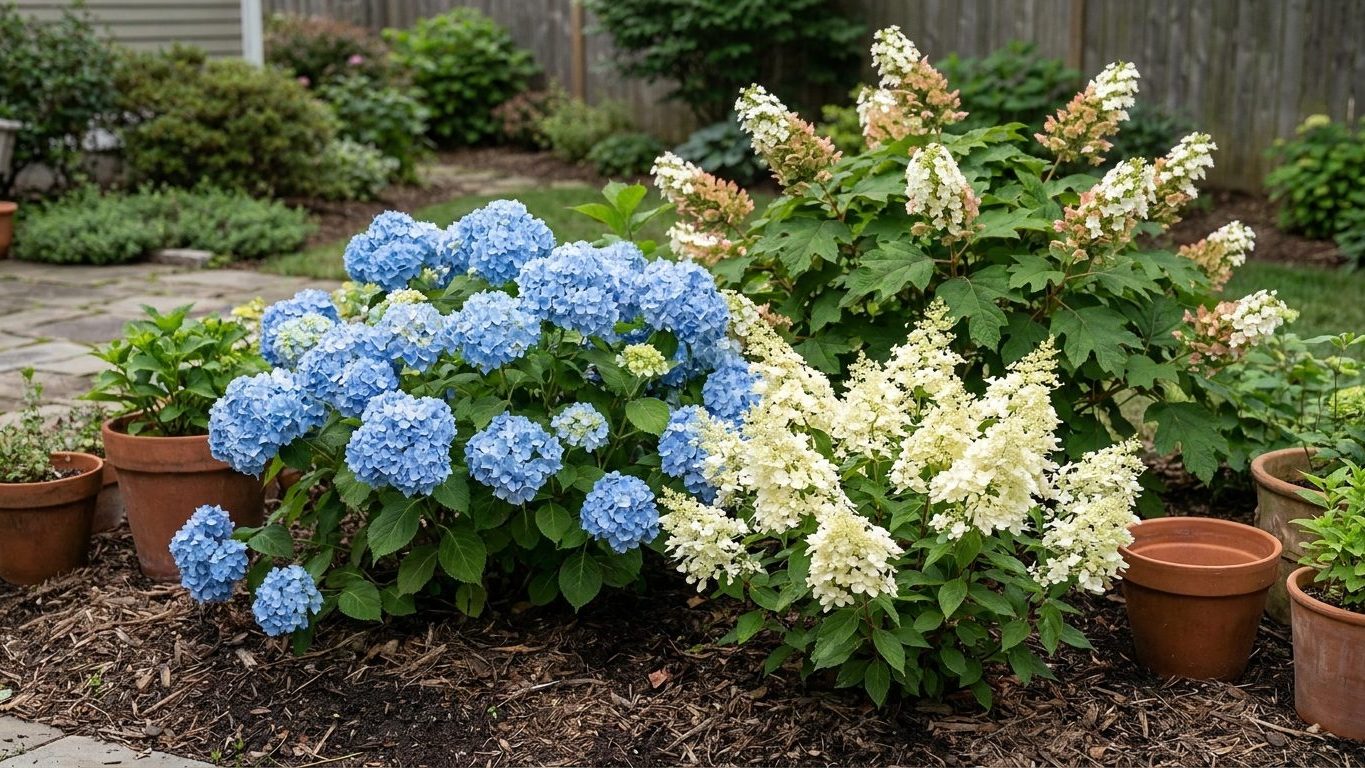
Panicle Hydrangea

Panicle Hydrangea — Hydrangeas That Grow Well in Kansas

Hydrangea paniculata blooms on new wood, so a hard Kansas winter that kills stems back to the ground still leaves flowers by midsummer. It shrugs off wind and full sun better than any other type on this list, which matters on the open, treeless lots common across the state.

Smooth Hydrangea

Smooth Hydrangea — Hydrangeas That Grow Well in Kansas

Hydrangea arborescens is native to parts of the Midwest and handles the cold snaps and humidity swings of a Kansas summer without much fuss. Cultivars bred for stronger stems hold up better in wind and rain than the older varieties, which tend to flop after a heavy downpour.

Oakleaf Hydrangea

Oakleaf Hydrangea — Hydrangeas That Grow Well in Kansas

Hydrangea quercifolia brings fall color and peeling bark that most other hydrangeas lack, and it takes the heat well once established. Its flower buds form on old wood, though, so a late freeze in the colder pockets of the state can erase a season’s blooms while leaving the shrub itself fine.

Mountain Hydrangea

Mountain Hydrangea — Hydrangeas That Grow Well in Kansas

Hydrangea serrata is a smaller, more cold tolerant cousin of the bigleaf type, and some cultivars rebloom on new growth after a rough winter. It still prefers afternoon shade, which is easy to give on a shaded patio but harder to find in an open, south-facing bed.

Bigleaf Hydrangea

Bigleaf Hydrangea — Hydrangeas That Grow Well in Kansas

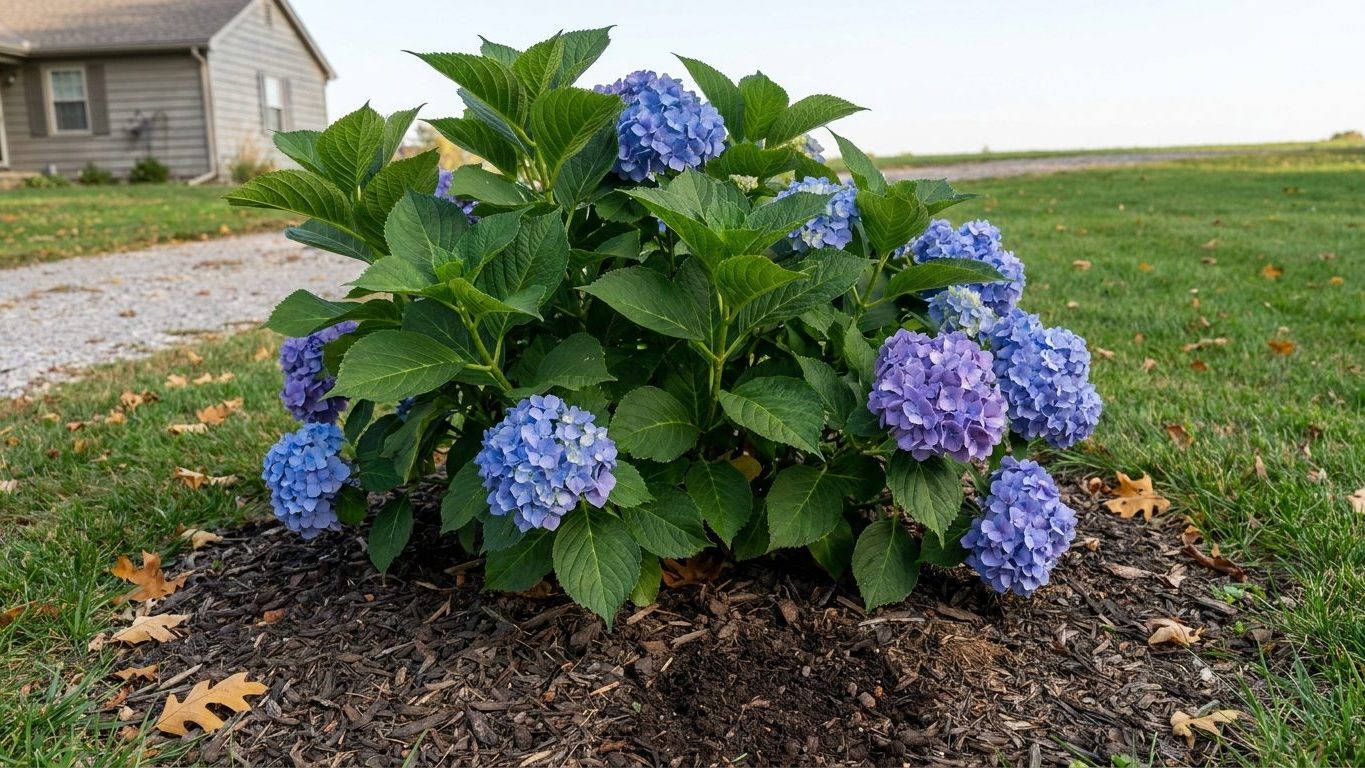
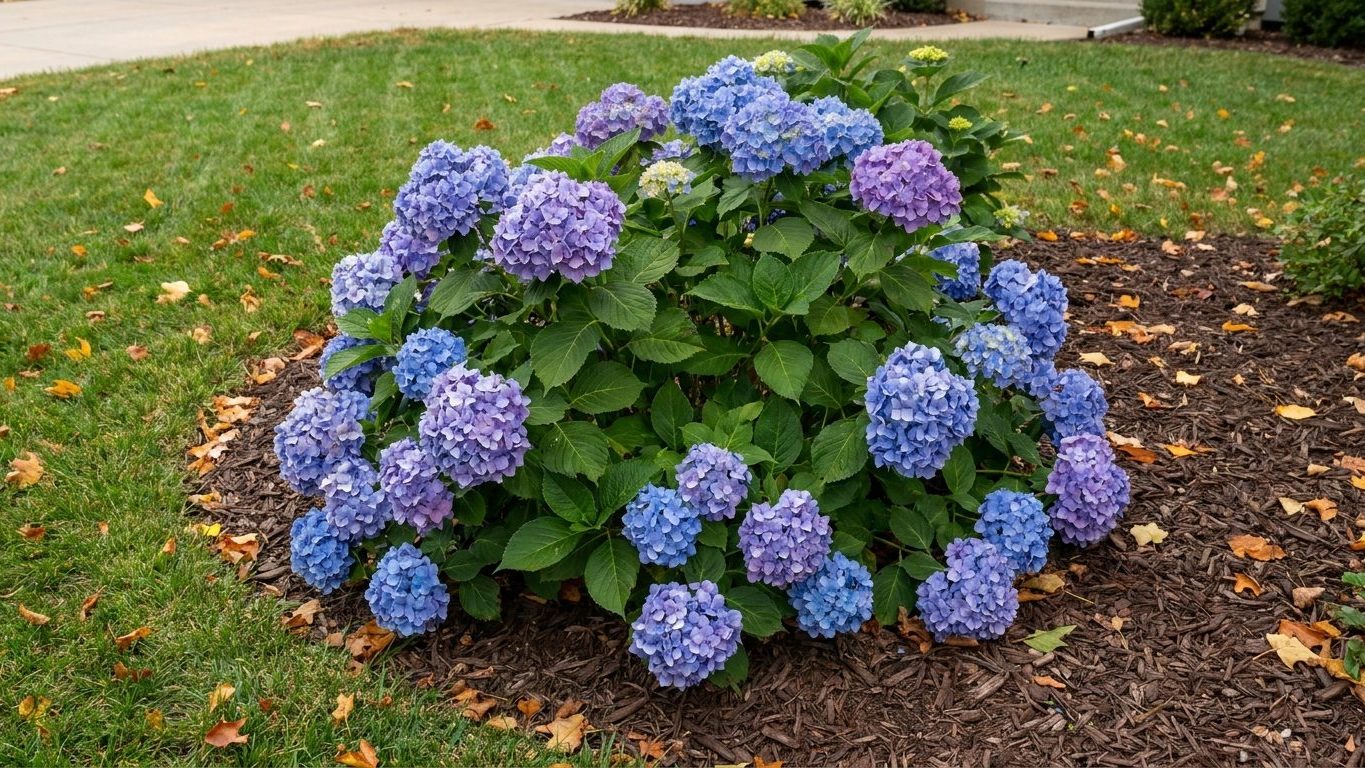
Hydrangea macrophylla is the shrub most people picture when they hear the word hydrangea, with its mophead blooms, but it sets flower buds on old wood that rarely survives a Kansas winter intact. Gardeners who grow it here usually treat the blooms as a bonus, not a guarantee.

Climbing Hydrangea

Climbing Hydrangea — Hydrangeas That Grow Well in Kansas

Hydrangea anomala subsp. petiolaris is the riskiest pick on this list, since it needs years to establish before it flowers and prefers a sheltered, partly shaded wall. In an exposed Kansas yard with full winter wind, it often survives without ever covering itself in bloom.

How to Work Out the Dates for Your Own Yard

The Topeka frost window is a starting point, not a rule, so work backward from it before planting or pruning anything.

  1. Start from the last spring freeze: NOAA NCEI Climate Normals puts the Topeka window at April 4 to April 18, and a shaded, low-lying yard nearby can run a week or two later.
  2. Hold new plants past that date: this state’s calendar lists April, May, August, and September as planting months, so wait until freeze risk has passed before a panicle or smooth hydrangea goes in the ground.
  3. Check the stems in early spring: scratch a small patch of bark, and green underneath means the wood survived, brown means it’s time to cut back to the ground.
  4. Prune bigleaf types only in June or July: cutting earlier removes the old wood the buds still need, and this state’s calendar reserves that window for exactly this reason.
  5. Feed in March, May, or July: those are the three fertilizing months this state’s calendar allows, and skipping the July feeding leaves a shrub thin heading into fall.

A panicle hydrangea planted in April usually flowers that same summer, since new wood doesn’t need a mild winter to bloom. A bigleaf hydrangea planted the same week may sit two or three winters without a single flower, because its buds freeze before they open.

Kansas North to South: How the Dates Shift

The hardiness range named above is not one climate across Kansas, and moving from the northeast corner to the west changes both the frost window and how much winter protection a hydrangea needs.

  • Northeast Kansas (Topeka, Kansas City, Lawrence): the coldest corner of the state’s hydrangea range, where panicle and smooth types hold up best and bigleaf varieties need the most winter mulch.
  • South Central Kansas (Wichita, Hutchinson, Newton): freezes arrive later in fall and let up earlier in spring, giving a young shrub a slightly longer stretch to establish before its first hard freeze.
  • Western Kansas (Dodge City, Garden City, Hays): drier air and stronger wind mean even the toughest panicle hydrangeas need a sheltered spot and more frequent watering than the same shrub gets further east.

Whichever part of the state a yard sits in, the safest approach is to treat the Topeka figures as a baseline and adjust a week or two based on how the neighborhood has behaved in past winters.

Mistakes Kansas Punishes

Three mistakes show up again and again in Kansas yards, and each one has a simple fix.

Pruning bigleaf hydrangea before June

Cutting back a bigleaf shrub in fall or early spring removes the very buds it needs to bloom, since this type sets flowers on old wood. This state’s calendar reserves pruning for June and July, after winter damage is visible and the plant has shown what it still has to work with.

Planting in an open, west-facing bed

Kansas wind and afternoon sun together stress a hydrangea faster than either does alone, scorching leaves and drying soil out between waterings. A spot with morning sun and afternoon shade, or the shelter of a fence, keeps the same shrub healthier through a July heat spell.

Skipping winter mulch on young shrubs

A hydrangea planted its first fall has roots too shallow to handle the swing between the Topeka area’s freeze and thaw cycles without help. A few inches of shredded leaves or bark over the root zone before the ground locks up protects a shrub through its first hard winter.

Kansas Extension Offices and County Contacts

The zone and frost figures above are a starting point, and Kansas State Research and Extension keeps county-level advice that goes further than any reference-city number can.

  • Your state page: the frost dates and the pruning window for Kansas in one place.
  • The month-by-month calendar: when to plant, fertilize, and prune a hydrangea here across the growing season.
  • What goes wrong here: the pests and problems this state sees most often on hydrangeas.

Call the county office before treating any of these figures as a hard rule for a specific address.

Common questions

Which hydrangea blooms every year in Kansas?

Panicle and smooth hydrangeas bloom on new wood, so they flower reliably even after a hard winter kills the top growth back to the ground, unlike bigleaf types that depend on old wood surviving.

Can bigleaf hydrangeas survive Kansas winters?

They often survive as a plant while losing that year’s flower buds to cold, which is why so many Kansas bigleaf hydrangeas grow lush and green but rarely bloom without extra winter protection.

When should I plant a new hydrangea in Kansas?

This state’s calendar lists April, May, August, and September as planting months, giving the roots time to settle before summer heat or winter cold sets in.

Hydrangea Pests and Diseases in Kansas

Hydrangea Pests and Diseases in Kansas

In Topeka, the growing season runs from the last spring frost window of April 4 to April 18 through the first fall frost window of October 23 to November 2, and that stretch of humid heat, alkaline clay, and one late freeze is what drives most of the hydrangea trouble homeowners see across Kansas.

Hydrangea pests and diseases Kansas: The Short Answer

Bud blast after a late frost

Bud blast after a late frost — Hydrangea Pests and Diseases in Kansas

NOAA NCEI 1991-2020 Climate Normals puts Topeka’s last spring frost between April 4 and April 18, and any hydrangea that broke bud before that window can drop its flowers outright. Cover exposed shrubs on cold nights and hold pruning for the June to July window on the calendar page.

Iron chlorosis in alkaline soil

Kansas clay often runs high in pH, and hydrangea leaves turn yellow between green veins when roots can’t pull iron from that alkaline ground. A soil test tells you the real number, and a sulfur-based amendment worked into the root zone each spring corrects it faster than any leaf spray.

Aphids on new growth

Soft new shoots draw aphids in spring, and you will spot the sticky honeydew and curled leaf tips before you ever see the insects themselves crowding the stem. A hard spray from the garden hose knocks most colonies off in one pass, and ladybugs usually finish the job within a week or two.

Cercospora leaf spot

Humid Kansas summers push this fungus onto the lower leaves first, showing up as purple-rimmed brown spots that spread upward and drop foliage early in the season. Water the soil instead of the leaves, and rake up fallen leaves each fall so the spores cannot overwinter under the shrub.

Powdery mildew on late-summer leaves

Powdery mildew on late-summer leaves — Hydrangea Pests and Diseases in Kansas

A white dusty film coats leaves and stems when humid days meet cool nights in August, a pattern common across the state’s 5b to 7a hardiness range for hydrangea. Space plants apart for airflow and water early in the day so leaves have time to dry before evening falls.

Japanese beetles in midsummer

Japanese beetles in midsummer — Hydrangea Pests and Diseases in Kansas

These metallic green beetles skeletonize leaves between the veins right around the June to July pruning window, leaving a lacy brown pattern behind on the foliage. Handpick them into a bucket of soapy water in early morning, since that is when they are slowest to fly off.

Root rot in heavy clay

Kansas clay holds water long after summer storms, and roots sitting in soggy soil turn brown and mushy while the top wilts despite damp ground. Raise the planting hole or add compost before planting in the April, May, August, or September window, and stop daily watering once roots are established.

How to Work Out the Dates for Your Own Yard

Matching a symptom to its cause starts with the calendar, not the leaf, since timing narrows the list faster than any photo comparison.

  1. Mark your last frost window: Topeka’s runs April 4 to April 18 according to NOAA NCEI 1991-2020 Climate Normals, so count backward from bud break to see if a frost happened first.
  2. Check if new growth or old wood is affected: bud blast and frost damage hit the newest tips, while root rot and chlorosis show up on older, established leaves lower down.
  3. Test the soil pH before you treat the leaves: yellow leaves with green veins point to alkaline soil long before they point to disease.
  4. Watch the weather from the week before symptoms appeared: powdery mildew follows a humid, cool night, aphids follow a warm dry stretch of new growth.
  5. Compare the date to the calendar’s prune window: damage that shows right after a June or July cut is often a pruning wound, not a pest.
  6. Call before you spray anything: a county extension office can confirm a diagnosis from a photo or a leaf sample faster than trial and error.

None of these steps need special equipment, just a calendar and a close look at where on the plant the damage started.

Kansas North to South: How the Dates Shift

Kansas stretches across nearly three hardiness zones, and elevation plus distance from humid air along the eastern border shifts these dates region by region.

  • Northwest Kansas (Goodland, Colby, Hays): the coldest corner of the state, colder and higher than Topeka, so frost lingers later in spring and arrives earlier in fall than the reference dates above.
  • Northeast Kansas (Topeka, Lawrence, Kansas City): this is the reference area for the frost windows above, with humid summers and the heaviest pressure from powdery mildew and leaf spot.
  • Central Kansas (Wichita, Salina, Hutchinson): a transitional belt where wind exposure matters more than latitude, drying leaves and soil faster between waterings.
  • Southeast Kansas (Pittsburg, Parsons, Independence): the warmest, most humid pocket of the state, with a longer stretch for both planting and fungal disease pressure.

Your exact numbers depend on which of these pockets you garden in, and the state guide page carries the full picture for Kansas hydrangeas.

Mistakes Kansas Punishes

Pruning bigleaf hydrangea in fall

Bigleaf hydrangea varieties set next year’s flower buds on the current season’s wood, so a fall or winter cut removes next summer’s blooms before they ever open. Keep pruning inside the June to July window on the calendar page, and limit any other cuts to dead or damaged stems only.

Planting on an exposed west wall

Kansas wind paired with afternoon sun scorches leaves fast on a shrub planted with no windbreak nearby, especially once summer heat and dry air set in for good. Choose a spot with afternoon shade or a fence line to cut the wind, and check the varieties page for names bred to handle Kansas exposure.

Skipping the soil pH test

High pH clay across much of Kansas locks up iron long before a homeowner notices yellowing leaves between green veins, and by then the shrub is already stressed. Test the soil before you plant, inside the April, May, August, or September planting window, and amend early rather than chase yellow leaves later.

Kansas Extension Offices and County Contacts

Kansas State Research and Extension anchors the state-wide advice, but a county office can look at your actual leaf or bud problem, something a hardiness zone map never can.

Start with whichever county office covers your zip code, and bring a photo of the actual leaf.

Common questions

Why do my hydrangea leaves turn yellow in Kansas?

Most of the time it’s alkaline clay locking up iron, not a disease. The leaf turns yellow while the veins stay green, and a soil test settles the question before you spend money on a fungicide that won’t help.

When should I prune hydrangeas in Kansas?

The calendar for Kansas puts bigleaf pruning in June and July, after the flower show and before next year’s buds start forming. Cutting outside that window on old-wood types is the single fastest way to lose next summer’s blooms.

What’s the most common hydrangea pest in Kansas?

Aphids show up earliest, on the softest spring growth, but Japanese beetles do more visible damage once they arrive in midsummer. Both respond to hand controls before you reach for a spray, and neither one usually kills an established shrub on its own.

When to Prune Hydrangeas in Kansas

When to Prune Hydrangeas in Kansas

The short answer: in Wichita, the reference city for Kansas frost data, hydrangeas go into the ground during two windows, April to May and again August to September, once the last spring frost has cleared. Your own county and your own hydrangea adjust that answer.

When to prune hydrangeas in Kansas: The Short Answer

NOAA NCEI 1991-2020 Climate Normals put Wichita’s last spring frost between April 4 and April 18, and that ten-day-plus window is the hinge every gesture below turns on.

  • January: nothing to plant or cut; the shrub is fully dormant. Check for winter dieback on exposed stems, but leave pruning tools in the shed.
  • February: still too early for any cutting. Order new plants now if you want them ready for the April window.
  • March: the first fertilize window of the year opens. Feed established shrubs, but hold off on planting since frost risk still runs into April.
  • April: the first planting window opens, though the last frost lingers until April 18 some years. Wait until your own yard has cleared before setting new roots.
  • May: the safest planting month, since frost has passed statewide, and the second fertilize window falls here too. Plant and feed in the same visit if you like.
  • June: the pruning window for bigleaf hydrangeas opens. This is the only stretch to shape or thin an old-wood variety without cutting off next year’s blooms.
  • July: the bigleaf pruning window closes, and the third fertilize window opens. Finish any cutting early in the month before switching to feeding.
  • August: a second planting window opens. Roots set now have two full months to establish before the ground cools.
  • September: the last planting window of the year. Give new roots roughly six weeks before the first fall frost arrives.
  • October: the first fall frost lands somewhere between October 23 and November 2. Stop planting once that window opens in your county.
  • November: dormancy sets in. Mulch over the root zone to buffer the cold, especially where the shrub sits at the colder edge of the state’s zone range.
  • December: no gestures needed. Use the quiet month to plan next year’s planting and pruning around this same calendar.

Nothing on this list is a fixed date. Each entry is a window built around Wichita’s frost data, and your own yard may run a week or two earlier or later depending on where you sit in the state.

How to Work Out the Dates for Your Own Yard

Every date on the calendar above starts from Wichita’s airport station, so the real work is translating it to your own soil.

  1. Start from the reference window: NOAA NCEI 1991-2020 Climate Normals place Wichita’s last spring frost between April 4 and April 18, and that is your starting line, not your finish line.
  2. Add a buffer for your setting: suburban and rural yards typically see frost linger later in spring and arrive earlier in fall than the airport station, often by one to two weeks, more if you sit at higher elevation.
  3. Match the planting window to that buffer: if your yard runs a week behind Wichita, treat the April planting window as a May start and lean on the second window in August and September instead.
  4. Check your hardiness zone: the USDA Plant Hardiness Zone Map 2023 spans Kansas from 5b to 7a, and a shrub sitting at the 5b edge needs more winter cover than one closer to 7a.
  5. Count back from the fall cutoff: use the September planting window as your last safe entry, working backward from the October 23 to November 2 first fall frost so new roots get real time to settle in.
  6. Call before you commit: a county extension agent can confirm whether your specific ground runs warmer or colder than the reference station.

None of this replaces a local check. The calendar gives you the shape of the year, but your fence line, your slope, and your soil decide the actual week.

Kansas North to South: How the Dates Shift

Kansas stretches far enough that a single statewide date rarely fits every yard, and the shift runs in a fairly predictable direction.

  • Northeast Kansas: sits at the milder edge of the state’s range, with frost typically clearing earlier in spring and holding off later in fall than the reference station.
  • South Central Kansas: this is Wichita’s own territory, the reference point every date is built from.
  • Western high plains: higher elevation and drier air push both frost dates further apart, so spring planting often waits longer and fall cutoff arrives sooner.
  • Southeast Kansas: tends to run warmer, closer to the milder end of the state’s hardiness range, with a longer stretch of frost-free ground each year.

Wherever you land in that spread, treat Wichita’s dates as a middle reference rather than a rule, and lean on the Kansas hydrangea guide for a fuller regional breakdown.

Mistakes Kansas Punishes

Pruning bigleaf outside its window

Pruning bigleaf outside its window — When to Plant and Prune Hydrangeas in Kansas

Cutting a bigleaf hydrangea outside June and July removes buds already set for next year, since this variety blooms on old wood. Prune only inside that window, and check the varieties page before reaching for shears on an unfamiliar shrub.

Planting into April’s leftover frost

Setting new roots the moment the April window opens can catch the tail end of a frost that lingers to April 18 some years. Wait a full week past your own last frost, or shift the planting to May instead.

Full sun with no afternoon shade

Kansas summer heat and wind scorch leaves fast when a hydrangea sits in unbroken afternoon sun. Choose a spot with morning light and afternoon shade, and see the problems page for what leaf scorch looks like once it starts.

Kansas Extension Offices and County Contacts

The dates above start from one Wichita weather station, and your county office fills in the rest with local soil and frost detail.

  • K-State Research and Extension: the statewide service behind Kansas’s county offices, with local frost and soil guidance.
  • Your county extension office: agents there can confirm whether your yard runs earlier or later than the Wichita reference dates used here.
  • The Kansas hydrangea guide: the parent page for zone range, frost windows, and how this calendar fits your part of the state.

Common questions

Can I plant hydrangeas in Kansas in the fall?

Yes, the calendar includes a second planting window in August and September, which gives roots roughly six weeks to settle before the first fall frost arrives between October 23 and November 2.

What USDA zone is most of Kansas in?

The USDA Plant Hardiness Zone Map 2023 places Kansas across a 5b to 7a range, meaning a yard at the northern or higher-elevation edge needs more winter protection than one closer to the state’s southern border.

Why didn’t my bigleaf hydrangea bloom this year?

The most common cause is pruning outside the June and July window, which removes buds already set for the following season. Check the timing of your last cut before assuming winter damage or shade is to blame.

The almanac, state by state. Every date on this site comes from a state’s own frost facts and its extension service’s calendar — and says where it comes from.