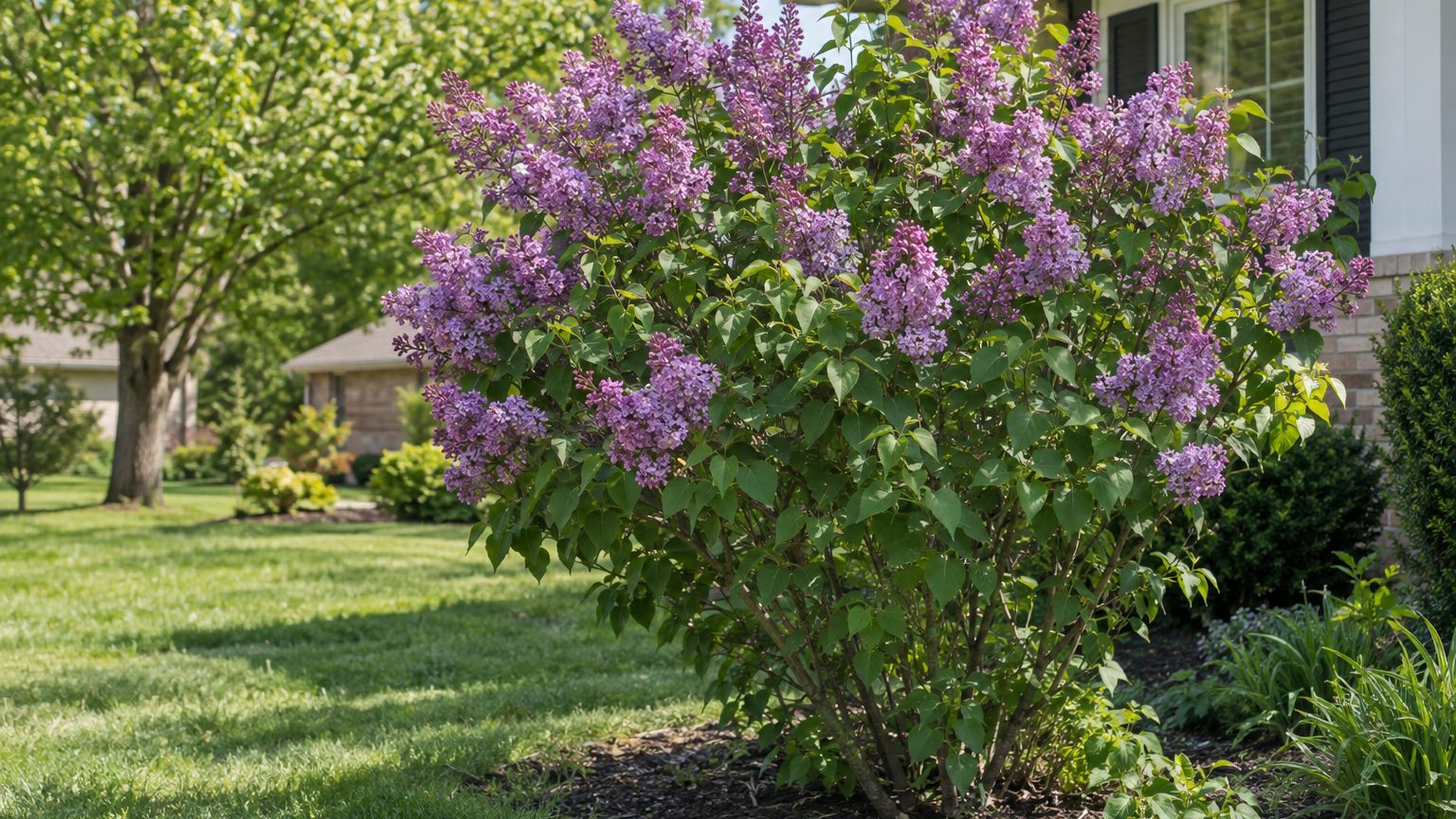
When the first lilac clusters open in spring, the scent carries across a yard. In Arkansas those blooms arrive in April and May, and how well a lilac does depends heavily on where in the state it grows. Knowing the local bloom pattern makes it easier to enjoy the flowers and time pruning well.
When Do Lilacs Bloom in Arkansas?

Lilacs in Arkansas flower in April and May, and the rest of the year follows from that.
- In April and May, the flower clusters open. This is the stretch to enjoy them and to cut a few stems for a vase.
- In May and June, right after the flowers fade, a lilac gets any pruning it needs. If the moment slips past, it can also be done in July, but not after July 10.
- Through summer, the shrub sets the flower buds for next spring, so the new growth you see now carries next year’s blooms.
- From late summer into early fall, the buds finish forming. Pruning shears stay in the shed, because every cut removes a future flower.
- In winter, the shrub rests. The cold of these months is what matures the buds, so a mild stretch is no gift to a lilac.
Reference dates here come from Little Rock, and the state spans USDA hardiness zones 6b to 8a, so other parts of Arkansas differ. The last spring frost at Little Rock falls between March 12 and March 28. The first fall frost arrives between November 7 and November 20, well after the buds have set.
Arkansas — the year and the numbers
- State
- Arkansas
- USDA zones
- 6b-8a
- Last spring frost
- March 12 to March 28
- First fall frost
- November 7 to November 20
- Annual rain
- 50 in
- Lawn zone
- warm-season
- Source
- NOAA NCEI 1991-2020 Climate Normals, 32F freeze probabilities · Little Rock
Which Lilacs Grow Best in Arkansas?
Lilacs grow in Arkansas, but they are happier in the cooler northern parts than in the heat of the south. In central and southern Arkansas, common lilacs often struggle through long spells of high heat and humidity.
Lilacs need a long, cold winter rest to mature their flower buds. Arkansas winters give less of that than a lilac would like, so choosing the type matters more than it does in colder states.
| Lilac type | How it does in Arkansas | Why |
|---|---|---|
| Common lilac (Syringa vulgaris) | Struggles in central and southern Arkansas, better further north | High heat and humidity stress it and invite powdery mildew |
| Cultivars sold as heat tolerant | Often do not thrive in central and southern Arkansas | The label promises more than a humid summer allows |
| Low chill cultivars | A reasonable try where winters are milder | They need less cold, but still bloom best after an extended winter rest |
| Reblooming Bloomerang group | Blooms well only with a real cold period | Like nearly all lilacs, it needs winter cold to flower |
A claim of heat tolerance on a plant tag does not cancel a lilac’s need for winter chill. In the warmer south of the state, plan for a lilac that may bloom lightly or catch mildew, and treat it as an experiment, not a sure thing.
When to Plant, Prune and Feed Lilacs in Arkansas
Lilac care in Arkansas is mostly a matter of leaving the plant alone at the right times. The task with a firm window is pruning, and it ties directly to when the shrub sets its buds.
| Task | Best timing in Arkansas | Why then |
|---|---|---|
| Enjoying and cutting blooms | April and May | This is when the flower clusters are open |
| Pruning, only as needed | May and June, or July before July 10 if needed | Right after the flowers fade, before next year’s buds form |
| Hands off the shears | Late summer, fall and winter | Pruning then cuts off the next spring’s flowers |
A lilac blooms on last year’s wood, so a cut in late summer, fall or winter removes buds already waiting. Planting and feeding have no firm month here. Plant when the weather is mild, not in a summer heat wave, and let a soil test from the county office guide any feeding. The full pruning routine lives on the page about when to prune lilacs in Arkansas.
How Lilac Bloom Time Changes Across Arkansas
Lilacs typically bloom in April and May across Arkansas, with elevation and warmth shifting their timing within the spring.
- The Ozarks: higher ground and cooler air tend to open the flowers a little later. Colder winters also give the buds the rest they need, so lilacs do best here.
- The Arkansas River Valley and Little Rock area: warmer than the hills, so bloom comes earlier. Summer heat and humidity start to take a toll on the shrub.
- The Delta: Warm, humid conditions can make lilacs struggle and invite powdery mildew.
- South Arkansas: Long, hot summers can invite powdery mildew, while milder winters can make flowering less certain than in cooler parts of the state.
A cold snap in a given spring can still delay flowers anywhere, so treat these as general tendencies, not guarantees.
Where to Get Lilac Advice in Arkansas
For a sick shrub, a lilac that never blooms, or a question about soil, the state’s land-grant extension service is the place to start. Its county offices know local conditions better than any general guide.
- The University of Arkansas Extension website has plant pages on lilacs and other shrubs, handy before buying or when leaves look wrong.
- Your county extension office can test soil and look at a damaged branch, so take a sample or a cutting in during spring or summer.
- Master Gardener volunteers answer local planting questions, which helps when picking a spot.
Common Questions
Can a Late Frost Hurt Lilac Flowers in Arkansas?
Yes, early buds can be nipped if a cold night comes after they swell. Light frost, at the 36F threshold, can still occur as late as April 3 at Little Rock, right as bloom begins. The shrub usually recovers, but that year’s flowers may be thin.
Why Do Lilac Leaves Turn White and Powdery in Summer?
A dusty white coating on the leaves that shows up during a hot, humid stretch is most likely powdery mildew. Lilacs in central and southern Arkansas are prone to it. Good air movement around the shrub helps, and the county office can confirm the diagnosis from a sample.
Is the Hardiness Zone Enough to Pick a Lilac?
The USDA hardiness zone reflects the average annual extreme minimum temperature, and it does not measure winter chill or summer heat. What decides success in Arkansas is whether the winter chill is long enough to mature the buds and whether summer heat stays bearable, so the part of the state matters as much as the zone.